
Review · ITALY
Near Cagliari: Wild Herbs and Healing at “In Our Garden”
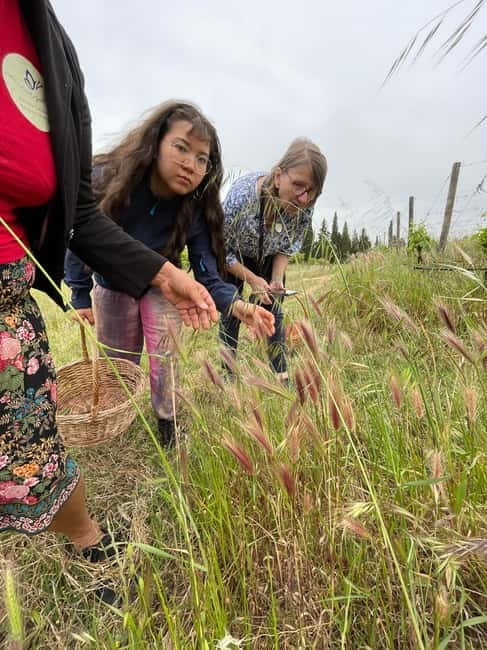
Sardinia’s plant traditions come into focus on this gentle walk with Ramona, who leads you through the countryside near Cagliari to identify wild herbs used in food, folk medicine, rituals, and everyday life. You do more than look at plants: you smell them, touch them, gather some, and learn how they can become infused oils or fragrant smudge sticks.
I like the personal scale of this experience, since it is offered as a private group activity rather than a large coach outing. I also like the setting, where vineyards, almond trees, olive groves, and orange orchards create a fuller picture of Sardinia beyond beaches. The main consideration is that this is a quiet, two-hour nature walk, not a formal medical course or a demanding hike.
Key points at a glance
- Ramona’s personal approach: Learn from a guide whose work connects Sardinian folk medicine, permaculture, slow living, and local culture.
- A countryside route near Cagliari: Walk among vineyards, almond trees, olive groves, and orange orchards rather than staying in an indoor classroom.
- Useful plants in context: Identify spontaneous edible and medicinal herbs and hear how they have been used for physical and emotional care.
- Hands-on herbal work: Gather plants and learn about infused oils and smudge sticks.
- A simple Sardinian finish: Share herbal tea and a homemade merenda in nature.
- A fragrant souvenir: Take home a handmade bundle of wild lavender called mazzetti.
Why this experience feels different from a standard Cagliari outing
Many Cagliari activities focus on monuments, food, or the coast. This one asks you to slow down and pay attention to the ground beneath your feet. A plant that first looks like an ordinary weed may have a place in cooking, healing, seasonal customs, or a household remedy.
That change in pace is the real point. You are not racing from one sight to the next or collecting a long list of botanical names. Ramona uses the walk to explain how Sardinian plant knowledge developed through close contact with the land. You learn to notice scent, texture, and appearance, then connect those details with traditional uses.
I find this especially useful if you want an introduction to Sardinia’s rural side but do not have time for a full farm stay. The experience takes only two hours, yet it gives you a reason to look differently at the countryside for the rest of your trip.
The setting at In Our Garden adds another layer. This is a bio-agritourism retreat, not simply a meeting point in a city park. The property includes cultivated areas and fruit trees, while the wider surroundings offer views that shift between mountain and sea. The exact plants available will depend on the season, so you should treat the route as a living experience rather than a fixed botanical display.
A few more garden visits around Italy worth a look
- Florence: Reserved Entry Ticket to the Boboli Gardens
★ 4.4 · 5,275 reviews - Rome: Borghese Gallery and Gardens Guided Small-Group Tour
★ 4.6 · 2,783 reviews - Rome: Borghese Gallery & Gardens Small Group Guided Tour
★ 4.5 · 2,190 reviews
Meeting Ramona and understanding her approach
Ramona brings an unusual background to the activity. She spent more than 30 years as a freelance organizational psychologist focused on sustainable local human development before building a new life in Sardinia. Originally from Liguria, she worked in several parts of the world, then chose Sardinia because of its natural setting and long-standing traditions.
That background matters because her approach is broader than plant identification. She connects herbs with relationships, community, art, culture, permaculture, and personal well-being. You are likely to hear about the way people use plants in daily life, not only about their physical properties.
Her work also reflects the values of In Our Garden. The project is tied to slow living, local food, organic production, and a closer relationship with the land. The property offers homes and glamping tents as well as space for camping, so this walk can fit naturally into a longer stay if you want more time in the area.
The activity is available in Italian, English, Spanish, French, and Portuguese. That language range is useful for a private experience, since you can ask questions without trying to keep up with a large multilingual group.
The two-hour walk through Sardinian countryside
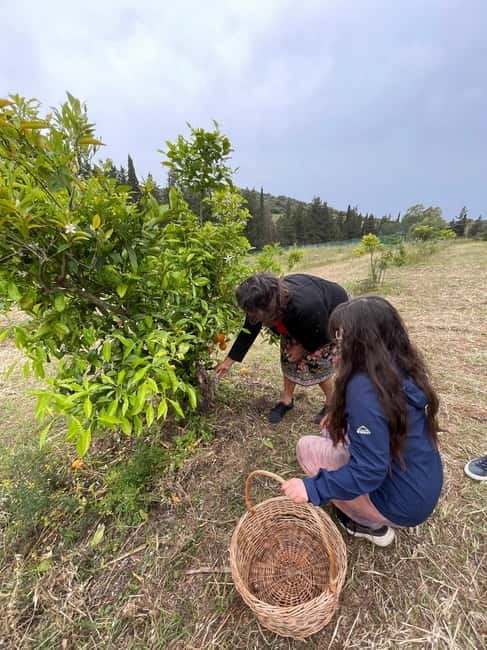
The walk is designed to be peaceful and unhurried. You move through the grounds and nearby countryside, passing cultivated areas and trees such as olives, almonds, and oranges. Vines add another connection to local agriculture, and Ramona’s partner produces wine at the property.
This is not presented as a strenuous trek. The stated duration is around two hours, with the emphasis on observation, conversation, and gathering rather than distance. I would choose it if you enjoy walking at an easy pace and stopping often to examine a plant or hear a story.
The exact route and selection of herbs can change with the season. In spring, the countryside may offer a different range of growth than it does in late summer or autumn. That variation is part of the appeal, but it also means you should not expect a guaranteed list of particular species.
Summer timing deserves some thought. Morning or late afternoon is recommended during the warmer months, when the sun is less intense. A cooler time of day should make it easier to focus on scents and details rather than simply looking for shade.
Wear practical outdoor clothing and comfortable shoes. The supplied information does not specify a required footwear type, but a rural walk is best approached with something suitable for uneven ground. You should also plan for sun protection in summer.
Learning to identify edible and medicinal plants
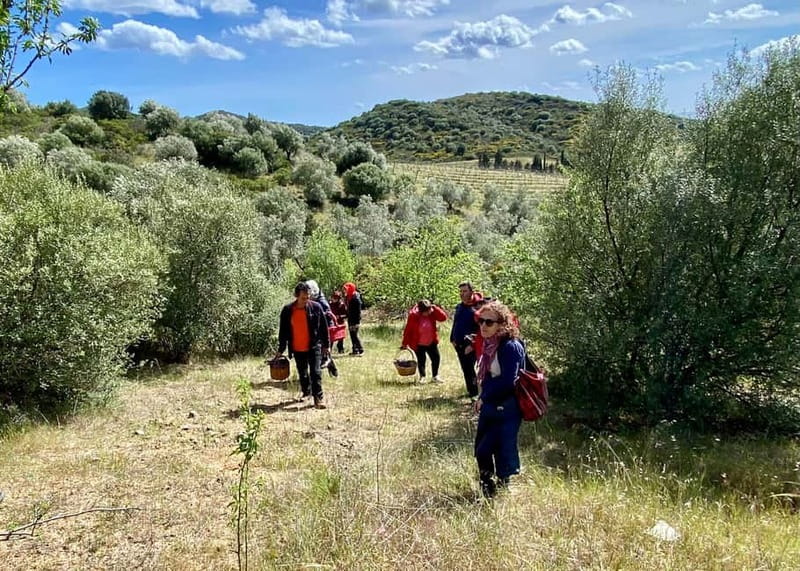
The strongest part of the walk is the practical plant recognition. Ramona introduces spontaneous plants used in Sardinian popular medicine and rituals, then explains how people have linked them with physical and emotional care.
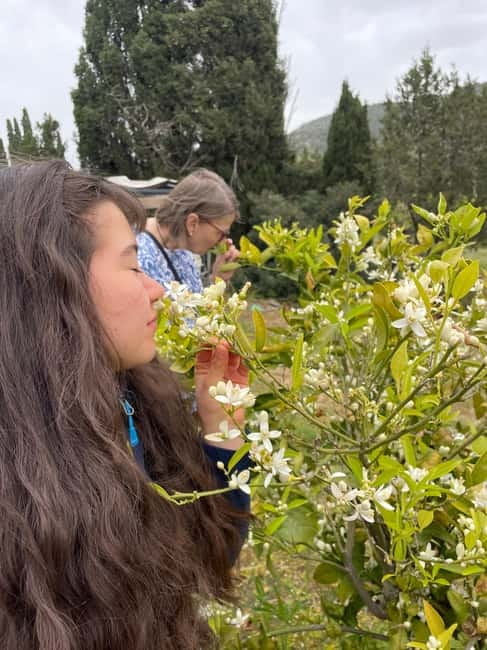
You may learn how to distinguish plants by smell, texture, shape, and setting. That kind of learning stays with you better than a list of names because it gives you several ways to remember what you saw. The experience also encourages you to notice how wild plants fit beside cultivated crops and fruit trees.
A key point is that this is traditional knowledge, not a replacement for medical advice. The activity explores historical and cultural uses of herbs. You should not treat anything gathered during the walk as a medicine without proper identification and professional guidance.
The tasting element makes the plant talk more immediate. You may be invited to smell or taste selected herbs as part of the experience. This helps connect the plant’s use with its aroma and flavor, while also making the walk feel social rather than academic.
Ramona also discusses rituals and emotional healing. Sardinian plant customs are not limited to physical remedies. Herbs can carry meaning in household practices, seasonal traditions, and personal rituals. That cultural layer gives the walk more depth than a simple forage for ingredients.
Same place, a different kind of green day out:
- Rome: Bioparco di Roma Zoological Garden Entry Ticket
★ 4.6 · 1,414 reviews - Florence: Pitti Palace and Boboli Gardens Ticket & eBook
★ 4.5 · 835 reviews - Caserta Royal Palace & Gardens Small Group Tour with Shuttle
★ 4.9 · 632 reviews - Giardini Naxos: Dolphin Searching Sunset Boat Tour
★ 4.7 · 564 reviews
Infused oils and smudge sticks
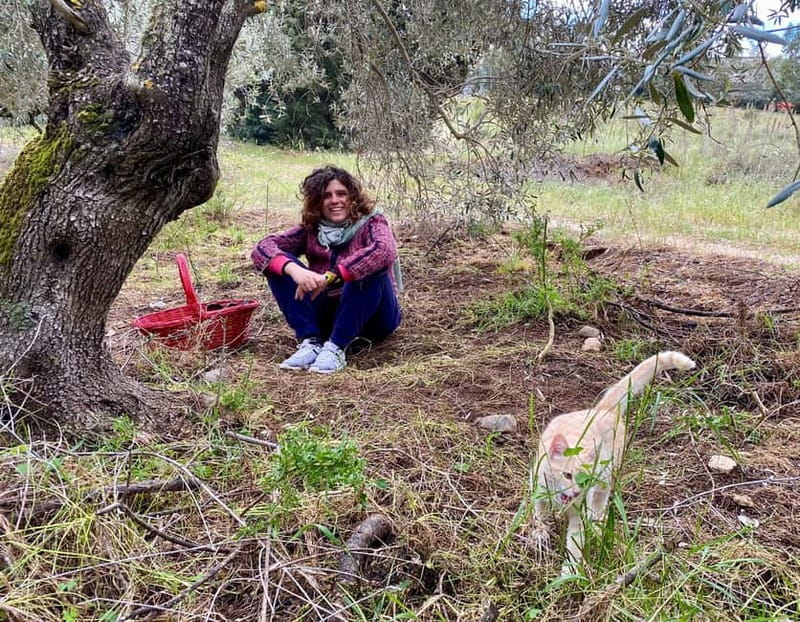
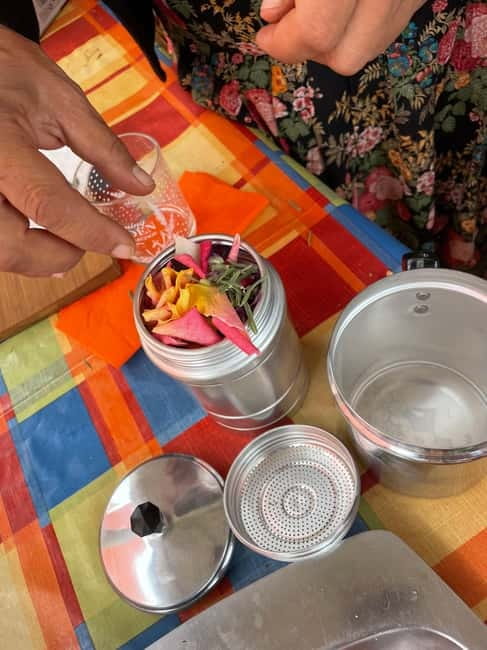
The experience includes an introduction to making infused oils. These oils preserve the scent and qualities of plants in a form that can be used in everyday preparations. You learn the basic idea behind the process and how the plant’s natural aroma can be carried into another medium.
You also take part in the art of making smudge sticks. The work is simple and hands-on, giving you a better sense of how herbs can be prepared for scent, ritual, or home use. It is a small activity, but it turns an abstract lesson into something you can remember.
Do not expect a full workshop with a long production session. The activity lasts two hours and includes the walk, storytelling, tasting, tea, and snack. The emphasis is on an introduction to the traditions and techniques, not on producing large quantities of oil or several finished items.
Herbal tea, merenda, and a lavender bundle
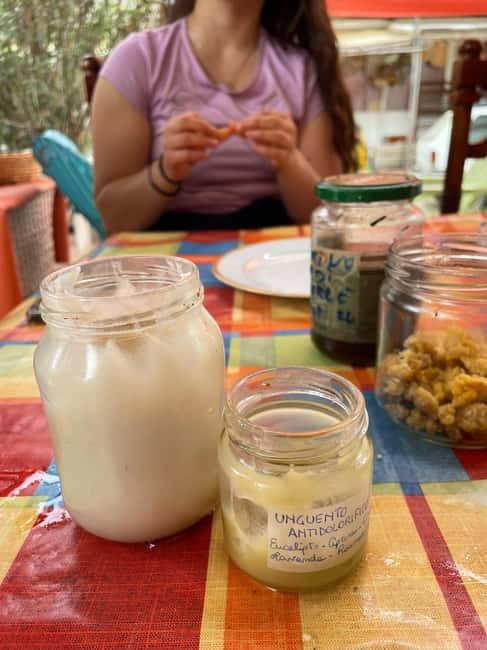
The walk ends with herbal tea and a homemade Sardinian merenda. In this setting, the snack is more than a convenient refreshment. It gives you time to sit, talk, and connect the plants you have seen with local food customs.
The food is part of the experience’s strongest sense of place. The property grows organic products, and Ramona and her partner make wine. One especially generous possibility is that you may be invited to stay for a meal beyond the scheduled activity, though that should not be treated as a guaranteed part of the booking.
You also take home a handmade mazzetti, a fragrant bundle of wild lavender. It is a modest souvenir, but a good one. Unlike a generic shop purchase, it carries the scent of the countryside and recalls the hands-on nature of the walk.
The lavender bundle also reflects the tone of the experience. This is not about buying an expensive product or collecting a rare object. It is about carrying away a small, useful reminder of time spent paying attention.
Getting there from Cagliari without a car
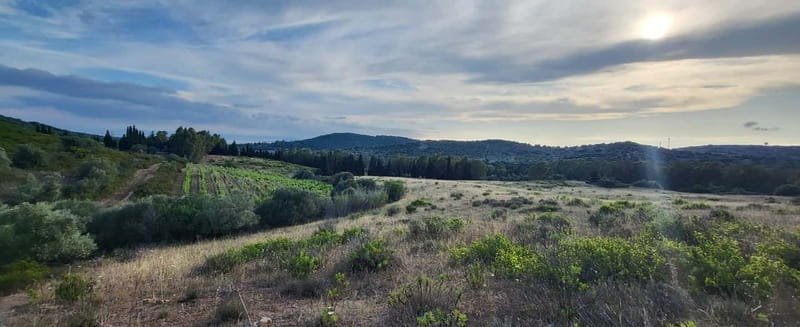
In Our Garden can be reached by public transport from Cagliari. From the area in front of Cagliari train station, take bus line PF toward Terra Mala. The ride is described as taking around 30 minutes, although one account of the journey found it closer to three quarters of an hour, so I would allow extra time.
Get off at bus stop number 475 on Via Leonardo da Vinci, near the junction with Via Lago di Varese in Marina Residenza. From there, the property is about a five to ten minute drive, and the hosts are happy to pick you up.
This is an important advantage if you are staying in Cagliari without a rental car. You can reach a rural setting without arranging a full-day taxi or private transfer. Still, confirm the pickup details and timing when you book, since the final short drive from the bus stop is part of the practical plan.
The bus ride itself helps mark the change from urban Cagliari to the quieter coastal and rural surroundings. It is not the fastest option, but it supports the relaxed character of the outing and avoids the hassle of driving.
Is $53 a fair price?
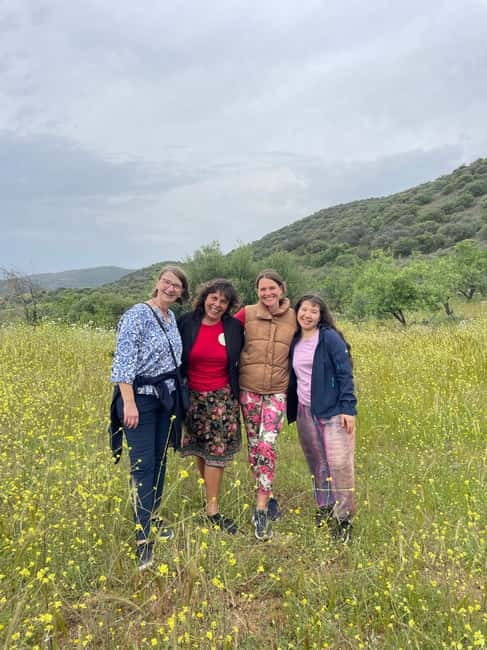
At $53 per person, the value depends on what you want from a short activity. You are paying for a private-group experience with a guide, a two-hour walk, plant identification, stories about Sardinian traditions, hands-on work with herbs, tea, a homemade snack, and a lavender bundle.
That is a fair price if you value personal attention and cultural context. A large public walk might cost less, but it would not necessarily offer the same chance to ask questions or shape the conversation around your interests.
The price is less compelling if you are looking only for a long hike, a substantial meal, or a formal botanical lesson. The walk is gentle, and the snack is a traditional finish rather than a restaurant lunch. I would see it as a compact cultural experience, not a substitute for a full countryside excursion.
The private format helps justify the cost. You can focus on the subjects that interest you, whether that is edible plants, folk rituals, infused oils, organic farming, or the wider In Our Garden project.
Who should book this walk?
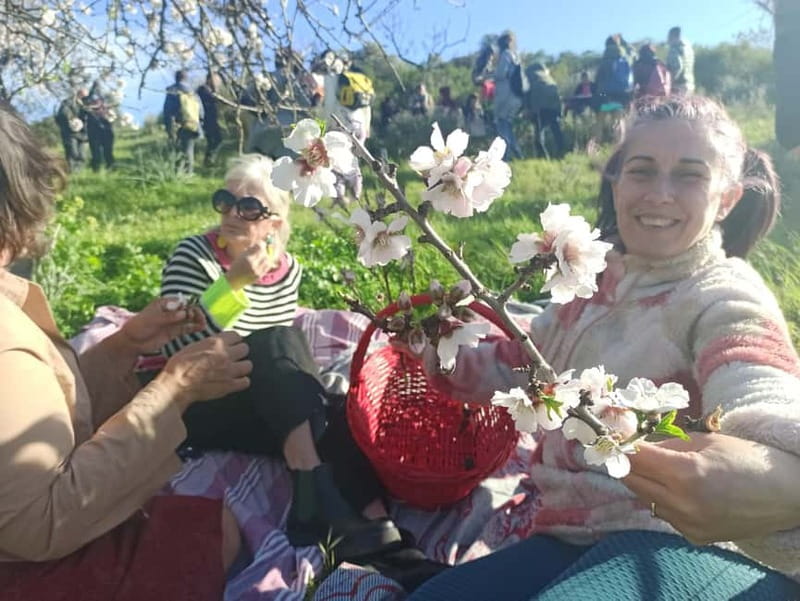
I would recommend it to you if you enjoy local traditions, small-scale activities, nature, and food with a clear connection to place. It is also a good choice if you have already spent time around Cagliari’s coast and want to see another side of southern Sardinia.
It suits couples, families with an interest in plants, and small groups who prefer conversation to crowds. The gentle pace may also appeal to you if you want an outdoor activity without a demanding hike.
You may want to choose something else if you need a tightly timed excursion with a fixed route, guaranteed plant species, or a large meal included. The experience is personal and seasonal, so its details can shift with the time of year.
Book a morning or late-afternoon start in summer. If you are coming by bus, build in a little extra time for the ride and arrange the pickup from stop 475 in advance. Free cancellation is available up to 24 hours before the activity, and you can reserve now and pay later.
Should you book In Our Garden?
Book this experience if you want to slow down and meet Sardinia through its plants, stories, and rural customs. Ramona’s background and warm style make the walk feel more like a visit to a living project than a standard sightseeing stop.
The best reasons to go are the private setting, the hands-on plant work, the herbal tea and homemade merenda, and the chance to leave with a lavender mazzetti. The main limits are its short length, gentle pace, and focus on traditional knowledge rather than formal medicine.
For a modest price, you get a personal introduction to a side of Sardinia that many beach-focused itineraries miss. I would make room for it if you have two free hours near Cagliari and want an experience that stays small, local, and connected to the land.
FAQ
Where does the wild-herb experience take place?
It takes place at In Our Garden, a bio-agritourism retreat in South Sardinia near Cagliari.
How long does the activity last?
The experience lasts around two hours.
What can I learn during the walk?
You can learn to identify spontaneous edible and medicinal plants and hear about their use in Sardinian folk medicine, rituals, and emotional and physical care.
Is the activity private?
Yes. The experience is offered for a private group.
Which languages are available?
The host or greeter can provide the activity in Italian, English, Spanish, French, or Portuguese.
Can I reach In Our Garden by public transport?
Yes. Take bus line PF toward Terra Mala from near Cagliari train station and get off at stop number 475 on Via Leonardo da Vinci. The hosts can pick you up from there for the final five to ten minute drive.
What is included at the end of the walk?
You can enjoy freshly brewed herbal tea and a homemade merenda in nature. You also take home a handmade wild-lavender mazzetti bundle.
Is the walk suitable in summer?
Yes, but morning or late afternoon is recommended during summer for cooler temperatures.
What is the cancellation policy?
You can cancel up to 24 hours in advance for a full refund. You can also reserve the activity and pay later.
Just added around Italy
- Venice: panoramic lunch in St. Mark’s Square Royal Gardens★ 3.0 · 12 reviews
- Hidden Verona & Giusti Garden- 3 hour private walking tour★ 5.0 · 2 reviews
- Secret gardens of Venice in the Dorsoduro district with Cichetti tasting★ 3.0 · 2 reviews
- Royal Gardens & St.Mark Basin View Casanova Aperitif★ 3.5 · 17 reviews
- Secret Gardens of Venice Walking Tour★ 5.0 · 60 reviews
- Sea, Volcano and History: Giardini Naxos, Isolabella, Etna and Taormina★ 4.5 · 3 reviews
- Taxi Giardini Naxos★ 5.0 · 2 reviews
- Tour to Etna Volcano and Taormina from Giardini Naxos – Taormina★ 5.0 · 2 reviews
Italy Garden Tours, compared.

Borghese Gallery and Gardens Guided Small-Group Tour
Read our review →
Borghese Gallery & Gardens Small Group Guided Tour
Read our review →
Bioparco di Roma Zoological Garden Entry Ticket
Read our review →

Caserta Royal Palace & Gardens Small Group Tour with Shuttle
Read our review →
Giardini Naxos: Dolphin Searching Sunset Boat Tour
Read our review →
Pitti Palace, Boboli Garden, Palatine Gallery Tour
Read our review →Browse the lists this tour appears in