
Review · HIKING & TREKKING
Paúl hike, the green garden
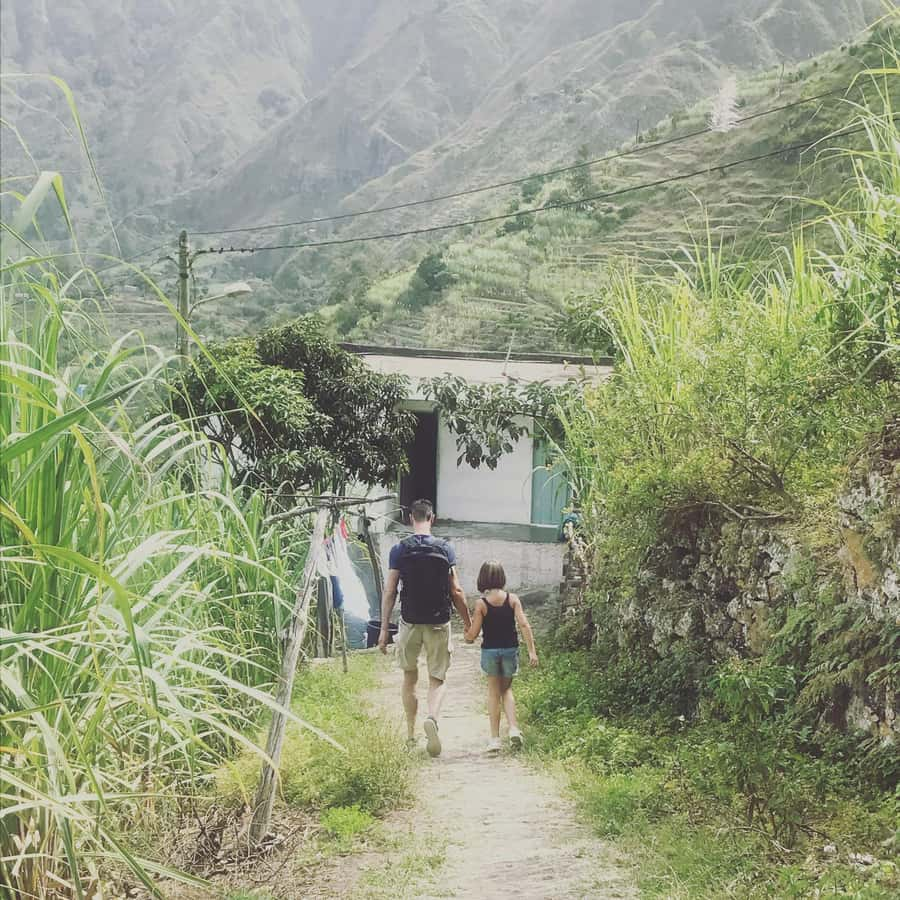
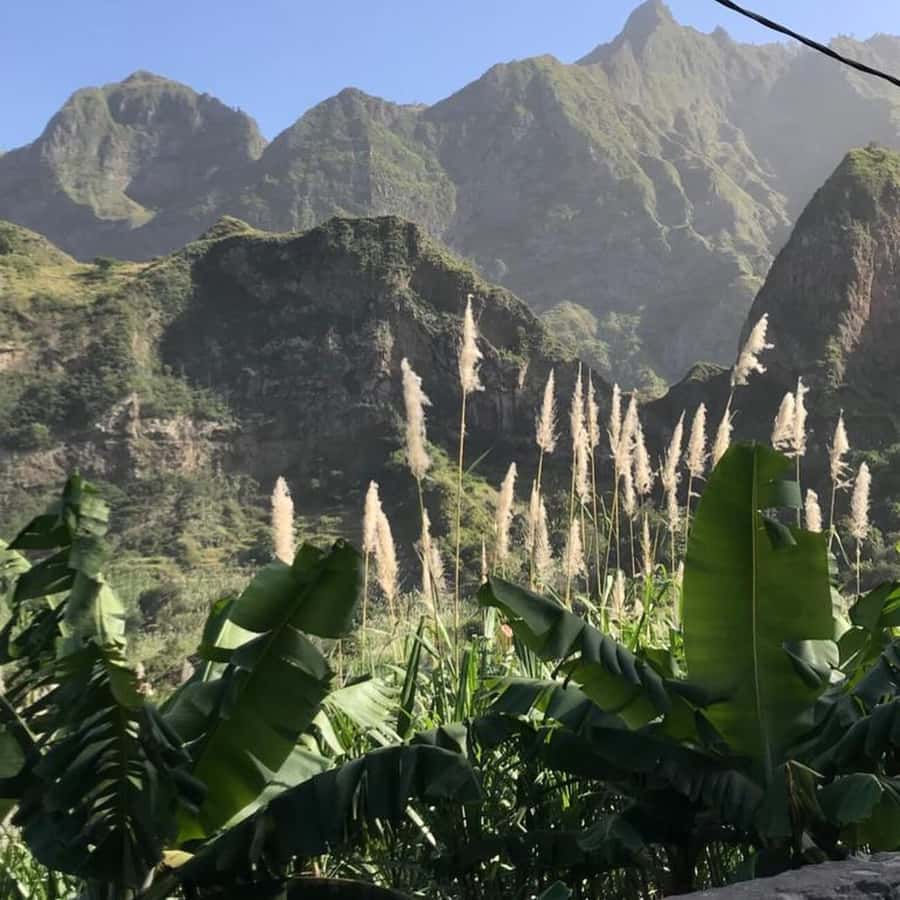
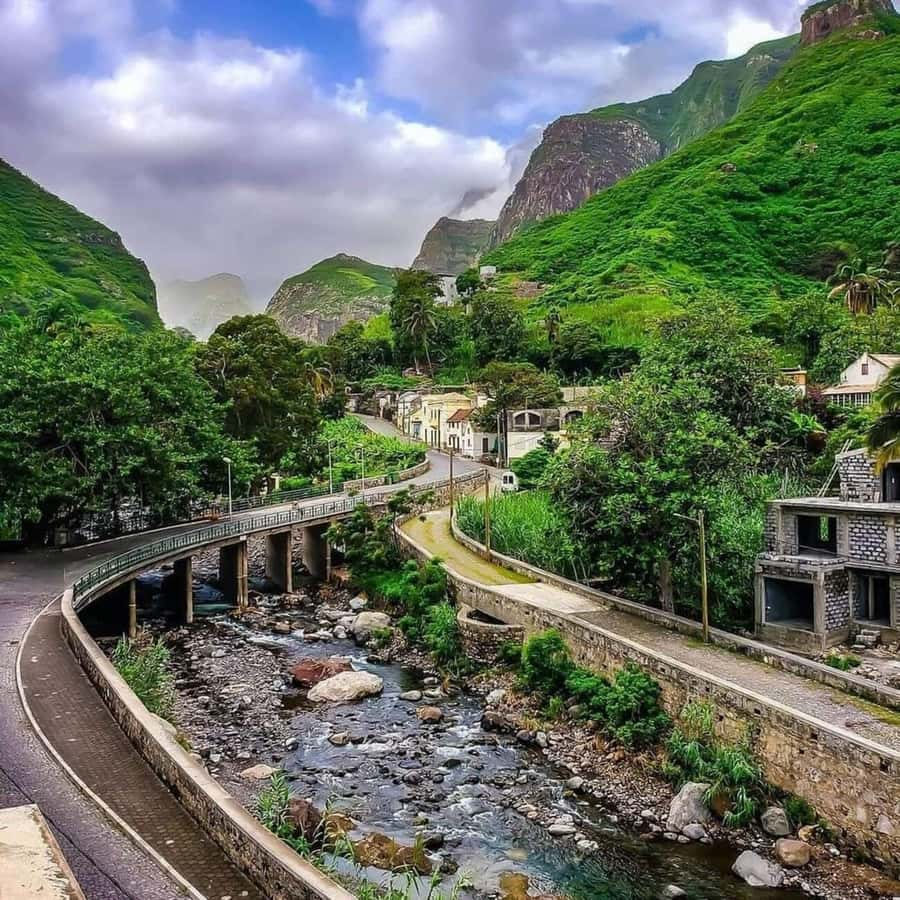
Paúl Valley is the green heart of Santo Antão, where steep mountains give way to sugar cane, banana plants, mangoes, papayas, farms, and falling water. This five-hour hike gives you a close look at the island’s rural side, not just a quick roadside photo stop. You’ll walk through valleys and hills, see old straw-and-basalt houses, and finish with rum tasting at a local distillery.
I like two things here. First, the route packs a lot into 5 kilometres: crops, villages, waterfalls, mountain views, and working farms. Second, the small group of up to 10 people makes it easier to hear the guide and ask questions about local plants and village life. The main drawback is cost. At $116 per person, lunch is not included, and one booking included an extra 650 Cape Verdean escudos for the meal.
Key points at a glance
- A short but hilly 5-kilometre route: Expect 350 metres of uphill walking and 600 metres of descent.
- Paúl Valley’s farm country: Pass sugar cane, bananas, mangoes, papayas, fields, and waterfalls.
- A taste of Cape Verde: Visit a distillery and sample local rum, brandies, and punches.
- Real rural details: See early island houses built from straw and basalt.
- Small-group guiding: Groups are limited to 10, with Portuguese, English, and French available.
- Lunch costs extra: A traditional Cape Verdean meal is offered at the end, but budget separately for it.
Why Paúl Valley is Santo Antão’s greenest walk
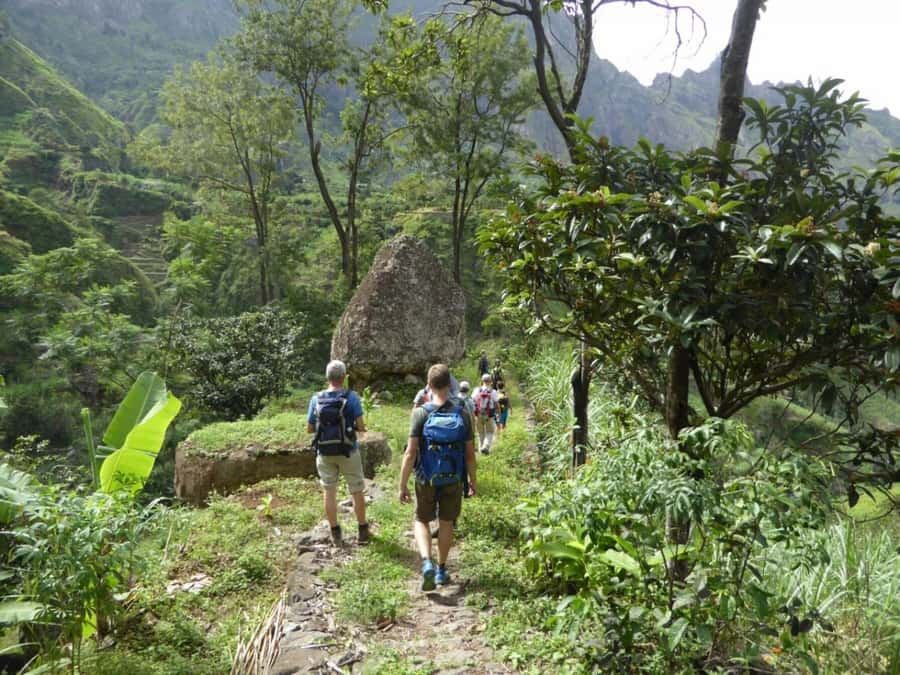
Santo Antão is known for dramatic mountains and rough, dry-looking terrain in some areas. Paúl Valley gives you the other side of the island. Here, water supports thick crops and gardens, and the hills are cut by cultivated slopes, narrow paths, and small communities.
You’ll see agriculture in everyday use rather than as a staged display. Sugar cane grows beside fruit trees. Banana plants and papayas appear among fields. Mango trees add shade and color. Waterfalls and wet valley sections help explain why this part of Cape Verde feels so different from the more arid parts of the country.
I like this setting because the scenery has a human scale. You are not only looking at mountains from a viewpoint. You are walking through places where people grow food, make spirits, and live in simple rural homes.
A few more garden visits around the world worth a look
- Puerto Vallarta Botanical Gardens Hiking Tour
★ 5.0 · 113 reviews - Bogor Botanical Garden & Rainforest Trekking to Hidden Waterfall
★ 5.0 · 58 reviews - Cape Town: Skeleton Gorge and Kirstenbosch Gardens Hike
★ 4.9 · 32 reviews
The route: 5 kilometres with real elevation
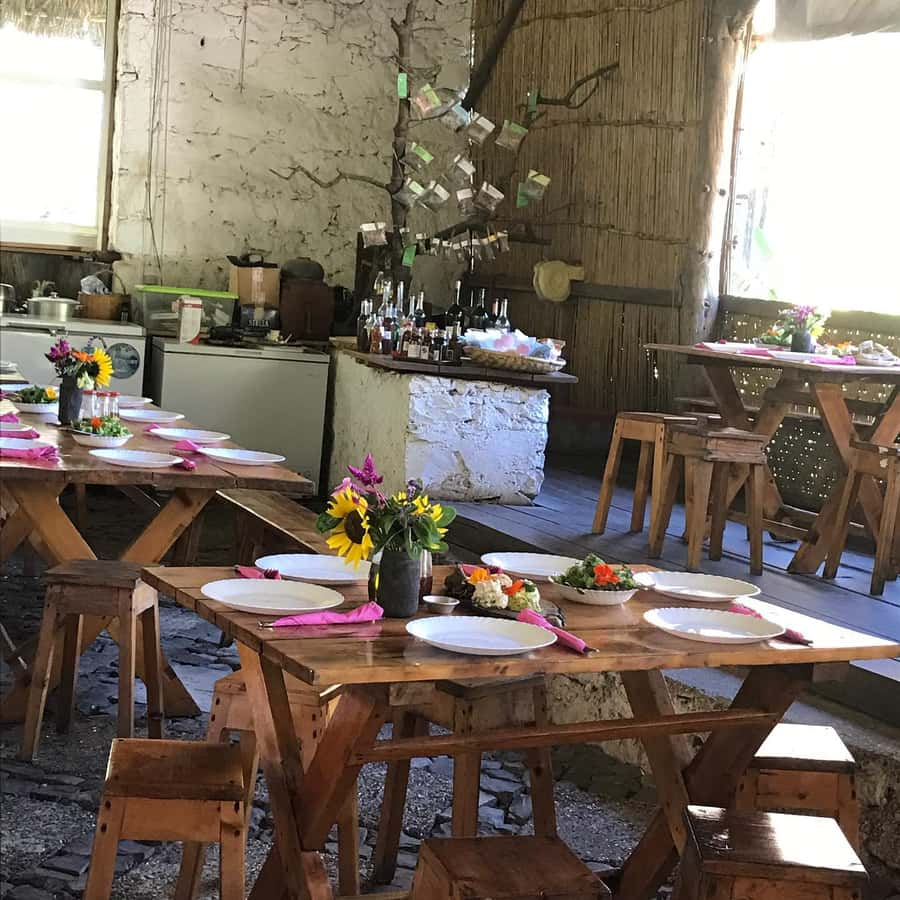
The walk covers about 5 kilometres. That distance sounds modest, but the elevation figures matter more than the number on the map. You’ll climb around 350 metres and descend about 600 metres, so this is not a flat garden stroll.
The route passes through valleys and hills, fields, agricultural areas, and waterfalls. The exact order of the stops may vary, but you should expect a steady walk with both uphill and downhill sections. The descent is greater than the ascent, which can be useful to know if you find downhill walking hard on your knees.
Wear proper hiking shoes with a firm sole. Trekking gear is recommended, and ordinary casual footwear is a poor choice for a route with this much elevation. The tour lasts around five hours, although the actual walking time can be about three to three and a half hours, with time added for transport, stops, explanations, tasting, and lunch.
The route is best for people who are comfortable walking on hilly trails. The distance is not long, but the slopes make it more demanding than a flat urban walk.
Rural villages and the island’s early homes
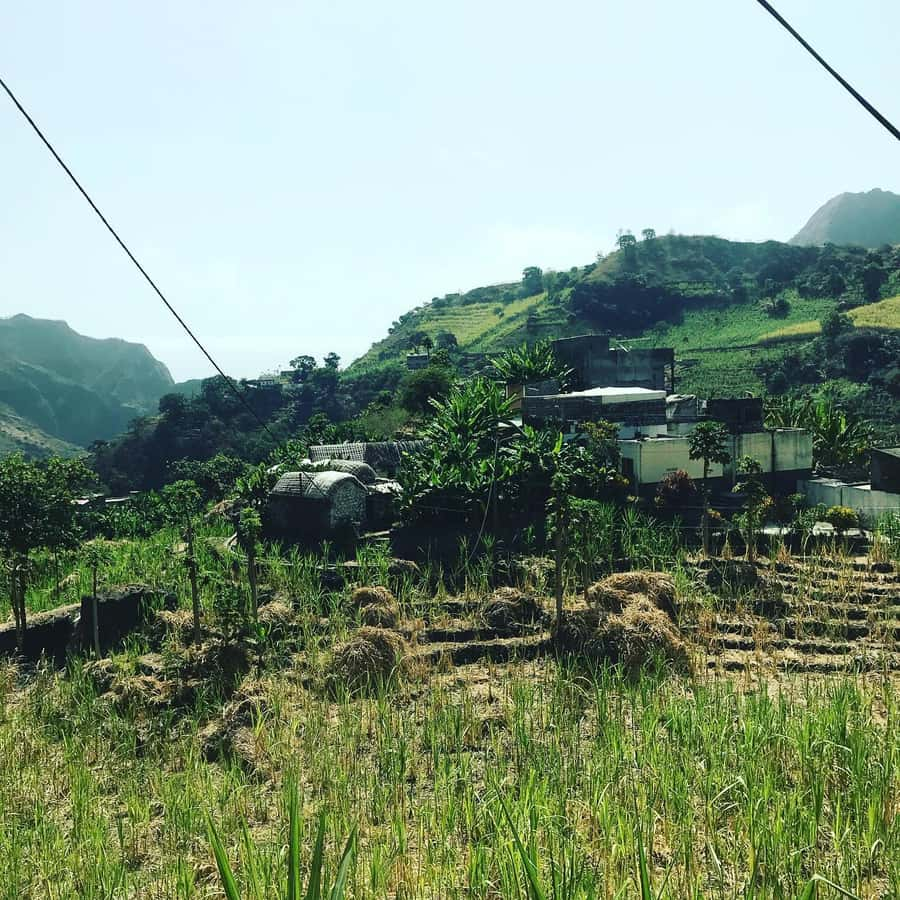
One of the more unusual details on this hike is the chance to see some of the first houses built on the island using straw and basalt. These homes connect the scenery to the practical history of settlement on Santo Antão.
Basalt is a natural volcanic stone, while straw provided a simple roofing material. Together, they show how local building methods used materials that were available close at hand. You should not expect a formal museum visit or a long architectural presentation. Instead, these houses appear as part of the rural surroundings, giving you a brief look at how communities adapted to the island.
The villages also add life to the walk. You’ll pass through agricultural areas and see how crops fit into the valley. The guide can explain local plants and farming, and that part of the tour has been one of its strongest features. André, who guided one departure, was praised for explaining the native flora and for being friendly. His language skills were considered good but still improving, so the depth of the explanations may depend partly on the guide assigned to your group.
The activity is offered in Portuguese, English, and French. If you need detailed botanical explanations, it is sensible to confirm the preferred language when booking.
Waterfalls, fruit trees, and working farms
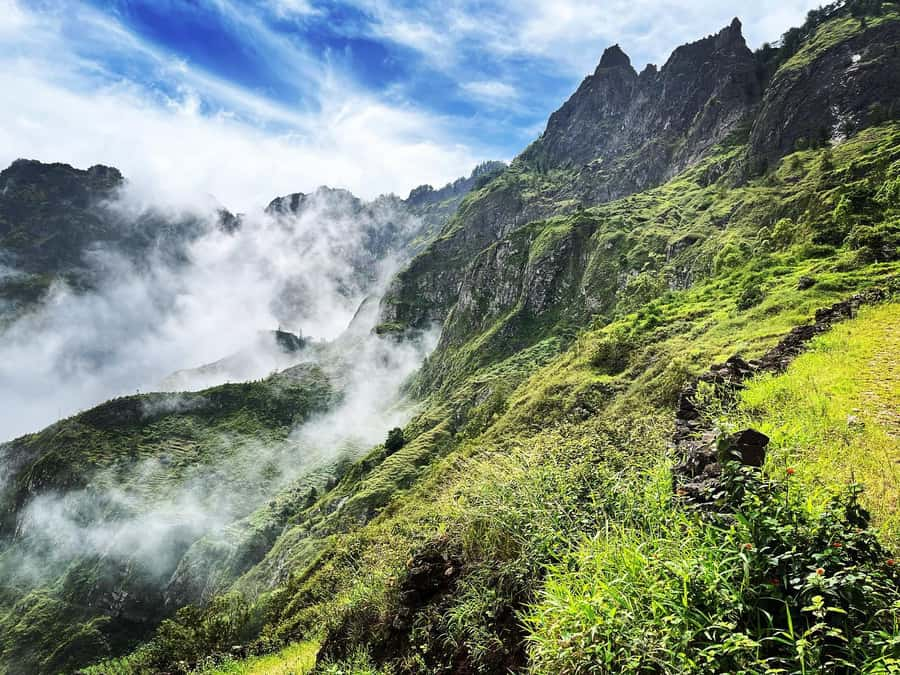
Paúl Valley is at its best when you slow down enough to notice the small details. Banana plants, papayas, mangoes, and sugar cane give the route a changing mix of textures. Fields and gardens show how carefully people use the available water and soil.
The waterfalls are another strong part of the route. They break up the walking and provide some of the most attractive views in the valley. The information provided does not promise swimming, so bring your camera and enjoy the water as scenery rather than assuming you can bathe.
A guide adds value here because a path through crops can otherwise become a blur of green. Explanations about native plants and local agriculture help you understand what you are seeing. That is especially useful for visitors who do not know the difference between the crops or want more than a scenic walk.
The valley’s beauty is also the reason this route is in demand. If you want a quiet, purely solitary walk, a guided small group may not be the right format. If you want the views explained and the logistics handled, the guide makes the day simpler.
Same place, a different kind of green day out:
- Paris: Versailles Palace and Gardens Full Access Ticket
★ 4.6 · 41,579 reviews - Versailles: Skip-the-Line Tour of Palace and Gardens Access
★ 4.7 · 10,429 reviews - Marrakesh: Majorelle Garden Entry Tickets
★ 4.5 · 9,651 reviews - Vienna: Schönbrunn Palace & Gardens Skip-the-Line Tour
★ 4.7 · 7,739 reviews
A taste of Paúl’s rum and local punches
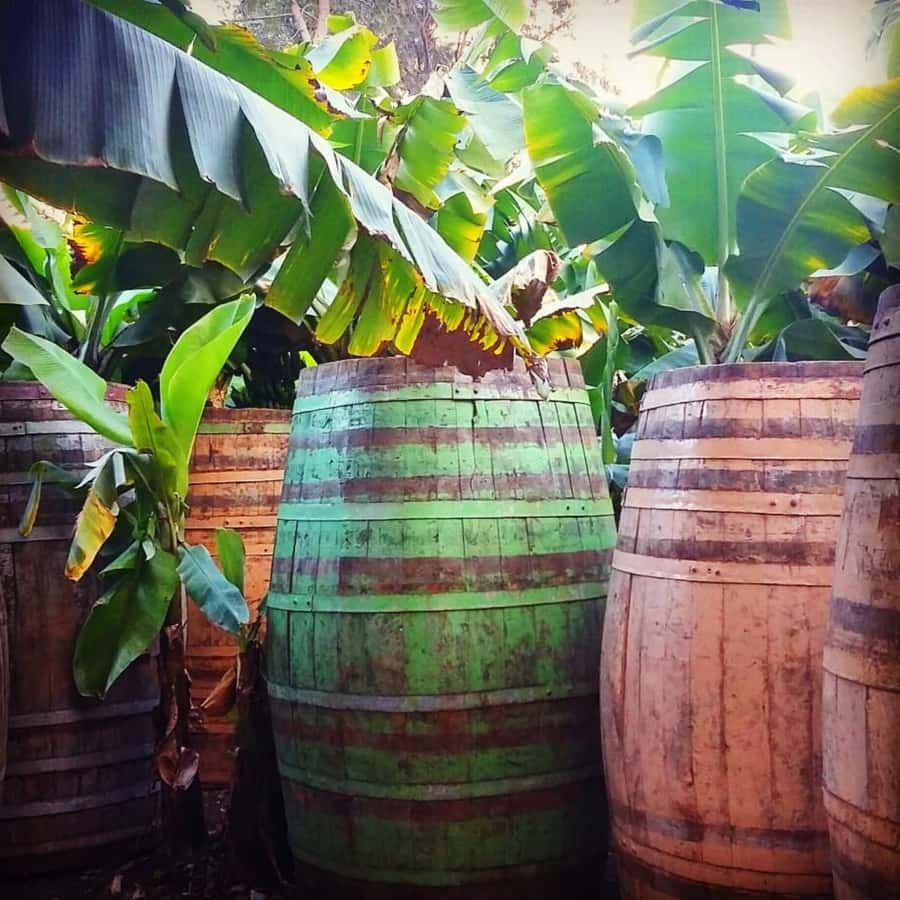
The tasting is not an afterthought. Paúl Valley is known for its sugar cane, and the tour includes a visit to a distillery where you can try Cape Verde’s national drink along with local brandies and punches.
This is a useful cultural stop because it connects the crop you saw in the fields with a finished local product. You are not just sampling a drink without context. You have already seen sugar cane growing, and the distillery gives you a practical link between agriculture and local food traditions.
Go slowly with the tasting. The different punches and brandies may be sweet and easy to drink, but the alcohol can add up after a hilly walk. The stop is best treated as a tasting, not a drinking session.
The rum tasting is included in the tour price. That helps the value, particularly if you enjoy regional food and drink experiences. Still, if spirits are not of interest to you, part of the tour’s appeal will be less important.
Lunch at the end, with one cost to watch
The tour finishes with a traditional Cape Verdean lunch. This gives you a chance to try local food after the walk and makes the experience feel more like a full day in the valley than a simple hike.
Lunch is not included in the $116 price. One booking recorded an additional charge of 650 Cape Verdean escudos for the meal, so confirm the current cost before you go. The food itself received a positive note, but the extra payment came as an unwelcome surprise for one person.
That is the clearest practical issue with this activity. The lunch may be good value once you know the price, but you should not assume it is covered. Bring enough Cape Verdean currency or confirm the accepted payment method with the operator.
Hotel pickup makes the day easier
Hotel pickup and drop-off are included, along with transportation. That matters on Santo Antão, where arranging your own ride to a rural valley can add time and uncertainty.
The tour begins with a drive from your hotel to Paúl Valley. The supplied details do not give a precise pickup time or state how long the drive takes, so check the starting time when you reserve. Availability varies by date.
A guide accompanies the group throughout the experience. Languages include Portuguese, English, and French. Groups are limited to 10 participants, which is small enough for a more personal walk without the price of a private tour.
Insurance liability is included. You should still bring suitable clothing, hiking shoes, and enough water for a five-hour outing unless the operator confirms that water is provided.
Is $116 a fair price?
At $116 per person, this is not the cheapest way to see Paúl Valley. You are paying for hotel transportation, a guide, a small group, rum tasting, and liability insurance. The route also combines several experiences that would be difficult to arrange smoothly on your own: rural walking, plant and farm explanations, a distillery visit, and a traditional meal.
The value depends on what you want from Santo Antão. If you only want a short walk and a view, the price may feel high. One person considered a 150 euro charge too expensive, even while praising the meal, guide, and valley route. That price is different from the stated $116 rate, but the concern is still useful: cost matters here.
I think the tour makes more sense for you if transportation and interpretation are important. The small group and included rum tasting help justify the fee. Lunch remains an extra charge, so include that in your actual budget.
The overall rating is 4.5 from four reviews. The strongest praise goes to the scenery, the enjoyable walking time, the guide’s friendly manner, and the explanations about local plants. Those are the parts that give the tour its value.
Who should book this hike?

You should consider this experience if you want to see Santo Antão through farming communities and mountain valleys rather than only from a vehicle. It suits hikers who can manage 350 metres of ascent and 600 metres of descent and who enjoy learning about plants, food, and local spirits.
It is also a good fit if you prefer a planned outing with hotel transport. The small group avoids the feel of a large coach excursion, while the five-hour duration gives you enough time to walk and stop without turning the day into an all-day expedition.
You may want another option if you dislike downhill walking, do not drink alcohol, or want lunch included in the advertised price. The route is not described as accessible for people who cannot manage uneven, hilly trails.
Free cancellation is available up to 24 hours before the activity for a full refund. You can also reserve and pay later, which helps if your Santo Antão plans are still changing.
Should you book Paúl hike, the green garden?
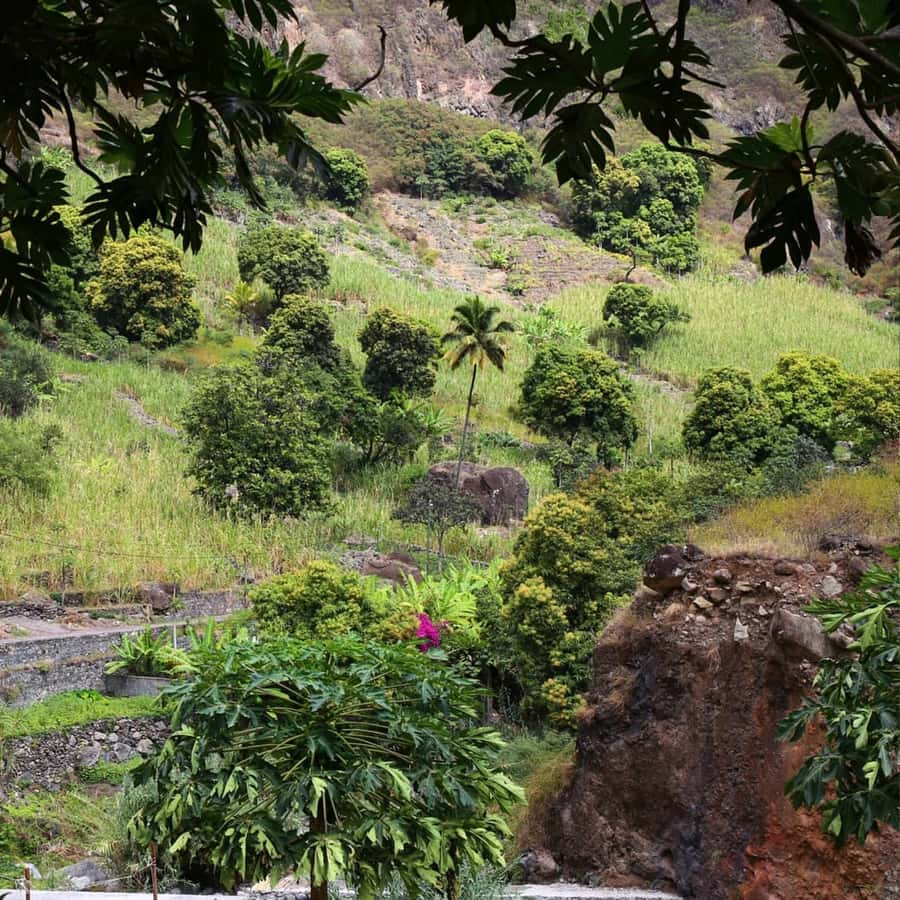
Book it if you want Santo Antão’s most fertile valley in close-up, with crops, waterfalls, villages, old building styles, a distillery, and a local meal. The route is short in kilometres but serious enough in elevation to feel like a proper hike.
Before paying, confirm the lunch charge, pickup time, and guide language. Bring hiking shoes and trekking clothing, and be ready for both uphill and downhill sections. At $116, the tour is worth considering when you value transport and local explanation, but it is less compelling if you are seeking only a cheap walk.
FAQ
Where does the Paúl hike take place?
The hike takes place in Paúl Valley on Santo Antão, Cape Verde. The route passes through valleys, hills, rural villages, agricultural fields, and areas with waterfalls.
How long is the activity?
The full activity lasts about five hours. The walking portion may take around three to three and a half hours, with additional time for transportation, stops, tasting, and lunch.
How far do you walk?
The route covers approximately 5 kilometres.
How much elevation is involved?
You should expect about 350 metres of uphill walking and 600 metres of descent.
Is hotel transportation included?
Yes. Hotel pickup and drop-off, along with transportation, are included.
Is lunch included in the price?
No. Lunch is not included. A traditional Cape Verdean meal is offered at the end, and one recorded charge was 650 Cape Verdean escudos.
Is rum tasting included?
Yes. The activity includes a visit to a distillery and tasting of local rum. You may also try different brandies and punches from Paúl Valley.
What languages are available?
The activity is offered with live guides speaking Portuguese, English, or French.
Just added around the world
- Skip-the-Line Guided Tour and Gardens Entry in Versailles Palace★ 3.5 · 3 reviews
- Versailles Palace & Gardens Audio Tour – Private Transportation★ 4.5 · 11 reviews
- Versailles Palace and Gardens Tour★ 4.5 · 44 reviews
- Versailles Palace Guided Experience and Gardens Entry 10 PPL Max★ 5.0 · 42 reviews
- Versailles: Farmers Market & Royal Vegetable Garden Food Tour★ 5.0 · 11 reviews
- Versailles Gardens Walking Tour with Audioguide (no tickets)★ 3.0 · 6 reviews
- Versailles Golf Cart & Shuttle Guided Tour, Hamlet and Gardens★ 4.5 · 13 reviews
- Palace of Versailles Entry ticket with Musical Gardens & Estate★ 3.5 · 55 reviews
Hiking & Trekking, compared.
Doi Inthanon Park with Kew Mae Pan Hike Day Trip
Read our review →


Skaftafell: Blue Ice Maze Glacier Hike on Vatnajökull
Read our review →
Bogor Botanical Garden & Rainforest Trekking to Hidden Waterfall
Read our review →
Doi Inthanon National Park & Hike at Kew Mae Pan
Read our review →
Private Tour: Hot spings & Sleeping Giant Garden hiking Adventure
Read our review →Browse the lists this tour appears in