

Review · AMSTERDAM
Discover Holland’s Beautiful Tulip Fields with an Expert Guide
The best part of this six-hour outing is that it takes you beyond Amsterdam’s famous flower parks and into working tulip country. Roel and Mike follow the bloom, visiting fields that are usually closed to the public, so you get a closer look at how Holland grows tulips for bulbs, not just for display.
I like the small-group feel and the way the guides adapt to the season. I also like the working windmill stop, which explains why these machines mattered to Dutch water management. The main catch is timing: go in mid to late April for the safest chance of peak blooms. By early May, many fields may already be cut.
Key points to know before booking
- Private-looking access: Visit tulip farms that are normally not open to the public, often without the crowds found at major flower parks.
- Three countryside stops: See fields near Twisk and Venhuizen, with lunch in the old village of Onderdijk.
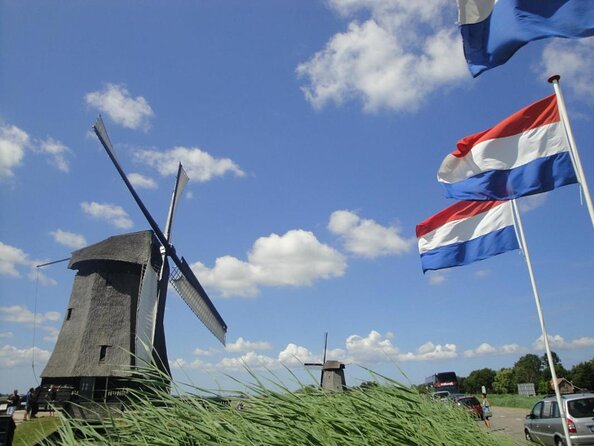
- A real working windmill: Enter Museummolen Schermer and see the machinery in motion, with an optional climb to the top at your own risk.
- Season matters: Bloom dates vary, and farmers cut flowers to strengthen the bulbs. The guide may need to change the field stops.
- Lunch is part of the day: A local meal with juice and water is included, while alcoholic drinks and soda cost extra.
- Simple transport: Round-trip transfers from Amsterdam are included, with the day ending back at the meeting point.
Why this tour reaches beyond the usual Amsterdam flower stop
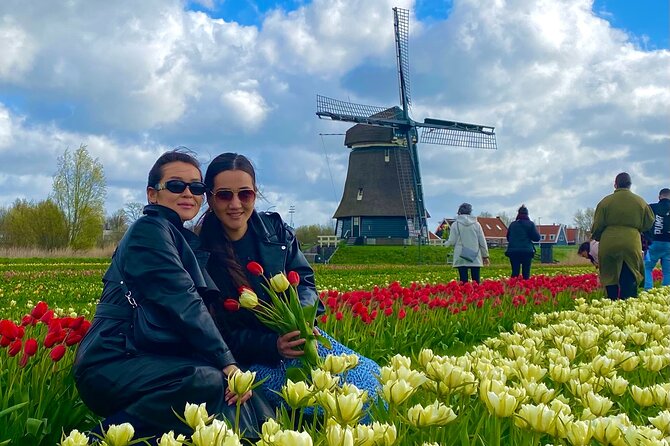
If your idea of Dutch tulips comes mainly from postcard rows and crowded paths, this trip gives you a more practical view. The fields are working farms, and the flowers are grown as part of the bulb industry. That means the prettiest flower display is not always the farmer’s main goal.
You may see flowers in several stages of growth. Some fields are in full color, while others have already been cut. That can sound disappointing, but it helps explain the business behind the pictures. Farmers often remove the flowers so the plants put their energy into the bulbs underground.
I like this approach because it connects the pretty part of Holland with the work that makes it possible. You are not simply stopping for a photograph. You are seeing the farms, roads, villages, drainage systems, and wind-powered machinery that shape the region.
The tour runs for about six hours and costs $163.27 per person. That is not a cheap half-day, but it covers transport, a meal, the windmill admission, and guide service. The value is strongest if you want someone else to find accessible fields and handle the driving. It is less compelling if you only want a quick photo stop or plan to visit a large flower park on your own.
More Tulip and Flower Field Tours in Amsterdam
- Amsterdam: Tulip Farm Visit, Keukenhof, and Windmill Cruise
★ 4.6 · 456 reviews - Amsterdam Canal, Tulip, Windmill Photoshoot | Custom Request
★ 4.9 · 307 reviews - Keukenhof Gardens & Tulip Experience Tour from Amsterdam
★ 4.5 · 267 reviews
The road through Beemster Polder
The drive begins by passing through Beemster Polder, reclaimed from a lake in the early 17th century. This is not just empty countryside. It is a carefully planned example of Dutch water control, where land was drained and organized for farming.
Beemster is also part of the Defense Line of Amsterdam, a UNESCO World Heritage Site. You will not spend the whole day touring every part of it, but the drive gives useful context. Holland’s flower farms exist alongside an equally important story about keeping water out and making low-lying land usable.
This section of the trip is best viewed from the vehicle. Roads pass through orderly farmland and Dutch villages, giving you a pleasant change from Amsterdam’s canals and busy streets. The route also helps explain why a windmill is more than a decorative symbol here.
Twisk: the first tulip field
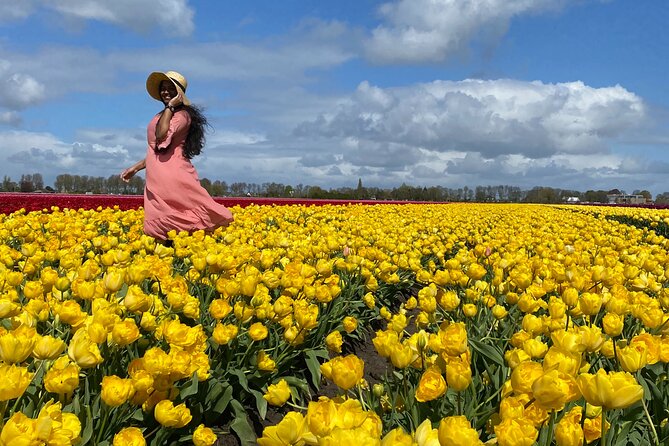
The first field stop is near Twisk, with about 25 minutes to walk around and take pictures. Admission is included, and the point is direct access to a growing field rather than a formal garden.
Twenty-five minutes is enough for photographs and a close look at the rows, but it is not a long farm visit. If you like taking many carefully composed pictures, use this first stop to learn the pace of the day. The guide may also offer help with camera angles and group photos.
Conditions can be muddy after rain. The guides have supplied shoe covers on wet days, which is useful because you are walking beside working fields rather than along polished garden paths. Still, wear shoes you do not mind getting dirty.
Onderdijk lunch and village scenery
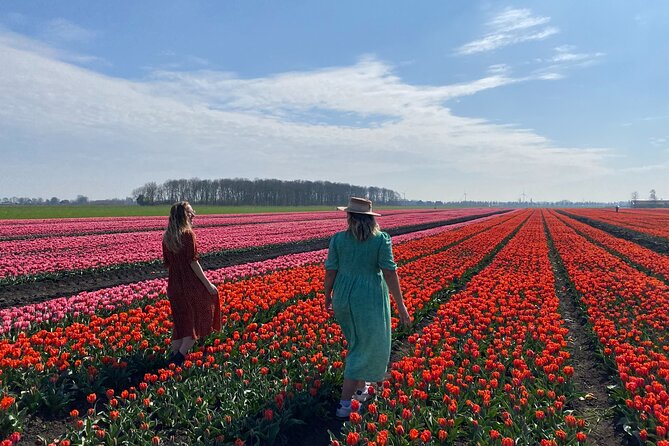
The group then stops in Onderdijk for about 45 minutes. Lunch is served in the old Dutch village, with the historic Geradus Majella church nearby. The church dates from 1929 and gives the stop a clear local character.
Lunch includes juice and water. Alcohol and soda are not included, so budget extra if you want either. The meal has been described as a generous local-style buffet, and several people singled it out as one of the strongest parts of the day.
I see the lunch as more than a break between fields. Eating in a village gives you a short look at everyday northern Holland, away from Amsterdam’s tourist center. The time is still limited, so this is not a full village tour. Think of it as a scenic meal with a bit of local architecture outside.
The food also adds value to the $163.27 price. A separate meal during a countryside excursion would cost money and take planning. Here, it is built into the schedule.
Same place, a different kind of green day out:
- Amsterdam: Keukenhof Entry & Shuttlebus with Flexible Return
★ 4.7 · 11,891 reviews - From Amsterdam: Keukenhof Ticket with Transfer
★ 4.4 · 4,089 reviews - From Amsterdam: Keukenhof Gardens Ticket and Transfer
★ 4.5 · 2,741 reviews - Amsterdam: City Centre Canal Cruise & Free Flower Cocktail
★ 4.2 · 2,310 reviews
Museummolen Schermer and the machinery inside
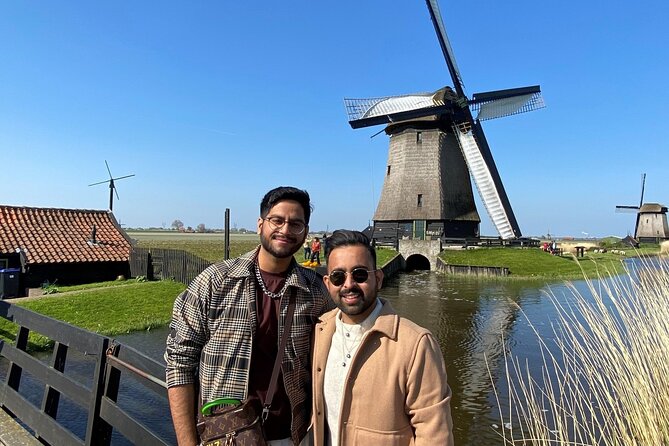
The windmill visit is the most educational stop. Museummolen Schermer is one of the oldest windmills in the Netherlands, and you can go inside to see how it works.
The important point is that these mills were not simply used for milling grain. In this region, windmills helped manage water and keep reclaimed land dry. Seeing the machinery inside makes the Beemster drive easier to understand.
You have about 45 minutes here. The visit can include an optional climb toward the top, at your own risk. The stairs and height may not suit everyone, so you can stay at a lower level and still learn from the machinery and explanation.
I like this stop because it adds substance to a day that could otherwise become a series of flower photographs. The tulips are the main draw, but the windmill explains the engineering behind the countryside. It also gives you a good alternative if the weather or bloom timing is not perfect.
Venhuizen and the second field experience
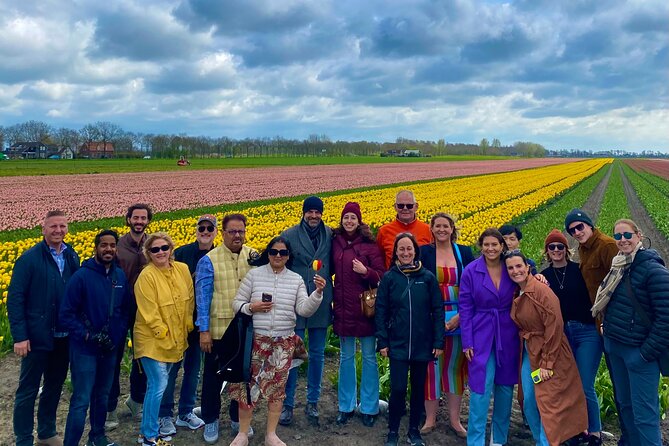
The final listed field stop is near Venhuizen, with another 25 minutes for photographs. Visiting fields in two different areas improves your odds of seeing flowers in good condition, especially late in the season.
The guides may adjust the exact field choices. Roel and Mike know local farmers and follow the remaining blooms, which matters after fields have been cut. A late-April departure can still include several colorful fields, even if many others along the drive are already bare.
That flexibility is one of the tour’s strongest features. A fixed route would be easier to advertise, but it could leave you looking at recently cut rows. The guide’s local contacts make the day less predictable in a good way.
Still, flexibility cannot defeat the calendar. If you visit in early May, you may see fewer flowers than expected. The farms are producing bulbs, not keeping every row in bloom for sightseeing. Book this trip for the countryside and farming story as well as for the tulips.
What Roel and Mike add to the day
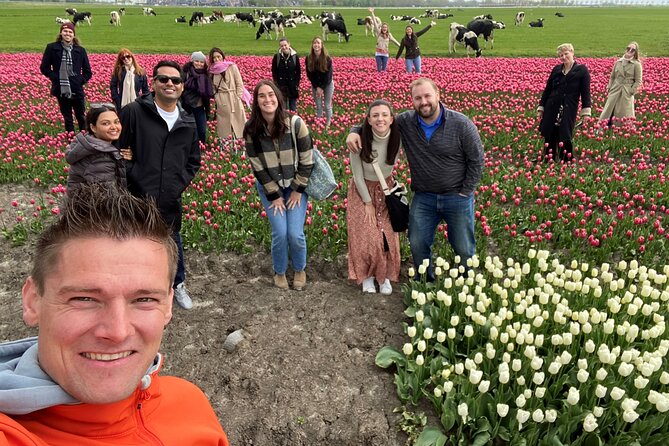
The guides are a large part of the experience. Roel is often praised for his explanations of tulip life cycles, bulb production, and photo tips. Mike is also involved in the tours and is described as friendly and attentive.
You can expect a relaxed style rather than a formal lecture. The guides explain what you are seeing, answer questions, help with photographs, and keep an eye on road and weather conditions. They also know when a field has been cut and where another option may be available.
Their photography help is practical. You may be shown where to stand, how to frame the rows, or how to include the scale of the field. If you want a group picture, ask. The guides have a reputation for taking photos for their groups.
One small weakness has nothing to do with the sightseeing. The meeting point can be hard to identify, and the bus may not have obvious tour signage. A guide has used WhatsApp to contact people who were searching for the group. Check the exact meeting instructions before leaving Amsterdam and arrive early.
Transport, group size, and comfort
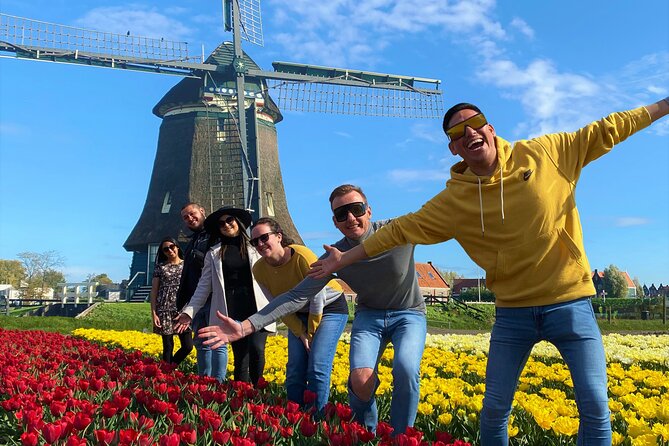
Round-trip transport from Amsterdam is included, and the tour returns to the same meeting point. The maximum group size is 30 people. That is not a private tour, but it is far smaller and more manageable than a large coach outing.
The vehicle has been described as newer and comfortable. You spend a fair amount of the six-hour day on the road, so the transport quality matters. The drive also lets you see villages and farmland that are difficult to reach without a car.
Water is listed among the inclusions, and lunch includes juice and water. One practical account specifically advises carrying your own bottle because water may not be available on the bus. I would bring one rather than count on a drink between stops.
Service animals are allowed, and the experience is near public transportation at the Amsterdam meeting point. Most people can take part, although the windmill’s optional climb and muddy field paths may be worth considering if you have mobility limits.
Choosing the right date for tulips
Timing is the biggest decision. Mid to late April is the safest window based on the information available, but no date guarantees peak color. Warm weather can bring an early bloom, while farmers may cut fields soon after flowering.
The guides try to find the best remaining fields, and that effort clearly helps. Even near the end of the season, the route can include three field visits. But you should not book this as a promise of endless flower rows on a specific day.
If your main goal is a formal garden in perfect bloom, a major flower park may suit you better. If you want farms, local roads, bulb production, and a working windmill, this tour makes more sense. Its strength is the broader picture.
Rain does not automatically ruin the day. Shoe covers may be provided when fields are muddy, and the windmill and lunch offer indoor time. Bring suitable shoes and a rain layer. The experience can be canceled in poor weather, with a different date or full refund offered.
Is $163.27 a fair price?
At $163.27, the tour asks more than a simple bus ride to the countryside. You are paying for a six-hour outing, round-trip transport, the windmill admission, lunch, local guide service, and access to fields that are not normally public.
I think the price is fair for visitors without a rental car who want the day organized. It is especially worthwhile if you care about photography and do not want to spend time guessing which fields are still in bloom.
The price is harder to justify if you are mainly seeking the lowest-cost way to see tulips. The short field stops may feel brief, and poor timing can reduce the number of open blooms. You are also paying for the guide’s local knowledge, so the value depends on how much you want the farming context and countryside stops.
The tour is often booked well ahead, with an average booking lead time of about 64 days. That suggests planning early during the short tulip season is sensible.
Who should book this experience?
I would choose this for a first visit to Amsterdam if you want a full day outside the city without renting a car. It suits photographers, families, couples, and anyone curious about Dutch farming and water control.
It also works well for people who have already seen Amsterdam’s center and want a quieter day. The mix of fields, village lunch, windmill, and countryside driving keeps the schedule varied.
I would hesitate if you dislike vehicle time, muddy ground, or uncertain flower conditions. I would also compare it carefully with a botanical garden visit if your priority is guaranteed displays and long periods among formal flower beds.
Free cancellation is available until 24 hours before the start time. Changes made within that period are not accepted, and late cancellations are not refunded. Since the tour depends on weather and a minimum number of participants, the operator may offer another date or a full refund if it cannot run.
Should you book the tulip fields tour?
Book it if you want working tulip farms rather than a formal garden, a local lunch, and a real windmill visit in one organized day. Roel and Mike add useful local judgment, especially when the season is moving quickly and fields are being cut.
Skip it if you only want peak-bloom certainty or a very cheap outing. For most visitors who value access, transport, and a fuller picture of the Dutch countryside, the tour offers good value, provided you choose your date carefully and arrive ready for mud, changing weather, and a little time on the road.
FAQ
How long does the tour last?
The experience lasts about six hours and returns to the original Amsterdam meeting point.
Where does the tour begin?
It begins at Market 27, Termini 27, 1025 XM Amsterdam, Netherlands.
Does the tour visit Keukenhof?
No. The tour visits working tulip farms and fields that are normally less accessible, rather than the well-known Keukenhof botanical gardens.
Is lunch included?
Yes. Lunch is included, along with juice and water. Alcoholic drinks and soda are not included.
Are drinks provided during the drive?
Bottled water is listed as included, and water is included with lunch. Because availability on the bus may vary, carrying your own water is a practical choice.
Can I enter the windmill?
Yes. The visit includes entry to Museummolen Schermer, where you can see how the machinery works. You may also have the option to climb higher at your own risk.
What happens if bad weather cancels the tour?
If poor weather causes cancellation, you can be offered another date or a full refund. If the minimum number of participants is not reached, the same options apply.
Just added around Amsterdam
- Amsterdam Private Tour to Keukenhof, Tulip Fields and Windmills★ 5.0 · 28 reviews
- Tulip Paradise: Keukenhof Half-Day Private Tour★ 5.0 · 17 reviews
- Private Guided Keukenhof Gardens and Zaanse Schans Tour★ 5.0 · 7 reviews
- Private Tour Tulip Gardens (Keukenhof) and Dutch highlights★ 5.0 · 2 reviews
- Sightseeing Keukenhof Tulip fields, Giethoorn tour from Amsterdam★ 5.0 · 2 reviews
- Keukenhof, Flower Fields, Volendam and Zaanse Schans Small-Group Tour★ 4.0 · 23 reviews
- Private Tour to Tulips, Keukenhof, Windmills & Cheese Farm★ 5.0 · 4 reviews
- Skip-the-Line Keukenhof Gardens and Tulip Fields Tour from Amsterdam★ 4.0 · 5 reviews
Amsterdam Garden Tours, compared.
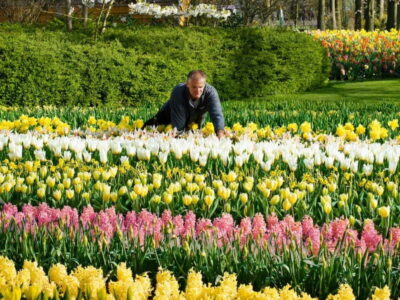
Keukenhof Entry & Shuttlebus with Flexible Return
Read our review →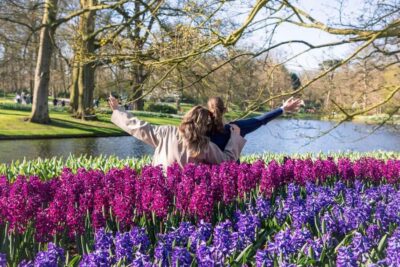

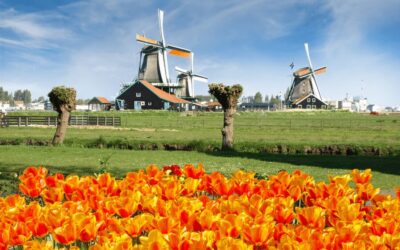
Day Tour Keukenhof and Zaanse Schans Windmills
Read our review →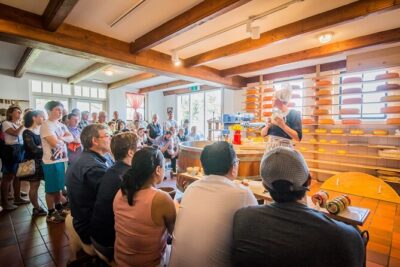
Keukenhof and Zaanse Schans Windmills Guided Day Trip
Read our review →
Go City Amsterdam Pass: 40+ Attractions including Keukenhof
Read our review →
Keukenhof Entry & Shuttle Bus with Flexible Return
Read our review →
Browse the lists this tour appears in