
Review · BEIJING
Online Cooking Class Beijing Dumplings and Cuisine by Sunflowerli Renowned Chef
Chinese cooking becomes far more personal when Chef Sunflower Li guides you from her kitchen in Beijing to your own. You choose the dish, shop from a list sent three days ahead, and cook together live on Zoom. Dumplings, hand-pulled noodles, steamed buns, and kung pao chicken are all on the menu.
I like the flexible timing, which works well for families and friends spread across time zones, and the private format means Chef Li can adjust the pace and menu. I also like the small cultural touches, such as her stories about family meals and Chinese food traditions. The catch is that you must buy and prepare all ingredients yourself, and your finished dumplings may look less polished than hers.
Key points at a glance
- Chef Sunflower Li teaches live from Beijing: You cook with a real teacher rather than follow a recorded lesson.
- Pick your own Chinese dish: Choices include dumplings, hand-pulled noodles, dim sum, fried rice, wontons, steamed buns, mapo tofu, and more.
- Ingredients arrive three days early: You have time to shop and find substitutions if needed.
- The class is private: Only your group participates, making it useful for couples, families, and friends.
- Vegan cooking is available: Tell the teacher about dietary needs so the menu can be adjusted.
- The $20 price covers instruction only: Ingredients and any other unlisted costs are extra.
Cooking Beijing food from your own kitchen
The best feature here is the direct connection to Beijing. You are not watching a general cooking video made for an unknown audience. Chef Sunflower Li, also called Chef Miss Li, meets you live through Zoom and teaches the dish you selected.
The class usually lasts 60 to 90 minutes, though some sessions run close to two hours depending on the recipe and group. That is enough time to prepare food from scratch without turning the evening into a long project. A dumpling or noodle class can fill the full session, especially if you are learning shaping or stretching for the first time.
You can book from almost anywhere in the world. The schedule is flexible, and the time can be changed to suit your time zone. That makes this a useful choice for an evening at home, a family activity during a holiday, or a group event with friends in different countries.
The class is private, so you do not have to keep pace with strangers. Chef Li can work with beginners, adjust the speed, and respond to questions from your group. Children are welcome, but they must be accompanied by an adult.
More Cooking Classes in China:
- Online Cooking Class Fried Rice by Sunflower Li
★ 4.5 · 5 reviews - Online Cooking Class Hand Pulled Noodles by Sunflower Li
★ 5.0 · 3 reviews - Online Cooking Class Steamed Buns by Chef Sunflower Li
★ 5.0 · 2 reviews
Choosing between dumplings, noodles, and classic dishes
Your chosen recipe shapes the whole experience. The available classes include:
- Hand-pulled noodles
- Dumplings
- Fried rice
- Dim sum
- Sesame chicken
- Wontons
- Chicken with broccoli
- Lo mein
- Dandan noodles
- Steamed buns
- Orange chicken
Other Chinese dishes, including mapo tofu and kung pao chicken, can also be requested. Vegan options are available, so you are not limited to meat-based recipes.
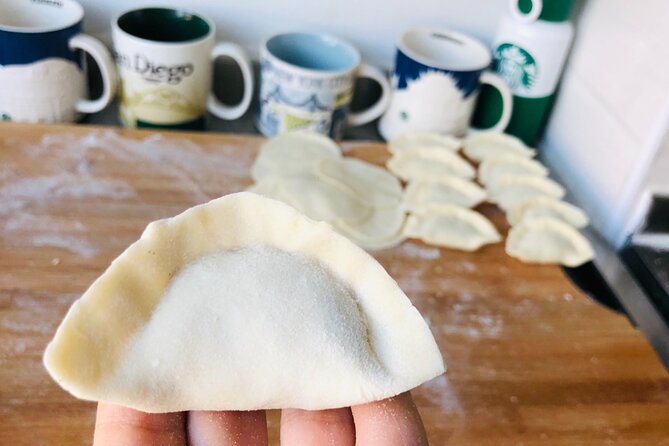
Dumplings are probably the best all-around pick if you want a hands-on group activity. Everyone can help mix, fill, fold, and cook them. The folding takes practice, and the finished pieces may not look identical, but that is part of the fun. The class is not a test of kitchen precision. Even imperfect dumplings can taste very good.
Hand-pulled noodles offer a different kind of challenge. You work with dough and learn a traditional technique that is less familiar to many home cooks. The process may suit you if you like learning a single skill in detail and do not mind a little repetition.
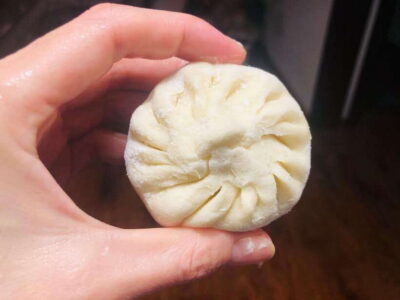
Steamed buns and dim sum work well for a family or a group of six. One family group prepared traditional pork dumplings for a Chinese New Year activity, while another group made steamed buns together. These choices connect the food to holidays and family meals, not just to restaurant menus.
Kung pao chicken, mapo tofu, fried rice, chicken with broccoli, and orange chicken may be easier choices if you want a familiar main dish. Noodles, wontons, and dumplings give you more shaping or dough work. Ask for the style of class that fits your group before settling on a recipe.
The three-day preparation window
About three days before class, you receive the ingredient list and instructions. This is an important part of the experience. You are responsible for shopping, so the extra time lets you visit a store, compare brands, or locate a substitute.
The list is intended to be clear and practical. It includes notes about substitutions if you cannot find every ingredient. That matters because Chinese pantry items vary widely from country to country. You might not have every traditional sauce or seasoning nearby, and the teacher can help you adapt.
Read the list carefully before class day. Check quantities, make sure your vegetables and proteins are ready, and set out the equipment you will use. The provider does not include ingredients, so the $20 booking price is not the total cost of the meal.
The class is made from scratch. That makes the lesson more useful than a simple demonstration, but it also means you should not leave the shopping until the last minute. If your group has dietary restrictions, share them in advance so Chef Li can tailor the menu.
What the live Zoom lesson feels like
Chef Li meets you on Zoom and walks through the recipe while you cook at home. The teaching style is warm and patient, with time for questions and corrections. She is known for explaining each step clearly and keeping the pace friendly rather than formal.
A two-camera setup has helped participants follow the work more easily. One view can show the teacher, while another gives a closer look at the preparation area. That is especially useful for folding dumplings, handling dough, or seeing how ingredients should be cut.
You can expect a mix of cooking instruction and conversation. Chef Li shares anecdotes about family meal traditions and explains details about Chinese food and daily life in Beijing. Those small stories give the class a cultural purpose. You are learning why the food matters, not only how to copy a recipe.
If your group is large, agree in advance on who will handle which task. A party of six can work well, but several people trying to cook at once may need a little order. The private format gives you room to pause, ask questions, and let less experienced cooks catch up.
A few more garden visits around China worth a look
- Anggrek Putih Lombok Cooking Class
★ 5.0 · 253 reviews - Thai Cooking Class with Market & Garden Tour
★ 4.9 · 249 reviews - Ella : Cooking class with amazing Spice Garden Tour
★ 5.0 · 239 reviews - Half day Thai cooking Class + Market tour+Garden tour
★ 5.0 · 237 reviews
Why the private format matters
A private class is different from a public online lesson. You get the teacher’s attention for your group, and the menu can reflect your level and preferences. Beginners can ask basic questions without feeling rushed, while more confident cooks can request extra detail.
The format suits several types of occasions:
- Couples: Dumplings or hand-pulled noodles make a good shared evening activity.
- Families: Children can take part with an adult supervising the stove and sharp tools.
- Friends: A private group can turn dinner into a social event.
- Holiday gatherings: Pork dumplings or steamed buns fit Chinese New Year celebrations.
- Vegetarian and vegan cooks: The menu can be adjusted with a vegan option.
- Virtual groups: Friends in different places can cook the same meal together.
You should have a moderate level of physical fitness, according to the activity details. In practical terms, you will be standing, chopping, mixing, shaping, and cooking for much of the session. Service animals are allowed.
Cultural value beyond the recipe
Food is a useful doorway into Chinese culture because it brings family customs and regional habits into the lesson. Chef Li’s stories about family meals help explain why dumplings, noodles, buns, and shared dishes hold such a strong place in Chinese life.
The class also gives you a better sense of the work behind restaurant food. Dumplings that arrive at a table in a neat row take time to fill and fold. Hand-pulled noodles require practice. Steamed buns call for care with dough and timing. Even if your first attempt looks uneven, you gain a clearer idea of how the dish is made.
I especially like that the lesson is not limited to one famous takeout dish. You can choose food that reflects different parts of Chinese cooking, from noodles and wontons to dim sum, fried rice, mapo tofu, and kung pao chicken.
Still, keep your expectations sensible. This is a short online cooking class, not a full culinary course or an in-person visit to a Beijing market. You get personal teaching and cultural conversation, but you do not get ingredients, kitchen equipment, restaurant service, or a physical tour of China.
Is $20 a good value?
At $20 per person, the class is priced more like an affordable activity than a luxury cooking school. The fee includes the private Zoom class and instruction, but not ingredients or other costs. Your final bill will depend on what you choose to cook and what you already have in the kitchen.
The value is strongest for a group. A couple pays $40 for a shared lesson, while friends or family can split the cost across several people. Group discounts are available, which may make the experience more appealing for a larger gathering.
You are paying for three things: live instruction, a private teacher, and the chance to cook a Chinese meal with guidance. If you only want a recipe, free videos may cost less. If you want a social activity with personal help and a direct link to Beijing, the price is reasonable.
The flexible scheduling adds value too. You do not need to fit into a fixed sightseeing timetable or travel to a cooking school. You simply arrange a time that works for your group and prepare the ingredients at home.
Practical advice for getting the most from class
First, choose a recipe that matches your group. Dumplings are social and hands-on, noodles are technique-focused, and dishes such as fried rice or kung pao chicken may suit cooks who want a straightforward meal.
Second, read the ingredient list as soon as it arrives. Look for sauces, dough ingredients, vegetables, and proteins that may require a trip to a specialty shop. Use the suggested substitutions rather than waiting until class begins.
Third, allow space in your kitchen. You will need room for ingredients, mixing bowls, dough, and finished food. Keep a phone or computer where you can see it without risking spills near the device.
Fourth, tell Chef Li about dietary restrictions and your cooking level. The menu can be tailored, and vegan choices are available. If children are taking part, assign an adult to oversee knives, hot oil, boiling water, and the stove.
Finally, do not worry if your dumplings are not picture-perfect. Chef Li can shape them quickly, and your first batch may look different. Focus on learning the method and enjoying the meal you make.
Cancellation and booking details
You receive confirmation at the time of booking. Free cancellation is available if you cancel at least 24 hours before the scheduled start time. Cancellations or changes made less than 24 hours before the start are not accepted for a refund, and the cut-off uses the local time of the experience.
The activity begins online from Beijing and ends when the class finishes in your own kitchen. There is no transport, restaurant stop, or physical meeting point to arrange.
Who should book this Beijing cooking class?
Book it if you want a low-cost cultural activity that you can share with people at home. It works particularly well for couples, families, private groups, and friends who want to cook at the same time from different locations.
It is also a good fit if you like learning by doing. Chef Li’s guidance is most useful when you are mixing dough, folding dumplings, stretching noodles, or adjusting a dish as it cooks.
Think twice if you want a polished meal without shopping or preparation. You must supply the ingredients, manage your own kitchen, and accept that online teaching has limits. You will not receive a physical Beijing visit or a full professional kitchen setup.
For most people, I would choose the dumpling class for the strongest mix of culture, teamwork, and practical skill. Pick hand-pulled noodles if the technique interests you most, or request a vegan dish and let Chef Li adapt the lesson to your group.
FAQ
Where does the cooking class take place?
The class is live online from Beijing, China, using Zoom. You cook from your own kitchen.
How long does the class last?
Classes usually last 60 to 90 minutes. Some sessions may run close to two hours, depending on the dish and the group.
What dishes can I learn to cook?
Options include hand-pulled noodles, dumplings, fried rice, dim sum, sesame chicken, wontons, chicken with broccoli, lo mein, dandan noodles, steamed buns, and orange chicken. Mapo tofu and kung pao chicken are also listed among the possible dishes.
Are vegan cooking options available?
Yes. Vegan options are available, and the menu can be adjusted to suit dietary preferences.
Are ingredients included in the $20 price?
No. The cooking class is included, but you must buy your own ingredients. Other expenses not specifically listed are also excluded.
When do I receive the ingredient list?
The full ingredient list is sent three days before the class, giving you time to shop and find substitutions if needed.
Is this a private class?
Yes. Only your group participates in the activity. Group discounts are available.
Can I cancel for a refund?
Yes, if you cancel at least 24 hours before the experience start time. Cancellations made less than 24 hours before the start are not refundable, and changes within that period are not accepted.
Just added around China
- Private Customized Suzhou Highlights Tour with Tongli Water Town and Tuisi Garden★ 5.0 · 4 reviews
- 4-Hour Suzhou Private Flexible Tour with Garden and Boat Ride Option★ 5.0 · 5 reviews
- Private Tour with Suzhou Museum, Humble Administrator’s Garden and Tongli Town★ 3.5 · 2 reviews
- Tongli Water Town Private Day Trip from Shanghai with Tuisi Garden and Boat Ride★ 5.0 · 7 reviews
- Shanghai Yu Garden Admission Ticket★ 4.0 · 16 reviews
- Explore Suzhou’s Hidden Gardens&Enchanting Tongli Ancient Town★ 5.0 · 3 reviews
- Private Tour of Shanghai Museum the Bund Yu Garden and Cruise on Huangpu River★ 4.0 · 2 reviews
- Private Zhujiajiao Ancient Town and Harmony Garden Day Tour with Gondola Ride★ 5.0 · 7 reviews
Beijing Garden Tours, compared.

Beijing Historical Tour II including Summer Palace, Lama Temple & Panda Garden
Read our review →
Beijing:Jingshan Park (Palace Museum Garden) Ticket
Read our review →
JingShan park (palace museum garden) entry ticket
Read our review →

Private Beijing Day Trip: Peking Man Site, Stone Flower Cave, Marco Polo Bridge
Read our review →
6-Hour Private Beijing Tour: Flower and Fish Market, Panjiayuan Antique Market and 798 Art Zone
Read our review →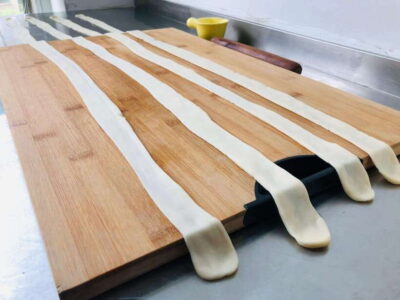
Browse the lists this tour appears in