
Review · SOUTH KOREA
Gyeongju Cherry Blossom Day Tour from Busan (2~3 spring spots)
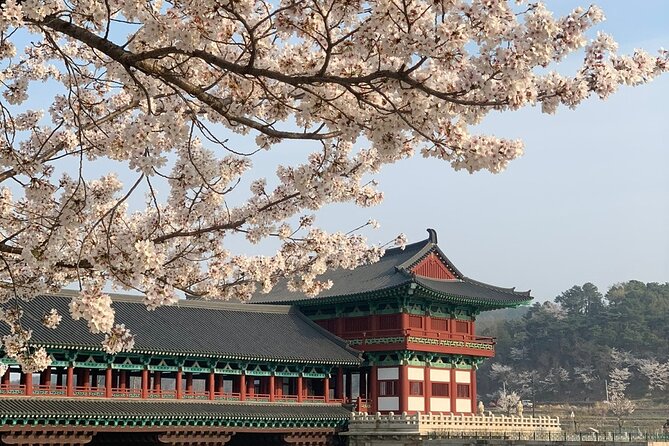
Gyeongju’s cherry blossoms are at their best when flowers, ancient stone, tiled hanok roofs, and Silla-era sights share the same view. This full-day trip from Busan takes you to two or three seasonal spots, with the exact route adjusted to current bloom conditions, traffic, and weather.
I like the flexible routing, since blossoms do not obey a fixed calendar. I also like the mix of photo stops and historical places, which gives the day more substance than a simple flower hunt. The drawback is that you do not choose the final stops yourself, and a long day in a group of up to 43 people can feel less personal.
Key points at a glance
- Two or three Gyeongju blossom locations: The route changes with daily flower conditions.
- Nine to eleven hours from Busan: Plan on a full day, including road time between Busan and Gyeongju.
- Ancient sights beside spring flowers: Possible stops include Woljeonggyo Bridge, Cheomseongdae, Bulguksa Temple, and Daereungwon.
- Multiple departure points in Busan: The tour is designed to make the morning meeting point easier to reach.
- English and Chinese-speaking staff: Guides may include Lucy, David, Danny, or Bobby, depending on the departure.
- Food is not included: Bring money for snacks, meals, and personal purchases at local stalls and stops.
Why Gyeongju works so well in cherry blossom season
Gyeongju is one of Korea’s most rewarding spring destinations because the flowers do not appear in isolation. A line of cherry trees may frame a royal tomb, a traditional house, a stone observatory, or an old bridge. You get the familiar spring scene, but with a strong sense of place behind it.
That combination is the main reason to choose Gyeongju over a simple city-park blossom outing. You can take the expected photos under pale pink trees, then turn toward a Silla-era monument or a hanok roof. The visual shift from modern Busan to ancient Gyeongju gives the day a clear rhythm.
The route is not fixed. The operator selects two or three popular blossom areas according to conditions on the day. That is sensible in theory, because bloom timing can vary from one part of Gyeongju to another. It also means you should book this trip for the general experience rather than for one guaranteed landmark.
More Cherry Blossom Tours in South Korea
- Jeju East: Cherry Blossom Early Bird Tour with Hotel Pickup
★ 4.8 · 21 reviews - Jinhae Cherry Blossom Festival Gyeonghwa Stn Day Tour from Busan
★ 4.5 · 13 reviews - Jinhae Cherry Blossom Day trip from Busan – A Spring Adventure!
★ 4.5 · 13 reviews
The journey from Busan to Gyeongju
The tour lasts about nine to eleven hours, so the transfer from Busan is an important part of the day. You depart from one of several convenient Busan meeting points, then travel by organized transportation to Gyeongju.
This arrangement removes the need to plan a separate intercity trip, local transfers, and return journey. For a first visit to Korea, that can be worth a good part of the $55 price. You are paying not only for transport, but also for a full day built around the short spring bloom season.
The tradeoff is pace. A day trip covering two or three locations cannot give you a slow, unhurried visit at every site. Traffic and weather may also affect the route. Keep your schedule open in the evening rather than booking an important dinner reservation immediately after the planned return.
The tour uses a mobile ticket, and confirmation arrives at booking. Check the exact departure location and meeting instructions carefully, since the experience operates from multiple points in Busan.
How the flexible two or three stop plan works
The single listed touring block in Gyeongju lasts about five hours, though the full experience runs much longer once transport is included. During that Gyeongju portion, the guide takes you to two or three spots chosen from the current blossom conditions.
This plan has two clear benefits. First, you are not locked into a single site if flowers there are late or already fading. Second, you get a broader sense of Gyeongju, moving between old royal areas, lakeside scenery, temple grounds, and modern visitor districts.
The limitation is predictability. You cannot treat every place on the published spot list as a promised stop. Possible locations include Hwangnyongwon, Bomun Lake, Daereungwon Stone Wall Road, Cheomseongdae Observatory, Woljeonggyo Bridge, Bulguksa Temple, Bomun Tourist Complex, Hwangnidan-gil, Heungmu-ro, Gyerim Forest, Silla Wanggyeong Forest, and Hwangnyongsa Maru-gil.
That is a long list, but it is best read as a menu of possible areas, not a checklist. Ask your guide early which stops are planned so you can set your expectations and save your phone battery for the places you most want to photograph.
Bomun Lake and Hwangnyongwon for open spring views
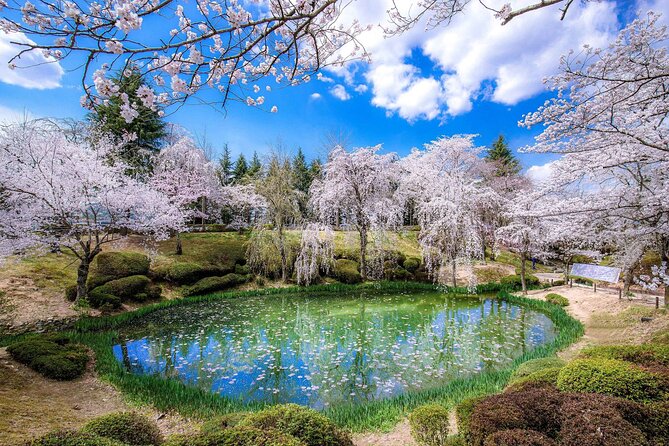
Bomun Lake is one of the more spacious choices on the possible route. The water gives the cherry trees room to reflect, and the setting can feel more open than the older central parts of Gyeongju. If you prefer broad views and an easy photo backdrop, this is a strong type of stop.
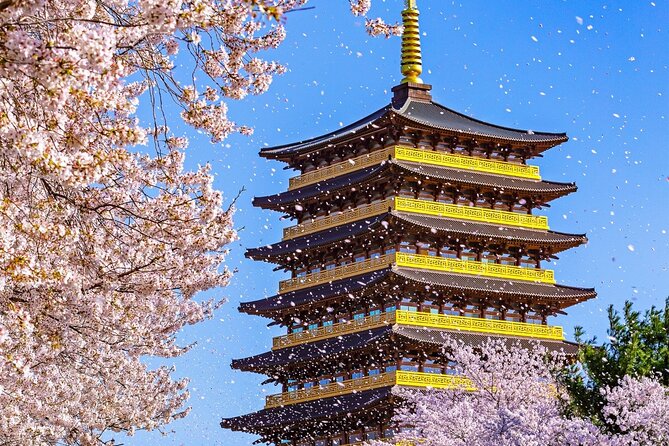
Hwangnyongwon offers a different visual mood, with a large traditional-style building and surrounding spring scenery. It is a useful place for photos that combine architecture and blossoms rather than flowers alone.
The possible drawback at these broad visitor areas is that the day can feel less intimate. They are popular destinations, and the group may have limited time before moving on. Stay alert for the meeting point and return time instead of wandering far in search of a better angle.
More Garden Day Trips in South Korea
- Mt. Seorak+Nami Island+Garden of Morning Calm Day Trip from Seoul
★ 5.0 · 959 reviews - From Seoul: Nami Island, K-drama Garden & Rail Bike Day Tour
★ 4.6 · 724 reviews - Day Trip to Nami Island with Rail bike and The Garden of Morning Calm
★ 4.5 · 459 reviews - Day Trip to Nami Island with The Garden of Morning Calm
★ 4.5 · 215 reviews
Daereungwon and Cheomseongdae: flowers beside Silla history
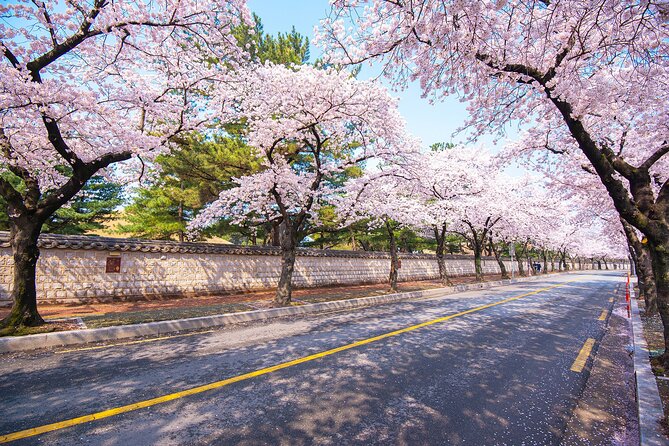
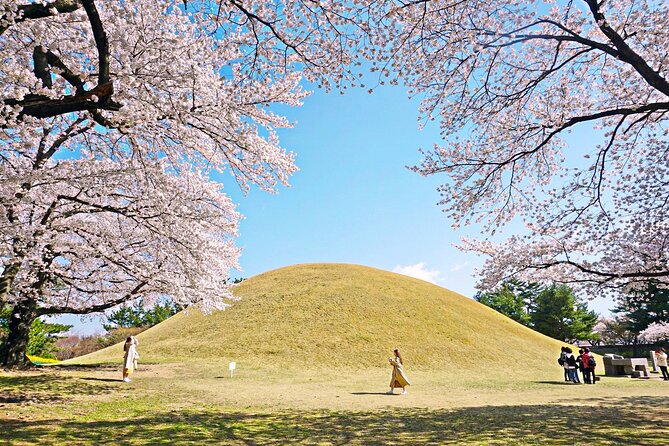
Daereungwon Stone Wall Road is one of the most appealing combinations on the route. Cherry trees and a traditional stone wall create a long, tidy frame for photographs, while the nearby royal tomb area gives the scenery a serious historical setting.
Cheomseongdae Observatory adds another layer. This famous stone structure is linked with the Silla period and is one of Gyeongju’s best-known historic sights. Here, you can see how a small monument changes character when surrounded by spring flowers and open grounds.
This part of Gyeongju is especially good for you if you want context rather than a series of disconnected photo stops. Guides can explain the Silla kingdom and the purpose of the sites, making the scenery easier to understand. Lucy has been associated with the tour and is described as both funny and informative, with explanations that helped connect the modern visit to Silla history.
Do not expect a long private lesson at each monument. The group format favors a useful introduction, free time for pictures, and a clear meeting schedule.
Woljeonggyo Bridge and Gyerim Forest
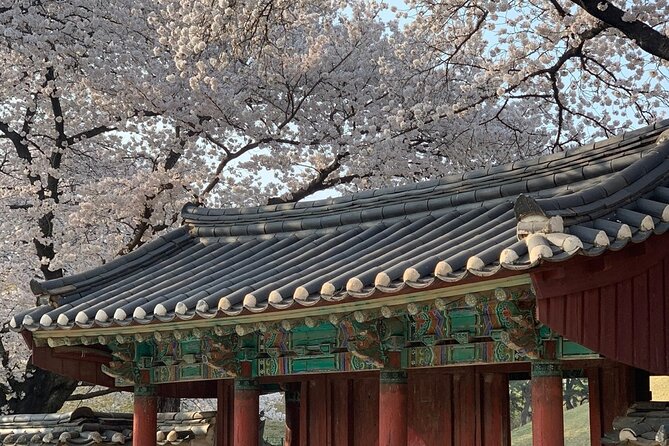
Woljeonggyo Bridge is a standout possible stop for architecture. Its traditional design gives the cherry blossoms a distinctly Korean setting, especially when the bridge is viewed with the surrounding trees and water.
This is the sort of place where your camera may fill quickly. Take a few wide shots first, then look for details such as the bridge roof, reflections, and blossoms framing the structure. Since the precise stop is not guaranteed, ask whether Woljeonggyo is included before you plan your whole day around it.
Gyerim Forest offers a more wooded setting. The mood here differs from the open lake views and formal stone walls. It can be a good contrast if the day includes several built-up or monument-heavy locations.
The practical issue is time. Two or three stops may sound generous, but each one includes unloading, orientation, photographs, and regrouping. You will get a taste of several areas, not a full exploration of each.
Bulguksa Temple and the older side of Gyeongju
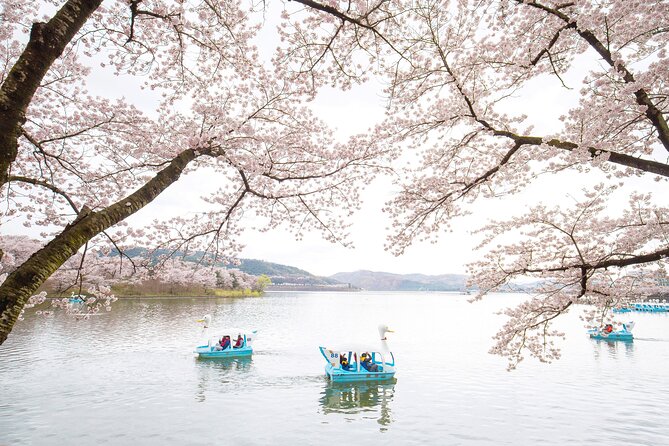
Bulguksa Temple is the most substantial historic possibility on the list. Its temple architecture gives the spring flowers a stronger cultural setting than a park or commercial street. If you want the trip to include a major Korean heritage site, Bulguksa is the stop to hope for.
A visit here may feel different from the central Gyeongju locations. You are looking at temple buildings and grounds rather than royal tombs, city streets, or lakeside paths. That variety is one of the tour’s strengths.
The itinerary can change because of traffic, weather, and attraction location. Do not assume that Bulguksa will be included simply because it appears among the possible places. Admission fees, if any, are included, but meals and personal expenses are not.
Hwangnidan-gil and the hanok side of town
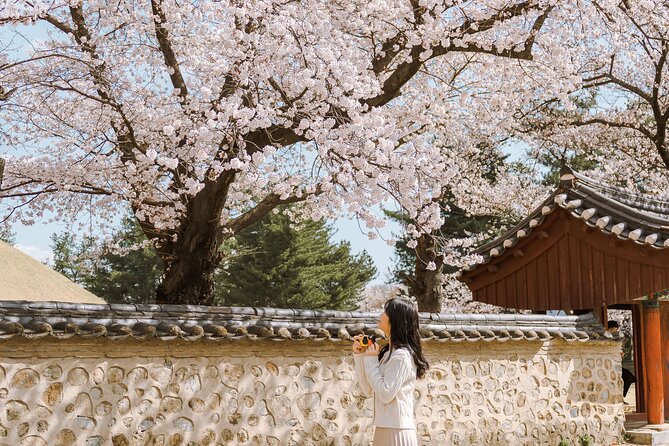
Hwangnidan-gil brings you closer to Gyeongju’s current café, shopping, and food scene. Traditional-style buildings and hanok details sit alongside modern businesses, creating the ancient-meets-present contrast that makes this city easy to enjoy in a short visit.
This is also where you may find stalls selling snacks and small souvenirs. Food is not included, so carry money for anything you want to buy. Since the tour does not provide meals, ask the guide how much free time is available before ordering something that takes a while to prepare.
Heungmu-ro, Silla Wanggyeong Forest, and Hwangnyongsa Maru-gil may also appear in the daily plan. Each gives the guide another way to respond to flower conditions. The value is not in seeing every name on the list. It is in reaching attractive areas while the blossoms are in season.
Guides, group size, and the feel of the day
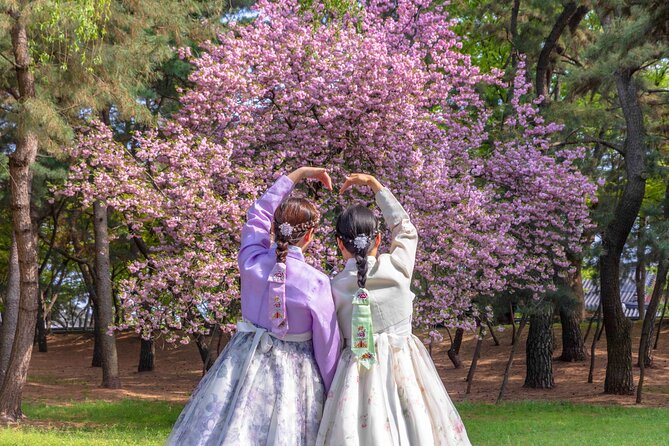
The experience includes English and Chinese-speaking staff. Guide quality matters on a day like this because the sites are spread out and the schedule depends on clear instructions.
The strongest praise connected with the tour focuses on punctual starts, useful historical explanations, and a friendly tone. Guides named Lucy, David, Danny, and Bobby have been associated with different departures. Lucy is noted for combining humor with information about Korea and the Silla empire. David is associated with a well-organized departure that worked smoothly for a family with a three-year-old child. Danny and Bobby are also singled out for adding warmth to the day.
You should not assume you will have one particular guide. Names can change by date and group. Still, these details give you a useful picture of the intended style: practical coordination, basic history, and an approachable manner.
The maximum group size is 43 people. That is not a small-group tour, and you may wait while people board, leave a photo area, or return to the vehicle. The upside is a lower price and straightforward transport. The downside is less flexibility and less time for individual questions.
Families can find the structure helpful, especially when managing a young child in an unfamiliar region. The day is still long, so bring anything your child needs and avoid assuming that every stop will offer a meal break.
Is $55 a fair price for this Gyeongju day trip?
At $55 per person, the tour offers reasonable value if you want a simple round trip from Busan with organized transport and staff support. You also get access to several Gyeongju areas in one day, and any admission fee required by the plan is included.
The price does not cover meals, personal purchases, or travel insurance. That is normal for this type of day trip, but you should budget for food and snacks. Stalls near the blossom areas may tempt you with small treats or souvenirs.
I would compare the cost with the time and effort of arranging your own Busan to Gyeongju transport, then connecting between multiple spring sites. If you are comfortable planning local routes and accepting the risk of missing peak bloom, independent travel may give you more freedom. If you want the day handled for you, $55 is a sensible price.
The biggest value comes during the short blossom window. A fixed route might be cheaper or more predictable, but flexible site selection gives this tour a better chance of finding attractive conditions on the day.
What to bring and how to prepare
Wear comfortable shoes. The experience involves several sightseeing areas, and you will want to walk enough to see the best views rather than remain beside the vehicle.
Bring a phone charger or power bank. Cherry blossom stops are photo-heavy, and a long day can drain your battery before the final location. A light layer is also sensible because spring weather can change, and the tour may operate differently in poor conditions.
Keep your confirmation available on your phone. The ticket is mobile, and booking confirmation is provided at the time of purchase. Pay close attention to the assigned Busan meeting point and the guide’s return instructions.
The operation period can change because of weather. If the conditions are poor, the schedule may be altered. Free cancellation is available up to 24 hours before the start time, but cancellations or changes made inside that window are not accepted for a refund.
Who should book this spring day trip?
I would choose this tour if you are staying in Busan, want to see Gyeongju in one day, and care more about good seasonal conditions than a guaranteed list of landmarks. It suits first-time visitors who want transport, basic history, and several blossom settings without building the route themselves.
It also makes sense for families who prefer a planned day, and for photographers who like variety: lakes, bridges, walls, temples, tombs, and hanok streets can all appear in the route.
I would hesitate if you need a private guide, a slow pace, or certainty about visiting one specific site. A group of up to 43 people and a changing itinerary require flexibility.
FAQ
How long does the Gyeongju Cherry Blossom Day Tour from Busan last?
The tour lasts approximately 9 to 11 hours, including transportation between Busan and Gyeongju.
How many cherry blossom locations will I visit?
You will visit two or three popular cherry blossom spots in Gyeongju.
Are the stops fixed in advance?
No. The route is arranged according to daily cherry blossom conditions, attraction location, traffic, and weather.
Which Gyeongju locations might be included?
Possible locations include Bomun Lake, Hwangnyongwon, Daereungwon Stone Wall Road, Cheomseongdae Observatory, Woljeonggyo Bridge, Bulguksa Temple, Hwangnidan-gil, Gyerim Forest, and other listed blossom areas.
Is transportation included?
Yes. Transportation from Busan and between the planned sightseeing areas is included.
Are meals included in the price?
No. Meals and other personal expenses are not included. You may find stalls selling snacks and souvenirs near some stops.
What happens if I need to cancel?
You can cancel for a full refund up to 24 hours before the experience start time. Cancellations or changes made less than 24 hours before the start time are not accepted for a refund.
Should you book it?
Book this trip if you want an easy, seasonal introduction to Gyeongju without arranging transport and local connections yourself. The changing route is a practical response to blossom timing, and the blend of flowers, Silla sites, temples, bridges, and hanok streets gives the day more depth than a standard park visit.
Skip it if you need a private schedule or one guaranteed landmark. For everyone else, the $55 price, organized transport, multilingual staff, and chance to see two or three of Gyeongju’s best spring areas make this a solid Busan day trip.
Just added around South Korea
- Taean Tulip Festival and Strawberry Picking Day Tour from Seoul★ 4.5 · 3 reviews
- Eobi Ice Valley& Nami Island with Garden of Morning Calm Trip★ 4.5 · 9 reviews
- Strawberry & Eobi Valley & Nami Island & Garden of Morning Calm★ 4.5 · 2 reviews
- Full Day Private Tour Nami Island, Garden & Petite France★ 5.0 · 57 reviews
- Scenic Escape: Nami Island, Garden of Morning Calm, and Rail Bike★ 3.0 · 2 reviews
- Seoraksan and Cherry Blossom Lake 1 day trip from Seoul★ 5.0 · 4 reviews
- (Private tour) Nami Island + Railbike + Garden of morning calm★ 5.0 · 7 reviews
- Alpaca, Nami, Petite Fr, Italian Village, Garden of Morning Calm★ 3.5 · 5 reviews
South Korea Garden Tours, compared.
Mt. Seorak+Nami Island+Garden of Morning Calm Day Trip from Seoul
Read our review →
Nami Island and Garden of Morning Calm opt Railbike
Read our review →
Nami Island, K-drama Garden & Rail Bike Day Tour
Read our review →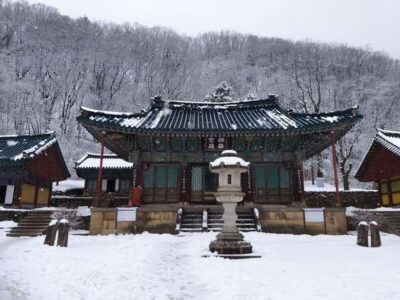
Mt.Seorak, Nami Island & Korean Garden, No Shopping
Read our review →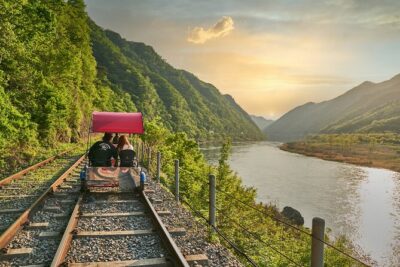
Day Trip to Nami Island with Rail bike and The Garden of Morning Calm
Read our review →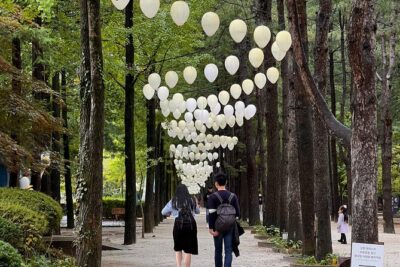
Trip to Nami Island with Petite France & Italian Village, Garden of Morning Calm
Read our review →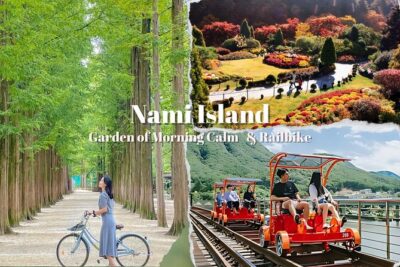
Nami Island & Garden of Morning Calm & Gangchon Railbike Tour
Read our review →
Nami+Alpaca+Garden of Morning Calm (+Rail Bike Option)
Read our review →Browse the lists this tour appears in