
Review · SOUTH KOREA
Small Group Tour East Jeju Cherry Blossom & Woman Diver Show
Jeju’s spring show comes in two colors: King Cherry Blossoms with oversized pale petals, and yellow canola flowers carpeting the roadsides. This nine-hour East Jeju trip strings the best seasonal sights together, then adds Seongsan Ilchulbong, Seopjikoji, Seongeup Folk Village, and a short haenyeo performance.
I like the small maximum group of 15, which makes a long day in a minivan or minibus more personal than a big coach outing. I also like the mix of flowers, scenery, food, and culture, especially the chance to see Jeju women divers sing work songs and return from the sea with their catch.
The catch is the schedule. You spend about three hours and 45 minutes in transit, and lunch is not included. The haenyeo performance depends on weather, while the cherry blossoms themselves are seasonal and can vary from year to year.
Key points at a glance
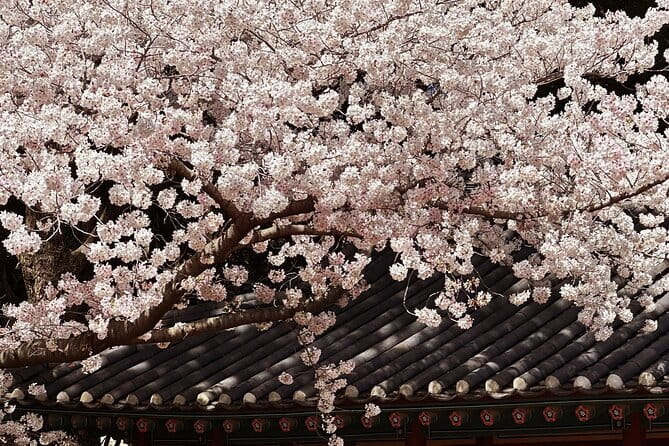
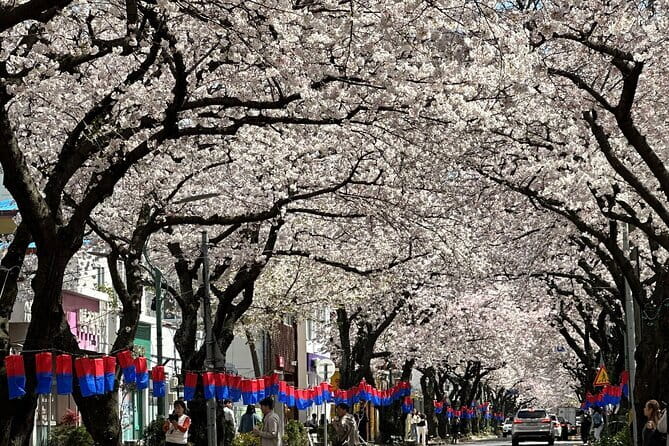
- King Cherry Blossoms in Jeonnonglo: Walk a car-free festival road lined with old cherry trees, blue lanterns, and tulips.
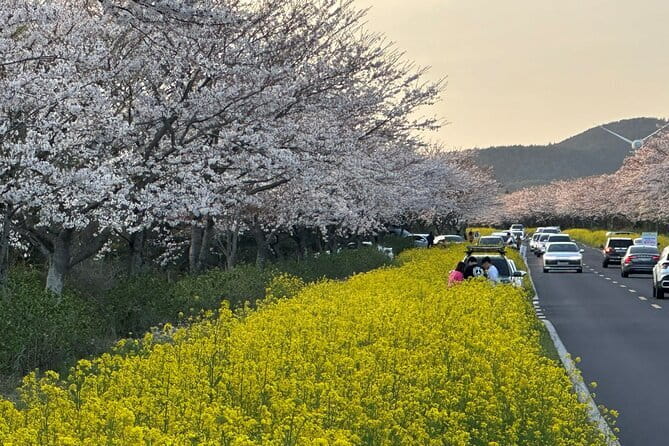
- Ten kilometers of spring color: Noksan-ro combines pale blossoms with yellow canola fields for one of Jeju’s best photo stops.
- Seongsan Ilchulbong hike: Allow about an hour for the 1.2-kilometer trail up the UNESCO-listed volcanic crater.
- Haenyeo culture by the sea: See Seongsan Village women divers sing and enter the water during a roughly 20-minute outdoor show.
- A real village, not only a photo stop: Seongeup Folk Village remains a living community with stone homes and old trees.
- Small-group transport: Pickup is offered in central Jeju City near the airport, with a maximum of 15 people.
Why spring is the right time for East Jeju
This tour is built around a short flowering season, usually from late March to early April. Jeju’s King Cherry Blossom trees are prized for their large petals, and the timing gives you a chance to see them beside canola fields rather than in isolation.
That combination matters. A single cherry tree can be lovely, but roads lined with pale blossoms and yellow flowers create the classic Jeju spring scene. The exact condition of the flowers is never guaranteed, so I would treat the tour as a spring nature and culture day rather than a promise of peak bloom at every stop.
The itinerary also avoids making the whole day about flowers. You move from city roads to a sacred historical site, a coastal volcanic peak, a seaside cultural show, an open cape, and a traditional village. That variety helps keep the day interesting after the first round of photographs.
More Cherry Blossom Tours in South Korea
- Jeju East: Cherry Blossom Early Bird Tour with Hotel Pickup
★ 4.8 · 21 reviews - Jinhae Cherry Blossom Festival Gyeonghwa Stn Day Tour from Busan
★ 4.5 · 13 reviews - Jinhae Cherry Blossom Day trip from Busan – A Spring Adventure!
★ 4.5 · 13 reviews
Jeonnonglo Road and the old tree at Samsunghyeol
The first stop is Jeonnonglo Road, where cherry trees several decades old line the route of the annual King Cherry Blossom Festival. During the festival, the road becomes car-free, with traditional blue lanterns and tulips adding color beneath the branches.
You have only about 15 minutes here, so think of it as a quick stroll and orientation rather than a long park visit. It is enough to take photographs and see the festival setting, but you will want to be ready to move when the group does.
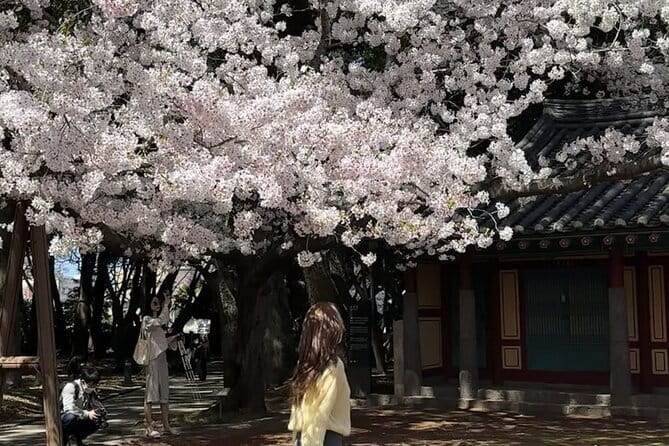
At Samsunghyeol, the pace slows to about 50 minutes. The site is tied to the origin story of Jeju and has a more solemn feel than a festival road. A 200-year-old cherry tree provides the main spring photograph, but the setting is also valuable for its connection to Jeju mythology.
This is one of the better stops for a guide to add context. June is identified as the guide for the experience, and the tour places real weight on explanations of local customs and culture. That makes Samsunghyeol more than a quick stop beneath a pretty tree.
Noksan-ro, where canola meets cherry blossom
Noksan-ro offers one of the day’s strongest views. Along roughly ten kilometers of road, yellow canola flowers and cherry blossoms overlap in spring. You stop for about 20 minutes, which gives you time to admire the scene and take photographs.
The short visit is practical because this is a roadside viewpoint rather than a full walking attraction. Still, expect an open setting and a photo-focused stop. If spring flowers are your main reason for booking, this is one of the places you will most want the weather and bloom timing to cooperate.
The road also shows why a vehicle is useful on Jeju. The attraction is not a single compact garden. It is a long stretch of seasonal color, and reaching several East Jeju sites in one day would be difficult by public transport alone.
Lunch in Seogwipo, with the bill separate
The midday stop lasts about an hour in Seogwipo. The guide suggests a local restaurant with reasonably priced food, including vegetarian choices, but lunch is not part of the $120 tour price.
Budget around $10 for the meal, plus any personal spending. The benefit of handling lunch this way is flexibility. You can order from the suggested restaurant rather than eat at a fixed tourist buffet, and vegetarian food can be arranged through the guide.
The drawback is that the final cost is not quite $120 per person. Add lunch and, if you choose to give one, a tip. Tips are recommended but not required. I would also keep the meal efficient because the day still has several major stops ahead.
Same place, a different kind of green day out:
- Mt. Seorak+Nami Island+Garden of Morning Calm Day Trip from Seoul
★ 5.0 · 959 reviews - Seoul: Nami Island and Garden of Morning Calm opt Railbike
★ 4.6 · 907 reviews - From Seoul: Nami Island, K-drama Garden & Rail Bike Day Tour
★ 4.6 · 724 reviews - Seoul: Mt.Seorak, Nami Island & Korean Garden, No Shopping
★ 4.8 · 614 reviews
Climbing Seongsan Ilchulbong
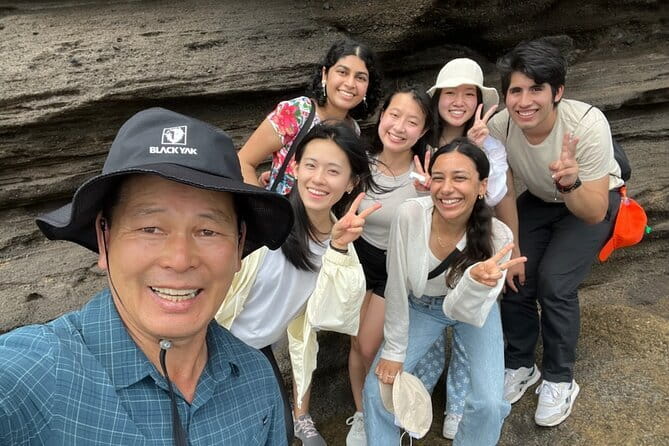
Seongsan Ilchulbong is the physical centerpiece of the day. The volcanic peak rises 180 meters above the sea and has a distinctive bowl-shaped summit. The stated trail is 1.2 kilometers and the stop is planned for about an hour.
You should read that timing carefully. The route is not presented as a casual roadside viewpoint. Reaching the top is a proper walk, and the hour includes the climb and time for the views. Wear shoes suited to a trail and bring water if you need it, since there is no promise of a long rest period here.
The reward is a broad view over the sea and the surrounding coast. The peak is also a UNESCO Natural Heritage Site, so this stop gives the day geological importance as well as scenery.
If you dislike hills or need a slower walking pace, this is the part of the tour to consider most carefully. The guide can provide the day’s structure, but the published timing remains fairly tight. For people who enjoy a short climb, the effort gives the day a strong sense of place.
The haenyeo show at Umutgae Coast
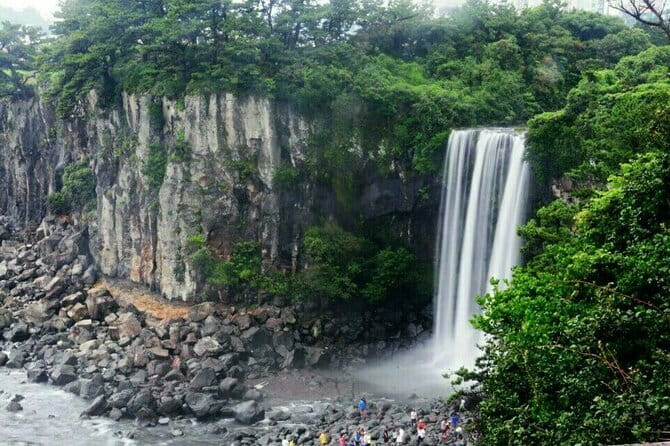
At Umutgae Coast, women divers from Seongsan Village present an outdoor show lasting about 20 minutes. They sing traditional labor songs and enter the water before returning with their catch.
This is a brief performance, but its importance goes beyond entertainment. Jeju’s haenyeo culture is UNESCO-listed, and the show offers a direct connection to a working tradition tied to the island’s sea. You are not just looking at a costume or a museum display. You are watching a cultural practice presented by women from the local village.
The show is weather-dependent, so it may not run in poor conditions. That uncertainty is worth accepting because an outdoor sea performance cannot be guaranteed in every season or forecast. The tour allows about 30 minutes at the coast, which includes time around the presentation.
This stop is also a useful counterweight to the flower photographs. It gives the day a human story and helps explain why Jeju culture is shaped by the water as much as by volcanic rock and farmland.
Seopjikoji and the white lighthouse
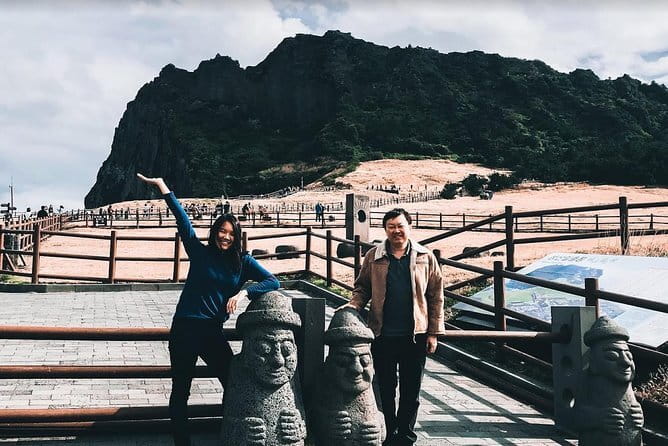
Seopjikoji brings together several familiar Jeju images: yellow canola flowers, a white lighthouse, grazing Jeju horses, and a view toward Seongsan Ilchulbong. The stop lasts about 50 minutes.
I would expect this to be another open-air photo stop, not a formal attraction with a long indoor visit. The appeal is the arrangement of the coast and the recognizable features within it. You can take in the sea air, look back toward Seongsan Ilchulbong, and see how the volcanic peak fits into the wider coast.
The open setting means weather will affect your enjoyment. On a clear day, the combination of flowers, lighthouse, horses, and sea should be one of the most relaxed sections of the route. In wind or rain, it may feel less comfortable, which is another reason the weather cancellation policy matters.
Seongeup Folk Village and old Jeju life
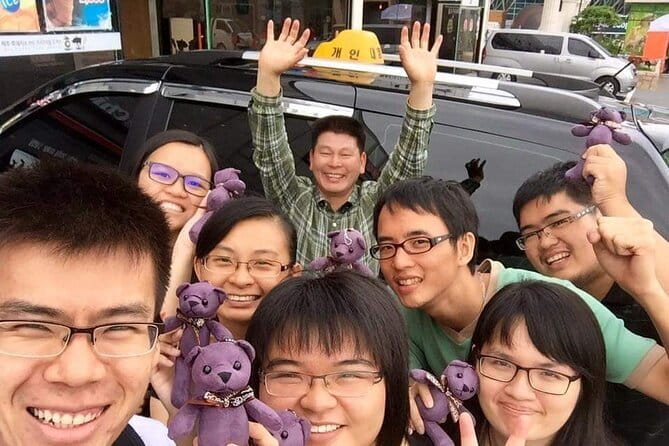
The final major stop is Seongeup Folk Village, where the tour spends about 30 minutes. The village served as a county office for 500 years and remains a living community today.
You walk among traditional stone houses and very old zelkova trees. The point is not simply to view preserved buildings. The village offers a glimpse of how Jeju communities were organized and how local architecture responded to island life.
Thirty minutes is enough for an introduction, but not for a detailed examination of every corner. I would listen closely to the guide here, since the value lies in the explanation of the village’s role and its continuing community character.
This stop rounds out the day well. You begin with spring scenery and finish with a place connected to Jeju’s social and administrative past. It is a quieter ending than another coastal viewpoint.
What the $120 price covers
At $120 per person, this is not the cheapest way to see East Jeju, but the price includes several costs that can add up on your own. Hotel pickup and drop-off are included for the central Jeju City area near Jeju International Airport, as are transportation and admission fees.
You also pay for a full day of driving across a spread-out part of the island. The vehicle is a minivan for groups of one to seven, or a minibus for eight to 15 people. That is a meaningful advantage over trying to connect flower roads, Seongsan Ilchulbong, Seopjikoji, and Seongeup by local buses in a single day.
The value is strongest if you want a guided route and do not plan to rent a car. It is less compelling if you already have a vehicle, enjoy setting your own pace, or want to spend a whole morning at one cherry blossom site.
Lunch, personal purchases, and tips are extra. With lunch estimated at about $10, plan for a total above the advertised price.
The small-group format and guide style
The group limit is 15 people, which keeps this from being a private tour but avoids the scale of a large coach. You should expect some waiting at photo stops and a shared schedule, yet the vehicle size makes it easier to handle short roads and local restaurants.
June is named as the guide and driver for this experience. The available booking information also identifies Lina in connection with tour service. June is described as punctual, helpful, cheerful, clear in English, and easy to reach with questions. Those details matter on a long day because good communication affects everything from pickup to lunch choices.
The guide’s role is particularly useful at Samsunghyeol, Seongeup Folk Village, and the haenyeo show. Without context, these can become short photo stops. With explanations of Jeju customs and culture, they have more meaning.
The driving time is substantial, at about three hours and 45 minutes in total. I see that as part of the trade. You cover a lot of ground in one day, but you give up the unhurried feeling of a slower, self-directed trip.
Who should book this East Jeju day?
I would choose this tour if you have one spring day on Jeju and want the main East Jeju sights arranged for you. It suits first-time visitors, people staying in Jeju City, and anyone who prefers a guide to handle roads, timing, and admissions.
It is also a good fit if you care about more than flowers. The itinerary includes a UNESCO natural site, UNESCO-listed haenyeo culture, a historic village, and a local meal suggestion. That gives you a better sense of Jeju than a route made only of photo stops.
You should think twice if you want a slow day, have limited walking ability, or dislike fixed schedules. The Seongsan Ilchulbong trail requires effort, and the day includes frequent transitions. The cherry blossoms and haenyeo show are also subject to seasonal and weather conditions.
The tour starts at 8:30 a.m. and runs about nine hours. Pickup is available within the central Jeju City area near the airport, and the experience is close to public transportation. Confirmation is provided at booking, and most people can participate.
Cancellation is free up to 24 hours before the start time. A cancellation within 24 hours is not refunded, and changes inside that period are not accepted. If poor weather forces the operator to cancel, you can choose another date or receive a full refund.
Should you book it?
Book this tour if you want one well-packed spring day combining blossoms, coast, a short mountain hike, haenyeo culture, and village life. The small group, included transport, and English-speaking guide support give the $120 price reasonable value for visitors without a rental car.
Skip it if your priority is lingering at one flower road or controlling every stop yourself. The route covers a lot of ground, lunch costs extra, and the best outdoor moments depend on weather and bloom timing. For a first East Jeju visit in late March or early April, though, it offers a practical mix of scenery and culture that is difficult to arrange as neatly on your own.
FAQ
How long does the tour last?
The experience lasts approximately nine hours, starting at 8:30 a.m. The schedule includes about three hours and 45 minutes of travel between pickup, stops, and drop-off.
Where is hotel pickup available?
Pickup and drop-off are offered within the Jeju City downtown area near Jeju International Airport.
How many people can join the tour?
The maximum group size is 15 people. Groups of one to seven use a minivan, while groups of eight to 15 use a minibus.
Is lunch included?
No. Lunch is excluded, and the suggested meal costs about $10. Vegetarian options are available.
What cherry blossom sites are included?
The tour visits Jeonnonglo Road, Samsunghyeol, and Noksan-ro Canola Flower Road. The usual flowering period is from late March to early April.
How difficult is the Seongsan Ilchulbong visit?
The route includes a 1.2-kilometer hiking trail and allows about 60 minutes. Reaching the summit involves walking uphill to the 180-meter volcanic peak.
Is the haenyeo show guaranteed?
No. The outdoor show at Umutgae Coast lasts about 20 minutes and is subject to weather conditions.
Are admission fees included?
Yes. Admissions listed for the tour are included, along with transportation and hotel pickup and drop-off within the stated Jeju City area.
What happens if the tour is canceled because of weather?
You will be offered a different date or a full refund. You can also cancel for a full refund if you do so at least 24 hours before the start time.
More Show in South Korea
- Granada: Flamenco Show in Albayzín – Jardines de Zoraya
★ 4.7 · 1,375 reviews - Singapore Starry Night Cruise, Garden Rhapsody & Spectra Show
★ 4.5 · 782 reviews - Step Inside the Game Show – The Crystal Maze LIVE Experience
★ 5.0 · 365 reviews - Granada: Flamenco Show with Dinner at Jardines de Zoraya
★ 4.6 · 250 reviews
Just added around South Korea
- Taean Tulip Festival and Strawberry Picking Day Tour from Seoul★ 4.5 · 3 reviews
- Eobi Ice Valley& Nami Island with Garden of Morning Calm Trip★ 4.5 · 9 reviews
- Strawberry & Eobi Valley & Nami Island & Garden of Morning Calm★ 4.5 · 2 reviews
- Full Day Private Tour Nami Island, Garden & Petite France★ 5.0 · 57 reviews
- Scenic Escape: Nami Island, Garden of Morning Calm, and Rail Bike★ 3.0 · 2 reviews
- Seoraksan and Cherry Blossom Lake 1 day trip from Seoul★ 5.0 · 4 reviews
- (Private tour) Nami Island + Railbike + Garden of morning calm★ 5.0 · 7 reviews
- Alpaca, Nami, Petite Fr, Italian Village, Garden of Morning Calm★ 3.5 · 5 reviews
South Korea Garden Tours, compared.
Mt. Seorak+Nami Island+Garden of Morning Calm Day Trip from Seoul
Read our review →
Nami Island and Garden of Morning Calm opt Railbike
Read our review →
Nami Island, K-drama Garden & Rail Bike Day Tour
Read our review →
Mt.Seorak, Nami Island & Korean Garden, No Shopping
Read our review →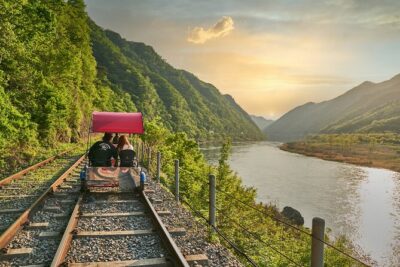
Day Trip to Nami Island with Rail bike and The Garden of Morning Calm
Read our review →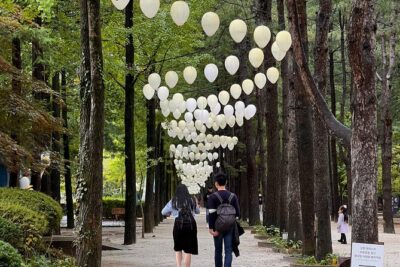
Trip to Nami Island with Petite France & Italian Village, Garden of Morning Calm
Read our review →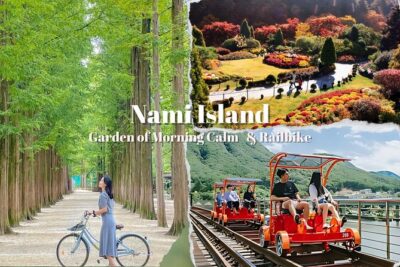
Nami Island & Garden of Morning Calm & Gangchon Railbike Tour
Read our review →
Nami+Alpaca+Garden of Morning Calm (+Rail Bike Option)
Read our review →Browse the lists this tour appears in