
Review · MALAYSIA
New Malaysian Kitchen Cooking Class and Garden Tour
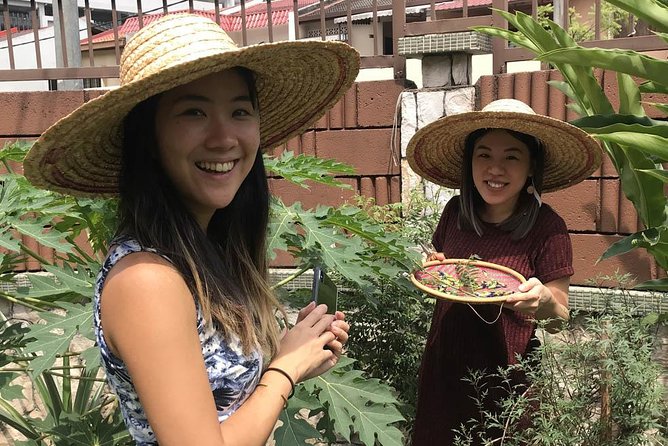
Malaysian food makes more sense when you handle the ingredients yourself. At New Malaysian Kitchen, Sara Khong, a professional cook and author of four Malaysian cookbooks, guides you through a hands-on class in her family home, about 20 minutes from Kuala Lumpur. You start with flower tea and a tour of an edible garden filled with more than 50 herbs, spices, flowers, and fruit.
I like the tiny group size, capped at six, because Sara can watch your technique and answer questions without turning the class into a demonstration. I also like the chance to cook with ingredients picked from the garden, then sit down for a shared meal with Sara and her mother. The main consideration is the price: at $150 per person, this is far more than a casual food tour, so it suits you best if learning recipes matters as much as eating lunch.
Key points at a glance
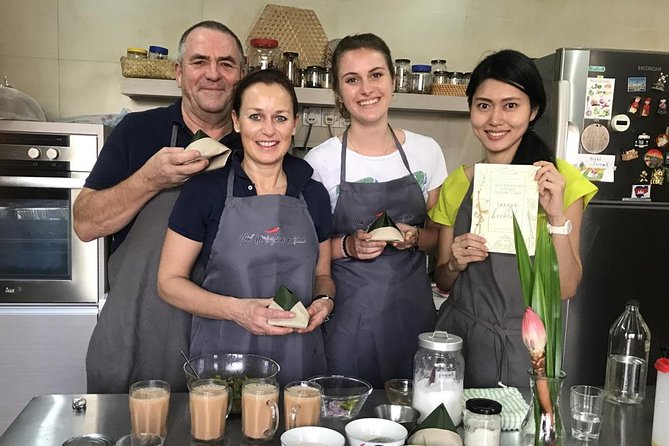
- Sara Khong leads the class: A professional cook and author of four Malaysian cookbooks teaches in her own family kitchen.
- More than 50 edible plants: You can see, touch, smell, and taste ingredients such as turmeric and curry leaves in the home garden.
- You cook five dishes: The class is hands-on, with dishes selected from Malaysian cuisine and street-food traditions.
- Only six people maximum: The small group allows for patient, personal guidance at each step.
- Lunch is part of the lesson: After cooking, you eat the food you prepared and talk with a local family about food and daily life.
- A four-hour morning: The class runs from 9 a.m. to 1 p.m., Monday through Friday, and returns to the starting point.
A family kitchen just outside Kuala Lumpur
This is not a polished cooking studio built for large tour groups. You meet Sara at New Malaysian Kitchen, No. 2, Jalan 11, Taman Len Seng, in Kuala Lumpur, then enter a family setting where the cooking takes place in a real Malaysian kitchen.
That setting shapes the experience. You are not only shown how a dish should look. You work through ingredient selection and preparation, with Sara explaining what each item does and how the parts fit together. Her mother may also be involved, adding the feel of a shared home meal rather than a class run by a rotating staff.
The location is described as about 20 minutes from the city, and it is near public transportation. The exact journey time will depend on where you start, so give yourself room to reach the 9 a.m. meeting time. Since the activity ends back at the same point, you can plan another Kuala Lumpur activity afterward without arranging a separate finish.
The group limit matters here. With no more than six people, you can ask about unfamiliar herbs, get help with a chopping step, or request clarification when a recipe differs from what you know at home. That makes the class a better fit for curious beginners than for people who simply want a quick meal.
More Cooking Classes in Malaysia:
- We Cook Thai Home Garden Cooking School
★ 4.9 · 378 reviews - Anggrek Putih Lombok Cooking Class
★ 5.0 · 253 reviews - Thai Cooking Class with Market & Garden Tour
★ 4.9 · 249 reviews
Starting with flower tea and the edible garden
The morning begins with a glass of flower tea. It is a gentle start, but it also sets up the garden tour, where you learn to connect the plants around you with the flavors in Malaysian cooking.
The garden contains more than 50 herbs, spices, flowers, vegetables, and fruit used in everyday cooking. You are encouraged to see, touch, smell, and taste the plants. Turmeric and curry leaves are specifically included, both useful introductions if Malaysian cooking is new to you.
I like this part because it gives names and texture to ingredients that can look mysterious in a market or recipe. Curry leaves are not just a line in a dish description, and turmeric is not merely a yellow powder. You get a closer sense of the fresh plants and how they are used in a local kitchen.
The garden tour also adds value beyond the final recipes. You are seeing what can grow close to a Malaysian home and learning which plants are useful in daily cooking. Still, this is a garden visit rather than a full farm tour, so you should not expect a long walk or a separate horticulture program. Its purpose is to prepare you for the food.
Five dishes, prepared by you
After the garden, you move into the cooking class. You make five Malaysian foods of your choice, working with Sara in a real kitchen rather than watching her prepare everything in advance.
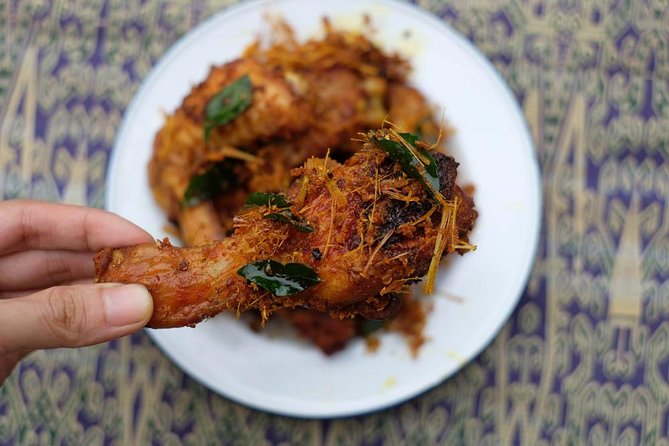
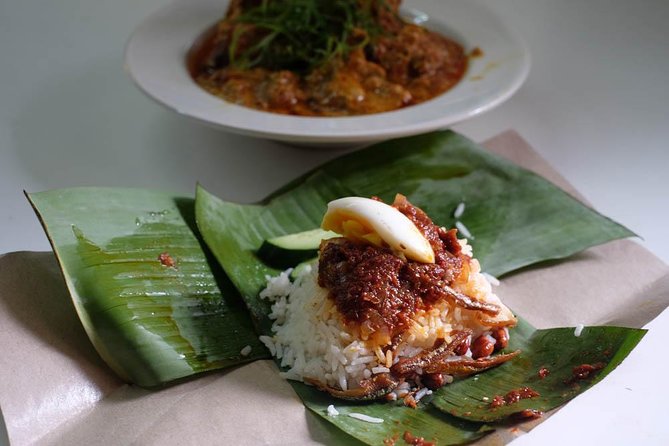
The exact menu can vary, but the class has covered familiar favorites such as nasi lemak, chicken rendang, four-angled bean salad, teh tarik, and ondeh-ondeh. That list gives you a useful mix: a rice-based staple, a slow-cooked meat dish, a fresh vegetable preparation, a pulled tea, and a sweet finish.
Nasi lemak is especially useful to learn because it is one of Malaysia’s best-known dishes and one you may want to recreate at home. One couple left eager to make it again, which tells you the instruction is practical rather than purely theatrical. Rendang also gives the class a chance to show how Malaysian food builds flavor through careful preparation and seasoning.
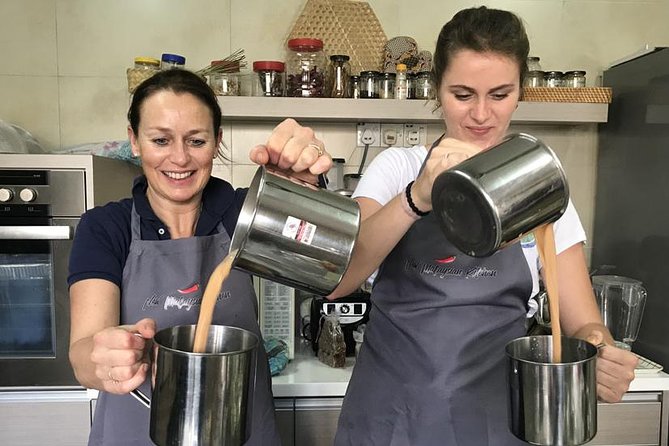
Teh tarik adds a bit of fun and movement to the morning. The drink’s pulled preparation is different from simply steeping tea, and it breaks up the more methodical work of chopping and cooking. Ondeh-ondeh provides a sweet counterpoint to the savory dishes.
The phrase five foods of your choice is important, but the supplied details do not list a fixed menu or explain how selections are made. If a particular dish matters to you, ask about availability when you book or receive confirmation. That is better than assuming every listed example will be served on your date.
Why the small class improves the cooking
A maximum of six people is one of the strongest features here. Malaysian cooking can involve unfamiliar ingredients, textures, and preparation methods, and a large class often leaves you watching from the back. This format gives Sara time to correct a step, explain a substitution, or slow down when you need it.
The teaching style is described as clear, patient, and attentive. That is useful if you rarely cook. You do not need to arrive as an experienced home chef to take part, and the hands-on format lets you learn by doing instead of trying to remember a long demonstration.
The small size also makes conversation easier. You can ask about how food fits into Malaysian family life, not just how long a dish should cook. The family-home setting supports that exchange, although you should remember that the class is still focused on cooking, not a formal cultural lecture.
For experienced cooks, the benefit is different. You can ask more detailed questions about ingredients and methods, then take home the recipe booklet for another attempt. The class is not designed as a professional culinary course, but it offers enough direct practice to make Malaysian dishes less intimidating.
A few more garden visits around Malaysia worth a look
- Ella : Cooking class with amazing Spice Garden Tour
★ 5.0 · 239 reviews - Half day Thai cooking Class + Market tour+Garden tour
★ 5.0 · 237 reviews - Cooking Morning Class Chiang Mai Visit Organic Garden and Market
★ 5.0 · 211 reviews - Shared Cooking Class with Fresh Garden Ingredients in Sorrento
★ 5.0 · 194 reviews
Sitting down to eat what you made
The final meal is the payoff, but it is not just a reward after class. Eating the food you prepared helps you judge the balance of flavors and understand how several dishes work together.
You share the meal with the local family and have time to talk about Malaysian food, culture, and lifestyle. That conversation is one of the reasons this experience feels more personal than a standard restaurant meal. You are not simply handed a plate and sent on your way. You can connect the food to the home, garden, and family routine you have just seen.
There is also a practical advantage. Tasting the finished food lets you compare your work with the intended result while the preparation is still fresh in your mind. If something turned out differently from what you expected, you can ask why.
The meal is based on the dishes you prepare, so this is not the place to expect a separate restaurant-style tasting menu. If you want to sample a wide range of Malaysian food without doing any work, a food tour may suit you better. If you want lunch that you helped create, this format is stronger.
The recipe booklet gives the class a longer life
You receive a recipe booklet to take home. That small item makes a real difference in judging the $150 price, since the experience does not end when lunch is over.
A good cooking class should help you repeat at least some of the dishes once you return home. The booklet gives you a reference for ingredients and steps, while the hands-on practice gives you a memory of how the food should look and feel. You will still need access to the right ingredients, and the supplied details do not explain whether substitutions are included, so ask Sara during the class.
The booklet is also useful if you are cooking for family or friends. Several dishes, including nasi lemak and chicken rendang, can turn the class into a starting point for a Malaysian meal at home rather than a one-time holiday activity.
Is $150 a fair price?
At $150 per person, this is a premium half-day experience. You are paying for more than four hours of instruction: the small group, garden visit, five dishes, recipe booklet, and shared meal all form part of the package.
The value is strongest if you would otherwise pay for a food tour and a cooking class separately. You receive direct teaching from Sara, access to a family kitchen, and a chance to ask questions throughout the session. The family connection and garden also give the class a sense of place that a standard cooking school may not provide.
The value is weaker if your main goal is simply to eat Malaysian food cheaply. Kuala Lumpur offers many less expensive ways to enjoy local dishes, and this class asks you to spend a full morning cooking them yourself. You should book it because you want the skill and contact, not only the meal.
The high rating of 4.9 from 54 ratings and a 98 percent recommendation figure support the idea that the class delivers well on its central promise: patient instruction, hands-on work, and a welcoming family atmosphere. Those figures cannot tell you if the menu matches your dietary needs or preferred dishes, so confirm those points before paying.
Timing, booking, and cancellation
The class runs Monday through Friday from 9 a.m. to 1 p.m. It is commonly booked about 32 days ahead, so do not leave it until the last morning of your Kuala Lumpur visit if the date matters to you.
Confirmation is sent within 48 hours of booking, subject to availability. The activity uses a mobile ticket, and the maximum group size is six people.
You can cancel for a full refund up to 24 hours before the local start time. Changes or cancellations made less than 24 hours before the start are not accepted for a refund. Keep that deadline in mind when you are still adjusting your Kuala Lumpur plans.
Who will enjoy this class most?
I would choose this for you if you want to understand Malaysian food from the inside: where ingredients grow, how dishes are assembled, and how a local family eats them. It is especially suitable for couples, small groups of friends, and solo visitors who enjoy meeting people through food.
Beginners should feel comfortable. The instruction is built around patient, careful explanations, and the group is small enough for support. You do not need to be a confident cook to take part.
Food-focused visitors will get the most from the garden, the five-dish format, and the recipe booklet. The class also works well near the beginning of a Kuala Lumpur stay, since you can spend the rest of your trip recognizing ingredients and dishes with a better understanding of what goes into them.
I would hesitate if you want a flexible schedule, a short tasting stop, or a fixed menu that is published in advance. The four-hour morning commitment and $150 cost deserve a clear interest in cooking.
Should you book New Malaysian Kitchen?
Book it if you want a personal, hands-on introduction to Malaysian cooking and value time with a local family. Sara’s experience as a cookbook author, the garden’s 50-plus edible plants, and the six-person limit give the class more substance than a simple recipe demonstration.
Skip it if you only want to sample street food or keep your food budget low. For everyone else, this is a strong choice for learning dishes you can repeat at home, especially nasi lemak, rendang, desserts, and pulled tea. Ask about the available menu before confirming, arrive ready to work, and expect lunch to feel like the final lesson rather than the whole point.
FAQ
Where does the New Malaysian Kitchen class take place?
The class takes place at New Malaysian Kitchen, No. 2, Jalan 11, Taman Len Seng, 56000 Kuala Lumpur, Malaysia. The activity ends back at the same meeting point.
How long does the cooking class last?
The experience lasts about four hours, from 9 a.m. to 1 p.m.
How many people can join?
The activity has a maximum of six travelers.
What does the garden tour include?
You begin with flower tea, then explore an organic edible garden with more than 50 herbs, spices, flowers, vegetables, and fruit. You can see, touch, smell, and taste local plants such as turmeric and curry leaves.
Who teaches the cooking class?
Sara Khong teaches the class. She is a professional cook and the author of four Malaysian cookbooks. Her family home and kitchen host the experience.
How many dishes will I prepare?
You will prepare five Malaysian foods of your choice. Examples associated with the class include nasi lemak, chicken rendang, four-angled bean salad, teh tarik, and ondeh-ondeh.
Can I cancel for a full refund?
Yes. You can cancel at least 24 hours before the local start time for a full refund. Cancellations or changes made less than 24 hours before the start are not accepted for a refund.
Just added around Malaysia
- Malaysia: Penang Tropical Spice Garden Guided Tours Tickets★ 5.0 · 5 reviews
- Discover Penang’s Best: Hill, Beach, Botanic Gardens & Kek Lok Si★ 4.5 · 7 reviews
- Penang Nature Escape: Penang Hill, Botanical Gardens & Ferringhi★ 3.0 · 4 reviews
- Private Walking Tour of the Shah Alam Lake Gardens with Pick Up and Lunch★ 3.0 · 2 reviews
- Fairy Tale Colmar Tropicale, Japanese Garden, Genting Highlands★ 5.0 · 2 reviews
- Cameron Highlands, Garden of Nature Full Day Private Guided Tour★ 4.0 · 4 reviews
- Penang Round Island Tour With Tropical Spice Garden & Entopia Butterfly Farm★ 4.0 · 15 reviews
- George Town Highlights & Upside Down Museum tours (4 Hours)★ 4.5 · 7 reviews
Malaysia Garden Tours, compared.
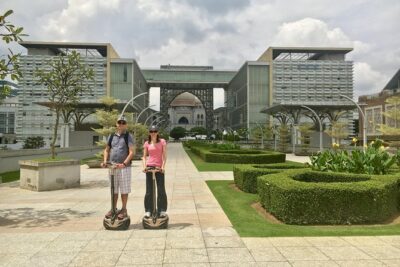
Guided Eco Ride Segway Tour at Putrajaya, City in the Garden
Read our review →
Putrajaya City in the Garden Exploration Segway Tour
Read our review →
Kuala Lumpur: Bird Park, Butterfly & Garden Private Tour
Read our review →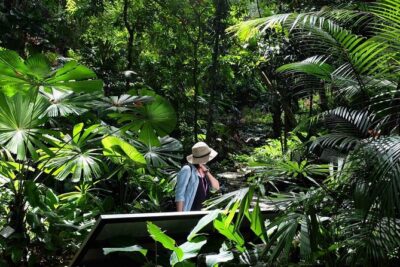
Penang Round Island Tour With Tropical Spice Garden & Entopia Butterfly Farm
Read our review →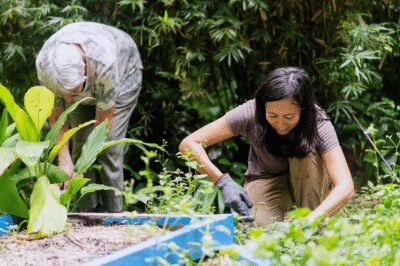
Penang: Tropical Spice Garden Entrance Ticket & Guided Tours
Read our review →
George Town Highlights & Upside Down Museum tours (4 Hours)
Read our review →
Discover Penang’s Best: Hill, Beach, Botanic Gardens & Kek Lok Si
Read our review →
Penang: Private Highlights Tour with Temples, Hill & Gardens
Read our review →Browse the lists this tour appears in