
Review · IRELAND
Kildare: Irish National Stud & Gardens
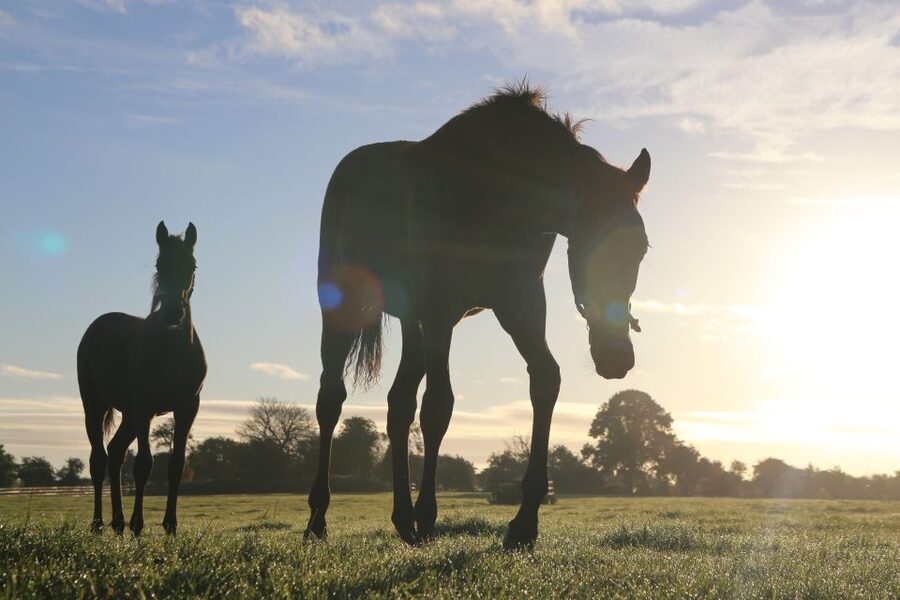
The best part of the Irish National Stud is the access. This is not simply a horse museum. You walk among active breeding grounds, see stallions, mares, and foals, then meet retired champions that once drew huge crowds to Irish racecourses. The setting, spread across 850 acres of County Kildare, gives the visit a fine sense of space and purpose.
I like the way the ticket combines two very different pleasures: close-up horse viewing and quiet garden walks. I also like the Irish Racehorse Experience, which turns breeding, training, buying, and racing into a hands-on story. The main thing to consider is timing. The public tour, gardens, and racehorse exhibit each need attention, and a late arrival can leave you rushing.
Key points to know before you go
- Active breeding farm: See stallions, protective mares, and young foals on a working thoroughbred stud.
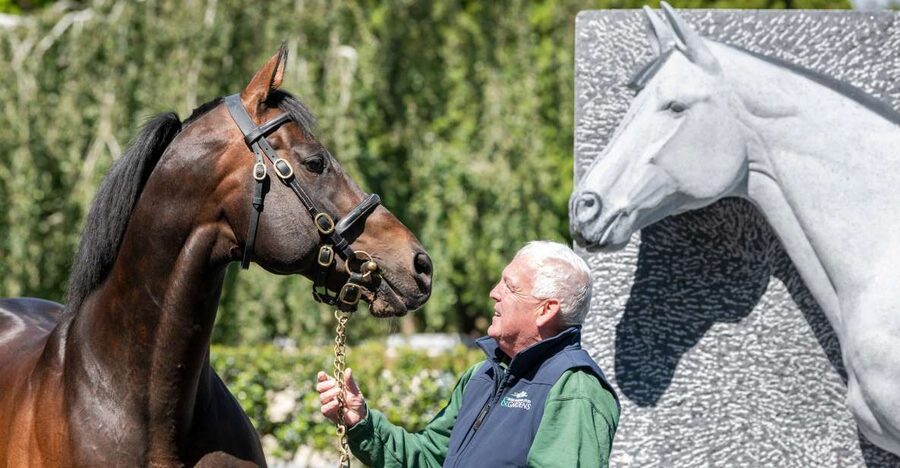
- Living Legends: Meet retired racehorses including Hurricane Fly, Beef, Salmon, and Faugheen.
- Two very different gardens: Follow the Japanese Gardens’ Life of Man path, then explore the Irish character of St Fiachra’s Garden.
- Interactive race day: Buy a pretend yearling, make choices as an owner, and ride a simulated race.
- Public guided tour: Tour times change by season, with more departures in summer.
- Best seasonal window: February through September offers the fullest chance of seeing stock on the grounds.
Why the Irish National Stud is more than a horse stop
County Kildare is closely linked with Irish horse breeding, and the National Stud lets you see that world without needing to attend a race meeting. The focus is on the complete life of the thoroughbred, from birth and early care to training, competition, and retirement.
That matters because the visit does not reduce horses to sporting celebrities. You see the animals in different stages of life and learn how breeding decisions shape the future of racing. The public tour also explains how the stud operates and earns income, including the careful process used when selecting a possible future stallion.
You can expect a mix of outdoor walking, guided commentary, indoor displays, and garden time. It is a good choice if your Ireland plans already include Dublin but you want a day with more fresh air and fewer city streets.
A few more garden visits around Ireland worth a look
- Westport House and Gardens Admission Ticket
★ 5.0 · 284 reviews - Self-Guided Bike Tour of Killarney National Park, Muckross Gardens & Waterfall
★ 5.0 · 223 reviews - Irish National Stud & Gardens Skip the line Entrance
★ 4.5 · 106 reviews
Start with the public tour of the stud
The guided tour is the clearest way to understand what you are seeing. You move through the stallion area, then on to mares and foals, with explanations about the work of the stud and the care given to the horses.
The star attraction is not a single horse. It is the contrast between the powerful stallions and the protective mares with their lively young foals. Foals can be the most entertaining part of the visit, though their activity depends on the season and the animals’ daily routines.
The guides make a real difference here. Sue has led an especially informative tour, while Amanda is known for explaining the horses and the stud with clear enthusiasm. Guide assignments can change, so do not book around a particular person, but a strong guide can turn a pleasant walk into the most useful part of your day.
Public tour times are normally 10:30 a.m., noon, 2 p.m., and 4 p.m. Summer adds departures at 1 p.m. and 3 p.m. From October, the schedule becomes more limited, with tours at 11 a.m. and 2 p.m. Check the current timetable before setting out.
I would not plan to arrive just before the final tour and expect to see everything. The last entry is at 5 p.m., but the Irish Racehorse Experience closes earlier, from 11 a.m. to 4 p.m. A midmorning or early afternoon arrival gives you the best chance to fit in the tour, racehorse exhibit, gardens, and a meal without turning the day into a scramble.
Meet the retired champions in Living Legends
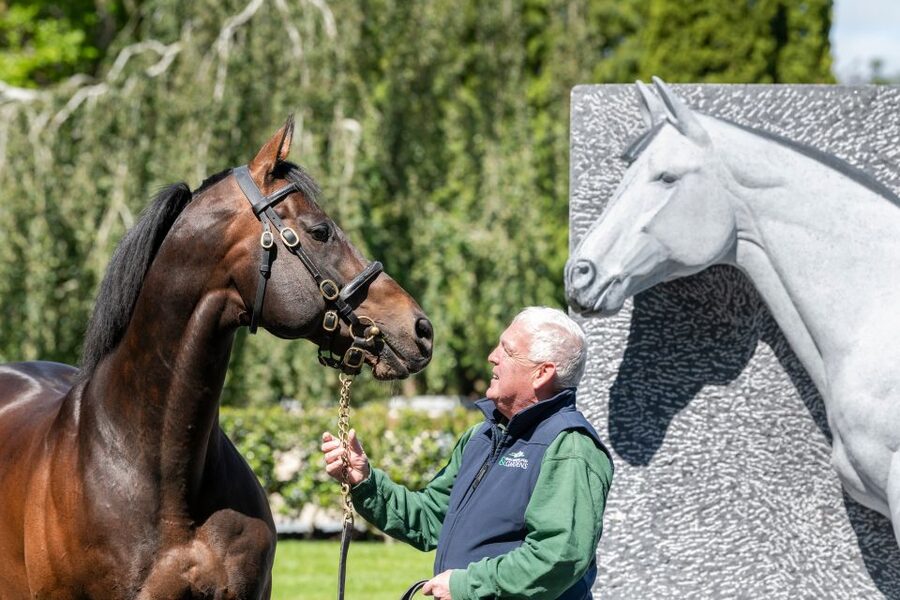
The Living Legends area adds a personal side to the visit. Here you can see retired equine stars such as Hurricane Fly, Beef, Salmon, and Faugheen. These are not just names on a wall. Their presence helps connect the polished public image of racing with the quieter years after competition.
The final Living Legends room has floor-to-ceiling windows looking onto the retired horses’ paddock. That view gives the exhibit a calm finish. Instead of ending with one more display panel, you can watch the horses graze while learning about life after racing and the worldwide spread of famous horses and racing people.
This section will appeal most to anyone who already follows Irish racing. You do not need to know the sport in advance, though. The displays help explain why a retired horse can matter so much, and the setting makes the point without requiring a long lecture.
Follow the Japanese Gardens’ Life of Man path
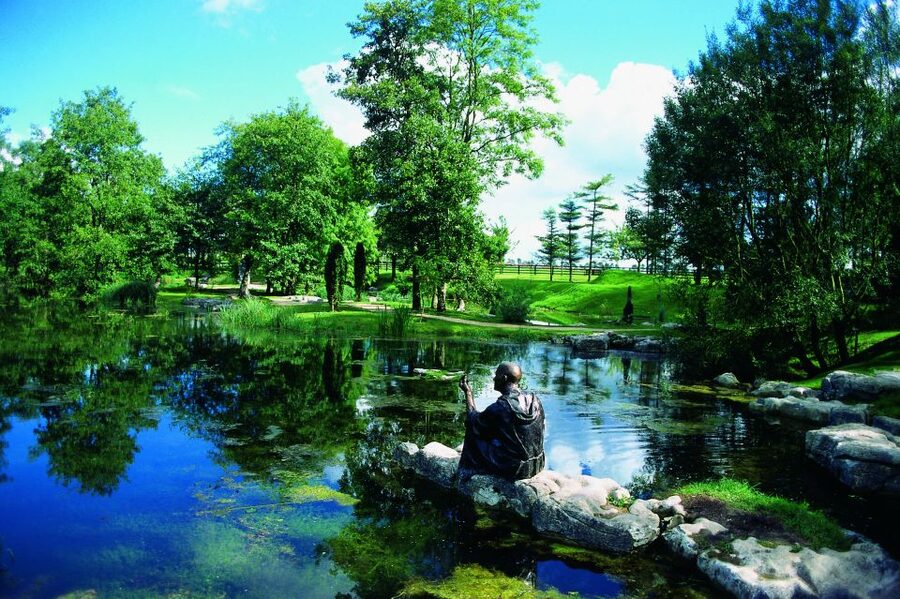
The Japanese Gardens are a welcome change of pace after the horse areas. They offer an oasis of quiet, with a path tracing the passage of a soul from birth to death and beyond. You can take your time here rather than follow a fixed route.
The garden is designed for reflection, but you do not need to approach it as a formal cultural lesson. Simply walking its paths gives you a break from the tour commentary and open paddocks. I would save this section for after the stud tour, when the slower pace feels most natural.
The gardens are carefully maintained, and the experience changes with the weather. Rain does not ruin the visit, but it can make the outdoor portions less comfortable. Bring suitable footwear and a waterproof layer if the forecast is uncertain.
Same place, a different kind of green day out:
- Easy Access Blarney Stone and Castle Gardens Tour
★ 4.5 · 105 reviews - Fota House, Arboretum & Gardens Admission Ticket
★ 5.0 · 67 reviews - Lafcadio Hearn Japanese Gardens Admission Adult Ticket
★ 4.5 · 64 reviews - Tickets to Explore Ireland’s Global Garden
★ 4.0 · 32 reviews
See the Irish character of St Fiachra’s Garden
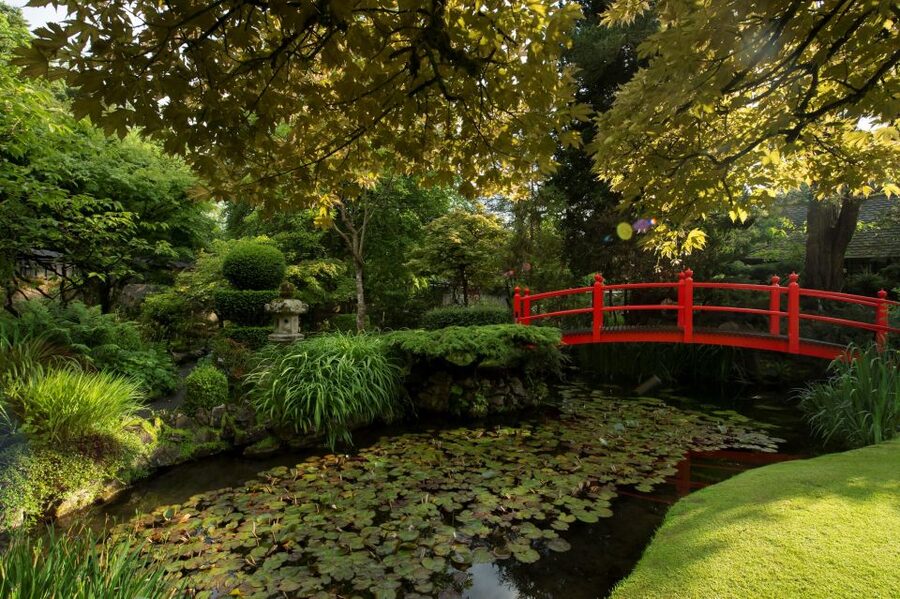
St Fiachra’s Garden feels different from the Japanese Gardens. Its theme is the power of the Irish setting, with native species and opportunities to spot Irish wildlife. The design is more directly tied to Ireland, so it gives the day a stronger local identity.
I like having both gardens on the same ticket. The Japanese Gardens offer a symbolic journey and controlled calm, while St Fiachra’s Garden turns your attention toward native plants and wildlife. You get two distinct garden experiences rather than one large, repetitive park.
Do not treat either garden as a quick photo stop. The gardens are among the reasons to allow several hours for the visit. If you rush from the tour to the racehorse exhibit and then glance at the gardens on your way out, you will miss much of the value built into the ticket.
Make your own decisions in the Irish Racehorse Experience
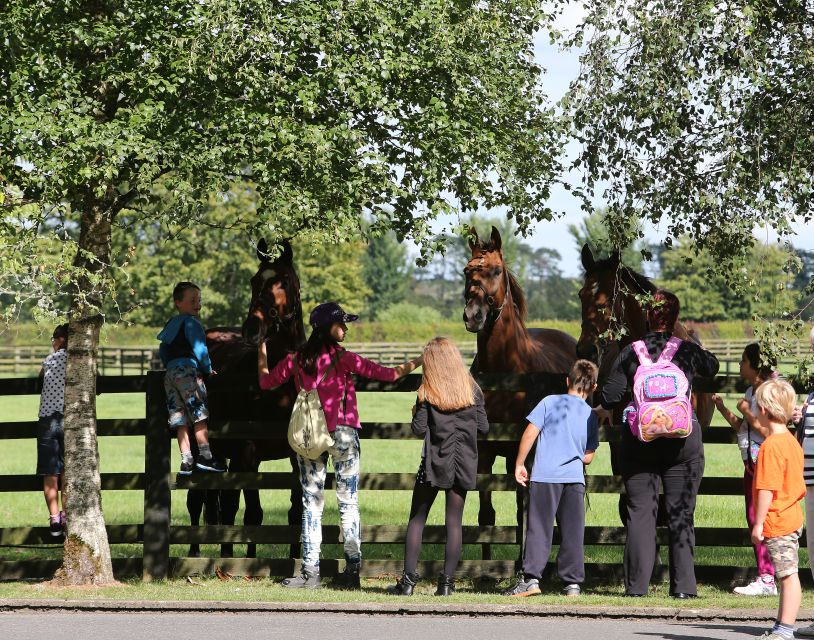
The award-winning Irish Racehorse Experience is the most theatrical part of the visit. You receive a horse box and take on the role of a racehorse owner. The exhibit then follows the animal from birth through its early years, purchase, training, racing, and retirement.
A mock auction lets you buy an unbroken yearling. That simple choice gives the later displays a reason to matter. You are not just reading about training or anatomy. You are following a horse you selected and seeing how your decisions connect with the next stage of its career.
The rooms cover jockeys, racecourses, training, and the anatomy and physiology of the horse. Race-day details add fashion, betting, and animated commentary. You then watch your chosen horse compete and get the chance to ride a simulated race to see how your investment works out.
For children and adults who enjoy making choices, this is likely the most memorable section. It also helps people who know little about racing, since the exhibit explains the sport through a sequence of clear steps. Children under seven cannot use this part unless accompanied by an adult, so families should plan accordingly.
Allow around 40 minutes for the exhibit, and more if you like reading displays or repeating parts of the simulation. One practical point matters: the racehorse experience runs from 11 a.m. to 4 p.m., so do not leave it until the end of a late afternoon visit.
How much time should you allow?
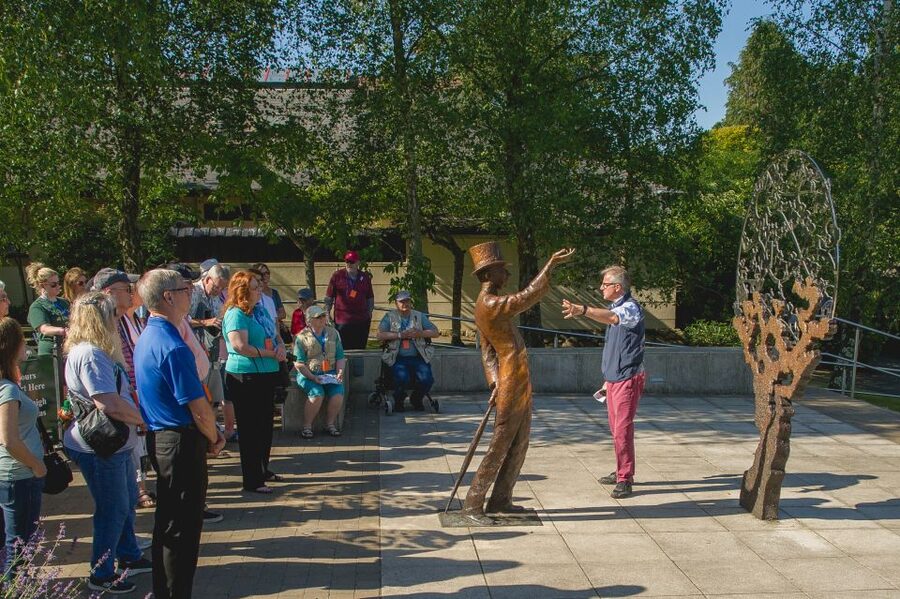
The ticket is described as a one-day activity, but you can shape the visit around your interests. Horse fans may want a full day. Someone mainly interested in the gardens and a quick look at the displays could spend less time, though arriving too late limits your choices.
A sensible plan looks like this:
- Arrive in the morning or early afternoon.
- Take the public tour at a time that leaves room for the racehorse exhibit.
- Allow about 40 minutes or more for the interactive experience.
- Visit the stallions, mares, foals, and Living Legends.
- Leave generous time for both gardens.
- Stop for lunch during the garden portion if you want a slower day.
The public tour lasts just over an hour on at least some departures, so build your schedule around it rather than treating it as a quick introduction. The attraction is about 40 minutes outside Dublin, but the exact travel time depends on your starting point and road conditions. You will get more from the entrance fee if you treat this as a half-day or full-day outing, not a brief roadside stop.
Is the $22 price good value?
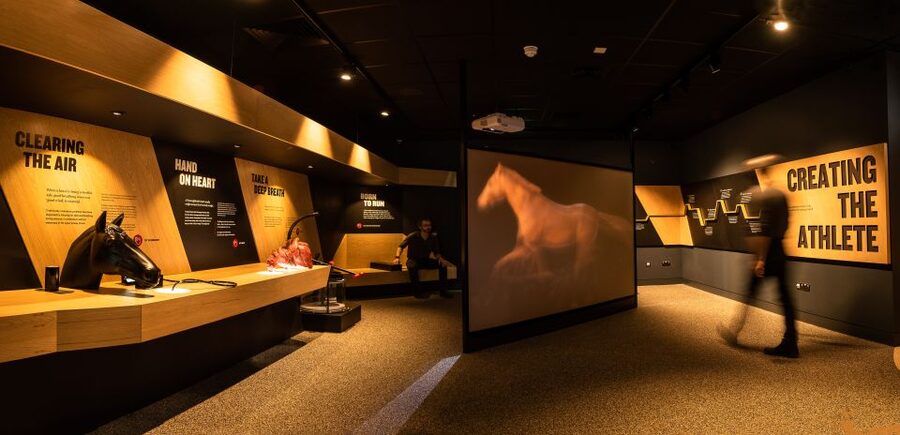
At about $22 per person, the ticket covers the stud, both gardens, the public tour, and the Irish Racehorse Experience. That is solid value if you use all four parts.
The value is weaker if you only want to glance at the horses and leave. The ticket works best for someone willing to spend time outdoors, join a scheduled tour, and take part in the indoor exhibit. The combination also helps justify the price on a rainy or cool day, since the racehorse experience provides a substantial indoor section.
Food is another practical consideration. A first-class lunch is available in the garden restaurant, giving you a convenient pause between the tour and the grounds. I would still check opening details when planning, since the supplied information does not give a full restaurant timetable.
Free cancellation up to 24 hours before the visit and reserve-now, pay-later booking make the ticket easier to fit into a changing Ireland schedule. These policies are useful, but the bigger value comes from choosing a date when you can arrive early enough to use the full site.
Who will enjoy this visit most?
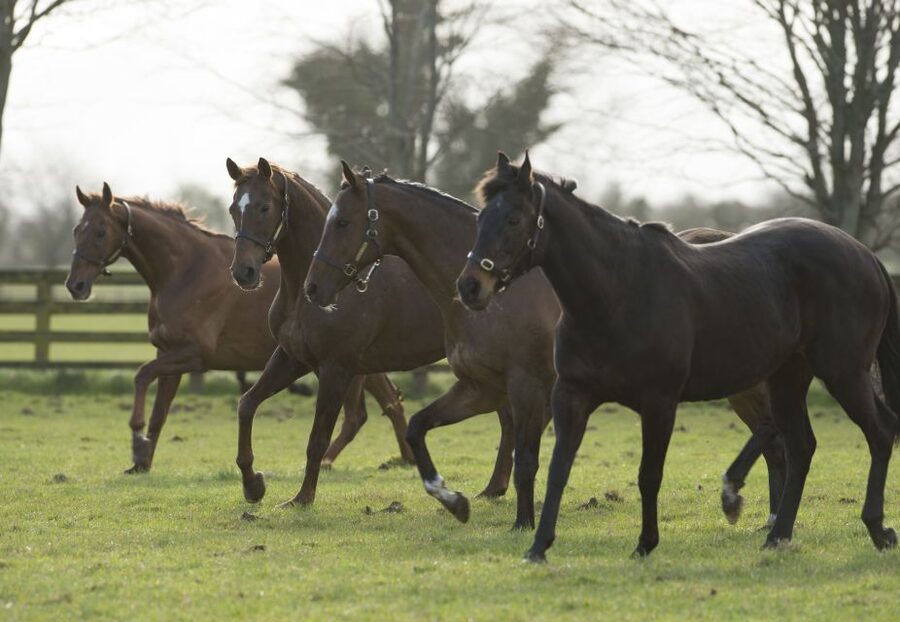
I would recommend the Irish National Stud to:
- Horse lovers and racing fans who want to see breeding and retirement, not only race-day glamour.
- Families with older children who enjoy interactive exhibits and simulated competition.
- Garden lovers who want both Japanese and Irish-inspired settings.
- Dublin visitors looking for a rural County Kildare outing.
- Anyone curious about how a thoroughbred is bred, selected, trained, and cared for after racing.
It may be less suitable if you want a short, fully indoor attraction or dislike scheduled tour times. Much of the visit takes place outside, and the best parts depend on the season, weather, and current stock on the grounds.
The strongest period is February through September. From October onward, the stud begins to wind down and there is limited stock on site. The gardens and indoor exhibit still give you reasons to go, but horse sightings are less likely to feel as complete.
Access, timing, and small practical details
The attraction is wheelchair accessible. The visit includes outdoor paths, paddock areas, gardens, and indoor rooms, so you may want to confirm any specific access needs before booking.
Tour times change by season. Standard departures are 10:30 a.m., noon, 2 p.m., and 4 p.m. Summer adds 1 p.m. and 3 p.m. From October, only 11 a.m. and 2 p.m. departures are listed. Always check the Irish National Stud website for the current schedule.
The last entry is at 5 p.m., while the Irish Racehorse Experience ends at 4 p.m. That one-hour difference is easy to overlook. If the interactive exhibit matters to you, arrive before 4 p.m., and preferably earlier.
Should you book the Irish National Stud?
Yes, if you want a varied day that combines living horses, working-farm insight, gardens, and a playful introduction to racing. The public tour and Living Legends provide the strongest connection with the stud, while the racehorse experience gives families and first-time racing fans a clear way into the sport.
Book with more care if your main aim is to see a large number of foals outside the February to September period, or if you can only arrive late. For the best value, choose an earlier arrival, join a guided tour, allow at least 40 minutes for the interactive exhibit, and leave time for both gardens. At $22, it is a worthwhile County Kildare outing when you use the whole ticket.
FAQ
Where is the Irish National Stud and Gardens?
It is in County Kildare, Ireland, about 40 minutes outside Dublin.
What does the ticket include?
The ticket includes entrance to the stud, the gardens, the Irish Racehorse Experience, and a public tour.
How much does admission cost?
The listed price is $22 per person.
How long does the visit last?
The activity is sold as a one-day experience. You should allow several hours if you want to take the public tour, see the horses, visit both gardens, and complete the interactive exhibit.
What are the public tour times?
Public tours are listed at 10:30 a.m., noon, 2 p.m., and 4 p.m. Summer months add tours at 1 p.m. and 3 p.m. From October, tour times are 11 a.m. and 2 p.m.
What time is the last entry?
The last entry is at 5 p.m.
When is the Irish Racehorse Experience open?
The Irish Racehorse Experience is open from 11 a.m. to 4 p.m.
Can children under seven use the Irish Racehorse Experience?
Children under seven may use the experience only when accompanied by an adult.
What horses can I see?
You can see stallions, mares, and foals at the stud. The Living Legends area includes retired horses such as Hurricane Fly, Beef, Salmon, and Faugheen.
Is the Irish National Stud wheelchair accessible?
Yes, the activity is listed as wheelchair accessible.
Just added around Ireland
- Guided Thursday Tours at Mount Congreve Gardens★ 5.0 · 2 reviews
- Tickets to Explore Ireland’s Global Garden★ 4.0 · 32 reviews
- Muckross House and Gardens, Killarney – Scenic Tour (Minimum 4 People – 1 way).★ 5.0 · 2 reviews
- Private Tour of Glendalough and Powerscourt Gardens, (1-7 ppl)★ 5.0 · 4 reviews
- Private Tour of Wicklow, Glendalough & Powerscourt Gardens★ 5.0 · 3 reviews
- Private Garden of Ireland Wicklow Tour from Dublin★ 5.0 · 5 reviews
- Fota House, Arboretum & Gardens Admission Ticket★ 5.0 · 67 reviews
- Easy Access – The Blarney Stone & Castle Gardens Tour★ 4.7 · 31 reviews
Ireland Garden Tours, compared.

Self-Guided Bike Tour of Killarney National Park, Muckross Gardens & Waterfall
Read our review →
Irish National Stud & Gardens Skip the line Entrance
Read our review →
Easy Access Blarney Stone and Castle Gardens Tour
Read our review →
Fota House, Arboretum & Gardens Admission Ticket
Read our review →
Lafcadio Hearn Japanese Gardens Admission Adult Ticket
Read our review →

Browse the lists this tour appears in