

Review · AUSTRALIA
The Explorer – Cranbourne Gardens
The Explorer gives you a quick, comfortable way to see the enormous Australian Garden at Cranbourne without wearing out your legs. The open-air minibus covers the main sights in about 25 minutes, with live commentary on plants, garden design, history, and cultural meaning. I love that it helps you get your bearings fast, especially if you are fitting Cranbourne into a day trip toward Phillip Island.
I also like the mobility-friendly format and the way a good driver can bring the gardens to life. Peter, one of the drivers praised for his friendly manner and plant knowledge, made the trip especially engaging, while families appreciated the entertaining commentary. The main drawback is the short running time: this is an introduction, not a full visit, and the open-air vehicle may be less appealing in poor weather.
Key points to know before you ride
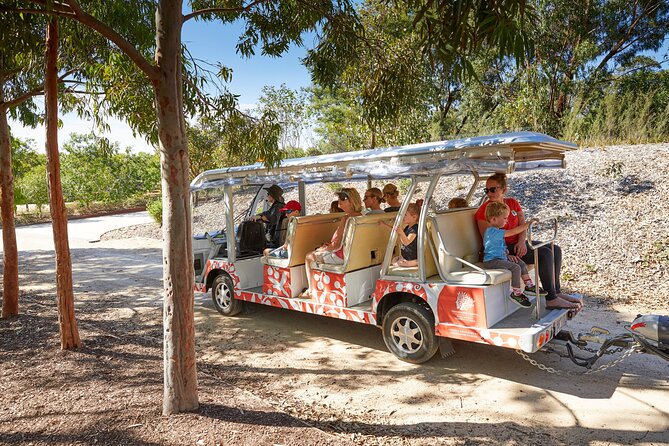
- A 25-minute overview of a huge garden: The tour crosses the 15-hectare Australian Garden, saving time and energy.
- Five especially memorable sights: Look for the Red Sand Garden, Howson Hill, Ian Potter Lake, Arid Garden, and Dry River Bed.
- Live commentary from the driver-guide: You hear stories about plants, garden history, cultural meaning, and the design of each area.
- Useful for different ages and abilities: The bus helps families, older visitors, and anyone with limited walking ability see more of Cranbourne.
- Children can ride free during school holidays: This applies to the Kids Explorer Bus, so check the booking details carefully before paying for children.
- A modest price for a useful orientation: At $10.76 per person, it is good value if you want an overview before exploring on foot.
Getting your bearings at Cranbourne Gardens

Royal Botanic Gardens Cranbourne is not a small urban park that you can cross in a few minutes. The Australian Garden covers about 37 acres, or 15 hectares, and its paths lead through very different plant communities and garden scenes.
That size is the reason The Explorer earns its place. You can walk the gardens, but a short bus circuit lets you see the overall shape first. I find that useful because you can decide where to return on foot instead of spending your first hour wondering which path leads where.
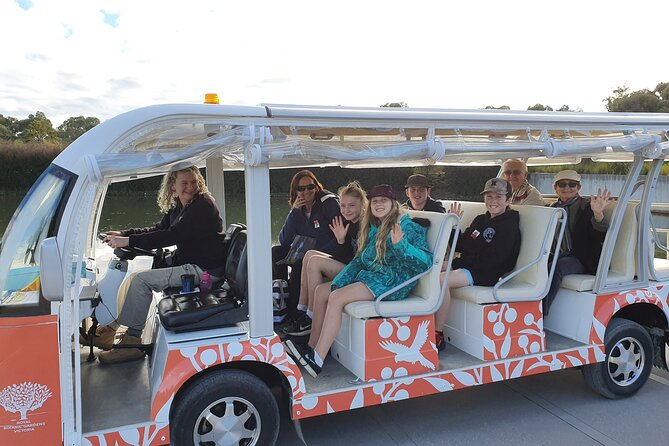
The bus departs from the Visitor Centre and uses an open-air minibus. You ride through the garden rather than simply being dropped at one lookout, so the changing views become part of the experience. The driver provides live commentary as you go, pointing out plant collections and explaining the ideas behind the garden.
The 25-minute duration suits a quick stop. If you are travelling toward Phillip Island, the ride can give you a worthwhile taste of Cranbourne without taking over the day. If you have several hours, treat it as your first circuit, then explore selected areas more slowly.
The vehicle holds a maximum of 25 people. That keeps the outing relatively small and makes it easier to hear the driver than it would be on a large sightseeing coach. Still, busy school-holiday periods may feel more crowded, so allow time around the scheduled ride if your day is tightly planned.
A few more garden visits around Australia worth a look
- Maleny Botanic Gardens Bird Aviary Experience Ticket
★ 4.5 · 579 reviews - Aboriginal Heritage Walk – Royal Botanic Gardens Victoria, Melbourne Gardens
★ 5.0 · 314 reviews - The Explorer – Melbourne Gardens
★ 5.0 · 224 reviews
From the Red Sand Garden into the Australian Garden
The route begins at the Red Sand Garden, one of the clearest expressions of Australian colour and texture within the grounds. Red earth gives the area a strong visual identity, and the setting helps you understand that this garden is not trying to copy a European park.
Instead, the Australian Garden presents native plants in designed settings. The result is a mix of horticulture and storytelling. You are not just looking at beds of plants. You are seeing ideas about Australian terrain, water, climate, and the plants that have adapted to them.
This first section is a good reason to sit where you can see out clearly. The bus moves through the garden at a steady pace, but you will want to take in the wide views as well as the details close to the road. The guide’s explanation adds context that you might miss while walking past on your own.
If you have children with you, the moving vehicle helps keep the visit lively. The ride gives younger visitors changing scenery, and the commentary can turn a simple garden trip into a story about Australian plants and places. During school holidays, children ride free on the Kids Explorer Bus, a family-focused service designed around the sights, sounds, and scents of the Australian Garden. Check the exact fare shown when booking, since one booking problem involved a child being charged despite the school-holiday offer.
Howson Hill gives the route a change of pace
The Explorer continues toward Howson Hill, another useful point in the circuit because it changes the feel of the ride. From a higher section, you get a different sense of the garden’s scale and layout.
The value here is not just a single view. Howson Hill helps connect the separate garden areas in your mind. After the bus leaves, you will have a better idea of where you have been and which sections deserve more time.
The driver’s commentary matters on this part of the tour. A quiet ride through attractive scenery is pleasant, but explanations about plant communities and garden design make the journey more useful. The best guides add small facts without turning the outing into a lecture. Peter was singled out for his strong plant and garden knowledge, while another driver was praised for being funny and friendly.
The commentary style can vary with the driver, as it does on any guided ride. That is part of the charm, but it also means you should not expect a formal scripted presentation. You get a practical introduction delivered by the person driving the bus.
Ian Potter Lake brings water into the picture
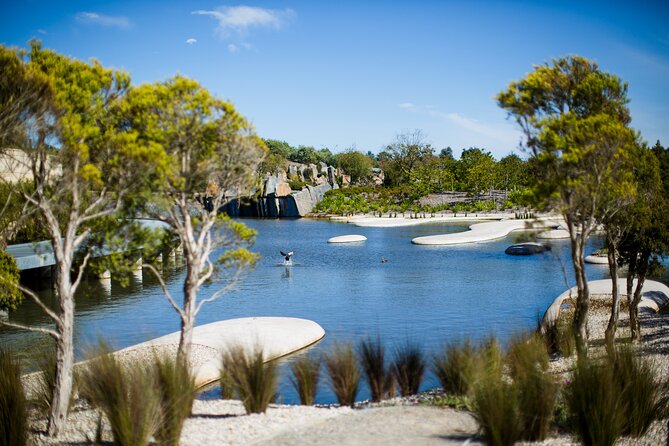
Ian Potter Lake gives the route a welcome change from dry earth, native plant beds, and open garden spaces. Water helps show another side of Australian garden design, especially when it is set beside plants chosen for local conditions.
The lake is one of the places where you will want to look beyond the bus itself. Watch how the paths, planting, and water fit together. The garden uses small scenes and changing textures rather than one single grand display, so the ride works best when you pay attention to the transitions between sections.
A bus tour cannot give you the same quiet time beside the lake that a walk can. That is an important limitation. You may spot a scene you want to photograph, then find the vehicle has already moved on. If the lake appeals to you, note its position and return after the circuit.
The same advice applies throughout Cranbourne: use The Explorer to identify your priorities. The ride is not meant to replace wandering. It is a smart first look at a place too large for a rushed visit.
Same place, a different kind of green day out:
- Melbourne: 1-Hour Gardens and Sporting Precinct River Cruise
★ 4.1 · 196 reviews - River Gardens Melbourne Sightseeing Cruise
★ 3.5 · 193 reviews - Night Walk in Cairns Botanic Gardens – Let’s Go Buggin
★ 5.0 · 153 reviews - Near Gold Coast: Crystal Castle Admission Ticket
★ 4.5 · 116 reviews
The Arid Garden shows Australia at its driest
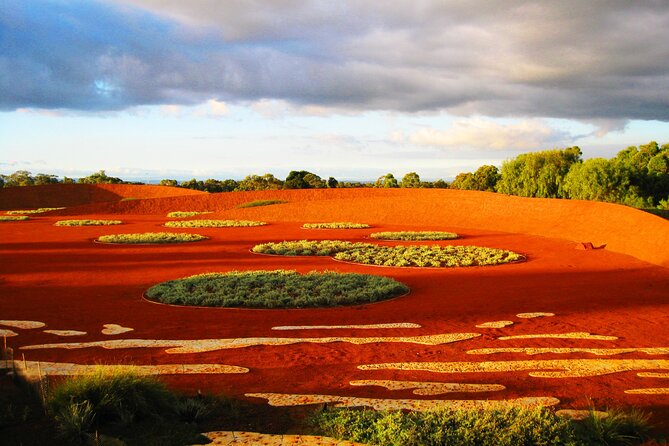
The Arid Garden is among the most distinctive stops because it focuses on plants and forms suited to dry conditions. It gives you a chance to see how the garden presents a harsher side of Australian nature without sending you far from the Visitor Centre.
This section may appeal most to keen gardeners. You can study the shapes, spacing, and planting combinations, then think about how the garden makes dry-climate plants look deliberate rather than sparse. The driver’s plant commentary adds value here, particularly if you do not know much about Australian native species.
For families, the contrast between areas keeps the route from feeling repetitive. One moment you are passing red soil, then water, then a garden built around dry conditions. Children can spot changes in colour and form even if they do not remember every plant name.
The bus gives you only a passing view, so serious gardeners should plan to walk back through the Arid Garden. You will see the broad arrangement from the vehicle, but the smaller plant details are better appreciated at ground level.
The Dry River Bed explains the garden’s bigger story

The Dry River Bed is a strong final highlight because it shows how the garden can represent water even when no flowing river is present. Its form suggests the action of water across Australian country and connects the planting to natural processes.
This is where the tour’s wider purpose becomes clear. The Australian Garden is not only a collection of attractive plants. It uses landform, colour, water, and paths to tell stories about Australian environments and the relationship between people and nature.
The bus route lets you see the Dry River Bed as part of the whole design. On foot, you may focus on individual plants. From the minibus, you notice how the larger shapes lead your eye through the garden.
Again, the ride is brief. You will not have much time to stop and examine every section from the bus. If this area catches your attention, add it to your walking plan rather than expecting the 25-minute circuit to provide a full exploration.
What the live commentary adds
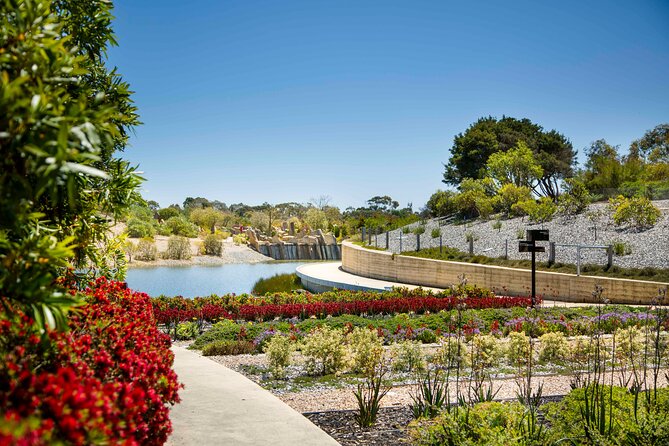
The commentary covers garden history, cultural significance, plant information, and nature interpretation. Those subjects make a difference because native plants are not always familiar to visitors from outside Australia.
You will hear more than a list of names. The guide explains how the garden is arranged and why certain sections look so different from one another. That helps you read the garden as a designed experience rather than a series of unrelated paths.
The tone appears to be informal and friendly. That suits a short open-air ride. A driver such as Peter can make the route feel personal, while a humorous host may hold children’s attention better than a formal talk would.
I would not book The Explorer expecting an advanced botany lesson. The commentary is an accessible introduction for general visitors, families, gardeners, and people who want a better sense of place. If you already know Australian flora well, you may value the garden views more than the basic explanations.
Why the ride helps with mobility and energy
Cranbourne’s paths are described as level and easy to walk, but the garden is still large. Even on comfortable paths, distance and warm weather can turn a pleasant outing into a tiring one.
The Explorer solves that problem without cutting you off from the garden. You can remain seated for the circuit, see the major areas, and decide later how much walking feels right. For an older parent or anyone with mobility issues, that can change Cranbourne from a limited visit into a fuller one.
The ride is also useful for families with different energy levels. One person can enjoy the bus while another plans a shorter walk. The experience works for a broad range of ages and abilities, and service animals are allowed.
Do remember that the vehicle is open-air. It can help you avoid a long walk, but it does not provide the same shelter as an enclosed bus. Since the service requires good weather, a poor forecast can affect the day’s plans.
Is $10.76 good value?
At $10.76 per person, The Explorer is fairly priced for a guided 25-minute circuit through a large specialist garden. You are paying for the vehicle, a driver-guide, and live interpretation, not just transport from one gate to another.
The value is strongest in three situations. First, you have limited time. Second, you want to see the garden without walking the full 15 hectares. Third, you want a clear introduction before exploring independently.
The value is weaker if you plan to visit only one small section or if you prefer to move slowly and stop often for photographs. The bus cannot pause for every interesting plant, and the ride alone will feel too short for a full garden visit.
I would also factor in the cost of getting there. Hotel pickup and drop-off are not included, nor is transport to or from the attraction. You need to make your own way to Royal Botanic Gardens Cranbourne at Ballarto Road and Botanic Drive, Cranbourne, Victoria 3977.
Who should book The Explorer?
I would recommend it most strongly to:
- Families who want a moving introduction before walking
- Older adults and anyone with limited mobility
- Visitors making a quick stop on the way to Phillip Island
- Keen gardeners who want an overview of the Australian Garden’s design
- First-time visitors who do not know which sections to explore
- Anyone visiting on a warm day who wants to save energy
You may prefer to skip it if you have plenty of time, enjoy slow independent walks, and want to stop frequently. Even then, the ride can be a useful orientation if the fare fits your plans.
The high rating of 4.8 from 135 ratings and the 97 percent recommendation figure point to a consistently well-received experience. The strongest praise centres on the friendly guides, clear explanations, family appeal, and help for people who cannot comfortably walk the whole garden.
Booking and weather details
Confirmation is provided when you book. The meeting point is the Royal Botanic Gardens Cranbourne Visitor Centre, at Ballarto Road and Botanic Drive.
You can cancel for a full refund up to 24 hours before the local start time. Changes or cancellations made within 24 hours are not accepted for a refund. If poor weather forces cancellation, you are offered another date or a full refund.
Because the activity is weather dependent, check the forecast before setting out. That is especially important for families, since an open-air ride is much more pleasant in mild, dry conditions than in rain or extreme heat.
Should you book The Explorer?
Book it if you want a short, guided overview of a very large garden, especially if you are travelling with children, conserving energy, or helping someone with limited mobility. The route covers the Red Sand Garden, Howson Hill, Ian Potter Lake, Arid Garden, and Dry River Bed, giving you a useful picture of Cranbourne before you walk.
Do not treat it as the entire visit. The 25-minute circuit is best used as an introduction, followed by a walk through the areas that interest you most. At $10.76, it is an easy add-on that can save time, reduce fatigue, and make the garden easier to understand.
FAQ
How long does The Explorer tour last?
The ride lasts approximately 25 minutes.
Where does The Explorer depart from?
It departs from the Visitor Centre at Royal Botanic Gardens Cranbourne, Ballarto Road and Botanic Drive, Cranbourne VIC 3977, Australia.
What places does the tour visit?
The route includes the Red Sand Garden, Howson Hill, Ian Potter Lake, Arid Garden, and Dry River Bed. It travels along the east coast of the Australian Garden before returning through the Peppermint Garden.
Is live commentary included?
Yes. A driver-guide provides live commentary about the gardens, plants, history, cultural significance, and nature.
How many people can join the tour?
The activity has a maximum group size of 25 people.
Are children free on The Explorer?
Children ride free on the Kids Explorer Bus during school holidays. Check the fare shown during booking, since the school-holiday offer may need to be applied correctly.
Is the tour suitable for people with mobility issues?
Yes. The bus is designed to help visitors see more of the large garden without walking the full route. Most people can participate, and service animals are allowed.
Can I cancel for a full refund?
Yes. You can cancel at least 24 hours before the experience start time for a full refund. If poor weather cancels the experience, you are offered another date or a full refund.
Just added around Australia
- Sydney’s Royal Botanic Gardens Luke Nguyen Tasting Menu★ 4.5 · 9 reviews
- Secret Sydney: Hidden Beaches and Gardens★ 5.0 · 4 reviews
- Deluxe Dinner Package by Luke Nguyen at Botanic House★ 5.0 · 2 reviews
- Southern Highlands Private Tour with Wine, Waterfall and Garden★ 5.0 · 4 reviews
- PRIVATE Sydney City Bondi Beach Opera House & Botanic Garden Tour★ 5.0 · 2 reviews
- Picnic in the Royal Botanic Gardens for 2★ 4.0 · 12 reviews
- Foraging Tour: Botanical Gardens Walk & Picnic★ 4.5 · 19 reviews
- Explore Sydney’s Botanic Gardens In a Series of Fun Cryptic Clues★ 5.0 · 2 reviews
Australia Garden Tours, compared.

Maleny Botanic Gardens Bird Aviary Experience Ticket
Read our review →
Aboriginal Heritage Walk – Royal Botanic Gardens Victoria, Melbourne Gardens
Read our review →

Melbourne: 1-Hour Gardens and Sporting Precinct River Cruise
Read our review →

Night Walk in Cairns Botanic Gardens – Let’s Go Buggin
Read our review →
Near Gold Coast: Crystal Castle Admission Ticket
Read our review →
Hunter Valley: Wine Tour with 3 Tastings and Garden Lunch
Read our review →Browse the lists this tour appears in