
Review · FRANCE
Lavender Harvesting and Distillation Workshop in Bellegarde
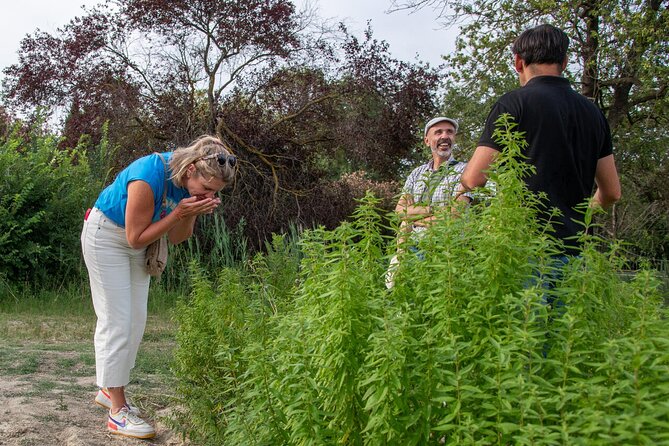
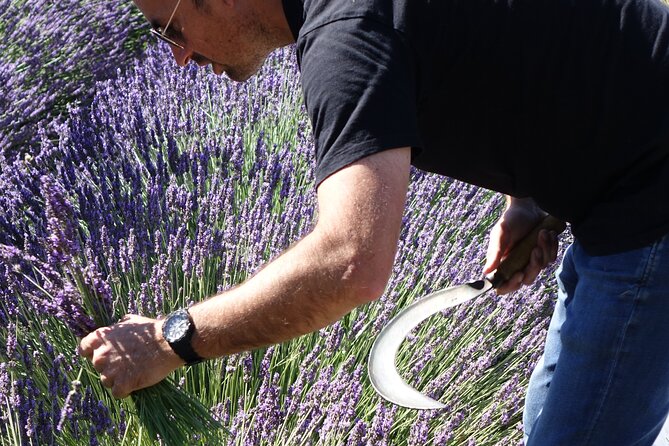
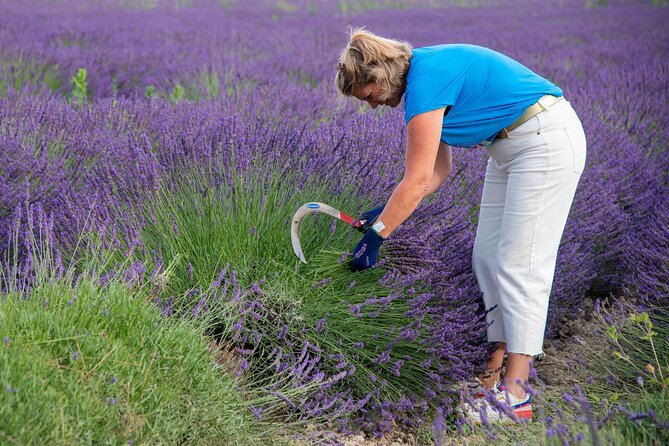
The best part of this Bellegarde workshop is that you do not just look at lavender. You cut it with a traditional Provençal pruning hook, carry it into the distillery, and help load the still. Gaël and Laura explain how the plant becomes organic essential oil and floral water.
I like the hands-on work and the clear link between field and finished product. I also like the personal touch: the family business is presented with humor and real affection, and you learn why three types of lavender produce different strengths for perfume. The main drawback is practical: you need moderate physical fitness, sun protection, and a good-weather morning.
Key points at a glance
- Hands-on harvesting: Use a pruning hook and protective gloves to cut lavender in the fields.
- Real distillation process: Load the plants into the still and follow the making of organic essential oil.
- Two take-home products: Fill a bottle with floral water and another with the oil produced during the session.
- Personal guides: Gaël leads many sessions, while Laura is also praised for her warm, helpful teaching.
- Small-group setting: The workshop accepts no more than 20 people, keeping the activity fairly manageable.
- Useful planning details: It begins at 9:30 a.m., lasts about two and a half hours, and costs $36.01 per person.
Cutting Lavender the Provençal Way
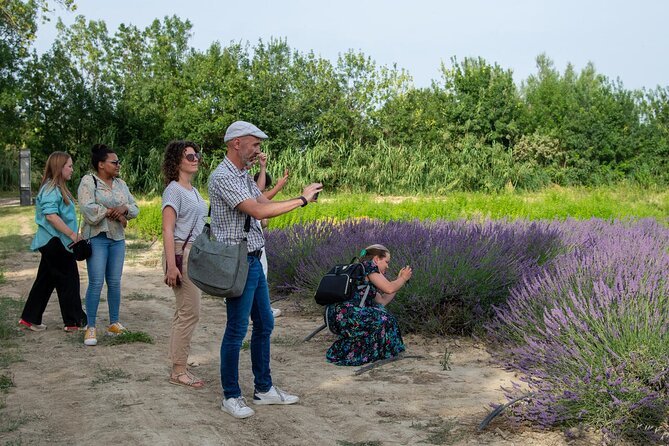
This workshop begins at 9:30 a.m. at un MAS en PROVENCE, a distillery and cosmetics business at Le Mas Neuf in Bellegarde, about the wider Nîmes area. The setting is a working place for aromatic plants, not simply a photo stop with a few lavender rows.
You receive a cutting tool and protective gloves before heading into the fields. The traditional pruning hook, known locally as a serpe, gives the first part of the morning a pleasant sense of purpose. You are not standing behind a rope while someone else demonstrates. You take part in the harvest.
That matters because lavender can seem simple until you handle it. The stems, flowers, scent, and timing all become easier to understand once you cut the plant yourself. If you have fond memories of harvesting plants by hand, the task may feel especially familiar. If you have only seen lavender in photographs, this is a good way to connect the pretty purple rows with the work behind them.
The activity is not designed for very young children. Anyone under 10 is not permitted, and the moderate fitness requirement is worth taking seriously. You should be comfortable standing and working outdoors for part of the session. Bring sunscreen, and consider wearing practical clothing and shoes that you do not mind using in a field.
A cap or hat is not included. You can buy one on site for €6, but bringing your own is the simpler choice. Drinks are also available for purchase, though they are not part of the price.
More Lavender Field Tours in France
- Nice: Gorges of Verdon and Fields of Lavender Tour
★ 4.5 · 2,707 reviews - Aix-en-Provence: Lavender Fields Visit
★ 4.1 · 421 reviews - Nice: Gorges of Verdon and Fields of Lavender Tour
★ 4.0 · 342 reviews
Learning Why Lavender Varieties Matter
The teaching goes beyond the basic question of how lavender is cut. You learn about different types of lavender and how they vary in strength and use, including their role in perfume. The distinction between three varieties gives the field visit more depth and helps explain why one lavender product does not smell exactly like another.
This is one of the workshop’s strongest features. You are not given a vague description of lavender as a single plant with a single purpose. Instead, the session shows how variety affects the finished scent. That is useful if you later buy oils, soaps, perfume, or other Provençal products and want to understand what you are choosing.
The guides also make the information easy to follow. Gaël, who helped develop the family enterprise, is described as speaking about the work with passion and a touch of humor. Laura is praised for her friendly approach and her willingness to explain the plant from beginning to end.
You should expect an informal teaching style rather than a formal lecture. Questions are welcome, and the tone appears suited to adults and older children who enjoy learning by doing. The workshop also works well as a gift, especially for someone who likes cooking herbs, natural cosmetics, fragrance, or traditional rural crafts.
Following the Harvest Into the Still
After cutting the lavender, you follow the plants into the distillery. This shift from open field to working equipment is what gives the morning its shape. You see the raw material move into the next stage instead of treating the harvest and the products as unrelated parts of the visit.
You help load the plants into the still. That small job is important because it makes the distillation process easier to understand. The essential oil does not appear by magic in a bottle. It comes from a sequence of harvesting, preparing the plant, and extracting its fragrant compounds.
The workshop explains how organic essential oils are made and how they are used in cosmetics and perfumery. The subject has practical value for anyone who buys natural products. You come away with a better sense of why essential oils are concentrated, why the plant source matters, and how a working distillery turns fresh material into something suitable for later use.
Do not expect a large industrial tour with a long series of machines. The appeal here is the direct connection to the family operation and the chance to take part in one stage of the process. The group limit of 20 helps keep the demonstration from feeling too distant, though the exact pace can depend on the size and mix of the group.
Seeing Floral Water and Essential Oil Take Shape
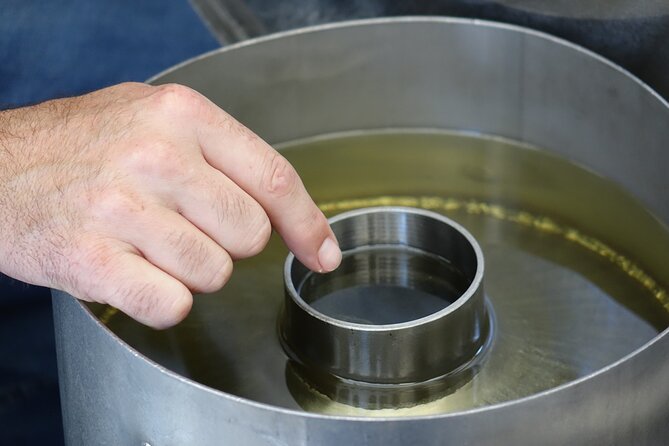
The distillation produces two different results, and the workshop lets you leave with both. You fill a bottle with floral water and another with the oil extracted with help from your harvest.
Floral water, sometimes called hydrosol, is the gentler water-based product left from the distillation process. Essential oil is the concentrated fragrant oil. Having both in front of you makes the difference more memorable than a verbal explanation alone.
This is also where the $36.01 price becomes easier to assess. You are paying for about two and a half hours of instruction, the tools and gloves, the field work, the distillery session, and the products you fill yourself. It is not the cheapest way to see lavender, but it offers more than a short farm visit or a shop stop. The value is strongest if you want an activity with participation and a clear takeaway, not just a scenic outing.
The take-home bottles add a personal touch. You have helped harvest and process the plant, so the oil and floral water feel connected to the morning rather than picked at random from a shelf. The exact amount you receive is not specified, so you should not book this expecting large souvenir bottles.
Same place, a different kind of green day out:
- Paris: Versailles Palace and Gardens Full Access Ticket
★ 4.6 · 41,579 reviews - Versailles: Skip-the-Line Tour of Palace and Gardens Access
★ 4.7 · 10,429 reviews - From Paris: Versailles Palace & Gardens with Transportation
★ 4.6 · 6,222 reviews - From Paris: Versailles Palace Guided Tour & Gardens Access
★ 4.7 · 3,574 reviews
A Friendly Family Business in Bellegarde
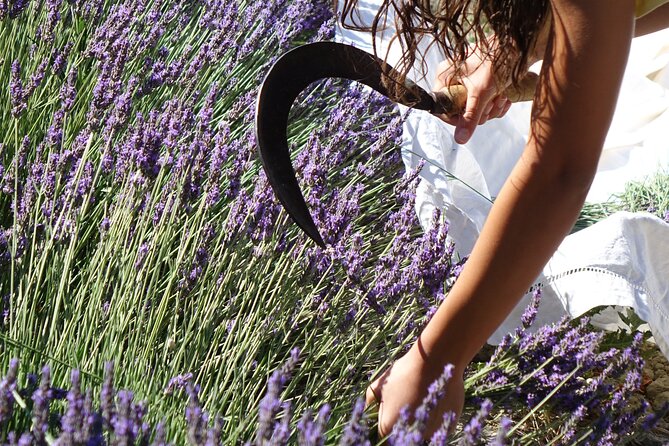
The atmosphere is a major part of the appeal. Gaël’s connection to the family company gives the workshop a personal voice, while Laura adds another warm and helpful presence. The staff are ready to answer questions, and the teaching includes stories and small touches of humor.
That style suits you if you prefer a host who talks directly and openly about the work. It may be less suitable if you want a silent, highly polished luxury spa-style activity. This is a working distillery, and its charm comes from being close to the people and process.
The setting also offers a different way to see Provence. You are not only consuming the familiar lavender image from a market or postcard. You are handling the plant, learning its varieties, and seeing how it supports cosmetics and fragrance. Even someone from the area could find the workshop a fresh way to understand a familiar region.
The English offering makes the activity practical for international visitors. Confirmation is provided at booking, and the mobile ticket means you do not need a paper voucher. The meeting point is both the start and finish, so you do not need to arrange a second pickup location.
Timing, Group Size, and Physical Effort
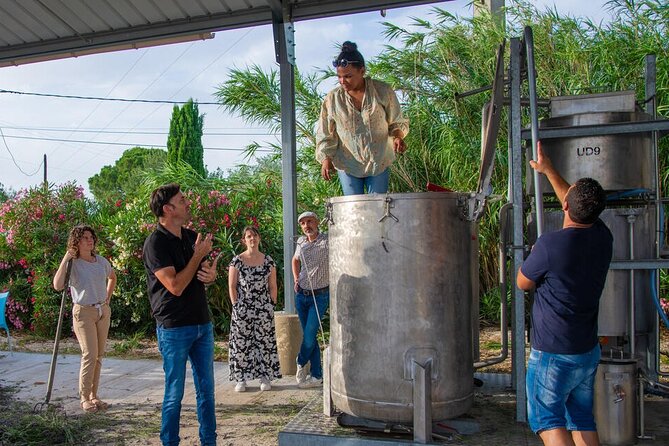
At two hours and 30 minutes, the workshop fits neatly into a morning. The 9:30 a.m. start gives you time to continue with another plan afterward, though you should allow a little extra time around the stated duration if the group has many questions.
A maximum of 20 people is a useful middle ground. The group is large enough to create a social feel but limited enough that the hands-on steps should remain practical. It is still wise to arrive ready to listen for instructions, especially when tools and distillery equipment are involved.
The activity requires moderate physical fitness. You will work outdoors, use a cutting tool, and handle plants before moving into the distillery. The provided gloves help, but they do not replace sensible footwear, sun protection, or a hat.
Service animals are allowed, and the site is near public transportation. The available information does not provide a detailed route, parking advice, or a full accessibility assessment, so you should confirm transport and mobility needs before booking if those details are important to you.
Who Will Enjoy This Workshop Most
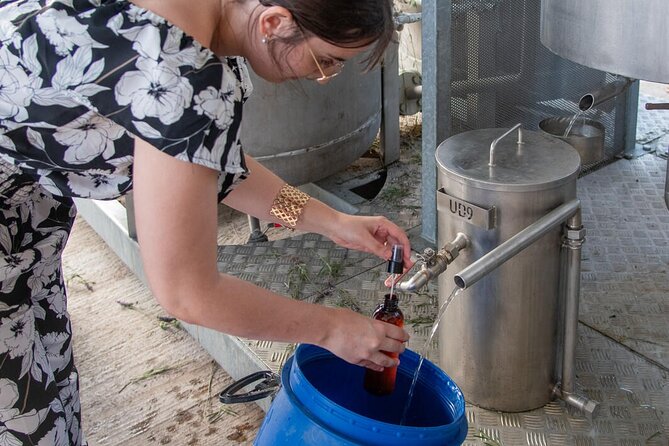
I would recommend this for you if you like small-scale production, traditional tools, natural cosmetics, or regional food and craft experiences. It is especially appealing if you prefer to understand how a product is made instead of simply buying it.
Families with children aged 10 and over can find plenty to do, since the session combines outdoor work, smells, equipment, and a finished product. Younger children cannot join, and the hands-on tools mean parents should decide if older children can follow instructions safely.
Couples and friends may enjoy the shared task of harvesting and filling the bottles. It also makes a thoughtful gift for someone interested in perfume or essential oils. The workshop has enough explanation to suit beginners, with details about plant varieties for anyone who already has an interest in fragrance.
I would think twice if you want a relaxed, seated outing with no physical work. You should also check the forecast. The activity requires good weather, and a cancellation caused by poor conditions results in the choice of another date or a full refund.
Booking and Cancellation Advice
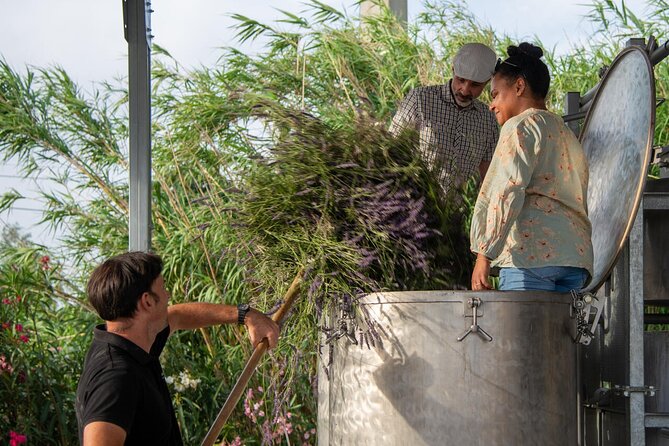
This workshop is often reserved well ahead, with an average booking lead time of about 39 days. That suggests you should not leave it until the last moment if the lavender season is a key part of your plans.
The price is $36.01 per person, and free cancellation is available up to 24 hours before the start time. If you cancel less than 24 hours in advance, you do not receive a refund, and late changes are not accepted. Cutoff times follow local time in France.
The activity is offered in English, accepts mobile tickets, and returns you to the starting point at the end. Sunscreen is advised, while hats and drinks are available to buy on site.
Should You Book the Bellegarde Lavender Workshop?
Book it if you want more than a lavender photograph. The strongest reason to go is the full chain of activity: cut the plant, learn about its varieties, load the still, and leave with floral water and essential oil.
The workshop offers good value for a modest price, particularly because the tools, instruction, and products are included. Its friendly family-business setting, along with Gaël’s and Laura’s personal teaching styles, adds warmth that a larger commercial tour may lack.
Skip it if you need a fully seated activity, are traveling with a child under 10, or have no interest in outdoor work. For everyone else, this is a practical and pleasant way to connect Provence’s famous lavender with the people and process behind it.
FAQ
Where does the lavender workshop begin?
It begins at un MAS en PROVENCE Distillerie d’huiles essentielles BIO & Cosmétique en Occitanie, Le Mas Neuf, Avenue du Félibrige, 30127 Bellegarde, France.
What time does the activity start?
The workshop starts at 9:30 a.m. and lasts about two hours and 30 minutes.
Is the workshop offered in English?
Yes. The activity is offered in English.
What is included in the price?
A cutting tool and protective gloves are included. You also fill a bottle with floral water and a bottle with the extracted oil during the workshop.
Can children join the activity?
Children under 10 are not permitted. Participants should also have a moderate level of physical fitness.
What happens if the weather is poor?
The activity requires good weather. If it is canceled because of poor conditions, you can choose another date or receive a full refund.
More Workshops in France
- Paris 1e: Botanical scented Candle Making Workshop
★ 5.0 · 5 reviews - Paris: Preserved Flower Arrangement Workshop
★ 5.0 · 3 reviews - Flowers picking and essential oil distillation workshop
★ 5.0 · 3 reviews - Paris 1e: Botanical Handmade Soap Workshop (Melt and pour soap)
★ 5.0 · 2 reviews
Just added around France
- Skip-the-Line Guided Tour and Gardens Entry in Versailles Palace★ 3.5 · 3 reviews
- Versailles Palace Guided Experience and Gardens Entry 10 PPL Max★ 5.0 · 42 reviews
- Versailles Palace & Gardens Audio Tour – Private Transportation★ 4.5 · 11 reviews
- Versailles Palace and Gardens Tour★ 4.5 · 44 reviews
- Versailles: Farmers Market & Royal Vegetable Garden Food Tour★ 5.0 · 11 reviews
- Versailles Gardens Walking Tour with Audioguide (no tickets)★ 3.0 · 6 reviews
- Versailles Golf Cart & Shuttle Guided Tour, Hamlet and Gardens★ 4.5 · 13 reviews
- PRIVATE Versailles Palace & Gardens Tour with transfer included★ 5.0 · 25 reviews
France Garden Tours, compared.

Versailles Palace and Gardens Full Access Ticket
Read our review →
Skip-the-Line Tour of Palace and Gardens Access
Read our review →
Versailles Palace & Gardens with Transportation
Read our review →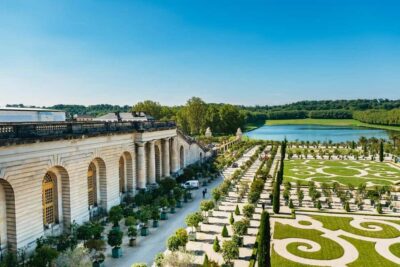
Versailles Palace Guided Tour & Gardens Access
Read our review →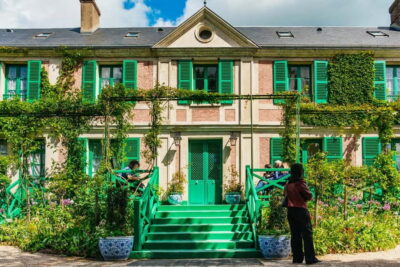
Giverny, Monet’s Home & Gardens Half-Day Trip
Read our review →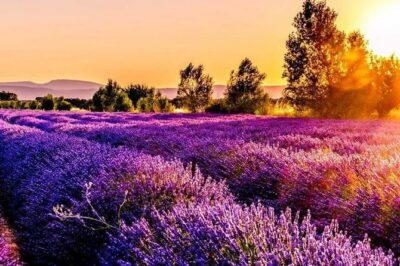
Gorges of Verdon and Fields of Lavender Tour
Read our review →
Giverny Day Trip with Audio Guide or Live Guide
Read our review →
Versailles Full Day Bike Tour with Palace, Gardens, & Picnic
Read our review →Browse the lists this tour appears in