
Review · ROME
Spello: a journey through flowers, mosaics and ancient Roman ruins
Spello gives this day trip its charm: a hill town of stone alleys, flower pots, Roman gates, and grand views across Umbria. You then move from living medieval streets to the Villa of Mosaics, where vivid Roman floors survive in remarkable detail, before ending among the open-air ruins of Carsulae.
I like the clear mix of experiences. You get a carefully kept town rather than another major-city monument, and you see two archaeological sites that many people would struggle to reach without a car. The small group, capped at eight, should also make the long day more personal. The drawback is the pace: with about ten hours on the road and walking over slopes and uneven ground, this is not a gentle day out.
Key points to know before you book
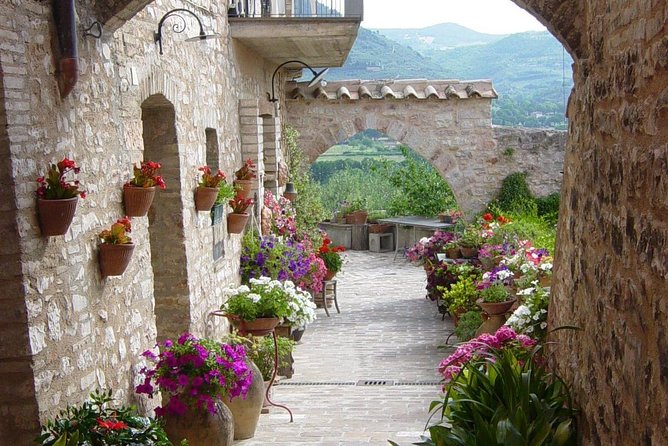
- Spello is a hill town, not a flat stroll: Its lanes rise and fall, so comfortable shoes matter.
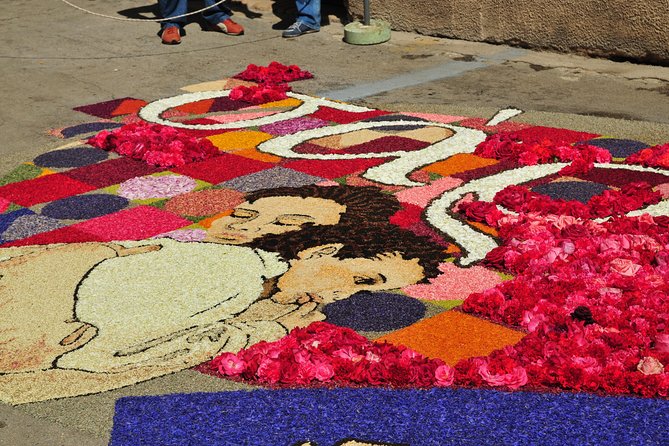
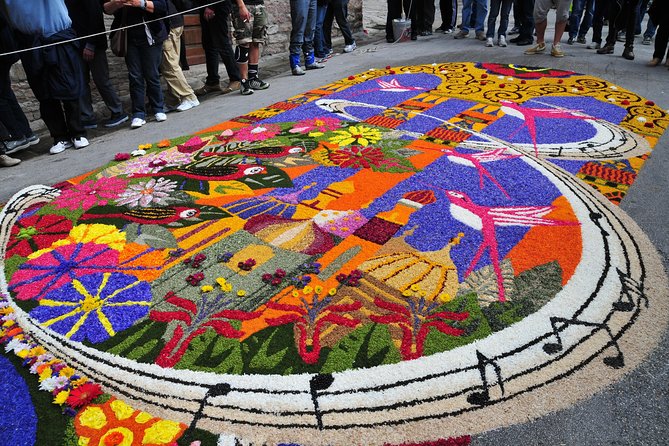
- The flowers are part of the town’s identity: The historic center is known for planted lanes and ceremonial floral displays, though the strongest floral effect depends on the season.
- The Villa of Mosaics is a focused archaeological visit: Nearly 500 square metres have been uncovered, with ten rooms of polychrome floors.
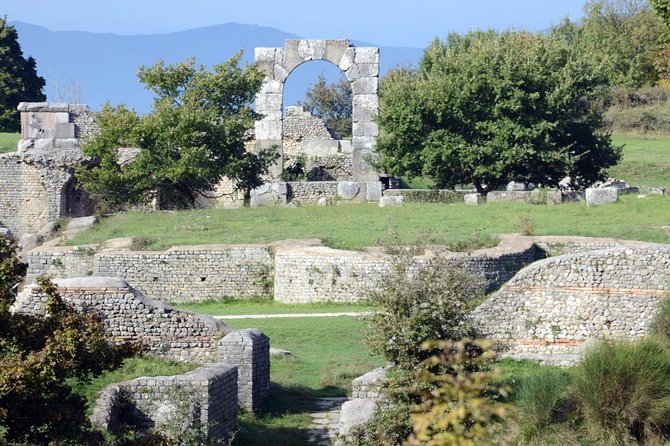
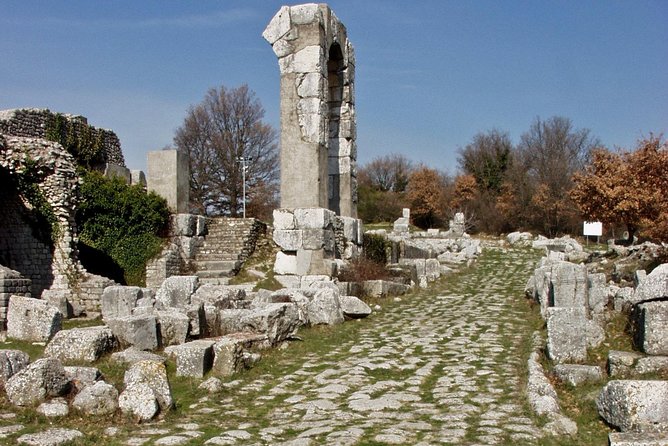
- Carsulae feels open and spacious: The Roman forum, temples, basilica, theater, amphitheater, and Via Flaminia are spread across an archaeological park.
- The group is limited to eight people: That is a useful size for a guided day trip and easier transport.
- Lunch is your responsibility: Bring money or food for the day, since no meal is included.
Why this Umbrian day trip is worth leaving Rome for
Rome can fill every hour with famous monuments. This outing offers a different kind of Italian day: slower streets, small-town care, and Roman remains encountered away from the crowds of the capital.
The route works because the three stops are not duplicates. Spello is a place where people still live, shop, eat, and tend their doorways. The Villa of Mosaics gives you a close look at domestic Roman art. Carsulae opens out into the remains of an entire ancient settlement along the old Via Flaminia.
I especially like that balance. You are not spending the whole day in one museum, and you are not being rushed through three similar ruins. Each stop asks you to look in a different way.
The advertised cost is $296.46 per person. That is a serious day-trip price, but it includes an air-conditioned vehicle, a guide, round-trip pickup and drop-off, and entrance fees for both the Villa of Mosaics and Carsulae. The value depends on how much you want to avoid arranging regional transport, taxis, and admissions yourself.
For two people, the total cost can quickly approach the price of arranging a private car. Here, you also get a small group rather than a large coach. If your priority is convenience and access to places outside the standard Rome circuit, the price is easier to justify. If you are comfortable planning Umbrian trains, buses, and local transfers on your own, you may prefer an independent day.
Other gardens people visit around Rome:
- Rome: Borghese Gallery & Gardens Small Group Guided Tour
★ 4.5 · 2,190 reviews - Rome: Bioparco di Roma Zoological Garden Entry Ticket
★ 4.6 · 1,414 reviews - Vatican: Vatican Gardens with Bus Tour & Vatican Museums
★ 4.2 · 392 reviews
Spello: flowers, stone lanes, and Roman gateways
The first stop lasts about two hours, with no separate admission charge. That time is enough to get a feel for the town, though not enough for every church, museum, shop, and viewpoint.
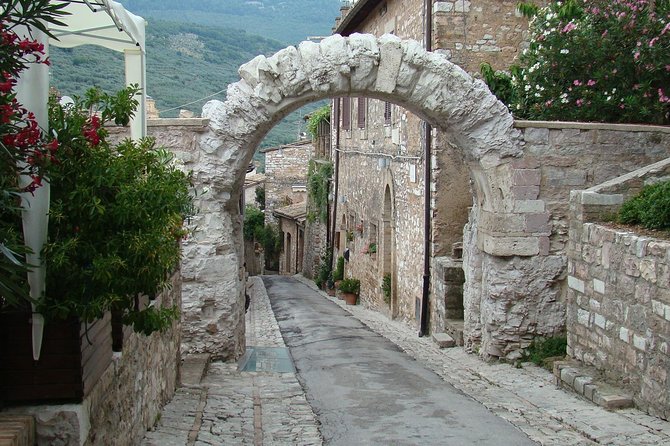
Spello’s appeal comes from the way its layers sit together. The town has medieval houses and narrow lanes, but Roman walls and well-preserved gates remain part of the scene. You can also find traces of a theater, amphitheater, and baths along the route through town.
The floral displays add color without erasing the old stone character. Spello is known for its ceremonial floral paths, and the town’s care is visible in its pots, plants, and decorated corners. The most famous displays are seasonal, so do not book this trip expecting identical flowers at every time of year. Even in winter, the stone lanes, churches, and views still give you plenty to see.
You should allow for hills. One local description of the town gets the point across: prepare for the climb. The slopes are part of Spello’s character, but they can make the two-hour walk tiring, especially after an early start from Rome.
Wear shoes with a firm sole. The streets are not described as difficult hiking trails, but you will be walking through old lanes and rising streets rather than along a flat pavement. The trip is considered suitable for children, yet families should still plan for the climbs.
Look up as you walk. The best moments may come from small details: a stone arch, a planted doorway, a glimpse between houses, or a Roman wall built into the town. The narrow streets can also carry vehicle traffic, including on some lanes that feel more like pedestrian routes. Keep an eye out rather than assuming every alley is car-free.
Spello also offers more than flowers. Two principal churches contain works by Pinturicchio, one of the leading painters of the Italian Renaissance. The tour description does not promise a dedicated church visit or a fixed amount of time inside, so ask your guide how the walking route is arranged. If art matters to you, these interiors may be worth prioritizing over extra shopping time.
You may also find independent galleries and unusual local shops. One local artist, Maestro Ottaviani, is associated with works made using thread rather than a conventional painted brush. That detail reflects the town’s wider character: Spello is not just a stage set for photographs. It has residents, small businesses, and a strong sense of local care.
Villa of Mosaics: a Roman house beneath the modern town
A short visit to the Villa of Mosaics follows Spello. Admission is included, and the planned visit lasts about one hour.
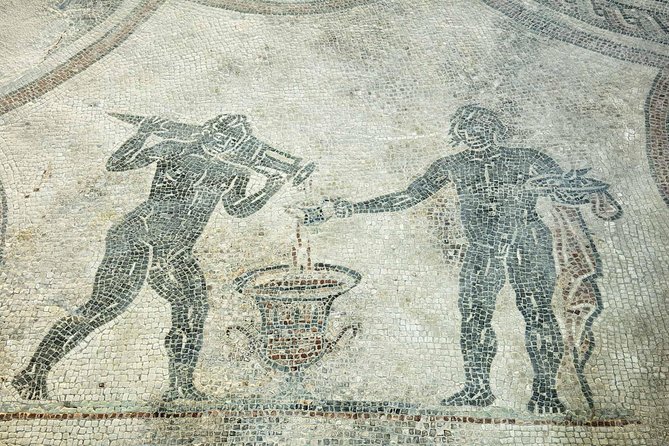
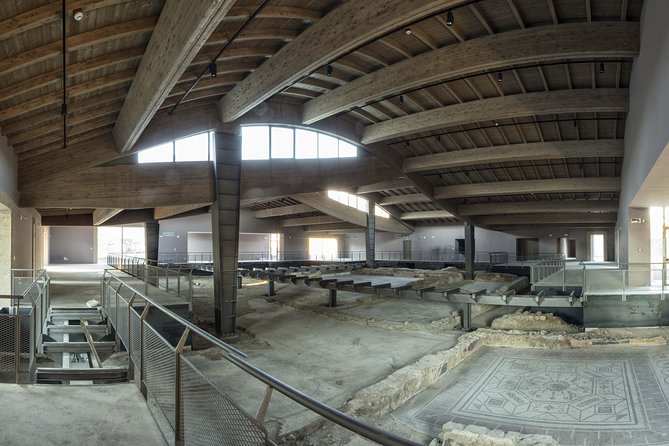
The villa was discovered in July 2005 during construction work for a public car park outside Spello’s walls. That origin story is a useful reminder that major archaeology can appear beneath ordinary modern projects. The site is relatively recent as a visitor attraction, even though the floors themselves are ancient.
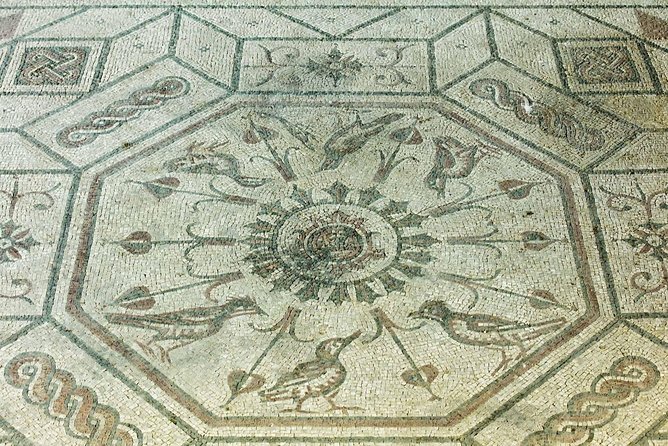
Almost 500 square metres have been uncovered. The complex includes ten rooms with mosaic floors decorated in several colors. You can expect geometric patterns, human figures, wild animals, and fantastic creatures rather than a single repeated design.
This is a good stop for anyone who likes details. In Spello, your attention moves from the scale of the town to individual doors and buildings. At the villa, you can focus on the workmanship underfoot and consider how much planning, material, and labor went into a Roman residence.
One hour is a sensible length for the visit. It gives you time to see the rooms and hear the guide explain the discovery without turning the day into a long indoor museum session. Still, the stop may feel brief if you want to study every pattern carefully or take a large number of photographs.
The villa also adds context to Spello itself. The town is not only medieval, and its Roman remains are not limited to gates and scattered ruins. The mosaics show the level of comfort and decoration present in the ancient settlement.
Since admission is included, you do not need to budget an extra entrance fee here. That matters on a costly day trip, particularly when combined with the included access to Carsulae.
Carsulae: Roman roads and a town in open air
Carsulae is the largest stop, with about two hours in the archaeological park. Admission is included.
The site preserves the remains of an old Roman center beside the Via Flaminia, the road that served as the settlement’s main north-south axis. In Roman terms, this road was the Cardo Maximus. Seeing that road in relation to the forum and public buildings helps you read the site as a town rather than as a collection of isolated stones.
The main public and religious structures include the Curia, the Gemini Temples, the Basilica, the theater, and the amphitheater. The temples overlook the forum, giving you a sense of how civic and religious life was arranged around a central public space.
The theater and amphitheater make the site more varied than a simple ruin field. You can picture different types of public activity, from formal civic business to performances and spectacles. The guide is important here because the surviving walls and foundations do not always explain their own purpose.
Carsulae also has a later layer. The medieval Church of Santi Cosma e Damiano was built on an earlier Roman structure along the Via Flaminia. Its presence shows how the site continued to be used after the Roman period and how Christian buildings sometimes took over older foundations.
Expect an outdoor visit with walking between the remains. The tour calls for moderate physical fitness, and that advice should be taken seriously. The site is not presented as a difficult hike, but two hours around an archaeological park can be tiring after Spello and the drive from Rome.
The open setting is part of Carsulae’s appeal. Instead of seeing one polished monument inside a busy city, you encounter the remains in relation to the old road and the surrounding Umbrian countryside. Bring water and protect yourself from the weather, although the tour details do not specify what shade or facilities are available.
Same place, a different kind of green day out:
- Tivoli Italian Gardens Tour from Rome
★ 5.0 · 122 reviews - Vatican Museums, Sistine Chapel with Gardens Minibus Tickets
★ 3.5 · 54 reviews - Rome: Vatican Museums and Gardens Private Tour – Pick up included
★ 5.0 · 53 reviews - 4 Hr Tour: Vatican Museums, Vatican Gardens with skip line passes & St. Peter’s
★ 4.0 · 52 reviews
The long day from Rome, and what the transport adds
The tour starts at 7:30 a.m. from Piazza della Repubblica, 48, in central Rome, and returns to the same meeting point at the end of the day. Pickup is offered, and you are asked to provide your accommodation name and address when booking.
The exact pickup time is sent by email the day before. Read that message carefully, especially if you are using accommodation pickup rather than meeting at the stated central location.
A ten-hour outing is a substantial commitment. The drive to the Umbrian area takes roughly two hours each way, leaving several hours for the three stops. The air-conditioned vehicle matters here because regional summer heat, long road time, and walking can add up.
The maximum group size is eight. That is one of the strongest practical features of the experience. A small vehicle can reach a pickup point more easily than a full-size coach, and you are less likely to lose time gathering a large group at each stop.
The arrangement also removes several chores. You do not need to compare regional train connections, find a local taxi between Spello and Carsulae, or buy separate archaeological admissions. You can spend the day looking around rather than tracking the next connection.
The tradeoff is flexibility. You follow the planned sequence and the group’s timing. Two hours in Spello may feel short if you want a long lunch, church visits, and extensive shopping. Carsulae may feel short if ancient sites are your main interest. The guide’s role is to help you use the time well, but the schedule will not suit someone who prefers to linger without a clock.
Food, walking, and what to bring
Lunch is not included. The supplied details do not specify a set restaurant or a dedicated lunch break, so do not assume a meal is part of the price. Ask the provider how the day handles lunch, or carry something suitable if you prefer not to lose sightseeing time.
Spello has restaurants and food shops, but your available time may be limited. A meal is one of the pleasures of visiting Umbria, yet a long sit-down lunch could reduce your time in the lanes. Decide in advance whether food or sightseeing matters more to you on this particular day.
Wear comfortable shoes. That advice is not filler here. You will deal with Spello’s slopes and old lanes, then walk at Carsulae for up to two hours. The villa is a shorter indoor visit, but it does not remove the need for good footwear.
A small bag with water, sun protection, and a snack is sensible. These are general preparation tips rather than listed inclusions, so bring what you normally need for a full day outside. The air-conditioned vehicle provides a break between stops, but it does not replace preparation for walking.
Who should book this Spello and Carsulae experience?
I would choose this trip if you have already seen Rome’s major ancient sites and want a day with a different rhythm. It is also a good fit if you want to see Umbria without renting a car or building a complicated transport plan.
Art lovers get two distinct rewards: Pinturicchio works in Spello’s churches, if time allows, and the colorful mosaic floors at the villa. Roman-history fans get roads, temples, civic buildings, theaters, and domestic decoration rather than one famous monument.
Families can manage the day if everyone is ready for a long outing and uphill walking. The small group and included transport help, but the schedule is still full. Young children who need frequent breaks may find the ten-hour format demanding.
I would hesitate to book it if you want a relaxed lunch, a slow photographic walk, or a deep visit to every church in Spello. The tour gives you a strong introduction to three places, not unlimited time in any one of them.
The high recommendation rate and 4.5 rating from 11 listed ratings suggest a generally positive response, but the sample is small. Treat those numbers as a useful signal, not a guarantee that every part of the day will suit you.
Cancellation is free if you cancel at least 24 hours before the start time. Changes or cancellations inside that window are not accepted for a refund. The cutoff uses local time.
Should you book it?
Book this tour if you want convenient access to lesser-visited Umbria, appreciate Roman archaeology, and can handle a long day with hills and outdoor walking. The best feature is the combination: Spello supplies flowers and medieval atmosphere, the villa supplies close-up Roman art, and Carsulae supplies a broader ancient setting.
Skip it if you want a slow village day or if lunch, free time, and independent wandering matter more than transport convenience. At $296.46, the tour earns its price through the small group, included admissions, guide, and door-to-door ease. For the right person, it is a practical way to add three very different stops beyond Rome.
FAQ
Where does the tour start?
The stated meeting point is P.za della Repubblica, 48, 00184 Rome, Italy. Pickup is also offered, and you should provide your accommodation name and address when booking.
What time does the experience begin?
The listed start time is 7:30 a.m. The provider sends the exact pickup time by email the day before.
How long does the tour last?
The experience lasts approximately 10 hours and ends back at the meeting point in Rome.
How many people can join the tour?
The activity has a maximum of eight participants.
Are entrance fees included?
Yes. Admission to the Villa of Mosaics and Carsulae Archaeological Park is included.
Is lunch included?
No. Lunch is not included in the tour price.
What level of fitness is needed?
A moderate level of physical fitness is recommended. Comfortable shoes are advised because Spello has uphill streets and the Carsulae visit includes walking around an archaeological park.
Just added around Rome
- Vatican Pass: Gardens, Museums, Sistine Chapel and Basilica Entry★ 4.5 · 19 reviews
- Best tour in Tivoli garden minimum 4 people★ 5.0 · 3 reviews
- Vatican Museums, Sistine Chapel with Gardens Minibus Tickets★ 3.5 · 54 reviews
- Tivoli Villas and Gardens (Driver Only/Self Touring)★ 5.0 · 2 reviews
- Tivoli Gardens and Hadrian’s Villa full day guided tour★ 5.0 · 44 reviews
- Day Trip from Rome: Villa d’Este and its Gardens Private Tour★ 5.0 · 2 reviews
- Skip-the-Line Borghese Gallery & Gardens Private Guided Tour★ 5.0 · 5 reviews
- All Vatican incl. Vatican Gardens with SKIP LINE passes★ 4.0 · 4 reviews
Rome Garden Tours, compared.
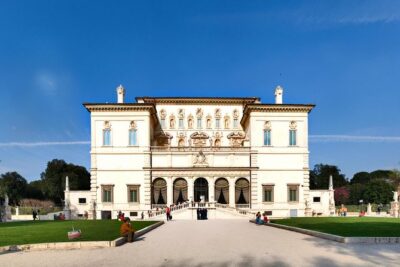
Borghese Gallery & Gardens Small Group Guided Tour
Read our review →
Bioparco di Roma Zoological Garden Entry Ticket
Read our review →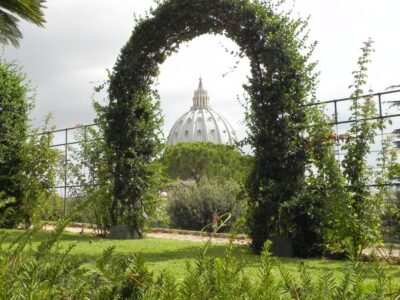
Vatican: Vatican Gardens with Bus Tour & Vatican Museums
Read our review →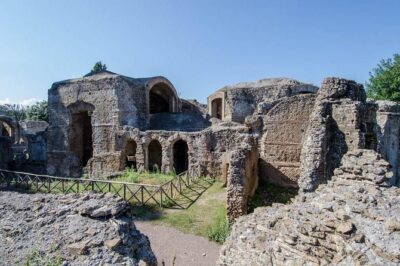
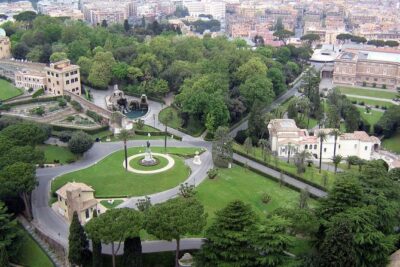
Vatican Museums, Sistine Chapel with Gardens Minibus Tickets
Read our review →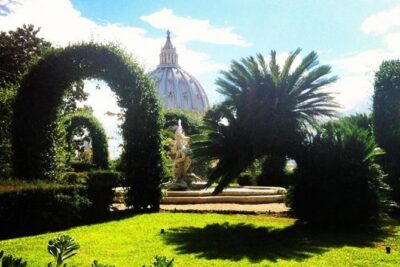
Vatican Museums and Gardens Private Tour – Pick up included
Read our review →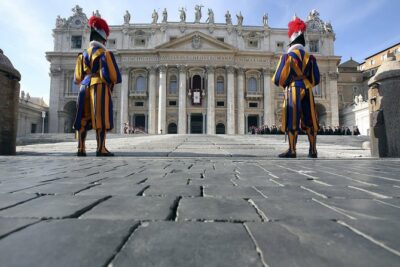
4 Hr Tour: Vatican Museums, Vatican Gardens with skip line passes & St. Peter’s
Read our review →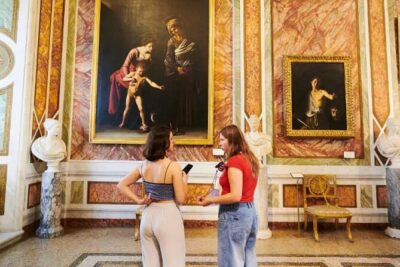
A Private Journey Through the Borghese Gallery & Gardens
Read our review →Browse the lists this tour appears in