
Review · SRI LANKA
Organic Cooking Class with Garden Visit by Sinhagiri
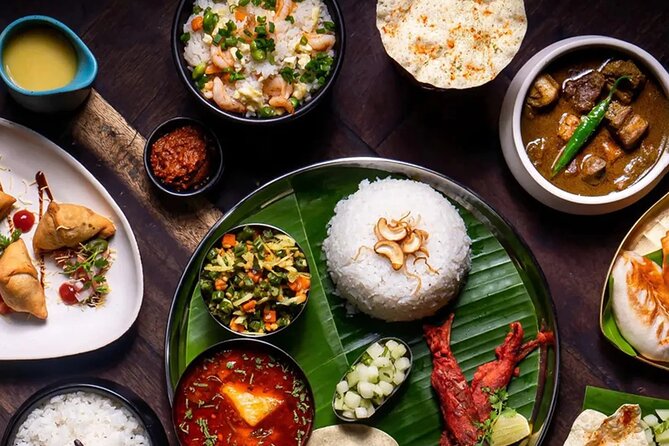
The best part of this Sigiriya outing happens before you reach the kitchen. You walk through the garden, choose fresh vegetables, then use them in an authentic Sri Lankan curry. It gives your meal a clear sense of place rather than turning cooking into a standard indoor demonstration.
I like the small group of no more than five, which leaves room for questions and hands-on work. I also like the warm start: one session included fresh mango juice, a friendly garden walk, and clear English instruction. The main caution is value. At $28 per person, some people may find it a little expensive, especially if you want a longer garden tour or a broad menu.
Key points at a glance
- Fresh-pick start: Walk through the garden and select vegetables for the meal.
- Home-style cooking: Prepare a local rice-and-curry dish with an experienced housewife.
- Small group size: The class accepts a maximum of five people.
- Useful format: You cook, eat, and pick up techniques you can try at home.
- Simple timing: The three-hour activity begins at 4:00 pm and ends where it starts.
- One fair warning: The garden may look less polished than the food and kitchen.
A 4:00 pm start at Green Hut Nature Resort
Your meeting point is Green Hut Nature Resort on Temple Road in New Town, Sigiriya. The class begins at 4:00 pm, a practical time for an activity that leads into the evening. You are not rushing through a morning visit to Sigiriya Rock, and the cooking portion gives you a calm change of pace after sightseeing.
The full activity takes about three hours. That is enough time for a garden visit, food preparation, cooking, and a sit-down meal without turning the class into an all-day commitment. Since it ends back at the meeting point, you do not need to arrange a separate return location.
The resort is near public transportation, which helps if you are getting around Sigiriya without a private car. The meeting details are simple, but check your route carefully before setting out so you arrive ready for the 4:00 pm start.
The group limit matters here. With no more than five people, the class should feel closer to a home kitchen lesson than a large demonstration. You can watch the technique, ask about a step, and take part without standing at the back of a crowd.
More Cooking Classes in the world:
- We Cook Thai Home Garden Cooking School
★ 4.9 · 378 reviews - Thai Cooking Class with Market & Garden Tour
★ 4.9 · 249 reviews - Ella : Cooking class with amazing Spice Garden Tour
★ 5.0 · 239 reviews
Choosing vegetables in the garden
The garden visit comes first. You walk among the growing plants and pick vegetables that will be used in the cooking. This is a small detail, but it changes the way you approach the meal. Instead of seeing ingredients arrive already measured and anonymous, you connect the food to the place where it was grown.
The garden is described as organic and homegrown, and the purpose is practical: discover fresh produce, choose what will go into the dish, and carry it into the kitchen. You should expect a working garden visit, not a formal botanical tour with a long talk about every plant.
That distinction is worth keeping in mind. One garden visit was described as a little thin because the garden was not yet well kept. If you want a polished garden display, this may feel modest. If you care more about picking ingredients for a home-cooked meal, the visit still adds something useful.
I would treat this part as an introduction to the meal rather than the main attraction. The food preparation carries most of the value. The garden works best as a short, direct lesson in where your vegetables come from.
A fresh mango juice welcome was part of one class. It is a pleasant touch, though you should think of it as a sample detail rather than a guaranteed menu item unless your booking information confirms it.
Moving from the garden to the kitchen
After picking the vegetables, you head to the kitchen and begin cooking with an experienced local housewife. The class focuses on an authentic Sri Lankan rice-and-curry meal, with step-by-step guidance rather than a lecture from the sidelines.
That format suits you if you want to learn by doing. You can follow the process as the tutor explains each stage, then see how the ingredients change as the dish comes together. The instruction is intended for people who want to repeat the techniques at home, not just watch someone else prepare lunch.
The kitchen was described as traditional, clean, and well prepared. That matters more than fancy decoration. A cooking class needs a space where you can follow the action and feel comfortable handling the ingredients. The traditional setting also helps the meal feel connected to local household cooking.
English instruction was reported as excellent, which removes one common worry about a hands-on class. You still may need to ask questions clearly, but the available information points to a lesson that is easy to follow.
The atmosphere sounds relaxed and good-humored. One session included friendly, funny instruction, which can make a real difference when you are trying an unfamiliar technique. Cooking becomes less about getting every move perfect and more about learning how the dish works.
What you actually learn in the rice-and-curry lesson
The class is not presented as a long list of separate recipes. Its focus is an authentic local rice-and-curry dish prepared from the vegetables you picked. That narrower approach can be a benefit: you have time to understand the process instead of racing through several small dishes.
You should expect guidance through preparation and cooking, with the house chef showing you what to do step by step. The useful part is the chance to ask about methods as you work. Pay attention to the order of preparation and the way the tutor handles the vegetables, since those are the details easiest to remember later.
The class is also a good choice if Sri Lankan food is already one of the reasons you came to the country. You are not merely sampling a finished curry in a restaurant. You are taking part in the work behind it, then eating the result.
At the same time, keep your expectations measured. The information does not promise a full cookbook, several curry recipes, or a formal certificate. It is a focused home-cooking session. That makes it approachable, but it may feel limited if your main goal is to collect many recipes in one afternoon.
A few more garden visits around the world worth a look
- Half day Thai cooking Class + Market tour+Garden tour
★ 5.0 · 237 reviews - Cooking Morning Class Chiang Mai Visit Organic Garden and Market
★ 5.0 · 211 reviews - Shared Cooking Class with Fresh Garden Ingredients in Sorrento
★ 5.0 · 194 reviews - Cooking Evening Class Chiang Mai Visit Organic Garden and Market
★ 5.0 · 187 reviews
Sitting down to eat what you made
The final stage is the meal. After cooking, you sit down and taste the food you prepared. This closes the loop in a satisfying way: you selected the vegetables, helped prepare the curry, followed the cooking process, and then judged the finished dish for yourself.
That meal is more than a reward. It gives you a chance to notice how the ingredients and techniques came together. You can also ask follow-up questions while the details are still fresh. If you want to recreate the dish at home, this is the moment to make notes about steps you might otherwise forget.
The food received especially strong praise, with one class producing a meal described as incredible in taste. The kitchen and preparation also received positive attention. Those points are important because the meal is the central reason to pay for a class rather than simply order a curry.
The end of the activity is not rushed into another location. You finish back at Green Hut Nature Resort, which keeps the evening plan easy. You can arrange dinner elsewhere later, but you may not need a second meal immediately after eating the food you have just prepared.
Is $28 a fair price in Sigiriya?
The cost is $28 per person. To judge it fairly, compare it with what is included: about three hours, a garden visit, fresh ingredients, instruction from a local home cook, the cooking session, and the meal you prepare.
For a small group capped at five, the price is easier to defend than it would be for a large class. You are paying for personal attention as well as food. The experience also offers something a restaurant meal cannot: a practical lesson you can use after returning home.
Still, $28 is not a bargain for everyone. One person considered it a little expensive, and that reaction makes sense if the garden visit feels brief or untidy. The value depends heavily on how much you enjoy hands-on cooking. If you want only to taste Sri Lankan food, a local restaurant will likely cost less and take less time.
I would see this as a good mid-range choice for someone who values contact with a local cook and a small group. It is less compelling for a budget-minded person who expects a long garden tour, many dishes, or a printed set of recipes.
The published rating is five out of five from 66 ratings, with 100 percent recommending the activity. That points to strong satisfaction overall, but the specific limitation remains useful: the food and cooking appear to be the strongest parts, while the garden may be more basic.
Who will enjoy this class most?
I would recommend the class to you if you want an easy introduction to Sri Lankan home cooking and prefer to take part rather than watch. It suits couples, families, and small groups of friends, provided everyone is happy to share a compact cooking setting.
It is also a smart choice for anyone who wants to bring a food memory home. The class is designed around techniques you can use later, and the step-by-step format gives you a better chance of remembering the process.
The experience may be less suitable if you need a highly polished garden attraction or a broad professional cooking curriculum. The garden can be modest, and the class centers on one local rice-and-curry preparation rather than a full menu.
You should also leave room in your schedule. Three hours is approximate, and the start time is fixed at 4:00 pm. Do not book it if you need to catch an early evening departure or another appointment soon after.
Practical details before you book
Confirmation is provided at the time of booking, and the activity accepts mobile tickets. The meeting point is Green Hut Nature Resort, Temple Road, New Town, Sigiriya 21120, Sri Lanka.
The class ends at the same place where it begins. It is near public transportation, and the maximum group size is five people. The start time is 4:00 pm, and the duration is about three hours.
Free cancellation is available if you cancel at least 24 hours before the local start time. Cancellations made less than 24 hours before the activity are not refunded, and changes inside that period are not accepted.
Because the class is small, I would book ahead if this fits your Sigiriya plans. The activity had more than five bookings in the previous month, so it is active without being a mass-market outing.
Should you book the Sinhagiri cooking class?
Book it if you want to cook with a local home chef, pick vegetables for your meal, and eat what you helped prepare. The small group, clear English instruction, clean traditional kitchen, and strong food feedback make this a practical way to meet Sri Lankan cooking at home-kitchen level.
Think twice if you are mainly paying for a grand garden tour or a low price. The garden may be lightly maintained, and $28 can feel high for a single main preparation.
My advice is simple: choose this for the cooking, the meal, and the personal setting. Treat the garden as a useful opening chapter, not the whole book, and the price makes better sense.
FAQ
Where does the cooking class meet?
It meets at Green Hut Nature Resort, Temple Road, New Town, Sigiriya 21120, Sri Lanka.
What time does the class start?
The activity starts at 4:00 pm.
How long does the experience last?
It lasts about three hours.
What happens during the garden visit?
You walk through the garden, learn about the produce, and pick vegetables to use in the cooking session.
What food do you prepare?
You prepare an authentic Sri Lankan rice-and-curry dish using guidance from a local home cook.
How many people can join?
The activity has a maximum of five travelers.
Does the activity end at the meeting point?
Yes. It ends back at Green Hut Nature Resort.
Can I cancel for a full refund?
Yes, if you cancel at least 24 hours before the local start time. Cancellations made less than 24 hours before the start are not refunded.
Just added around the world
- Skip-the-Line Guided Tour and Gardens Entry in Versailles Palace★ 3.5 · 3 reviews
- Versailles Palace Guided Experience and Gardens Entry 10 PPL Max★ 5.0 · 42 reviews
- Versailles Palace & Gardens Audio Tour – Private Transportation★ 4.5 · 11 reviews
- Versailles Palace and Gardens Tour★ 4.5 · 44 reviews
- Versailles: Farmers Market & Royal Vegetable Garden Food Tour★ 5.0 · 11 reviews
- Versailles Gardens Walking Tour with Audioguide (no tickets)★ 3.0 · 6 reviews
- Versailles Golf Cart & Shuttle Guided Tour, Hamlet and Gardens★ 4.5 · 13 reviews
- Electric 2-wheeler tour of the Chateau Park and Gardens★ 5.0 · 5 reviews
Sri Lanka Garden Tours, compared.
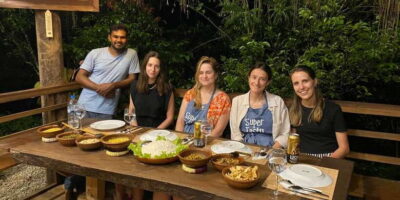
Ella : Cooking class with amazing Spice Garden Tour
Read our review →

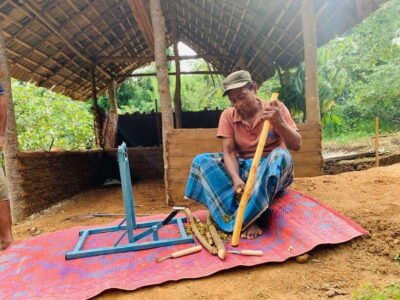
Sri Lanka: Ceylon Cinnamon Experience & Spice Garden Tour
Read our review →

From Sigiriya: Kandy Transfer with Dambulla and Spice Garden
Read our review →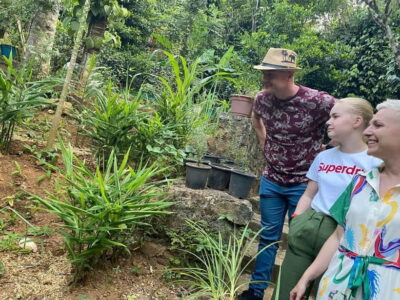
Ella: Nine Arch Spice Garden Tour with Traditional Lunch
Read our review →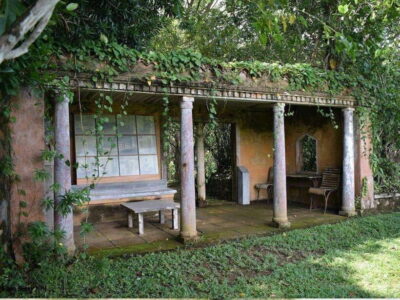
From Kalutara/Waskaduwa: Lunuganga & Brief Garden Tour
Read our review →Browse the lists this tour appears in