
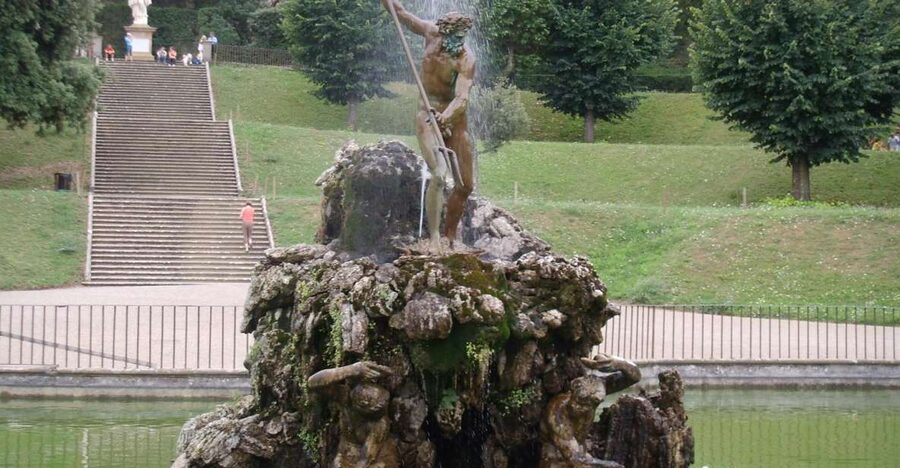
Review · FLORENCE
Florence: Boboli The Medici Gardens & Hidden Messages
Boboli Gardens turns a stroll into a storybook of Medici power, Roman gods, and hidden allegories. Your guide leads you past statues of Hercules, Demeter, and Tyndareus, then explains why fountains, grottoes, plants, and paths were arranged to send messages about strength, fertility, love, and rule.
I like the way the tour gives you a clear route through a large, sometimes confusing garden, and I like the final climb to the top, where Florence opens out below you. The main drawback is time: 90 minutes goes quickly, so you will see the key sights but may want to return on your own for a slower wander.
Key points
- Medici design from 1562: See the garden created for Cosimo I de Medici, a model for later royal gardens across Europe.
- Stories behind the statues: Learn the myths and political meanings attached to gods, heroes, and ancient figures.
- Major fountains and garden features: Visit the Artichoke Fountain, Neptune Fountain, Secret Garden, grottoes, and Tunnel of Love.
- A useful guided route: The guide helps you cover several kilometers of paths without wasting time or missing important sights.
- Florence from above: Finish near the upper gardens for a broad view across the city.
- Good for several types of visitors: The walk suits families, nature lovers, and couples, provided everyone wears sturdy shoes.
Boboli Gardens, where a Medici park becomes a message
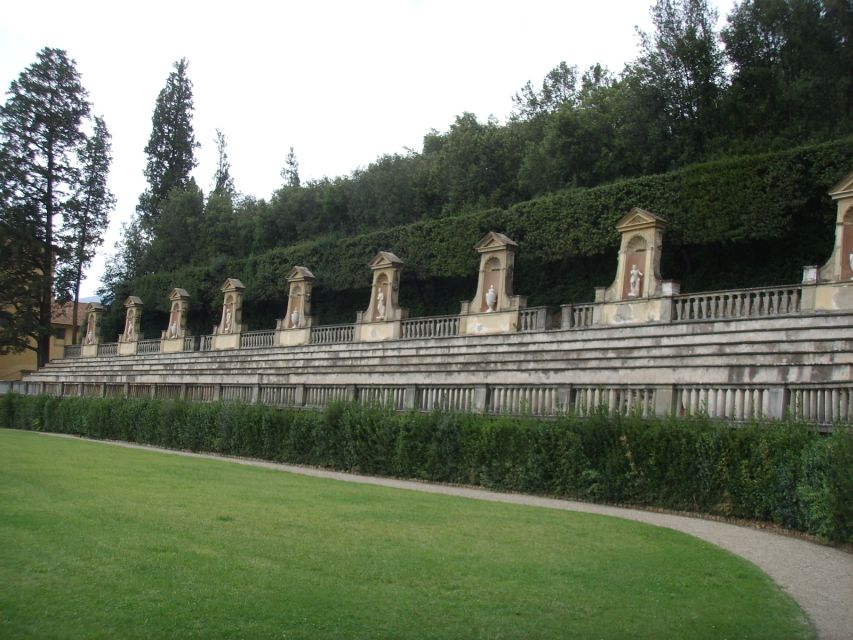
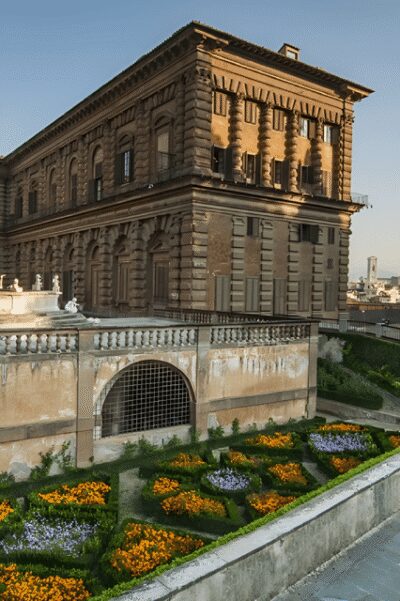
Boboli Gardens sits behind Pitti Palace, across the Arno from Florence’s historic center. It is not a tidy little city garden. The grounds stretch across terraces, wooded paths, open spaces, statues, fountains, grottoes, and steep sections.
That size is part of the appeal. It also explains why a guide helps. Without context, you may see an old statue, a fountain, or a clipped hedge and simply move on. With the stories, the garden becomes a carefully planned display of family power and artistic taste.
Cosimo I de Medici began shaping the gardens in 1562. Over time, later owners and artists added features, so the park reflects several periods rather than one single design. Ancient Roman ideas sit beside Renaissance planning and later additions, creating a long visual story.
The garden is often described as an early model for European royal gardens. You can see why as you climb through its formal terraces and grand viewpoints. This is not just planting for beauty. It uses height, symmetry, sculpture, water, and controlled views to show wealth and authority.
More Palace and Castle Gardens in Florence
- Florence: Pitti Palace and Boboli Gardens Ticket & eBook
★ 4.5 · 835 reviews - Florence: Pitti Palace, Boboli Garden, Palatine Gallery Tour
★ 4.9 · 558 reviews - Pitti Palace, Boboli Garden & Palatina Gallery Guided Tour
★ 5.0 · 264 reviews
Meeting at Pitti Palace and getting ready for the walk
The meeting point is the main entrance to Pitti Palace. That makes the start easy to find, but you should still arrive with enough time to locate the guide and pass through the entrance process.
Your admission to Boboli Gardens is included, along with a skip-the-ticket-line entrance. Tickets for the Palatine Gallery and other museums inside Pitti Palace are not included. Keep that distinction clear when planning your day. This experience covers the gardens, not the palace collections.
Wear comfortable shoes. That advice matters here more than it does for many guided city walks. You will be walking for 90 minutes across garden paths, and the route includes uphill sections leading toward the upper part of the park.
Leave luggage and large bags behind. Pets and smoking are not allowed. Bring a passport or identity card, as these are listed among the items to carry.
The tour is offered in English or Italian. Guides associated with this experience have included Alessandra, Guido, Ivano, and Anna Maria Luisa. The guide you receive is not guaranteed, but the strongest praise has focused on clear explanations, patience, and a talent for showing the most worthwhile parts of the grounds.
Following the Medici route through terraces and woods
The walk begins among the formal garden features near Pitti Palace, then moves through a mix of planned terraces and wooded areas. The change in scenery keeps the route from feeling like one long line of statues.
Boboli can feel surprisingly wild in places. Paths lead into shade, vegetation closes around sections of the route, and the garden reveals its features gradually. The setting gives some truth to the idea of getting lost in the woods, though a guide keeps the experience from becoming a literal search for the exit.
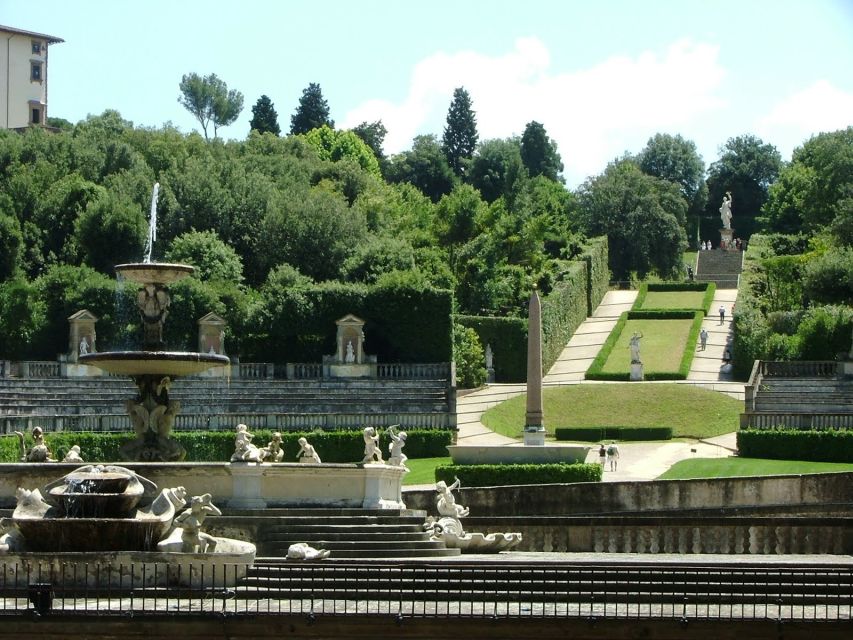
The formal areas show the Italian garden style at its most theatrical. Long views, clipped greenery, stonework, fountains, and stairways are arranged to draw your eye upward and forward. You may notice that the garden does not simply present one sight at a time. It often uses a path, terrace, or opening to frame the next view.
This is where the guide adds real value. You learn how to read the garden rather than just photograph it. A statue becomes part of a family message, a fountain becomes a sign of control over nature, and a high terrace becomes both a viewpoint and a display of status.
Statues of Hercules, Demeter, and Tyndareus
The sculpture program gives Boboli much of its character. The route includes figures such as Hercules, Demeter, and the Spartan King Tyndareus, each tied to stories from ancient mythology or classical tradition.
Hercules brings ideas of physical strength, courage, and heroic labor. Demeter connects the garden to fertility, harvest, and the productive power of the earth. Tyndareus adds a less familiar figure from Greek legend, which makes the explanation especially useful if you do not already know the story.
You do not need a background in mythology to enjoy this section. The point is not to memorize names. It is to understand that the garden’s art was selected and positioned with purpose.
A good guide also helps separate the ancient subject from the later meaning. Artists from different periods reused old gods and heroes to speak about their own patrons. In Boboli, mythology becomes a language of family image-making.
The gardens are sometimes described as containing hidden messages. That does not mean every statue has a secret code waiting to be cracked. It means the overall arrangement carries ideas about power, beauty, order, love, and the Medici family’s place in the world. The guide’s interpretation turns a pleasant walk into a lesson in how rulers used art.
More Palace and Castle Gardens in Italy
- Florence: Pitti Palace and Boboli Gardens Walking Tour
★ 4.6 · 182 reviews - Timed Entry Ticket to Pitti Palace and Boboli Gardens in Florence
★ 3.5 · 118 reviews - Florence: Boboli Gardens Guided Tour
★ 4.5 · 69 reviews - Timed Entry Ticket to the Boboli Gardens
★ 3.5 · 50 reviews
The Artichoke Fountain and Neptune Fountain
Fountains give the gardens sound and movement. The Artichoke Fountain and Neptune Fountain are among the named highlights on the route, and they show two different sides of Boboli’s design.
The Artichoke Fountain has a playful name, but its presence fits the garden’s larger habit of mixing the practical and theatrical. Water features were useful, decorative, and symbolic. They announced that the owners had the money and engineering skill to control water and display it for pleasure.
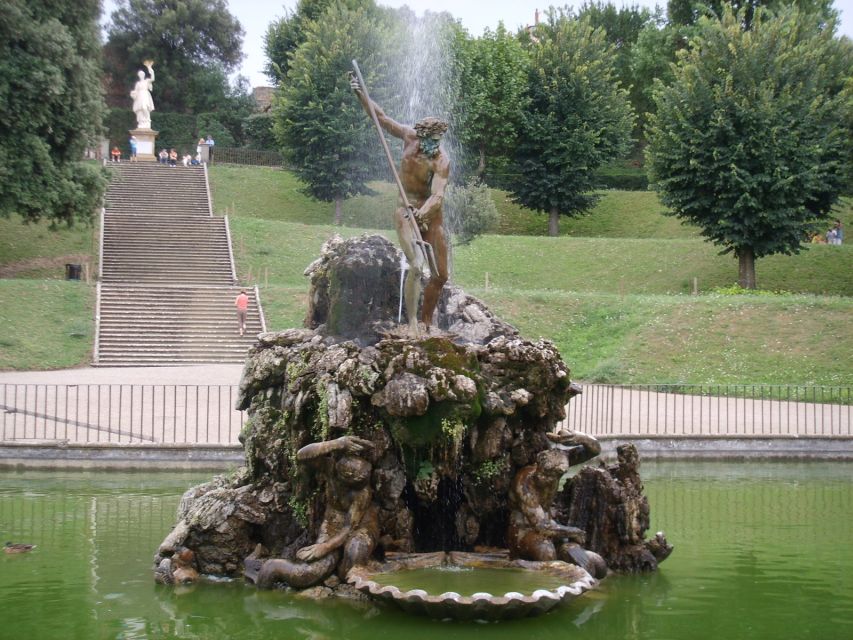
The Neptune Fountain brings a more mythic tone. Neptune, god of the sea, connects the fountain to classical stories and to the power of nature. In a garden built for a ruling family, such imagery was never merely decoration.
Do not expect every fountain to look as pristine as a newly built attraction. One garden-focused visitor found the level of upkeep less polished than expected. That is a fair caution. Boboli is an historic park exposed to weather and heavy use, not a perfectly manicured modern display garden.
The reward is atmosphere. Stone, water, vegetation, and old sculpture create a place with age and character. If your main interest is immaculate planting, you may notice maintenance issues. If you care more about design, symbolism, and setting, the fountains remain strong parts of the walk.
The Secret Garden and Tunnel of Love
The Secret Garden and Tunnel of Love add a more intimate mood to the route. They offer a change from broad terraces and formal views, bringing you into smaller spaces with a sense of privacy and theatrical surprise.
The name Secret Garden suggests seclusion, but you should not expect a completely private place. This is still part of a public attraction. Its value is the contrast with Boboli’s grand scale and official Medici display.
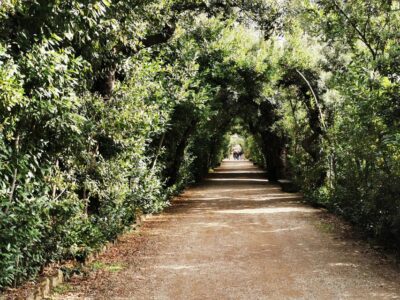
The Tunnel of Love adds a romantic note. Couples may especially enjoy this portion, but the feature also shows how the garden uses movement and enclosure to shape emotion. One minute you have a broad view across the grounds. The next, a narrower passage changes the pace.
These spots work best when the guide explains how they fit into the garden’s larger plan. A tunnel is not just a path between two points. It can create suspense, mark a transition, or turn the walk into a small piece of theater.
Reaching the upper gardens for the Florence view
The route heads toward the top of the gardens, and this is one of the most rewarding parts of the experience. From above, you can look out toward Florence and understand the garden’s relationship to the city.
The climb requires some effort, which is another reason to wear proper shoes. The route is not an exhausting hike, but it is more active than a flat museum visit. If someone in your group dislikes inclines, keep that in mind before booking.
At the top, the view provides a useful pause. You can look back at the terraces and see how the garden rises behind Pitti Palace. You also get a broad view of Florence, a city usually experienced from street level among buildings and crowds.
This viewpoint helps make sense of the Medici project. The family did not simply create a retreat. They built a place from which art, nature, palace, and city could be seen as parts of one display.
What 90 minutes can and cannot cover
The stated duration is 1.5 hours, though one guided visit lasted about two hours in poor weather. Treat 90 minutes as the standard planning figure and allow extra time if the guide runs over or if you want to explore afterward.
In that time, you should expect to see the main garden features rather than every corner. Boboli covers several kilometers, so a short guided tour has to make choices. The guide’s job is to connect the major statues, fountains, special gardens, and viewpoint in a route that feels coherent.
You will not have the same freedom to pause at every sculpture or sit in every quiet corner. If you like stopping often for photographs, the pace may feel brisk. I would plan a separate return visit if you want detailed garden study, long breaks, or a relaxed look at the vegetation.
The advantage is focus. A self-guided walk can become a pleasant but random wander. This route gives you a framework first. You can then decide which parts deserve more time later.
Is $93 a fair price?
At $93 per person, this is not a bargain garden stroll. The price makes the most sense if you value the guide’s interpretation and the convenience of skip-the-line admission.
You are paying for entry, an official local guide, and a route through a large site that can be hard to understand on your own. The experience also saves you from spending your limited Florence time guessing which statues, fountains, and terraces matter most.
The value is weaker if you only want to walk through greenery or take a few photographs. Boboli can still be appreciated without a tour, and the 90-minute format does not include the Palatine Gallery or any other Pitti Palace museum.
For a first visit, I think the price is easier to justify if Boboli is high on your Florence list and you enjoy art, mythology, gardens, or Medici history. It is less appealing if you are trying to keep costs low or already plan to spend a full day inside Pitti Palace.
The flexible booking terms help reduce the risk. You can reserve now and pay later, and cancellation is allowed up to 24 hours before the activity for a full refund. Check the available start times before building the rest of your day.
Who will enjoy this Boboli experience most
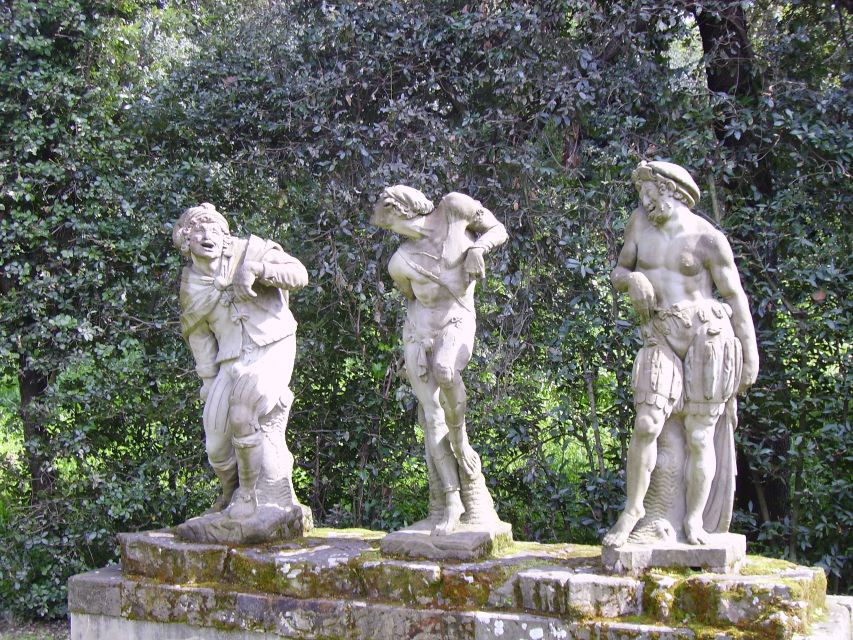
This tour suits you if you want more than a pleasant walk. Families can use the myths, heroes, tunnel, and fountains to keep younger visitors interested, though children should be comfortable walking uphill and staying with the group.
Nature lovers will appreciate the mix of trees, clipped greenery, open terraces, and garden structures. The planting is not presented as a botanical class, but the grounds offer plenty of vegetation and changing scenery.
Couples may like the Secret Garden, Tunnel of Love, and Florence view. The route gives you romantic settings without turning the whole experience into a staged photo stop.
It also works well for first-time visitors who want a clear introduction to Boboli. If you have already explored the gardens carefully, a private or longer visit may give you more freedom than this fixed 90-minute route.
The tour is less suitable for anyone seeking a flat, fully accessible walk or a quiet solo pace. The supplied details do not describe accessibility arrangements, so contact the provider before booking if mobility is a concern.
Practical tips for a better visit
Arrive at the main entrance to Pitti Palace with your identification document and comfortable shoes. Do not bring large bags or luggage, since those are not allowed.
Think of the experience as an introduction, not a complete day in the gardens. Take note of any section you want to revisit after the guide finishes.
If rain is forecast, dress for changing conditions. A previous tour continued in unpleasant weather and still covered the main sights, but poor weather can affect paths, views, and your comfort.
Try to place the tour at a time when you can enjoy the rest of the Oltrarno area afterward. The tour itself does not include the Palatine Gallery or other Pitti Palace museums, so you will need separate admission if those collections are on your plan.
Should you book this tour?
Book it if you want the meaning behind Boboli’s art and design, not just a walk among trees. The guide-led route, Medici stories, named fountains, special garden features, and high Florence viewpoint make this a useful first look at one of the city’s most unusual outdoor sights.
Skip it if you prefer to wander alone, need a long and gentle pace, or mainly want a perfectly maintained garden. At $93, the experience depends on the guide adding real context. Based on the consistently strong comments about guides such as Alessandra, Guido, and Ivano, that is the central reason to choose it.
For many visitors, the best plan is to take the guided tour first, then return on your own if the gardens capture your interest. That gives you both the stories and the freedom to linger.
FAQ
Where does the Boboli Gardens tour meet?
The meeting point is at the main entrance to Pitti Palace in Florence.
How long does the tour last?
The stated duration is 1.5 hours. One past visit lasted about two hours, but you should plan around the standard 90-minute duration.
What languages are available?
The live tour guide is available in English or Italian.
Is admission to Boboli Gardens included?
Yes. Entrance fees and skip-the-line tickets for the gardens are included.
Are Pitti Palace museums included?
No. Tickets to the Palatine Gallery and other museums inside Pitti Palace are not included.
What should I wear?
Wear comfortable shoes. The route covers garden paths and includes a climb toward the upper gardens.
Can I bring luggage or a large bag?
No. Luggage and large bags are not allowed.
Are pets allowed?
No. Pets are not allowed on the activity.
Is smoking permitted?
No. Smoking is not allowed.
Can I cancel for a full refund?
Yes. You can cancel up to 24 hours in advance for a full refund.
Just added around Florence
- Timed Entry Ticket to the Boboli Gardens★ 3.5 · 50 reviews
- Market Tour & Traditional Tuscan cooking class in a garden★ 5.0 · 4 reviews
- Pitti Palace and Boboli Gardens Private Tour★ 4.5 · 38 reviews
- Florence Cooking Class with Wine Pairing in Mirella’s Garden Home★ 5.0 · 29 reviews
- Private Tour of Pitti Palace with Boboli Garden★ 5.0 · 28 reviews
- Pitti Palace & Boboli gardens tour with a Local Guide★ 4.0 · 18 reviews
- Medici Treasures: Pitti Palace & Boboli Gardens Small Group Tour★ 5.0 · 15 reviews
- Palazzo Vecchio, Palazzo Pitti and Boboli gardens private tour★ 5.0 · 18 reviews
Florence Garden Tours, compared.
Pitti Palace, Boboli Garden, Palatine Gallery Tour
Read our review →
Pitti Palace, Boboli Garden & Palatina Gallery Guided Tour
Read our review →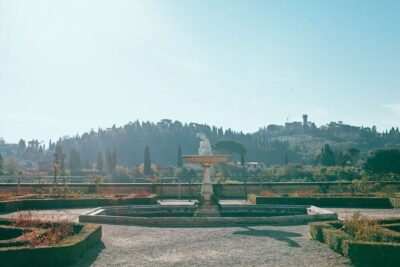

Museum Pass–David, Uffizi, Pitti Palace & Gardens
Read our review →
Timed Entry Ticket to Pitti Palace and Boboli Gardens in Florence
Read our review →

Browse the lists this tour appears in