
Review · VIENNA
Private Schönbrunn Palace and Gardens Tour
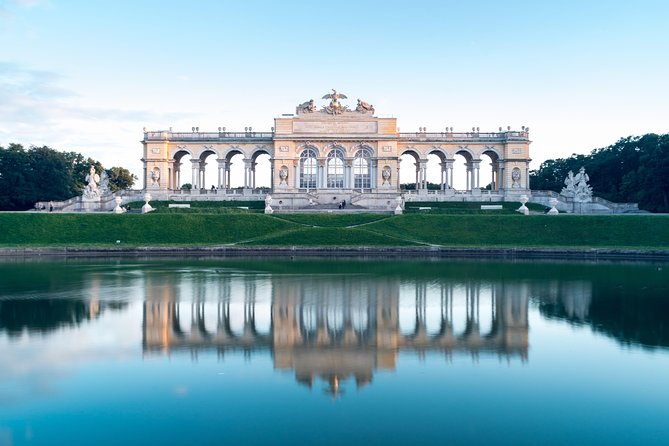
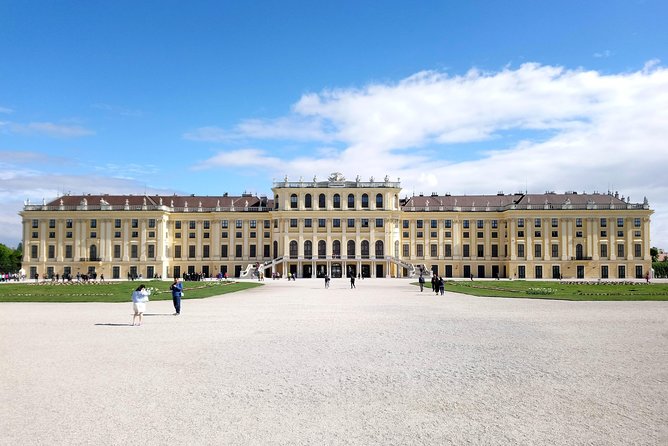
Schönbrunn is Vienna’s grandest imperial address, but its real pleasure lies in the contrast between the palace’s glittering rooms and the open sweep of its gardens. This private tour takes you from the Porcelain Room and Millions Room to the hilltop Gloriette, where the city’s wooded edge opens before you.
I like the personal format, especially for families or groups who want to ask questions rather than follow a fixed script. I also like the guides’ ability to adjust the tone: Jan focused on stories and highlights for one family, while Stefan and Katarina brought a more serious historical approach for guests who wanted detail.
The main drawback is cost. At $564.69 per group of up to 10, it can be good value for a full group, but palace and park tickets, food, drinks, and transport are extra. The three-hour schedule also requires punctuality, since late entry can be refused.
Key points to know before booking
- The Gloriette walk takes you above the palace: You get broad views toward Vienna’s woods and a useful introduction to Maria Theresa’s reign and military victories.
- The palace rooms are the main event: Expect the Franz-Joseph and Elisabeth Apartments, Hall of Ceremonies, Dining Room, Porcelain Room, and Millions Room.
- Private means flexible: Your guide can focus on art, court life, family stories, or simple highlights for younger members of the group.
- Guide quality is a major strength: Past guides named Jan, Katarina, Annelie, Stefan, Claudia, Biljana, Lena, Kristina, and Ilse received especially warm praise for clear storytelling and local help.
- Tickets are not included: You must pay separately for Schönbrunn Palace and Park admission, and you must arrive on time for the reserved palace slot.
- Plan for the price as a group purchase: The fee is fixed for up to 10 people, so the value improves sharply when shared by a larger party.
Why Schönbrunn works best with a private guide
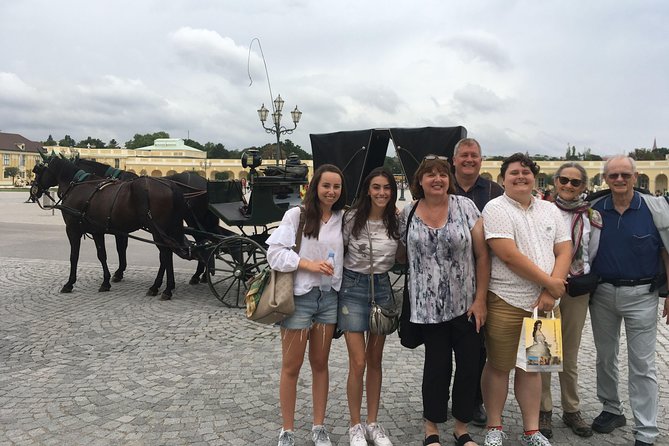
Schönbrunn was built to rival Versailles, but a quick walk through its rooms can leave you with little more than gold trim and a blur of imperial names. A private guide gives the building a human scale. You can stop to ask why a room was designed a certain way, how court life worked, or which Habsburg figures actually used the apartments.
That matters here because the palace is not simply a pretty collection of rooms. It was a working court, a ceremonial stage, a family home, and a political center. Maria Theresa made Schönbrunn a focus of imperial life during her reign from 1740 to 1780. The palace also reveals how the Habsburgs wanted power to look: formal, expensive, disciplined, and impossible to ignore.
The private setup is especially useful if your group has mixed interests. An art-minded adult may want details about Rococo decoration, while a teenager may respond better to stories about royal personalities, weddings, military victories, and daily life. The strongest guide accounts in the supplied material describe exactly this kind of adjustment. Jan shifted away from endless facts and figures for a tired family, while Katarina connected well with parents and young adults.
The tour is offered in English and is limited to your own group, with a maximum of 10 people. That gives you more room to shape the experience than a large public tour, though the quality will still depend on the particular guide assigned that day.
More Palace and Castle Gardens in Austria
- Vienna: Skip the Line Schönbrunn Palace and Gardens Guided Tour
★ 4.5 · 1,540 reviews - Vienna: Skip-the-Line Schönbrunn Palace and Gardens Tour
★ 4.8 · 1,089 reviews - Schönbrunn Palace and Gardens Tour
★ 5.0 · 120 reviews
Starting in the Schönbrunn Gardens
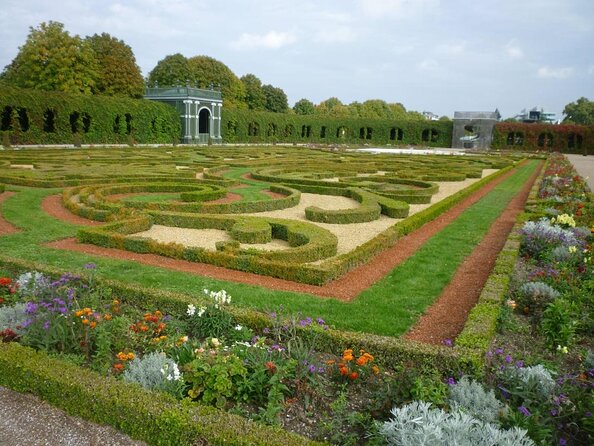
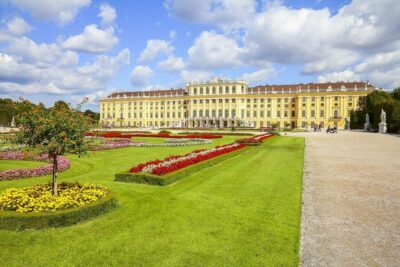
The tour begins outside the palace with a walk through the formal gardens. This is not filler before the indoor visit. The grounds explain how Schönbrunn was meant to be seen and understood.
Baroque design links nature, geometry, and power. Straight paths, clipped flowerbeds, architectural features, and long views turn the garden into an extension of the palace. You see the building below you, the paths guiding your eye, and the Gloriette placed high above as a final visual punctuation mark.
The garden portion lasts about 45 minutes. That is enough time to appreciate the layout and hear how Maria Theresa used Schönbrunn as the center of court life. It also gives your guide room to connect the palace to Austria’s military and political past rather than treating the visit as an isolated architectural stop.
One useful piece of context is that the park opened to the public in 1779. That decision helped present the imperial family as connected to its subjects, even while the palace remained a place of strict court ceremony. A good guide can turn this small fact into a larger explanation of how rulers managed public image.
The Gloriette and the view toward Vienna’s woods
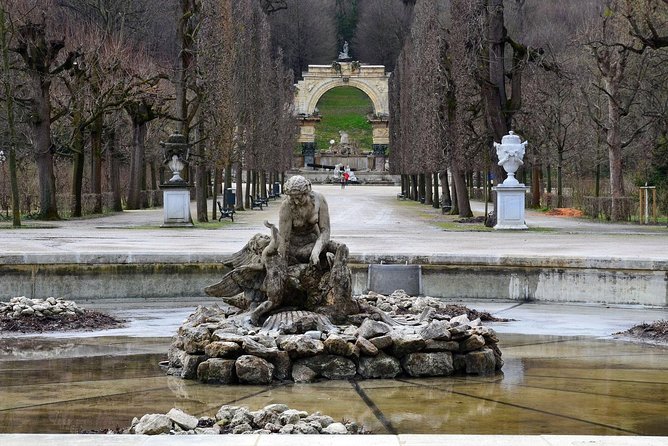
The Gloriette is a huge triumphal arch on the hill above the palace. Reaching it requires a walk uphill, but the payoff is the view back across the gardens and toward Vienna’s woods.
The structure also gives the guide a natural place to explain the military victories celebrated during Maria Theresa’s reign. The setting makes the point visually: the palace below represents court life, while the monument above suggests victory, authority, and public display.
Weather matters here. One party made the walk in the rain and still found the view worthwhile, but the gardens are exposed, and winter can be hard. Another group visited in temperatures of minus 5 degrees Celsius and found the cold tiring, particularly when the tour became too academic and lacked a planned coffee break.
Bring sensible shoes and clothing suited to the forecast. The tour description does not promise an indoor alternative to the garden walk, and the Gloriette section is a meaningful part of the experience rather than an optional photo stop.
Inside the palace: rooms built for ceremony
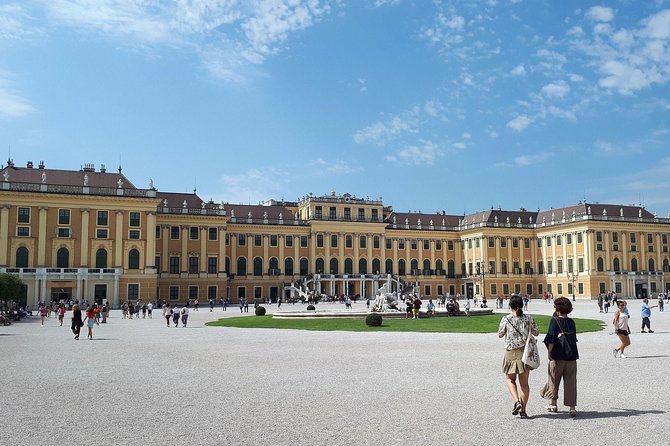
After the gardens, you enter Schönbrunn Palace for the indoor portion, which lasts about 1 hour and 15 minutes according to the stated itinerary. The rooms show the Habsburgs at their most formal and theatrical.
The Hall of Ceremonies hosted major Baroque events, including the wedding of Crown Prince Joseph. Scenes by court painter Martin van Meytens record the celebrations, giving you a visual sense of how royal weddings doubled as public statements of rank and dynasty.
The Dining Room shifts the focus to court routine and state hospitality. Precious tableware and the imperial napkins, folded in a fleur-de-lis form, point to the intense rules surrounding meals. A formal dinner was not simply a chance to eat. It was a performance in which seating, objects, clothing, and movement all communicated status.
This is where a guide adds real value. Without explanation, the rooms can blur together. With context, small objects become evidence of how the court functioned. Ask your guide to separate what was used every day from what existed mainly for ceremony, if that distinction comes up during your visit.
More Palace and Castle Gardens in Vienna
- Vienna: Carriage Ride Through Schönbrunn Palace Gardens
★ 4.6 · 96 reviews - Skip-the-line Schonbrunn Palace Rooms & Gardens Private Tour
★ 4.5 · 81 reviews - Vienna: Schönbrunn Palace Gardens Private Guided Tour
★ 4.9 · 28 reviews - Vienna: Schönbrunn Palace Gardens Private Guided Tour
★ 4.0 · 15 reviews
The Porcelain Room and Millions Room
The Porcelain Room was used as Maria Theresa’s office and is one of the tour’s most unusual stops. Its decoration imitates precious china, with Orientalist drawings made by the imperial children. The room combines luxury with something unexpectedly personal: young members of the family contributed to its design.
That detail helps balance the palace’s heavy ceremony. The Habsburgs were not only distant figures in portraits. They were also a large family living, working, studying, and entertaining inside these rooms.
The Rococo Millions Room is another highlight. Its name refers to the extraordinary price paid for it in gold ducats. The room’s decoration reflects the taste of a court that wanted rare materials and elaborate craftsmanship close at hand.
I would not expect a quiet, self-guided museum experience here. The appeal is the guide’s interpretation of why the rooms look as they do and what they say about imperial priorities. If your group prefers art and decoration, ask for time to examine the details. If children or tired adults are along, request the short version of each room’s story rather than a lecture on every object.
The Franz-Joseph and Elisabeth Apartments
The apartments associated with Franz Joseph and Elisabeth, often called Sisi, move the visit into a later chapter of the palace’s life. Their rooms help connect the building’s grand Maria Theresa period with the better-known nineteenth-century imperial family.
The supplied tour details do not promise every private room in the palace, so you should think of this as a guided visit to selected apartments rather than a complete survey of the entire complex. That is one reason to ask your guide what will receive the most attention during your time slot.
The best approach is to look for contrasts. Ceremonial rooms are designed to impress outsiders. Apartments tell you more about how rulers lived within the machinery of monarchy. A strong guide can help you read the difference between public image and private routine.
Several named guides received praise for bringing these figures to life with stories rather than only dates. Annelie was singled out for pointing out small details in the private rooms, while Ilse connected the palace interiors with the monarchs who lived there. Those are useful qualities to look for in a tour of a place this large.
What the guide style may be like
Guide quality is the biggest variable in any private tour, and this one has a clear pattern. The strongest guide experiences center on warmth, historical context, art knowledge, and the ability to read the group.
Stefan was described as highly engaging and able to make history feel immediate. Claudia was praised for arriving on time and explaining the Habsburg family’s lifestyle across the centuries. Biljana added both past and present-day Vienna to the palace visit, which is useful if you want the tour to connect with the rest of your stay.
Katarina appears particularly suited to groups who want both content and practical help. She explained the subway system on the way from a hotel, offered restaurant suggestions afterward, and kept young adults involved. Annelie also helped with maps and public transport, making her style useful for visitors still getting their bearings in Vienna.
There is one important caution. One dissatisfied group found the guide too dry, too focused on art, and not responsive enough to children aged 12 to 18. The tour ended early after the group needed a coffee break in very cold weather. This is not a reason to reject the experience, but it is a reason to be direct at the start. Tell your guide whether you want imperial gossip, political history, art, family stories, or a brisk highlight tour.
Price, tickets, and the value for your group
The price is $564.69 per group of up to 10 people. That fee covers the private guide, but not Schönbrunn Palace and Park tickets, food, drinks, or hotel pickup and drop-off.
For two people, the price is a serious splurge. For six to ten people, the math becomes more appealing because you are buying a private experience rather than paying a separate premium for each person. The value is strongest if your group cares about questions, a tailored pace, and help with the palace’s complicated family and political story.
You should also budget for the separate admission tickets. The tour cannot simply absorb a late arrival because palace entry is assigned to a reserved time slot. Arrive early, find the Group Centre building across from the main entrance, and leave extra time for locating the meeting point.
Hotel or holiday-flat pickup can be arranged in the sense that your guide can meet you and help you reach Schönbrunn by Vienna’s public transport. Your metro tickets are not included. Otherwise, meet at the Schönbrunn Arrival Centre at Schönbrunner Schloßstrasse 50, in front of the Group Centre Building.
Who will get the most from this tour
I would choose this tour for a family group, several couples traveling together, or anyone who wants a serious look at Schönbrunn without being tied to a large group. It also suits people who want practical Vienna advice folded into the visit.
It is a good match for history fans, especially those interested in Maria Theresa, court ceremony, the Habsburg dynasty, and the imperial household. Art lovers should also enjoy the Rococo rooms and unusual Porcelain Room.
Families should set expectations before the tour begins. Three hours is a long stretch if every room receives a dense explanation, especially in poor weather. Ask for stories and highlights if younger members are losing interest. The private format gives you a chance to do this, but you need to say so.
I would be less enthusiastic for a couple on a tight budget who is happy with an audio guide and a self-guided garden walk. The private fee, separate tickets, and transport costs add up. The advantage is not simply entry. It is the chance to have a specialist shape the visit around your questions.
Timing, meeting point, and cancellation details
The experience lasts about three hours, with roughly 45 minutes in the gardens and 1 hour 15 minutes in the palace listed in the itinerary. The remaining time allows for moving between sections, meeting, and guide commentary, but you should not treat the schedule as permission to arrive late.
Confirmation is sent within 48 hours of booking, subject to availability. The tour is near public transportation, and most people can participate. Free cancellation is available up to 24 hours before the start time. Cancellations or changes made less than 24 hours before the start are not accepted for a refund.
The tour is generally booked well ahead, with an average booking lead time of about 55 days. That does not guarantee a particular guide, but it does suggest that popular dates can require planning.
Should you book the Schönbrunn private tour?
Book it if you are sharing the cost with a group, want a guide who can adapt to your interests, or find imperial history more rewarding when it is explained through people and stories. The gardens, Gloriette, Porcelain Room, Millions Room, and ceremonial halls create a strong three-hour route.
Think twice if you want the lowest-cost visit, need a relaxed schedule with built-in breaks, or prefer to explore silently at your own pace. Tell your guide at the beginning how much detail you want, arrive early, and plan separately for tickets, transport, and refreshments.
For a well-prepared group of up to 10, this is a practical way to make sense of Schönbrunn’s scale. The private format and consistently strong guide feedback make the price easier to justify, but only when you use the flexibility it provides.
FAQ
How long is the Schönbrunn private tour?
The tour lasts approximately three hours.
What does the tour include?
The tour includes a private guide and visits to the Schönbrunn Gardens and Palace.
Are palace and park tickets included?
No. Schönbrunn Palace and Park admission tickets are not included in the tour price.
Is hotel pickup included?
Hotel pickup and drop-off are not included. Your guide can meet you at your hotel or holiday flat and help you reach Schönbrunn by public transport.
Where can I meet the guide?
You can meet at the Schönbrunn Arrival Centre at Schönbrunner Schloßstrasse 50, in front of the Group Centre Building across from the palace entrance.
Is public transport included?
No. Metro tickets are not included, though the guide can help you purchase them.
How many people can join?
The tour is private and allows a maximum of 10 people per booking.
Is the tour offered in English?
Yes. The tour is offered in English.
What happens if I arrive late?
You must arrive on time for the reserved palace entry slot. Schönbrunn can refuse late entry, so allow extra time to find the Group Centre and meeting point.
Can I cancel for a full refund?
Yes. You can cancel at least 24 hours before the experience start time for a full refund. Changes or cancellations made less than 24 hours before the start are not accepted.
Just added around Vienna
- Vienna Private Schönbrunn Palace Tour, Extra Rooms and Gardens★ 5.0 · 3 reviews
- Vienna: Skip-the-Line Ticket to Sisi Museum, Hofburg and Gardens★ 3.0 · 55 reviews
- Vienna Skip-The-Line to Hofburg Palace, Sisi Museum and Gardens★ 3.5 · 18 reviews
- Vienna: Schönbrunn Palace Gardens Private Guided Tour★ 4.0 · 15 reviews
- Skip the Line Empress Sisi Museum, Hofburg and Gardens Tour★ 4.5 · 32 reviews
- Skip-the-Line Empress Sisi Museum, Hofburg & Gardens Tour★ 4.5 · 19 reviews
- Belvedere Palace and Garden Guided Tour★ 4.0 · 4 reviews
- Schönbrunn Palace and Garden Tour★ 3.0 · 3 reviews
Vienna Garden Tours, compared.
Schönbrunn Palace & Gardens Skip-the-Line Tour
Read our review →
Skip-the-Line Schönbrunn Palace & Gardens Tour
Read our review →
Skip the Line Schönbrunn Palace and Gardens Guided Tour
Read our review →
Schönbrunn Palace & Garden Skip-the-Line Guided Tour
Read our review →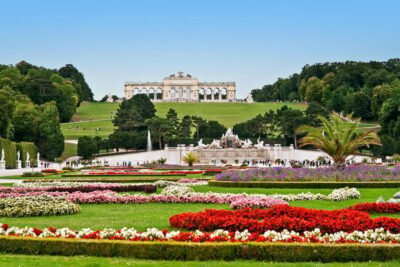
Skip-the-Line Schönbrunn Palace and Gardens Tour
Read our review →
Skip-the-Line Sisi Museum, Hofburg and Gardens Tour Vienna
Read our review →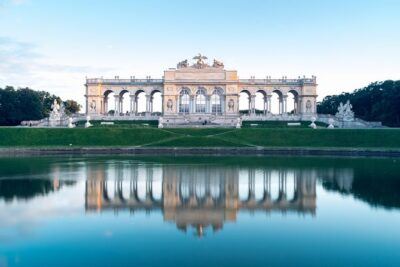
Browse the lists this tour appears in