
Review · FRANCE
Flowers picking and essential oil distillation workshop
The best part of this Provence experience is that you do not just look at lavender fields, you harvest the flowers yourself and then follow them into the still. Farmer Gaël teaches you the proper way to use a traditional picker’s sickle, then the distillery team shows how steam turns fresh plants into essential oil and floral water.
I like the direct link between field and finished product. I also like the modest price, $34, which includes the walk, the practical instruction, the distillery visit, and two small bottles to take home. The main drawback is that the experience requires a car or a 30-minute walk from the nearest bus stop, and children under 10 cannot join.
Key points at a glance
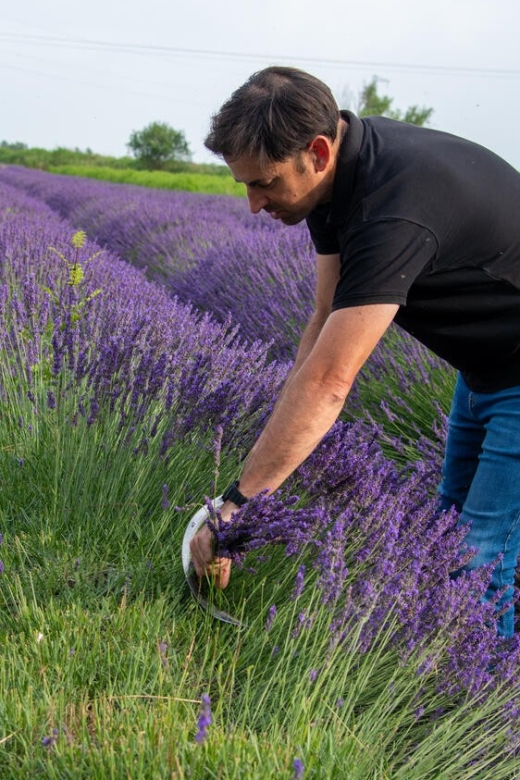
- Cut lavender with a traditional sickle: Learn the old harvesting gesture directly in the field with Gaël, the farmer.
- See your plants enter the still: Help compact the lavender before steam extraction begins.
- Take home two useful souvenirs: Your own organic essential oil and hydrolate, also called floral water.
- Connect farming with everyday products: Learn how organic aromatic plants are used in food, cosmetics, and health products.
- Plan for a rural location: The distillery is 15 minutes from Arles and 20 minutes from Nîmes by car.
- Expect a hands-on 2.5 hours: This is an activity, not simply a walk through the fields.
From lavender field to finished bottle
Many Provence lavender visits stop at photographs. This one asks you to handle the plant, cut it, pack it into a steam still, and watch the extraction process. That simple chain gives the experience more purpose than a standard field stroll.
You begin with a walk through the lavender fields. The guide explains how aromatic plants are cultivated in Provence and points out the characteristics of the lavender flower. The information is practical rather than purely decorative, since it prepares you to harvest the plant correctly.
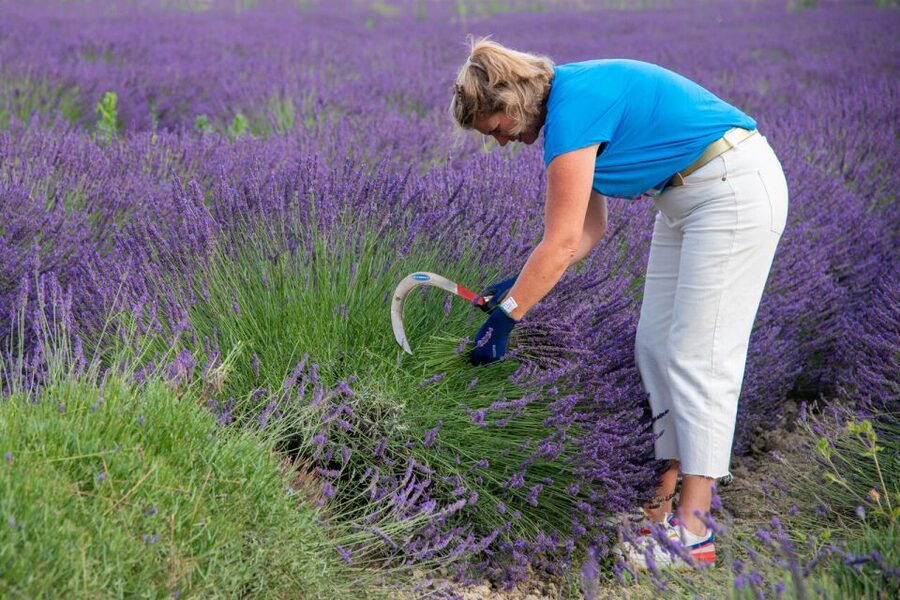
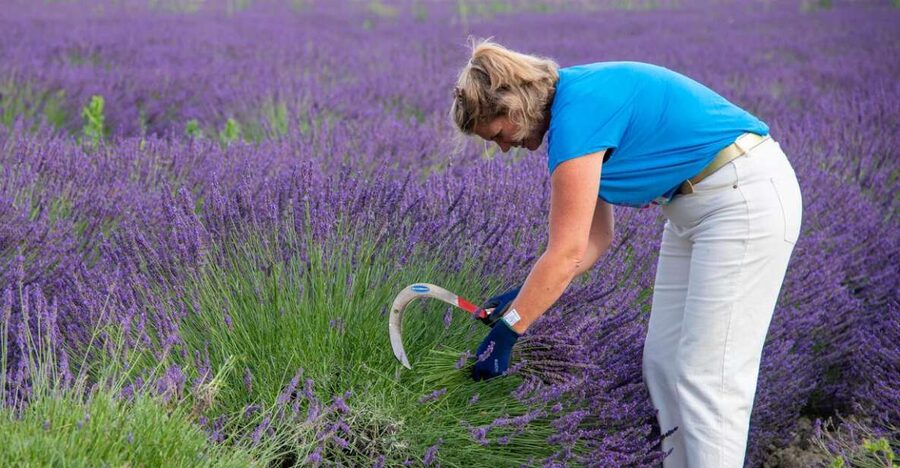
The field portion is led by Gaël, the farmer. You receive one of the traditional picker’s knives, described as a sickle, and learn how to cut the flowers. That small lesson matters. Lavender harvesting has a particular rhythm, and using the tool properly makes the activity feel like farm work rather than a photo opportunity.
You should expect to participate, not simply watch. If you prefer a quiet sightseeing stop, this may feel more active than expected. If you like learning by doing, the field is likely to be the most memorable part.
The exact starting time depends on availability, so check the schedule before you commit to other plans in Arles or Nîmes. The full activity lasts about two and a half hours, long enough to cover both the harvest and distillation without taking up an entire day.
A few more garden visits around France worth a look
- Lavender Harvesting and Distillation Workshop in Bellegarde
★ 5.0 · 20 reviews - Paris 1e: Botanical scented Candle Making Workshop
★ 5.0 · 5 reviews - Paris: Preserved Flower Arrangement Workshop
★ 5.0 · 3 reviews
Learning the work behind Provence lavender
Lavender is often sold as a scent or souvenir, but this workshop explains the work behind those products. You see the plant first as a crop, then as raw material, and finally as oil and floral water.
That connection is useful if you are curious about Provence agriculture or natural products. The guide covers cultivation and the qualities of lavender, while the distillery portion explains why the plant must be prepared before extraction.
The activity also introduces other organic plants and their uses in food, cosmetics, and health products. The available information does not promise a full laboratory-style lesson, so you should expect an accessible working introduction rather than a technical certification course.
The experience is offered in French and English. That makes the activity easier to follow for international visitors, especially during the tool demonstration and still operation. If you want to ask detailed questions about cultivation or distillation, English support is available, though the level of individual attention can depend on the group.
Packing the flowers into the steam still
After the field walk, you move to the artisanal distillery. Here, the flowers become part of the extraction process.
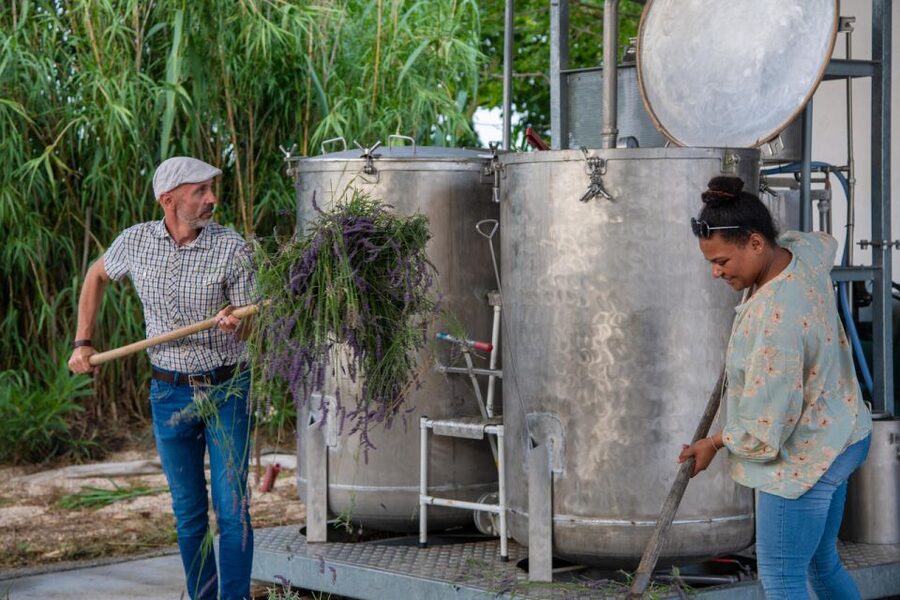
One of the most unusual moments is helping compact the plants inside the still. The instructions describe this in playful terms, asking you to jump with the group in the still to press down the flowers. The point is practical: the plant material needs to be packed so the steam can pass through it properly.
This hands-on step helps explain the mechanics of distillation better than a short talk would. You can see that essential oil production is not simply a matter of squeezing flowers. Steam moves through the plant material, carries the aromatic compounds, and allows the oil and floral water to be collected.
The setup is artisanal, so this is not a polished museum display. That is part of its appeal, but it also means the floor and equipment may be functional rather than sleek. Wear comfortable shoes and expect to take part in a working environment.
You will also learn how to place the plants into the vessel before extraction. The supplied information calls this putting the plants to the vase, meaning the plant material is loaded into the still for processing.
Extracting your own essential oil and hydrolate
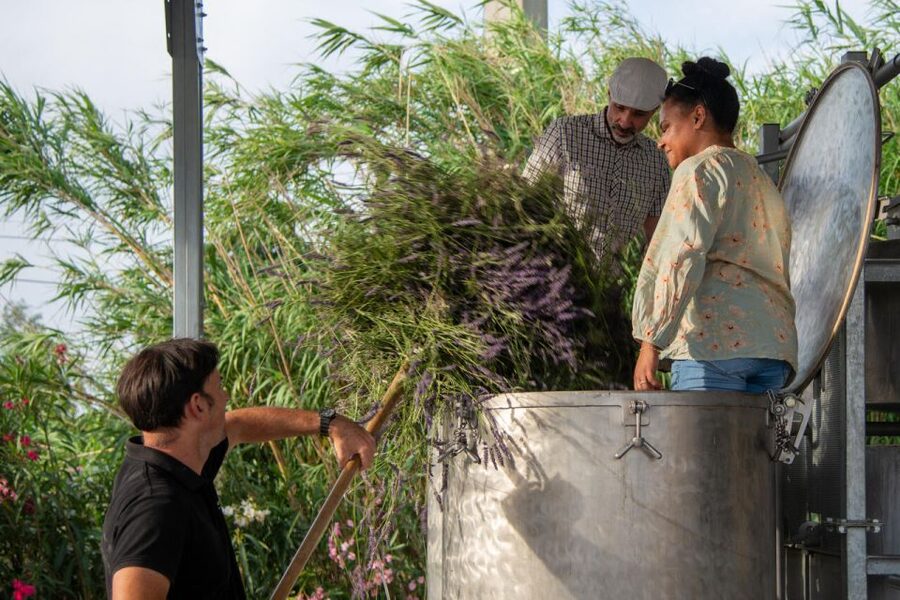
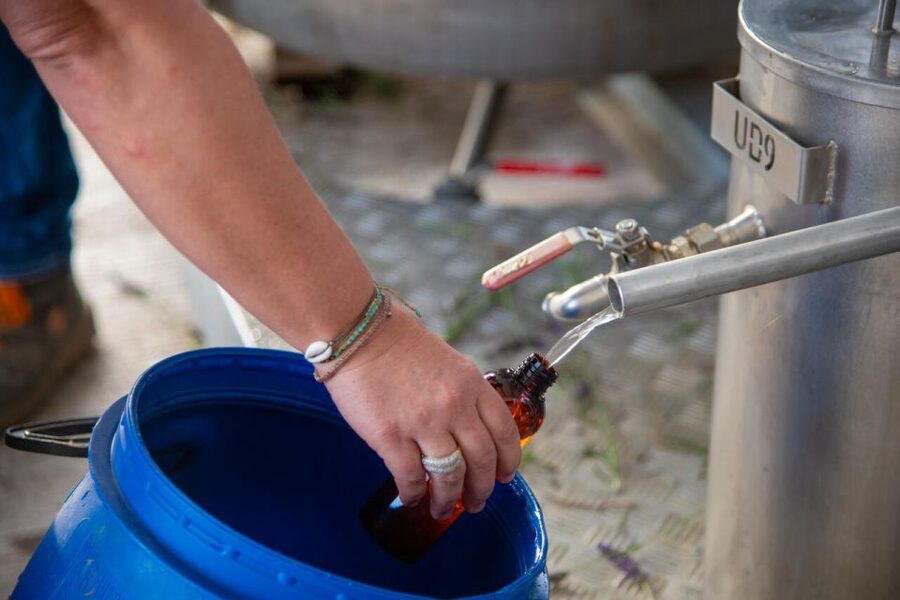
The workshop’s main reward comes at the end, when you extract your own organic essential oil and hydrolate. Hydrolate is the floral water produced alongside the oil during steam distillation.
You do not simply receive a prefilled shop bottle. The process is presented as your own extraction, which gives the souvenir a clear connection to the work you completed in the field and distillery.
The essential oil is concentrated and strongly scented, while the hydrolate is the water-based product from the same process. The activity introduces the perfumes and uses of organic plants, including applications in food, cosmetics, and health products.
You should still treat any oil as a product to use carefully and according to its label. The workshop provides an introduction to uses, but the available information does not specify individual medical advice, dilution instructions, or a list of permitted uses for every plant.
The bottles are small, personal souvenirs rather than a large supply of Provence products. That is a good fit if you want something connected to the place without buying a basket of standard gifts.
Same place, a different kind of green day out:
- Paris: Versailles Palace and Gardens Full Access Ticket
★ 4.6 · 41,579 reviews - Versailles: Skip-the-Line Tour of Palace and Gardens Access
★ 4.7 · 10,429 reviews - From Paris: Versailles Palace & Gardens with Transportation
★ 4.6 · 6,222 reviews - From Paris: Versailles Palace Guided Tour & Gardens Access
★ 4.7 · 3,574 reviews
What the $34 price really includes
At $34 per person, this experience offers good value if you want a practical activity rather than a simple field visit. The price covers the lavender walk, use of a traditional picker’s knife, instruction in the field, a guided distillery visit, the extraction lesson, and your own essential oil and hydrolate.
The take-home bottles give the cost extra weight. You are paying for access to a working process and materials, not only for an explanation. A conventional museum visit might cost less, but it would not give you the same physical connection to harvesting and distillation.
The price does not include transportation to the distillery. That is the main budget point to plan around. If you have a car, the location is about 15 minutes from Arles and 20 minutes from Nîmes, making it a manageable addition to a day in either city.
The public transport option is possible but less convenient. Bus line Lio number 130 leaves from the Arles bus station, travels toward Nîmes, and stops in Bellegarde at the Magnolias stop. From there, it is a 30-minute walk to the MAS, and the stated bus fare is €1.50.
That route may suit an independent visitor with time and good walking ability. It is less attractive if you are carrying luggage, dealing with strong heat, or trying to fit several appointments into one day.
Timing, comfort, and practical planning
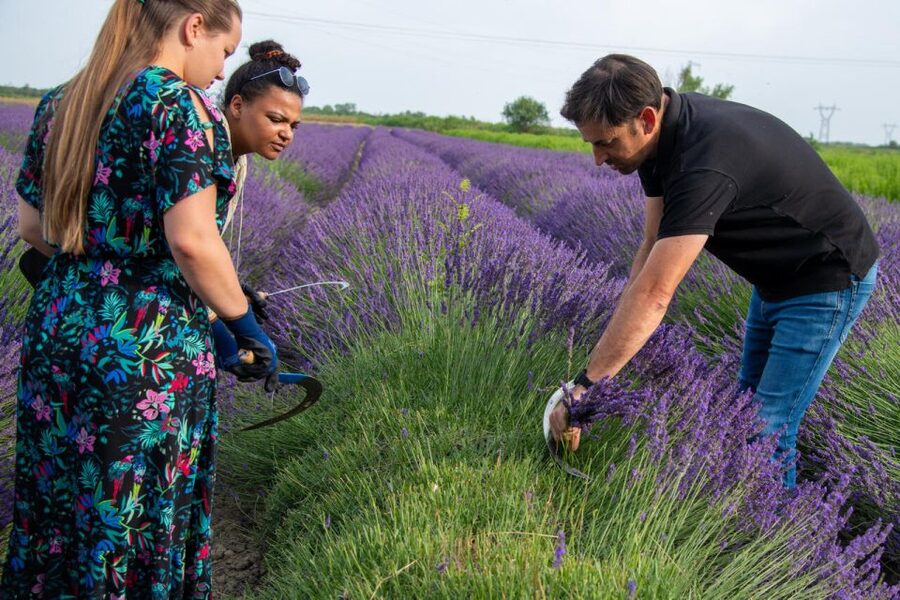
The workshop lasts 2.5 hours, but you should allow extra time for getting to the distillery and returning to Arles or Nîmes. The starting time is selected from the available schedule, so do not assume that every morning or afternoon slot will be offered.
Bring sunscreen. The field portion puts you outdoors, and Provence sun can make a short walk feel much longer if you arrive without protection.
Comfortable shoes are also important. You will walk through the fields, handle harvesting equipment, and take part in the distillery activity. Sandals or fashionable shoes may be less useful than sturdy footwear.
The experience is not suitable for children under 10. For older children and teenagers, the hands-on format may be more engaging than a standard guided visit, but the activity still requires attention around tools and distillery equipment.
A small practical extra may be available during the visit: a bottle of water and a piece of cake have been provided during the tour. Since this detail is not listed as a formal inclusion, I would treat it as a pleasant possibility rather than something to depend on when planning food and drinks.
How this compares with a standard lavender stop
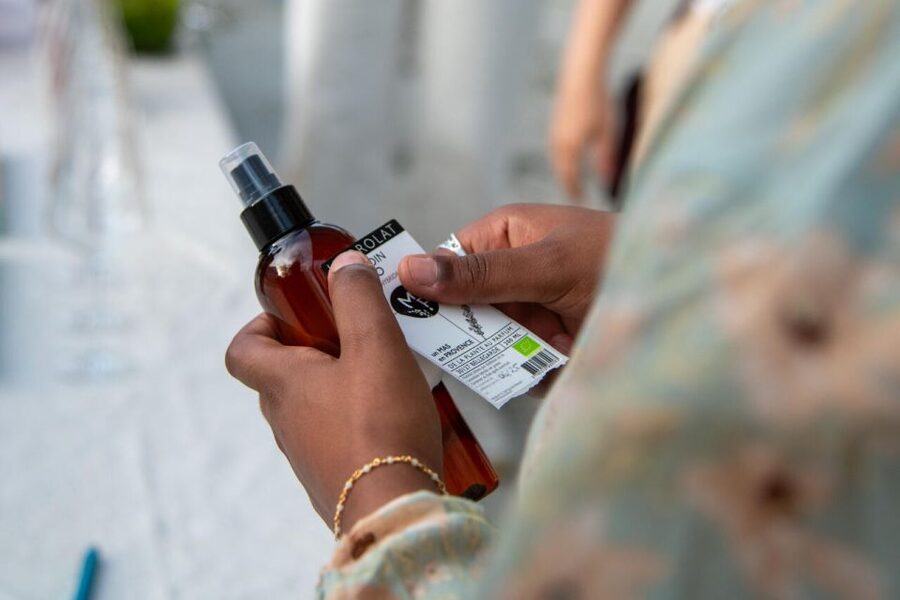
A typical lavender stop gives you time for photographs and perhaps a shop visit. This workshop goes further by explaining cultivation, harvesting, steam distillation, and the uses of the finished products.
I would choose this activity if you want to understand how a Provence scent is made. The field is not just a backdrop, and the distillery is not just a display room. Each part answers the next question: where the plant comes from, how it is cut, how it is prepared, and how its aroma is collected.
The tradeoff is that the experience is less flexible than a quick roadside stop. You must follow the scheduled start, spend 2.5 hours on the activity, and reach a location outside the city centers. You also need to be comfortable with an active, participatory format.
For a first visit to Provence, the workshop can add useful context to the many lavender products found in local shops. Instead of buying oil without knowing how it is made, you learn the basic process from the field onward.
Who will enjoy this workshop most
I would recommend this for adults, older children, and anyone interested in farming, natural products, or hands-on craft. It suits people who prefer a small activity with a clear result at the end.
It is also a good choice for visitors staying in Arles or Nîmes who have access to a car. The short drive makes it easy to pair with other sightseeing, provided the available starting time fits your day.
Couples and friends may enjoy the shared work in the still, especially if they like taking home a souvenir with a story behind it. The two bottles are compact and practical, and the connection to your own harvesting makes them more meaningful than a generic gift-shop purchase.
I would think twice if you want a purely relaxed outing, have limited mobility for walking through a field, or dislike strong outdoor sun. The provided information does not describe accessibility arrangements, so you should ask the provider directly if that is important for you.
Booking flexibility near Arles and Nîmes
The booking terms are useful for uncertain travel plans. You can reserve now and pay later, so you do not have to pay at the time of booking. Free cancellation is available up to 24 hours before the activity for a full refund.
That flexibility helps if your Provence schedule depends on weather, car hire, or changing plans between Arles and Nîmes. Still, I would not leave it until the last minute if you need a particular starting time, since the schedule depends on availability.
The activity is provided by un MAS en PROVENCE. The guide language options are French and English, and the setting is close enough to Arles and Nîmes for a half-day outing.
Should you book it?
Book this workshop if you want more than a photograph among the lavender. For $34, you get a field lesson, a real harvesting task, an introduction to steam distillation, and your own organic essential oil and hydrolate.
Skip it if transportation to Bellegarde is awkward, if you want a very short stop, or if you are looking for a polished indoor attraction. For the right visitor, this is a hands-on way to understand one of Provence’s best-known plants from soil to bottle.
FAQ
How long does the lavender and distillation workshop last?
The activity lasts 2.5 hours. Starting times vary, so check availability when booking.
How much does the workshop cost?
The price is $34 per person.
What languages are available?
The live tour guide is available in French and English.
What do I take home?
You take home your own extracted bottle of organic essential oil and a bottle of hydrolate, also called floral water.
Is transportation included?
Transportation is not listed as an inclusion. The distillery is about 15 minutes from Arles and 20 minutes from Nîmes by car.
Can I reach the distillery by bus?
Yes. Lio bus line 130 leaves from the Arles bus station and stops in Bellegarde at Magnolias. From the stop, it is a 30-minute walk to the MAS, and the stated fare is €1.50.
Is the workshop suitable for young children?
No. The activity is not suitable for children under 10.
Just added around France
- Skip-the-Line Guided Tour and Gardens Entry in Versailles Palace★ 3.5 · 3 reviews
- Versailles Palace Guided Experience and Gardens Entry 10 PPL Max★ 5.0 · 42 reviews
- Versailles Palace & Gardens Audio Tour – Private Transportation★ 4.5 · 11 reviews
- Versailles Palace and Gardens Tour★ 4.5 · 44 reviews
- Versailles: Farmers Market & Royal Vegetable Garden Food Tour★ 5.0 · 11 reviews
- Versailles Gardens Walking Tour with Audioguide (no tickets)★ 3.0 · 6 reviews
- Versailles Golf Cart & Shuttle Guided Tour, Hamlet and Gardens★ 4.5 · 13 reviews
- Palace of Versailles Entry ticket with Musical Gardens & Estate★ 3.5 · 55 reviews
France Garden Tours, compared.

Versailles Palace and Gardens Full Access Ticket
Read our review →
Skip-the-Line Tour of Palace and Gardens Access
Read our review →
Versailles Palace & Gardens with Transportation
Read our review →
Versailles Palace Guided Tour & Gardens Access
Read our review →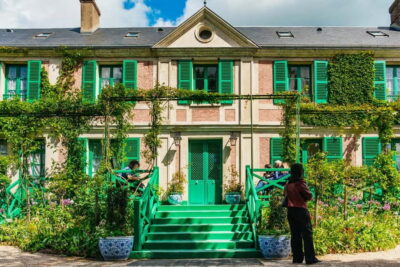
Giverny, Monet’s Home & Gardens Half-Day Trip
Read our review →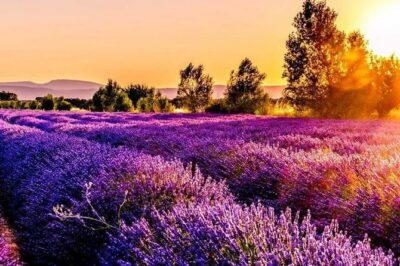
Gorges of Verdon and Fields of Lavender Tour
Read our review →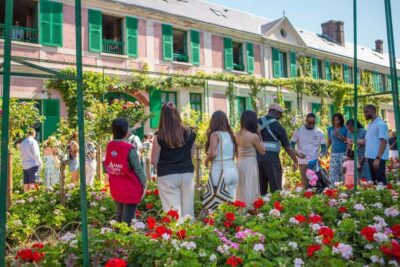
Giverny Day Trip with Audio Guide or Live Guide
Read our review →
Versailles Full Day Bike Tour with Palace, Gardens, & Picnic
Read our review →Browse the lists this tour appears in