
Review · UK
London: Kew Gardens Admission Ticket
The most surprising thing about Kew Gardens is its scale. This is not a quick stroll around a flower garden, but a 326-acre day out with rainforests under glass, royal rooms, art, ancient trees, and a treetop walkway. I especially like the Palm House for its tropical heat and the Hive, a striking 17-meter structure that recreates the sound and feel of a bee colony.
I also like that the ticket lets you explore at your own pace, with free walking tours at least twice daily when available. The main drawback is simple: Kew is large, and the admission price is only good value if you plan to stay for several hours. Food costs extra and can be expensive, while the Explorer train also requires a separate ticket.
Key points at a glance
- 326 acres to explore: Plan on at least half a day, and ideally a full day, if you want the major glasshouses, palace, art galleries, and outdoor gardens.
- Tropical plants in the Palm House: Expect warm, humid air and exotic planting that feels far removed from London.
- The Hive at 17 meters: This sculptural bee installation uses 170,000 aluminum parts and 1,000 LED lights to mimic a working hive.
- A treetop walk 18 meters high: You get a different view of the gardens, though access may be harder for some visitors with limited mobility.
- Kew Palace and Georgian kitchens: The royal retreat adds rooms, domestic detail, and history to what could otherwise be only a botanical visit.
- Food and transport cost extra: Cafés, restaurants, and afternoon tea are available, but the Explorer train is not included.
Why Kew Gardens needs a full day
Kew works best when you stop treating it as one attraction and see it as several visits joined together. You can spend an hour in the glasshouses, another hour walking among old trees, then add Kew Palace, the art galleries, The Hive, and the treetop walkway.
I would allow a full day if you want to see the main highlights without rushing. Four to six hours is enough for a strong first visit, but even careful planning may leave parts unexplored. The gardens are spread out, so you will walk a great deal. That is part of the pleasure, but it matters if you have tired feet or want a gentle afternoon.
A map and seasonal highlights guide are included. Use them at the entrance, then choose two or three priorities before setting off. If you try to see everything in a fixed order, you may spend too much time crossing the grounds.
Kew is about 30 minutes from central London by Underground or Overground train. The closest entrance to Kew station is Victoria Gate on Kew Road. You can arrive at any entrance, but Victoria Gate is the practical choice if you are coming by train.
More Garden Tickets in the UK:
- Kew Gardens Entrance Ticket
★ 4.0 · 1,055 reviews - The Alnwick Garden: Entry Ticket
★ 4.3 · 241 reviews - Birmingham: Winterbourne House and Garden Admission Ticket
★ 4.7 · 199 reviews
The glasshouses: London gets a tropical makeover
The glasshouses are the heart of the visit. They keep the experience worthwhile in cooler or wetter weather, and they show plants in conditions that London could never provide outdoors.
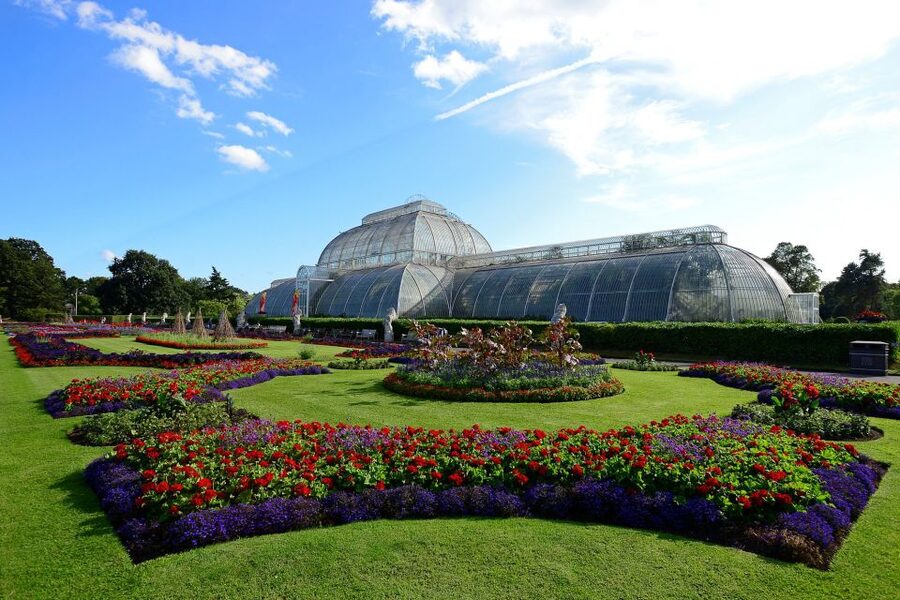
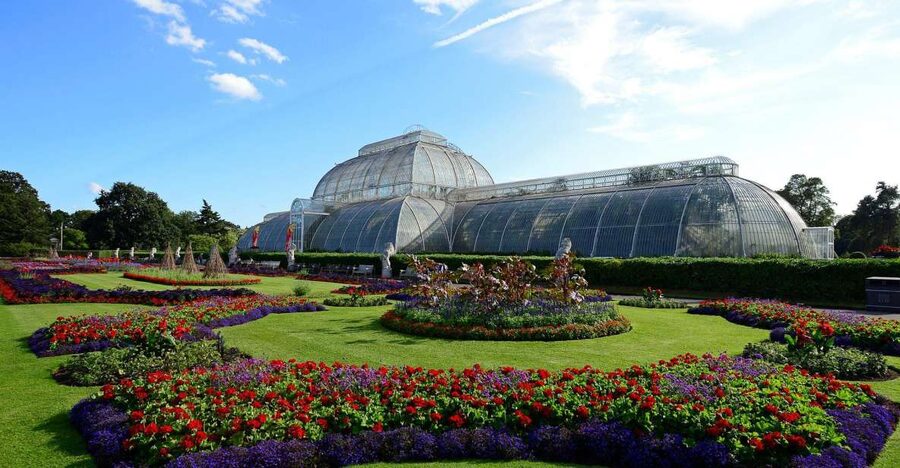
Begin with the Palm House, where a warm rainforest climate surrounds you with tropical plants. The change from a London street to humid indoor air is immediate. It is an especially good stop when the weather outside is poor, though the heat can feel strong on a hot summer day.
The Princess of Wales Conservatory takes you through 10 climate zones. That makes it more than a single tropical display. You move between different plant environments, with varied temperatures and planting styles. Give yourself time here instead of treating it as a passage to the next attraction.
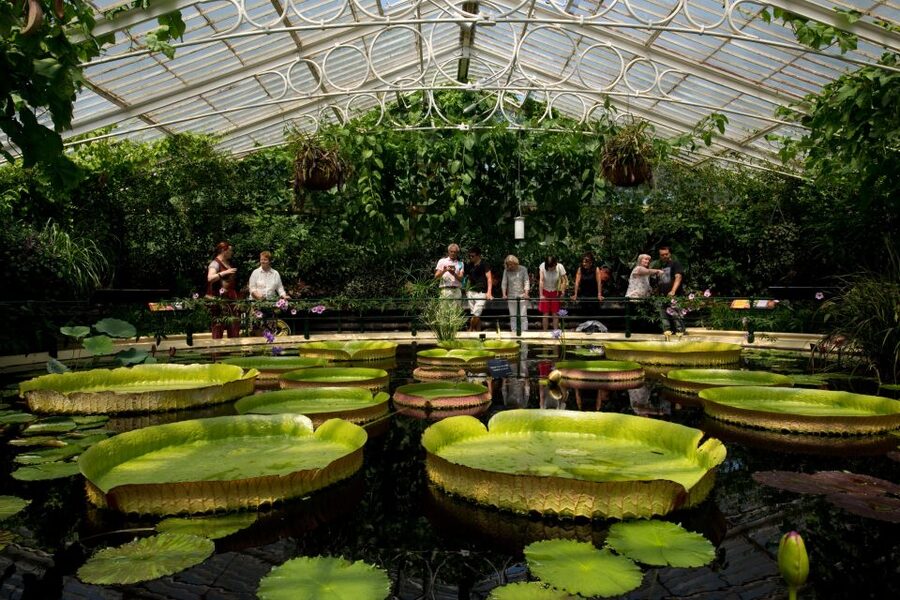
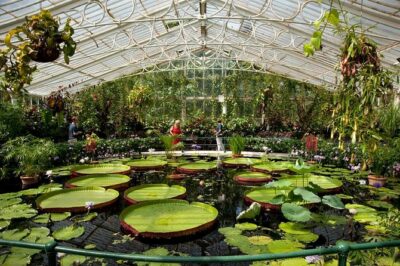
The Waterlily House is smaller, but it delivers one of Kew’s clearest visual moments. Giant lily pads float in the pools, with koi adding movement below the surface. It is a good place for photographs, and the scale of the pads gives children something easy to spot and remember.
Kew’s glasshouses are also useful for visitors who do not want an outdoor-only day. You can build your visit around indoor stops and use the paths between them as short walks. Some facilities and displays may close or change with the season, so check what is open when you arrive.
Kew Palace and the Georgian Royal Kitchens
Kew Palace gives the gardens a human side. Rather than presenting an enormous royal residence, it offers a smaller retreat with bedrooms used by princesses, an intimate dining room, and restored Georgian Royal Kitchens.
I like this part of the visit because it is compact and domestic. You get a sense of rooms used for daily life, not only grand public ceremony. The kitchens add practical detail and help explain how a royal household functioned.
Kew Palace is closed during winter, so do not build your entire plan around it during the colder months. If it is open, visit early or check its hours when you enter. The ticket includes access, but the palace is only one part of a much larger site.
The palace has an elevator for upper floors, and Kew Gardens is described as fully wheelchair accessible. The grounds are extensive, however, so accessible does not mean effortless. Distances between attractions can be long, and some routes may require more planning than others.
The Hive, where bees become the main event
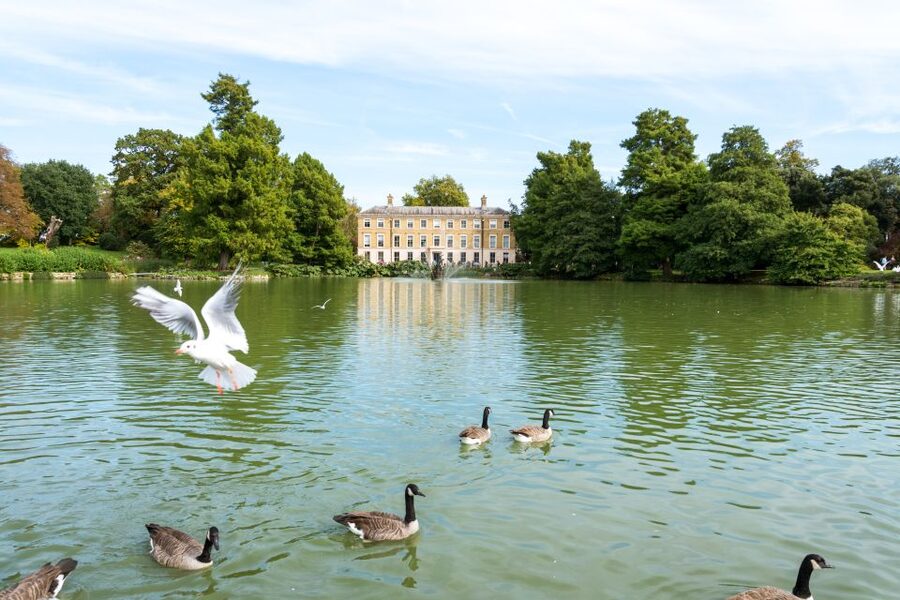
The Hive is one of Kew’s most distinctive features. The 17-meter structure is made from 170,000 aluminum parts and 1,000 LED lights, and it uses visual and sound effects to suggest the activity of a real beehive.
This is not simply a large sculpture to photograph. The installation explains the extraordinary life of bees and their importance to the health of the planet. It gives the gardens a strong educational focus without feeling like a conventional museum display.
I would make time for The Hive even if you are mainly visiting for plants. It provides a welcome change after several glasshouses and garden paths, and its design makes the subject easy to grasp. The sound and lighting are part of the experience, so it is worth staying for more than a quick look.
Its setting also works well for families. Younger visitors get a large structure and sensory experience, while adults can take away a better understanding of pollination and the role bees play in healthy plant life.
A few more garden visits around the UK worth a look
- The Kensington Palace Gardens Royal High Tea
★ 4.5 · 934 reviews - London: Kensington Palace Gardens Tour with Royal High Tea
★ 4.6 · 325 reviews - London: Sky Garden Early Access with Pastry and Hot Drink
★ 3.9 · 242 reviews - Skip the Line: House and Garden Admission Ticket
★ 4.5 · 122 reviews
The treetop walkway and 14,000 trees
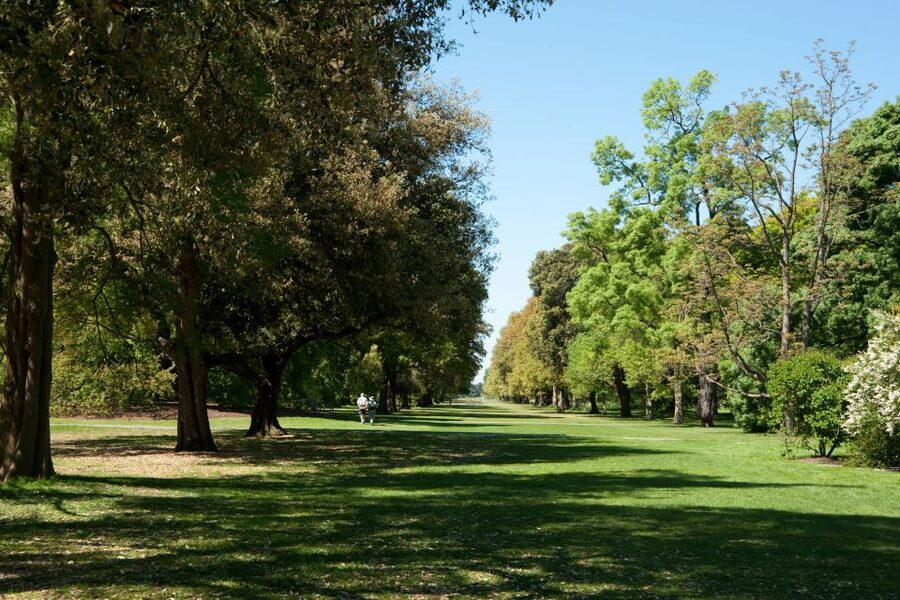
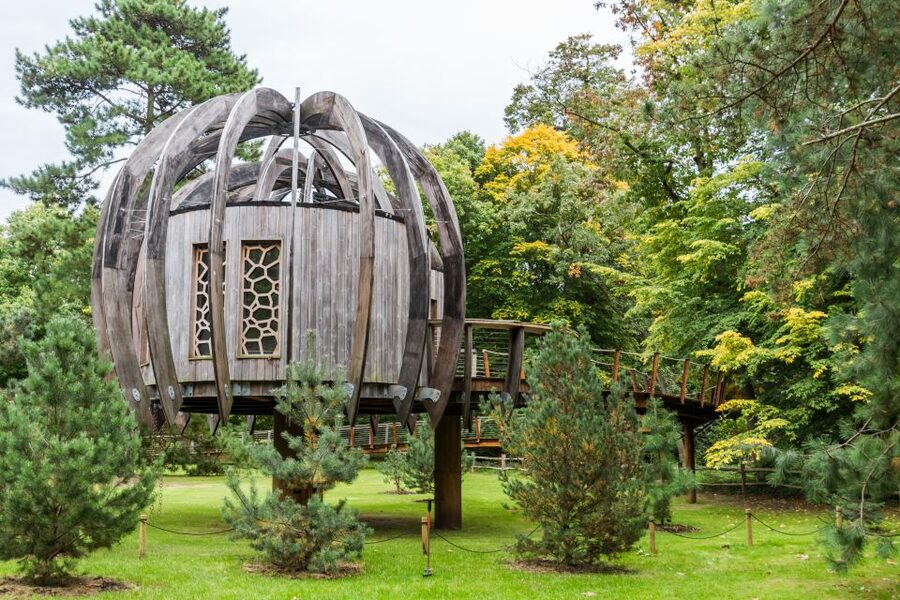
The treetop walkway rises 18 meters above the ground and gives you a higher view across Kew. It is a good counterpoint to the close-up plant displays in the glasshouses. Here, you see the shape of the gardens from above and get a better feel for the size of the site.
The walk is not necessarily the easiest part of the visit for everyone. One recent visitor found access challenging for people with limited movement, so ask staff about the current route if you have mobility concerns. Kew describes the gardens as wheelchair accessible, but the treetop experience may still require extra thought.
The Arboretum is where Kew feels most spacious. Its collection includes more than 14,000 trees, and the paths allow you to slow down after the busier indoor sights. You will not see every tree in one visit, nor should you try. Pick a section, walk at a comfortable pace, and use the labels to understand what you are seeing.
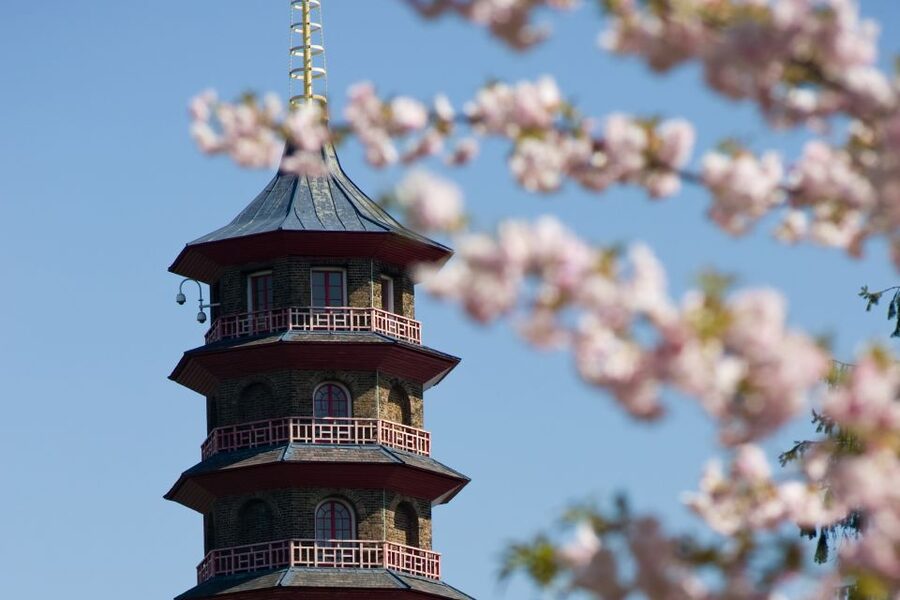
The outdoor gardens also include flowering areas, unusual shrubs, historic trees, sculptures, a lake, and a tall pagoda that makes a strong photo stop. The appeal changes with the season, which is one reason a return visit can feel quite different from the first.
Art galleries, seasonal displays, and changing details

Your ticket includes three art galleries. These add a cultural layer to the gardens and give you an indoor break from walking. Exhibitions change, so the exact content depends on your date.
Past displays have included sculpture and plant-related exhibitions. The gardens make a natural setting for outdoor art, and sculptures can appear as unexpected discoveries along the paths. Check the seasonal guide when you arrive so you do not miss a temporary display.
Season matters at Kew. Orchid festivals and other plant exhibitions can be major attractions, but timing matters if you want to see a particular display. A winter visit may offer fewer outdoor flowers, while a spring or summer visit gives you more color but can also bring heat and stronger sun.
I would not choose a date only for one exhibition unless you confirm its opening times. Kew remains worthwhile without a particular show, but a missed seasonal display can be disappointing if it was your main reason for visiting.
Food, picnics, and the cost of staying all day

Cafés and restaurants serve hot meals, snacks, and classic afternoon teas. Food and drinks are not included in the admission price. The quality and value can vary by outlet, and several people found the food inside expensive. Some cafés can also become busy at peak times.
You have picnic areas, which makes bringing your own food a sensible way to control the cost. If you need gluten-free food, plan carefully because availability may be limited. Local bakeries, pubs, and eateries near Kew Road provide another option, but leaving and re-entering should be confirmed before you exit.
The Explorer train is also extra. One adult ticket is listed in a visitor account as £6, though prices can change. The train can help you understand the layout and reduce walking, especially on a long visit, but it is not part of the basic admission.
At $32 per person, the ticket is not a cheap garden entry. I think it becomes reasonable if you stay four to six hours and use the included access to the glasshouses, palace, galleries, outdoor gardens, The Hive, and treetop walkway. It feels less attractive if you only want a short walk or plan to arrive late.
How to plan your route
If you arrive later in the day, visit the buildings you most want to see first. Kew has a great deal of outdoor space, and it is easy to lose track of time among the paths and trees.
A practical order could be:
- Start with the Palm House and Waterlily House.
- Continue to the Princess of Wales Conservatory.
- Visit Kew Palace while you still have plenty of time.
- See The Hive and the treetop walkway.
- Finish with the Arboretum, lake, pagoda, galleries, or seasonal displays.
You do not have to follow this order. On a rainy day, begin indoors. On a cool, clear day, start outside and save the glasshouses for the middle of the visit. In hot weather, remember that some outdoor paths offer limited shade, so carry water and take breaks.
Free walking tours take place at least twice daily, subject to availability. They can help you understand the site and choose what to see, but this remains an admission ticket rather than a fixed guided tour. You are free to explore independently.
Last admission is one hour before closing. That rule makes a late arrival less useful, since you need time inside after entering.
Who will enjoy Kew most
Kew suits plant lovers, families, photographers, art fans, and anyone who wants a quieter day away from central London. You do not need specialist plant knowledge. Labels, galleries, guided walks, and the seasonal guide give you plenty of context as you go.
It also works well for mixed groups. One person can focus on rare plants, another on palace rooms or art, and children can look forward to the lily pads, The Hive, open paths, and treetop views.
I would be more cautious if you dislike long walks, hot indoor spaces, or paying separately for food and transport within a site. The gardens are accessible, but the sheer distance between highlights still matters. A full day can be tiring, especially in hot weather.
For a first visit, spring, summer, or early autumn gives you the broadest outdoor experience. Winter can still work because the glasshouses remain a major draw, but Kew Palace is closed during winter and some seasonal displays may not be available.
Should you book the Kew Gardens ticket?
Book it if you want a full day of plants, history, art, and open space rather than a single short attraction. The glasshouses, The Hive, Kew Palace, Arboretum, and treetop walkway give the ticket enough variety to suit more than one type of visitor.
I would book with a clear plan to stay several hours, and I would bring food or set aside extra money for cafés. Check seasonal closures, especially Kew Palace in winter, and consider the Explorer train only if reducing walking or learning the layout is important to you.
Skip it if your London schedule is tight and you can spare only an hour or two. Kew rewards time. Give it a day, and the $32 admission is easier to justify.
FAQ
How long is the Kew Gardens ticket valid?
The ticket is valid for one day.
How far is Kew Gardens from central London?
Kew Gardens is about 30 minutes from central London by Underground or Overground train.
Which entrance is closest to Kew Gardens station?
Victoria Gate on Kew Road is the closest entrance to Kew Gardens station.
What does the admission ticket include?
It includes entry to Kew Gardens, the 326 acres of gardens, three art galleries, Kew Palace when open, the treetop walkway, and the garden attractions covered by admission.
Are walking tours included?
Free walking tours take place at least twice daily, subject to availability.
Is the Explorer train included?
No. The Explorer train is not included in the admission ticket.
Is food included in the ticket?
No. Food, drinks, and afternoon tea cost extra.
Is Kew Gardens wheelchair accessible?
Kew Gardens is described as fully wheelchair accessible, and an elevator provides access to the upper floors of Kew Palace. The treetop walkway may require extra planning for visitors with limited mobility.
Can children visit Kew Gardens alone?
No. All children aged 16 and under must be accompanied by an adult.
Is Kew Palace open in winter?
No. Kew Palace is closed during winter.
When is Kew Gardens closed?
Kew Gardens is closed on December 24 and December 25.
Are pets allowed at Kew Gardens?
Pets are not allowed. Assistance dogs are permitted.
Just added around the UK
- ULLAPOOL PORT Cruise Ship Tour, Ardvreck Castle, Rocks & More★ 5.0 · 5 reviews
- RHS Garden Wisley and Tea in the Garden Entry Ticket★ 4.0 · 10 reviews
- Oxford College Gardens Public Walking Tour★ 5.0 · 3 reviews
- Hillsborough Castle Gardens only Ticket★ 4.5 · 26 reviews
- Sky Garden Access Ticket + 2 Course Dinner at Larch Restaurant★ 4.0 · 4 reviews
- Secret Gardens of London Private Tour★ 5.0 · 13 reviews
- RHS Garden Hyde Hall★ 4.5 · 3 reviews
- Visit Kew Gardens & 3 Hour Westminster Walking Tour★ 5.0 · 6 reviews
UK Garden Tours, compared.

Step Inside the Game Show – The Crystal Maze LIVE Experience
Read our review →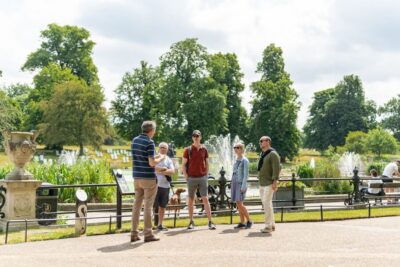
Kensington Palace Gardens Tour with Royal High Tea
Read our review →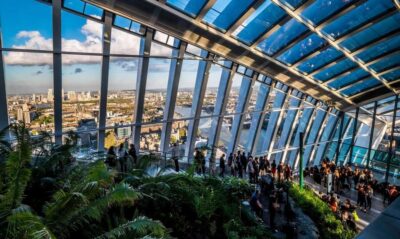
Sky Garden Early Access with Pastry and Hot Drink
Read our review →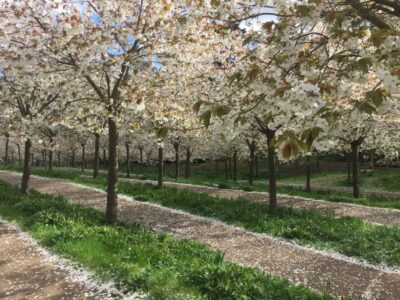
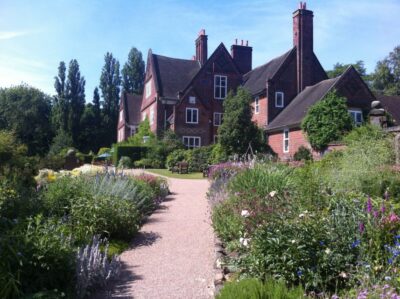
Birmingham: Winterbourne House and Garden Admission Ticket
Read our review →Step Inside the Game Show The Crystal Maze Live Experience
Read our review →
Skip the Line: House and Garden Admission Ticket
Read our review →Browse the lists this tour appears in