
Review · ITALY
Giardini Naxos, Taormina: Food Class & Sicilian Tasting
The best part of this Giardini Naxos class is that you do not just eat Sicilian food, you learn how it is made. You roll pasta by hand, shape macaroni with a traditional ferretto, fill cannoli with ricotta cream, and then sit down to taste products from Mount Etna.
I like the small group of six, which gives the class a personal feel, and I like the mix of cooking and tasting. You get practical work at the table, followed by five olive oils, wine, beer, sweet and savory creams, and a Sicilian liqueur. The main consideration is the price: at $130.28 per person, it is a serious splurge for a three-hour activity.
Key points
- Make macaroni with a ferretto: Learn the old-fashioned Sicilian method of shaping fresh pasta around a slender metal tool.
- Prepare filled cannoli: Make ricotta cream and decorate the pastries with pistachio pieces and candied fruit.
- Taste five Etna olive oils: The oil tasting gives you a useful look at how one ingredient can vary in flavor.
- Sample wine and artisanal beer: Choose one glass as part of the tasting, along with guided information about the drinks.
- Try nine sweet and savory creams: This is a broad tasting that adds variety beyond the pasta and dessert.
- Return to the Giardini Naxos waterfront: The class begins and ends at the Melanina Sicilian Experience Space.
Fresh pasta begins with flour and patience
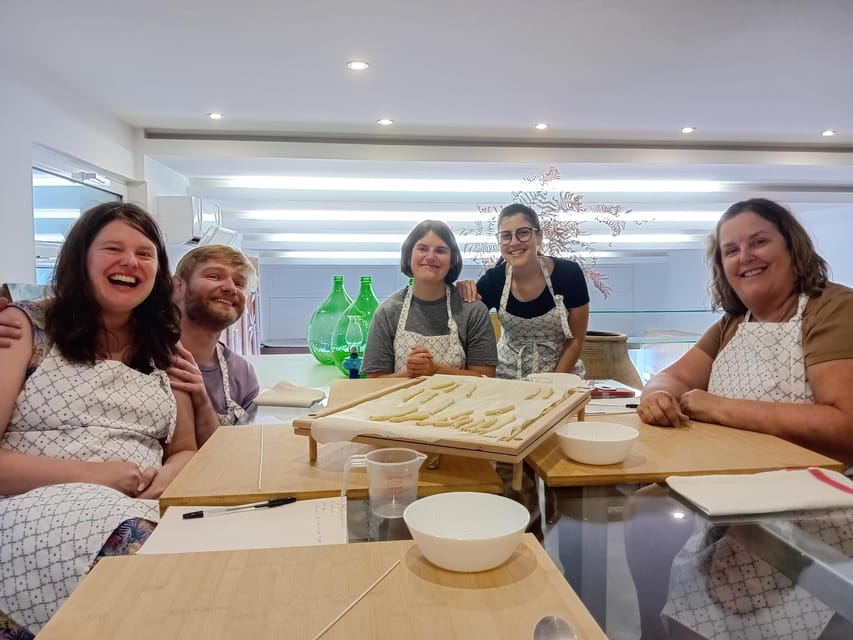
At the Melanina Sicilian Experience Space, on the Giardini Naxos waterfront, you meet your host inside the shop. The experience is available in English or Italian, and the group is limited to six people.
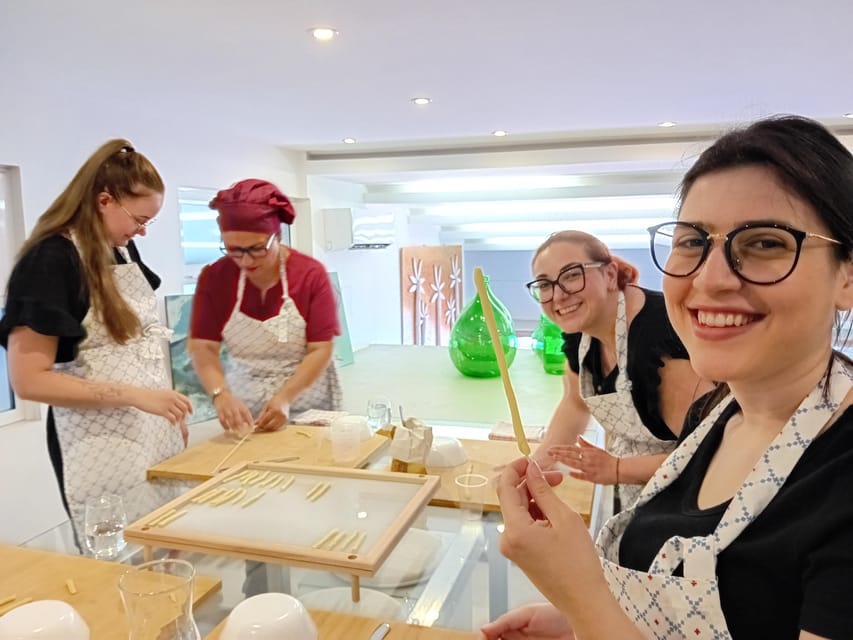
The class begins with the worktable. You prepare the flour, work the dough, and learn how to reach the proper texture. The description promises a soft, white dough, but the real value is in seeing the method up close. Fresh pasta is not difficult, as long as you learn what the dough should feel like and how much pressure to use.
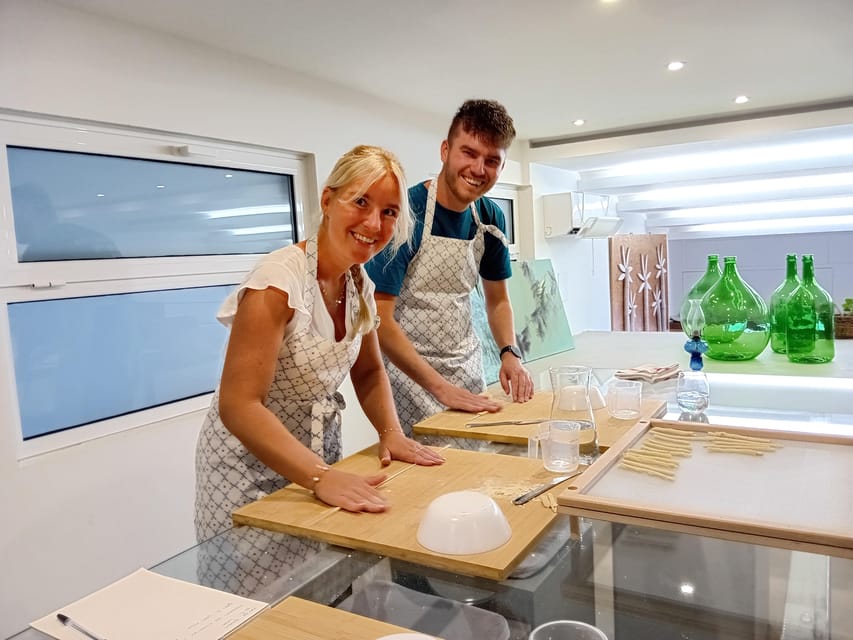
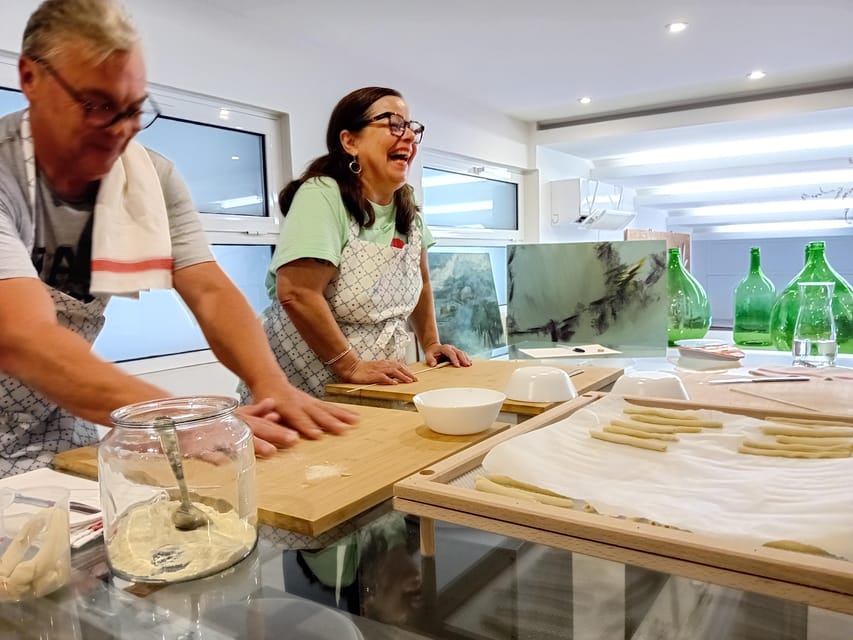
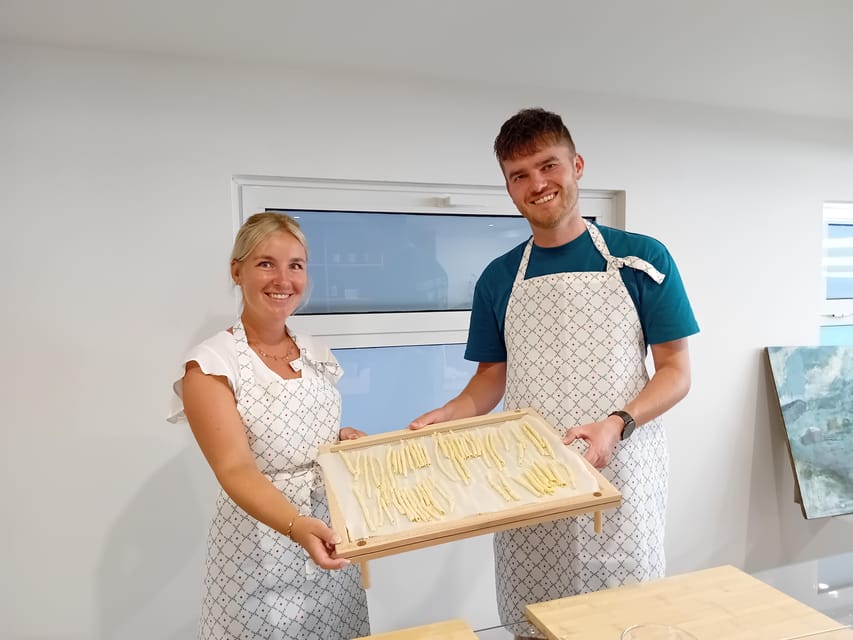
You then roll out the dough and cut or shape it for macaroni. The traditional ferretto is the memorable detail here. It is a simple tool that Sicilian grandmothers kept in the kitchen, and it gives the pasta its hollow shape. You use it to form the macaroni by hand, then leave the pieces to dry while you move on to dessert.
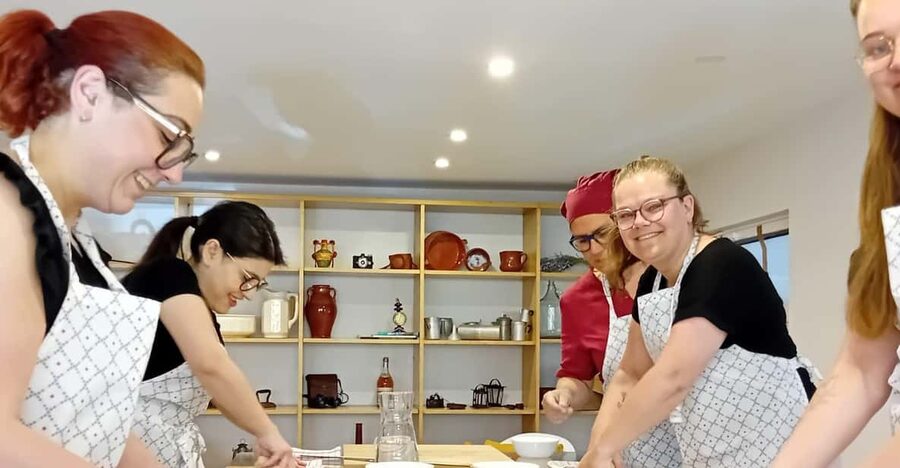
This is more hands-on than a demonstration. You are not simply watching someone make pasta while you wait for lunch. You take part in the basic steps, with equipment supplied and a guide leading the work.
A few more garden visits around Italy worth a look
- Sorrento: Lemon Garden Tour with Marmalade Tasting
★ 4.6 · 405 reviews - Sorrento: Walking Tour in Lemon Garden w/ Food Tasting
★ 4.8 · 72 reviews - Authentic Amalfi Lemon Tour & Tasting in the Historical Garden
★ 5.0 · 52 reviews
Why the ferretto matters
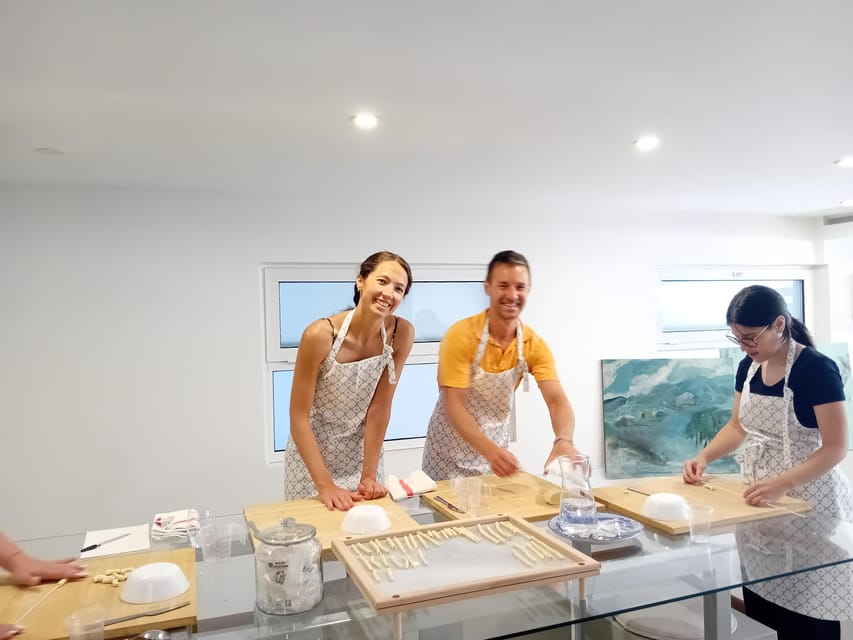
The ferretto technique connects your meal to a practical piece of Sicilian kitchen tradition. It is not a fancy gadget. It is a narrow metal rod used to roll dough into a tube, creating pasta that can hold sauce.
That detail also gives the class a sense of place. You could learn to make pasta almost anywhere in Italy, but this method is tied to the island’s home cooking. After the pasta dries, it is served with Sicilian pestos, giving you a chance to taste the result of your work.
The class is a good match for anyone who likes food with a story, but you do not need advanced cooking skills. One of the useful takeaways is that making fresh pasta is manageable. The activity has a relaxed tone, and the practical steps are explained as you go.
The limitation is that three hours does not allow for a full cooking course. You will learn the featured pasta and dessert techniques, not every major style of Sicilian cooking. If you want a broad culinary program, this class may feel focused. If you want two traditional recipes and a generous tasting session, the format works well.
Ricotta cream and the art of filling cannoli
While the macaroni dries, the class turns to one of Sicily’s best-known sweets: cannoli. You prepare the ricotta filling, then use it to fill the pastry tubes.
The activity includes decorating the cannoli with pistachio pieces and candied fruit. Those toppings add color, crunch, and sweetness, but they also make the finished dessert feel personal. You are not simply handed a pastry from a counter. You help finish it.
Cannoli are a useful choice for a cooking class because the filling is simple enough to prepare during a short session, yet it carries a strong link to Sicilian food culture. Ricotta is central to many island desserts, and the contrast between the creamy filling and the crisp shell is easy to appreciate when you have just prepared it.
You should expect this part to be more about mixing, filling, and decorating than about making the pastry shells from scratch. The provided details focus on the ricotta cream and final decoration. That matters if you are hoping to learn every step of cannoli production.
Still, the combination of pasta and cannoli gives the class a good balance. You work with a savory dough first, then switch to a sweet ricotta preparation. The pace also makes sense: the pasta gets time to dry while you handle the dessert.
Five olive oils from the Etna area
Once the practical cooking ends, the experience becomes a guided tasting of Sicilian products. The first tasting focuses on extra-virgin olive oil, with five types to try.
Five oils are enough to make this more than a quick dip of bread. You can compare their aromas, strength, and finish, then see why olive oil is treated as a central ingredient rather than a background detail. The tasting is also useful for shoppers who want to take home Sicilian oil but do not know how to compare bottles.
The products come from the Etna area, so the tasting introduces you to local food production beyond the dishes made in class. The activity does not specify individual producers or oil varieties, so you should not expect a technical lecture on every bottle. Instead, you get a guided introduction to several oils and how they differ.
This section may be especially valuable if you enjoy learning through comparison. Trying one oil in isolation tells you little. Tasting five in the same sitting gives you a clearer sense of what you like.
Same place, a different kind of green day out:
- Florence: Reserved Entry Ticket to the Boboli Gardens
★ 4.4 · 5,275 reviews - Rome: Borghese Gallery and Gardens Guided Small-Group Tour
★ 4.6 · 2,783 reviews - Rome: Borghese Gallery & Gardens Small Group Guided Tour
★ 4.5 · 2,190 reviews - Rome: Bioparco di Roma Zoological Garden Entry Ticket
★ 4.6 · 1,414 reviews
Wine, beer, and a choice of one glass
The second tasting includes fine wines and artisanal beers. You receive a glass of your choice, so you can select wine or beer rather than being required to sample both.
That choice keeps the tasting flexible. Wine is the natural pick if you want to connect the experience to Sicily’s vineyard traditions. Beer gives you a different view of local craft production. The activity does not specify the labels, grapes, beer styles, or serving size, so you should treat this as an introductory tasting rather than a formal wine class.
You will also learn about the drinks as you taste them. That makes the glass more useful than a simple beverage included with lunch. The guide can explain the products and place them within the wider food culture of the area.
Alcohol is part of the experience, so this section may be less appealing if you do not drink. There is no stated nonalcoholic substitute. The tasting also includes a Sicilian liqueur at the end, which adds another alcoholic sample to the program.
Nine sweet and savory creams
The third tasting brings nine sweet and savory creams to the table. This is the widest food comparison in the class and likely the part with the most variety.
The distinction between sweet and savory creams matters. You are not tasting nine versions of the same thing. The selection lets you compare different textures and uses, from dessert-style flavors to spreads or accompaniments for savory foods.
The information does not name each cream, so you cannot plan around a particular flavor. That uncertainty can be a drawback for anyone with strict dietary needs or strong dislikes. Still, the range makes this section a useful introduction to products you might otherwise overlook in a shop.
The tasting also changes the rhythm of the experience. After working with dough and ricotta, you have time to sit, taste, ask questions, and connect the ingredients to the food you have made.
What the three-hour schedule feels like
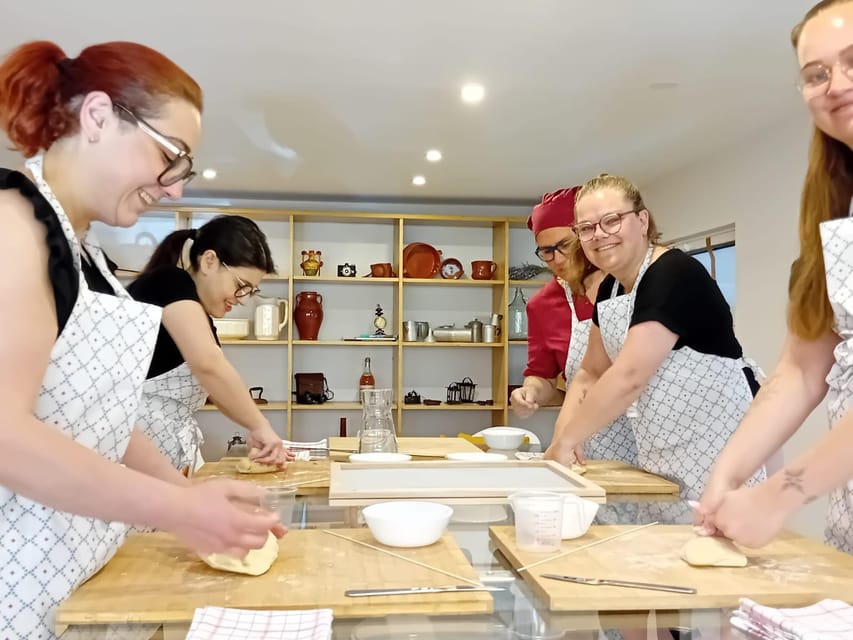
Three hours is long enough for the experience to feel substantial without taking up an entire day in Sicily. You start with preparation and hands-on cooking, pause while the pasta dries, make cannoli, and then move into the tastings.
The sequence is practical. You do not have to wait around with nothing to do, and the pasta drying time becomes part of the dessert lesson. The cooking section comes first, when your attention is on technique. The tasting section follows, when you can slow down and focus on flavor.
The end point is the same as the starting point, at the Melanina Sicilian Experience Space. That makes the activity easy to combine with time in Giardini Naxos. You do not need to arrange a separate transfer to a distant farm or restaurant.
Starting times vary, so you need to check availability before booking. The supplied information does not provide a fixed daily schedule. Plan around the class rather than assuming you can arrive at any time.
Is $130.28 a fair price?
At $130.28 per person, this is not a cheap meal or a basic pasta lesson. You are paying for three hours, instruction, equipment, fresh pasta preparation, cannoli making, and a substantial Etna product tasting.
The value improves if you would otherwise pay separately for a cooking class, a food tasting, and several drinks. The five oils, wine or beer, nine creams, and liqueur make the tasting portion unusually broad. You also leave with skills you can repeat at home, especially the pasta and ricotta filling.
The price is harder to justify if your main goal is simply to eat Sicilian food. A restaurant meal will cost less, and you may prefer spending the money on a longer meal with several courses. This experience earns its price through participation and product comparison, not through a large sit-down feast.
The small group helps. With no more than six participants, the guide can give attention to the pasta and cannoli work. That is more useful than a large class where you only get a quick turn at the table.
Who should book this class?
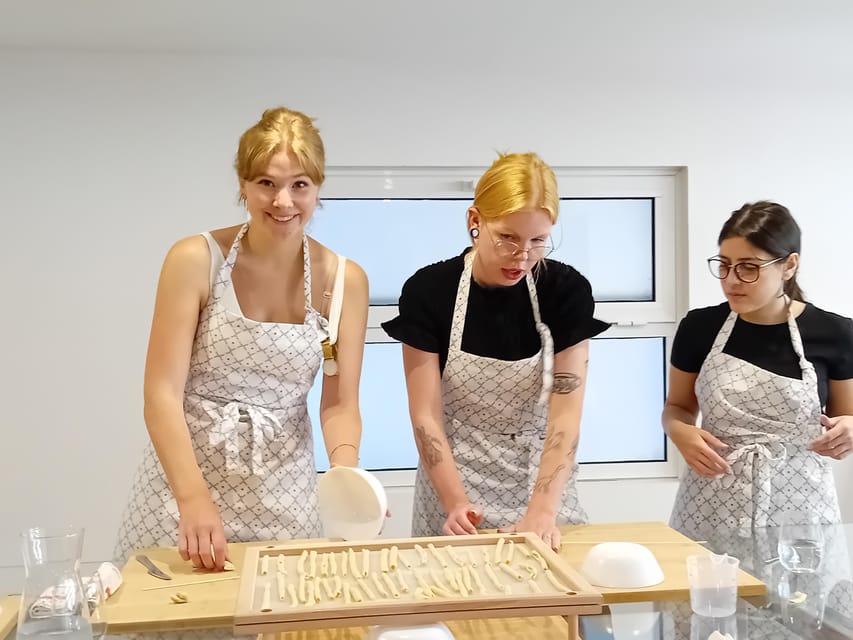
I would recommend it to food-focused visitors staying in Giardini Naxos or nearby Taormina who want a practical activity rather than another sightseeing stop. It suits couples, families with an interest in cooking, and small groups who enjoy tasting local products.
It is also a good choice if you want a slower break from historical sites. The class gives you a way to connect with Sicily through flour, ricotta, olive oil, wine, beer, and local spreads.
You may want to skip it if you dislike alcohol, have serious food restrictions, or want a highly technical cooking course. The available information does not list dietary accommodations, ingredient substitutions, or a nonalcoholic tasting option, so ask before booking if those points matter to you.
The language choice is English or Italian. If you need another language, this activity is not presented as a fit.
Practical details before you go
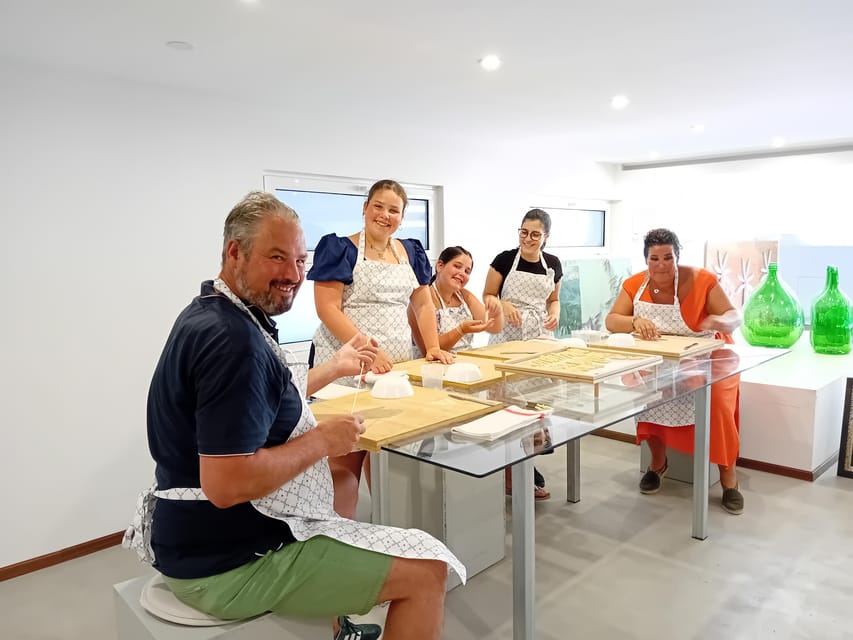
Meet inside the Melanina Sicilian Experience Space on the Giardini Naxos waterfront. The guide meets you in the store, and the activity ends at the same location.
Equipment for the experience is included, as is guided instruction. You do not need to bring cooking tools. The class is designed for a maximum of six participants, which is one of its strongest practical features.
You can cancel up to 24 hours before the start for a full refund. You can also reserve now and pay later, useful if your Sicily schedule is still changing. Check the available start times carefully, since the class does not list one fixed starting hour.
Should you book the Giardini Naxos food class?
Book it if you want to make fresh pasta, prepare ricotta cannoli, and compare a wide range of Etna products in one compact activity. The ferretto macaroni and hands-on cannoli work give the class a clear Sicilian identity, while the small group keeps the instruction personal.
At $130.28, I would call it good value for people who care about food and want more than a tasting plate. I would not choose it for a budget meal or a full professional cooking course. For the right visitor, though, it combines practical skills, local ingredients, and a relaxed three-hour schedule in a way that is easy to fit into a Giardini Naxos stay.
FAQ
Where does the cooking class begin?
The class begins inside the Melanina Sicilian Experience Space on the Giardini Naxos waterfront. Meet your guide inside the store.
Where does the activity end?
The activity ends back at the same meeting point, the Melanina Sicilian Experience Space.
How long does the experience last?
The experience lasts three hours. Starting times vary, so check availability when booking.
What languages are available?
The host or greeter speaks English and Italian.
How many people can join the class?
The class is limited to six participants.
What food do you prepare?
You prepare fresh macaroni using a traditional ferretto and make ricotta cream for Sicilian cannoli. The cannoli are decorated with pistachio pieces and candied fruit.
What products are included in the tasting?
The tasting includes five types of extra-virgin olive oil, wine, artisanal beer with one glass of your choice, nine sweet and savory creams, and a Sicilian liqueur.
Is equipment included?
Yes. Equipment for taking part in the experience is included.
Can I cancel the booking?
You can cancel up to 24 hours in advance for a full refund. Reserve now and pay later is also available.
More Workshops in Italy
- Shared Cooking Class with Fresh Garden Ingredients in Sorrento
★ 5.0 · 194 reviews - Cooking Class in a Typical Sorrento Garden
★ 5.0 · 100 reviews - Sorrento Ape Tour, Lemon Garden, Mozzarella Show & Pizza Class
★ 5.0 · 82 reviews - Cooking Class with garden visit
★ 5.0 · 57 reviews
More Food in Italy
- Lake Maggiore Gardens: Botanical Gardens Gourmet Food Cruise
★ 4.7 · 3 reviews - Balinese Vegan Cooking Class with Fresh Harvesting & Garden Tour
★ 5.0 · 86 reviews - Bangkok Street Food and Night Lights by Tuk Tuk
★ 4.6 · 49 reviews - Delhi Street Art Walk in Lodhi Art District with Chai & Food
★ 5.0 · 34 reviews
Just added around Italy
- Venice: panoramic lunch in St. Mark’s Square Royal Gardens★ 3.0 · 12 reviews
- Hidden Verona & Giusti Garden- 3 hour private walking tour★ 5.0 · 2 reviews
- Secret gardens of Venice in the Dorsoduro district with Cichetti tasting★ 3.0 · 2 reviews
- Royal Gardens & St.Mark Basin View Casanova Aperitif★ 3.5 · 17 reviews
- Secret Gardens of Venice Walking Tour★ 5.0 · 60 reviews
- Sea, Volcano and History: Giardini Naxos, Isolabella, Etna and Taormina★ 4.5 · 3 reviews
- Taxi Giardini Naxos★ 5.0 · 2 reviews
- Tour to Etna Volcano and Taormina from Giardini Naxos – Taormina★ 5.0 · 2 reviews
Italy Garden Tours, compared.


Borghese Gallery and Gardens Guided Small-Group Tour
Read our review →
Borghese Gallery & Gardens Small Group Guided Tour
Read our review →
Bioparco di Roma Zoological Garden Entry Ticket
Read our review →

Caserta Royal Palace & Gardens Small Group Tour with Shuttle
Read our review →
Giardini Naxos: Dolphin Searching Sunset Boat Tour
Read our review →
Pitti Palace, Boboli Garden, Palatine Gallery Tour
Read our review →Browse the lists this tour appears in