
Review · FRANCE
Lavender Field & Distillery Tour between Nimes & Arles
Lavender is only the beginning at un MAS en PROVENCE. This one-hour visit takes you from the fields to the working still, where steam pulls fragrant oil from plants grown on the farm. You can touch rosemary, verbena, roses, and other aromatic plants, then test their scents at a perfume bar.
I like two things here: the tour explains how plants are used, not just how they look, and the $9 price includes a real production visit, not merely a photo stop. Guides such as Gaspard and Sylvain have been praised for keeping the talk lively and handling several languages with ease.
The main drawback is access without a car. The farm is close to both Arles and Nîmes by road, but the bus stop in Bellegarde leaves you with roughly a 20 to 30 minute walk, and the return bus is not frequent. Plan the outing carefully, especially in July and August heat.
Key points to know before you go
- A working distillery, not only a lavender photo stop: Watch flowers become essential oil in the still and learn why steam matters.
- Several Provence plants in one small tour: Identify lavender, rosemary, lemon verbena, roses, and other aromatic plants by touch and scent.
- Strong guides for mixed-language groups: English and French tours are offered, with audio support in Spanish, Italian, Portuguese, and German.
- Excellent value at $9: The fee covers the fields, still demonstration, production video, and guided explanations.
- Easy by car, awkward by public transport: Free parking is available, while the final walk from Bellegarde takes about 20 to 30 minutes.
- A useful shop stop: You can compare natural products, ask for advice, buy food and drinks, and use the picnic tables.
Why this small farm visit is worth your time
Between Arles and Nîmes, it is easy to focus on Roman ruins, stone villages, and the Camargue. This farm offers a different view of Provence: the region as a place where plants are grown, harvested, processed, and turned into products you can use at home.
I like that the visit stays close to the work. You are not simply shown a field and sent toward a gift shop. The guide connects the plant in the soil with the bottle of oil in the boutique. That makes the experience useful for anyone curious about perfume, cosmetics, natural medicine, or the basic craft behind essential oils.
The farm is family-owned, and that gives the stop a personal feel. The operation is large enough to include fields, a farmhouse, a distillery, a shop, and a small cafe area, yet the visit remains focused. At $9, it is one of the easier regional activities to add to a driving day.
The tour lasts about one hour. You can spend longer on the property if you browse the store, eat at the cafe, or sit at a picnic table. That flexibility helps if you are making the stop between Arles and Nîmes rather than visiting as a full-day destination.
More Lavender Field Tours in France
- Nice: Gorges of Verdon and Fields of Lavender Tour
★ 4.5 · 2,707 reviews - Aix-en-Provence: Lavender Fields Visit
★ 4.1 · 421 reviews - Nice: Gorges of Verdon and Fields of Lavender Tour
★ 4.0 · 342 reviews
Starting in the fields with lavender, rosemary, and verbena
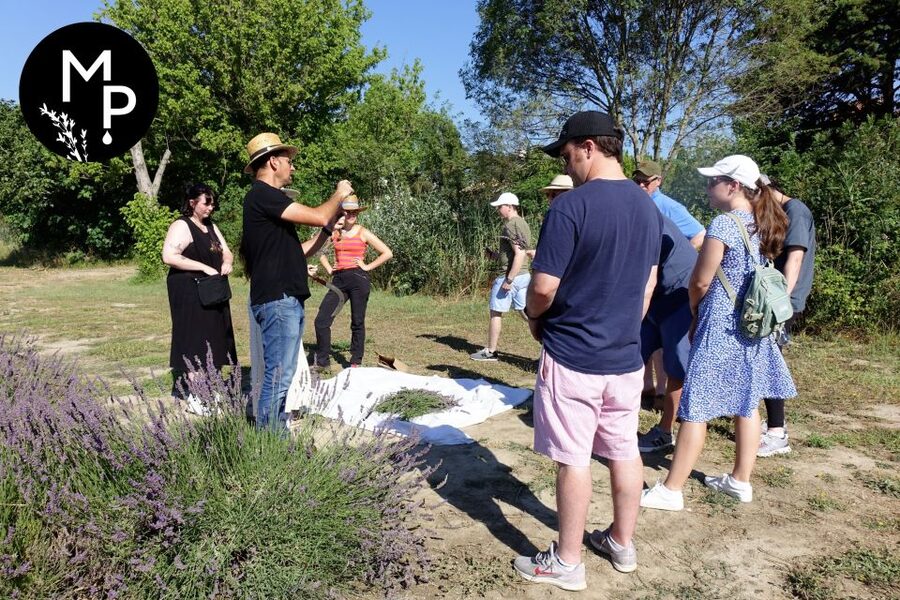
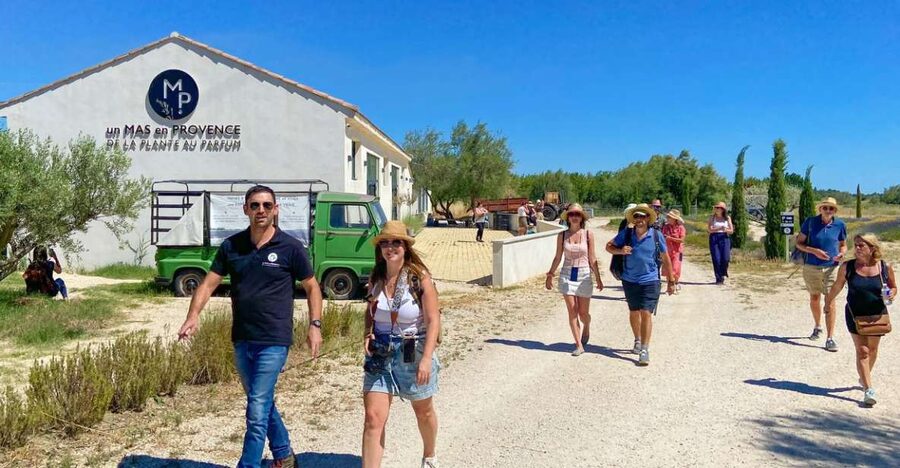
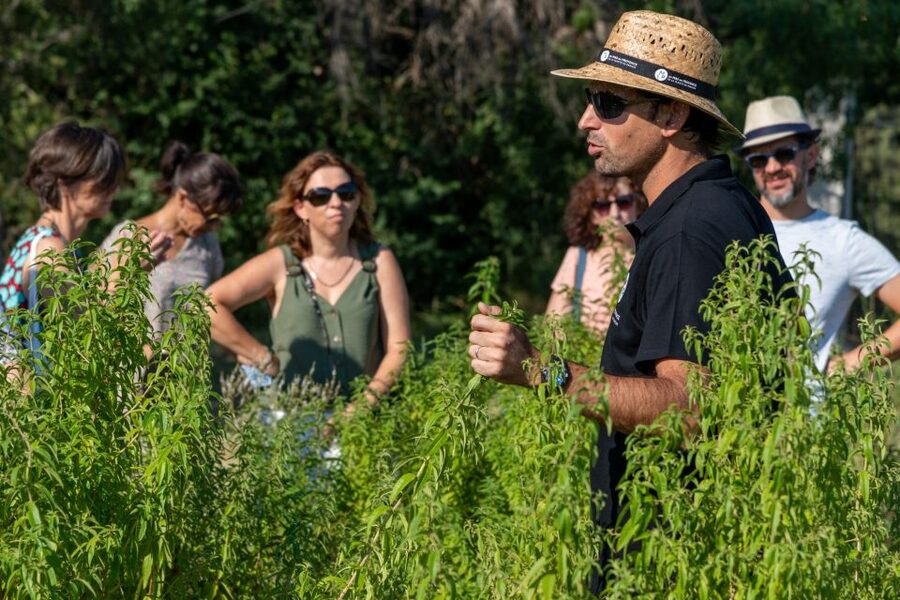
You register at the boutique, then walk out to the flower fields with your guide. The first part is hands-on in a simple way: you touch and smell the plants to identify them.
Lavender gets the attention, of course. Provence is famous for its blue-purple rows, and the tour explains the plant as a crop rather than just a scenic symbol. You learn about its life cycle, care, uses, and place in the production process.
The guide also introduces rosemary, lemon verbena, roses, and other aromatic plants. This wider range is important because it shows how scent differs from plant to plant. Verbena has a bright, citrus-like character, rosemary is sharper and more herbal, and rose brings a softer perfume note. The exact plants in bloom can vary with the season.
The field portion works well for families because it gives children something to do. They can smell and compare plants rather than listen to a long talk from a distance. At the same time, adults get practical information about how these plants reach perfume, skin products, and natural remedies.
Bring comfortable shoes. You will be outdoors, and the ground around a farm is not the place for delicate footwear. A hat and biodegradable sunscreen are also sensible, especially during the hot July and August period.
Watching the still turn flowers into oil
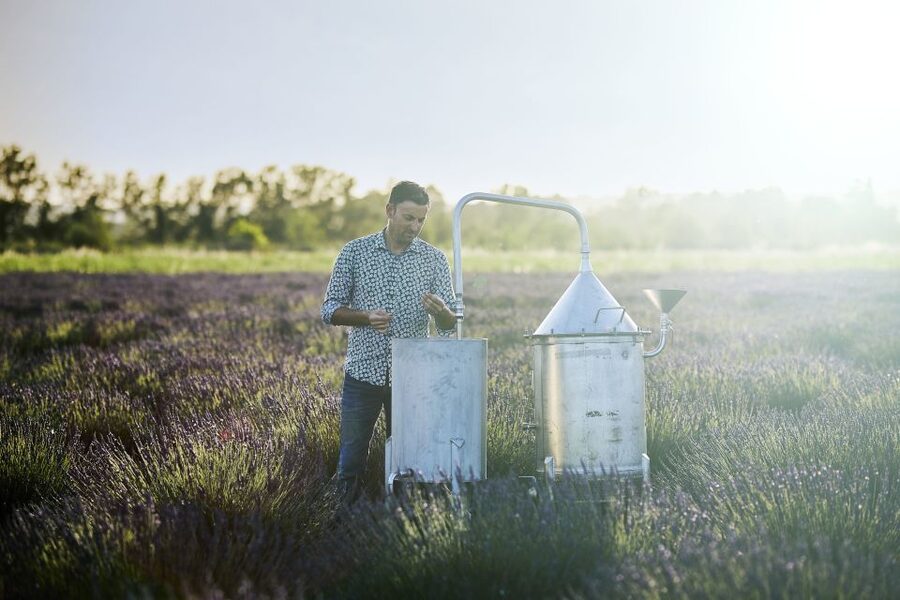
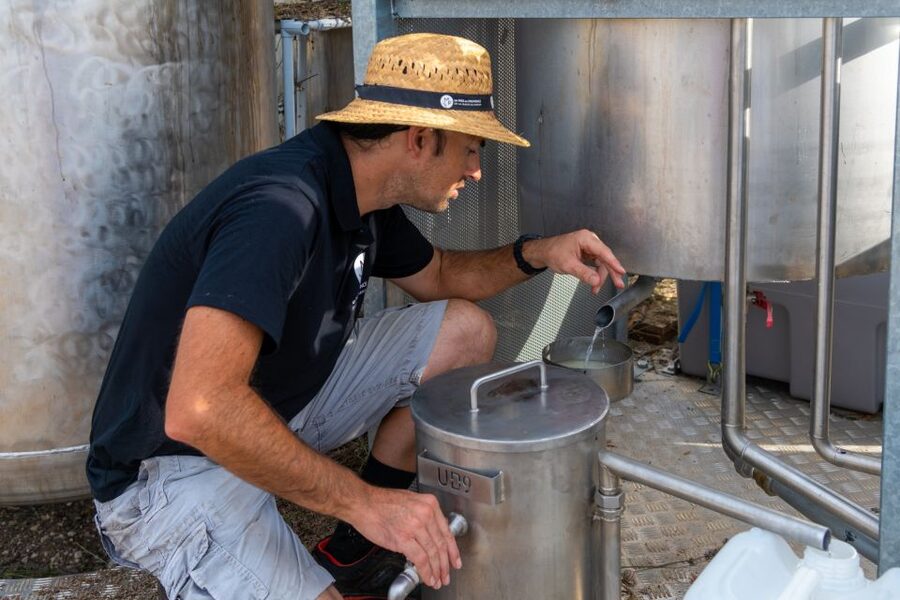
The distillery is the heart of the visit. Around the still, you see how steam passes through the plant material and carries away the aromatic compounds. The process turns freshly harvested flowers and herbs into essential oils.
This is the part that gives the tour more weight than a standard field visit. Lavender can look simple, but the finished oil depends on harvesting, handling, heating, and separation. The demonstration gives you a clear picture of how much work sits behind a small bottle on a shop shelf.
The guide explains the extraction steps, while a commented video fills in the details of production. The video is useful because it shows the process in a clear sequence, especially if the equipment is running at a slower pace during your visit.
You do not need a background in chemistry. The appeal is practical and visual. You watch plant matter meet steam, see how the still functions, and connect the smell in the field with the oil being produced. If you have ever wondered how a lavender plant becomes perfume or a cosmetic ingredient, this answers the question without turning into a technical lecture.
The farm produces organic essential oils, and the tour explains their uses and properties. Keep in mind that the visit is educational rather than a medical consultation. The guide can explain traditional and everyday applications, while the shop staff can offer product advice, but you should treat natural products with the same care as any other concentrated substance.
The perfume bar makes the lesson practical
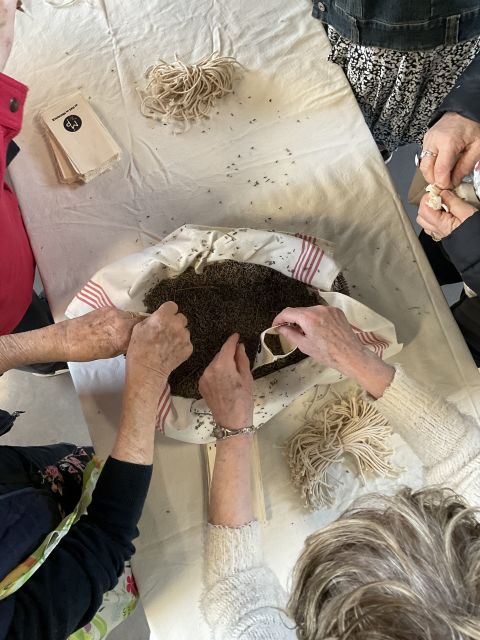
After the field and distillery, the perfume bar gives you a chance to test scents directly. You can identify different aromas and connect each one with the plant it came from.
This is a small feature, but I think it is one of the smartest parts of the visit. Smell is easy to remember when you use it actively. Instead of hearing a list of plant names, you build a mental link between the name, the aroma, and the possible use.
The staff also explain how natural perfumes and plant extracts relate to the mind and body. The approach is accessible, with attention to everyday use in cosmetics, fragrance, and home routines.
Families can enjoy this section, and it also suits visitors who are interested in aromatherapy or French natural products. If strong smells bother you, take your time. You do not have to sample every scent, and the tour does not require you to buy anything.
Same place, a different kind of green day out:
- Paris: Versailles Palace and Gardens Full Access Ticket
★ 4.6 · 41,579 reviews - Versailles: Skip-the-Line Tour of Palace and Gardens Access
★ 4.7 · 10,429 reviews - From Paris: Versailles Palace & Gardens with Transportation
★ 4.6 · 6,222 reviews - From Paris: Versailles Palace Guided Tour & Gardens Access
★ 4.7 · 3,574 reviews
The boutique is part of the experience
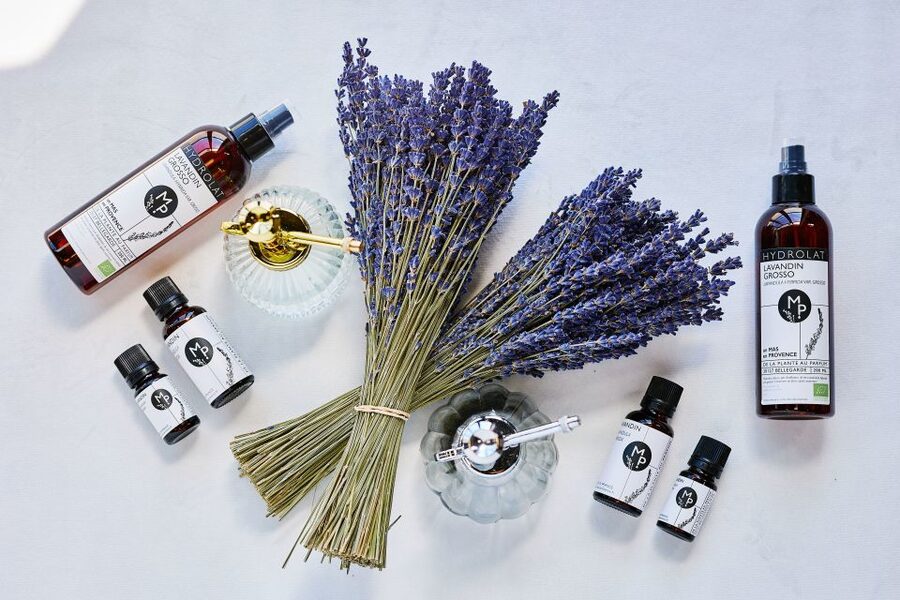
The shop comes at the end, which is convenient because you can first learn how the products are made. You will find essential oils and other natural products connected to the farm’s plants.
Personal advice is available from the staff. This is useful if you are unsure which oil or product suits your needs, or if you want to understand how an item is intended to be used. The shop also gives you a chance to compare scents after hearing the explanations in the fields.
Food and drinks are available to buy, and picnic tables make it possible to turn a one-hour tour into a longer pause. This is helpful for a driving itinerary. You can visit the farm, have something to eat, and continue toward Arles, Nîmes, or Bellegarde without searching for another stop.
I would keep your purchase expectations realistic. The value of the tour is already strong at $9, so you do not need to buy something to justify the visit. Treat the boutique as an optional final stop, not as the main reason to come.
Picking the best time to visit
The published July and August schedule offers several departures in French and English:
- French at 10:00, 11:00, 14:30, and 16:30
- English at 10:30 and 15:30
These times give you useful choices around a morning outing or an afternoon drive. The exact starting time should be checked when you book, since availability can change.
Summer is the obvious season for lavender, but the timing of the flowers matters. A visit later in the season may show fewer blooms than you expect, especially if the main lavender flowering period has passed. That does not make the tour pointless. The still, aromatic herbs, production video, perfume bar, and shop remain part of the visit.
For the best field conditions, an earlier time may be more comfortable in the summer heat. An afternoon departure can work well if you are connecting it with a day in Arles, but bring a hat and water. The supplied information specifically recommends comfortable shoes, a hat, and biodegradable sunscreen.
The tour is offered in English and French. Optional audio guidance is available in Spanish, Italian, Portuguese, and German. The named guides include Gaspard, Sylvain, Laura, and Gaël at different visits, and the farm is used to handling groups with several language needs. Sylvain, in particular, has been noted for speaking six languages and keeping explanations engaging for both adults and children.
Getting there from Arles or Nîmes
By car, the location is straightforward. The distillery is about 15 minutes from Arles and 20 minutes from Nîmes. Free parking is available for cars and bicycles, making this an easy stop on a road trip.
Public transport takes more planning. Bus line LIO number 130 runs between the Arles and Nîmes area and stops in Bellegarde at Magnolias. The fare is listed as €1.50. From the stop, allow roughly 20 to 30 minutes on foot to reach the farm, depending on your pace and the route you take.
The walk may be pleasant, but it is exposed countryside walking in warm weather. The bus service is not frequent, and finding a taxi or rideshare for the return can be difficult. If you arrive by bus, check both directions and departure times before starting the tour. It is wise to plan enough time for the visit, the shop, and the walk back to the stop.
For this reason, I would choose the farm as a planned stop rather than an improvised detour from Arles. With your own car, the visit is easy. Without one, it is still possible, but the bus schedule becomes part of the day.
Who will get the most from this tour
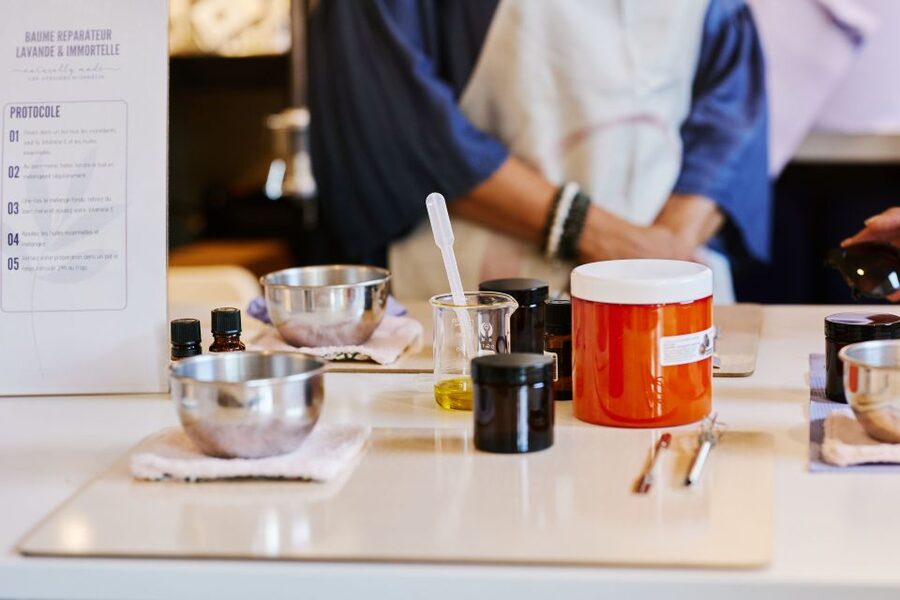
This is a strong match for you if you enjoy small farms, local production, fragrance, or hands-on cultural stops. It suits couples, families, older visitors, and anyone who wants a short activity between larger sights.
The one-hour format is a plus. You do not need to give up half a day, and the tour has enough variety to hold the attention of children. The mix of fields, equipment, video, scent testing, and shopping keeps the pace moving.
It is also a good stop for visitors who want more than the classic lavender photograph. You learn about the farm operation, the plants, extraction, and product uses. The family business adds a human touch, while the price keeps the risk low.
I would be less likely to recommend it if you want a long walk through endless lavender rows or a full agricultural workshop. The field visit is part of a compact guided program, not a large estate tour. If the flowers are past their peak, the visual impact will be less dramatic, though the production side still works well.
Wheelchair access is listed, but the activity moves between the boutique, fields, farmhouse, and distillery. If you have specific mobility needs, confirm the route details before arrival.
Is the $9 price good value?
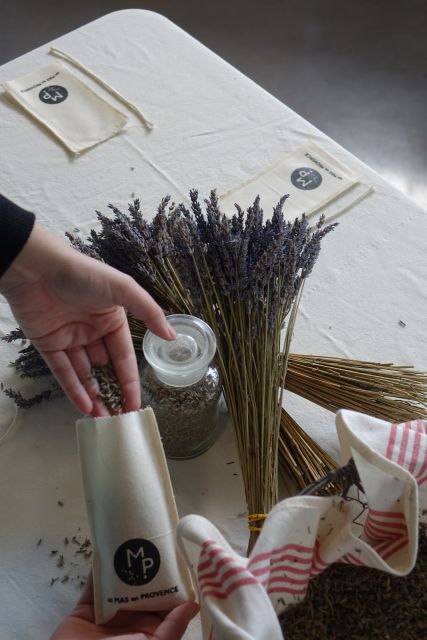
Yes. At $9 per person, you receive access to the fields, a guided explanation of the plants, a still demonstration, a production video, and the perfume bar. The price is low enough that even a one-hour stop feels worthwhile.
The value comes from the range of subjects covered. You get scenery, farming, basic production, scent education, and shopping advice in one visit. Many short stops offer only one of those elements.
The main cost may be time rather than money if you are using the bus. A car visit is easy to fit into a route from Arles to Nîmes. A public transport visit requires more attention to the walk and return schedule.
Free cancellation up to 24 hours before the visit and the reserve-now, pay-later option make planning less rigid. Still, you should check the available departure before building the rest of your day around it.
Should you book un MAS en PROVENCE?
Book it if you want a short, affordable look at how Provence’s famous plants become oils and natural products. I especially recommend it to families, road trippers, fragrance fans, and anyone curious about the practical side of lavender farming.
The strongest reasons to go are the engaging multilingual guides, the working still, and the chance to handle several plants rather than only admire a field. The $9 fee is hard to fault.
Skip it if your only goal is a huge, peak-bloom lavender panorama, or if you cannot manage the public transport walk. For everyone else, this is a friendly and useful stop between Arles and Nîmes, with enough substance to feel like more than a quick photo break.
FAQ
How long does the lavender and distillery tour last?
The guided tour lasts one hour. You can stay longer to browse the shop, buy food or drinks, or use the picnic tables.
How much does the experience cost?
The listed price is $9 per person.
Where does the tour start?
You meet and register at the boutique. The visit then continues through the flower fields, the typical farmhouse, and the distillery.
Is the tour offered in English?
Yes. Live tours are offered in English and French. Optional audio guidance is available in Spanish, Italian, Portuguese, and German.
How far is the distillery from Arles and Nîmes?
It is about 15 minutes by car from Arles and about 20 minutes by car from Nîmes.
Can I reach the farm by public transport?
Yes. Bus line LIO number 130 stops in Bellegarde at Magnolias. From there, you need to walk roughly 20 to 30 minutes to the farm. The fare is listed as €1.50.
What should I bring?
Bring comfortable shoes, a hat, and biodegradable sunscreen. Free parking is available for cars and bicycles, and food and drinks can be bought on site.
Just added around France
- Skip-the-Line Guided Tour and Gardens Entry in Versailles Palace★ 3.5 · 3 reviews
- Versailles Palace Guided Experience and Gardens Entry 10 PPL Max★ 5.0 · 42 reviews
- Versailles Palace & Gardens Audio Tour – Private Transportation★ 4.5 · 11 reviews
- Versailles Palace and Gardens Tour★ 4.5 · 44 reviews
- Versailles: Farmers Market & Royal Vegetable Garden Food Tour★ 5.0 · 11 reviews
- Versailles Gardens Walking Tour with Audioguide (no tickets)★ 3.0 · 6 reviews
- Versailles Golf Cart & Shuttle Guided Tour, Hamlet and Gardens★ 4.5 · 13 reviews
- Electric 2-wheeler tour of the Chateau Park and Gardens★ 5.0 · 5 reviews
France Garden Tours, compared.

Versailles Palace and Gardens Full Access Ticket
Read our review →
Skip-the-Line Tour of Palace and Gardens Access
Read our review →
Versailles Palace & Gardens with Transportation
Read our review →
Versailles Palace Guided Tour & Gardens Access
Read our review →
Giverny, Monet’s Home & Gardens Half-Day Trip
Read our review →
Gorges of Verdon and Fields of Lavender Tour
Read our review →
Giverny Day Trip with Audio Guide or Live Guide
Read our review →
Versailles Full Day Bike Tour with Palace, Gardens, & Picnic
Read our review →Browse the lists this tour appears in