
Review · NETHERLANDS
Leiden: Hortus botanicus Leiden Entry Ticket
Leiden’s Hortus botanicus is not just a patch of flowers. It is a living record of plant collecting, with roots reaching back to 1590. You can walk through the garden where the first tulips in Europe were grown, then shift from old trees and formal beds to steamy glasshouses filled with orchids and plants from Southeast Asia. I especially like the mix of history and botany, and the fact that you can explore at your own speed rather than follow a fixed group.
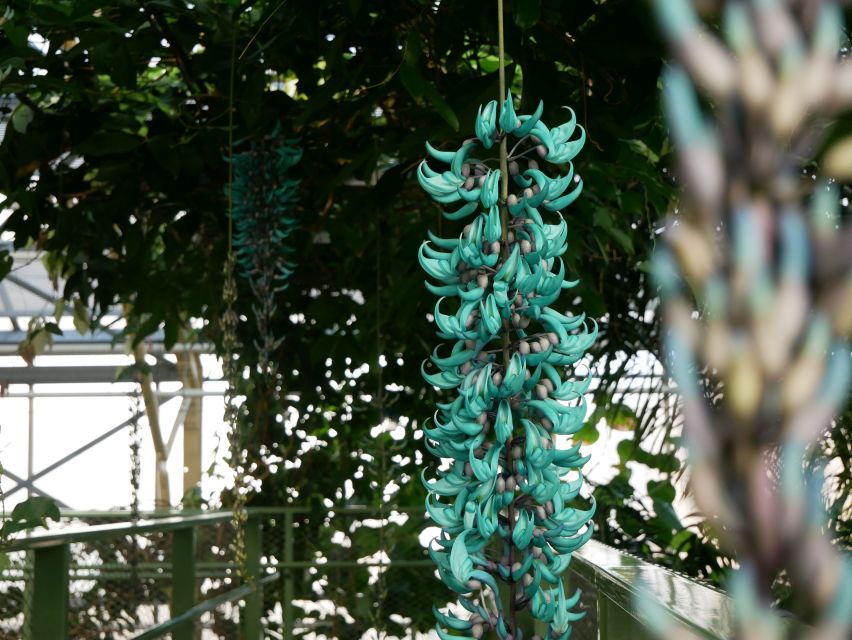
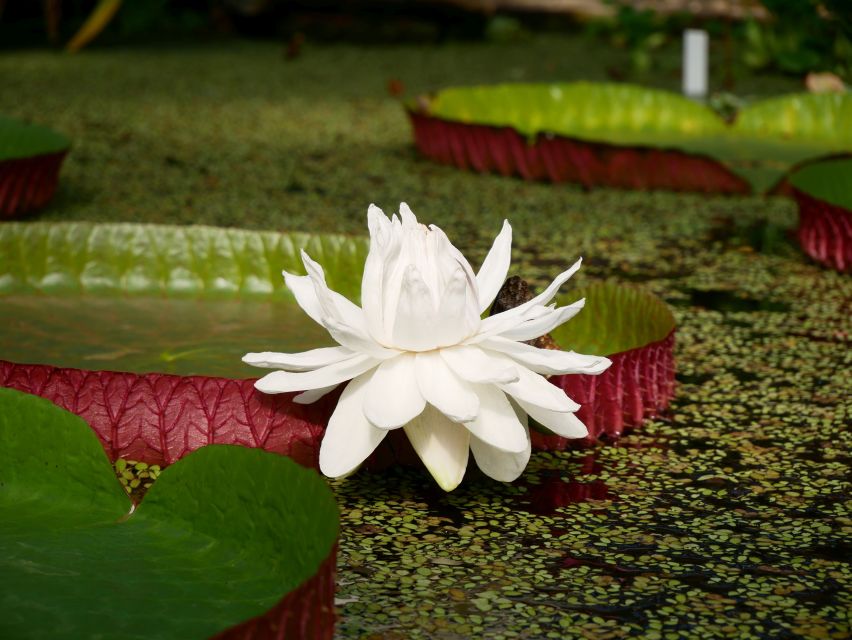
I also like the garden’s seasonal variety. Spring brings flowering bulbs, March and April may bring the unusual Jade Vine, and summer is the time to look for Victoria amazonica and Chinese Lotus blooms. The main drawback is simple: outdoor displays depend heavily on the weather and time of year. A February visit, for example, may offer little color outside, though the glasshouses provide shelter and plenty to see.
Key points to know before you go
- Founded in 1590: Hortus botanicus Leiden is the oldest botanical garden in the Netherlands.
- A strong Southeast Asian collection: Tropical orchids and other warm-climate plants make the glasshouses the main attraction in colder months.
- Seasonal highlights change: Jade Vine usually flowers in March and April, Victoria amazonica from June to September, and Chinese Lotus in July.
- Nearly 30 old trees: Some are more than a century old and give the garden much of its calm, historic character.
- About 90 minutes works well: You can stay longer, but the suggested visit fits neatly into a day in Leiden.
- Practical entry: The ticket is about $14 per person, valid for one day, with Dutch and English support and wheelchair access.
Why this old Leiden garden is worth your time
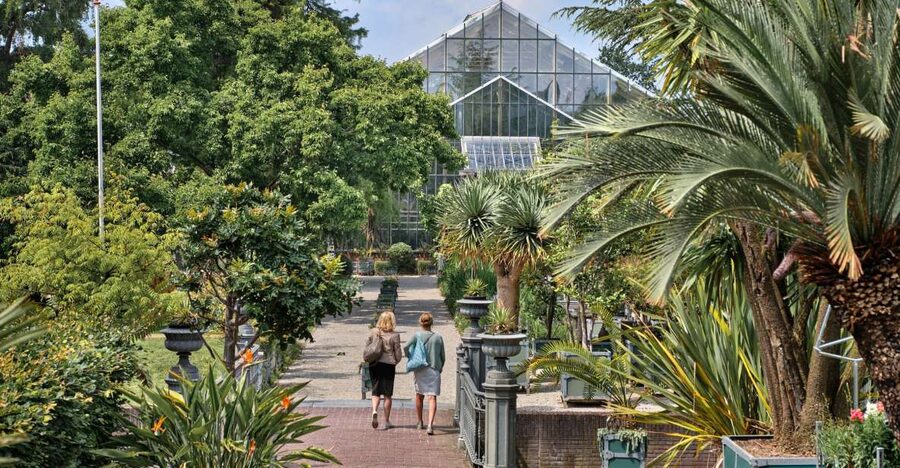
Hortus botanicus Leiden gives you two experiences in one. Outdoors, you get a quiet garden walk among old trees, seasonal beds, and carefully arranged plant collections. Indoors, you move into warm glasshouses where tropical orchids, carnivorous plants, and other specimens from across the world take center stage.
That contrast is what makes the visit work. You do not need to be a serious gardener to enjoy it. The setting offers enough history for curious sightseers, enough unusual plants for families and photographers, and enough quiet space for anyone who wants a break from city streets.
The garden was founded in 1590, and that date matters. This is not a modern attraction built around a few decorative flowerbeds. The collection grew from the long tradition of exchanging plants between continents. Leiden’s place in the story of tulips is especially notable, since the first tulips in Europe were grown here.
You will not get a formal lecture or a guided tour as part of this ticket. Instead, you exchange your ticket at the front gate and set your own pace. That makes the experience flexible, though you will need to take an active interest in the plants and signs around you.
More Garden Tickets in the Netherlands:
- From Amsterdam: Keukenhof Ticket with Transfer
★ 4.4 · 4,089 reviews - From Amsterdam: Keukenhof Gardens Ticket and Transfer
★ 4.5 · 2,741 reviews - Utrecht: De Haar Castle + Gardens Entry Ticket
★ 4.7 · 1,838 reviews
Starting at the Front Garden and glasshouse
Begin at the Front Garden, where the visit eases you into the site before you reach the more specialized collections. A recently built glasshouse adds a modern structure to the historic garden and gives you an early taste of the indoor displays.
This is a useful first stop if the weather is poor. A February visit may bring rain and limited outdoor color, so having a glasshouse near the start gives you a place to warm up and adjust your plan. The garden does not pretend that every season looks the same. That is part of the deal with a botanical garden.
In spring, flowering bulbs can make the outdoor areas more rewarding. In autumn, the old trees provide color and shade for a slower walk. If you visit in winter, plan to spend more time inside and treat the outdoor section as a brief historical stroll rather than the main event.
The Clusius Garden and Leiden’s tulip story
The Clusius Garden connects the modern visit with the early history of the institution. It recalls Carolus Clusius, the botanist associated with the garden’s early development and with the introduction of tulips to Europe.
You should not expect a large tulip festival on every visit. The important point is the setting and the story behind it. The plants here help explain how botanical gardens served as places for study, exchange, and acclimatization, not just pretty public parks.
This section is particularly good for visitors who want context without spending hours in a museum. You can see the garden, learn why Leiden mattered in European plant history, and then continue toward the Japanese Garden or glasshouses without stopping the whole day for a lecture.
The Japanese Garden and plant exchange with Japan
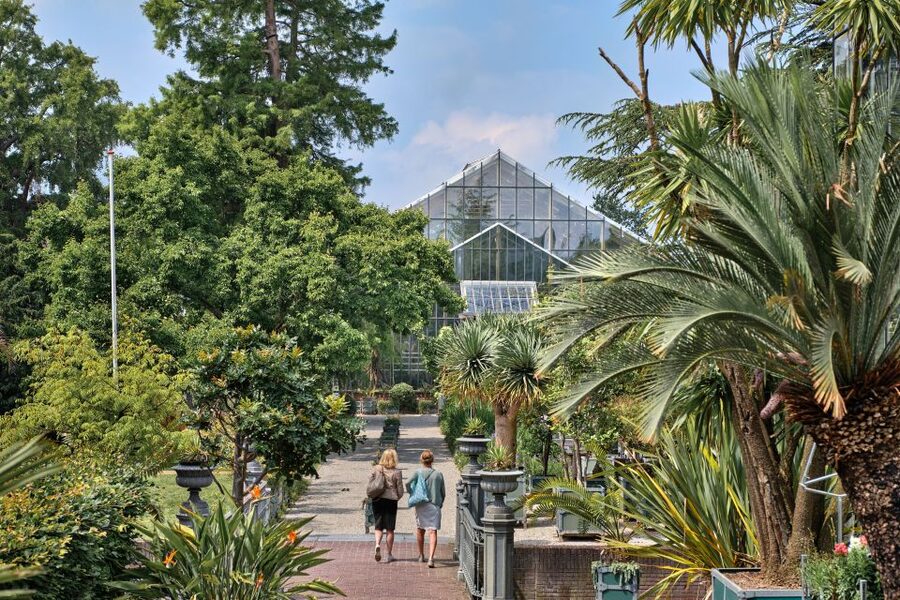
The Japanese Garden offers a different mood from the tropical displays. It reflects the historical exchange of plants between Japan and the Netherlands, giving the visit a clear international thread.
The garden is a place to slow down. Instead of racing from one unusual specimen to the next, you can pay attention to layout, planting choices, and the sense of order. The supplied details do not promise a particular seasonal display here, so the experience will change during the year.
For you, the value is less about ticking off one famous flower and more about seeing how a botanical garden tells stories through living collections. The Japanese Garden also provides a quieter pause between the busier plant rooms and larger tropical displays.
Same place, a different kind of green day out:
- Amsterdam: Keukenhof Entry & Shuttlebus with Flexible Return
★ 4.7 · 11,891 reviews - Amsterdam: Tour to Keukenhof Gardens with Windmill Cruise
★ 4.5 · 2,819 reviews - Amsterdam: City Centre Canal Cruise & Free Flower Cocktail
★ 4.2 · 2,310 reviews - Amsterdam: Day Tour Keukenhof and Zaanse Schans Windmills
★ 4.5 · 1,549 reviews
Tropical orchids and the Southeast Asian collection
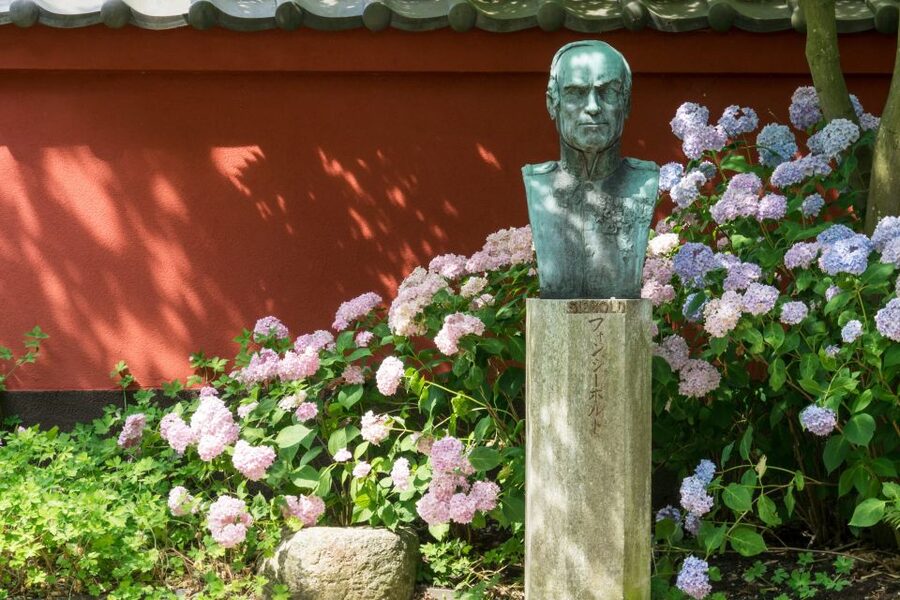
The tropical collection is likely to be the heart of your visit, especially from late autumn through early spring. Hortus botanicus has a strong focus on plants from Southeast Asia, and the glasshouses create the warm, humid setting these plants need.
Tropical orchids are a major draw. Their unusual shapes and colors give you plenty to look at, even when outdoor beds are dormant. I would allow extra time here rather than treating the glasshouses as a quick indoor shortcut.
You may also find other tropical plants that are harder to appreciate in a standard garden center. The point is not simply that they are exotic. The collection shows how plants from different climates require different growing conditions, and how a botanical garden can keep them alive far from their natural home.
A February visit shows why the glasshouses matter. Outdoor areas may offer little seasonal color and heavy rain can make a garden walk less pleasant. The indoor collections provide shelter without turning the visit into a compromise. You still get something substantial from the ticket.
Carnivorous plants and unusual specimens
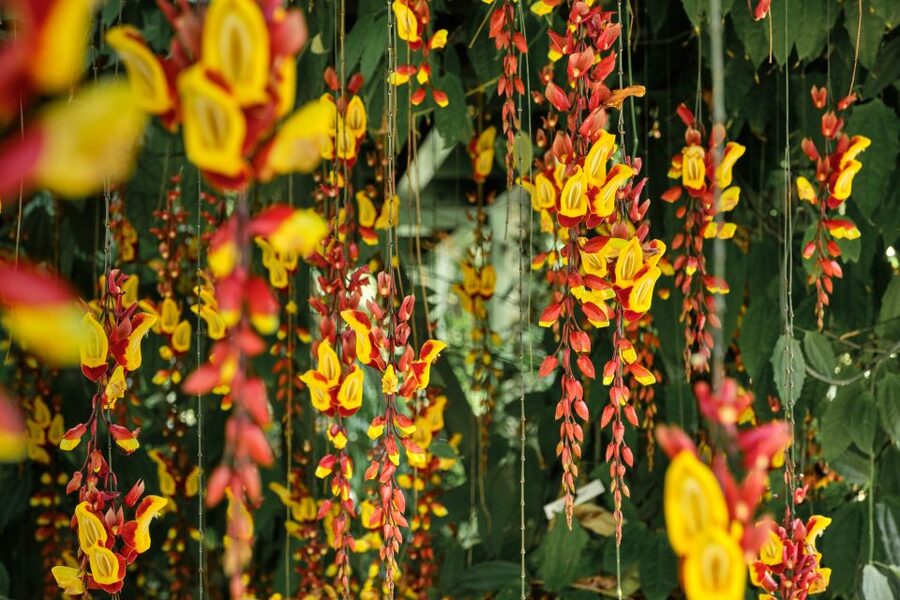
The carnivorous plant collection adds a playful change of pace. These plants are popular because they overturn the usual idea that plants simply sit in the soil and wait for sunlight. They catch prey, and that makes them a natural favorite for children and anyone who likes the stranger side of nature.
The collection is one reason this garden suits mixed-interest groups. A keen gardener can study the plant forms, while a casual visitor can focus on the surprising adaptations. You do not need specialist knowledge to enjoy this section.
The same applies to the rare tropical orchids and other endangered plants. Their presence gives the visit more weight than a simple flower display. You are seeing species that face pressure in the wild, alongside information about plant diversity and conservation.
The provided details do not specify the number of carnivorous species or the exact plants on display during your visit. Plan to treat the collection as a changing botanical exhibit rather than a fixed checklist.
Seasonal flowers worth timing your visit around
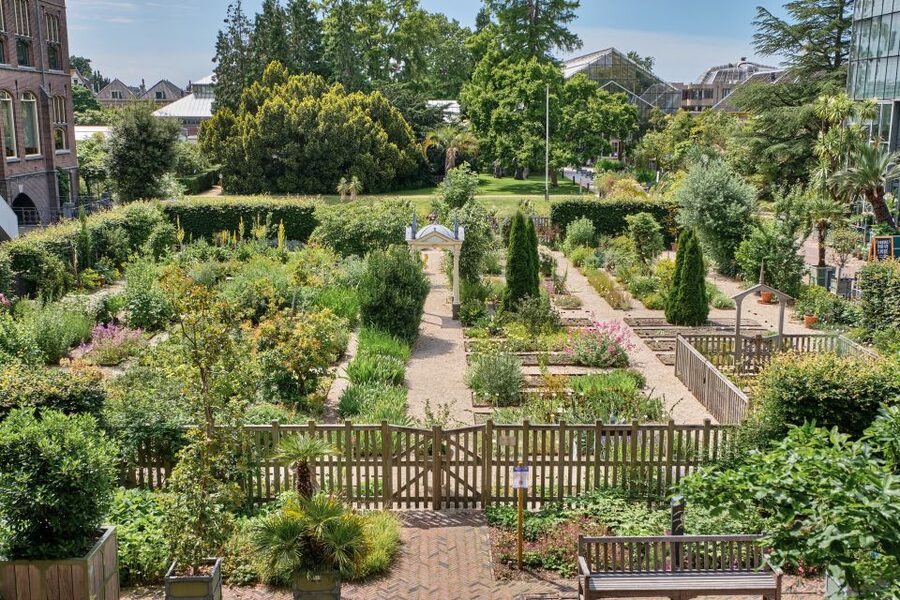
Timing can shape your experience more than the ticket price. Hortus botanicus has several named seasonal highlights, so you may want to plan around one particular plant.
The Jade Vine flowers in March and April. Its unusual color and shape make it one of the more distinctive reasons to visit in early spring. This is also when flowering bulbs can brighten the outdoor sections, giving you a better balance between the glasshouses and open garden.
Victoria amazonica flowers from June through September. This giant water lily is one of the garden’s headline plants, though flowering depends on the timing of your visit and natural conditions. If you are hoping to see it, check current information before building your day around it.
The Chinese Lotus flowers in July. Summer is a good period for visitors who want the broadest outdoor experience, with more seasonal planting and longer opportunities to walk among the trees.
Autumn offers a different reward. The garden’s ancient monumental trees bring color and atmosphere, even when the main flowering season has passed. This makes the garden worth considering beyond spring and summer.
The old trees and the pace of the visit
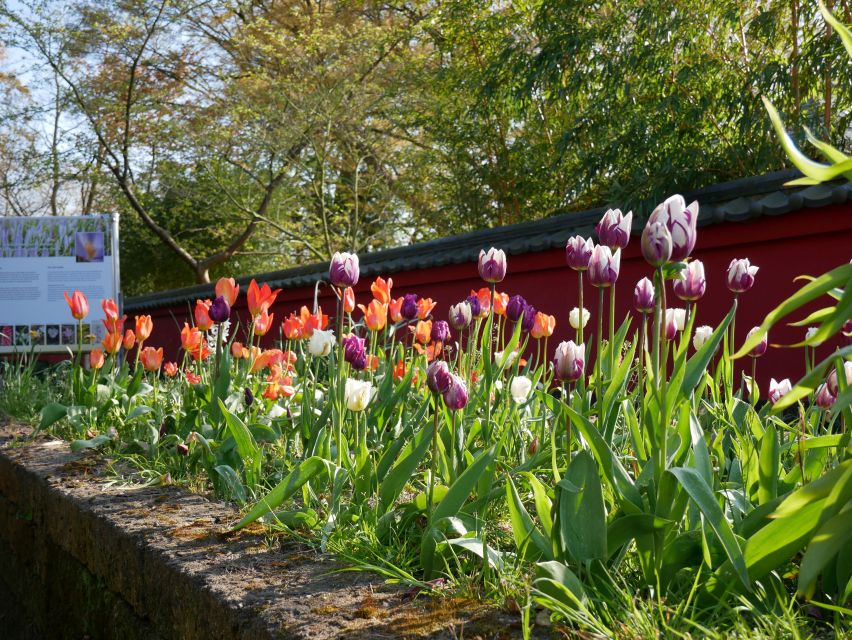
Almost 30 trees form part of the garden’s collection, and some are more than 100 years old. They give the site a sense of age that newly planted public gardens cannot copy.
I would not rush this part. The trees are not a single dramatic stop with a formal viewing platform. Their value comes from the way they shape the walk, frame the plant beds, and make the garden feel connected to earlier generations of gardeners.
A visit of about an hour and a half is enough for a solid look at the main areas. You can move faster if you are focused on the glasshouses, or stay longer if you want a slow outdoor walk. The ticket is valid for one day, so you have flexibility to plan around other sights in Leiden.
This is also where the garden differs from a standard indoor attraction. Weather, light, and season affect what you see. Rain may send you indoors, while autumn color may tempt you to linger outside. That changing quality is a strength, but it means no two visits offer exactly the same emphasis.
What the $14 ticket delivers
At about $14 per person, the admission is reasonably priced for a historic botanical collection with both indoor and outdoor areas. You are paying for access to the full garden, not a short single-room exhibit.
The value is strongest if you plan to spend around 90 minutes exploring several sections. A quick 20-minute visit would make the ticket feel less worthwhile, especially if you skip the glasshouses and old trees. If you enjoy plants, photography, history, or calm walks, the price is easier to justify.
Food and drinks are not included. The site has a Grand Café, so you can add a refreshment before leaving, but budget separately for it. There is also a souvenir shop, which may appeal if you want a small reminder of the visit.
The ticket also gives you room to adapt. You can book now and pay later, and cancellation is free up to 24 hours before the visit. Those terms are useful if your Leiden plans depend on the weather.
Who will enjoy Hortus botanicus Leiden most
I would recommend this experience to you if you enjoy self-guided sightseeing and want something gentler than a major museum. It works well for plant lovers, families curious about carnivorous plants, photographers, and anyone looking for a quiet break.
The garden is also a good rainy-day choice, particularly outside the main flowering season. The glasshouses provide shelter, and the tropical collections remain interesting when the outdoor beds are quiet.
You may want to think twice if you need a tightly structured tour with a guide explaining every stop. No guide’s name is provided because this is an admission ticket rather than a named guided experience. Dutch and English support is available, but the visit is primarily yours to organize.
Wheelchair access is available. The ticket is valid for one day, and you can check available starting times when booking. It is a flexible option rather than a timed, group-based excursion.
Should you book this botanical garden ticket?
Book it if you want a relaxed Leiden stop with real historical depth, strong glasshouse collections, and seasonal reasons to return. The best parts are the tropical orchids, carnivorous plants, Clusius Garden, Japanese Garden, and century-old trees.
I would especially choose it for a rainy day or for a March to September visit when more named seasonal plants may be in flower. In February or late autumn, expect the indoor collections to carry much of the experience, with the old trees and garden structure providing the outdoor interest.
At $14, it is a fair buy for a 90-minute visit and potentially longer. Skip it only if your schedule is too tight for a proper walk or if you want a guide-led explanation rather than a self-paced garden visit.
FAQ
How long does a visit to Hortus botanicus Leiden take?
You can explore the main collections in about an hour and a half. The ticket is valid for one day, so you can take longer if you prefer a slower walk.
What is included in the ticket?
The ticket includes entry to the botanical gardens. Food and drinks are not included.
Is Hortus botanicus Leiden open in every season?
The garden is presented as worth visiting throughout the year, with different highlights by season. Spring brings flowering bulbs, autumn brings color from the old trees, and the glasshouses offer tropical plants when outdoor displays are limited.
When can I see the Jade Vine?
The Jade Vine flowers in March and April.
When does Victoria amazonica flower?
Victoria amazonica flowers from June through September.
Is the botanical garden wheelchair accessible?
Yes, the experience is wheelchair accessible.
Can I cancel the booking?
Yes. You can cancel up to 24 hours in advance for a full refund. You can also reserve now and pay later.
Just added around the Netherlands
- Drive it yourself electric Dune & Summer Flower GPS audio tour★ 5.0 · 24 reviews
- Professional Photoshoot at Private Tulip Field★ 5.0 · 7 reviews
- Taking Pictures in the Tulip Field at De Tulperij★ 4.5 · 35 reviews
- Enjoy the Tulips in a Landrover with a local guide★ 5.0 · 4 reviews
- Enjoy the tulip fields by bicycle with a local guide! Tulip bike tour!★ 4.5 · 51 reviews
- Keukenhof – spring garden from Rotterdam, Delf & The Hague★ 4.5 · 3 reviews
- Guided Bike Tour along the Dutch Tulip Fields in Noord Holland★ 5.0 · 9 reviews
- Surrealistic Art Maze in Tilburg★ 4.0 · 29 reviews
Netherlands Garden Tours, compared.

Keukenhof Entry & Shuttlebus with Flexible Return
Read our review →

Tour to Keukenhof Gardens with Windmill Cruise
Read our review →


Day Tour Keukenhof and Zaanse Schans Windmills
Read our review →
Keukenhof and Zaanse Schans Live Guided Day Tour
Read our review →
Keukenhof and Zaanse Schans Windmills Guided Day Trip
Read our review →Browse the lists this tour appears in