
Review · ITALY
CASA NEPETA: Botanical Walk, Amari Production, and Tasting
The most interesting part of this two-hour outing is that the drink begins in the soil. At Nepeta’s factory in Testa dell’Acqua, you walk among the herbs used in the company’s amari, then follow them indoors to the production area and tasting table. It is a small-scale, hands-on look at how Sicily’s aromatic plants become bitters.
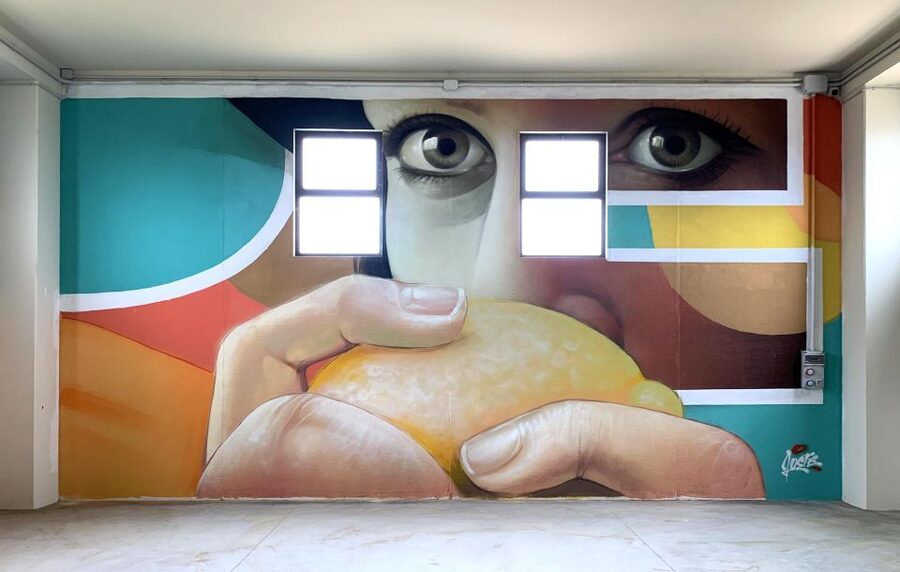
I like the direct link between field and bottle, and I like the tasting choices: neat, over ice, or mixed into a botanical cocktail. The mural covering the factory’s interior walls, created by street artist Loste, adds an unexpected art stop. Nicole has hosted the experience with warmth and passion, and that personal touch matters in a short visit.
The main consideration is getting there. Transportation is not included, and this is not a full meal or a broad sightseeing tour of Testa dell’Acqua. You are paying for a focused botanical and amari experience, with walking, plant handling, production, and drinks packed into two hours.
Key points at a glance
- Walk through Nepeta’s own herb field: See and smell nepitella, marjoram, and wild thyme grown for the company’s liqueurs.
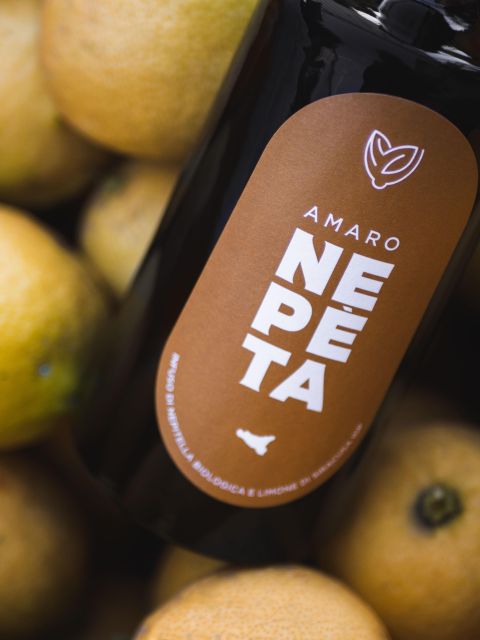
- Connect three plants with three bottles: Nepitella becomes Nepèta, marjoram becomes Majora, and wild thyme is used for Timous, a sugar-free amaro.
- See Loste’s factory mural: The artwork covers the interior walls and brings a strong visual element to the production visit.
- Taste amari three ways: Try the liqueurs neat, on ice, or in botanical cocktails.
- Meet a passionate host: Nicole leads the visit in Italian, English, or Spanish.
- Plan for a focused two-hour stop: Transportation, a full meal, additional drinks, truffle hunting, the MAT Museum, and botanical painting are not part of this booking.
A botanical beginning in Testa dell’Acqua
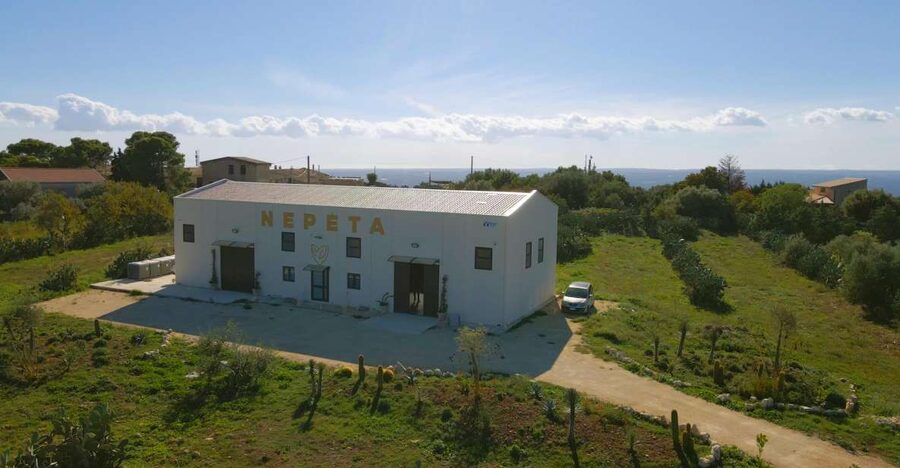
Testa dell’Acqua gives this experience its sense of place. Instead of starting with a polished tasting room and a sales pitch, the visit begins outside among aromatic plants associated with Sicily’s Iblean territory. You get to see the ingredients before they are dried, blended, and turned into liqueur.
The botanical walk is not just a pleasant prelude to the drinks. It explains what gives each bottle its identity. You learn to recognize nepitella, a mint-like herb used for Nepèta, along with marjoram for Majora and wild thyme for Timous.
You can collect the herbs, smell them, and take them with you. That small act makes the visit more memorable than simply hearing a list of ingredients. Your hands and nose become part of the lesson. If you enjoy gardens, local food traditions, or the way ordinary plants become distinctive regional products, this first section gives the tour its real character.
Wear comfortable walking shoes and clothing suited to the weather. The experience includes time outdoors, and you should bring water, particularly in Sicily’s warmer months. A camera is also worthwhile, both for the plants and for the factory artwork later in the visit.
A few more garden visits around Italy worth a look
- Sorrento: Lemon Garden Tour with Marmalade Tasting
★ 4.6 · 405 reviews - Sorrento: Walking Tour in Lemon Garden w/ Food Tasting
★ 4.8 · 72 reviews - Authentic Amalfi Lemon Tour & Tasting in the Historical Garden
★ 5.0 · 52 reviews
Three herbs, three very different amari
The company’s approach is easy to follow because the main products are tied to specific plants. Nepèta uses nepitella, Majora uses marjoram, and Timous relies on wild thyme. Rather than overwhelming you with a long list of anonymous botanicals, the walk gives you a clear starting point for understanding the bottles.
That simplicity is part of the appeal. One of the strongest impressions from the visit is that the amari are not treated as an excuse to add every herb in the cupboard. The flavors are presented as balanced rather than overloaded. If you have tried Italian bitters that taste aggressively medicinal or crowded with spices, this may feel more restrained.
Timous is especially useful for visitors who avoid sugar. It is described as a sugar-free amaro, giving the tasting a clear point of difference. You still need to ask about ingredients if you have a medical allergy or dietary concern, but the product’s sugar-free character makes it an interesting comparison with the other liqueurs.
The guide also explains the properties of the plants. That does not turn the visit into a medical consultation, and you should not treat traditional herbal descriptions as health advice. The value is cultural and sensory: you learn why these plants have a place in local production and how their scent and character carry into the finished drinks.
Inside the factory with Loste’s mural
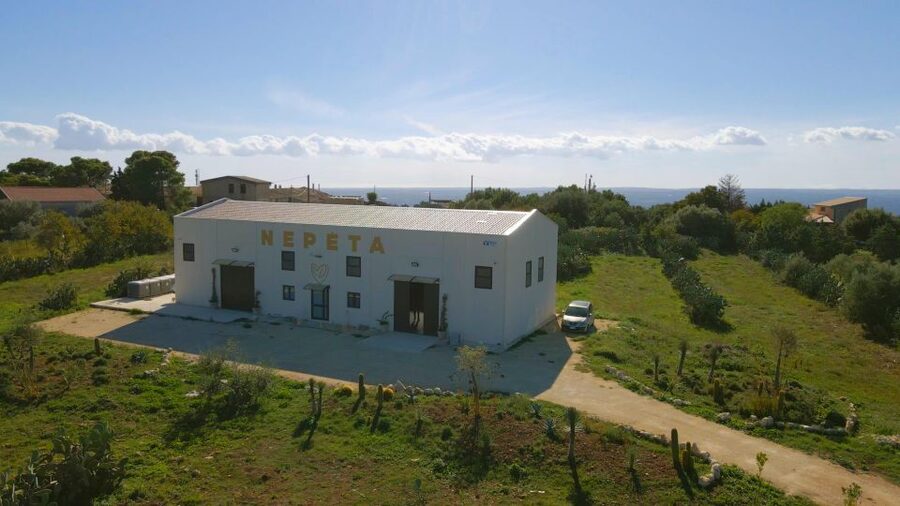
After the garden, you enter the liquor factory to see how the bitters are produced. The production explanation gives context to the tasting that follows. You are not simply handed a glass and told what to like. You first see the setting where the company makes its liqueurs, then learn how the plant material becomes amaro.
The factory’s interior walls are covered with a mural by the street artist Loste. The artist is also known for the Falcone and Borsellino mural in Palermo, so the artwork gives the building a connection to Sicily’s wider street-art scene. It is an unusual feature for a liquor visit and helps break up what could otherwise be a technical stop.
The information supplied for this experience does not spell out every production stage or specify how close you get to operating equipment. It is best to think of the factory visit as an explanation of the process rather than a large industrial tour. The focus remains on the plants, the company’s work, and the final tasting.
That scale is a plus for people who prefer personal visits to big commercial attractions. You have a chance to ask questions and connect the bottle in your glass with the place where it is made. It is less suited to you if your main interest is machinery, a long technical lecture, or a large-scale distillery operation.
The tasting: neat, cold, or mixed
The final tasting is the reward, but it works best because the earlier parts have prepared you for it. You can sample the liqueurs neat, on ice, or in botanical cocktails. This lets you compare the products in forms that suit different palates.
A neat tasting shows the character of the amaro most directly. It is the useful choice if you want to notice the herbs and bitterness without dilution. Ice softens the drink and changes its texture and temperature. A cocktail provides the easiest introduction if you are unsure about bitter liqueurs or prefer a longer, more refreshing drink.
The botanical cocktail is one of the high points of the visit. It turns the plant lesson into something you can taste in a social, relaxed form. One cocktail described from the experience was particularly well received, and that matters because amari are not always easy for first-time drinkers. You can try the drinks in a friendlier format before deciding which bottle you prefer.
The tasting is not a full meal. Meals and additional beverages are not included in the stated price, so do not arrive expecting lunch or a broad bar menu. One account of the experience included delicious food alongside the tasting, but the formal inclusions specify tasting and botanical cocktails rather than a guaranteed meal. If you need substantial food, plan for it separately.
More Garden Walks in Italy:
- Florence: Pitti Palace and Boboli Gardens Walking Tour
★ 4.6 · 182 reviews - Secret Gardens of Venice Walking Tour
★ 5.0 · 60 reviews - Medici’s Mile Walking Tour plus Pitti Palace or Boboli Gardens Ticket
★ 3.5 · 24 reviews - Walking tour with a private tour guide in the botanical gardens of Villa Taranto
★ 5.0 · 5 reviews
How the $58 price measures up
At $58 per person, the experience is not the cheapest way to have an Italian drink. It is also not merely a bar tasting. The price covers a guided botanical walk, an explanation of the production process, access to the factory, the Loste mural, the opportunity to handle and smell the herbs, and a tasting of the resulting liqueurs and cocktails.
For me, the value depends on how much you want the story behind the drink. If you only want to sample amaro, you can likely do that elsewhere for less. If you want to understand where the botanicals come from and connect them to a local producer, the price is more defensible.
The two-hour length is well suited to a morning or afternoon plan. It is long enough to give the herbs and factory proper attention without turning a tasting into an all-day commitment. Since the tour takes place in Testa dell’Acqua, you should factor in your own transportation and travel time. Those arrangements are not included.
The small number of published ratings is limited, but the available score is perfect. More important than the number is the pattern in the comments: the company’s story, the herb garden, the host’s passion, the amari, and the final cocktail receive the strongest praise. I would treat that as encouraging rather than as proof that every visit will be identical.
Nicole’s role in the experience
A good guide can make a plant walk feel alive, and Nicole is named as the host for this experience. The description emphasizes a warm, honest, passionate approach. That fits the nature of the visit, which depends less on grand scenery or elaborate equipment than on how clearly someone can explain the plants and the company’s work.
Nicole’s role is especially important during the tasting. Amari can be unfamiliar, and a patient explanation helps you understand why one is bitter, herbal, sweet, dry, or better suited to a cocktail. The available language options are Italian, English, and Spanish, which makes the activity practical for a broad mix of visitors.
The tone sounds personal rather than formal. You should expect a guided introduction to the family of products and the herbs behind them, not a scripted museum lecture. That is good news if you like meeting producers and asking questions. It may be less satisfying if you want a highly structured technical presentation with precise measurements and industrial detail.
What to bring and how to prepare
The practical preparation is simple:
- Wear comfortable shoes for the botanical walk.
- Choose clothing suited to the weather.
- Bring a water bottle and stay hydrated.
- Take a camera for the herb field and Loste’s mural.
- Arrange your own transport to and from Testa dell’Acqua.
- Do not count on truffle hunting, the MAT Museum, botanical painting, or a meal as part of this activity.
The experience is wheelchair accessible according to the provided information. Still, because the visit includes an outdoor botanical walk, you may want to confirm the exact route and ground conditions before booking if you have particular mobility needs. The activity’s accessibility status is helpful, but the practical details of the field are not specified.
The cancellation policy is flexible: you can cancel up to 24 hours in advance for a full refund. You can also reserve now and pay later. Those terms are useful if you are building a Sicily itinerary around changing weather or uncertain transport.
Who will enjoy this visit most
I would recommend this experience to anyone curious about Sicilian herbs and local production. It suits adults who enjoy food and drink with a sense of origin, as well as visitors who prefer meeting makers to checking off major sights. The mural adds interest for art fans, while the tasting gives the visit a social finish.
It is also a good choice if you are new to amaro. The chance to try the drinks neat, cold, and in cocktails lets you find a style you actually enjoy. You do not have to be a serious spirits enthusiast to get something from the visit.
Families can find the plant walk and mural interesting, but the main payoff is the alcohol tasting, so the activity is naturally aimed at adults. It may not be the best match for anyone who dislikes bitter flavors, has no interest in herbs, or wants a full meal included.
The tour works particularly well as part of a day exploring the area around Testa dell’Acqua. Since transport is not provided, it is easiest when you already have a car or have arranged another way to reach the factory. Do not choose it simply because you have a spare two hours in another Sicilian town unless you have also solved the transport question.
Should you book Casa Nepeta?
Book it if you want to understand the drink before you taste it. The strongest parts are the herb field, the clear connection between plant and bottle, the artwork by Loste, and the final cocktail and amari tasting. Nicole’s personal hosting style adds warmth to what could otherwise be a fairly narrow factory visit.
Skip it if you are looking for a major museum, a long meal, a truffle hunt, or a full tour of Testa dell’Acqua. Those are separate activities, and this visit stays focused on botanicals and bitters.
At $58, I see it as a fair choice for people who value a local producer story and an intimate tasting more than a cheap drink. Arrange transportation, wear proper shoes, and arrive ready to smell the herbs before judging the bottles. If that sounds like your kind of Sicilian afternoon, Casa Nepeta earns a place on your plan.
FAQ
Where does the Casa Nepeta experience take place?
It takes place at a liquor factory in Testa dell’Acqua, Sicily, with an outdoor walk through the herbs grown by the factory.
How long does the activity last?
The experience lasts two hours. Starting times depend on availability.
What languages are available?
The host or greeter can provide the experience in Italian, English, or Spanish.
What drinks will I taste?
You can taste the company’s bitters and liqueurs neat, on ice, or in botanical cocktails. The products include Nepèta, Majora, and Timous, a sugar-free amaro.
Is transportation included?
No. Transportation to and from the activity location is not included.
What should I bring?
Bring comfortable walking shoes, weather-appropriate clothing, water, and a camera.
Just added around Italy
- Venice: panoramic lunch in St. Mark’s Square Royal Gardens★ 3.0 · 12 reviews
- Hidden Verona & Giusti Garden- 3 hour private walking tour★ 5.0 · 2 reviews
- Secret gardens of Venice in the Dorsoduro district with Cichetti tasting★ 3.0 · 2 reviews
- Royal Gardens & St.Mark Basin View Casanova Aperitif★ 3.5 · 17 reviews
- Secret Gardens of Venice Walking Tour★ 5.0 · 60 reviews
- Sea, Volcano and History: Giardini Naxos, Isolabella, Etna and Taormina★ 4.5 · 3 reviews
- Taxi Giardini Naxos★ 5.0 · 2 reviews
- Tour to Etna Volcano and Taormina from Giardini Naxos – Taormina★ 5.0 · 2 reviews
Italy Garden Tours, compared.

Borghese Gallery and Gardens Guided Small-Group Tour
Read our review →
Borghese Gallery & Gardens Small Group Guided Tour
Read our review →
Bioparco di Roma Zoological Garden Entry Ticket
Read our review →
Caserta Royal Palace & Gardens Small Group Tour with Shuttle
Read our review →
Giardini Naxos: Dolphin Searching Sunset Boat Tour
Read our review →
Pitti Palace, Boboli Garden, Palatine Gallery Tour
Read our review →Browse the lists this tour appears in