
Review · SOUTH KOREA
Explore Spirited Garden a Cultural Gem in Jeju
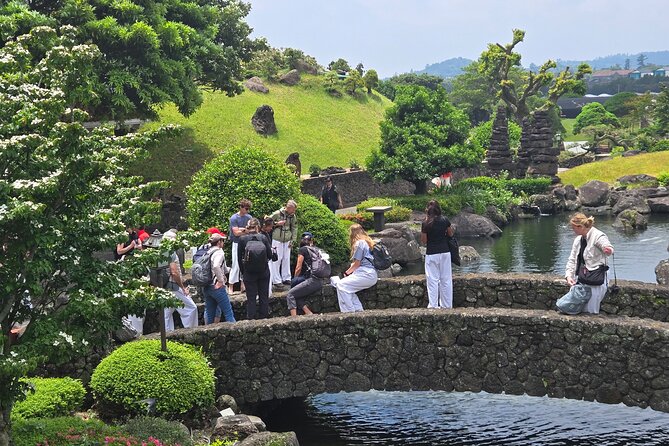
Spirited Garden is less a quick photo stop than a quiet walk through Korean bonsai, volcanic stonework, ponds, and small hills. Farmer Sung Beom-Young built it over time, and the garden still feels personal rather than mass-produced. I like the peaceful setting and the way each turn gives you a new view of trees, water, stone, and carved messages.
I also like that the founder may still be present and willing to speak with visitors. The garden is easy to fit into a Jeju day, but keep your expectations in check: it focuses on trees and reflection, not flower displays, and some people may find the visit short for the admission price.
Key points to know before you go
- Sung Beom-Young’s personal garden: Farmer Sung Beom-Young created Spirited Garden and may still appear at the information center.
- Seven themed sections: Expect ponds, lawns, small oreum-like hills, bonsai, stone walls, gates, and bridges.
- A quiet place to slow down: The garden suits meditation, photography, and an unhurried stroll more than fast sightseeing.
- About one hour: You can see the main garden in roughly 30 to 60 minutes, depending on how long you pause.
- Admission is about $8: Coffee and lunch are not included, so the value depends on how much you enjoy gardens and bonsai.
- Open daily from 9 a.m. to 5 p.m.: The listed hours apply from June 17, 2025, through February 7, 2027.
Entering a garden built by one man
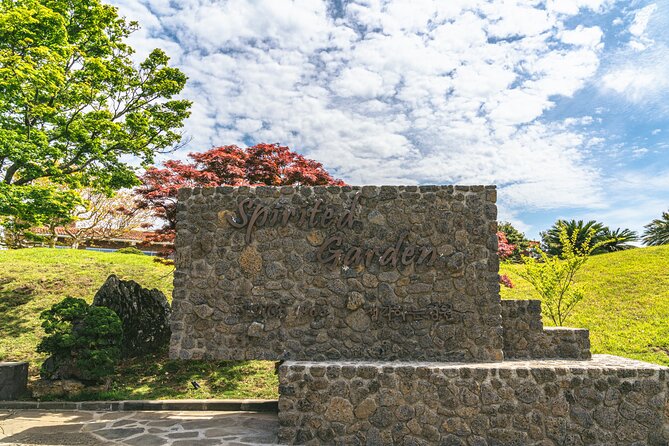
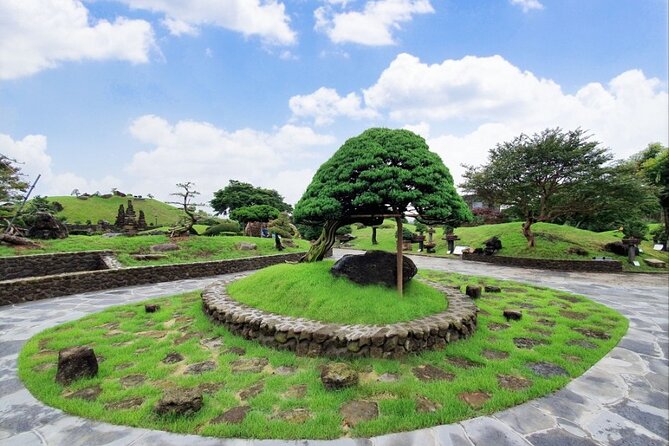
Spirited Garden began with Sung Beom-Young, a farmer who shaped the property into a large garden of trees, rocks, water, and quiet spaces. The site covers about 40,000 square meters, also described as 12,000 pyeong, with seven themed gardens and several supporting facilities.
That scale sounds enormous, but the experience feels manageable. You are not facing miles of formal paths or a full-day botanical park. Most people can walk through the main sections in about an hour, and a shorter visit of around 30 minutes is possible if you keep moving.
The garden has received international attention and has been presented as one of the world’s top gardens by CNN, The Guardian, and National Geographic. It has also welcomed leaders from more than 10 countries. Those credentials may bring you through the gate, but the appeal is quieter than a famous-name attraction. The real pleasure comes from noticing how one tree sits beside one stone wall, or how a pond opens a view through the garden.
The garden’s guiding idea is philosophical rather than instructional. You will see inscriptions and signs, but the place does not seem designed to lecture you at every stop. Instead, you are given room to form your own response. I find that works best if you resist the urge to rush through with your camera raised.
A few more garden visits around South Korea worth a look
- Mt. Seorak+Nami Island+Garden of Morning Calm Day Trip from Seoul
★ 5.0 · 959 reviews - Seoul: Nami Island and Garden of Morning Calm opt Railbike
★ 4.6 · 907 reviews - From Seoul: Nami Island, K-drama Garden & Rail Bike Day Tour
★ 4.6 · 724 reviews
Seven garden sections with Korean character
The seven themed sections use elements familiar from Korean garden design: native trees, ornamental stones, volcanic basalt, water, open lawns, and small hills. Each area has its own arrangement, but the parts connect through a shared calmness.
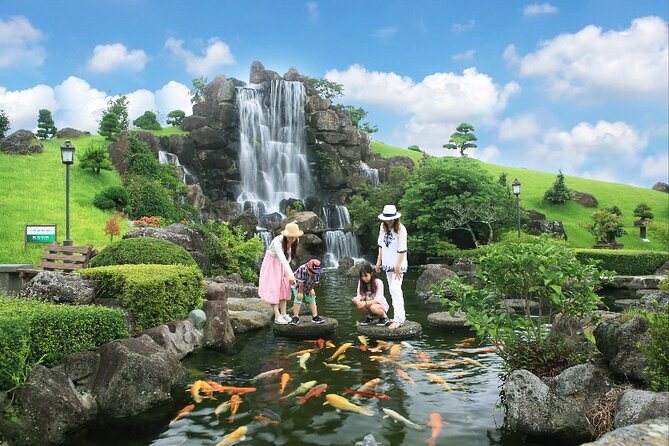
Clear ponds and small waterfalls add movement without making the garden noisy. Koi carp appear in some of the water features, giving you an easy focal point while you pause. Lawns and small rises break up the planting, so the setting does not feel like one long corridor of bonsai.
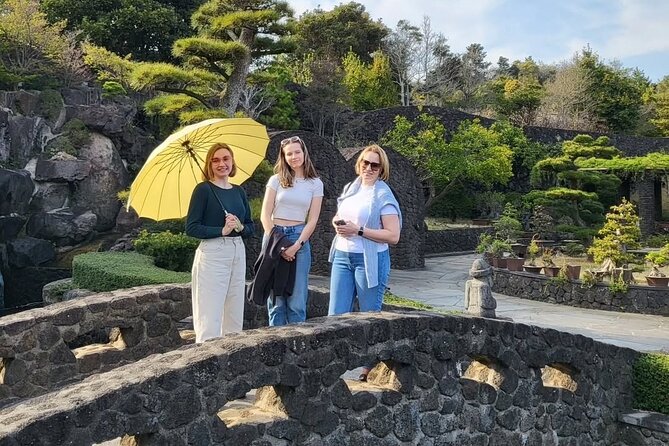
Basalt is especially important here. Jeju is known for its volcanic stone, and Spirited Garden uses it for walls, gates, bridges, and other built features. The black stone gives the garden a strong local identity. It also makes a useful contrast with the green trees and the reflective water.
The bonsai collection is the main attraction. You might find unusual shapes, old-looking trunks, and fruiting trees that reward close inspection. This is not a garden built around beds of seasonal flowers, so you should come for tree forms and patient care rather than bright color.
The setting also includes ornamental stones and sculptures. These details matter because the garden is not simply a collection of potted bonsai. Trees, rocks, water, paths, and structures are arranged together, giving you scenes to consider rather than isolated specimens to tick off a list.
Why the quiet mood matters
Jeju has plenty of dramatic sights, but Spirited Garden offers a different pace. There are no big views to chase and no need to cover a huge route. You can sit beside a pond, study the shape of a bonsai, or read an inscription before moving on.
I would plan this stop for a part of the day when you do not need to hurry. The garden is particularly suited to people who enjoy photography, meditation, garden design, or simple quiet. It also works well after a busy stretch of sightseeing, when you want an hour with fewer demands on your attention.
The quiet is one of the garden’s strongest qualities, though it may not suit every visitor. If your ideal garden means masses of flowers, seasonal color, or a long botanical collection, you could find the visit limited. Spirited Garden is more restrained and contemplative.
The garden’s wooden seating areas add to that mood. Some sitting places have an antique feel, and they encourage you to stop rather than treat the route as a point-to-point walk. Bring patience. A five-minute pause can be more rewarding here than trying to photograph every plant.
A closer look at the bonsai and stones
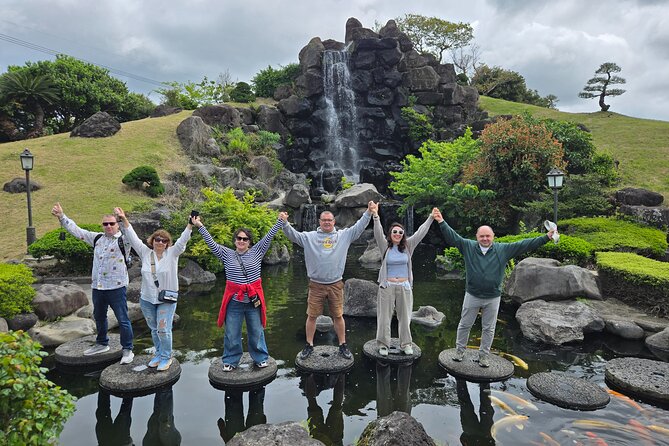
Bonsai is not a side feature at Spirited Garden. It gives the visit its focus. The collection includes Korean native trees and other carefully shaped specimens, with some fruit trees noted for their unusual character.
Bonsai can be easy to misunderstand if you only glance at it. The interest is in the relationship between age, shape, trunk, branch structure, and container or setting. At Spirited Garden, you can compare the compact trees with full-size plantings around them. That contrast helps you see how much character can be expressed in a single tree.
The rocks deserve equal attention. Jeju’s basalt is practical building material here, but it also creates visual weight. A rough dark wall beside still water gives the garden a sense of age, even though the overall project comes from one man’s long work.
You will also see inscriptions and messages placed around the grounds. Their meaning is not always explained at length. That is part of the design. You can take the words at face value, reflect on them, or simply continue walking. The garden does not require one correct interpretation.
For photography, look beyond the obvious bonsai close-up. Try framing a tree with a basalt gate, a bridge over water, or a distant lawn. The garden’s best images often come from these relationships rather than from a single plant.
Same place, a different kind of green day out:
- Seoul: Mt.Seorak, Nami Island & Korean Garden, No Shopping
★ 4.8 · 614 reviews - Day Trip to Nami Island with Rail bike and The Garden of Morning Calm
★ 4.5 · 459 reviews - Trip to Nami Island with Petite France & Italian Village, Garden of Morning Calm
★ 4.5 · 373 reviews - Nami Island & Garden of Morning Calm & Gangchon Railbike Tour
★ 4.5 · 370 reviews
Meeting the founder, Sung Beom-Young
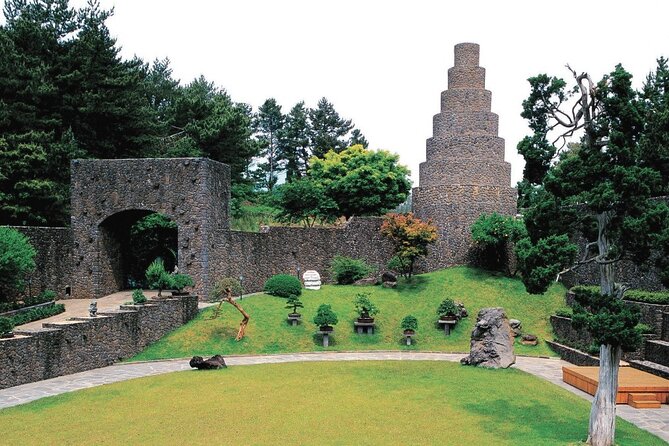
One unusual possibility is meeting Sung Beom-Young himself. He has been seen at the information center and may speak with people about his experiences and the garden’s visitors. I would not treat this as a guaranteed personal tour, since the experience information does not promise a scheduled meeting.
Still, his possible presence changes how you see the property. This is not just a public garden assembled by an anonymous institution. It grew from one person’s work and vision. If he is there, a brief conversation can add context that no sign can provide.
The personal connection is also visible in the garden’s tone. It feels more like a place built over decades than a display arranged for quick impact. Some areas may appear more formal, while others feel like parts of a long-running personal project. That mix is part of its character.
You do not need to know anything about bonsai or Korean garden design before arriving. Look closely, walk slowly, and let the arrangement speak for itself. If a sign or inscription catches your attention, give it time instead of searching for a single official lesson.
How long to allow and what to combine with it
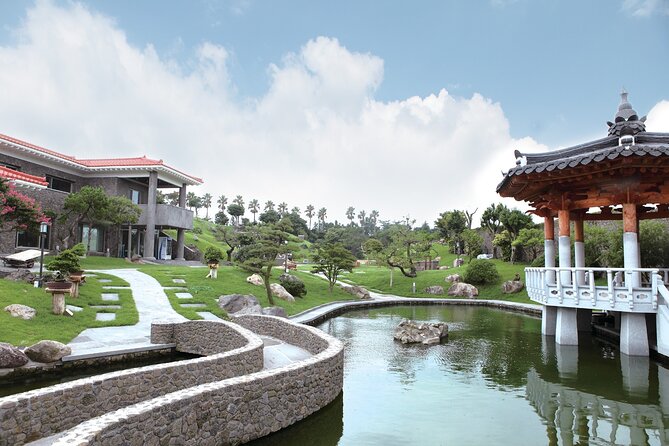
The listed duration is about one hour. That is a fair planning figure for a thoughtful walk through the main areas. If you photograph each section, sit beside the ponds, or spend time studying the trees, allow extra time within your day.
Some people may finish in about 30 minutes. That is not necessarily a problem, but it affects the value of the admission. The garden is medium-sized rather than vast, and there is no long itinerary of separate attractions after the main walk.
The activity begins and ends at the garden’s meeting point at 1534 Jeoji-ri, Hangyeong-myeon, Jeju, Jeju-do. It is near public transportation, and the visit is listed as a private activity for your group. The information does not describe a separate guided route, so plan on exploring the garden rather than expecting a formal lecture.
Opening hours are listed as 9 a.m. to 5 p.m., Monday through Sunday, for the period from June 17, 2025, through February 7, 2027. I would still confirm hours close to your visit, especially if you are building a full day around the stop.
Coffee and tea are not included, and lunch is not included. If you want to linger over a drink, treat that as a separate expense and check what is available on the day.
Is the $8 admission good value?
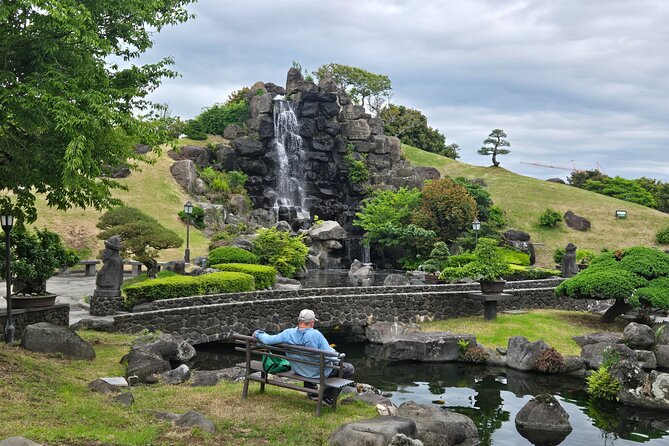
At about $8 per person, Spirited Garden is reasonably priced if you enjoy bonsai, stonework, and quiet gardens. The admission includes entry, and the garden offers more than a simple collection of plants. You are paying for the setting, the water features, the stone structures, and the long personal effort behind the place.
Value becomes less clear if you expect a large park or a long visit. One account places the entry price at 15,000 won and considers it high for a visit lasting little more than 30 minutes. Prices can change, so check the current amount when booking or before arrival.
I would judge the cost by your interests. A bonsai enthusiast could spend an absorbing hour here and feel well served. Someone looking for flowers, major architectural sights, or a full-day attraction may prefer to spend the money elsewhere.
The garden also offers something that is hard to price: a pause. If you are moving through Jeju at a busy pace, an hour of calm can have real value. If your schedule is already full of scenic stops, the experience may feel less essential.
Who will enjoy Spirited Garden most?
I recommend this stop for:
- Bonsai enthusiasts who want to see Korean trees, fruiting specimens, and unusual forms.
- Photographers looking for ponds, basalt walls, bridges, trees, and carefully framed garden scenes.
- Couples and solo visitors who enjoy a calm walk with places to sit.
- Garden lovers interested in how water, stone, trees, and small hills work together.
- People seeking quiet after a busy day around Jeju.
- Visitors curious about Sung Beom-Young’s work and the story of a farmer who shaped a large garden over time.
I would think twice if your priority is a massive botanical park, dense flower planting, or a long guided tour. The garden is peaceful and carefully arranged, but it is not packed with attractions.
Most people can participate, and service animals are allowed. Since the available information does not give detailed path conditions or accessibility measurements, contact the operator if you need specific mobility information.
Booking, cancellation, and practical timing
Confirmation is provided at booking, and the ticket is mobile, which keeps the arrival process simple. Bring the ticket on your phone and head to the ticket office at the garden entrance.
Free cancellation is available if you cancel at least 24 hours before the experience begins. Cancellations made within 24 hours, along with late changes, are not refunded. The cut-off follows local Jeju time.
I would aim for a visit early or later in the listed opening window if you want the quietest possible walk, though the available details do not promise a particular crowd level. The garden’s reflective quality is easiest to appreciate when you are not watching the clock.
Should you book Spirited Garden?
Book it if you want a peaceful hour centered on bonsai, basalt, ponds, and thoughtful design. The personal story of Sung Beom-Young gives the garden more character than a standard public park, and the chance of meeting him adds an unusual human touch.
Skip it if you need a large attraction filled with flowers, dramatic viewpoints, or several hours of activity. Spirited Garden is compact enough for a short stop, and its appeal depends on your willingness to slow down.
For the listed $8 price, I consider it a good Jeju add-on for garden lovers and photographers. Give yourself enough time to sit, look closely, and follow the garden’s quiet rhythm. That is where the visit earns its keep.
FAQ
Where is Spirited Garden located?
Spirited Garden is at 1534 Jeoji-ri, Hangyeong-myeon, Jeju, Jeju-do, South Korea.
How long does the visit take?
The listed duration is approximately one hour. Some people may complete the main walk in about 30 minutes, while a slower visit with photography and time for reflection can take longer.
What does admission include?
Admission includes entry to Spirited Garden. Lunch, coffee, and tea are not included.
What can I see inside the garden?
You can see seven themed garden areas with Korean native trees, bonsai, ornamental stones, volcanic basalt walls, gates, bridges, ponds, lawns, small hills, waterfalls, and koi carp.
Is the garden open every day?
Yes. The listed hours are 9 a.m. to 5 p.m., Monday through Sunday, for June 17, 2025, through February 7, 2027.
Can I meet the garden’s founder?
Sung Beom-Young may be present at the information center and may speak with visitors, but a meeting is not guaranteed as part of the activity.
What is the cancellation policy?
You can receive a full refund by cancelling at least 24 hours before the start time. Cancellations or changes made less than 24 hours before the start time are not refunded.
Just added around South Korea
- Taean Tulip Festival and Strawberry Picking Day Tour from Seoul★ 4.5 · 3 reviews
- Eobi Ice Valley& Nami Island with Garden of Morning Calm Trip★ 4.5 · 9 reviews
- Strawberry & Eobi Valley & Nami Island & Garden of Morning Calm★ 4.5 · 2 reviews
- Seoraksan and Cherry Blossom Lake 1 day trip from Seoul★ 5.0 · 4 reviews
- Full Day Private Tour Nami Island, Garden & Petite France★ 5.0 · 57 reviews
- Scenic Escape: Nami Island, Garden of Morning Calm, and Rail Bike★ 3.0 · 2 reviews
- (Private tour) Nami Island + Railbike + Garden of morning calm★ 5.0 · 7 reviews
- Alpaca, Nami, Petite Fr, Italian Village, Garden of Morning Calm★ 3.5 · 5 reviews
South Korea Garden Tours, compared.
Mt. Seorak+Nami Island+Garden of Morning Calm Day Trip from Seoul
Read our review →
Nami Island and Garden of Morning Calm opt Railbike
Read our review →
Nami Island, K-drama Garden & Rail Bike Day Tour
Read our review →
Mt.Seorak, Nami Island & Korean Garden, No Shopping
Read our review →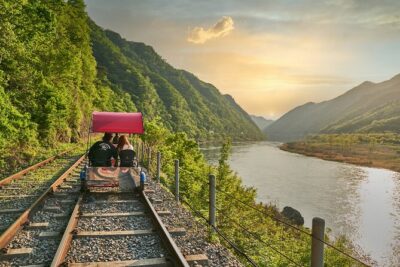
Day Trip to Nami Island with Rail bike and The Garden of Morning Calm
Read our review →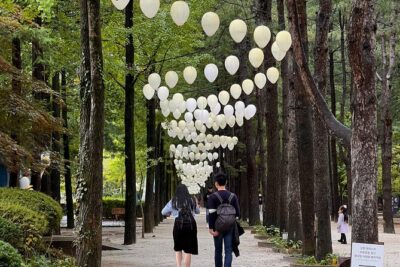
Trip to Nami Island with Petite France & Italian Village, Garden of Morning Calm
Read our review →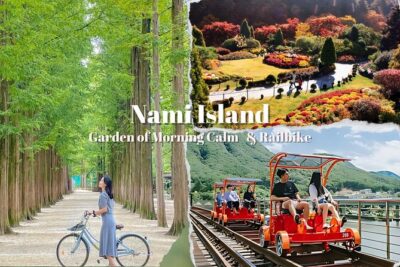
Nami Island & Garden of Morning Calm & Gangchon Railbike Tour
Read our review →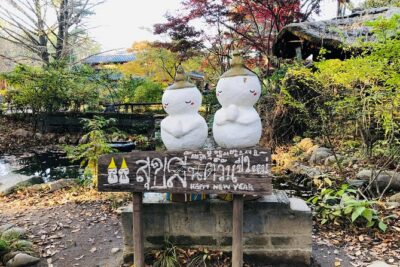
Nami+Alpaca+Garden of Morning Calm (+Rail Bike Option)
Read our review →Browse the lists this tour appears in