
Review · GIVERNY
Giverny: Monet’s House and Gardens Guided Tour
Monet’s garden is not just a pretty stop in Normandy. It is the living source of many of his paintings, from the water lilies and Japanese bridge to the ordered beds of the Clos Normand. This two-hour guided visit helps you see the place as both home and working artistic tool.
I like the small group of up to 10 and the separate entrance, especially when the main queue is long. I also like the way the best guides connect flowers, light, color theory, family life, and Monet’s paintings instead of treating the house as a quick photo stop. The main drawback is the $69 price, which may feel high if you only want to stroll independently.
Key points
- Water garden first: See the famous pond, lilies, and Japanese bridge that inspired Monet’s series of paintings.
- Brigitte is a major strength: Many tours are led by Brigitte, whose talks cover art, botany, family life, and Monet’s use of color.
- Skip-the-line access matters: Your prepaid ticket allows entry through a separate entrance rather than the regular queue.
- Small groups keep it personal: With no more than 10 participants, you can ask questions and hear the guide more easily.
- The season changes the garden: The site opens from early spring until the first days of November, with flowers and fragrances changing through the year.
- Plan your meeting carefully: Meet outside Les Nymphéas café and look for the guide’s blue badge and green folder.
Why Giverny feels different from a museum visit
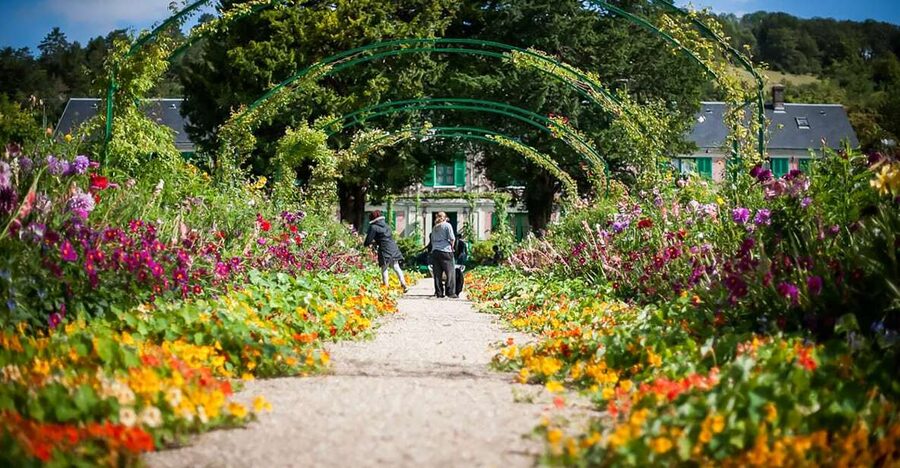
At a museum, you see Monet’s finished paintings. At Giverny, you see the place that helped produce them. The garden gives you a practical sense of his attention to changing light, plant combinations, reflections, and color.
That connection is the real reason to take a guided tour. You can walk through the gardens alone and enjoy the flowers, but it is easy to miss why the planting patterns mattered to Monet. A good guide points out how he arranged plants for color contrasts and how the water garden became a subject in its own right.
I especially like that the tour does not treat Monet only as a famous painter. The guide also discusses his home, family, friendships with other artists, and daily life in Giverny. Those details make the house feel less like a preserved shell and more like part of a working household.
The setting is beautiful, but beauty alone does not justify $69. The guide’s interpretation and the time saved at the entrance are what make the price easier to accept.
More Giverny and Monet garden trips from Giverny:
- From Paris: Giverny, Monet’s Home & Gardens Half-Day Trip
★ 4.5 · 2,887 reviews - From Paris: Giverny Day Trip with Audio Guide or Live Guide
★ 4.3 · 2,372 reviews - Versailles Palace and Giverny Monet House Visit with Lunch
★ 4.0 · 1,948 reviews
Meeting at Les Nymphéas café
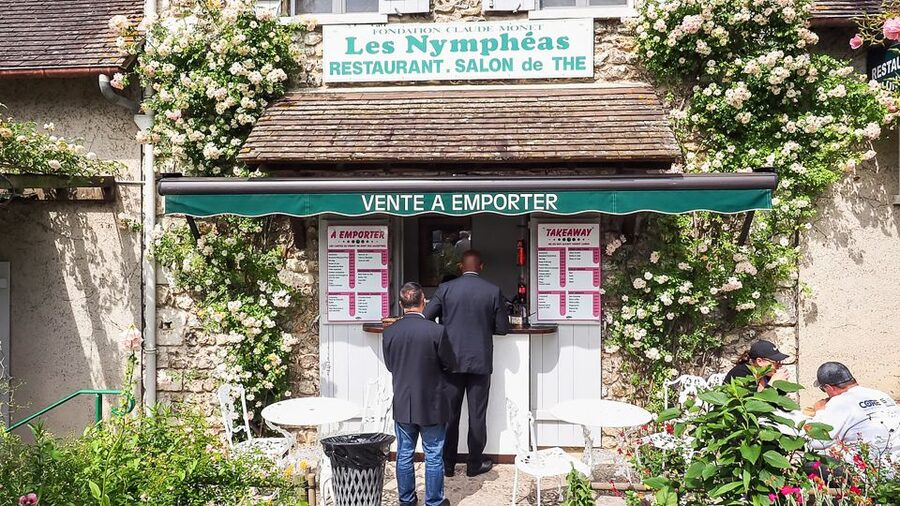
Your starting point is outside Les Nymphéas café and restaurant, the closest meeting place to Monet’s house. This detail matters because the area can be busy, and the meeting point is not simply the garden entrance.
Look for a guide carrying a blue badge and green folder marked written guided tour. The guide holds your prepaid tickets and takes the group to the separate entrance. Arrive with enough time to identify the guide without rushing. One particularly useful feature is that the guide can provide the tickets directly, rather than leaving you to work out the entry process on your own.
The meeting instructions are simple, but follow them closely. Do not wait inside the café expecting the group to find you. The meeting point is outside, in front of the restaurant.
The tour is offered in one language at a time, either English or French. That is good for clarity. You will not be listening through several languages during the same explanation.
The water garden and Monet’s Japanese bridge
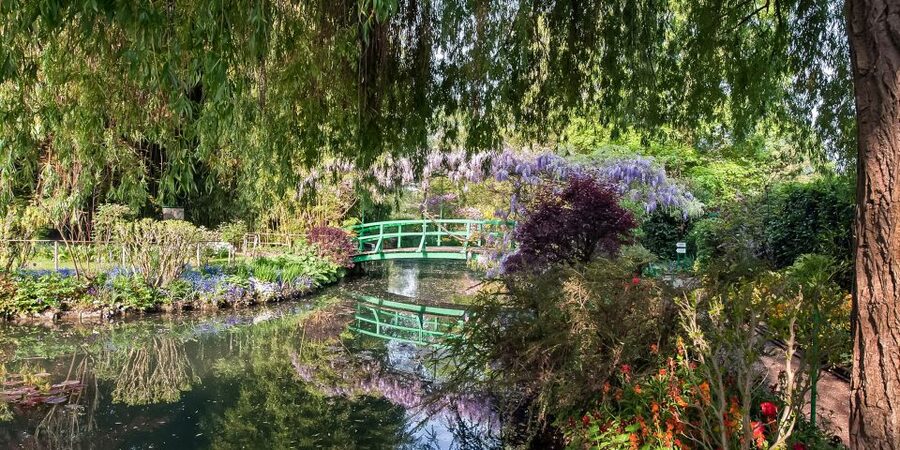
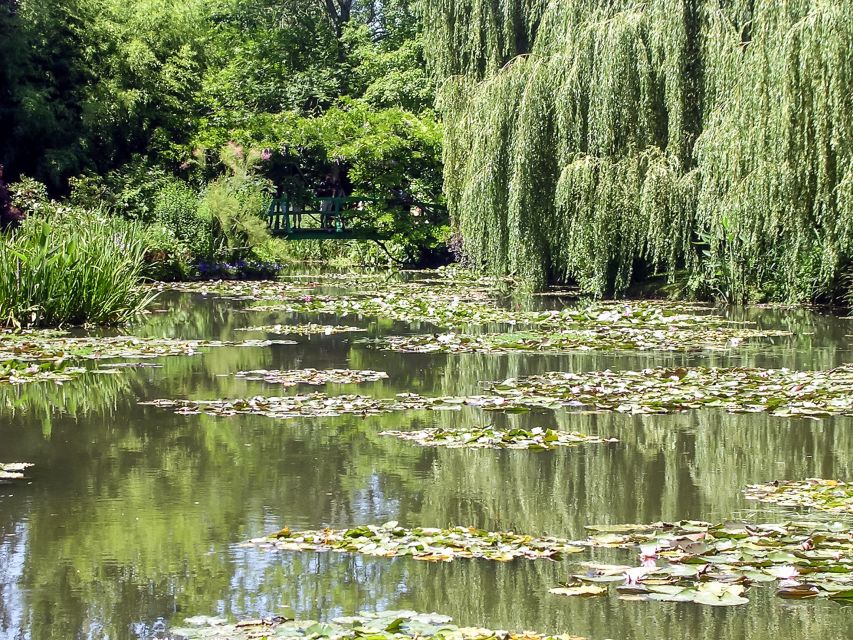
The tour begins with the water garden, the most instantly recognizable part of the visit. Here you see the pond, water lilies, and Japanese bridge associated with some of Monet’s best-known paintings.
The value of having a guide here is not just learning the name of the bridge. You can hear how the garden became part of Monet’s artistic practice, how he observed reflections and light, and why the water surface gave him a subject that changed from hour to hour.
This is also the section where you will want time for photographs. The group continues moving, but the tour is described as well paced rather than hurried. You should have opportunities to stop, look, and ask questions. If photography is important to you, stay aware of the group and listen for the guide’s instructions so you do not fall behind.
The pond area can be especially appealing to anyone who knows Monet’s paintings, but you do not need an art background to enjoy it. A guide who explains the relationship between the actual view and the paintings gives you something to look for: reflections, color pairings, and the effect of light on the same scene.
The Clos Normand flower garden
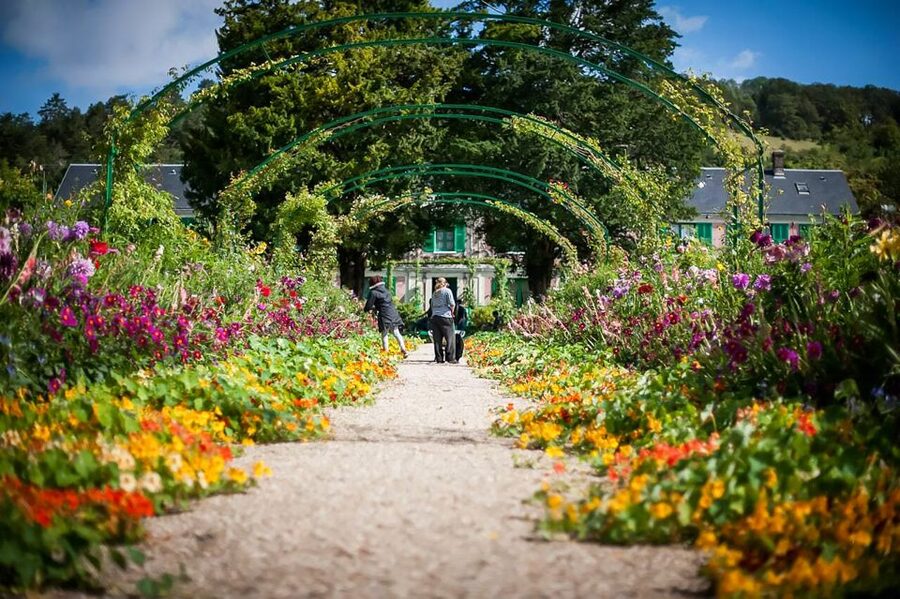
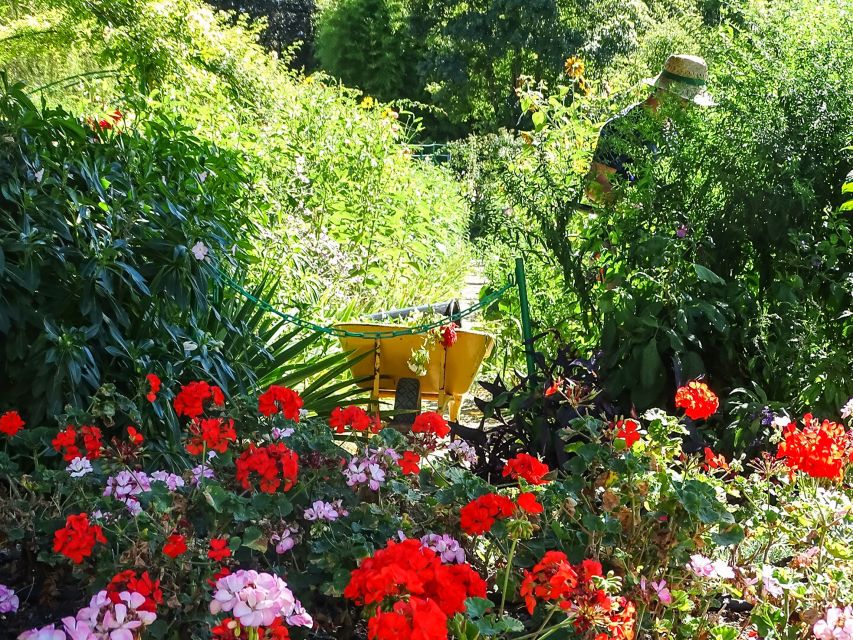
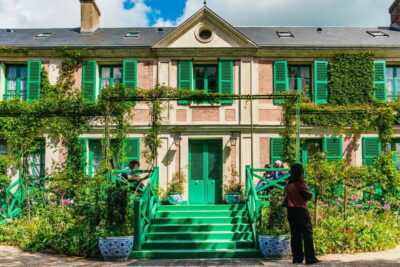
After the water garden, the group visits the Clos Normand, the formal flower garden in front of the house. This area offers a different experience from the pond. Instead of one dominant view, you get beds filled with changing combinations of flowers, paths, and garden structures.
The guide points out plant species and explains how the flowers fit into Monet’s plans. This botanical detail is one of the tour’s best features. It gives you more than a list of names. It shows why the garden was important to a painter who cared deeply about color and seasonal change.
The garden looks different across the operating season. From early spring through the first days of November, the displays shift as plants flower and fade. That means there is no single perfect date for everyone. Spring may appeal to you for fresh growth, while summer and early autumn offer their own colors and scents.
You should also expect the garden to be busy at popular times. The guide’s job is partly to manage the route around other groups. A small group helps here, since it is easier to keep 10 people together than a large crowd.
A few more garden visits around Giverny worth a look
- From Paris: Giverny and Versailles Palace Guided Day Trip
★ 4.5 · 1,324 reviews - Giverny and Monet’s House Half Day Trip from Paris Guide or Audio
★ 4.0 · 1,319 reviews - From Paris: Guided Day Trip to Monet’s Garden in Giverny
★ 4.8 · 751 reviews - Giverny & Monet’s House Audio Guided Half-day Tour from Paris
★ 4.0 · 379 reviews
Inside Monet’s house
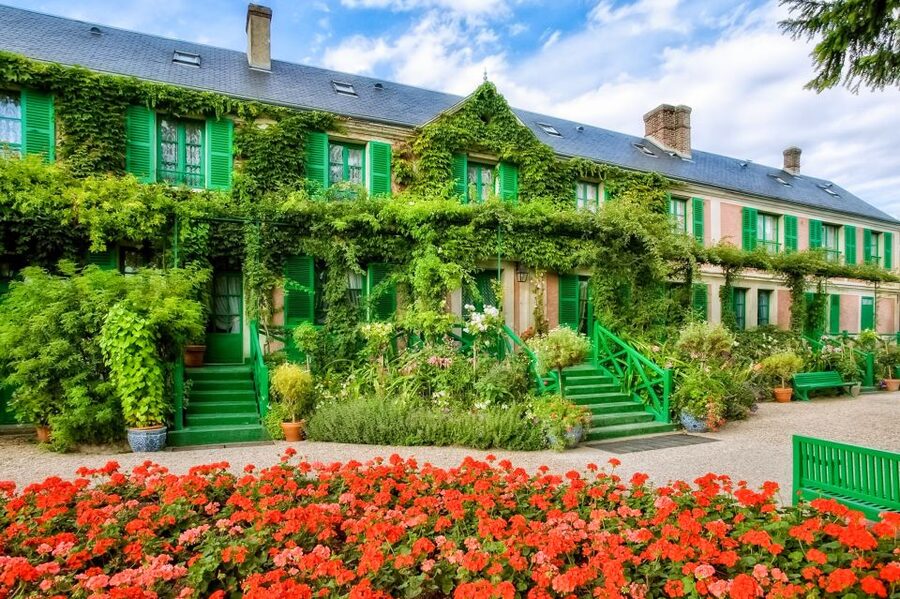
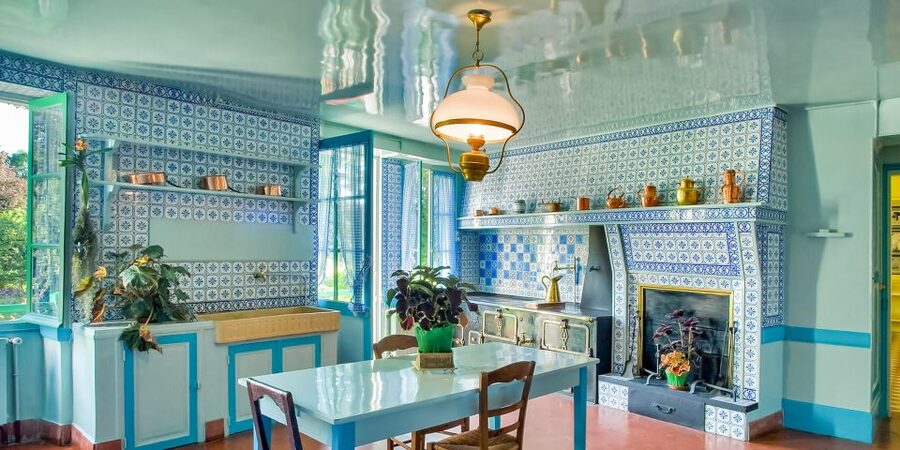
The house adds domestic context to the garden visit. You move from the planted rooms outside into the residence where Monet lived with his family.
A guided visit helps you connect the rooms to the man behind the paintings. The emphasis is not only on decoration or furniture. The guide explains Monet’s life, his family, and how the home worked as part of the larger Giverny property.
The house is a worthwhile part of the tour, but it can feel crowded when many groups enter at once. This is one reason the guide’s pacing matters. Several people describe the tour as moving through the house and garden at a comfortable speed, with enough information to make the rooms meaningful without turning every stop into a long lecture.
One practical point: the property can become hot in summer. During one tour, the guide helped a participant find shade in the dining room after she felt unwell. That suggests a caring and attentive approach, but you should still bring water, wear comfortable shoes, and plan for sun exposure in the open garden.
Brigitte’s style and the value of a live guide
The guide most often praised for this experience is Brigitte. Her strengths are broad: clear English, a sense of humor, strong knowledge of Monet’s life, and a firm command of both art and plants.
She is also described as using images of Monet’s paintings and examples of color theory to explain what you are seeing. That can be especially useful if you know the paintings only as famous images but have never considered how Monet used complementary colors or designed plant combinations.
A good guide also adjusts to the group. Brigitte is noted for learning participants’ names and interests, answering questions, and keeping the pace comfortable. The group size gives her room to do that. You are not just standing behind a guide with dozens of people.
There is one important caveat. One participant found it hard to hear because the group did not use headphones, while other groups appeared to have them. This may not affect every departure, but it is worth knowing. Stay close to the guide, speak up if you cannot hear, and avoid wandering to the edge of the group during explanations.
The strong personal connection is the tour’s biggest asset, but it also means your experience depends partly on the guide assigned that day. The information promises a licensed local guide, and Brigitte receives especially strong praise, but no tour can guarantee a particular person unless stated at booking.
Is $69 a fair price?
At $69 per person, this is not the cheapest way to enter Monet’s property. If you want only a quiet walk and a look through the house, independent entry may cost less, depending on current admission prices and availability.
The tour earns its price in three ways:
- You receive admission tickets.
- You avoid the regular queue through a separate entrance.
- You get two hours of focused explanation from a licensed guide.
The skip-the-line benefit can be substantial. At busy times, the regular entrance may have a serious queue, and saving that time gives you more of the day for Giverny or onward travel. One visitor who arrived late because of car trouble found the guide had left the tickets at the group entrance and helped the party join the tour. That kind of assistance can matter when your schedule goes wrong, though you should not rely on arriving late.
The value is strongest for first-time visitors, art lovers, garden enthusiasts, and anyone who wants context rather than a self-guided walk. It is weaker for repeat visitors who already know Monet’s story and prefer to set their own pace.
The two-hour length is sensible. It is long enough to cover the water garden, Clos Normand, and house without taking the entire day. Afterward, you can stay longer and stroll independently, visit the large gift shop, or ask the guide for ideas about the village of Giverny.
Timing your visit through the season
Monet’s gardens are open for visits from early spring until the first days of November. The property is closed outside the visitor season, so check the available date before building your plans around it.
Morning can be a smart choice. An earlier visit may feel calmer before the crowds build. Another useful timing tip is around 12:30, when some people stop for lunch. That can sometimes make the site easier to navigate, although exact crowd levels will vary.
The garden’s character changes with the season, so choose based on what matters most to you. Early spring brings a different mix of flowers from late summer, and autumn visits can offer cooler conditions. Several visits in September and October were described as especially pleasant, with comfortable pacing and attractive garden displays.
If you visit in summer, prepare for heat. Much of the experience takes place outdoors, and there may be limited shade at certain points. Comfortable shoes are sensible because you will be walking through the gardens for much of the two hours.
Who should book this Giverny tour?
I would choose this tour if you want to understand how Monet’s home and garden worked together. It suits people who enjoy art but also want stories about family life, flowers, gardening, and the daily choices behind the paintings.
It is a strong choice for:
- First-time visitors to Giverny
- People traveling from Paris toward Normandy
- Small families or couples who prefer personal explanations
- Garden lovers interested in plant species and design
- Visitors who want to avoid a long entrance queue
- Anyone who likes to ask questions during a tour
It may not suit you if you prefer complete independence, dislike guided pacing, or want to spend several hours taking photographs at your own speed. You can stay after the tour, but the main explanation follows the group schedule.
The tour is wheelchair accessible, though the information provided does not describe specific surfaces, rest areas, or restroom arrangements. If you need detailed access information, confirm it before booking.
What to know before you go
Book with the meeting point in mind, not just the attraction name. Go to the front of Les Nymphéas café, find the guide with the blue badge and green folder, and collect your ticket from the guide.
Food and drinks are not included. You can ask the guide about nearby places to eat, but plan your own refreshments separately.
Free cancellation is available up to 24 hours before the start time, and the reserve-now, pay-later option gives you some flexibility. Starting times depend on availability, so check the date and time before you commit to other transport or sightseeing.
The tour is available in English or French, with one language used for each departure. Group size is limited to 10, which is small enough for questions but not private.
Should you book it?
Yes, if you want more than photographs. The garden is beautiful on its own, but the best part of this experience is learning to see the plantings, water, light, and house through Monet’s eyes.
At $69, you are paying for entry, queue-saving, and interpretation. That is fair value when the regular line is long and you care about art or gardens. If you are mainly looking for a brief walk through the property and already know Monet well, save the money and visit independently.
For most first-time visitors, I would book it, preferably at an early or quieter time. Look for Brigitte if her departure is available, stay close enough to hear clearly, and leave room after the two-hour tour for your own final stroll through Giverny.
FAQ
How long does the Giverny house and gardens tour last?
The guided tour lasts two hours. Afterward, you can remain at the property to walk on your own or visit the gift shop before exiting.
Where do I meet the guide?
Meet outside Les Nymphéas café and restaurant, near Monet’s house. Look for a guide with a blue badge and a green folder marked written guided tour.
How do I enter the gardens?
The guide has your prepaid tickets and takes the group through a separate entrance for skip-the-line access.
Is the tour available in English?
Yes. The tour is offered in English or French, with each departure operated in one language only.
How many people are in the group?
The group is limited to 10 participants.
Is the tour wheelchair accessible?
Yes, the activity is listed as wheelchair accessible. For details about the exact route and facilities, confirm your needs before booking.
Just added around Giverny
- Giverny and Versailles Full-Day Private Guided Tour with Hotel Pickup★ 4.5 · 12 reviews
- Versailles & Giverny Private Day Tour Luxury van & Private Guide★ 5.0 · 7 reviews
- Versailles Palace & Giverny Private Tour with Lunch&Hotel Pick-up★ 5.0 · 48 reviews
- Giverny Monet’s Gardens Entrance Ticket with Transport from Paris★ 4.0 · 22 reviews
- Private tour of the Monet House in Giverny from Paris or Rouen★ 5.0 · 2 reviews
- Giverny Private Trip with Monet’s House, Gardens & Impressionism Museum★ 4.5 · 12 reviews
- Giverny Monet’s House and Gardens plus Shopping Session Day Trip★ 4.0 · 6 reviews
- Private 5-hour Round Transfer to Giverny, Claude Monet museum from Paris★ 5.0 · 7 reviews
Giverny Garden Tours, compared.
Giverny, Monet’s Home & Gardens Half-Day Trip
Read our review →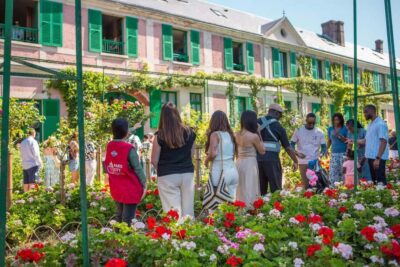
Giverny Day Trip with Audio Guide or Live Guide
Read our review →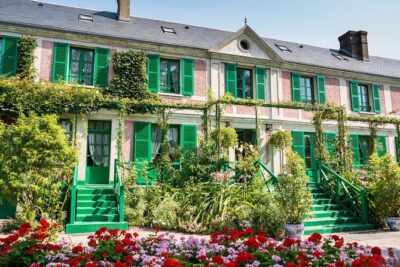
Versailles Palace and Giverny Monet House Visit with Lunch
Read our review →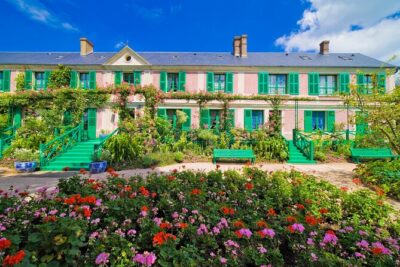
Giverny Monet’s Home and Gardens Half Day Tour from Paris
Read our review →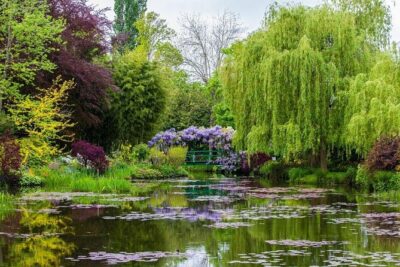
Giverny Small-Group Half Day Trip with Monet’s Gardens from Paris
Read our review →
Giverny and Versailles Palace Guided Day Trip
Read our review →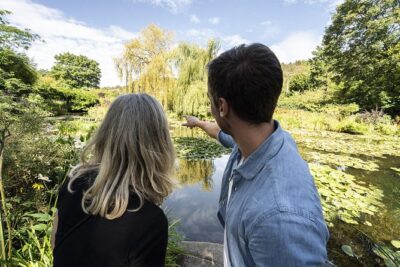
Giverny and Monet’s House Half Day Trip from Paris Guide or Audio
Read our review →
Giverny and Versailles Small Group Day Trip from Paris with Lunch
Read our review →Browse the lists this tour appears in