
Review · SEOUL
Gwangyang Maewha Flower and Jeonju Hanok Village 1 day trip from Seoul
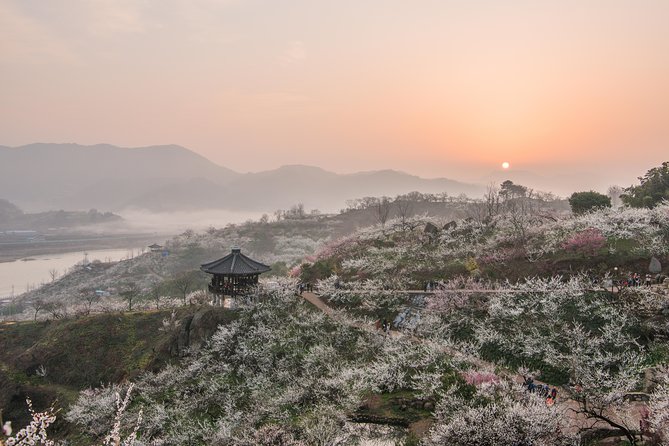
Gwangyang’s Maehwa Village is the star of this long southern escape. In March, plum trees cover the farmland with white blossoms, creating a scene that feels far removed from Seoul. You get about three hours and 20 minutes to walk among the trees, take photos, and enjoy the festival atmosphere.
I like this trip for two clear reasons: it joins a seasonal sight with Jeonju’s 800 traditional hanok houses, and it removes the headache of arranging long-distance transport yourself. Guides such as Leo and Luke have been praised for being punctual, helpful with food suggestions, and good at pointing out photo spots.
The trade-off is the schedule. At 15 to 16 hours, this is a full day with substantial time on the road. Flower conditions also depend on the weather, so you need to accept that the blossoms may be thinner or past their best.
Key points to know before booking
- White plum blossoms in March: Gwangyang Maehwa Village is covered with flowering plum trees during the annual festival.
- Two very different stops: You get rural scenery beside the Seomjingang River, followed by historic streets, food, and hanbok in Jeonju.
- Long but simple transport: Air-conditioned transportation connects Seoul, Gwangyang, and Jeonju without requiring you to plan the route.
- Useful guide support: Leo and Luke have been singled out for punctual service, local food advice, and help finding good places for photographs.
- Food is not included: You pay separately for bibimbap, grilled dishes, noodles, snacks, and drinks in Jeonju.
- Weather matters: The flowers may bloom lightly or wither before your date, so check the timing before committing.
Why Gwangyang’s plum blossom village is worth the long ride
The first stop follows the Seomjingang River near Jirisan Mountain. The village, known as Seomjin Village as well as Maehwa Village, uses its farmland for plum trees rather than ordinary grain and vegetable crops. In March, those trees flower. By June, they produce plums.
That seasonal change explains the appeal. You are not simply visiting a garden with a few decorative trees. You are seeing a working rural area transformed by its main crop. When the timing is right, the white flowers cover the hills and fields with a snow-like appearance.
I find that setting more interesting than a formal flower park. The trees belong to the village economy, and the river and mountain setting give the walk a stronger sense of place. You can stroll, take pictures, and watch the rural scenery change as you move through the area.
The visit lasts about three hours and 20 minutes, which gives you enough time to do more than make a quick photograph and return to the bus. You should have room to walk at your own pace, pause for views, and enjoy the festival setting. The exact feel depends on the day, since the annual event can draw many people and the blossoms are controlled by nature, not by a schedule.
This is the part of the trip most dependent on timing. Plum flowers do not wait for your booking date. Warm weather can bring them out early, while rain and wind can thin them quickly. If your main reason for booking is the flowers, choose a March date carefully and keep your expectations flexible.
Admission to the two stops is included at no separate cost. That makes the experience easier to budget, although meals and personal purchases are not covered.
More Garden Day Trips in Seoul
- Mt. Seorak+Nami Island+Garden of Morning Calm Day Trip from Seoul
★ 5.0 · 959 reviews - From Seoul: Nami Island, K-drama Garden & Rail Bike Day Tour
★ 4.6 · 724 reviews - Day Trip to Nami Island with Rail bike and The Garden of Morning Calm
★ 4.5 · 459 reviews
What your Maehwa Village walk may look like
Expect an outdoor visit rather than a formal guided museum tour. The village is the attraction, with plum trees spread through cultivated farmland and along the river area. Your guide and the English-speaking staff can help you understand the day’s plan, but the enjoyment comes from walking and seeing the trees directly.
Wear shoes suitable for extended walking. The supplied details do not specify the exact path or terrain, so you should avoid treating this as a stop where you remain beside the vehicle. Three hours is generous enough that comfort matters.
Photography is a major part of the appeal. The white blossoms provide the obvious subject, while the river and nearby Jirisan Mountain area add context to the views. Luke has been praised for suggesting popular foods and well-known photo locations, while Leo has been described as fun, informative, and helpful. Guide assignments can change, so you should not book on the assumption that one particular person is guaranteed.
The festival setting can also make this stop feel more active than an ordinary village visit. You may find food or small purchases around the event area, but only the tour inclusions are confirmed. Do not assume that festival snacks or drinks are part of the price.
Jeonju Hanok Village gives the day a second character
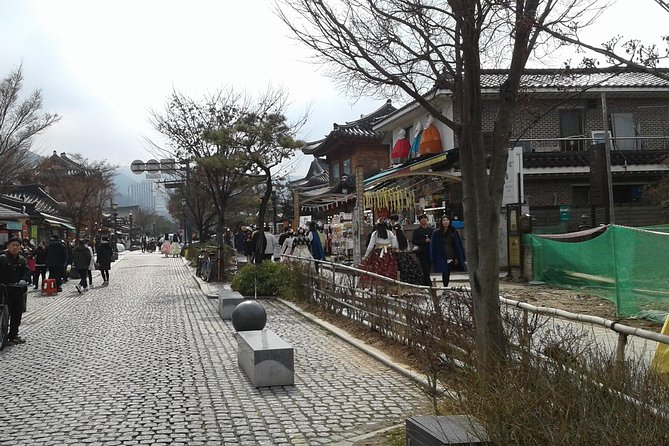
After the flowers, the tour continues to Jeonju Hanok Village. This is a very different experience. Instead of fields and river views, you get traditional Korean architecture, food stalls, shops, and streets lined with more than 800 hanok houses.
Hanok roofs are especially memorable for their slightly raised edges, which angle upward toward the sky. That detail gives the village much of its visual character. You are not looking at a single preserved building. You are walking through a large historic district where the traditional houses shape the streetscape.
You have about two hours and 20 minutes here. That is enough time to wander, eat, and choose one main activity, but it is not enough for a slow inspection of every lane. I would decide in advance what matters most to you. If food comes first, settle on a meal and leave time to walk. If photographs and clothing are your priority, look for a hanbok rental early.
Hanbok rental is an optional activity at your own expense. Wearing Korean traditional clothing can make the visit more playful and gives you a different way to explore the village. The tour does not include the rental, so plan for an additional payment if you want to do it.
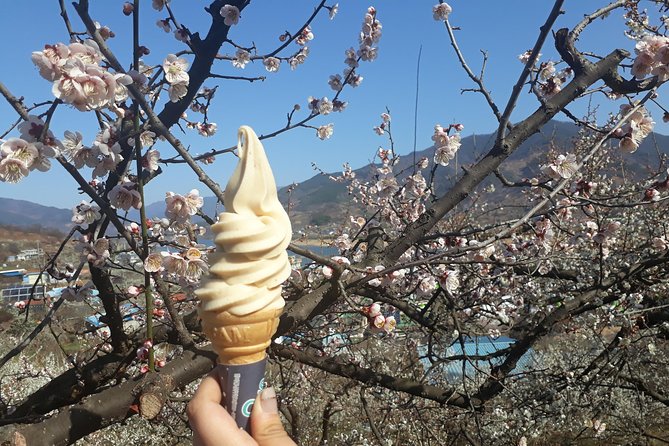
The food choice is another strong reason for this stop. Jeonju is associated here with bibimbap, dduck galbi, noodles, ice cream, Jeonju Choco Pie, and cheese chicken barbecue. Meals are not included, which gives you freedom to choose, but it also means the advertised price is not your full spending total.
How to use two hours and 20 minutes in Jeonju
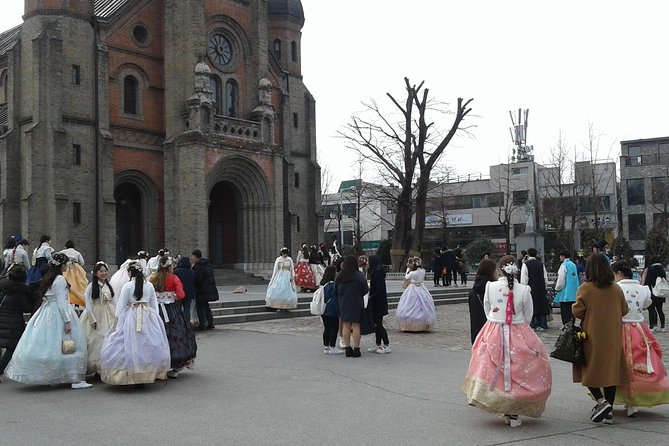
The time limit rewards a simple plan. Start by walking through the hanok streets so you get a feel for the district. Then choose food or hanbok, rather than trying to fit every option into a short visit.
If you want a proper meal, bibimbap is the most obvious local choice from the foods associated with the village. Dduck galbi and noodles offer alternatives. If you prefer grazing, you can use the time for snacks such as Jeonju Choco Pie, ice cream, or cheese chicken barbecue.
A guide can make this brief stop more useful. Luke has been praised for advice on popular foods and good photo places, and that kind of practical help matters when you do not have a full afternoon. You should still keep track of the meeting time yourself. A late return from a snack stop is not worth turning a pleasant day into a stressful one.
Jeonju is also the point where the tour feels most flexible. You can focus on architecture, food, traditional dress, or a mix of all three. That freedom is useful, but it means the experience is not tightly scripted. If you prefer a guide-led explanation at every building, this may feel light on formal interpretation.
More Garden Day Trips in South Korea
- Day Trip to Nami Island with The Garden of Morning Calm
★ 4.5 · 215 reviews - Alpaca World & Nami Island & Garden of Morning Calm One Day Tour
★ 4.5 · 60 reviews - Seoul: Pocheon Art Valley, Garden and Fruit Picking Day Tour
★ 4.5 · 56 reviews - Pocheon Art Valley, Garden & Fruit Picking Day Tour from Seoul
★ 5.0 · 27 reviews
The price makes most sense when transport is your main concern
At $66.96 per person, the tour offers a practical way to connect three places that are far apart: Seoul, Gwangyang, and Jeonju. The cost includes an air-conditioned vehicle, round-trip transportation, transport between the two stops, an English-speaking staff member who serves as the driver, and entrance tickets.
That is a fair value if you want to see the plum blossoms without arranging the long journey on your own. The vehicle matters here. Gwangyang is not a casual side trip from central Seoul, and adding Jeonju afterward makes the route harder to manage independently in one day.
The value is less clear if you dislike long rides or want to spend several days in the south. You could choose a slower trip with more time in each place, but that would not deliver the same two-stop overview in a single day.
Meals are excluded. You should budget separately for lunch, snacks, and drinks in Jeonju, along with any hanbok rental or personal purchases. The two main admission fees are covered, so the extra costs are mainly under your control.
The vehicle type may change depending on the number of people booked, and the group can reach 100 participants. That means the ride could feel quite different from a small private outing. The benefit of a large group is a lower price and an established route. The drawback is less personal attention and potentially slower movement at meeting points.
The 15 to 16 hour schedule requires realistic expectations
This is not a relaxed half-day outing. You leave Seoul for a full day that includes two long-distance transfers and two sightseeing stops. The total duration is approximately 15 to 16 hours.
I would book it only if you are comfortable giving nearly the entire day to the experience. The reward is access to southern Korea without changing hotels or solving the transport puzzle yourself. The cost is fatigue, especially if you want to keep sightseeing in Seoul after returning.
Air-conditioned transport is a useful inclusion. It gives you a place to rest between stops and avoids the uncertainty of piecing together multiple trains, buses, and local connections. Still, air conditioning does not make the road distance disappear. Bring water, keep your plans for the evening light, and treat the return to Seoul as the last event of the day.
The English-speaking driver and staff member provide basic support and practical help. The information supplied does not promise a full specialist guide lecture, so you should expect assistance and useful direction rather than an in-depth academic tour of Joseon-era history.
Joseon culture appears through buildings, food, and clothing
The Jeonju stop gives the tour its clearest connection to Korea’s Joseon-era culture. The hanok houses, roof lines, traditional foods, and optional hanbok experience all point toward older Korean customs in a way that is easy to enjoy without a museum visit.
The value here is visual and practical. You can see how traditional houses are arranged, eat foods linked with Jeonju, and walk the streets in traditional dress if you choose. That makes the cultural material approachable, especially if you prefer seeing and doing over listening to a long historical talk.
The Maehwa Village adds another side of Korea. It shows a rural community shaped by agriculture and seasonal flowering. Together, the two stops create more variety than either one alone. You get countryside first, then a historic urban district.
Who will enjoy this day trip most
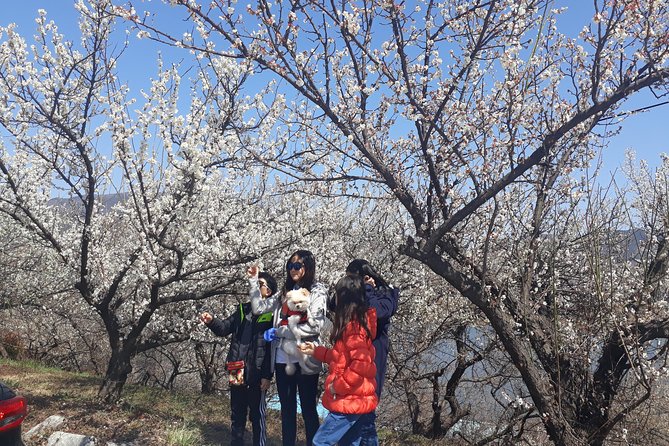
I would recommend this tour to you if you have a short stay in Seoul and want one major day outside the capital. It is also a good match if you care about seasonal scenery, traditional architecture, Korean food, or photographs.
It suits people who value convenience over a slow pace. The included transportation handles the difficult part, and the price is modest for such a long route. First-time visitors may find this especially useful because it combines nature and culture without requiring several separate bookings.
You should think twice if you need flexible meal times, dislike organized group travel, or want to explore one location in great depth. The group may be as large as 100 people, and the schedule leaves limited room for delays or spontaneous detours.
The trip also depends heavily on the flowers. If you are visiting outside the right March period, or if the weather has already damaged the blossoms, Maehwa Village may not look like the pictures you had in mind. The village remains a rural stop, but the main visual reward is seasonal.
Booking and cancellation details worth knowing
Your booking is confirmed at the time of purchase, and you receive a mobile ticket. The tour is near public transportation, and the information provided says most people can participate.
You can cancel for a full refund up to 24 hours before the experience starts. Cancellations or changes made within 24 hours are not accepted for a refund, and the cut-off follows local time.
Because the date matters so much, I would check the expected plum blossom period before booking. Do not wait until the last minute if your schedule is fixed, but do remember that an early booking cannot guarantee perfect blooms.
Should you book the Gwangyang and Jeonju day trip?
Book it if you want maximum southern Korea coverage in one very long day. The combination is strong: white plum blossoms beside the Seomjingang River, then traditional homes, Korean food, and optional hanbok in Jeonju.
The $66.96 price is sensible for included transport and admission, particularly when you consider the distance from Seoul. The best reasons to go are the seasonal Maehwa Village setting and the chance to reach Jeonju without arranging complicated connections.
Skip it if you want a slow cultural visit or cannot handle an early, late, and road-heavy schedule. Also reconsider if perfect flowers are essential, since bloom conditions can change before your date.
For the right visitor, this is a useful springtime escape: ambitious, affordable, and varied. Just treat it as a full expedition rather than a gentle day out.
FAQ
How long does the Gwangyang and Jeonju tour last?
The experience lasts approximately 15 to 16 hours, including transportation from Seoul and travel between the two destinations.
How much time is spent at Gwangyang Maehwa Village?
You have about 3 hours and 20 minutes at Maehwa Village.
When do the plum blossoms usually appear?
The annual Plum Blossom Festival takes place in March, when the plum trees are generally in full bloom. Weather can cause the flowers to bloom less or wither before your tour date.
How long is the visit to Jeonju Hanok Village?
The scheduled visit to Jeonju Hanok Village lasts about 2 hours and 20 minutes.
Are meals included in the tour price?
No. Meals are not included. You pay separately for food and snacks in Jeonju, as well as any optional hanbok rental.
What is included in the tour?
The tour includes an air-conditioned vehicle, round-trip transportation, transport between destinations, an English-speaking staff member who serves as the driver, and entrance tickets.
More 1-Day Tours in Seoul
- Nami Island, Railbike & Alpaca Garden Day Trip from Seoul
★ 4.8 · 5 reviews - Seoraksan and Cherry Blossom Lake 1 day trip from Seoul
★ 5.0 · 4 reviews - One Day Private Tour-Nami, Petite and Garden of Morning Calm
★ 4.5 · 3 reviews - From Paris: Giverny, Monet’s Home & Gardens Half-Day Trip
★ 4.5 · 2,887 reviews
Just added around Seoul
- Taean Tulip Festival and Strawberry Picking Day Tour from Seoul★ 4.5 · 3 reviews
- Eobi Ice Valley& Nami Island with Garden of Morning Calm Trip★ 4.5 · 9 reviews
- Strawberry & Eobi Valley & Nami Island & Garden of Morning Calm★ 4.5 · 2 reviews
- Full Day Private Tour Nami Island, Garden & Petite France★ 5.0 · 57 reviews
- Scenic Escape: Nami Island, Garden of Morning Calm, and Rail Bike★ 3.0 · 2 reviews
- Seoraksan and Cherry Blossom Lake 1 day trip from Seoul★ 5.0 · 4 reviews
- (Private tour) Nami Island + Railbike + Garden of morning calm★ 5.0 · 7 reviews
- Alpaca, Nami, Petite Fr, Italian Village, Garden of Morning Calm★ 3.5 · 5 reviews
Seoul Garden Tours, compared.
Mt. Seorak+Nami Island+Garden of Morning Calm Day Trip from Seoul
Read our review →
Nami Island and Garden of Morning Calm opt Railbike
Read our review →
Nami Island, K-drama Garden & Rail Bike Day Tour
Read our review →
Day Trip to Nami Island with Rail bike and The Garden of Morning Calm
Read our review →
Trip to Nami Island with Petite France & Italian Village, Garden of Morning Calm
Read our review →
Nami Island & Garden of Morning Calm & Gangchon Railbike Tour
Read our review →
Nami+Alpaca+Garden of Morning Calm (+Rail Bike Option)
Read our review →
Alpaca, Nami, Morning Calm or Eobi (+Rail Bike)
Read our review →Browse the lists this tour appears in