
Review · PARIS
Paris: Ménagerie Zoo of Jardin des Plantes Entrance Ticket
Paris’s Ménagerie is unusual from the moment you enter. Founded in 1794, it is one of the world’s oldest zoos, set inside the Jardin des Plantes rather than on a large suburban site. You get historic Paris and wildlife in one stop, with about 150 species packed into a compact city setting.
I like the zoo’s clear conservation purpose, especially its work with Arabian oryx and golden lion tamarins. I also like the chance to see newborn animals in spring, along with old structures such as the Rotonde and Grande Volière. The main drawback is space: some enclosures are small, and a winter visit can feel quiet, with fewer active animals to see.
Key points
- Founded in 1794: Visit one of the oldest zoos in the world, with architecture dating from the early 19th century.
- About 150 species: See small and medium-sized animals, including Rothschild’s mynahs, golden lion tamarins, Arabian oryx, Kirk’s dik-dik, and short-tailed pademelons.
- Conservation in practice: Learn about breeding programs and reintroduction work involving endangered species.
- A springtime bonus: Young animals may be visible during the birth season.
- Compact central location: Reach the zoo by Metro, RER, bus, Batobus, or train from Gare d’Austerlitz and Gare de Lyon.
- Flexible admission: The $15 ticket is valid for one day, with free cancellation up to 24 hours before the visit.
A Small Zoo With a Long Parisian Story

The Ménagerie Zoo sits within the Jardin des Plantes on the Left Bank, close to the Seine and the National Museum of Natural History. It does not feel like a giant modern safari park. Instead, it is a city zoo with a long past, narrow paths, old buildings, and a collection built around species that can live in more compact enclosures.
The zoo opened in 1794, making it one of the oldest still operating anywhere. That date matters because the place is not only about animal viewing. Its buildings and layout form part of the visit. You can look at the animals, then pause to examine the Rotonde, the Grande Volière, and other structures dating from the early 19th century.
I find that combination useful for a Paris day. You are not setting aside a full day for a remote attraction. You can visit the zoo, walk through the Jardin des Plantes, and continue toward the river or nearby museums. The setting gives the visit more variety than a simple row of animal enclosures.
A few more garden visits around Paris worth a look
- Entebbe Walking Tour (3 Hours) with Zoo and Botanical Gardens Options
★ 4.5 · 36 reviews - Hokkaido Highlights of Flower Blossom, Asahiyama Zoo& Blue pond「Aoi-ike」!
★ 4.0 · 34 reviews - Central Florida Zoo and Botanical Gardens Ticket
★ 5.0 · 3 reviews
What You Will See Along the Paths
The collection includes around 150 species, with nearly 40 percent considered at risk of extinction. The zoo gives particular attention to small and medium-sized animals. That focus shapes the experience, so you should not arrive expecting huge herds or miles of open habitat.
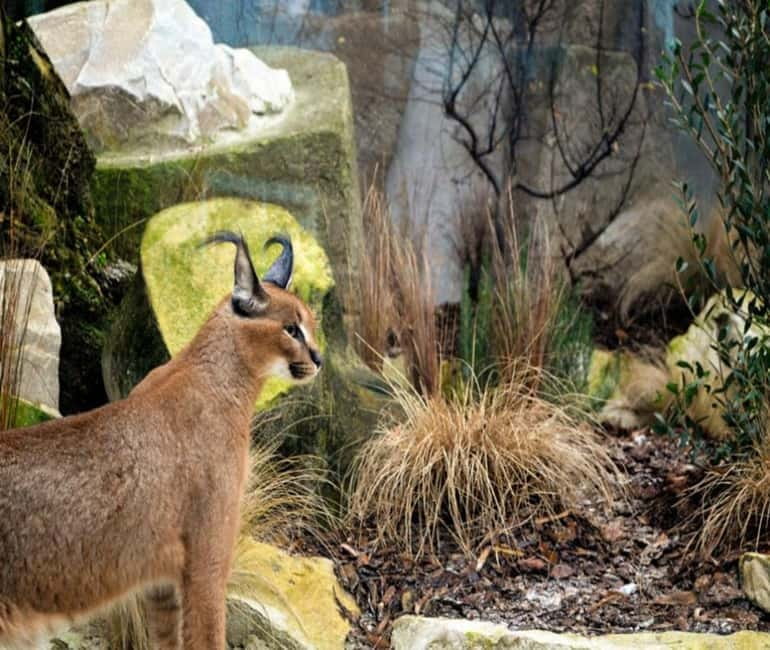
The first animals that may catch your eye are the Rothschild’s mynahs. Their plumage makes them one of the more memorable species here, and they offer a good reminder that a zoo visit is not only about large mammals. The collection also includes golden lion tamarins, small primates with a strong conservation story, and the Arabian oryx, a striking desert antelope.
You may also see Kirk’s dik-dik and short-tailed pademelons. These are less familiar names than lion or giraffe, which is part of the appeal. The Ménagerie gives you a chance to notice species that are often missed in larger, more headline-driven zoos.
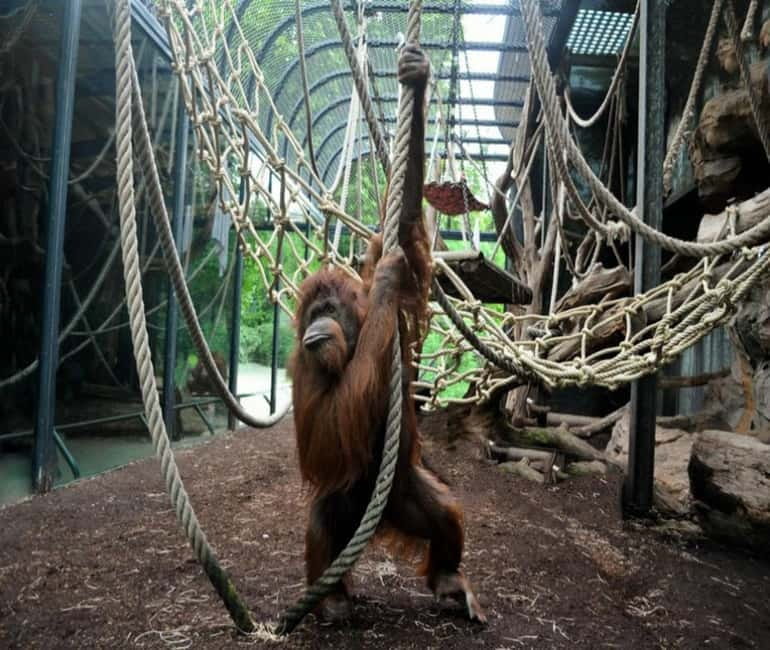
The compact scale can work well for families and for anyone who wants a manageable animal visit in central Paris. You can move at an easy pace and stop when something interests you. At the same time, the smaller setting means expectations matter. Some enclosures may feel limited, particularly for larger animals such as the leopard and orangutan. One visitor found those areas uncomfortable and felt that certain cages were worn and too small. I would take that concern seriously when deciding how much importance you place on modern enclosure design.
Conservation You Can See, Not Just Read About
The Ménagerie uses its animal collection to support conservation education and breeding work. Nearly 40 percent of its species face extinction, so the visit has a purpose beyond displaying unusual animals.
The Arabian oryx provides one of the clearest examples. The species has benefited from breeding and reintroduction efforts, and the zoo presents this work as part of its wider role in protecting threatened wildlife. Golden lion tamarins are another important example. Their presence links what you see in Paris with conservation programs that aim to return animals to suitable habitats.
I like this practical angle. A good zoo visit should help you understand why particular species are present and what institutions are doing to protect them. Here, workshops, keeper meetings, and the 12-step biodiversity trail can add that context. The exact amount of programming you experience will depend on the day, but the options give you ways to move beyond simply looking into enclosures.
The staff includes caretakers, veterinarians, and ethologists. Their work covers animal health, behavior, and daily care. You should not assume that every visit includes a personal guide, because the ticket covers entry only. Still, signs, activities, and scheduled workshops can help you understand the animals without hiring a private guide.
Spring Births and the Best Time to Visit
Spring is likely the most rewarding season if you want to see young animals. The zoo highlights newborn short-tailed pademelons and Kirk’s dik-dik, along with other births that can bring extra life to the paths.
Young animals are never guaranteed, of course, but the possibility gives spring a clear advantage. You may also find more activity than during colder months. A January visit can still be worthwhile for the buildings, the garden, and the conservation displays, but animal viewing may feel thin.
That seasonal difference is important. One January visitor found the zoo disappointing, with mostly empty cages during winter. I would not treat that as a minor point. If animals are the main reason you are buying the ticket, check the season and keep your expectations measured. If you are already visiting the Jardin des Plantes and enjoy old city institutions, winter can still make sense as a shorter stop.
Allow yourself enough time to walk without rushing, but do not expect an all-day attraction in the same way you might approach a large park. The ticket is valid for one day, yet many people will find the zoo works best as part of a broader Jardin des Plantes outing.
More Garden Tickets in Paris:
- Paris: Versailles Palace and Gardens Full Access Ticket
★ 4.6 · 41,579 reviews - From Paris: Versailles Palace Self Guided & Gardens tickets
★ 4.4 · 1,100 reviews - Paris: Musée de Montmartre and Gardens Entry Ticket
★ 4.6 · 419 reviews - Paris: Louvre Museum Entry Ticket and Garden Walking Tour
★ 4.2 · 326 reviews
The Rotonde, Grande Volière, and Other Old Structures
The architecture gives the Ménagerie much of its character. The Rotonde and Grande Volière are not just backdrops for photographs. They show how animal display changed over time and help explain why the zoo feels different from newer facilities.
I like the way these buildings break up the animal viewing. You can move from a bird enclosure to an older structure, then continue toward mammals and conservation displays. The result is a visit with several layers: animals, science, architecture, and Paris urban history.
The age of the buildings also brings a trade-off. Older zoo architecture may not provide the generous open spaces associated with newer wildlife parks. That is part of the concern raised about worn or cramped enclosures. You should visit with an open mind, appreciating the historic setting while paying attention to the welfare questions that come with an old urban zoo.
For photographers and architecture fans, the buildings may be nearly as interesting as some of the animals. For a child who mainly wants large mammals, the appeal may be less consistent. I would explain that difference before buying tickets for a family group.
Getting There From Across Paris
The Ménagerie is easy to reach by public transport. Metro Line 5 stops at Gare d’Austerlitz, while Line 7 serves Censier Daubenton. Line 10 reaches Jussieu or Gare d’Austerlitz. RER C also stops at Gare d’Austerlitz.
Several buses serve the area, including lines 24, 57, 61, 63, 67, 89, and 91. If you are using the Batobus on the Seine, get off at the Jardin des Plantes stop. Gare d’Austerlitz and Gare de Lyon are the nearest listed train connections.
This range of options makes the zoo convenient to add to a day in central Paris. I would choose the route that matches the rest of your plans rather than crossing the city just for a short animal visit. The location works especially well if you are already near the Latin Quarter, the Seine, or the Jardin des Plantes.
The ticket does not include food, drinks, or a personal guide. Plan to buy those separately if needed. Since the zoo is part of a larger garden complex, you can also bring the visit into a day that includes other nearby sights, but the animal ticket itself covers only the Ménagerie.
Is the $15 Ticket Good Value?
At $15 per person, the ticket is reasonably priced for a central Paris attraction, particularly if you care about conservation and historic settings. The value is strongest when you combine several interests: endangered species, old zoo architecture, family sightseeing, and access to a major botanical garden area.
The price is less convincing if you want a large collection of big animals or modern, open enclosures. A visitor who feels strongly about spacious habitats may leave dissatisfied, especially around the leopard and orangutan areas. That concern cannot be brushed aside simply because the zoo is old.
Full-price ticket holders can use their ticket for up to three months at the Jardin des Plantes, Musée de l’Homme, or Parc Zoologique de Paris, according to the stated conditions. That can improve the value for someone planning several related visits. Check the ticket terms at the time of booking, since the practical benefit depends on your schedule and the admission rules in force.
Children under three enter free, with tickets collected at the desk. Free admission is also available for disabled visitors and their attendant with the required MDPH documentation. The site is wheelchair accessible, which is useful for visitors who need step-free access, although individual historic structures may still feel different from newer buildings.
A Simple Way to Plan Your Visit
I would begin by checking the available starting time and choosing a season that matches your priorities. Spring is the natural choice for possible newborn animals. Winter is better for a quieter garden and architecture visit, but you should be ready for less animal activity.
Once inside, take time to notice the older structures before moving quickly from enclosure to enclosure. The Rotonde and Grande Volière help set the place apart from an ordinary city zoo. Then follow the animal paths at your own speed, looking for the Rothschild’s mynahs, golden lion tamarins, Arabian oryx, Kirk’s dik-dik, and short-tailed pademelons.
If you want more background, look for the 12-step biodiversity trail, workshops, and keeper activities. These can make the conservation message easier to understand, especially for children. I would not count on a private guide, since none is included with admission.
Build in time for the Jardin des Plantes itself. The zoo works well as one part of the garden visit rather than the only event of your day. You can then judge the $15 price against a fuller outing instead of expecting a giant wildlife park experience.
Who Should Book the Ménagerie Zoo?
I would recommend this ticket to families who want a central Paris activity, visitors interested in endangered species, and anyone who likes old institutions with visible architectural character. It is also a good fit if you are already visiting the Jardin des Plantes and want an easy extra stop.
I would be more cautious if your main goal is to see large animals in spacious modern habitats. The concerns about enclosure size and condition are important, and the winter experience may feel sparse. Read the visit as a compact historic zoo with a conservation mission, not as a safari park.
The strong points are clear: unusual species, possible spring births, successful breeding stories, useful public transport, and a price that is manageable by Paris standards. The weak points are just as clear: limited space, uneven winter activity, and the ethical questions that come with older enclosures.
FAQ
How old is the Ménagerie Zoo?
The zoo was established in 1794 and is one of the oldest zoos in the world.
How many species can I see?
The Ménagerie has about 150 species. Nearly 40 percent of them face extinction.
Which animals are featured?
The collection includes Rothschild’s mynahs, golden lion tamarins, Arabian oryx, short-tailed pademelons, and Kirk’s dik-dik, among other species.
Can I see newborn animals?
Spring is the best time for the possibility of seeing young animals, including short-tailed pademelons and Kirk’s dik-dik. Births are not guaranteed on any particular visit.
Is a guide included with the ticket?
No. The ticket includes entrance to the Ménagerie Zoo only. A personal tour guide is not included.
How long is the ticket valid?
The ticket is valid for one day. Full-price ticket holders can also use the ticket for up to three months at the Jardin des Plantes, Musée de l’Homme, or Parc Zoologique de Paris, subject to the stated conditions.
How can I reach the zoo?
You can use Metro Lines 5, 7, or 10, RER C, several buses, the Batobus Jardin des Plantes stop, or nearby Gare d’Austerlitz and Gare de Lyon.
Is admission free for young children and disabled visitors?
Children under three enter free, with tickets collected at the ticket desk. Disabled visitors and their attendant may also enter free with the required MDPH documentation. The zoo is wheelchair accessible.
Should You Book It?
Book the Ménagerie if you want a small, central Paris zoo with conservation work and old architecture, especially in spring or as part of a Jardin des Plantes visit. The $15 price is fair when you value the setting and the chance to see less familiar species.
Skip it if you expect wide-open enclosures, a huge animal collection, or a full day of nonstop activity. This is a thoughtful, compact stop with real strengths and real limitations. Go for the unusual animals, the conservation stories, and the historic buildings, not for a polished modern zoo experience.
Just added around Paris
- Versailles & Giverny Private Day Tour Luxury van & Private Guide★ 5.0 · 7 reviews
- Versailles Half Day Private Tour Trianons & Gardens Included★ 4.5 · 18 reviews
- The Tuileries Garden’s Classic Sights: A Self-Guided Audio Tour★ 4.0 · 3 reviews
- Versailles Small Group Tour from Paris Palace Gardens★ 5.0 · 2 reviews
- Versailles Palace & Giverny Private Tour with Lunch&Hotel Pick-up★ 5.0 · 48 reviews
- From Paris: Versailles Timed Entry Tickets & Gardens Access★ 4.0 · 35 reviews
- Versailles Palace and Garden Tour with Paris Private Transfers★ 5.0 · 58 reviews
- Versailles Bike Tour from Paris w. Gardens & Entry Tickets★ 4.0 · 16 reviews
Paris Garden Tours, compared.
Versailles Palace and Gardens Full Access Ticket
Read our review →
Skip-the-Line Tour of Palace and Gardens Access
Read our review →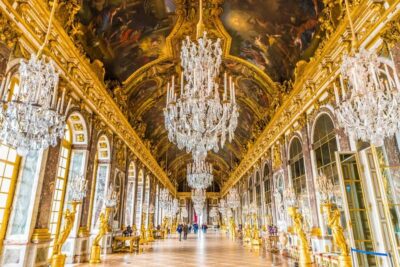
Versailles Palace & Gardens with Transportation
Read our review →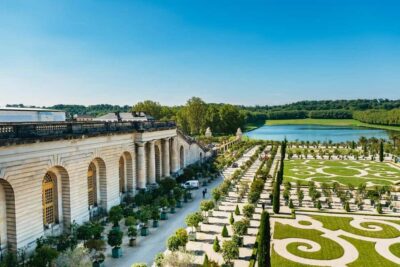
Versailles Palace Guided Tour & Gardens Access
Read our review →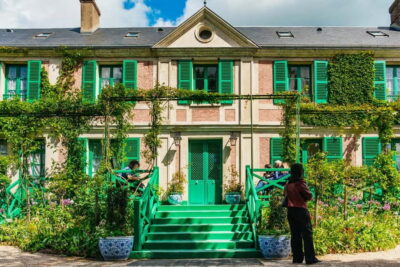
Giverny, Monet’s Home & Gardens Half-Day Trip
Read our review →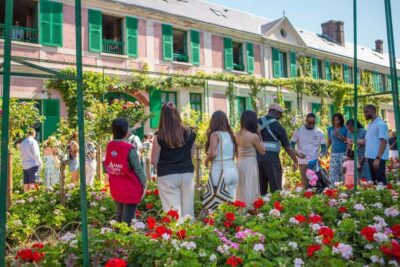
Giverny Day Trip with Audio Guide or Live Guide
Read our review →
Versailles Palace and Giverny Monet House Visit with Lunch
Read our review →
Giverny Monet’s Home and Gardens Half Day Tour from Paris
Read our review →Browse the lists this tour appears in