
Review · VIENNA
Schönbrunn Palace & Gardens Tour
Schönbrunn Palace is more than a grand house with pretty gardens. It is a carefully staged picture of Habsburg power, from Maria Theresa’s court to the troubled marriage of Franz Joseph and Sisi. The tour’s most memorable room may be the Millions Room, where Indo-Persian miniatures meet carved rosewood and Rococo excess.
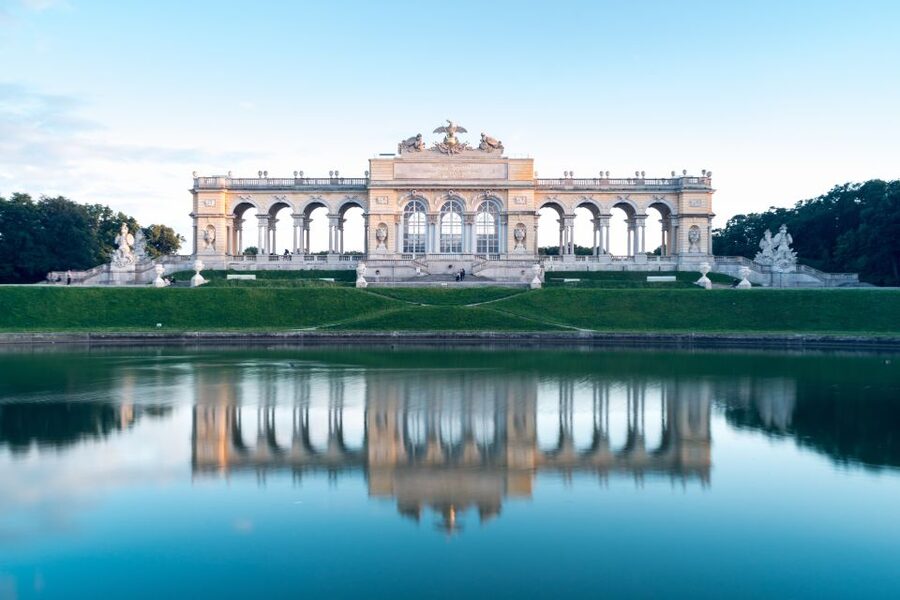
I like the historian-led storytelling, especially when it links the palace rooms to real people and political choices. I also like the chance to walk through the formal gardens before entering the palace, since the Gloriette viewpoint gives you a wider sense of why Schönbrunn was built here. Guides such as Katharina have been praised for clear explanations, amusing stories, and handling crowded rooms well.
The main drawback is cost. At $176 per person, with palace and park admission extra, this is not a casual sightseeing add-on. Also, the advertised Jewish Quarter material is not clearly placed in the stated 150-minute palace itinerary, so ask for clarification if that subject is important to you.
Key points to know before you book
- The tour lasts 150 minutes, with about 30 minutes in the gardens and two hours inside Schönbrunn Palace.
- The Millions Room is the design highlight, combining Indo-Persian miniatures with carved rosewood from the Antilles.
- Maria Theresa’s Porcelain Room was her office, giving the room a useful personal connection beyond its decoration.
- The Gloriette provides views over Vienna’s woods and helps explain the palace’s political setting.
- English-speaking historians lead the visit, including professors, doctoral students, journalists, art critics, and published authors.
- Admission is extra, although your guide helps you buy the required tickets and the tour skips the ticket line.
Why Schönbrunn works best with a guide
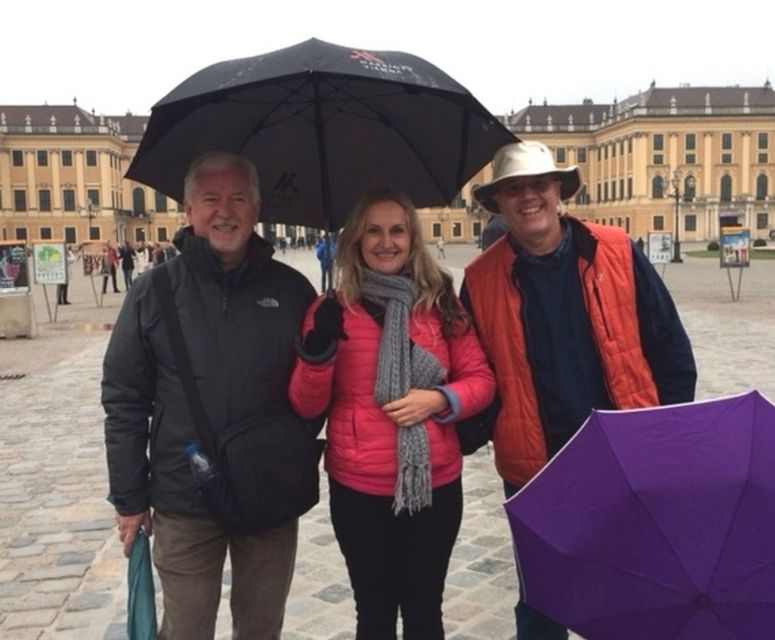
Schönbrunn was built to rival Versailles, so its scale can feel overwhelming if you simply walk from room to room with a printed map. A guide gives the palace an order and a purpose. Instead of seeing one gilded room after another, you learn how the house became the summer center of Habsburg court life.
That context matters. Maria Theresa turned Schönbrunn into a working center of imperial policy, not just a pleasant country retreat. She and her husband raised 16 children, and the palace became a place where family life, diplomacy, ceremony, and political ambition all met.
I find that a good guide is especially helpful in a palace like this because the decoration can swallow the people who lived there. The furniture is grand, the walls are crowded with ornament, and the formal rooms can blur together. The historical thread keeps you alert: Maria Theresa’s political success, Franz Joseph’s rigid duties, and Sisi’s dislike of court ritual all give the rooms a human scale.
This experience is led in English. The guides are described as historians and working experts, with backgrounds that include university teaching, doctoral research, journalism, art criticism, and book writing. That makes this a better fit for you if you want explanation and questions, not just directions through the building.
A few more garden visits around Vienna worth a look
- Vienna: Schönbrunn Palace & Gardens Skip-the-Line Tour
★ 4.7 · 7,739 reviews - Vienna: Skip-the-Line Sisi Museum, Hofburg and Gardens Tour
★ 4.8 · 5,918 reviews - Vienna: Skip-the-Line Schönbrunn Palace & Gardens Tour
★ 4.8 · 5,411 reviews
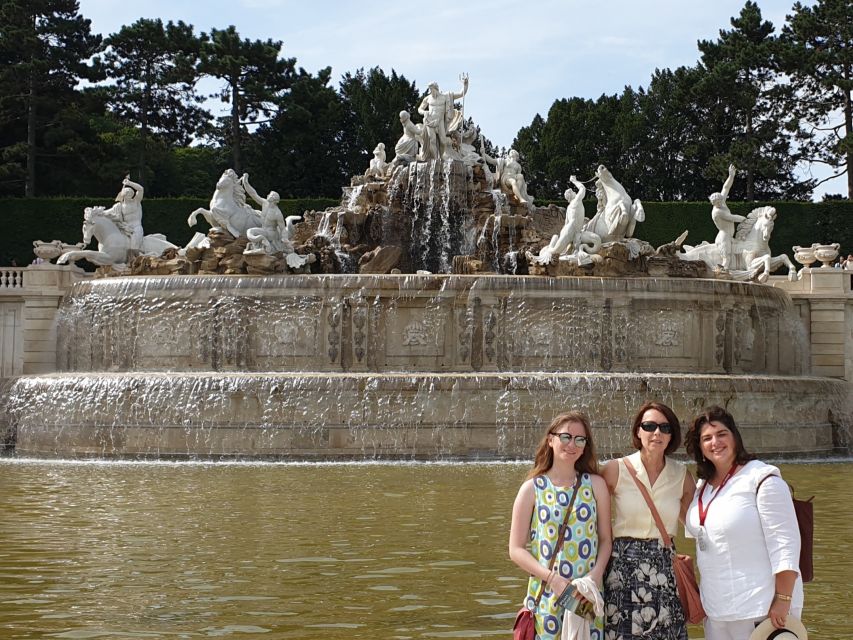
The 30-minute walk through Schönbrunn Gardens
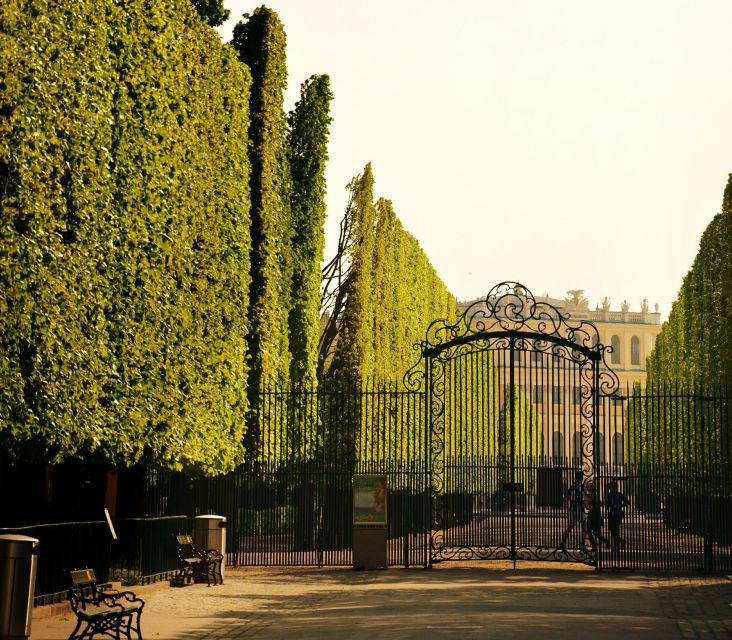
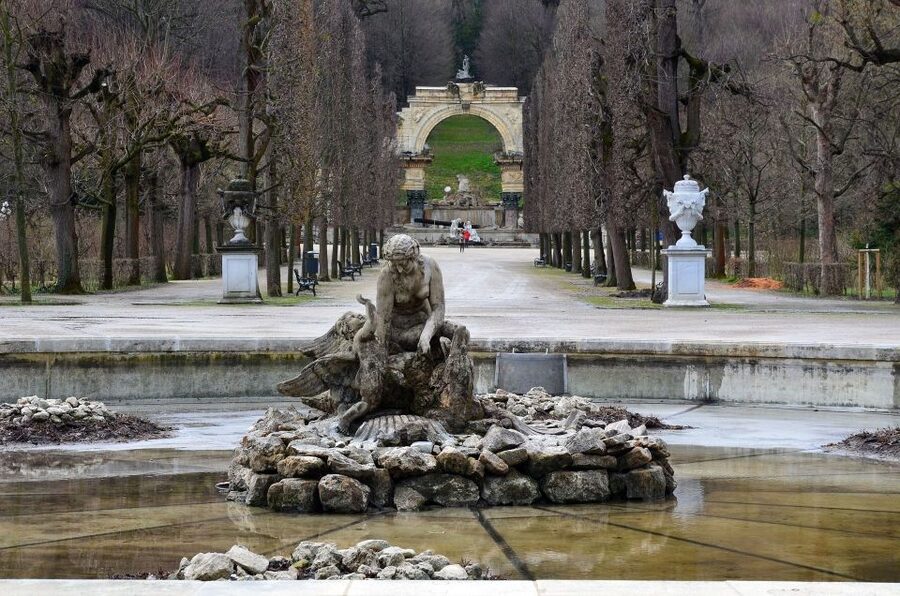
The tour begins in the formal gardens, where the design follows a Baroque idea: nature should be shaped to work with architecture. Long paths, planned views, and carefully arranged features guide your eye back toward the palace and up to the Gloriette.
This opening walk is useful because it gives you the palace’s full setting before you go indoors. From the grounds, Schönbrunn reads as a display of power. The palace is not an isolated residence. It is the center of a carefully ordered world, with gardens extending the authority and style of the court.
The walk to the Gloriette brings a reward near the end: a broad view toward Vienna’s woods. Your guide uses the military victories of Maria Theresa’s reign to explain why this setting mattered. Her period was a high point of Habsburg political and cultural influence, and Schönbrunn helped broadcast that success.
The gardens were opened to the public in 1779. That decision is worth noting because it was more than a generous gesture. It also helped Maria Theresa present the imperial family as connected to the people. You get a glimpse of her political skill in that choice, even while walking through grounds designed for royal display.
The garden portion lasts about 30 minutes, so do not expect a full tour of every corner of the park. You get the main formal approach and the Gloriette viewpoint, then move inside. If gardens are your chief reason for visiting Schönbrunn, you may want extra time before or after the tour to explore on your own. This guided visit gives you the design logic and the main view, not an all-day garden wander.
Inside the palace: power, family, and ceremony
The palace tour lasts about two hours. You move through lavish rooms associated with different Habsburg rulers, and the best moments come when the decoration is tied to a person or event.
Maria Theresa’s presence is strong throughout Schönbrunn. She made the palace the focal point of imperial policy and court life, while also using it as the summer home of a large family. Her 16 children made the palace a place of constant activity, even though the rooms now feel highly controlled and formal.
The Porcelain Room is one of the most useful stops because it was Maria Theresa’s office. That fact changes how you read it. You are not looking only at an ornate interior. You are looking at a room where an empress worked, made decisions, and managed the business of a major European dynasty.
The name can make the room sound delicate or decorative, but its importance is practical. Maria Theresa’s office links the palace’s beauty to administration. Court life depended on paperwork, meetings, decisions, and political judgment, all carried out behind the ceremonial image.
You will also hear about the next generation of Habsburg rulers, especially Emperor Franz Joseph and Elisabeth. Elisabeth, the Bavarian princess better known as Sisi, married Franz Joseph in 1854. Her life at court was shaped by formal duties and public expectation, and she disliked the rituals and heavy decoration around her.
The Franz Joseph and Elisabeth Apartments tell the story of a marriage strained by the demands of state. That gives these rooms a different mood from Maria Theresa’s political confidence. You are not simply seeing where a famous couple lived. You are seeing how an imperial household could separate two people even while placing them side by side.
Sisi’s dislike of palace routine becomes especially vivid in the detail of a spiral staircase. She commissioned it to connect her official rooms to a private entry toward the gardens, giving her a way to escape the palace’s formal world. It is a small architectural change, but it says a great deal about how she experienced Schönbrunn.
That kind of detail is where this tour earns its keep. You can see the ornate surroundings for yourself. A guide helps you understand why someone who lived among such luxury might want a private route out.
The Millions Room and its unusual decoration
The Millions Room is the artistic star of the interior tour. Its name comes from its enormous cost, and the room earns attention through a rare mix of Asian and European design.
It contains antique Indo-Persian miniatures set in Rococo frames. The walls are covered with carved rosewood from the Antilles. These elements do not simply create a pretty room. They show how the imperial court collected, reframed, and displayed objects from far beyond Austria.
The result is one of the most accomplished combinations of Oriental and European decorative art from the Rococo period. You will see delicate miniature scenes placed inside elaborate European framing, with expensive woodwork adding warmth and weight to the room.
I would not rush through this stop. Look at how the small images compete with the large decoration around them. The room is a lesson in court taste: controlled, expensive, international, and designed to impress anyone admitted inside.
It is also a good example of why a guide helps. Without explanation, you might notice that the Millions Room looks different from the other interiors but miss why. The materials, price, and mixture of styles make it one of the palace’s most distinct rooms.
Same place, a different kind of green day out:
- Vienna: Skip the Line Schönbrunn Palace and Gardens Guided Tour
★ 4.5 · 1,540 reviews - Vienna: Schönbrunn Palace & Garden Skip-the-Line Guided Tour
★ 4.1 · 1,240 reviews - Vienna: Skip-the-Line Schönbrunn Palace and Gardens Tour
★ 4.8 · 1,089 reviews - Vienna: Skip-the-Line Schönbrunn Palace & Gardens Tour
★ 4.5 · 845 reviews
The Jewish Quarter material needs clarification
The experience highlights a visit to Vienna’s Jewish Quarter and stories from the period of the Jewish ghetto. Yet the detailed route provided for this 150-minute tour lists the Schönbrunn Gardens, followed by a two-hour palace tour, ending at the Schönbrunn Group Centre.
That leaves an important question: is the Jewish Quarter material part of a different option, an added discussion, or a separate portion not reflected in the stated timing? You should ask before booking if this is a main reason you are interested.
I would not assume that a standard Schönbrunn visit includes a walk across Vienna to the Jewish Quarter. The meeting point, finish point, and timed route all focus on the palace. The subject may be included in a particular private option, but the available details do not explain how.
This is a good example of why you should read the selected option carefully. The tour may have several formats, and private tours can include a different plan. Confirm the exact route, especially if you want both Schönbrunn and Jewish Vienna rather than a palace-focused experience.
Guide quality and the value of a small group
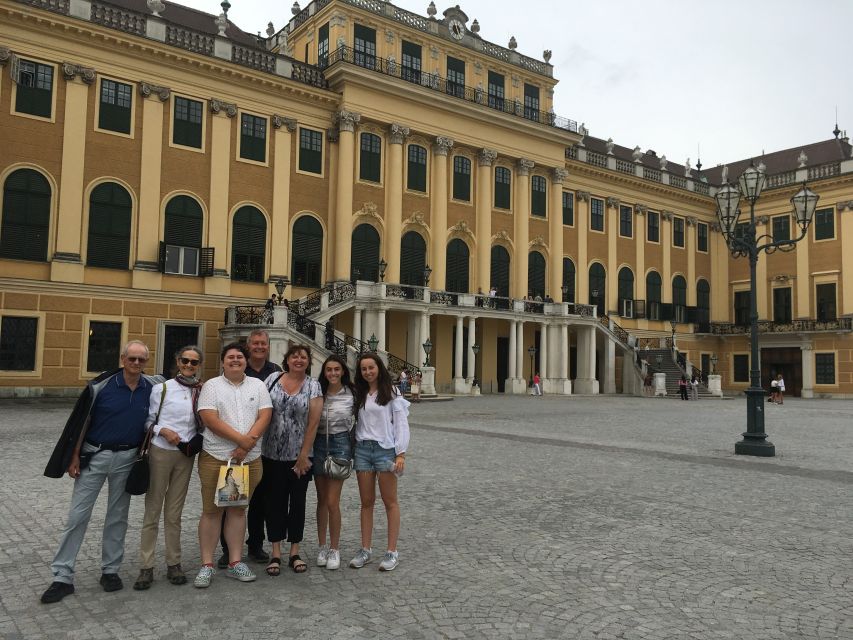
The strongest personal detail available about the guiding is the repeated praise for Katharina, also written as Katarina in one account. She met one couple in central Vienna and accompanied them to the palace, giving historical context along the way. Her approach included anecdotes, time for questions, and practical movement through crowded rooms.
That kind of guiding matters at Schönbrunn. The palace can become crowded, and a large room is not always an easy place to hear a long explanation. A guide who finds a quieter corner and keeps the group moving can make the two-hour interior visit much more comfortable.
The tour is available as a private or small-group experience. The exact group size is not provided, so check the option you select. A private tour costs more in general terms, but the price may make better sense if you want to ask detailed questions or need a pace suited to your group.
Optional pickup is available with a private tour. Your guide can meet you at a central hotel, holiday flat, or another agreed meeting point, then travel with you to Schönbrunn on Vienna’s metro system. This is not a private car transfer. The benefit is help with the route and a running introduction to the palace before you arrive.
If you meet at the standard location, go to the Schönbrunn Arrival Centre at Schönbrunner Schloßstrasse 50. The guide waits in front of the Group Centre Building, across from the palace’s main entrance. That clear landmark is useful, since the palace grounds are large and the entrance area can feel confusing at first.
Is $176 per person good value?
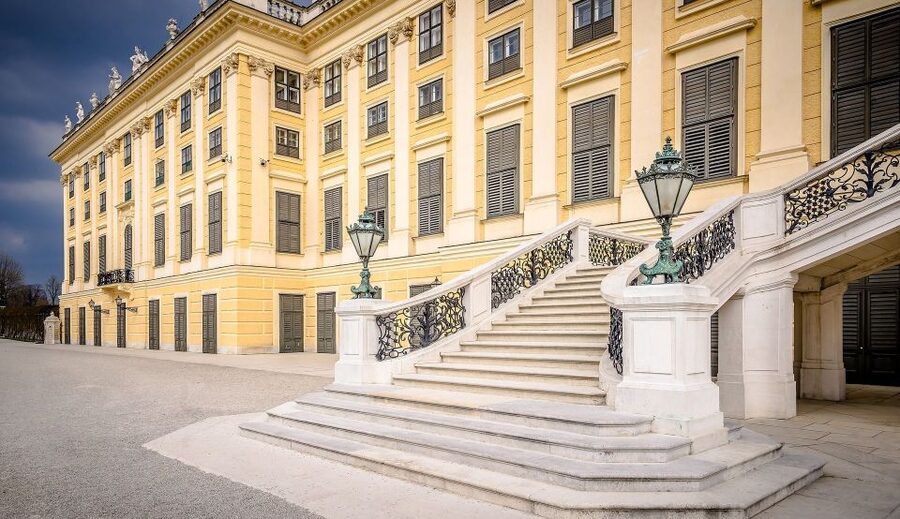
At $176 per person, this is a premium tour. Palace and park entrance are not included, so your final cost will be higher. Your guide helps you purchase the tickets, and the experience includes a skip-the-ticket-line arrangement, but you should still budget for admission separately.
The value comes from the guide rather than from entry alone. If you only want to enter Schönbrunn and see the rooms, a self-guided visit may cost less. If you want the Porcelain Room explained as Maria Theresa’s office, the Millions Room interpreted in detail, and Sisi’s private staircase placed in context, the guided format offers more substance.
The 150-minute length is also practical. It is long enough to cover the key gardens and interiors without taking up an entire day. You can still plan other Vienna sights around it, though you should allow extra time for meeting up, purchasing admission, and moving through the palace.
I see the price as most defensible for a private tour or a small group with a serious interest in Habsburg history, art, and architecture. For a couple or family that wants an easy, well-explained visit, the added cost may prevent missed details and wasted time. For a budget-focused visitor, the extra admission cost makes this harder to recommend.
The flexible booking terms help reduce the risk. You can cancel up to 24 hours before the tour for a full refund, and you can reserve now and pay later. Those terms do not make the tour inexpensive, but they are useful when your Vienna schedule is still shifting.
Who should choose this Schönbrunn tour?
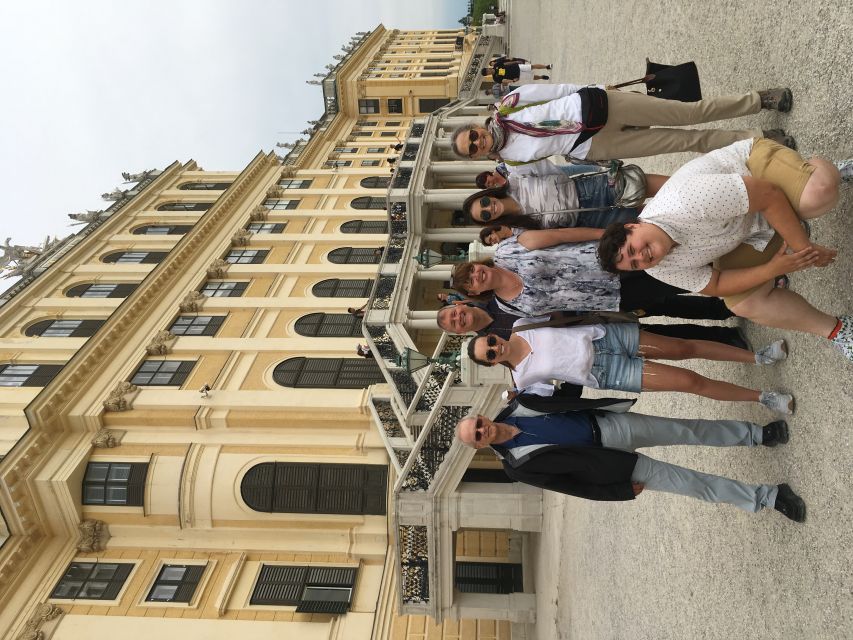
I would choose this tour if you want the palace to make sense as a place where people worked, ruled, married, resisted, and performed public life. It suits you if you enjoy asking questions and prefer a human story to a list of room names.
It is also a good match for first-time visitors to Schönbrunn. The garden walk gives you orientation, the guide handles the ticket process, and the palace visit follows a clear route. The English-language format is convenient if you want detailed explanations without relying on an audio guide.
History and art fans will get the most from the Millions Room, the Porcelain Room, and the accounts of Maria Theresa, Franz Joseph, and Sisi. Families may also appreciate the personal stories, especially the image of Sisi using a private staircase to escape court life.
You may want another plan if your main goal is quiet time in the gardens. The guided garden portion lasts only 30 minutes. Likewise, confirm the Jewish Quarter element before booking if that subject is central to your plans.
Should you book it?
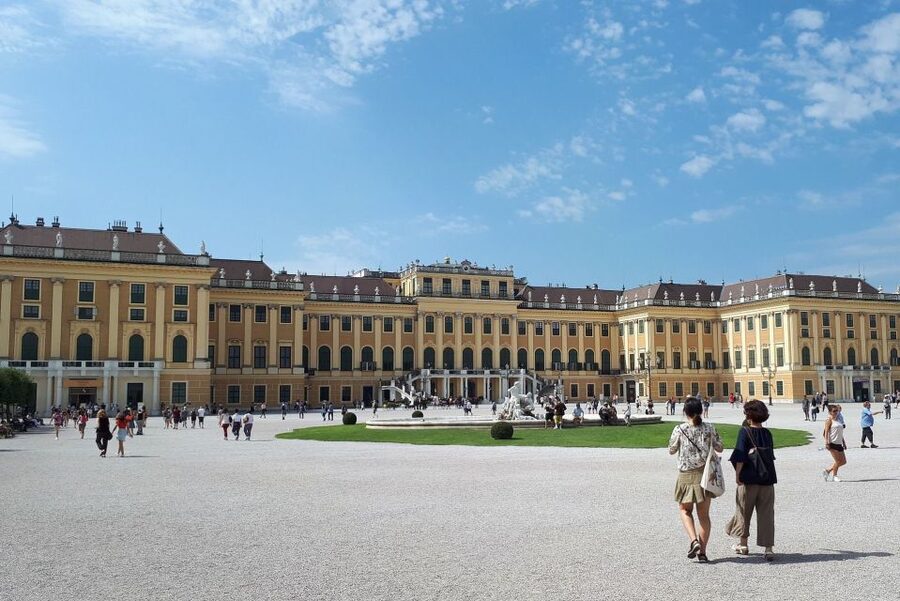
Book this tour if you value a strong guide, want help navigating Schönbrunn, and are willing to pay a premium for interpretation. Katharina’s reported style, with anecdotes, questions, and smart movement through crowded areas, is exactly the kind of guiding that makes a palace visit easier and more memorable.
Skip it if you are mainly looking for the cheapest palace admission or want a slow, independent day in the park. And before paying $176 plus admission, confirm the selected option and ask how the Jewish Quarter material fits into the route. For an informed, palace-centered visit led by a trained historian, this is a solid choice, but the price demands that you use the guide’s expertise rather than simply follow the rooms.
FAQ
How long does the Schönbrunn Palace and Gardens Tour last?
The tour lasts 150 minutes, or two and a half hours. About 30 minutes are scheduled for the gardens, followed by about two hours inside the palace.
What does the tour include?
It includes a guided tour led by a historian guide. Palace and park entrance fees are not included.
Does the guide help with palace tickets?
Yes. Your guide helps you purchase the required tickets. The activity also includes a skip-the-ticket-line arrangement.
Where is the meeting point?
Meet at the Schönbrunn Arrival Centre, Schönbrunner Schloßstrasse 50. The guide waits in front of the Group Centre Building, across from the palace’s main entrance.
Is the tour conducted in English?
Yes. The listed tour language is English.
Can I book a private tour?
Yes. Private and small-group options are available. Private tours can also include pickup from a central hotel, holiday flat, or another meeting point.
What rooms are included in the palace visit?
The tour includes the Porcelain Room, which served as Maria Theresa’s office, the Millions Room, and the Franz Joseph and Elisabeth Apartments, along with other lavish palace rooms.
Is the Jewish Quarter included in the 150-minute route?
The experience highlights the Jewish Quarter and stories from the time of the Jewish ghetto, but the detailed timed route lists only the Schönbrunn Gardens and Schönbrunn Palace. Ask the provider to confirm whether your selected option includes the Jewish Quarter.
Just added around Vienna
- Vienna: Schönbrunn Palace Gardens Private Guided Tour★ 4.9 · 28 reviews
- Schönbrunn Palace & Gardens Guided Tour with Skip-the-Line Access★ 4.5 · 74 reviews
- Skip-the-line Schonbrunn Palace Rooms & Gardens Private Tour★ 4.5 · 81 reviews
- Vienna: Carriage Ride Through Schönbrunn Palace Gardens★ 4.6 · 96 reviews
- Schönbrunn Palace and Gardens Tour★ 5.0 · 120 reviews
- Skip-the-Line Sisi Museum, Hofburg and Gardens Tour Vienna★ 4.5 · 449 reviews
- Vienna: Skip-the-Line Schönbrunn Palace & Gardens Tour★ 4.5 · 845 reviews
- Vienna: Schönbrunn Palace & Garden Skip-the-Line Guided Tour★ 4.1 · 1,240 reviews
Vienna Garden Tours, compared.
Schönbrunn Palace & Gardens Skip-the-Line Tour
Read our review →
Skip-the-Line Schönbrunn Palace & Gardens Tour
Read our review →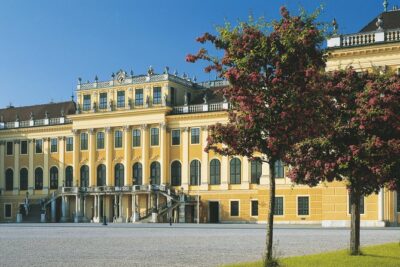
Skip the Line Schönbrunn Palace and Gardens Guided Tour
Read our review →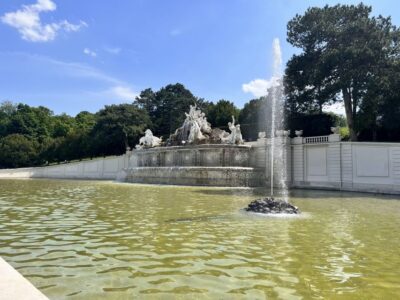
Schönbrunn Palace & Garden Skip-the-Line Guided Tour
Read our review →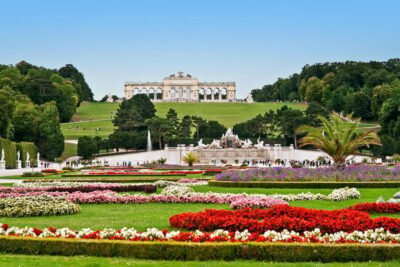
Skip-the-Line Schönbrunn Palace and Gardens Tour
Read our review →
Skip-the-Line Sisi Museum, Hofburg and Gardens Tour Vienna
Read our review →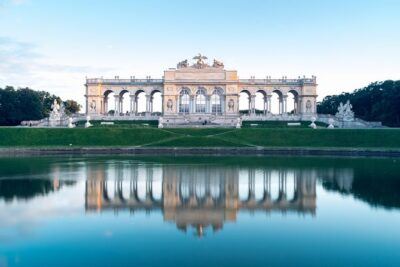
Browse the lists this tour appears in