

Review · MALTA
The Limestone Heritage Park and Gardens (Entry Ticket)
Malta is built from limestone, and this family-run park in Siggiewi shows you exactly how that humble golden stone shaped the islands. You move from a short audio-visual presentation to museum displays, geology, a Punic tomb, gardens, animals, and live stonework. I like the hands-on look at Maltese building tradition and the freedom to explore at your own pace.
I also like the practical setup: the audio guide comes in 17 languages, and the $11 ticket covers a full day of access during opening hours. The main drawback is scale. One booking note says the park is smaller than expected, so this is best viewed as a focused cultural stop rather than a full-day theme park.
Key points to know before you go
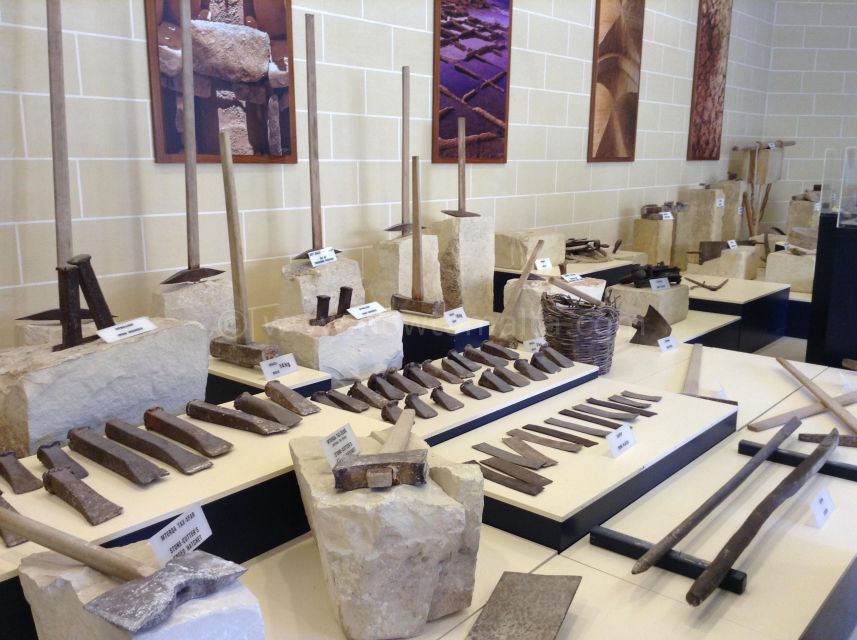
- A 7,000-year story begins with limestone: The park connects Malta’s geology, buildings, crafts, and daily life in one place.
- The audio guide sets your pace: Choose from 17 languages and move through the site without joining a fixed group.
- A Punic tomb dates to about 400 B.C.: This gives the visit a real archaeological anchor, not just museum panels.
- Live stonework makes the craft easier to understand: You can watch how Maltese stone is shaped and may have the chance to make your own limestone piece for €5.
- The citrus garden and farm add variety: Children get something active to see after the indoor displays.
- Opening hours require planning: The park closes at noon on Saturdays, all day Sundays, and on Maltese public holidays.
Why Malta’s limestone matters here

The Limestone Heritage Park is not simply a garden with a few old objects. Its central idea is that limestone has been part of Maltese life for thousands of years.
Malta’s buildings, churches, walls, tombs, and decorative details all make more sense once you understand the stone beneath them. The park brings that connection into one setting, moving from geology to human use. You begin with the material itself, then see how people quarried, shaped, and used it.
The attraction is located in Siggiewi, a traditional Maltese village. That location helps the visit feel tied to local life rather than placed in an isolated exhibition hall. You are not only looking at stone as an ancient relic. You are seeing it as a working material that still matters to Maltese craft.
The 7,000-year time span gives the visit a broad frame, but the experience remains manageable. You are not expected to absorb a huge museum collection or follow a long guided tour. Instead, the park offers a series of short sections that work well for families, curious first-time visitors, and anyone who wants context before visiting Malta’s churches and old towns.
More Historical Tours in the world:
- Aboriginal Heritage Walk – Royal Botanic Gardens Victoria, Melbourne Gardens
★ 5.0 · 314 reviews - Beijing Historical Tour II including Summer Palace, Lama Temple & Panda Garden
★ 4.0 · 187 reviews - London: Historic City Walking Tour(& Rooftop Garden Access*)
★ 4.8 · 54 reviews
Start with the multilingual audio-visual presentation
The audio-visual presentation gives you the basic story before you begin walking around the grounds. It is available in 17 languages: Maltese, English, French, German, Italian, Dutch, Russian, Spanish, Greek, Portuguese, Swedish, Danish, Finnish, Norwegian, Polish, Chinese, and Japanese.
That language choice is useful because the park’s subject is more interesting when you understand the links between geology, history, and local customs. The presentation helps you recognize why limestone appears so often in Malta and gives the later displays a clearer purpose.
I like this kind of opening because it prevents the visit from becoming a collection of disconnected objects. You get a framework first, then use the park to fill in the details.
The presentation is also helpful if your group includes people with different levels of interest. Someone can get the main story without reading every display, while a more curious visitor can spend extra time with the geology section, museum hall, or stonework demonstration.
Follow the audio-guided walk at your own speed
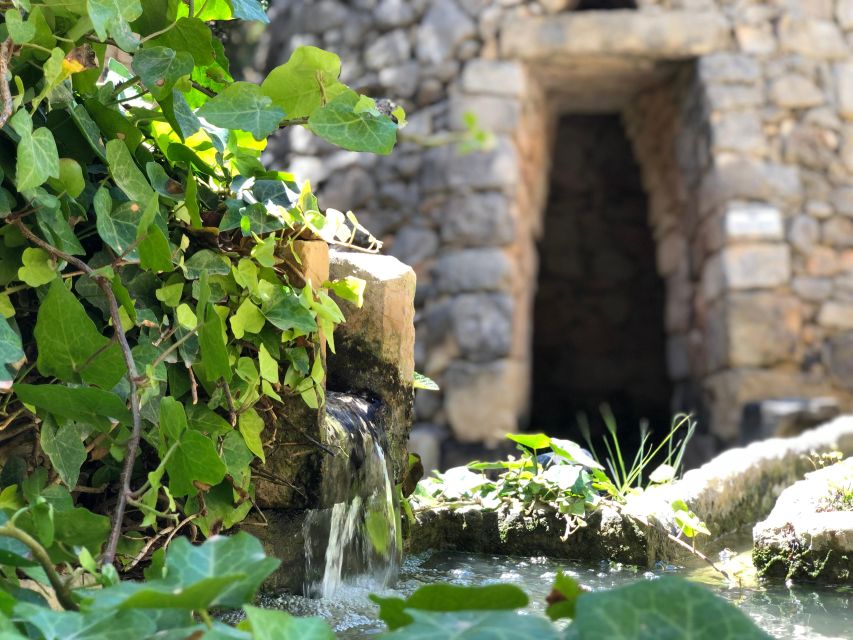
After the presentation, the audio-guided walkthrough takes you through the attraction. It is also offered in the same 17 languages, giving you a self-guided experience rather than a fixed tour led by a named guide.
That flexibility matters. You can pause when a display catches your attention, move more quickly through sections that interest you less, and keep children from having to sit through a long formal explanation. The ticket can be used at any time during the booked day, within opening hours, but it allows only one entry.
The walkthrough is designed to connect the park’s different areas. You are likely to think about limestone in several ways: as a natural material in the geology section, as an archaeological clue in the Punic tomb, as a building resource in the museum displays, and as a craft medium during the stonework demonstration.
Do not expect a large guided group or a performance packed with theatrical effects. The attraction works through information, objects, and demonstrations. That makes it a quieter stop, with plenty of room for you to set the rhythm.
The geology section explains the stone beneath Malta
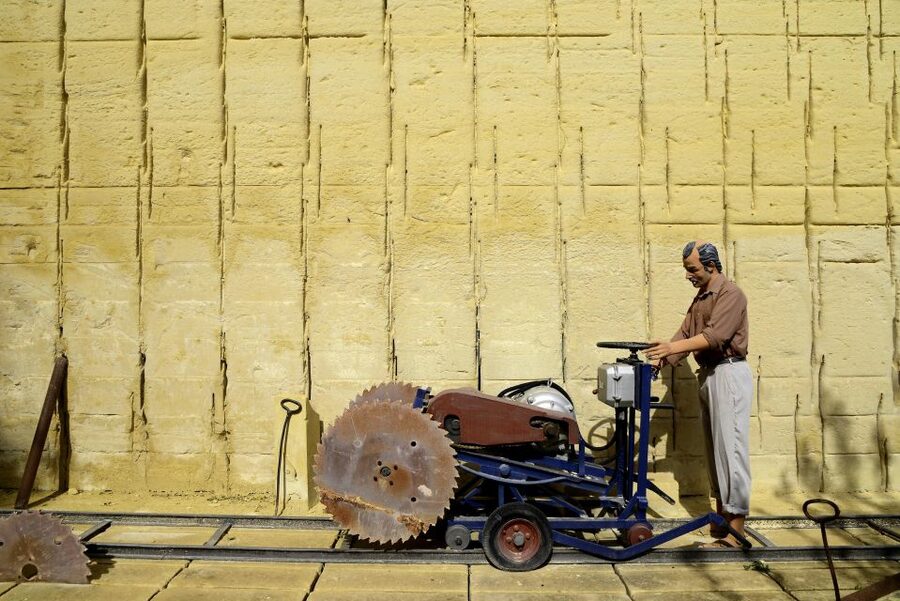
The geology section gives the natural background for everything else at the park. It shows why limestone is not just a decorative feature in Malta but a basic part of the islands’ identity.
This section is especially useful early in a Malta trip. You may have already noticed pale stone walls and buildings, but the geology displays help explain the material behind those views. Once you understand that connection, details in villages and historic centers become easier to read.
I would give this area enough time to understand the basic points, but I would not expect a large natural history museum. The supplied information describes a dedicated geology section, not an extensive collection with a long scientific route. Its value is in setting up the rest of the visit.
For families, this is also a good place to turn a simple sightseeing day into a lesson about how natural materials shape human settlements. The subject stays concrete: rock, tools, buildings, and craft.
More Garden Tickets in the world:
- Paris: Versailles Palace and Gardens Full Access Ticket
★ 4.6 · 41,579 reviews - Marrakesh: Majorelle Garden Entry Tickets
★ 4.5 · 9,651 reviews - Florence: Reserved Entry Ticket to the Boboli Gardens
★ 4.4 · 5,275 reviews - London: Kew Gardens Admission Ticket
★ 4.6 · 3,252 reviews
The museum hall adds Malta’s human story
The museum hall shifts your attention from the stone itself to the people who used it. Here, the park’s 7,000-year story becomes more personal and cultural.
The displays are part of the audio-guided route, so you can take in the information without needing a private guide. This is helpful for visitors who prefer to read and listen at their own pace, and for families who need freedom to split up briefly.
I would treat the museum hall as a companion to the outdoor areas rather than a separate major museum visit. The park’s appeal comes from the mix: indoor information, historic remains, open-air spaces, animals, and working craft. If you only want a large collection of artifacts, this may feel limited. If you want a compact introduction to Malta’s stone-based culture, it makes good sense.
The museum also gives context to the live demonstration later. Seeing finished or historic stonework first helps you understand the patience and skill involved when you watch a piece being shaped by hand.
See the Punic tomb dating from about 400 B.C.
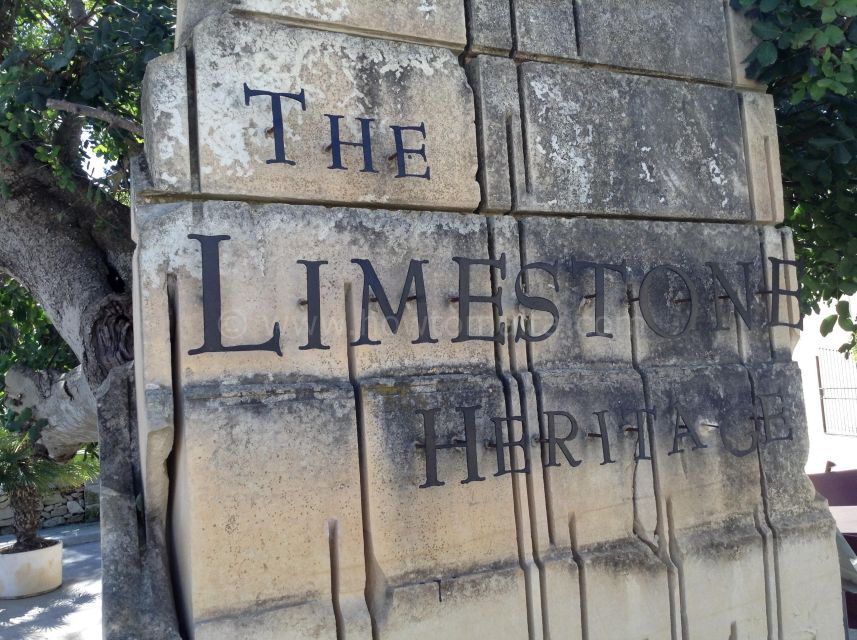
The Punic tomb is one of the most important stops because it gives the park a direct archaeological link. It dates to about 400 B.C., placing it in Malta’s ancient past and giving you something real and specific to examine.
A tomb can also help you think about history at a human scale. Instead of hearing only broad dates and political changes, you see evidence of how people treated the dead and shaped underground spaces.
The tomb is included with admission, so you do not need to add a separate archaeological ticket. It is one reason the park offers more than a general introduction to local stone. You are also seeing a structure connected to the island’s ancient inhabitants.
Keep your expectations measured. The attraction offers access to one Punic tomb, not a large archaeological complex. Its importance comes from its age and setting within the wider park, not from the size of the site.
Watch the live stonework demonstration
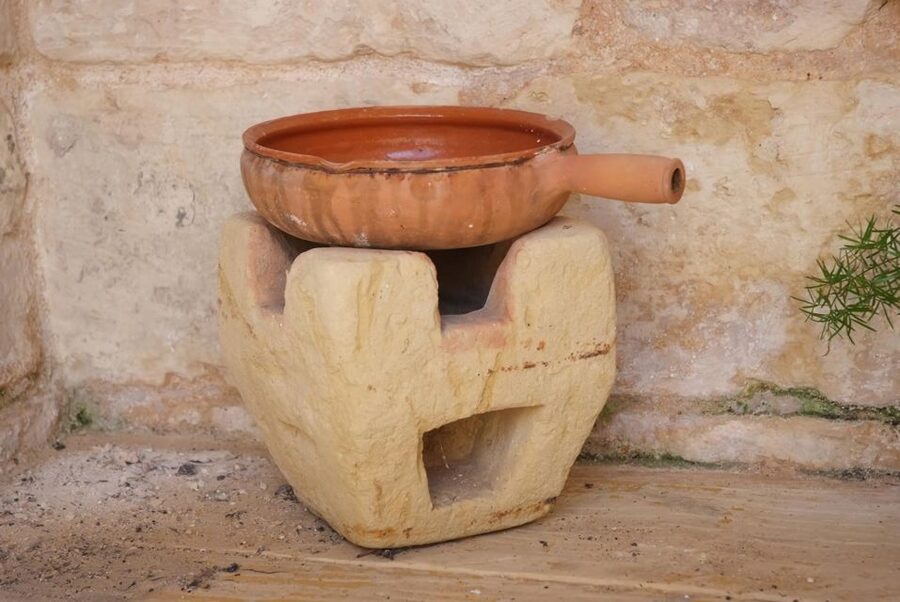
The stonework demonstration is the most active part of the visit. Instead of only looking at old stone, you see the material being worked in the present day.
This is where the park’s theme becomes clear. Geology explains the stone, the museum shows how people used it, the tomb shows its ancient role, and the demonstration shows that the craft is still understandable through tools and technique.
The demonstration is included in the entry ticket. Timing may shape your visit, so ask at the entrance when it is scheduled if you want to make sure you see it during your time there. The available information does not promise a set timetable, so it is wise not to leave this part until the final minutes.
One particularly appealing option is the chance to create your own limestone piece for €5. That extra charge is not included in admission, but it can make the visit more memorable, especially for children or anyone who enjoys practical crafts. You can take time to work on it and try to make it right rather than rushing through a short souvenir purchase.
This is also where the park earns its admission price for me. A standard museum can explain stonework, but watching a demonstration, and possibly making something yourself, gives you a clearer feel for the material.
Take a break in the citrus garden and animal farm
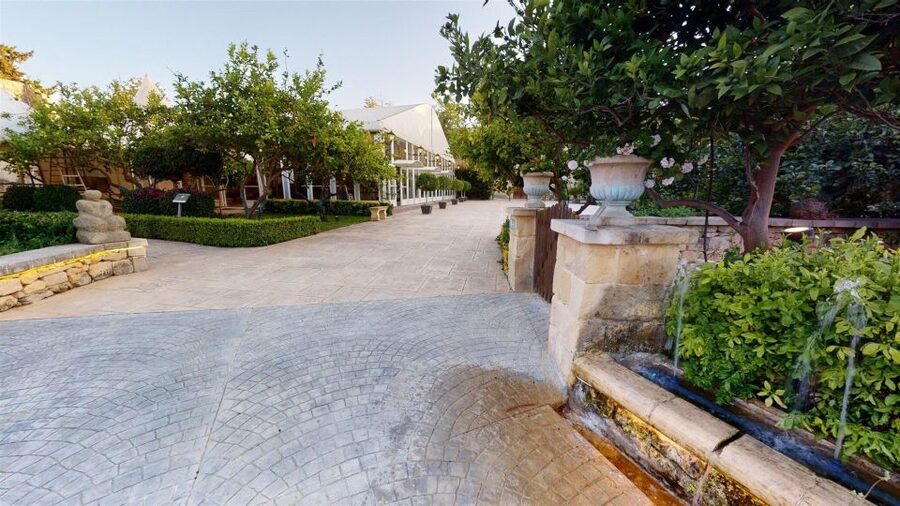
The citrus garden gives you a quieter outdoor pause after the informational sections. You can slow down, enjoy the countryside setting, and change the pace of the visit.
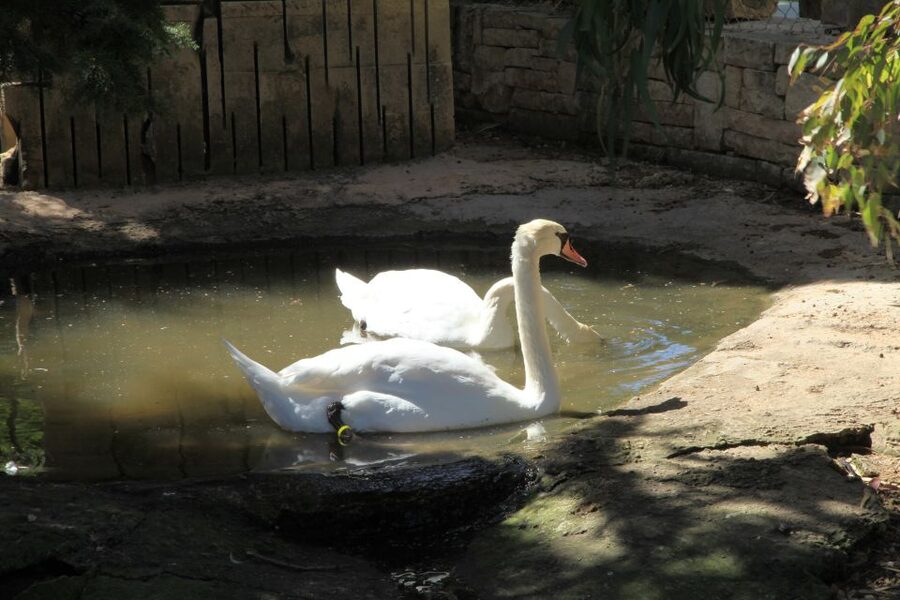
The farm animal park adds another reason for families to come. The available details describe furry animals but do not list the species, so you should think of this as a small animal area rather than a full zoo. It gives children something friendly and immediate to look at after the geology, museum, and tomb.
I like this mix because not everyone in a group wants the same kind of attraction. One person can focus on local history, another can enjoy the garden, and children can spend time with the animals. The park is more flexible than a purely indoor museum.
The garden and farm also make the one-day ticket less restrictive. You are allowed to use the ticket during the day’s opening hours, but re-entry is not allowed. Plan to take your break inside the park rather than leaving for lunch and expecting to return.
Food and the Maltese platter
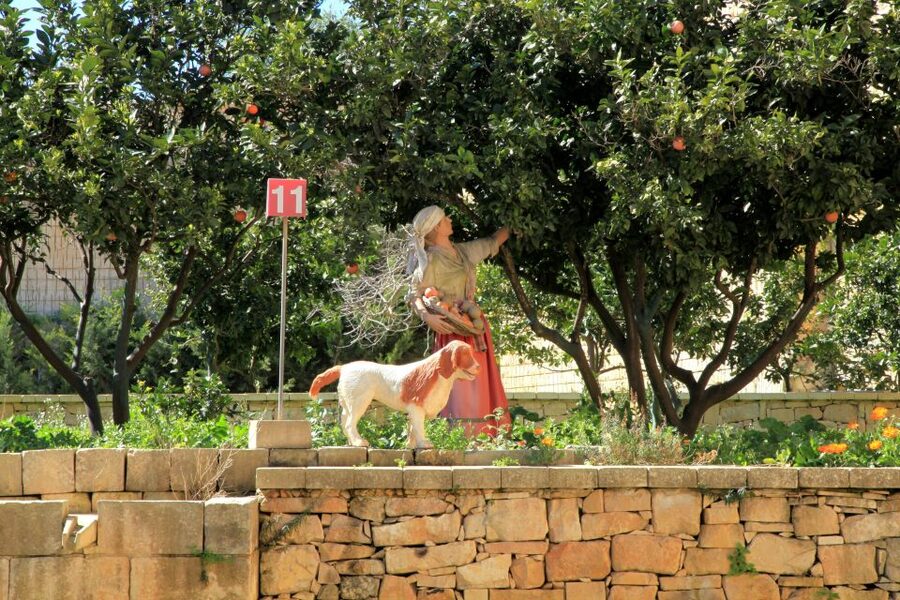
Food and drinks are not included, but the park serves snacks and drinks on site. You can stop for tea or coffee, try a Maltese platter, or order a Maltese tuna ftira.
That gives you a chance to sample local flavors without adding another stop to your schedule. The ftira is particularly useful to know about because it is a Maltese bread specialty, while the platter offers a broader taste of local food.
I would budget extra time if you want to eat here. The ticket price covers entry, displays, audio material, demonstrations, gardens, animals, and the historic site, but the café bill is separate. Prices for the food are not provided, so do not assume the $11 admission includes refreshments.
The setting is meant for a relaxed pause, not a formal dining experience. It works best as a simple break before browsing the shop or finishing the outdoor areas.
The shop and stone souvenirs
The shop sells genuine Maltese goods and exclusive stone souvenirs. You do not have to buy anything, which is useful because the attraction already offers plenty to see without adding shopping pressure.
A stone souvenir can make more sense here than a generic airport purchase. It connects directly to the park’s main subject and to the craft demonstration. If you decide to make your own limestone piece for €5, the shop may also give you ideas for how local stone is used in decorative objects.
As always, check what you can comfortably carry before buying anything heavy. The available information does not provide product sizes, prices, or shipping details, so ask staff if you need a particular item sent home.
Is the $11 ticket good value?
At $11 per person, the ticket is reasonably priced for a compact cultural attraction. You receive access to several areas rather than a single display: the audio-visual presentation, audio-guided route, geology section, museum hall, Punic tomb, citrus garden, farm animal park, and live stonework demonstrations.
The price works best if you use the park as a two or three-hour stop with time for the demonstration and garden. The ticket is valid for one day, but that does not mean you need to spend every minute there. A booking note says the site is smaller than expected, so the one-day validity mainly gives you flexibility rather than promising a huge amount of content.
The optional €5 limestone-making activity is worth considering if you want a hands-on souvenir. Food, drinks, transport, and purchases from the shop cost extra.
For an $11 admission, I would call the value strongest for families, craft lovers, and visitors who want local context without paying for a long private tour. It may feel less satisfying if you are looking for a major archaeological site or a full-day attraction with constant activities.
Plan your visit around Siggiewi’s opening hours
The park is open Monday through Friday from 9:00 a.m. to 4:00 p.m. On Saturday, it opens from 9:00 a.m. to noon. The final entry is 30 minutes before closing.
It is closed on Sundays and Maltese public holidays. Public holidays include January 1, February 10, March 19, March 31, Good Friday, May 1, June 7, June 29, August 15, September 8, September 21, December 8, December 13, and December 25. Good Friday changes each year.
These hours make a weekday morning the easiest choice. Saturday is possible, but the short opening window means you should arrive early. Check the hours before setting out because they can change.
No hotel pick-up or drop-off is included, and there is no live guide included. The host or greeter speaks English, while the audio material covers 17 languages. The attraction is listed as wheelchair accessible, though the supplied information does not describe every surface or route in detail.
Who will enjoy this park most?
I would recommend the Limestone Heritage Park to you if you want:
- A short, focused look at Maltese culture and building traditions
- A family-friendly stop with animals and outdoor space
- An audio-guided visit in a language other than English
- A chance to see a Punic tomb without committing to a large archaeological museum
- A live craft demonstration and optional hands-on stone activity
- A quieter break from Malta’s major urban attractions
You may want to skip it if your schedule is packed with major temples, churches, and historic towns, or if you expect a large attraction with many hours of entertainment. The park is described as smaller than expected, and that is an important part of setting the right expectations.
Should you book the Limestone Heritage Park?
Book it if you want a practical introduction to Malta’s limestone culture, especially with children or anyone interested in crafts. The $11 ticket covers a good mix of history, geology, archaeology, animals, gardens, and demonstrations, while the multilingual audio system lets you explore without being tied to a group.
I would plan a weekday morning, allow time for the stonework demonstration, and add the optional €5 limestone activity if you want a personal souvenir. Skip Sundays and public holidays, and remember that the ticket allows one entry only.
FAQ
Where is the Limestone Heritage Park and Gardens?
The park is in Siggiewi, Malta, a traditional Maltese village.
How much does entry cost?
The entry ticket costs $11 per person.
How long is the ticket valid?
The ticket is valid for one day and can be used at any time during that day’s opening hours.
Can I re-enter after leaving?
No. The ticket is valid for one-time entry only, with no re-entry.
What languages are available for the audio guide?
The audio guide and audio-visual presentation are available in Maltese, English, French, German, Italian, Dutch, Russian, Spanish, Greek, Portuguese, Swedish, Danish, Finnish, Norwegian, Polish, Chinese, and Japanese.
Is a live guide included?
No. A guide is not included, though an English-speaking host or greeter is available and the audio guide is included.
What is included with admission?
Admission includes the audio-visual presentation, audio-guided walkthrough, live stonework demonstrations, museum hall, geology section, Punic tomb, citrus garden, and farm animal park.
When is the park open?
The park is open Monday through Friday from 9:00 a.m. to 4:00 p.m. and Saturday from 9:00 a.m. to noon. It is closed on Sundays and public holidays, and final entry is 30 minutes before closing.
Just added around the world
- Skip-the-Line Guided Tour and Gardens Entry in Versailles Palace★ 3.5 · 3 reviews
- Versailles Palace Guided Experience and Gardens Entry 10 PPL Max★ 5.0 · 42 reviews
- Versailles Palace & Gardens Audio Tour – Private Transportation★ 4.5 · 11 reviews
- Versailles Palace and Gardens Tour★ 4.5 · 44 reviews
- Versailles: Farmers Market & Royal Vegetable Garden Food Tour★ 5.0 · 11 reviews
- Versailles Gardens Walking Tour with Audioguide (no tickets)★ 3.0 · 6 reviews
- Versailles Golf Cart & Shuttle Guided Tour, Hamlet and Gardens★ 4.5 · 13 reviews
- Palace of Versailles Entry ticket with Musical Gardens & Estate★ 3.5 · 55 reviews
Malta Garden Tours, compared.
Valletta: Monastery and Secret Garden Entry Ticket
Read our review →
Mdina, Rabat, Dingli cliffs, San Anton gardens, Ta’ Qali & Mosta guided tour
Read our review →
Mysterium Fidei Monastery & Secret Garden in Valletta
Read our review →
Scenic Tour by Vintage Bus to Buskett Garden & Dingli Cliffs
Read our review →
Rabat Mdina and San Anton Gardens Group Tour with St. Paul’s Catacombs
Read our review →
Mdina, Dingli cliffs and San Anton Gardens guided tour
Read our review →Browse the lists this tour appears in