
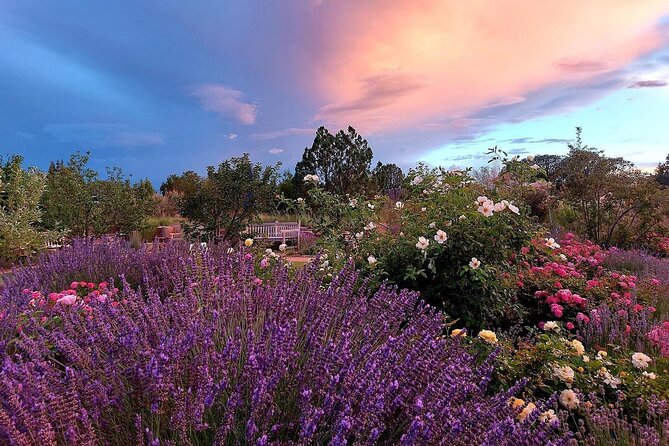
Review · USA
Santa Fe Botanical Garden General Admission Ticket
Santa Fe Botanical Garden gives you a close look at how plants survive in New Mexico’s dry climate. Its 19 acres include an orchard, native woodland, meadow flowers, traditional food plants, sculpture, and hands-on areas for children. It is less a grand estate than a thoughtful regional garden that is still growing.
I like the native plant focus and the way art appears along the walking trails. I also like the chance to see practical gardening ideas, from heirloom crops to soil care, rather than only ornamental flower beds. The main drawback is size: many people will see the essential areas in about an hour, so the $18 admission makes the garden a better choice for plant lovers, families, and visitors with time to sit and explore than for anyone expecting a huge formal garden.
Key points
- Nineteen acres of connected trails: The garden is compact enough to explore without tiring yourself out, yet varied enough for a relaxed visit.
- Three main garden areas: See the Orchard Gardens, Ojos y Manos: Eyes and Hands Garden, and native Piñon Juniper Woodland.
- Art along the route: The Elements of the Earth: Contemporary Native Sculpture Art Trail adds bronze and other sculptural works to the plant displays.
- Good regional lessons: You can learn about native plants, medicinal herbs, traditional farming, heirloom varieties, and gardening in a drier future.
- Plan for one to two hours: You can walk the main route fairly quickly, but benches, flowers, sculpture, and guided interpretation reward a slower pace.
- Useful practical setup: Your $18 ticket includes parking, mobile admission is available, and free cancellation applies up to 24 hours before the start time.
A small garden with a clear New Mexico purpose
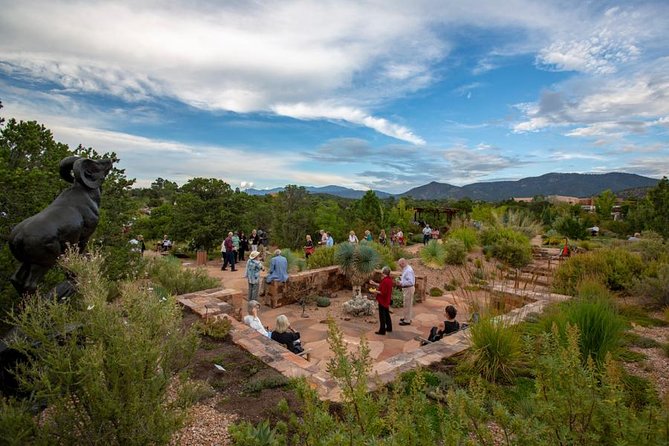
The Santa Fe Botanical Garden is not trying to copy the grand flower gardens of the East Coast or the large public gardens of the Midwest. Its job is more specific: show you what grows in northern New Mexico, how people have used those plants, and how gardens can adapt to heat and limited water.
That focus gives the visit its character. You will see plants chosen for the region, along with examples of food crops, herbs, fruit trees, and flowers that can handle local conditions. For someone from a wetter part of the country, the garden offers a useful change in perspective. The question is not simply what looks pretty, but what can live here.
The grounds are described as 19 acres, with interconnected paths rather than one long sightseeing route. That makes the visit easy to shape around your energy. You can make a quick circuit in roughly an hour, or linger on benches, study the sculpture, and spend several hours with the garden.
More Botanical Garden Tours in the USA
- Princeville Botanical Gardens Tour and Chocolate Tasting Ticket
★ 5.0 · 774 reviews - Big Island Waterfalls Tour with Swimming and Botanical Garden
★ 5.0 · 513 reviews - NYC: New York Botanical Garden Pass
★ 4.5 · 359 reviews
Start with the Orchard Gardens and art trail
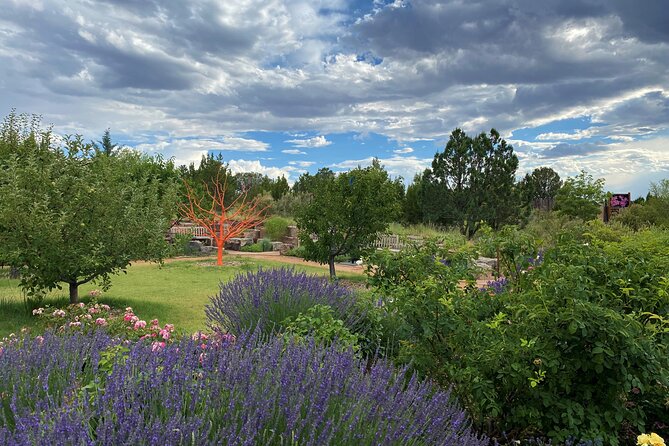
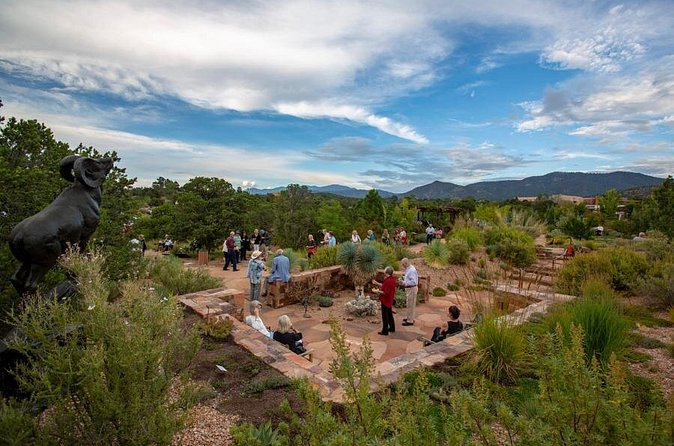
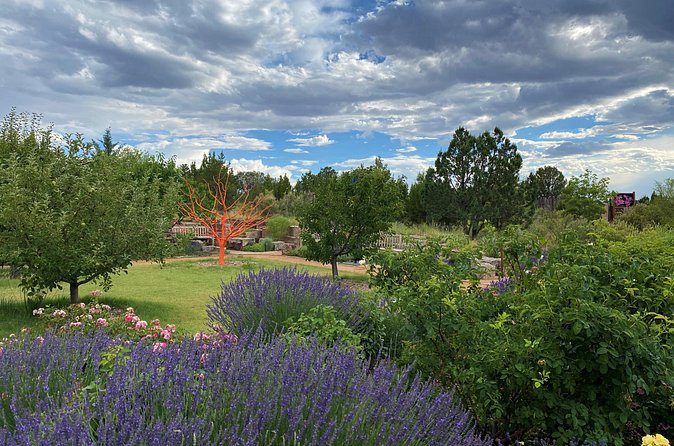
The Orchard Gardens pair fruit-bearing trees with the Elements of the Earth: Contemporary Native Sculpture Art Trail. This is one of the most memorable combinations on the property because the art gives your walk extra purpose. You are not only moving from plant bed to plant bed. You are also watching how sculpture changes the feel of each section.
The art is placed along the route rather than locked away in a separate gallery. That works well in a botanical garden. A bronze figure or abstract form can frame a tree, mark a bend in the path, or give you a reason to pause where you might otherwise keep walking.
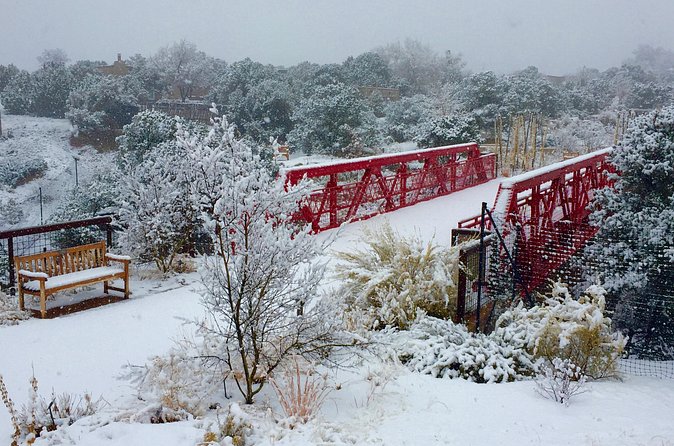
The orchard also adds a practical note. Fruit trees make the garden feel connected to food and daily life, not just decoration. Depending on the season, you might see flowers, developing fruit, or bare branches. The garden’s appearance can change sharply from one visit to another, so I would not judge it only by photographs taken in a different month.
This area is especially good for families and anyone who enjoys combining art with outdoor walking. It also gives you one of the garden’s strongest photo opportunities, though the overall setting is more quiet and educational than grand or theatrical.
Follow Ojos y Manos: Eyes and Hands Garden
Ojos y Manos: Eyes and Hands Garden is the hands-on ethnobotanical section. The name points to its purpose: you are encouraged to look closely and understand how plants connect to people, food, work, and local traditions.
The garden includes examples of traditional farming techniques and heirloom varieties. That gives the visit more substance than a simple stroll among labeled plants. You can see how a small growing area may support food traditions and preserve varieties suited to the region.
This section is a good reason to slow down. I would give yourself time to read signs, examine the planting methods, and ask questions if staff or volunteer gardeners are available. The garden has a strong educational purpose, and staff have been willing to explain what they are doing and why.
A free docent tour may also be available during your visit, but the schedule is not specified here, so do not build your day around one unless you confirm it directly. Past guided walks have lasted about an hour and sometimes longer when the group asked questions. The quality of that kind of visit depends on the docent assigned, but the subject matter is well suited to a guided explanation.
Walk the Piñon Juniper Woodland
The native Piñon Juniper Woodland shows a side of New Mexico that can be easy to miss if your sightseeing stays in central Santa Fe. Instead of presenting only bright flowers, this part of the garden focuses on native trees and the dry woodland setting that shapes the region.
For me, this is where the garden’s purpose becomes clearest. You get a sense of local plant communities, not just isolated specimens. The experience is quieter and less showy than a flower border, but it helps explain the plants you may see beyond the city.
The woodland also makes a useful contrast with the orchard and cultivated beds. One area shows food production and human care. Another shows native growth patterns. Together, they offer a more complete picture of gardening in northern New Mexico.
If you come from a lush climate, you may need to adjust your expectations. This is not a wall of green. Its appeal comes from texture, form, adaptation, and the calm of a dry woodland. Bring patience, especially if your main interest is native ecology rather than bright blooms.
Same place, a different kind of green day out:
- Seattle: Space Needle & Chihuly Garden and Glass Ticket
★ 4.7 · 1,890 reviews - Space Needle and Chihuly Garden and Glass Combination Ticket
★ 4.5 · 1,551 reviews - National Mall Tour with 10+ Stops, Boat Cruise, Entry Tickets
★ 4.5 · 1,212 reviews - South Maui: Snorkel to Coral Gardens or Molokini Crater
★ 4.3 · 689 reviews
Find Kearny’s Gap Bridge and the Meadow Garden
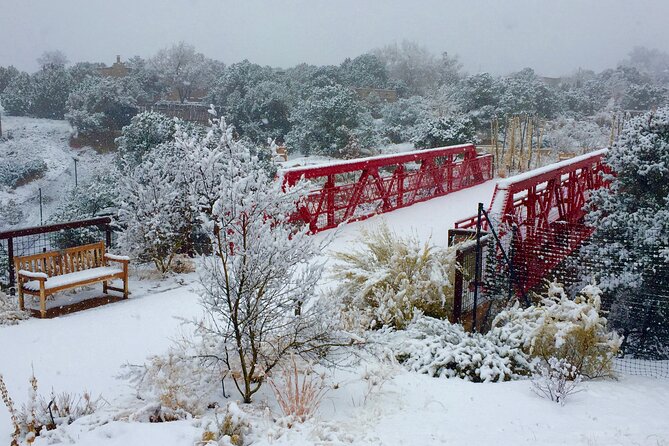
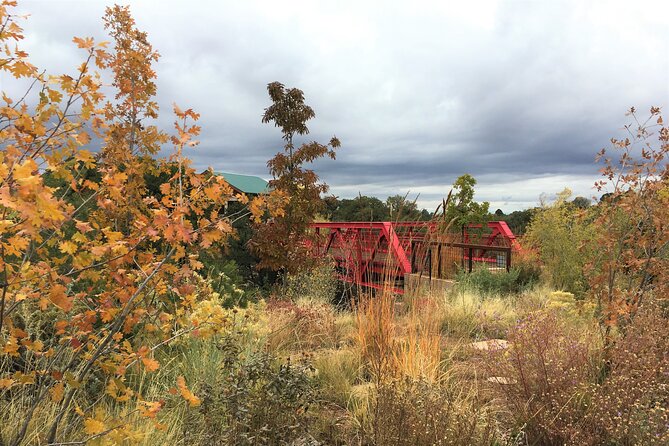
Kearny’s Gap Bridge is one of the garden’s historic features. It gives the walk a clear landmark and a change of pace from the plant collections. The bridge helps link the garden’s natural and built elements, and it is an easy place to pause while you decide where to go next.
The Meadow Garden brings seasonal wildflowers into the route. This is the section most likely to change with the calendar. During one visit it might offer flowers and color. At another time, it may be more subdued. That is normal for a seasonal meadow, and it is one reason the garden cannot be judged from a single season.
August has produced plenty of color in the past, so summer should not automatically be dismissed as a dull period. Still, bloom levels depend on timing and conditions. If flowers are your main reason for coming, you may want to ask the garden what is currently in bloom before booking.
The meadow is also a pleasant place to take a slower walk. Several benches are available around the grounds, and umbrellas have been provided for visitors who want shade while strolling. Those small touches matter in Santa Fe’s strong sun.
Let children explore Horno Plaza
Horno Plaza is designed as a place for exploration, discovery, and play. It gives younger visitors something active to do while adults look at plants, read signs, or take a seat.
That makes the garden more useful for families than a collection of quiet flower beds alone. A child who is not ready to admire a tree for its botanical value can still engage with the setting through play and hands-on discovery.
I would treat Horno Plaza as one part of the visit rather than the whole reason to come. The garden’s main appeal remains its regional plants, woodland, orchard, and art. But for families, this dedicated area can make the pace easier and keep the visit from feeling like an adult-only outing.
How long should you spend here?
The advertised visit can last from one to eight hours, but most people will not need eight hours unless they sit for a long time, join extended interpretation, or have a strong interest in plants and gardening.
Plan on about one hour if you want a brisk walk through the main areas. Allow 90 minutes to two hours if you want to read signs, view the sculpture, stop at the bridge, and spend time in the orchard and woodland. A half-day makes sense if you enjoy sketching, photography, quiet sitting, or detailed plant study.
The garden is compact, which is both a strength and a limitation. You can see a lot without committing an entire day, and wind or heat is easier to manage when the route is not enormous. On the other hand, anyone expecting a massive botanical collection may feel the entry price is high for a short visit.
Your best strategy is to combine the garden with other Santa Fe plans rather than treating it as your only major activity. It works well as a calm morning or afternoon stop.
What $18 gets you
Admission is currently listed at $18 per person. The ticket includes access to the botanical garden and parking. Food and drinks are not included, and there is no hotel pickup or drop-off.
The value depends on how you use the grounds. If you walk quickly and leave after 30 minutes, the price may feel steep. If you care about regional plants, sculpture, garden design, and educational displays, the same ticket can support a rewarding two-hour visit.
Older admission prices were lower, so anyone relying on past trip notes should not assume that the former $10 cost still applies. At $18, I would book this specifically for its New Mexico focus, not simply because you happen to pass nearby.
The garden’s educational work also gives the fee a wider purpose. Admission helps support programs that bring northern New Mexico youth into contact with gardening and environmental learning. That does not change what you see on the day, but it may matter when you compare this visit with another paid attraction.
Timing, tickets, and practical details
The supplied winter schedule lists the garden as open Wednesday through Sunday from 10 a.m. to 4 p.m., from January 16 through February 28, 2026. Check the date and hours carefully before setting out, since the information provided covers that specific period rather than the entire year.
A mobile ticket is offered in English, and booking is usually made about nine days ahead. A pre-booked ticket should help you avoid waiting at the entrance, though the garden itself is not a timed, guided tour.
Parking is included. The garden is near public transportation, and service animals are allowed. Most people can take part, but access may not suit wheelchair users. One account describes the garden as not wheelchair-accessible, so I would contact the garden before booking if step-free access is important to you.
Expect an outdoor visit. Wear sensible walking shoes, bring sun protection, and carry water, especially in warm or windy conditions. The grounds have benches and some umbrellas, but shade and shelter should not be assumed along every section.
The maximum group size is listed as 15 people. That applies to the activity booking, not necessarily to every person in the garden at once. Since this is a self-guided admission ticket, you can set your own pace rather than staying with a group.
Free cancellation is available if you cancel at least 24 hours before the start time. Changes or cancellations made within 24 hours are not refunded, and the cut-off uses local Santa Fe time.
Who will enjoy this garden most?
I would recommend the garden to you if you like native plants, practical gardening, small art installations, or calm outdoor stops. It is especially useful for anyone who wants context for the plants and dry conditions found around Santa Fe.
Families may appreciate Horno Plaza and the manageable size. Older visitors may like the benches and the ability to keep the walk short, though accessibility should be checked in advance. Garden members may also benefit from reciprocal admission arrangements, if their membership qualifies.
I would be more cautious if you want grand formal beds, a large conservatory, or several hours of nonstop sightseeing. The Santa Fe Botanical Garden is still developing, and its collections are smaller than those at long-established botanical institutions. Its pleasure comes from regional character and careful interpretation, not sheer scale.
Should you book the Santa Fe Botanical Garden?
Book it if you have at least an hour to spare and want to understand New Mexico through its plants, food traditions, woodland, and art. I would give it two hours if your schedule allows, especially in a season when the meadow is flowering.
Skip it if you are already rushing between major Santa Fe sights or expect a huge garden with constant color. At $18, the visit rewards curiosity more than speed. For plant lovers, families, and anyone who enjoys a quiet walk with sculpture and local context, it is a sensible stop. For everyone else, make sure you have enough time to slow down before paying the admission.
FAQ
How much does admission to the Santa Fe Botanical Garden cost?
The listed price is $18 per person.
What does the admission ticket include?
The ticket includes access to the botanical garden and parking.
How long should I allow for a visit?
The estimated visit can last from one to eight hours. About one hour is enough for a quick walk, while 90 minutes to two hours allows time for the main areas, art, benches, and seasonal displays.
What are the garden’s listed winter opening hours?
From January 16 through February 28, 2026, the garden is listed as open Wednesday through Sunday from 10 a.m. to 4 p.m.
Is the ticket available on a mobile phone?
Yes. A mobile ticket is available, and the experience is offered in English.
Is parking included?
Yes. Parking is included with admission.
Are service animals allowed?
Yes. Service animals are allowed.
Can I cancel for a full refund?
Yes, if you cancel at least 24 hours before the experience start time. Cancellations or changes made within 24 hours are not refunded.
Just added around the USA
- Zen Garden Yoga Bliss Experience★ 5.0 · 2 reviews
- Tulip Festival and Skagit Valley Tour★ 5.0 · 7 reviews
- Tulip Festival in Skagit Valley Tour from Seattle★ 4.5 · 28 reviews
- Skagit Valley Tulip Festival Day Tour from Seattle★ 4.5 · 7 reviews
- Midnight in the Garden of Good and Evil Walking Tour★ 5.0 · 65 reviews
- Tulip Festival at Skagit Valley ,La Conner and Deception Pass★ 4.0 · 4 reviews
- Botanical Tour (by Walk With Me Savannah Tours)★ 5.0 · 43 reviews
- A Walk Through The Book “Midnight in the Garden of Good and Evil”★ 4.0 · 52 reviews
USA Garden Tours, compared.
Princeville Botanical Gardens Tour and Chocolate Tasting Ticket
Read our review →
South Maui: Snorkel to Coral Gardens or Molokini Crater
Read our review →

Everglades: Mangrove Maze Airboat Tour and Boardwalk
Read our review →
Maui Afternoon Snorkel Aboard Malolo to Molokini or Coral Gardens
Read our review →
Big Island Waterfalls Tour with Swimming and Botanical Garden
Read our review →
Hilo Shore Excursion: Active Volcano, Lava Tube, Waterfall and Gardens
Read our review →
Browse the lists this tour appears in