
Review · SEOUL
Donghaksa Temple Cherry Blossom and Jeonju Hanok Village
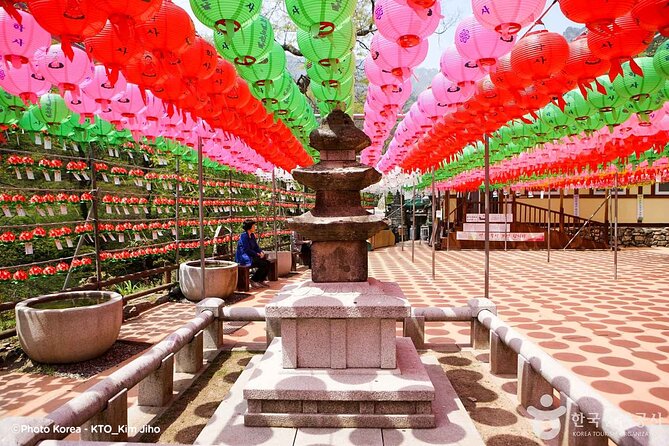
Donghaksa’s cherry blossom road is the star of this long day out from Seoul. You walk beneath a flowering canopy toward a peaceful temple, then continue to Jeonju Hanok Village, where more than 800 traditional hanok houses create a very different kind of Korean scenery. I like the strong contrast between the two stops, and I like that round-trip transport removes the headache of linking them by public transit.
The trade-off is time. With about 13 to 14 hours on the road, this is a full day, not a gentle outing. Meals are not included, and spring flowers are never guaranteed at their peak. Still, if you want two major sights in one booking, this tour makes a practical case for itself.
Key points to know before booking
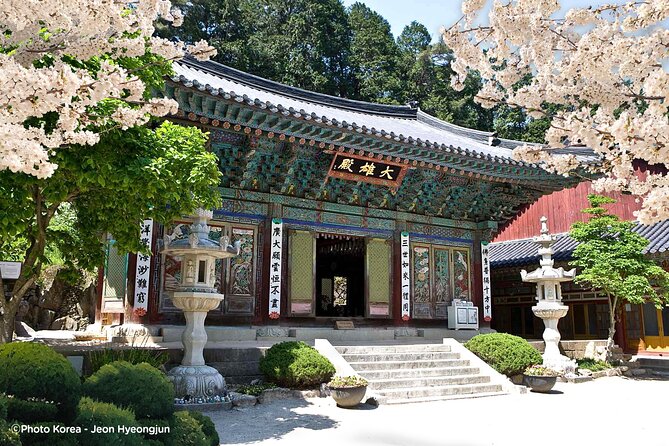
- Cherry blossom tunnel at Donghaksa: Allow about two hours to walk the flower-lined approach and visit the temple area.
- Jeonju’s 800-plus hanok homes: You get about three hours 40 minutes to explore traditional streets, cafés, shops, and local snacks.
- A very long Seoul day: The listed transfers add up to several hours, so wear comfortable shoes and expect a tiring return.
- English-speaking driver: Andrew guided at least one reported departure, but the assigned staff member may vary.
- Transport-focused value: The $66.96 price covers round-trip transport between destinations and an air-conditioned vehicle, while meals are extra.
- Flexible group setup: The vehicle can change with the number of participants, and the maximum group size is 100.
Why combine Donghaksa and Jeonju in one day?
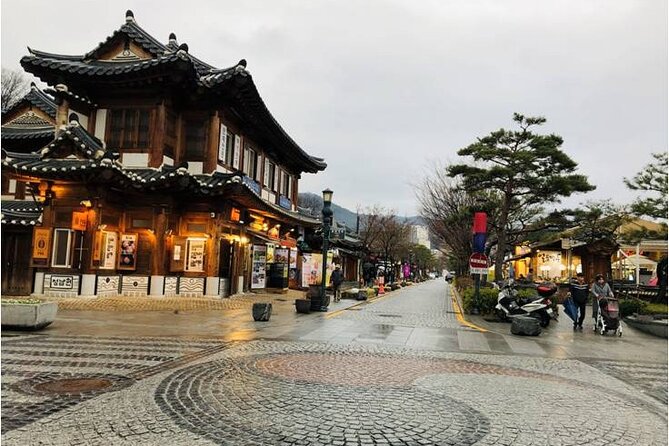
These two places give you a useful snapshot of South Korea beyond Seoul. Donghaksa offers a quiet, seasonal walk through a temple setting, while Jeonju brings traditional architecture, food, cafés, and shopping into one compact urban district.
I like the pairing because the stops do not feel repetitive. The temple visit is about trees, walking, and calm. Jeonju is more about streets, buildings, snacks, and finding your own route through a large traditional neighborhood.
The arrangement also solves a transport problem. Donghaksa and Jeonju are not simple next-door stops from Seoul, and arranging both independently would require more planning. Here, an English-speaking driver handles the route, and you can focus on the sights instead of changing trains or working out intercity connections.
There is a cost to that convenience. A large part of the day is spent in transit, especially the return to Seoul, listed at about three hours and 10 minutes. If you dislike long road journeys, you may prefer a shorter Seoul-area excursion.
More Cherry Blossom Tours in Seoul
- Chasing Cherry Blossom & Spring Flowers Day Tour from Seoul
★ 5.0 · 11 reviews - Jinhae’s Cherry Blossoms Shuttle Bus depart from Seoul/Busan
★ 4.5 · 8 reviews - Jinhae Cherry Blossom Festival Gyeonghwa Stn Day Tour from Seoul
★ 4.0 · 8 reviews
Donghaksa after the two-hour ride from Seoul
The day begins with roughly two hours of travel from Seoul to Donghaksa. Admission is listed as free, so the main value of this first stop is the access and transport rather than an entry ticket.
The attraction is the walk toward the temple through a cherry blossom tunnel. In spring, the trees line the path and turn an ordinary approach into the main event. You are not simply arriving at a building, you are walking through a seasonal corridor where the route itself provides the best photographs.
You have about two hours here. That should give you time to enjoy the blossoms at an unhurried pace, see the temple setting, and take photographs without treating the stop as a rushed photo break.
The exact bloom date is the key variable. One April 8 departure had cherry blossoms in full flower, which is encouraging for early April planning, but the timing can shift from year to year. If the flowers are your main reason for booking, ask about the expected bloom conditions before you go and keep your expectations flexible.
Donghaksa is also a good balance to Jeonju. After several hours on the road, the chance to walk outdoors matters. You will want comfortable shoes, since the experience centers on pathways rather than a quick roadside viewpoint.
The road from Gongju-si to Jeonju
After Donghaksa, the route continues toward Jeonju, with a listed transfer of about one hour and 20 minutes. This is a useful pause between the two major stops, though it adds to the day’s total sitting time.
The tour describes Donghaksa within the Gongju-si area before the move to Jeonju. The vehicle provides direct transport, and the air conditioning should help during spring days when temperatures can change between sun and shade.
The vehicle type may change depending on the number of people booked. That is worth noting if you are choosing this tour for a particular style of ride. The group limit is listed as 100, so the experience can range from a smaller vehicle to a much larger group arrangement.
You should also plan your food around the schedule. Meals are not included, so bring a snack or use your time in Jeonju to eat. The village is known for snacks, but the available time is shared with sightseeing, shopping, and walking.
Three hours and 40 minutes in Jeonju Hanok Village
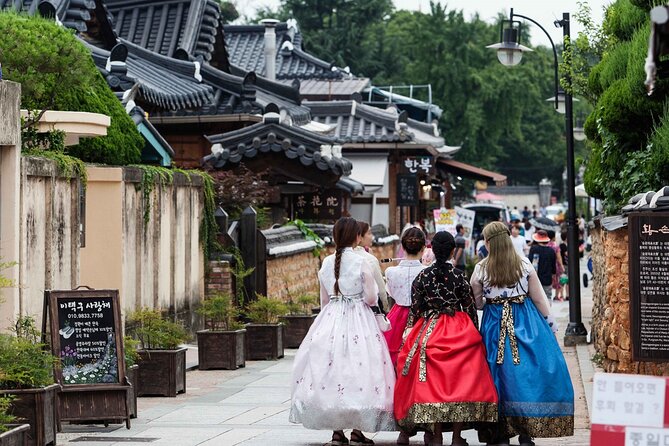
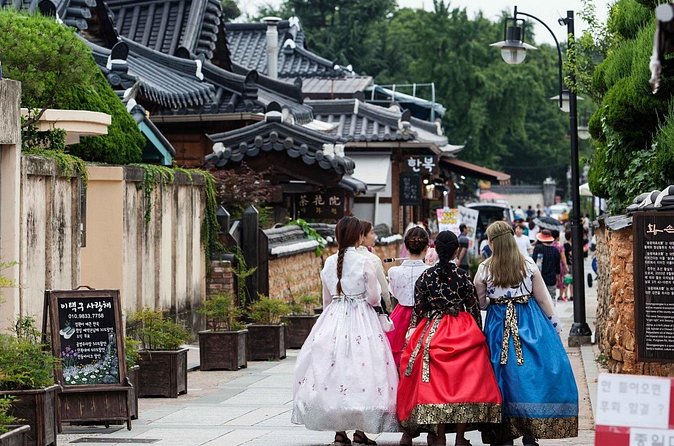
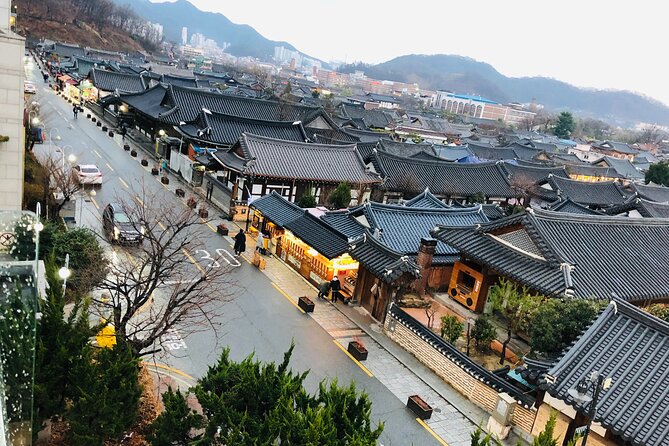
Jeonju Hanok Village is the longer stop, with about three hours and 40 minutes to explore. The district contains more than 800 traditional Korean houses, known as hanok, and that scale gives the visit its appeal.
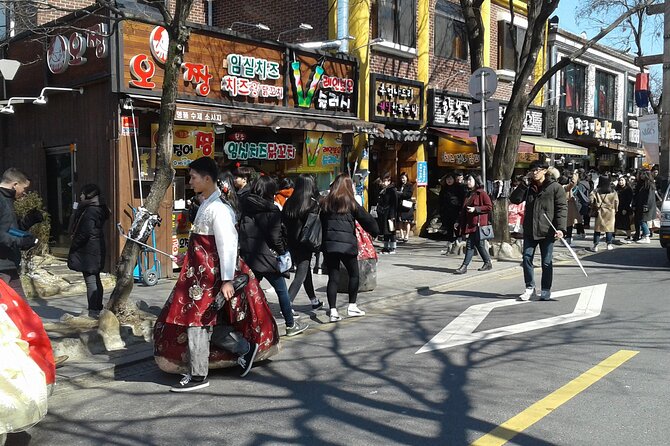
The best way to think about Jeonju is not as one single monument. It is a district made up of streets and buildings, where you can set your own pace. You might focus on the architecture, pause in a café, browse shops, or sample snacks as you move through the area.
I like the amount of time provided here. Three hours and 40 minutes is long enough to do more than take a few photographs beside the first traditional house you see. You can wander, stop for food, and still have time to find your way back to the meeting point.
At the same time, the village is large enough that you need to manage your watch. It is easy to keep walking toward another lane, café, or shop and lose track of time. Keep the return instructions clear, especially if the group has a fixed departure.
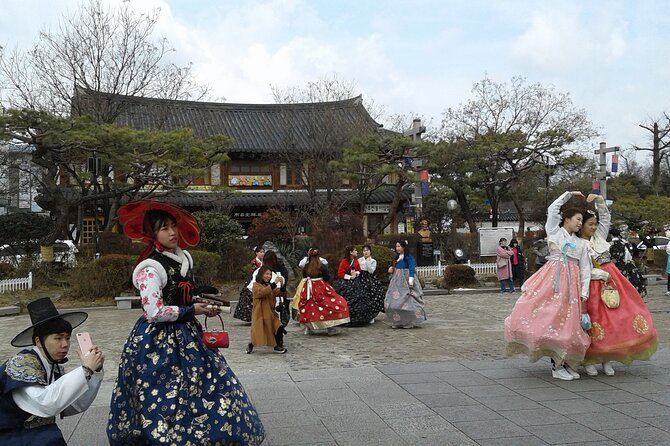
The hanok buildings are the main visual draw. Their tiled roofs and traditional forms create a sharp change from modern Seoul. The village also has a more social feel than Donghaksa, with cafés, shops, and snacks adding variety to the walk.
The tour information does not promise specific food tastings or a meal. You should treat the food as something you buy yourself, not as part of the package. That is a benefit if you want to choose what appeals to you, but you need to budget separately from the $66.96 tour price.
More Cherry Blossom Tours in South Korea
- Maisan Cherry Blossom and Jeonju Hanok Village
★ 5.0 · 8 reviews - From Seoul: Korea Spring Cherry Blossom Day Tour
★ 4.8 · 6 reviews - Jinhae Cherry Blossom + Busan Sunrise from Seoul
★ 4.5 · 5 reviews - Seoraksan and Cherry Blossom Lake 1 day trip from Seoul
★ 5.0 · 4 reviews
What the $66.96 price really covers
At $66.96 per person, the tour is priced around transport and convenience. You receive an English-speaking staff member or driver, round-trip transportation, transfers between destinations, and an air-conditioned vehicle.
You are not paying admission fees at the two listed stops, since both are shown with free admission. Meals are also excluded. So the practical value depends on how much you value avoiding the planning and driving involved in reaching both places from Seoul.
I see this as a reasonable price for someone who wants a straightforward day trip with two substantial stops. A private car would cost much more, while independent public transport would require more research and coordination. The tour is less compelling if you only want cherry blossoms or only want Jeonju, since the long route is built around doing both.
The group size matters. The maximum is 100 people, which means the day may feel less personal if the booking is full. The vehicle can change according to attendance, so do not assume a particular bus or van. On the positive side, the English-speaking driver gives you a point of contact throughout the day.
Andrew is specifically associated with one departure and was described as kind and helpful. That gives you a useful name to ask about when booking, but you should not assume Andrew will lead every date. Staff assignments can vary.
The day’s rhythm and the long return to Seoul
The scheduled pattern is simple:
- About two hours from Seoul to Donghaksa
- About two hours at Donghaksa
- About one hour and 20 minutes to Jeonju
- About three hours and 40 minutes in Jeonju Hanok Village
- About three hours and 10 minutes back to Seoul
Those listed segments total more than 11 hours, before allowing for loading, meeting arrangements, traffic, and other timing changes. The published duration is about 13 to 14 hours, so you should reserve most of the day rather than plan evening activities in Seoul.
The return journey is the part most likely to test your patience. After walking around both sites, three hours and 10 minutes on the road can feel long. I would avoid scheduling a show, dinner reservation, or airport transfer immediately afterward.
Still, the timing also explains why the tour can cover so much. You get a full temple visit and a substantial Jeonju visit without arranging an overnight stay. For a short Seoul trip, that may be worth the fatigue.
Who will enjoy this tour most?
I would recommend this experience to you if you want to see well-known sights outside Seoul but prefer not to handle the transport yourself. It suits first-time visitors who want an efficient introduction to temple scenery, spring blossoms, traditional housing, and local snacks.
It also works well for photographers, especially those visiting during peak cherry blossom season. Donghaksa offers the flower tunnel, while Jeonju provides rooflines, lanes, cafés, and traditional buildings for a different set of pictures.
Food-focused visitors may also enjoy the Jeonju stop, as long as they understand that meals are not included. You can use part of the three hours and 40 minutes to choose snacks and cafés for yourself.
I would hesitate to recommend it to you if you want a quiet, slow day or dislike fixed schedules. The tour covers a lot of ground, and the return to Seoul is long. It may also disappoint if your main goal is guaranteed full bloom, since no spring tour can promise exact flower conditions.
Most travelers can participate according to the supplied tour information, and the experience is near public transportation. Even so, you should be ready for substantial walking at both stops and for a full day away from your hotel.
Booking, cancellations, and practical planning
Confirmation is provided at the time of booking, and the ticket is mobile, so you can keep the reservation on your phone. The experience is often booked about 29 days ahead, which suggests that planning early is sensible, especially for popular spring dates.
You can cancel for a full refund up to 24 hours before the local start time. Changes made within 24 hours are not accepted, and cancellations inside that period are not refunded.
The tour requires a minimum number of participants. If that minimum is not reached and the departure is canceled, you will be offered another date or experience, or receive a full refund.
Pack water, a phone charger, comfortable shoes, and money for meals and snacks. Keep the day open from morning through evening, and confirm the meeting and return details before departure.
Should you book Donghaksa and Jeonju in one day?
Book this tour if you want two very different Korean sights in one organized day and place a high value on direct transport from Seoul. The strongest reasons are the cherry blossom approach at Donghaksa, the scale of Jeonju Hanok Village, and the chance to explore Jeonju on your own for nearly four hours.
Skip it if you prefer a short outing, need a guaranteed blossom date, or want a private and highly flexible schedule. At $66.96, the tour is mainly a transportation bargain, not a luxury experience. For the right visitor, that is exactly the point: you trade a long day on the road for an easy way to reach two memorable destinations.
FAQ
Where does the tour begin?
The tour begins in Seoul.
How long does the full experience last?
The experience lasts approximately 13 to 14 hours.
How much time is spent at Donghaksa?
You have about two hours at Donghaksa.
Is admission to Donghaksa included?
Admission is listed as free.
How much time is provided in Jeonju Hanok Village?
You have approximately three hours and 40 minutes in Jeonju Hanok Village.
How many traditional houses are in Jeonju Hanok Village?
The village has more than 800 traditional Korean hanok houses.
Are meals included?
No. Meals are not included in the tour price.
Is transportation included?
Yes. Round-trip transportation and transport between destinations are included in an air-conditioned vehicle.
Who provides the tour?
The experience is provided by Korea Time Tour.
Can I cancel for a full refund?
Yes, you can cancel up to 24 hours before the local start time for a full refund.
Just added around Seoul
- Taean Tulip Festival and Strawberry Picking Day Tour from Seoul★ 4.5 · 3 reviews
- Eobi Ice Valley& Nami Island with Garden of Morning Calm Trip★ 4.5 · 9 reviews
- Strawberry & Eobi Valley & Nami Island & Garden of Morning Calm★ 4.5 · 2 reviews
- Full Day Private Tour Nami Island, Garden & Petite France★ 5.0 · 57 reviews
- Scenic Escape: Nami Island, Garden of Morning Calm, and Rail Bike★ 3.0 · 2 reviews
- Seoraksan and Cherry Blossom Lake 1 day trip from Seoul★ 5.0 · 4 reviews
- (Private tour) Nami Island + Railbike + Garden of morning calm★ 5.0 · 7 reviews
- Alpaca, Nami, Petite Fr, Italian Village, Garden of Morning Calm★ 3.5 · 5 reviews
Seoul Garden Tours, compared.
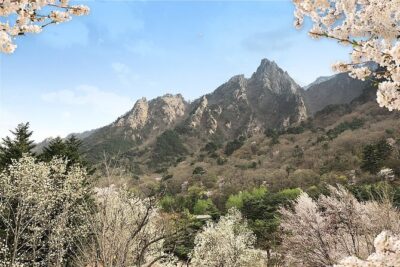
Mt. Seorak+Nami Island+Garden of Morning Calm Day Trip from Seoul
Read our review →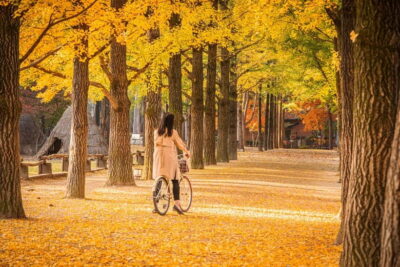
Nami Island and Garden of Morning Calm opt Railbike
Read our review →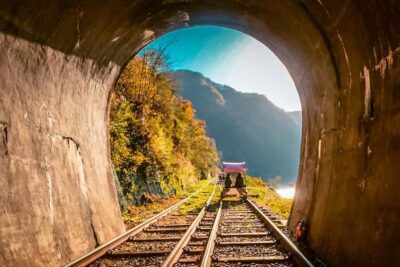
Nami Island, K-drama Garden & Rail Bike Day Tour
Read our review →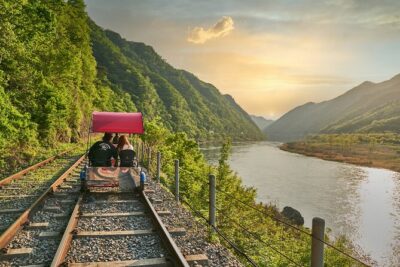
Day Trip to Nami Island with Rail bike and The Garden of Morning Calm
Read our review →
Trip to Nami Island with Petite France & Italian Village, Garden of Morning Calm
Read our review →
Nami Island & Garden of Morning Calm & Gangchon Railbike Tour
Read our review →
Nami+Alpaca+Garden of Morning Calm (+Rail Bike Option)
Read our review →
Alpaca, Nami, Morning Calm or Eobi (+Rail Bike)
Read our review →Browse the lists this tour appears in