
Review · SEOUL
Seoul to Jinhae Cherry Blossom Festival (With Busan Drop-off)
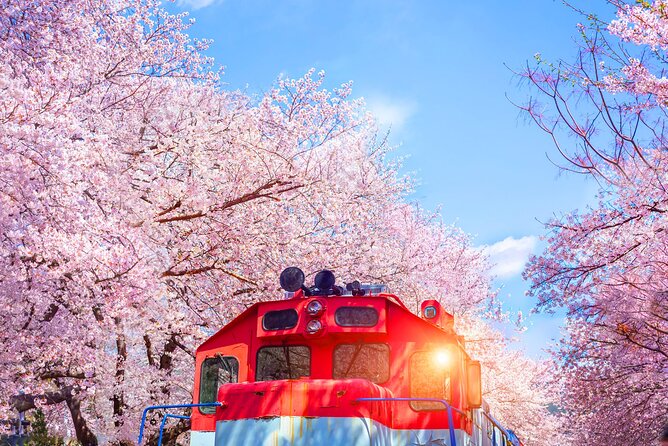
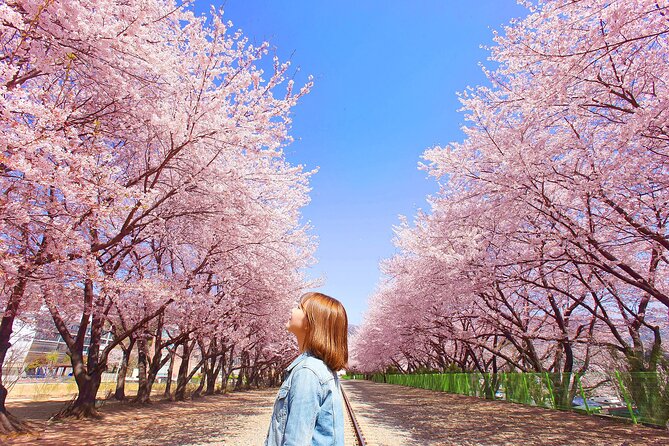
Jinhae’s 800-meter cherry tree road is the star of this long spring outing. You walk beside old railway tracks under pale pink branches, then have time to explore Korea’s biggest cherry blossom festival before heading back to Seoul or continuing to Busan.
I like the choice of a Busan drop-off, which can save you the cost and hassle of booking separate Seoul to Busan transport. I also like the generous time in Jinhae, with three hours at the railway road and three more at the festival. The catch is the day’s length: expect 12 to 16 hours, much of it on the road.
Key points to know before booking
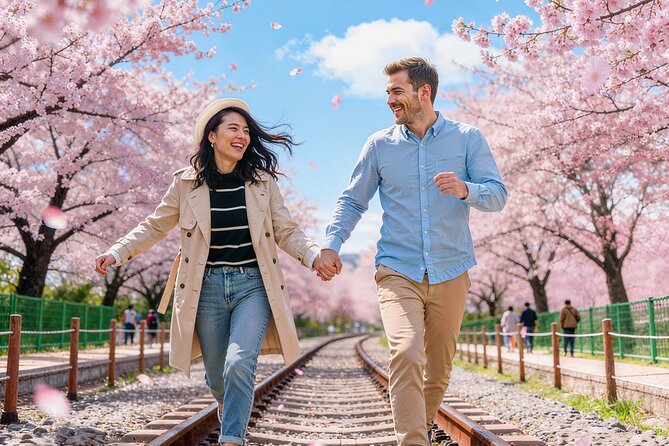
- Gyeonghwa Station gives you the classic photo scene: an 800-meter railway lined with cherry trees and falling petals.
- The Busan option doubles as a transfer: see Jinhae first, then get dropped at Haeundae, Seomyeon, or Busan Subway Station.
- The schedule begins before sunrise: pickup starts at Hongik University Station, followed by Myeongdong and Dongdaemun History and Culture Park Station.
- Six hours in Jinhae makes the trip worthwhile: three hours at the station road and three hours at the festival.
- Guides July and Mary receive special praise: both are noted for choosing good blossom-viewing spots and managing the day well.
- Bloom timing matters: one departure was adjusted to a later date for fuller flowers, so flexibility helps.
Why Jinhae is worth the long ride from Seoul
Jinhae Gunhangje Festival is Korea’s largest spring festival, drawing more than two million people each year. That number tells you two things. First, this is a major seasonal event, not a quiet village stroll. Second, the scale gives you plenty to see, but it also means a long day and likely crowds.
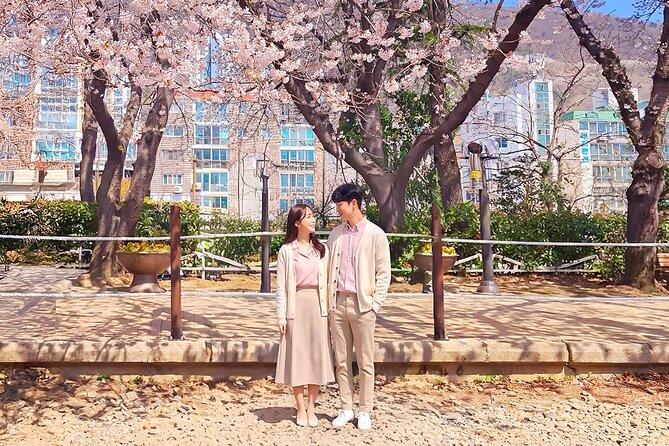
The city becomes a showcase for thousands of cherry trees. Pale pink flowers fill streets and public spaces, making even ordinary urban views feel special. The festival also has a military connection, and one departure coincided with a military festival, adding another layer to the day.
I like this trip for people who are in Korea during the short cherry blossom season and want to see a famous location without arranging several separate trains and buses. You get organized transport, a guide, and time to explore on foot. You do not have to work out the connection from Seoul to Jinhae on your own.
The main tradeoff is simple: Jinhae is not close to Seoul. A 12 to 16-hour day is a serious commitment. If long coach rides make you miserable, or if you have severe motion sickness, this is not the right spring outing.
More Cherry Blossom Tours in Seoul
- Chasing Cherry Blossom & Spring Flowers Day Tour from Seoul
★ 5.0 · 11 reviews - Jinhae Cherry Blossom Festival Gyeonghwa Stn Day Tour from Seoul
★ 4.0 · 8 reviews - Maisan Cherry Blossom and Jeonju Hanok Village
★ 5.0 · 8 reviews
Before sunrise at Seoul pickup points
The day starts early, with pickup arranged in this order:
- Hongik University Station
- Myeongdong Station
- Dongdaemun History and Culture Park Station
The published departure information begins around 5:45 a.m. at Hongik University Station. Exact timing can vary by pickup point, so you should plan to arrive early and confirm the meeting instructions after booking.
This early start is not just a minor inconvenience. It is what makes a day trip from Seoul to Jinhae possible. You leave enough time for sightseeing rather than reaching the festival only for a quick photograph.
The transport is shared, with a maximum group size of 40 people. That is large enough to keep the price low, but small enough to be more manageable than a major public excursion. Your guide helps organize the stops and directs you through the day, though you should still expect some waiting when the whole group regathers.
The ride is included in the price, as is admission to the listed attractions. Lunch is not included, so bring money for food. Personal purchases are also your responsibility.
Gyeonghwa Station and the 800-meter cherry road
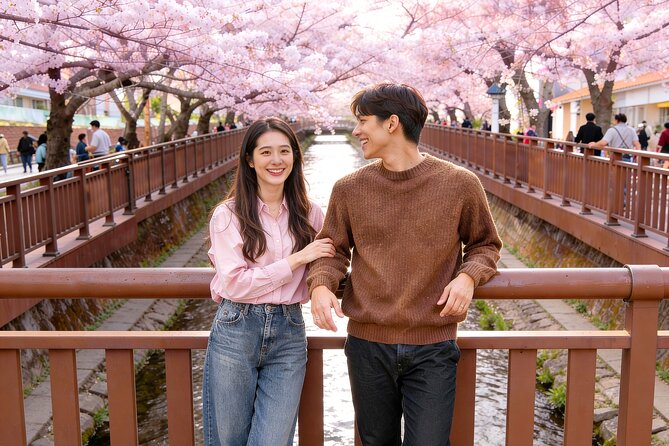
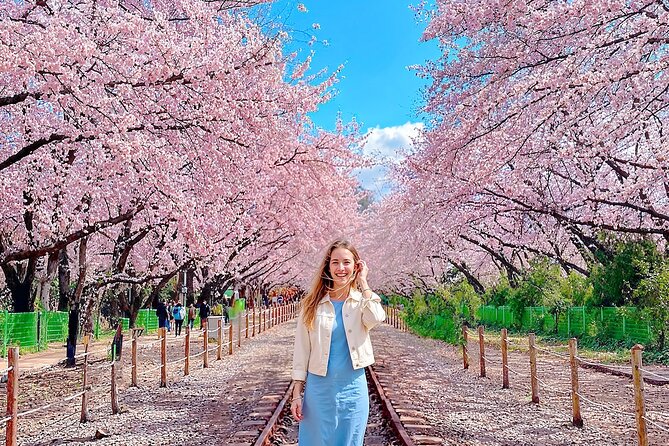
The first major stop is Gyeonghwa Station. Here, you walk along an 800-meter railway stretch lined with cherry trees. This is the scene most people picture when they think of Jinhae: tracks, branches arching overhead, and petals drifting down in the spring air.
The railway setting gives the blossoms a different feel from a park filled with trees. You are not simply standing in front of a flower display. You are walking through a working piece of transportation scenery, with the pink trees framing the route.
You have about three hours here. That is a useful amount of time. You can walk at a relaxed pace, stop for photographs, and take in the view without being forced straight back onto the bus. The long stop also gives your guide room to point out good viewing places. July is specifically praised for finding excellent blossom spots, and Mary is noted for organizing the day well.
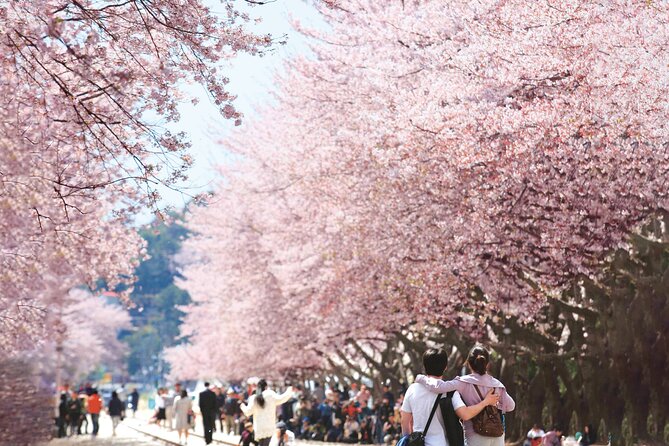
Still, keep your expectations sensible. A famous cherry road is likely to be busy during peak bloom. The setting may look calm in photographs, but the festival draws huge numbers of people. Take your time, but do not expect complete solitude.
The flower timing can be unpredictable. One departure was moved to a later date so the trees would be closer to full bloom. Another account noted that the blossoms were not at their absolute peak, although many trees were still flowering. If perfect, fully open blossoms are your main goal, book with some date flexibility if possible.
Six hours to explore Jinhae
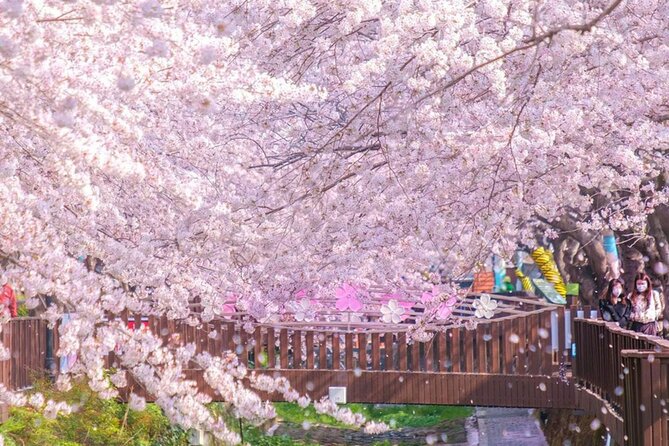
The day gives you three hours at Gyeonghwa Station and another three hours at the wider Gunhangje Festival. That split works well because it lets you see both the signature railway view and the broader city celebration.
At the festival, thousands of cherry trees bloom across Jinhae. You can expect the experience to be less focused than the railway stop. Instead of one defined walking route, you have time to look around, enjoy the seasonal displays, and take in the atmosphere of a city built around spring flowers.
The festival’s size is part of its appeal. More than two million people visit each year, so this is a major Korean event with a strong local identity. The military festival that coincided with one departure shows that the event can include more than flowers.
Your three hours here also provide a useful break from the coach. You can walk, eat lunch, and explore at your own pace before returning to the group. Since lunch is not included, this is the natural point to budget for a meal and drinks.
The guide remains an important part of the experience. July and Mary are both singled out for making the day work smoothly, and one guide suggested a later date when the flowers would be fuller. That kind of practical judgment is valuable during a short blossom season, when a few days can change the view.
More Cherry Blossom Tours in South Korea
- Jinhae’s Cherry Blossoms Shuttle Bus depart from Seoul/Busan
★ 4.5 · 8 reviews - From Seoul: Korea Spring Cherry Blossom Day Tour
★ 4.8 · 6 reviews - Jinhae Cherry Blossom + Busan Sunrise from Seoul
★ 4.5 · 5 reviews - Seoraksan and Cherry Blossom Lake 1 day trip from Seoul
★ 5.0 · 4 reviews
Choosing the Busan transfer
The Busan option is the smartest choice if your trip already includes southeastern Korea. After sightseeing in Jinhae, you continue to Busan rather than riding all the way back to Seoul.
The transfer is offered only during a limited spring period, from March 26 through April 8. You are dropped at one of three subway locations:
- Haeundae Subway Station
- Seomyeon Subway Station
- Busan Subway Station
This can save both money and planning time. You see Jinhae on the way south, then begin your Busan stay without buying a separate Seoul to Busan ticket. For a visitor moving through Korea rather than returning to Seoul each night, that is a strong value.
The luggage rule is important. Each person may bring one suitcase up to 30 inches on the Busan transfer. Storage or delivery is not available for the Seoul round-trip option, and extra charges may apply if your baggage does not meet the rules.
Choose the correct option when booking. The Busan transfer and Seoul return are not interchangeable arrangements. If you need to return to Seoul, choose the round-trip version. If Busan is your next base, the transfer makes better use of the long day.
Returning to Seoul after the festival
The Seoul round-trip option brings you back to the capital after the Jinhae visit. Drop-off is arranged in this order:
- Dongdaemun History and Culture Park Station
- Myeongdong Station
- Hongik University Station
The return ride means you can enjoy Jinhae without giving up your Seoul hotel. It also removes the need to arrange a late train or bus after a tiring day.
The drawback is the obvious one: you repeat the long road journey. The total duration can reach 16 hours, and the final ride may feel especially long after several hours of walking. I would choose this version only if you have a firm reason to sleep in Seoul that night, or if your wider plans do not include Busan.
The coach is practical rather than luxurious in the way the tour information describes it. You have organized transportation and a professional guide, but this is still a full-day group excursion. Pack water, comfortable shoes, and something to occupy you during the road sections.
What the $52.56 price really covers
At $52.56 per person, the tour offers good value if you compare it with the cost of arranging a same-day Seoul to Jinhae trip independently. Your fee covers transportation, attraction admission, and a professional guide. It does not cover lunch or personal expenses.
The value improves if you select the Busan drop-off. You are not simply paying to visit Jinhae. You are also using the coach as part of your move from Seoul toward Busan. That can cut out a separate transportation purchase and save you the work of handling the connection yourself.
For a Seoul round trip, the calculation is different. You are paying for convenience, a guide, and a direct return after a festival day. Public transport may offer more flexibility, but it would require more planning and may not give you the same simple access to the festival stops.
The low price also reflects the shared nature of the outing. With up to 40 people, this is not a private tour. You will follow a set schedule and meet the group at designated times. For a major event like Gunhangje, that structure can be helpful. It keeps the day moving and removes the worry of finding your way back to Seoul.
Who will enjoy this day trip most
I would recommend this experience to you if you want to see Jinhae during cherry blossom season but do not want to build the transport plan yourself. It suits first-time visitors to Korea, photographers seeking the classic railway view, and anyone already planning a Seoul to Busan journey.
It is also a practical choice for solo visitors. You get transport, a guide, and a clear plan for the day, without having to solve every transfer alone.
You should think twice if you dislike early starts, long rides, or fixed group schedules. The outing is not designed for a slow, spontaneous day. The timing is built around a short flower season and a distant destination.
Accessibility information is limited, but most people can participate, service animals are allowed, and the pickup points are near public transportation. The experience is specifically not recommended for people sensitive to long hours of travel or severe motion sickness.
Free cancellation is available if you cancel at least 24 hours before the start time. Weather can affect the trip, and a weather cancellation leads to another date or a full refund.
My booking advice for the blossom season
The biggest decision is not simply Seoul return or Busan transfer. It is how much you care about catching the flowers at their best.
Cherry blossom timing changes from year to year. A later date produced fuller blooms for one departure, while another day still had plenty of flowers but not complete peak coverage. If your schedule allows, avoid locking yourself into the first available date without checking the expected bloom period.
I would also choose your pickup station based on convenience, not on the order listed. Since the coach collects at Hongik University Station, Myeongdong Station, and Dongdaemun History and Culture Park Station, select the point that gives you the easiest early-morning start.
Bring only what you need. The Busan version allows one suitcase up to 30 inches per person, but the Seoul round trip has no suitcase storage or delivery. A small day bag is the simplest choice for the sightseeing portion.
Should you book this Jinhae tour?
Book it if you want a famous Korean cherry blossom setting, value direct transport, and can handle a very long day. The combination of Gyeonghwa Station’s railway road, six hours in Jinhae, and the option to finish in Busan gives the experience real practical value.
Choose the Busan transfer if it matches your route and you have one permitted suitcase. Choose the Seoul return if you need to sleep in the capital that night. Either way, go for the flowers and the convenience, not for a relaxed schedule. With guides such as July and Mary helping guests find good viewing spots, this is a strong seasonal outing for anyone willing to trade comfort and free time for one memorable spring day.
FAQ
How long does the Seoul to Jinhae tour take?
The experience lasts approximately 12 to 16 hours. The exact length depends on the selected Seoul round-trip or Busan transfer option and the day’s transport schedule.
Where are the Seoul pickup points?
Pickup is arranged at Hongik University Station, Myeongdong Station, and Dongdaemun History and Culture Park Station, in that order. The listed start time at Hongik University Station is 5:45 a.m.
How much time do I get at Gyeonghwa Station?
You have approximately three hours at Gyeonghwa Station Cherry Blossom Road. The route is about 800 meters long and is lined with cherry trees.
Can I finish the tour in Busan instead of returning to Seoul?
Yes. Select the Busan transfer option when booking. Drop-off is available at Haeundae Subway Station, Seomyeon Subway Station, or Busan Subway Station.
Can I bring luggage on the Busan transfer?
Each person may bring one suitcase up to 30 inches on the Busan transfer option. Suitcase storage or delivery is not available for the Seoul round-trip option, and extra fees may apply for baggage that does not meet the rules.
Is lunch included?
No. Lunch and other personal expenses are not included. The tour does include transportation, attraction admission, and a professional tour guide.
Just added around Seoul
- Taean Tulip Festival and Strawberry Picking Day Tour from Seoul★ 4.5 · 3 reviews
- Eobi Ice Valley& Nami Island with Garden of Morning Calm Trip★ 4.5 · 9 reviews
- Strawberry & Eobi Valley & Nami Island & Garden of Morning Calm★ 4.5 · 2 reviews
- Scenic Escape: Nami Island, Garden of Morning Calm, and Rail Bike★ 3.0 · 2 reviews
- Seoraksan and Cherry Blossom Lake 1 day trip from Seoul★ 5.0 · 4 reviews
- Full Day Private Tour Nami Island, Garden & Petite France★ 5.0 · 57 reviews
- (Private tour) Nami Island + Railbike + Garden of morning calm★ 5.0 · 7 reviews
- Alpaca, Nami, Petite Fr, Italian Village, Garden of Morning Calm★ 3.5 · 5 reviews
Seoul Garden Tours, compared.
Mt. Seorak+Nami Island+Garden of Morning Calm Day Trip from Seoul
Read our review →
Nami Island and Garden of Morning Calm opt Railbike
Read our review →
Nami Island, K-drama Garden & Rail Bike Day Tour
Read our review →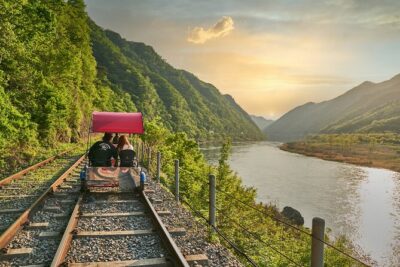
Day Trip to Nami Island with Rail bike and The Garden of Morning Calm
Read our review →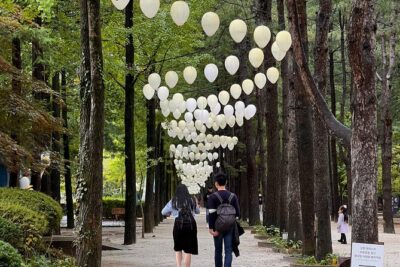
Trip to Nami Island with Petite France & Italian Village, Garden of Morning Calm
Read our review →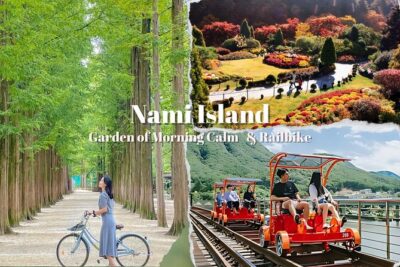
Nami Island & Garden of Morning Calm & Gangchon Railbike Tour
Read our review →
Nami+Alpaca+Garden of Morning Calm (+Rail Bike Option)
Read our review →
Alpaca, Nami, Morning Calm or Eobi (+Rail Bike)
Read our review →Browse the lists this tour appears in