
Review · MALTA
Mysterium Fidei Monastery & Secret Garden in Valletta
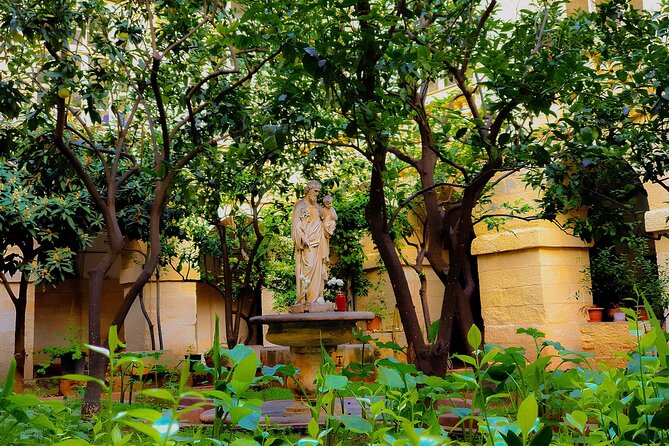
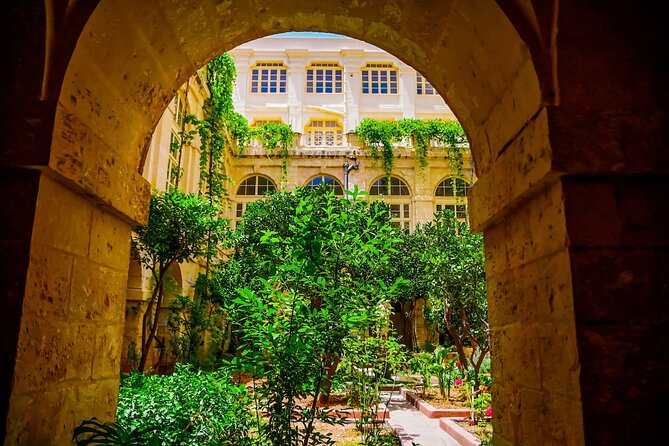
Mysterium Fidei opens a door that was shut for more than 400 years. Inside St. Catherine’s Monastery, you can see the plain rooms, kitchens, washrooms, crypt, and small garden where cloistered nuns lived apart from the outside world. The garden is the emotional center, a quiet patch of green in the heart of Valletta.
I like two things here: the rooms remain simple and largely as they were, and the audio guide gives you a way to understand the nuns’ strict daily life without needing a live guide. The main limitation is important: the upper floors remain closed, since the monastery still operates as a closed cloister.
Key points to know before you go
- The Secret Garden reopened after more than 400 years, offering a rare enclosed green space in central Valletta.
- Original kitchens, bedrooms, washrooms, and crypts make this more than a quick garden stop.
- An audio guide explains the rooms and the nuns’ way of life as you move through the monastery.
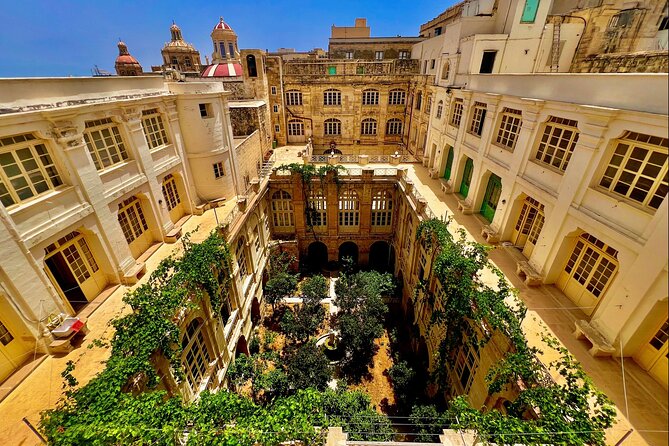
- Only ground-floor areas are open, so the photographs showing higher parts of the building may create an unrealistic expectation.
- The visit usually takes 30 minutes to 1½ hours, depending on how carefully you listen and photograph the site.
- The $12.10 admission is best value for history-minded visitors who appreciate a small, quiet site rather than a large museum.
Entering St. Catherine’s Monastery in Valletta
Mysterium Fidei is located in the center of Valletta, inside St. Catherine’s Monastery. The setting matters. You are not visiting a recreated convent or a newly arranged museum. You are entering a working religious building where nuns still maintain a cloistered life.
The monastery dates back hundreds of years, with its origins given as 1575. It was associated with female orphans, and its rooms offer a direct look at how women lived after taking vows to limit contact with the outside world. Their life was intended to be self-sufficient and enclosed.
As you enter, expect a quiet, reflective atmosphere rather than a busy attraction. The experience is self-guided, with an audio guide helping explain the different rooms and the purpose of the monastery. You can move at your own speed, pause for photographs, and spend more time in the garden or crypt if those areas interest you most.
This is a good first stop if you want to see a less polished side of Valletta. The city is full of grand facades and military architecture. Here, the focus shifts to ordinary daily life: where food was prepared, where the nuns washed, how they occupied their rooms, and how the dead remained within the monastery.
A few more garden visits around the world worth a look
- Paris: Versailles Palace and Gardens Full Access Ticket
★ 4.6 · 41,579 reviews - Versailles: Skip-the-Line Tour of Palace and Gardens Access
★ 4.7 · 10,429 reviews - Marrakesh: Majorelle Garden Entry Tickets
★ 4.5 · 9,651 reviews
The original kitchens and living quarters
The kitchens are among the most useful parts of the visit because they show the practical work behind a cloistered life. Rather than simply admiring religious art, you can think about how the community fed itself and organized each day behind closed doors.
The bedrooms and washrooms are equally plain. Their value comes from their lack of decoration. The rooms help you picture a life built around repetition, prayer, work, and limited contact with the outside world. I find these spaces more revealing than a grand chapel because they show the physical conditions of everyday life.
The audio guide adds useful context as you move from room to room. It explains what you are seeing and helps connect the building to the women who lived there. Without that explanation, some of the rooms could seem bare or easy to pass through quickly.
The site is not large. You will not find a long sequence of lavish halls or a large collection of objects. Instead, Mysterium Fidei gives you a close look at a small set of original spaces. That makes the visit focused, but it also means you should set realistic expectations before paying the admission.
The crypt and the monastery’s final resting place
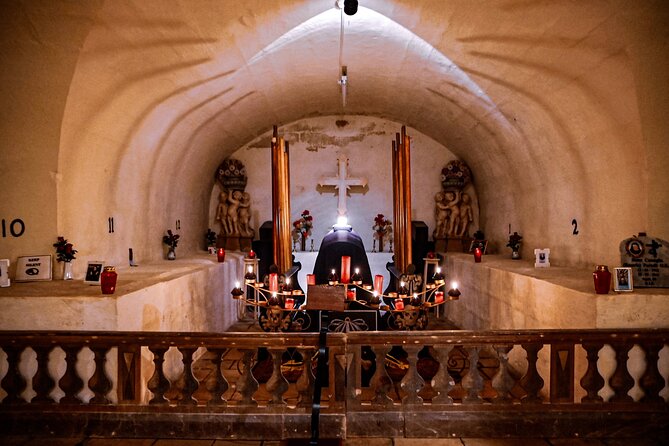
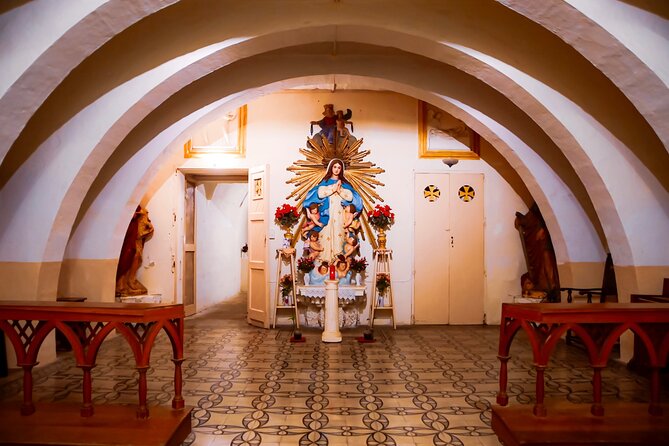
The crypt gives the visit its most solemn moment. The sisters were buried within the monastery walls, keeping their final resting place inside the same enclosed world where they had lived.
This detail makes the cloistered idea feel much more complete. The separation from outside life did not end with death. The crypt is not a theatrical attraction. It is a quiet, serious space, and you should approach it with the same respect you would show any active religious site.
A relic associated with the Holy Cross is also connected with the monastery, described as certified as authentic under a Vatican seal. If religious history interests you, this adds another layer to the visit. If you are mainly looking for architecture or garden photographs, the crypt and relic may matter less than the rooms and courtyard.
Give yourself a little extra time here rather than treating the crypt as a quick photo stop. It helps explain why Mysterium Fidei feels different from a standard historic-house tour. The building is not only old. It still carries the memory of the community that lived and died inside it.
The Secret Garden after four centuries
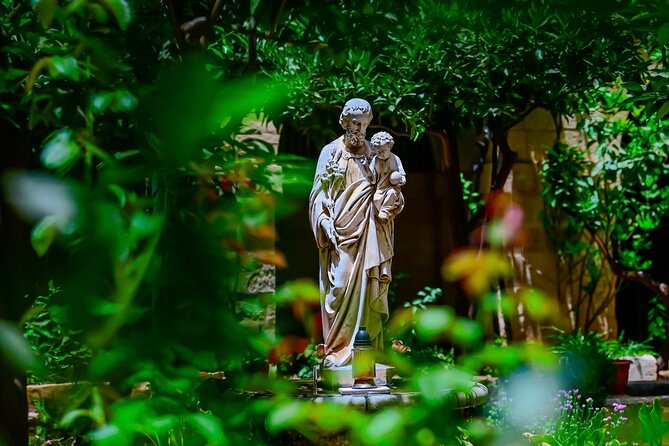
The Secret Garden is the best-known feature of Mysterium Fidei, and it is easy to understand why. The door remained closed to the public for more than 400 years. Once inside, you leave the noise of Valletta’s streets and enter a small enclosed space shaped by the monastery’s private life.
Do not picture a huge formal garden. It is tiny, and that is a key point when deciding if the admission suits you. The garden offers calm and atmosphere rather than a long walk, many viewpoints, or a large range of plants.
The reward is still real. In a dense stone city, even a small private courtyard can feel like a welcome pause. You can sit with the audio guide, listen to the garden’s story, and consider why enclosed gardens mattered to women who could not leave the monastery.
The space may also have signs of the animals living there. Past accounts describe turtles, a cat, and a rabbit. These details add to the sense that the garden remains part of a functioning community rather than being arranged only for display. Conditions can change, so do not book solely in hope of seeing a particular animal.
The garden is also the most photogenic part of the experience. Its enclosed walls, old religious setting, and quiet corners give you good material for photographs. Still, be considerate. This is a religious site, not simply a backdrop, and the monastery continues to function.
Same place, a different kind of green day out:
- Vienna: Schönbrunn Palace & Gardens Skip-the-Line Tour
★ 4.7 · 7,739 reviews - Granada: Alhambra & Gardens Tour w/Nasrid Palaces Option
★ 4.2 · 7,022 reviews - From Paris: Versailles Palace & Gardens with Transportation
★ 4.6 · 6,222 reviews - Vienna: Skip-the-Line Sisi Museum, Hofburg and Gardens Tour
★ 4.8 · 5,918 reviews
What the audio guide adds
The audio guide is central to the experience. It helps explain the rooms, the garden, and the choices made by women who took vows to remain apart from ordinary society.
I like this format for a small site because you are not pushed through at one fixed pace. You can listen carefully to one section, move faster through another, or pause when you want a photograph. That flexibility also makes it easier to keep the visit short if you have a packed Valletta schedule.
The guide is offered in English. No live guide or named guide is specified, so you should expect a recorded, self-guided visit rather than a conversation or question-and-answer tour.
The audio commentary is especially useful in the less decorative rooms. A kitchen or washroom can appear ordinary at first glance. The explanation gives those spaces meaning by placing them within the routines and restrictions of cloistered life.
The upper floors and the main limitation
The most important warning concerns access. You can visit the ground-floor areas only. The upper floors are not open because the monastery remains a closed cloister, and the nuns who live there continue to follow that way of life.
This explains why some promotional photographs or general views of the building may suggest a broader visit than you actually receive. You will not walk through every level of the monastery or gain an upper-floor view.
For some people, this restriction is disappointing. If you want a full architectural tour or extensive access to an old monastery, Mysterium Fidei may feel limited. The garden is small, and much of the visit is concentrated on a few rooms, the chapel, and the crypt.
For others, the restriction is part of the meaning. The closed upper floors are not a missing museum section waiting to be opened. They protect the privacy of a living religious community. You are seeing the part that can be shared while respecting the part that remains private.
How much time to allow in Valletta
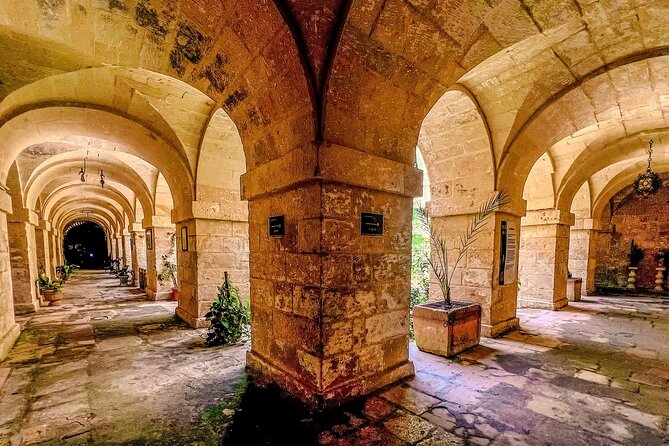
The stated duration ranges from 30 minutes to 1½ hours. A fast visit can cover the main rooms, garden, and crypt in about half an hour. If you listen to the audio guide in full, take photographs, and pause in the garden, plan closer to an hour.
You can visit any day from 10:00 a.m. to 5:00 p.m. during the stated operating period of June 1, 2025, through May 31, 2026. The mobile ticket is convenient, and confirmation is provided when you book.
Because the visit is short, it fits neatly between larger Valletta sights. You do not need to give up half a day. It works well as a calm change of pace after visiting grand churches, museums, or fortified streets.
The site is near public transportation, and most people can take part. Service animals are allowed. The supplied information does not give detailed step-free access information, so if you need specific accessibility arrangements, check before booking rather than assuming every room or surface will suit your needs.
Is $12.10 good value?
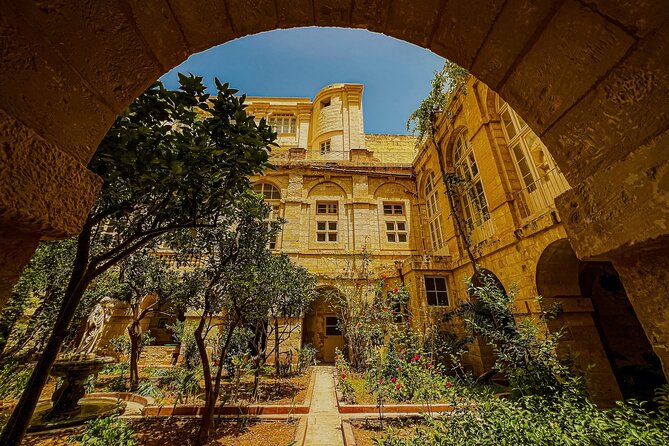
At $12.10 per person, Mysterium Fidei is reasonably priced for a historic site with an audio guide, original rooms, a crypt, and access to a garden that was closed for centuries. I would call it good value if you enjoy intimate historic places and want to understand how people lived.
The price feels less attractive if your main goal is a large garden, sweeping views, or a long architectural tour. The garden is small, and upper-floor access is not available. You are paying for atmosphere, context, and access to an unusual surviving space, not for a full day of sightseeing.
The high overall satisfaction attached to the experience reflects its strongest qualities: peace, authenticity, and the chance to see the nuns’ daily surroundings. The most positive details include the tranquil garden, the stark living quarters, the crypt, and the way the audio guide brings the rooms to life.
I would compare the cost with what you want from Valletta that day. If you have already seen several grand churches and palaces, this offers a quieter human story. If you have only a short time in the city and want major landmarks, you may prefer to spend those minutes elsewhere.
Who will enjoy Mysterium Fidei most?
This experience suits you if you like:
- Small historic sites with a strong sense of place
- Religious history and old monastic buildings
- Audio guides that let you set your own pace
- Quiet courtyards and thoughtful photography
- Seeing ordinary rooms rather than only grand interiors
- Short visits that fit around a larger city itinerary
It is also a good choice for anyone curious about the rules of cloistered life. The visit makes those rules easier to picture because you see the spaces where the nuns cooked, slept, washed, prayed, and were eventually buried.
You may want to skip it if you need a large attraction with many rooms, wide views, or extensive access. The small garden and ground-floor-only visit are not flaws to discover at the door. They are the basic shape of the experience.
Practical tips for a better visit
Read the access limits before booking. Knowing that only the ground floor is open will help you appreciate the rooms and garden without expecting a complete tour of the building.
Allow at least enough time to listen to the audio guide in the rooms that interest you most. The kitchens and washrooms can be easy to overlook, but they are central to understanding the monastery as a place where people actually lived.
Bring your phone for photographs, but keep the tone of the site in mind. The garden is attractive, yet the crypt and religious spaces call for quiet and restraint.
If you are building a full day in Valletta, use Mysterium Fidei as a pause between bigger sights. Its short duration and peaceful setting make it a useful reset rather than a replacement for the city’s major museums and churches.
Free cancellation is available if you cancel at least 24 hours before the start time. Changes or cancellations made later are not accepted for a refund, and the cut-off follows local time.
Should you book Mysterium Fidei?
Book it if you want a quiet, unusual Valletta experience with original monastic rooms, a small enclosed garden, and a glimpse into the strict life of cloistered nuns. The crypt and the garden are the strongest reasons to come, while the audio guide gives the bare rooms their meaning.
Skip it if you are expecting upper-floor access, a large garden, or a long museum visit. At $12.10, the experience is fair value for the right audience, but its appeal depends on appreciating atmosphere and human detail more than scale.
FAQ
Where is Mysterium Fidei located?
Mysterium Fidei is inside St. Catherine’s Monastery in the heart of Valletta, Malta.
How long does the experience take?
The visit takes approximately 30 minutes to 1½ hours, depending on how much time you spend listening to the audio guide, exploring, and taking photographs.
What are the opening hours?
It is open daily from 10:00 a.m. to 5:00 p.m. during the stated period from June 1, 2025, through May 31, 2026.
Is the experience guided?
The visit uses an audio guide in English. A live guide is not specified.
Can I visit the upper floors of the monastery?
No. Only the ground-floor areas are open because the monastery remains a closed cloister.
What can I see inside the monastery?
You can see original kitchens, bedrooms, washrooms, crypts, and a small chapel, along with the Secret Garden.
Is the ticket available on a mobile phone?
Yes. A mobile ticket is available, and confirmation is provided when you book.
Can I cancel for a refund?
Yes, you can receive a full refund if you cancel at least 24 hours before the experience begins. Cancellations or changes made less than 24 hours before the start time are not refunded.
Just added around the world
- Skip-the-Line Guided Tour and Gardens Entry in Versailles Palace★ 3.5 · 3 reviews
- Versailles Palace Guided Experience and Gardens Entry 10 PPL Max★ 5.0 · 42 reviews
- Versailles Palace & Gardens Audio Tour – Private Transportation★ 4.5 · 11 reviews
- Versailles Palace and Gardens Tour★ 4.5 · 44 reviews
- Versailles: Farmers Market & Royal Vegetable Garden Food Tour★ 5.0 · 11 reviews
- Versailles Gardens Walking Tour with Audioguide (no tickets)★ 3.0 · 6 reviews
- Versailles Golf Cart & Shuttle Guided Tour, Hamlet and Gardens★ 4.5 · 13 reviews
- Palace of Versailles Entry ticket with Musical Gardens & Estate★ 3.5 · 55 reviews
Malta Garden Tours, compared.
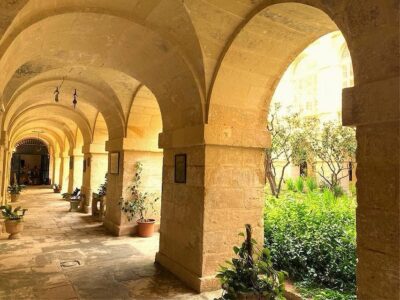
Valletta: Monastery and Secret Garden Entry Ticket
Read our review →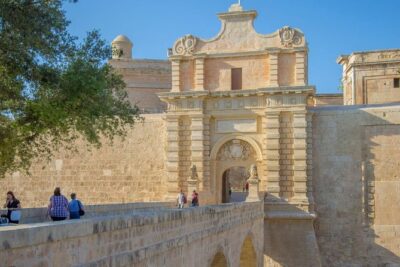
Mdina, Rabat, Dingli cliffs, San Anton gardens, Ta’ Qali & Mosta guided tour
Read our review →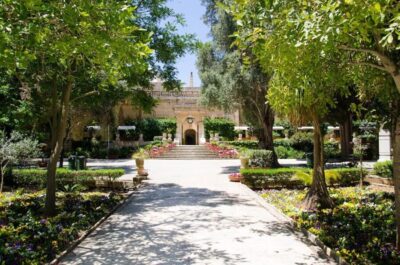
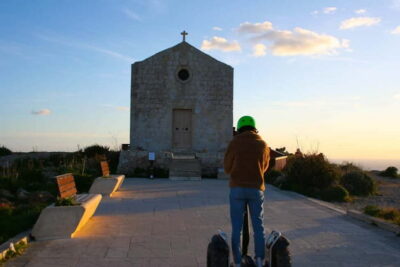
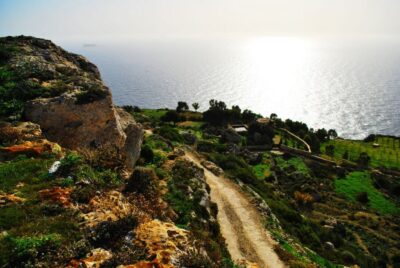
Scenic Tour by Vintage Bus to Buskett Garden & Dingli Cliffs
Read our review →
The Limestone Heritage Park and Gardens (Entry Ticket)
Read our review →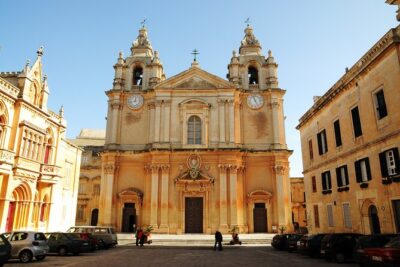
Rabat Mdina and San Anton Gardens Group Tour with St. Paul’s Catacombs
Read our review →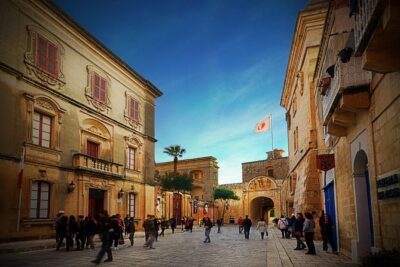
Mdina, Dingli cliffs and San Anton Gardens guided tour
Read our review →Browse the lists this tour appears in