
Review · MALTA
Valletta: Monastery and Secret Garden Entry Ticket
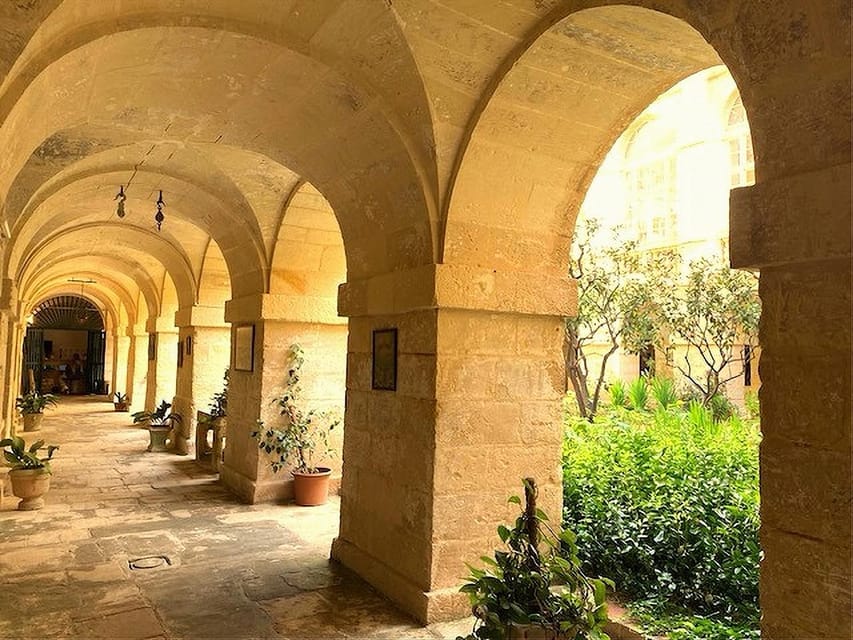
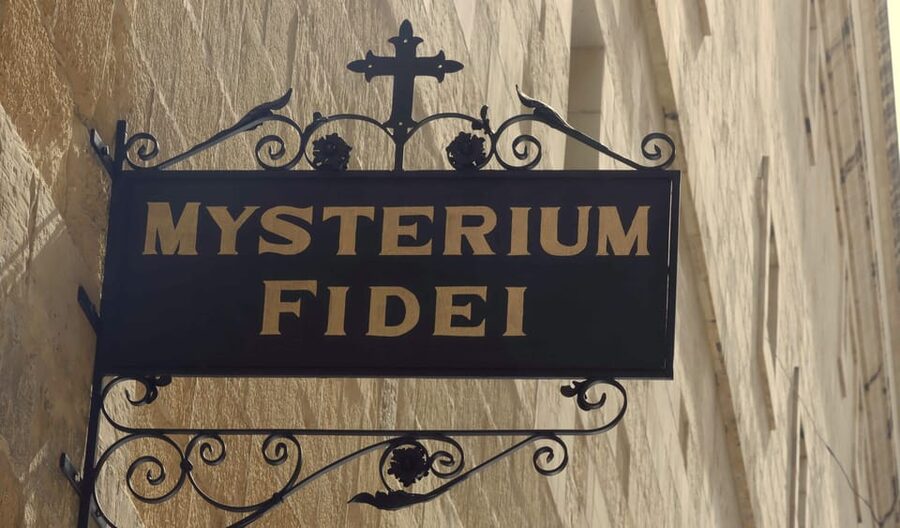
Mysterium Fidei gives you something unusual in Valletta: a look inside St Catherine’s Monastery, still home to cloistered Augustinian nuns after four centuries away from public view. The 40-minute self-guided tour explains how the nuns lived, prayed, worked, and managed without leaving the building.
I like the quiet central garden, a welcome pause from Valletta’s hard stone streets, and the chance to see the crypt, old vines, fountain, and working spaces tied to the nuns’ daily life. The main caution is scale: this is a small complex, and the audio app may be slow or incompatible with some older phones.
Key points to know
- Four centuries of privacy: St Catherine’s Monastery was closed to the public for 400 years and remains a religious home, not a staged museum.
- A 40-minute audio tour: Scan QR codes at 15 information points using the Mysterium Fidei app on your phone.
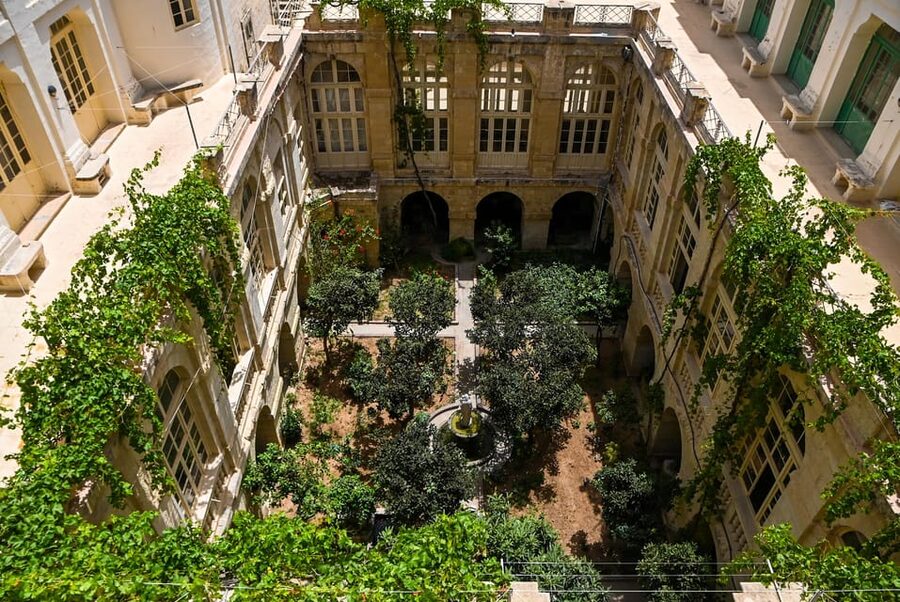
- A peaceful cloister garden: See old grapevines, hear the fountain, and take a quiet break in one of Valletta’s less expected green spaces.
- The nuns’ final resting place: The tour includes access to the crypt, adding a more serious note to the visit.
- Good value at $12: The ticket is worthwhile if you care about religious life, local history, and quieter places, but the compact size may disappoint if you expect a large monument.
- Flexible timing: The ticket is valid for 365 days, with opening hours from 9:30 a.m. most days.
Entering St Catherine’s Monastery on St Christopher Street
You’ll find Mysterium Fidei on St Christopher Street, at the corner with Strait Street, right in the middle of Valletta. That location matters. You can fit it between major sights without giving up half a day, and the change from busy streets to enclosed cloisters happens quickly.
The entrance leads into an authentic old building. Expect a few low stone steps, so contact the site in advance if you need help entering. This is not a polished modern museum with wide, level floors and large galleries. The slightly uneven access is part of the building’s character, but it may matter to anyone with limited mobility.
Reception staff explain the Wi-Fi and app before you begin. Several people have found the welcome especially helpful, including a visitor who was shown how to connect the phone and start the commentary. You can also choose the simpler route: read the English information boards instead of using your phone.
That choice makes the visit easy for different kinds of explorers. If you like moving at your own speed, the boards let you stop, read, and continue without waiting for a group. If you want more context, the audio adds a fuller account of the building and the nuns’ way of life.
More Garden Tickets in the world:
- Paris: Versailles Palace and Gardens Full Access Ticket
★ 4.6 · 41,579 reviews - Marrakesh: Majorelle Garden Entry Tickets
★ 4.5 · 9,651 reviews - Florence: Reserved Entry Ticket to the Boboli Gardens
★ 4.4 · 5,275 reviews
What the 400-year closure tells you
The most compelling part of Mysterium Fidei is not grand decoration. It is the sense that you are entering a private religious world that was kept apart from ordinary Valletta life for generations.
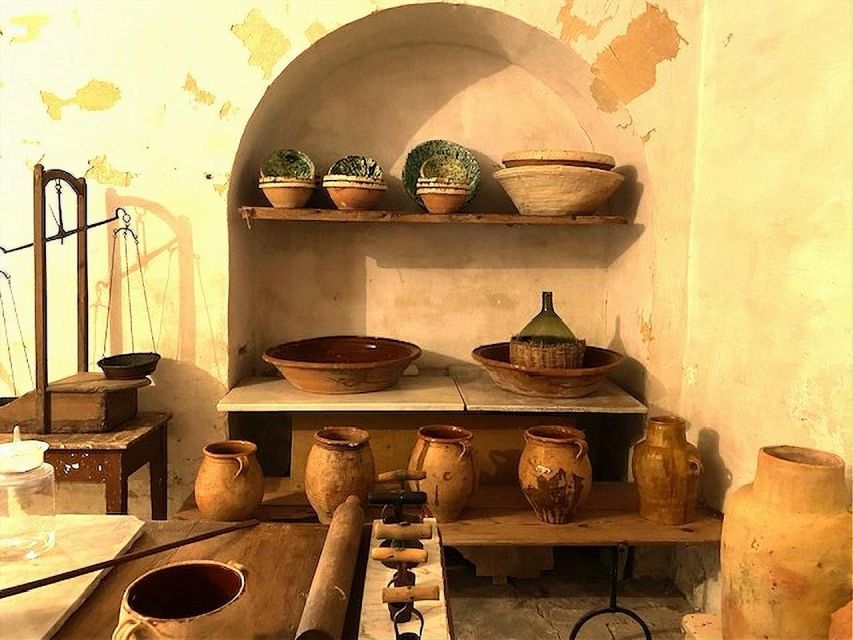
The Augustinian nuns belonged to a closed order. On joining, they vowed never to leave the monastery. The building therefore had to support nearly every part of life inside its walls: prayer, work, food production, rest, and burial.
The audio explains this self-sufficient pattern in practical terms. You are not simply looking at old rooms and trying to guess their purpose. The information connects the spaces with the decisions that allowed the nuns to remain inside.
At least three nuns still live in the monastery, giving the place a living connection to the past. That also calls for a respectful approach. You are visiting their home and religious community, not just a historic property. The quiet tone of the visit suits that setting.
I find this human scale more affecting than a long list of dates. The experience asks you to think about devotion, separation, routine, and the limits a person might accept as part of religious commitment. It can also prompt difficult comparisons with other enclosed institutions, depending on your own background and family history.
Following the 15 audio points
The audio tour takes about 40 minutes, though you are free to spend longer in the cloisters and garden afterward. Fifteen information points around the complex use QR codes. Connect to the site Wi-Fi, download the Mysterium Fidei app, and scan each code as you move through the rooms.
The audio is available in Maltese, English, French, Italian, Spanish, German, Polish, and Russian. That is useful if you want more than a quick translation of a wall label. The commentary is designed to guide you through the different areas and explain their purpose.
There is one practical weakness: the app depends on your phone. One person found it slow to load, while another could not use the audio because the phone was too old for the updated system. The solution is simple but worth planning for. Arrive with a charged phone, ask reception for help, and use the English boards if the app gives you trouble.
The boards are not merely a backup for a failed app. Several people chose them on purpose and found the edited information clear and easy to follow. If you prefer not to listen through headphones in a small, quiet building, reading may feel more natural.
Try to visit earlier in the day if you want the most unhurried experience. The complex is not large, and the garden can feel crowded when several people stop at the same points. A slower start gives you more room to read, listen, and sit quietly.
The rooms and the nuns’ daily routine
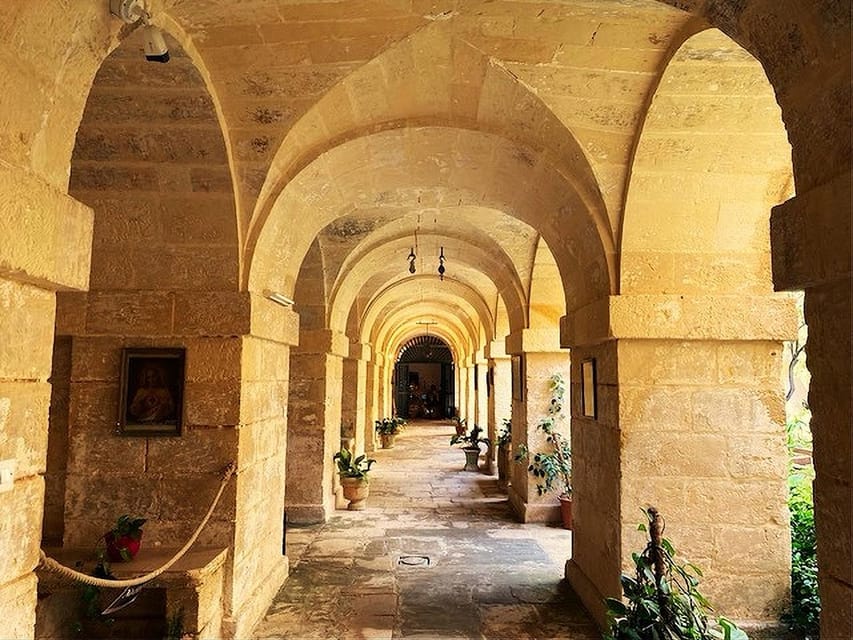
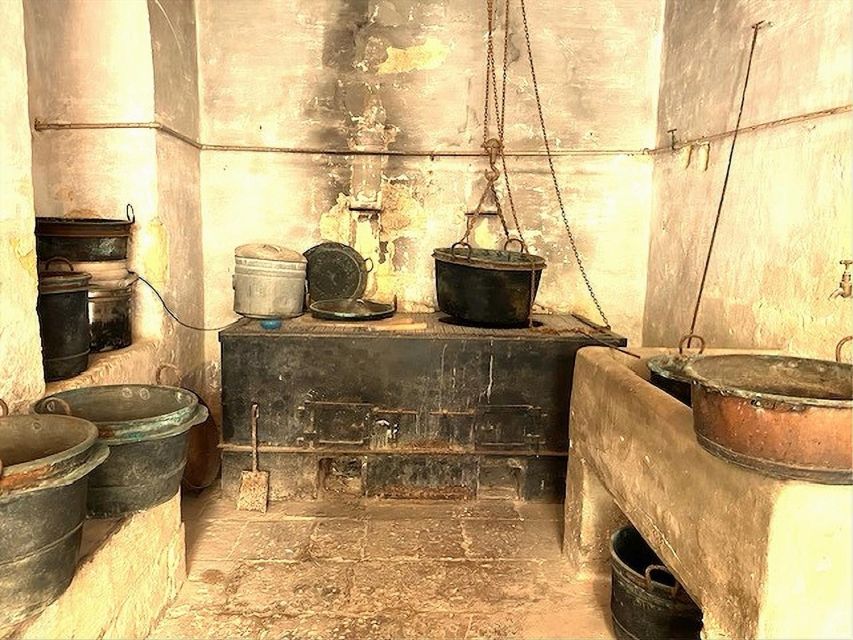
The rooms are valuable because they show the practical side of monastic life. You learn how the nuns managed a life built around enclosure and religious duty, rather than seeing only a church facade or a decorative courtyard.
The presentation focuses on the women who lived there over the centuries. Their story is one of repeated daily habits: prayer, work, community rules, and a strict boundary between the monastery and the city outside.
That approach suits anyone interested in social history as much as religious history. You can think about how a community worked when its members were not free to come and go. The building becomes evidence of a complete way of life, with the cloisters and garden serving more than an ornamental purpose.
Do not expect a large collection of paintings, grand state rooms, or a long museum route. The attraction is compact and intimate. If you prefer major monuments with many halls, the $12 ticket may feel high for the amount of floor space. If you value access to a place that was closed for so long, the same price feels reasonable.
The entry fee also helps keep the monastery operating while nuns still live there. That gives the ticket a practical purpose beyond admission. You are supporting access to an old religious home without turning it into a fully commercial attraction.
A few more garden visits around the world worth a look
- Versailles: Skip-the-Line Tour of Palace and Gardens Access
★ 4.7 · 10,429 reviews - Vienna: Schönbrunn Palace & Gardens Skip-the-Line Tour
★ 4.7 · 7,739 reviews - Granada: Alhambra & Gardens Tour w/Nasrid Palaces Option
★ 4.2 · 7,022 reviews - From Paris: Versailles Palace & Gardens with Transportation
★ 4.6 · 6,222 reviews
The crypt and the quieter side of the visit
The crypt is the monastery’s final resting place for the nuns. It changes the tone of the visit, so give it a little time rather than treating it as a quick stop on the way to the garden.
The crypt also makes the vow of enclosure feel more permanent. The nuns did not simply spend part of their lives inside the monastery and then return to ordinary society. Their commitment shaped where they lived, worked, and were buried.
For some people, this will be the most memorable part of the visit. For others, it may feel solemn or less comfortable than the garden. The attraction does not force a dramatic presentation, so you can move through at your own pace and decide how much attention to give it.
Finding calm in the secret garden
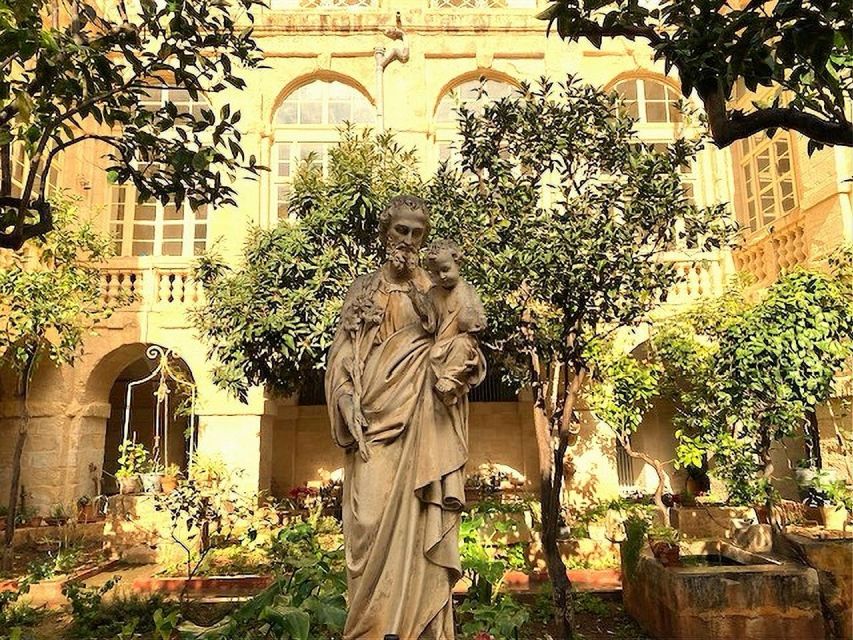
The garden is the reward at the center of the visit. Valletta has handsome stone streets and impressive churches, but open green space is limited. Here, the cloister creates a small pocket of calm within the city.
The sound of the fountain helps soften the surrounding noise. Old vines climb toward the light, recalling the time when grapes were harvested to make wine. Plants around the cloister add life and color without making the garden feel formal or heavily arranged.
I like that the garden is not just a photo stop. It gives you somewhere to sit with what you have heard. After learning about a life shaped by silence, rules, and separation, the fountain and shaded cloister make sense as part of the monastery’s design.
The garden can also be a practical retreat in hot weather. One summer visitor was offered a glass of water on arrival, a small courtesy that matters when Valletta’s stone streets are baking. The enclosed space can feel noticeably calmer than the midday city outside.
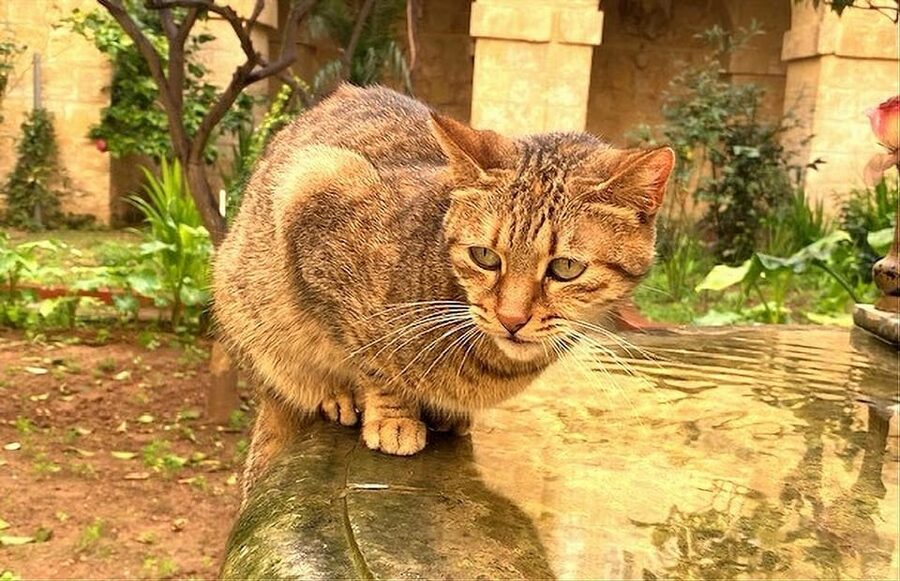
You may encounter resident animals as well. Cats have become a memorable part of some visits, with Mina and other friendly cats appearing around the monastery. Turtles are also kept in the garden, though you may not spot them every time. Treat these animals as part of the setting, not as a guaranteed feature of the ticket.
How long to allow and when to go

The formal audio route takes about 40 minutes. I would allow closer to an hour if you want to read the boards, look carefully at the architecture, and spend time in the garden. There is no need to rush out when the commentary ends.
Mysterium Fidei opens seven days a week:
- Monday to Saturday: 9:30 a.m. to 4:30 p.m., with last entry at 4 p.m.
- Sunday: 9:30 a.m. to 4 p.m., with last entry at 3:30 p.m.
Go earlier if you want a more spacious visit. The attraction is small, and the garden is better appreciated when you can stop without blocking the next person. A morning visit also leaves time afterward for Valletta’s larger sights.
The ticket remains valid for 365 days, so you are not tied to one narrow date. Check the available starting times when booking, then choose a slot that fits your day. The activity also allows cancellation up to 24 hours ahead for a full refund, and a reserve-now, pay-later option is available.
Is the $12 ticket good value?
At $12 per person, this is not the cheapest short stop in Valletta, but it is fairly priced for access to a building that was closed to the public for 400 years. The audio guide, multilingual options, crypt, cloisters, and garden add substance to a visit that could otherwise be a quick look around.
The value depends on what you want. If you care about religious communities, women’s history, old buildings, or quiet spaces, you will likely feel that the ticket earns its price. The personal stories and self-sufficient life of the nuns give the visit more weight than a simple garden admission.
If you are measuring value by size, the calculation changes. The monastery is smaller than some people expect, and the route can be completed in less than an hour. A slow reader or someone who enjoys sitting in the garden may get more from the ticket than someone who wants a large museum with many rooms.
The entry fee also supports the upkeep of a functioning religious home. That makes the purchase easier to justify for anyone who prefers independent historic sites over large commercial attractions.
Who should visit Mysterium Fidei?
I would recommend it to you if you want a thoughtful pause between Valletta’s major churches, palaces, and viewpoints. It suits people who prefer self-guided visits, since you can listen or read without joining a fixed group.
It is also a good choice for anyone interested in the daily lives of women in religious orders. The story is not only about architecture. It is about vows, routine, work, faith, and the difficult practical question of how a closed community survived for centuries.
Families can make the visit work, especially if children are interested in cats, gardens, or unusual old buildings. The compact route may be easier for young attention spans than a large museum, though the religious material and crypt may hold more appeal for older children.
You might skip it if you want grand interiors, a long guided tour, or a major art collection. The app can also be a nuisance if your phone is old or your connection is weak. In that case, the English boards still provide a workable alternative.
Should you book this Valletta monastery visit?
Book it if you want to see a private side of Valletta that most city walks cannot show you. The strongest reasons are the monastery’s long closure, the continuing presence of cloistered nuns, the well-organized information points, and the peaceful garden with its fountain and old vines.
Plan for a small site, not a sprawling monument. Bring a charged phone, arrive early, and allow at least an hour if you want to read everything and sit in the cloister. For $12, Mysterium Fidei is a worthwhile choice for curious, respectful visitors who value atmosphere and human stories as much as grand architecture.
FAQ
Where is Mysterium Fidei located?
The entrance is on St Christopher Street in Valletta, on the corner with Strait Street.
How long does the audio tour take?
The audio tour takes approximately 40 minutes. You can stay longer afterward in the cloisters and garden.
Which languages are available for the audio guide?
The audio guide is available in Maltese, English, French, Italian, Spanish, German, Polish, and Russian.
Do I need to use the audio app?
No. You can read English information boards instead. If you use the audio, connect to the site Wi-Fi, download the Mysterium Fidei app, and scan QR codes at 15 information points.
What are the opening hours?
The monastery opens Monday through Saturday from 9:30 a.m. to 4:30 p.m., with last entry at 4 p.m. On Sunday, it opens from 9:30 a.m. to 4 p.m., with last entry at 3:30 p.m.
Is the monastery accessible to everyone?
The old building has a few low stone steps at the entrance. Contact the site in advance if you need assistance entering.
Just added around the world
- Skip-the-Line Guided Tour and Gardens Entry in Versailles Palace★ 3.5 · 3 reviews
- Versailles Palace Guided Experience and Gardens Entry 10 PPL Max★ 5.0 · 42 reviews
- Versailles Palace & Gardens Audio Tour – Private Transportation★ 4.5 · 11 reviews
- Versailles Palace and Gardens Tour★ 4.5 · 44 reviews
- Versailles Golf Cart & Shuttle Guided Tour, Hamlet and Gardens★ 4.5 · 13 reviews
- Versailles: Farmers Market & Royal Vegetable Garden Food Tour★ 5.0 · 11 reviews
- Versailles Gardens Walking Tour with Audioguide (no tickets)★ 3.0 · 6 reviews
- Palace of Versailles Entry ticket with Musical Gardens & Estate★ 3.5 · 55 reviews
Malta Garden Tours, compared.
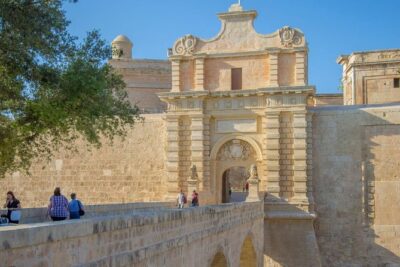
Mdina, Rabat, Dingli cliffs, San Anton gardens, Ta’ Qali & Mosta guided tour
Read our review →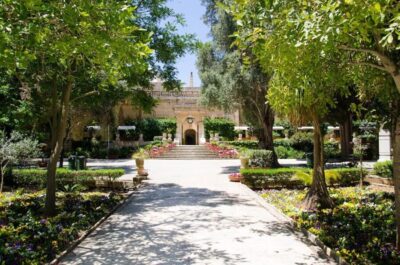
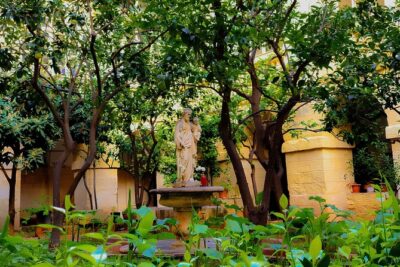
Mysterium Fidei Monastery & Secret Garden in Valletta
Read our review →

Scenic Tour by Vintage Bus to Buskett Garden & Dingli Cliffs
Read our review →
The Limestone Heritage Park and Gardens (Entry Ticket)
Read our review →
Rabat Mdina and San Anton Gardens Group Tour with St. Paul’s Catacombs
Read our review →
Mdina, Dingli cliffs and San Anton Gardens guided tour
Read our review →Browse the lists this tour appears in