
Review · INDIA
London of Orient Heritage Walking Tour With Flower Market
Kolkata’s British past comes alive on foot, but the real surprise comes at the end: a short ride in a classic yellow cab to Mullick Ghat, where flowers, vendors, rituals, and daily commerce crowd the Hooghly riverfront. The tour links grand colonial buildings with one of the city’s most colorful working markets.
I like the simple pleasures here: hot Kolkata tea in a clay cup at the start, and the chance to see central Kolkata through both walking and local transport. The main caution is practical: this is a long urban walk with limited suitability for anyone with mobility concerns, and open-toed shoes are not allowed.
Key points at a glance

- Writer’s Building starting point: Begin at Gate 5 of the former headquarters of British India’s administration.
- Tea in a clay cup: Enjoy Kolkata-style tea as a small but memorable local ritual before walking.
- Colonial Calcutta on foot: See Tank Square, the Grand Post Office, and old insurance buildings while hearing stories from the British period.
- Yellow cab connection: Ride through the city in a traditional yellow taxi after the walking portion.
- Mullick Ghat flower market: Visit a working flower market tied to pujas, weddings, birthdays, funerals, and other ceremonies.
- Small practical package: The $36 price includes tea, entry fees, and the yellow cab ride.
Starting at Writer’s Building and Tank Square
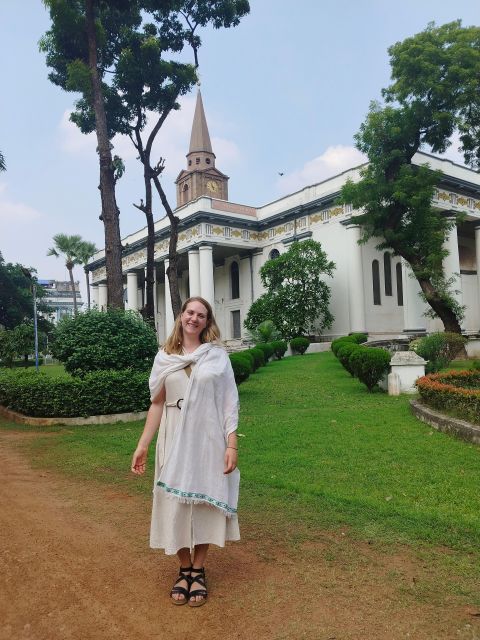
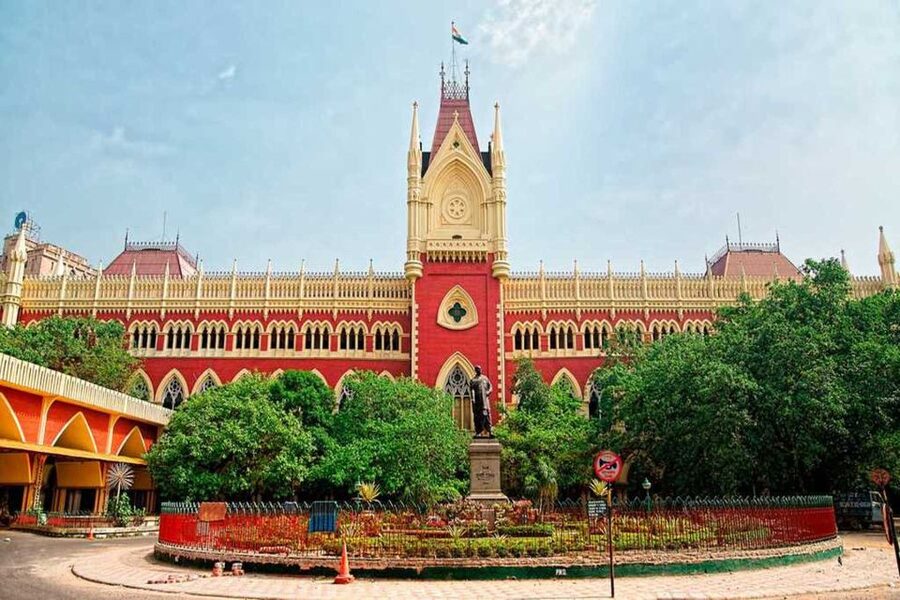
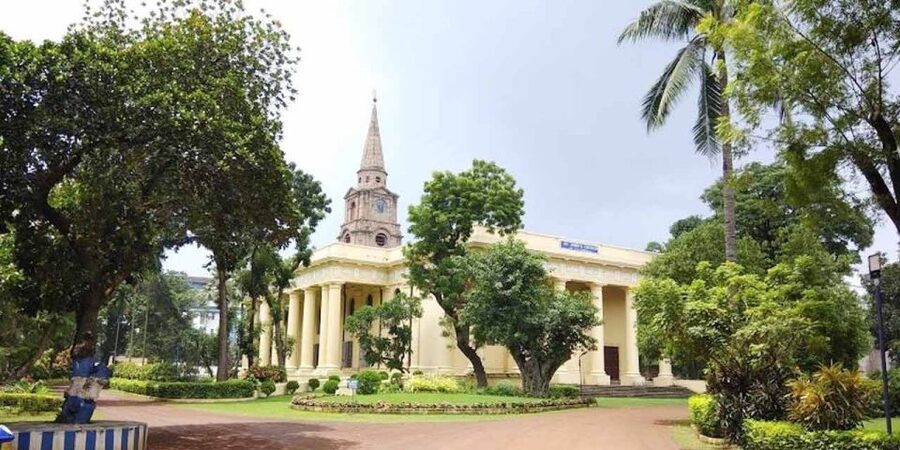
Meet at Gate 5 of Writer’s Building, an apt place to begin. This long colonial-era structure once served as the headquarters of the British administration in India. Kolkata was the capital of British India until 1911, so the streets around this area carry the story of a city that once directed an enormous empire.
Your guide begins with an introduction to the area and a cup of hot Kolkata tea served in a traditional clay cup, known locally as a khullar. It is a modest touch, but a good one. You are not simply handed a bottle of water or sent straight into a lecture. You get a local drink, a quick pause, and a first taste of the city’s everyday habits.
The tea is listed as a Kolkata special refreshment. Food is not included, so do not expect a snack or meal with it. If you need more than tea during the afternoon, eat beforehand or carry something suitable.
From Writer’s Building, the walk moves through the old administrative district around Tank Square. The square gives the tour an urban focal point, with colonial buildings arranged around a historic central space. The attraction is not one single spectacular monument. It is the way the streets, façades, offices, and public buildings fit together.
More Flower Market Tours in India
- Jaipur Tuk-Tuk Tour with Flower Market Visit
★ 5.0 · 124 reviews - Jaipur Tour by Tuk-Tuk or Car with Flower Market
★ 5.0 · 120 reviews - Jaipur: Half-Day Guided Sightseeing Tour with Flower Market
★ 4.9 · 119 reviews
Reading the architecture of British Calcutta
The guide’s job here is to connect buildings with the city’s past. You will hear about the role Kolkata played as the colonial capital and see how official architecture shaped the district.
The buildings come from the British colonial period and show several architectural styles. Some may look formal and imposing, while others are more restrained. The pleasure is in noticing the details that are easy to miss when you pass through by car: entrances, upper floors, columns, old office façades, and the scale of the government quarter.
This part of the walk is best for visitors who want context rather than a rapid checklist of monuments. You are moving through a living city, not a preserved open-air museum. That means the setting may feel busy, functional, and imperfect. Restoration and beautification plans are in progress for parts of the heritage area, so some buildings may not look polished or fully restored.
That unfinished quality is part of the lesson. Kolkata’s colonial center is not only a backdrop for photographs. It is an urban district with an ongoing debate about preservation, restoration, and daily use. A good guide can help you see both the beauty and the wear.
The Grand Post Office and old insurance buildings
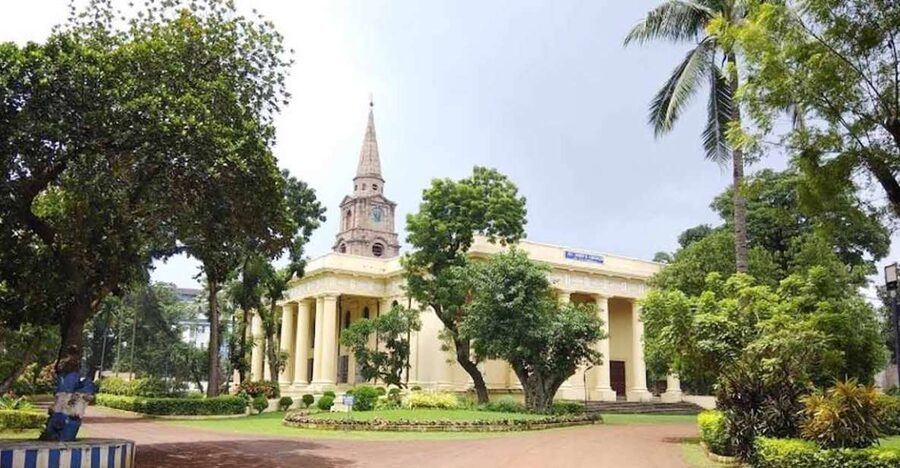
The route includes the Grand Post Office and several insurance buildings dating from the British period. These stops add variety to the walk. Instead of hearing only about political power, you also see the commercial and communication systems that helped the colonial city operate.
The post office is especially useful for understanding the practical side of empire. Administrations depended on letters, records, shipments, and long-distance communication. An insurance office, meanwhile, points to the financial activity that grew around trade and government.
You may not spend long periods inside each building. The focus is on the district, its façades, and the stories tied to them. Entry fees are included, which is useful if the tour enters any of the listed sites. Since the exact length of each stop can vary, expect an interpretive walk rather than a series of extended indoor visits.
The route also gives you a chance to ask questions. One five-star assessment specifically praised the guide’s attention to individual needs, while another highlighted the historical facts, tea, flower market, and cab ride. That suggests the tour works best when you engage with the guide instead of treating the walk as a silent photo stop.
What the 2.5 to 3-hour walk feels like
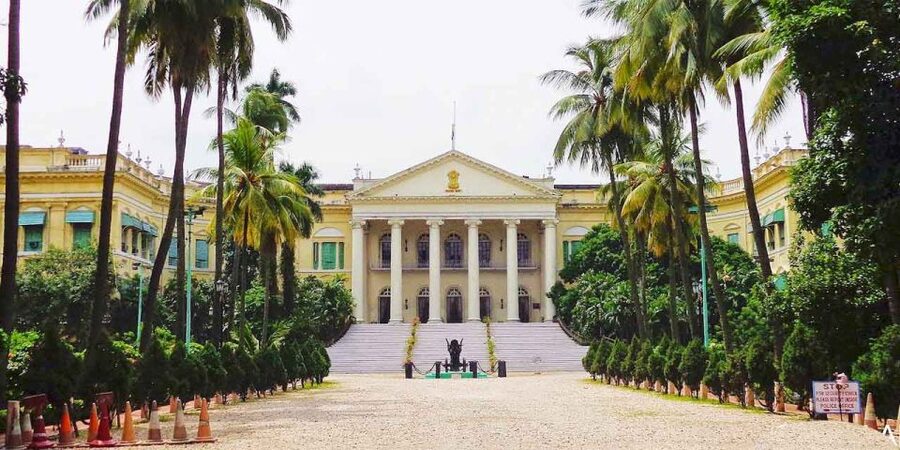
The walking portion lasts about two and a half to three hours, depending on the pace and the group. That is long enough to cover several sights without turning the day into a rushed march, but you should still prepare for continuous time on city streets.
Wear comfortable closed shoes. Open-toed shoes are not permitted, and sunglasses are recommended. Bring water if you need it, since only the clay-cup tea is included as a refreshment.
This is not a good choice for people with mobility impairments, and it is not suitable for pregnant women according to the activity restrictions. The supplied information does not give a precise distance, group size, or number of rest stops, so I would not book it if you need frequent seating or a highly controlled pace.
On the other hand, the tour should suit you well if you enjoy walking, historic buildings, and street-level observation. The setting is central Kolkata, where the value comes from seeing how history remains part of the ordinary city rather than being separated behind museum walls.
Same place, a different kind of green day out:
- Private Jaipur Full-Day Tour with Block Printing
★ 5.0 · 206 reviews - Private Custom Full Day Sightseeing Tour of Kolkata
★ 5.0 · 128 reviews - Mumbai Morning Market Tour of Flowers, Fish, and More
★ 5.0 · 100 reviews - Jaipur: Half or Full Day Sightseeing Tour with Flower Market
★ 5.0 · 94 reviews
A yellow cab to Mullick Ghat
After the walking section, the experience changes gear. You take a local yellow cab to Mullick Ghat flower market.
This is a smart pairing. The colonial district gives you a structured look at administration, architecture, and empire. The cab ride then shifts your attention to modern Kolkata and its everyday movement. You are no longer only studying old buildings. You are riding through the city as residents do, at least for this short leg.
The yellow taxi is part of Kolkata’s visual identity, so the ride adds local character even though it is not a long sightseeing drive. Do not expect a private guided tour of every street between the two locations. Think of it as a useful and memorable connection between two very different sides of the city.
The cab ride is included in the price. That matters because transport costs can otherwise nibble away at the value of a short tour. The experience provider arranges the local ride as part of the program, making the transition simpler.
Mullick Ghat, where flowers serve the city

Mullick Ghat flower market is the tour’s most sensory stop. It operates on the banks of the Hooghly and supplies flowers for many parts of Kolkata’s cultural and religious life.
Flowers from this market are used for pujas, weddings, birthdays, funerals, and other ceremonies. That makes the visit more than a colorful photo opportunity. You are seeing a working supply chain tied to family life, worship, celebration, and mourning.
Expect a market with strong color and constant activity. Sellers arrange flowers, customers choose them, and garlands move out toward temples, homes, ceremonies, and events. The information provided does not promise a special purchase or a flower-garland workshop, so treat the stop as an observational visit unless your guide tells you otherwise.
Bring your camera if you like street photography, but stay aware of the people working around you. This is a functioning market, not a staged display. Keep your belongings secure, follow the guide’s directions, and avoid blocking narrow passages.
The flower market also gives the tour a useful emotional balance. The colonial section can feel formal, official, and monumental. Mullick Ghat is practical, human, and tied to daily needs. Together, the two locations show Kolkata through two very different lenses.
How the route comes together

The sequence is the strongest part of the experience. You begin with Writer’s Building and the old colonial administrative quarter, walk past Tank Square and major public buildings, then leave the historic center by yellow cab for Mullick Ghat.
That progression gives the afternoon a clear shape:
- Colonial authority at Writer’s Building
- Public space and administration around Tank Square
- Communication and commerce at the Grand Post Office and insurance offices
- Local transport in a yellow cab
- Religious, family, and ceremonial life at the flower market
You do not need a detailed knowledge of Kolkata before arriving. The route provides an introduction to British Calcutta, while the final market gives you a taste of the city beyond its official architecture.
The activity is conducted in English. No individual guide names are provided, so you should not book expecting a particular named guide. What matters more is the guide’s ability to explain the buildings clearly, keep the walking pace manageable, and help you understand how the market functions.
Is $36 a fair price?
At $36 per person, the price is reasonable if you value a guided introduction rather than simply photographing buildings on your own. The fee includes the Kolkata tea, entry fees, and the yellow cab ride. It also covers the guide’s interpretation, which is the main reason to choose this experience over a self-guided stroll.
The tour combines roughly three hours of walking with a cab transfer and a market visit. You are paying for more than a single attraction, but this is not a full-day tour with a meal or extensive transportation. Food and additional drinks are not included.
I see the value in the contrast. A basic colonial walking tour might explain the old center well but stop there. This one adds a local taxi ride and Mullick Ghat, giving you a stronger sense of how Kolkata feels beyond its grand façades.
The value is less convincing if you dislike walking, already know the colonial district well, or want a slow, highly specialized architectural tour. It is aimed at first-time visitors and curious city explorers, not at people seeking a private academic study of British architecture.
Who should book this experience?
You should consider it if you enjoy:
- Colonial architecture and urban history
- Local transport and ordinary city scenes
- Markets connected to religious and family traditions
- Guided walks with stories rather than just photographs
- Short experiences that combine several kinds of sightseeing
It is particularly useful early in a Kolkata visit. The walk helps you understand the city’s colonial core, while the flower market introduces a more immediate and colorful side of local life.
You may want to skip it if you have limited walking ability, are pregnant, or need guaranteed seating and regular breaks. The activity information does not provide a detailed accessibility plan, and open-toed shoes are not permitted.
Pick-up and drop-off can be arranged, but the stated meeting point is Writer’s Building Gate 5. The activity is described as ending back at the meeting point, so confirm the return arrangement when booking if you need transport afterward.
You can reserve now and pay later, which may help if your Kolkata schedule is still shifting. Cancellation is available up to 24 hours in advance for a full refund.
Final verdict: a strong first look at Kolkata
I would book this tour if you want one compact experience that explains Kolkata’s colonial center and then moves into a working local market. The clay-cup tea, yellow cab ride, and Mullick Ghat stop keep it from becoming a dry architecture lecture.
The main tradeoff is the walking. You need comfortable closed shoes, a reasonable level of stamina, and an appetite for city streets rather than polished museum galleries. At $36, the included tea, entry fees, cab ride, and English-speaking guide make the package worthwhile for a first visit.
Choose it for the contrast: empire-era buildings first, flower garlands and daily ceremonies later. That change of scene is what gives the afternoon its character.
FAQ
Where does the tour start?
The tour starts at Gate 5 of Writer’s Building in Kolkata.
Where does the tour end?
The activity is described as ending back at the meeting point.
How long does the experience last?
The walking portion lasts about 2.5 to 3 hours, followed by the yellow cab ride and visit to Mullick Ghat flower market.
Is tea included?
Yes. Kolkata special tea served in a clay cup is included as a refreshment.
Is food included?
No. Food and additional drinks are not included.
What should I wear or bring?
Wear comfortable shoes and bring sunglasses. Open-toed shoes are not allowed.
More Shopping Tours in India
- Jaipur: Shopping Tour with Blue Poetry & Printing Workshop & Rugs
★ 5.0 · 42 reviews - Mumbai:Dhobi Ghat Laundry,Dharavi Slum & Flower market Tour
★ 5.0 · 12 reviews - Jaipur Nahargarh Fort Sunrise or Sunset Tour with Flower Market
★ 5.0 · 9 reviews - Bangalore Walking Tour KR Flower Market,Fort,Tippu palace
★ 5.0 · 8 reviews
More Market Visits in India
- Mumbai Morning Market Tour of Flowers, Fish, and More
★ 5.0 · 82 reviews - Kolkata’s Flower Market – Hooghly’s Flower Fest Tour
★ 5.0 · 35 reviews - Jaipur Sunrise Tour with Morning Flower Market Walk
★ 5.0 · 16 reviews - Jaipur: Half-Day or Full-Day Tour with Flower Market
★ 4.9 · 14 reviews
Just added around India
- Visit to Sahelion Ki Bari, Garden of the Maidens, Udaipur★ 4.0 · 2 reviews
- Kashmir Tulip Festival★ 5.0 · 43 reviews
- Mughal Heritage Tour Including Lodhi Garden, Humayun Tomb and Akshardham Temple★ 4.5 · 15 reviews
- Delhi historical Gardens & Ruins★ 5.0 · 3 reviews
- Sunder Nursery Delhi’s Heritage Garden Walk Tour★ 5.0 · 3 reviews
- Dhobi Ghat, Ancient Stepwell and Lodhi Gardens Tour★ 5.0 · 2 reviews
- Lodhi Garden Heritage Walk★ 5.0 · 7 reviews
- Delhi Street Art Walk in Lodhi Art District with Chai & Food★ 5.0 · 34 reviews
India Garden Tours, compared.

Private Jaipur Full-Day Tour with Block Printing
Read our review →
Private Custom Full Day Sightseeing Tour of Kolkata
Read our review →

Jaipur Tour by Tuk-Tuk or Car with Flower Market
Read our review →
Half-Day Guided Sightseeing Tour with Flower Market
Read our review →
Mumbai Morning Market Tour of Flowers, Fish, and More
Read our review →
Half or Full Day Sightseeing Tour with Flower Market
Read our review →Mumbai Morning Market Tour of Flowers, Fish, and More
Read our review →Browse the lists this tour appears in