
Review · USA
San Antonio: Botanical Garden Admission Ticket
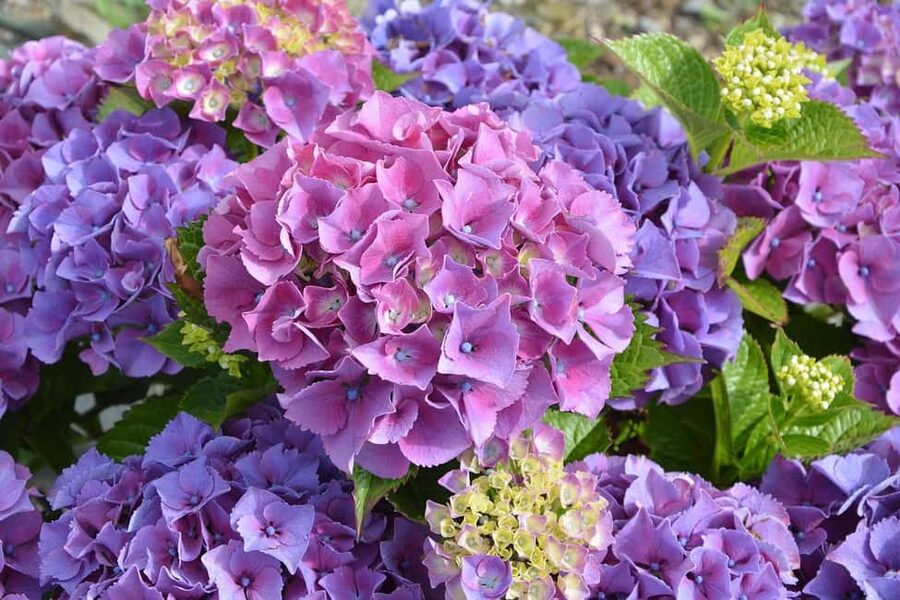
San Antonio’s Botanical Garden gives you a quiet break from the city without asking you to leave town. Its 38 acres of gardens include formal plantings, native Texas collections, rare species, and themed areas where you can set your own pace. I like the mix of beauty and purpose here: you are not just looking at flowers, you are seeing a working garden devoted to conservation and public learning. I also like that one ticket covers all garden areas for the day.
The main drawback is that the experience can depend on what is open during your visit. A recent December booking found the exhibits closed and only a very small number of people on site, so it is wise to confirm current operating conditions before you go. Wheelchair access is available but limited, and free parking is also limited.
Key points before you go

- 38 acres to explore: Set aside several hours if you want more than a quick walk through the main displays.
- 35 rare and endangered species: The garden helps protect plants that need special care and public attention.
- Native Texas collections: You can see regional plants alongside imported species and formal horticultural displays.
- More than a garden visit: Art, architecture, music, theater, classes, and special events add a cultural side to the outing.
- Good value for flexible schedules: The $18 admission is valid for one day and includes access to every garden area.
- Check conditions ahead of time: One recent visit found exhibits closed, so a quick confirmation can prevent a wasted trip.
Entering a 38-acre living museum
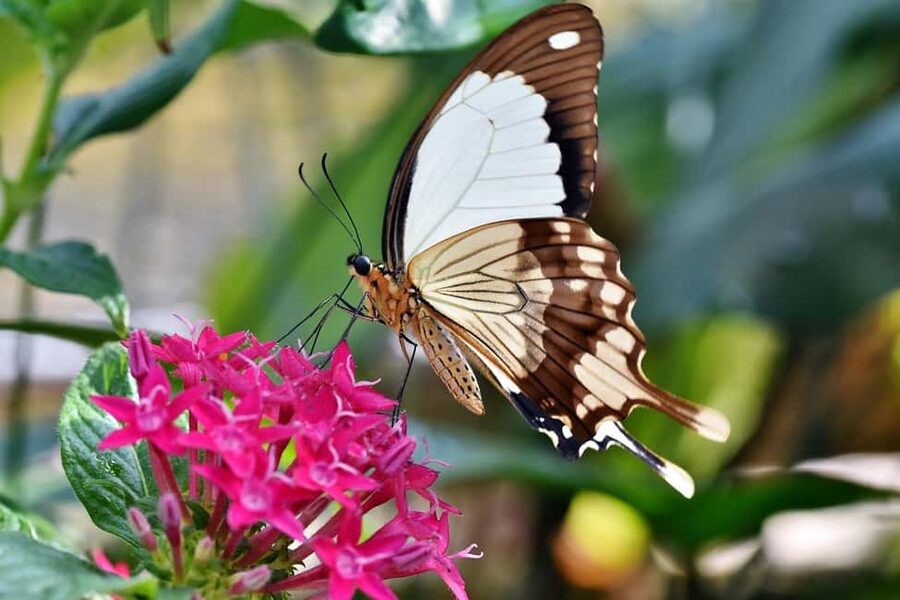
The San Antonio Botanical Garden opened in 1980 as a place where people could enjoy plants, learn how they grow, and understand why conservation matters. That mission shapes the visit. You are walking through a public garden, but you are also entering a living collection that includes native Texas plants, imported specimens, and species under active care.
At $18 per person, admission is priced more like a full attraction than a short city park stop. That makes the ticket good value if you plan to stay for several hours, explore multiple areas, or pair the garden with an educational program or special event. If you only have time for a brief stroll, the price may feel less compelling.
You have one full day of admission, with opening hours listed as 8 AM to 4 PM. The early start is useful in San Antonio, especially if you prefer a calmer visit or want to spend the warmer part of the day indoors or elsewhere. The garden does not require you to follow a fixed route, so you can focus on formal displays, native plants, conservation collections, or quiet corners.
More Botanical Garden Tours in the USA
- Princeville Botanical Gardens Tour and Chocolate Tasting Ticket
★ 5.0 · 774 reviews - Big Island Waterfalls Tour with Swimming and Botanical Garden
★ 5.0 · 513 reviews - NYC: New York Botanical Garden Pass
★ 4.5 · 359 reviews
Formal gardens and native Texas plants
Begin with the formal gardens and the native Texas collections. These areas give you a clear introduction to the garden’s range. Formal plantings provide order, design, and carefully arranged displays, while the native collections show plants suited to the region’s conditions.
I like this contrast because it helps you see gardening in two different ways. The formal sections are about presentation and composition. The native plant areas are about place, adaptation, and the particular character of Texas flora.
You should not expect every section to look the same throughout the year. Plant displays change with conditions and seasonal timing, and the appeal of a botanical garden often comes from seeing how living collections develop rather than checking off a list of fixed sights. Take your time, read the plant information where available, and notice how the garden shifts from designed spaces to more natural plant groupings.
The native collections are also useful for anyone thinking about planting at home. They can give you ideas about plants that belong in a Texas garden and show how regional species can be used in a planned setting.
Finding 35 rare and endangered plant species
One of the strongest reasons to visit is the garden’s work with 35 endangered and rare plant species. These specimens give the visit more weight than a simple pretty walk. You are seeing plants that may need careful cultivation, protection, and public awareness to survive.
The experience will not necessarily feel like a formal conservation tour unless you join a guided program or educational activity. Still, knowing that the garden cares for species under threat changes the way you look at the collections. A small planting can represent years of work, not just decoration.
I would allow extra time for these collections rather than rushing past them on the way to the most colorful displays. Rare plants may not always be the largest or showiest part of the garden. Their value lies in their scarcity and in the role the garden plays in keeping them in cultivation.
If conservation is your main interest, ask about current educational programs or guided tours when you arrive. The garden serves more than 28,000 participants through its educational work each year, so there may be a program that adds useful context to what you see.
Themed areas reward a slower walk
The garden is arranged in different themed areas, each with its own plant collections and design approach. This gives the outing a sense of variety. You might move from a structured horticultural display to a collection focused on native plants, then find a quieter spot for a break.
There is no need to hurry from one section to the next. The garden works best when you treat it as a place for wandering rather than a checklist. Stop when a display catches your eye, read the information, and give yourself time to notice smaller details.
That slower pace is part of the value. Many attractions push you toward a set sequence and a fixed finish time. Here, your admission remains flexible for the day, and you can shape the visit around your energy, interests, and schedule.
Families, plant lovers, photographers, and anyone wanting a peaceful outdoor stop should find something useful here. The garden also works for solo visitors because you do not need a group or guide to enjoy the collections.
Same place, a different kind of green day out:
- Seattle: Space Needle & Chihuly Garden and Glass Ticket
★ 4.7 · 1,890 reviews - Space Needle and Chihuly Garden and Glass Combination Ticket
★ 4.5 · 1,551 reviews - National Mall Tour with 10+ Stops, Boat Cruise, Entry Tickets
★ 4.5 · 1,212 reviews - South Maui: Snorkel to Coral Gardens or Molokini Crater
★ 4.3 · 689 reviews
Educational programs with a practical purpose
The garden’s education program reaches more than 28,000 participants annually. That number points to an important part of the institution: it is not only a place for casual sightseeing. It is also designed to teach people about plants, nature, horticulture, and conservation.
Admission includes access to the garden areas, but a personal tour guide is not included. You may be able to join a guided tour or scheduled program, but the supplied details do not guarantee a particular guide, language, or departure time. Check the current schedule if learning more about the plant collections is a priority.
A guided experience can be especially useful if you want to understand why certain plants are rare, how native species fit into the region, or what conservation work involves. Without one, you will still have plenty to see, but your visit will be more self-directed.
I like that the garden makes education part of the setting instead of separating it from the scenery. You can enjoy the displays first, then use a program or tour to give them more meaning.
Art, architecture, music, and theater
The Botanical Garden also hosts art, architecture, music, and theater experiences. These additions give the property a broader cultural role and may change the feel of your visit depending on what is scheduled.
If you are looking for more than plant displays, check the event calendar before booking. Special events draw more than 21,000 people each year, so they are a meaningful part of the garden’s program. They can also affect how quiet or busy the grounds feel.
The cultural offerings make the garden a flexible choice for a day in San Antonio. You might come mainly for the plants and find an art or performance event during your visit. Or you might choose a special program first and use the garden itself as the setting.
Do not assume an event is included in the $18 general admission unless the current details say so. The ticket covers general entry and all garden areas, but the information provided does not list separate event fees or reservation rules.
Planning your route and timing
The garden is open daily from 8 AM to 4 PM, giving you a useful eight-hour window. You do not have to spend the entire day there, but I would allow at least a few hours if you want to see the formal gardens, native collections, rare plants, and themed areas without rushing.
Arriving earlier can help you make better use of the day. You will have more time for a slow walk, and the morning schedule may work well if you have other San Antonio plans later. Since the garden closes at 4 PM, avoid arriving near the end of the day if you want to explore the full property.
The ticket is valid for one day. It does not promise a specific guided-tour time, and availability may vary, so check current starting times when planning. The general admission format suits independent visitors who prefer to choose their own pace.
Free parking is limited. Lot A is the closest option to the admissions kiosk, entrance area, and Garden Gift Shop, so it is the most convenient lot if a space is available. Because spaces are limited, build a little flexibility into your arrival plan rather than assuming you will park directly beside the entrance.
Access and comfort considerations
The garden is described as wheelchair accessible, but accessibility is limited. That is an important distinction. You can ask about current conditions at the entrance, but you should not assume every path, display, or area will be equally easy to reach.
The grounds cover 38 acres, so the size alone may matter if walking is difficult. Plan a shorter route if needed, and ask staff which areas offer the easiest access. The information provided does not specify the condition of every path, the availability of wheelchairs, or accessible transportation within the grounds.
Meals and beverages are not included. You should plan separately for food and drinks, since the ticket covers admission only. Personal guide services and souvenir purchases also cost extra.
The Garden Gift Shop is near Lot A and the entry area. It is a convenient stop before leaving, but purchases are not part of the admission price.
How the experience measures up at $18
The $18 ticket makes the most sense for visitors who enjoy unhurried time outdoors. You are paying for access to a large collection rather than a short attraction with a single headline sight. The more areas you explore, the better the value becomes.
I would consider it a good choice for:
- Plant lovers who want native and imported collections in one visit
- Families looking for an educational outdoor activity
- Visitors interested in conservation and rare species
- People who enjoy art, music, architecture, or theater in a garden setting
- Anyone seeking a calm break from a busy San Antonio itinerary
It may be less suitable if you want a tightly guided tour, guaranteed indoor exhibits, or a large number of attractions packed into a short visit. It is also worth checking current conditions before setting out. One December booking found the exhibits closed and the grounds unusually empty, leading to a refund request. That appears to be a specific operating problem rather than a description of every day, but it is a useful warning to confirm that the areas you want to see are open.
The overall rating is 4.5 from 14 bookings, with particularly strong praise for the garden’s beauty. One person described the place as absolutely gorgeous, while another said it was beautiful enough to spend a lifetime exploring. Those reactions fit the garden’s main strength: it gives you room to linger instead of rushing you through a single display.
Who should book this garden visit
You should book if you enjoy setting your own pace and want a substantial garden visit rather than a quick photo stop. The combination of formal gardens, native Texas plants, rare species, education, and cultural events gives the property enough variety for several hours.
It is also a good choice for visitors who want a quieter activity. The garden offers peaceful places to sit and observe, making it a sensible change of pace after museums, shopping, or busy city sightseeing.
Families can use the garden as both an outing and a learning opportunity. Adults interested in horticulture or conservation may appreciate the rare plant collections, while children can move through the themed areas and take part in suitable educational programs.
I would be more cautious if your mobility is limited, you need fully accessible routes, or you are visiting during a narrow time window. The garden is large, free parking is limited, and wheelchair access is not unlimited.
Should you book the San Antonio Botanical Garden?
Book it if you want a peaceful, flexible day among plants and do not need a constant guide or a packed schedule. The $18 admission is reasonable when you plan to explore several areas, and the conservation work gives the visit substance beyond its attractive displays.
Before paying, check that the garden areas and any special exhibits you care about are operating on your date. If they are open, this is one of San Antonio’s better choices for a calm outdoor visit with real educational value. If you need guaranteed full accessibility or a tightly structured tour, consider those limitations first.
FAQ
How much does admission cost?
General admission costs $18 per person.
How long is the ticket valid?
The ticket is valid for one day.
What does general admission include?
It includes entry to the San Antonio Botanical Garden and access to all garden areas.
What are the garden’s opening hours?
The garden is open daily from 8 AM to 4 PM.
Where is the closest parking?
Lot A is the closest parking area to the admissions kiosk, entrance area, and Garden Gift Shop.
Is parking free?
The Botanical Garden has limited free parking.
Is the garden wheelchair accessible?
The garden is wheelchair accessible, but accessibility is limited.
Are meals and beverages included?
No. Meals and beverages are not included in the admission ticket.
Is a personal tour guide included?
No. A personal tour guide is not included, although guided tours or educational programs may be available.
Can I cancel for a refund?
Yes. You can cancel up to 24 hours in advance for a full refund.
Just added around the USA
- Zen Garden Yoga Bliss Experience★ 5.0 · 2 reviews
- Tulip Festival and Skagit Valley Tour★ 5.0 · 7 reviews
- Tulip Festival in Skagit Valley Tour from Seattle★ 4.5 · 28 reviews
- Midnight in the Garden of Good and Evil Walking Tour★ 5.0 · 65 reviews
- Tulip Festival at Skagit Valley ,La Conner and Deception Pass★ 4.0 · 4 reviews
- Skagit Valley Tulip Festival Day Tour from Seattle★ 4.5 · 7 reviews
- Botanical Tour (by Walk With Me Savannah Tours)★ 5.0 · 43 reviews
- A Walk Through The Book “Midnight in the Garden of Good and Evil”★ 4.0 · 52 reviews
USA Garden Tours, compared.
Princeville Botanical Gardens Tour and Chocolate Tasting Ticket
Read our review →
South Maui: Snorkel to Coral Gardens or Molokini Crater
Read our review →

Everglades: Mangrove Maze Airboat Tour and Boardwalk
Read our review →
Maui Afternoon Snorkel Aboard Malolo to Molokini or Coral Gardens
Read our review →
Big Island Waterfalls Tour with Swimming and Botanical Garden
Read our review →
Hilo Shore Excursion: Active Volcano, Lava Tube, Waterfall and Gardens
Read our review →
Browse the lists this tour appears in