
Review · SHANGHAI
Shanghai: Yu Garden and City God Temple Walking Tour
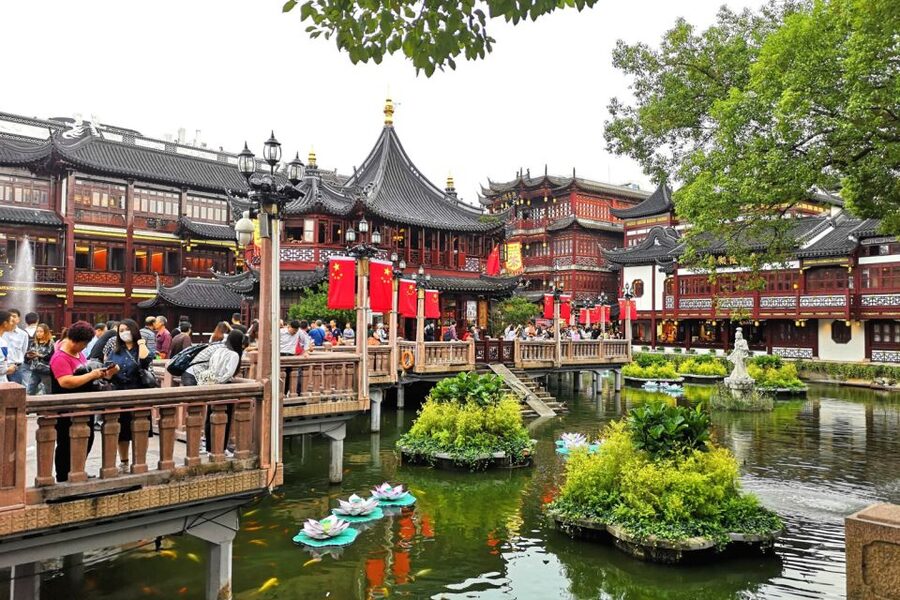
Shanghai’s old city is at its best when you slow down and follow its narrow lanes on foot. This three-hour tour links Yu Garden’s elegant rockeries and pavilions with the City God Temple, small shops, tea houses, and the food stalls that give the neighborhood its everyday character. It is a useful way to see more than the postcard version of Shanghai.
I like the mix of sights and local life, especially the chance to move from a carefully designed private garden to streets where family shops still sell small goods. I also like the optional soup dumpling tasting, since your guide explains the broth, filling, and dough instead of simply handing you a snack.
The main catch is cost. At $60 per person, you still pay separately for entrance tickets, drinks, and any shopping, so this works best if you value a guide’s context and want help with food and bargaining. It is also a walking tour in all weather, so good shoes matter.
Key points to know before you book
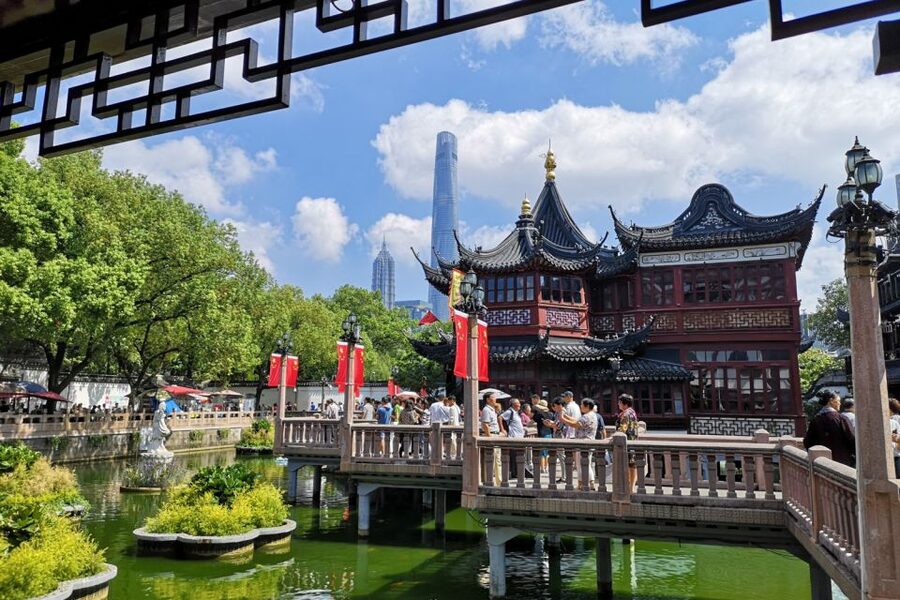
- Yu Garden gives you refined old Shanghai: Expect pavilions, rockeries, ponds, and classic private-garden design in a compact setting.
- The City God Temple shows living Taoist practice: Local people visit to pray for good fortune and peace, while the surrounding streets form a busy traditional market.
- Soup dumplings are optional: Select the snack option to try xiaolongbao and learn what makes a good dumpling.
- Tea tasting adds a quieter pause: You can sample high-end Chinese teas in a local tea shop.
- Your guide shapes the experience: Leo, Linda, and Patrick have each been praised for clear explanations and attentive help.
- Plan for extra costs: Yu Garden and City God Temple entrance tickets, drinks, souvenirs, and tips are not included.
Why this three-hour walk works well in Shanghai
Shanghai can feel enormous and hard to read. The modern towers, wide roads, old lanes, markets, temples, and shopping districts are all close together, yet they do not always explain themselves. This walk gives you a small, manageable section of the city and helps you see how old customs fit into present-day life.
The route is not just a list of major sights. You move through a neighborhood where a temple helped create a commercial center, where tea remains part of daily culture, and where small family-run shops sit beside souvenir stalls. That combination gives the tour more texture than a quick visit to Yu Garden alone.
You meet your guide in front of the main entrance of the Renaissance Shanghai Yu Garden Hotel. From Yuyuan Garden Station on Metro Line 10, use Exit 1 and allow about five minutes on foot. The guide holds a GetYourGuide sign with your name, which should make the meeting point easy to identify.
The tour lasts three hours and is offered in English or Chinese. Since it is a walking experience, you will get more from it if you wear comfortable shoes and carry a passport or an accepted copy. The tour runs rain or shine, so check the forecast and bring suitable protection.
More Garden Walks in Shanghai:
- Marrakech: Ben Youssef, Secret Garden, & Souks Walking Tour
★ 4.6 · 2,802 reviews - Sintra & Cascais Day Tour with Pena Palace Entry and Gardens Walk
★ 5.0 · 962 reviews - Versailles Château and Gardens Walking Tour
★ 4.5 · 727 reviews
Yu Garden, Shanghai’s carefully built private garden
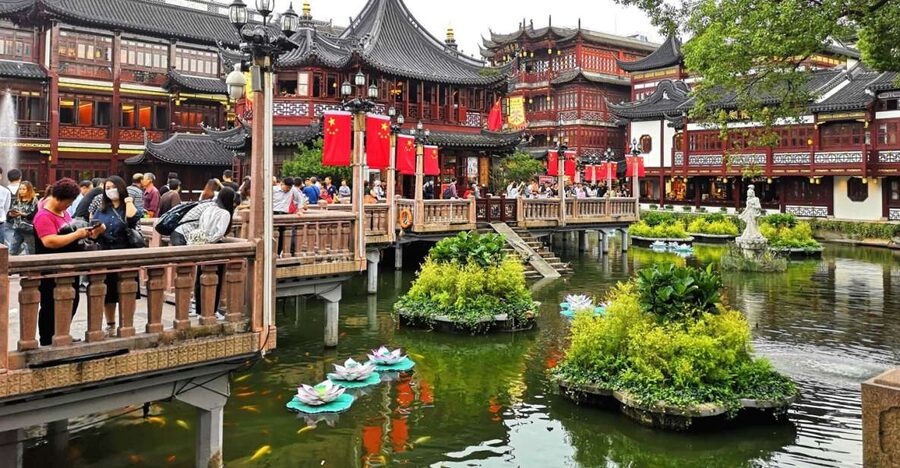
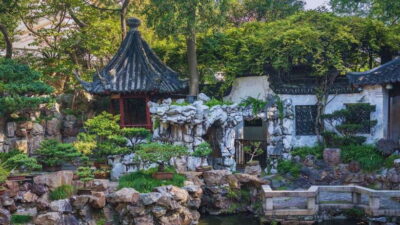
Yu Garden is the visual centerpiece of the walk. It is one of China’s finest private gardens, known for classic design rather than open lawns or grand public spaces. Expect a series of enclosed areas, decorative gateways, ponds, pavilions, planted corners, and carefully placed rocks.
A guide is especially helpful here because the garden can look like a maze of attractive details. You will hear how the spaces are arranged and why the garden feels larger than it is. The value comes from knowing what to look at, not simply walking past a moon gate or ornate roof.
Give yourself time to notice the changes from one section to the next. Some areas feel formal and composed, while others are more intimate. The design uses walls, windows, rocks, and framed views to control what you see. That makes Yu Garden a good lesson in traditional Chinese garden design, even if you are not normally interested in architecture.
There is one practical point to remember: the entrance ticket is not included. The tour price covers the guide, not admission to Yu Garden. Confirm the current ticket arrangement when booking so you have cash or another accepted payment method ready if needed.
Yu Garden can also be crowded. The garden is popular, and the narrow paths do not leave much room for lingering in every corner. A guide can help you focus on the best details, but you should not expect a silent, private garden visit.
The City God Temple and the beliefs behind it
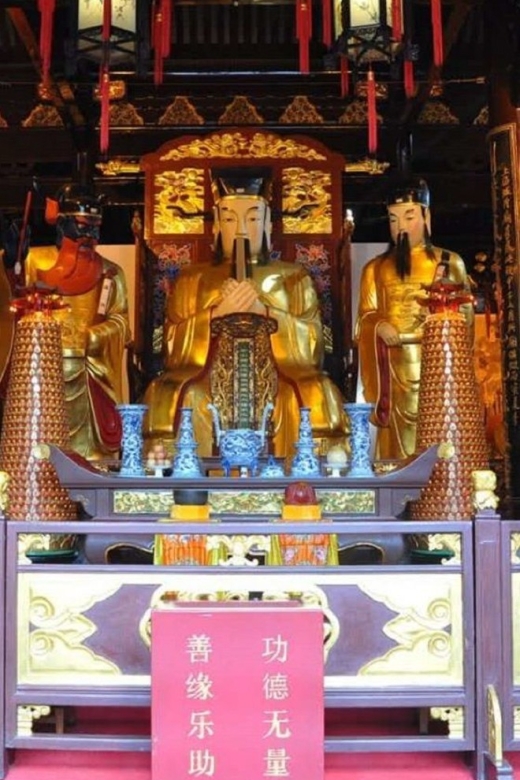
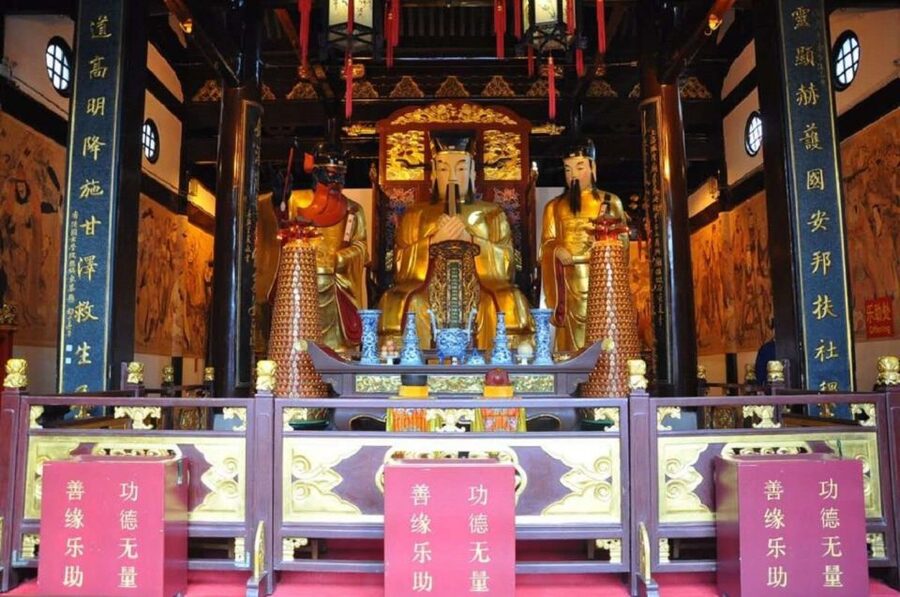
After Yu Garden, the tour turns to the City God Temple. This is not simply an old building to photograph. Local residents visit to pray for good fortune and peace, and the temple reflects Taoist beliefs that remain part of daily life.
Your guide can explain the role of the temple and the customs connected with it. That context matters because the surrounding commercial district grew partly from the temple’s popularity. People came to worship, and businesses followed. Over time, the area developed into a major traditional marketplace.
The temple visit gives the tour a different mood from Yu Garden. Yu Garden is about private taste, design, and cultivated beauty. The City God Temple is tied to belief, community, and daily wishes. Seeing both in one walk helps you understand why this part of Shanghai has remained important.
Entrance fees for the City God Temple are also listed as separate from the tour price. Ask your guide about the best way to handle admission when you meet. The tour is designed to include the area and its meaning, but the exact amount of time inside each site can depend on conditions during the visit.
Yu Garden Old Street and the old-city marketplace
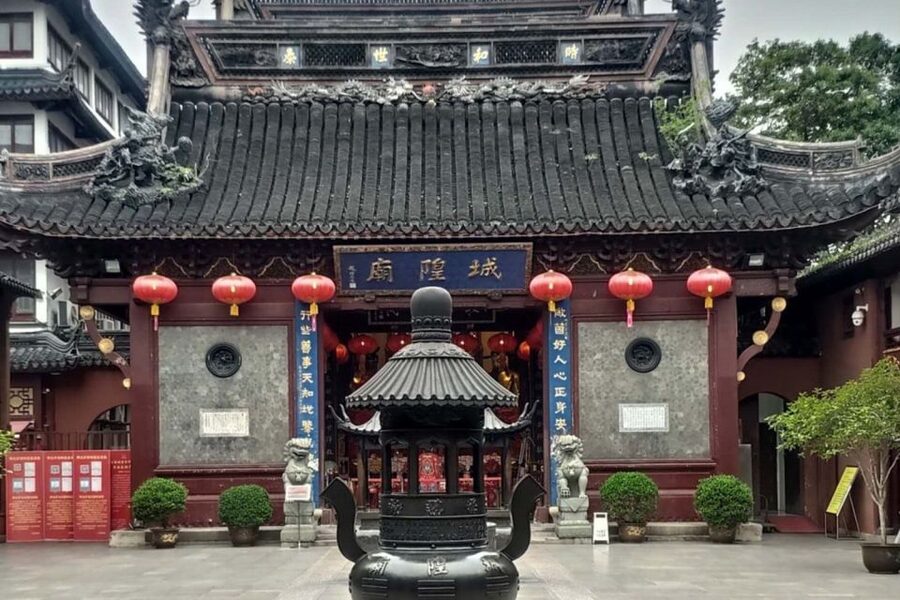
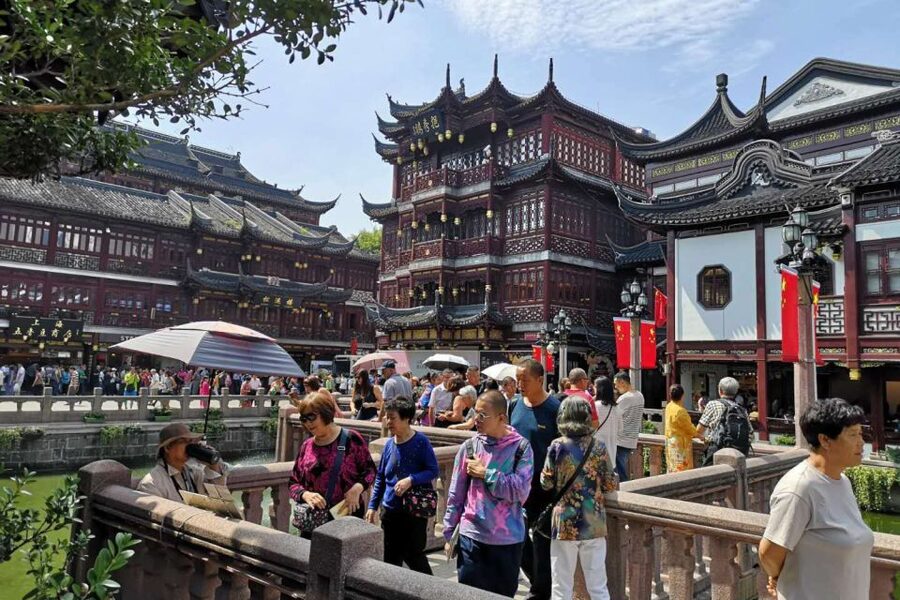
The streets around Yu Garden are where the tour becomes more informal. Yu Garden Old Street is lined with shops and stalls selling porcelain, wooden crafts, jewelry, food, and souvenirs. You might find useful small gifts, decorative pieces, or items that are more attractive than the usual airport purchases.
Do not assume that every shop is a bargain. The tour gives you a chance to ask your guide how to negotiate, which is useful if you are not used to bargaining in China. Your guide can also help explain what you are looking at and give you a better sense of a fair price.
The shopping area can be crowded and commercial. That is part of its character, but it may not suit you if you want a quiet old neighborhood. The tour description also points to tiny family-owned shops where you can look for bargain items, sometimes alongside local residents in ordinary daily clothes. Those moments help balance the more polished souvenir streets.
I would treat shopping as an optional part of the walk, not the main reason to book it. The stronger experience is seeing how the temple, garden, food, crafts, and local trade fit together. If you do buy something, keep your expectations sensible and do not feel pressured to purchase.
More City Tours in Shanghai:
- Amsterdam: City Centre Canal Cruise & Free Flower Cocktail
★ 4.2 · 2,310 reviews - Starfish Point, Stingray City & Coral Garden (3-STOP Adventure)
★ 4.5 · 1,168 reviews - Go City Amsterdam Pass: 40+ Attractions including Keukenhof
★ 4.3 · 1,011 reviews - COMBO Victoria City Tour & Butchart Gardens & Entry Tix
★ 5.0 · 456 reviews
Tea tasting in a local shop
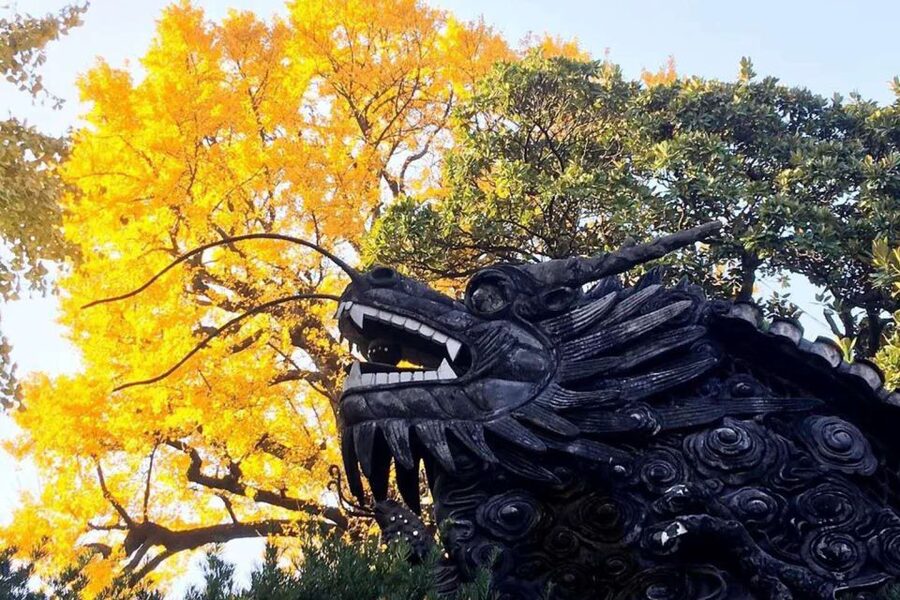
The tea stop offers a welcome change of pace. You have an opportunity to taste various high-end Chinese teas in a local tea shop and learn how tea fits into Chinese social and commercial life.
This is not presented as a full tea course, so you should not expect a long specialist workshop. Its value is practical: you can try several teas with your guide nearby, ask questions, and decide if a tea purchase interests you. The stop may also give your feet a short break during the walking route.
Take care with spending. Tea shops can make it easy to buy more than you planned, especially when several varieties are presented. Enjoy the tasting, ask about prices, and only purchase what you genuinely want. Drinks are not included in the tour price, so any tea you buy or order is extra.
Optional soup dumplings, the best food add-on
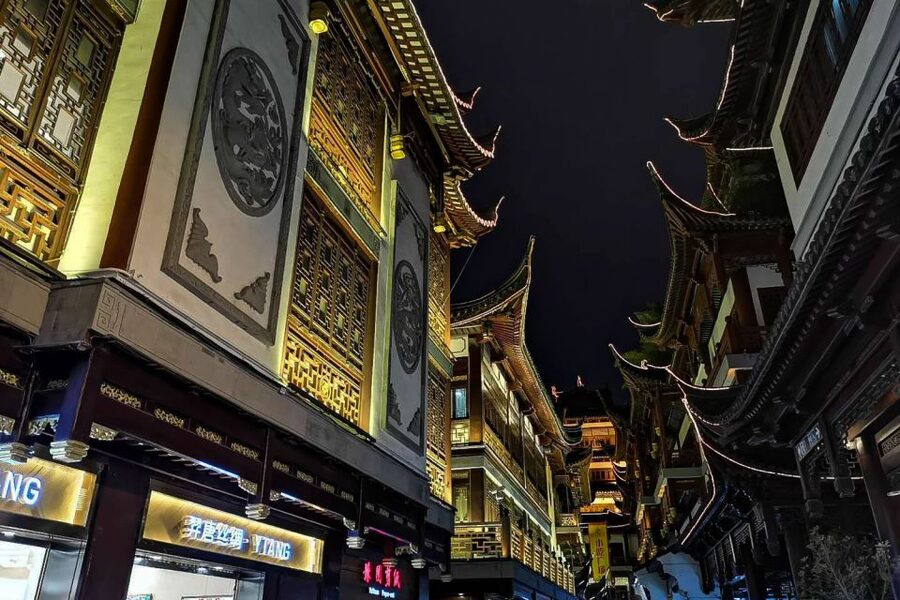
If food is a priority, select the snack option when you book. It includes a tasting of Shanghai’s famous soup dumplings, known locally as xiaolongbao.
The useful part is that the guide does not treat the dumplings as a quick bite with no explanation. You learn how to judge the broth’s flavor and consistency, the quality of the meat filling, and the texture of the dough. That turns a familiar food stop into a small lesson in Shanghai cooking.
Soup dumplings need care. The hot broth is inside the dough, so follow your guide’s advice and eat them slowly. The tasting is also substantial enough that you may want to plan your later meal accordingly. Linda, one of the guides praised for this experience, was especially attentive about making sure there were plenty of dumplings.
The snack option costs more than the basic tour, but it is the add-on I would consider first. Food can be one of the hardest parts of a short visit to Shanghai if you do not speak the language or know where to go. A guide removes much of that uncertainty and gives you a local specialty in a controlled setting.
Drinks are not included. The soup dumpling tasting is included only when you select the appropriate option at booking, so check your reservation details rather than assuming every ticket comes with food.
The guides make the difference
The quality of a walking tour depends heavily on the person leading it. This experience uses English and Chinese-speaking guides, and several guide names have received especially strong praise.
Leo is noted for explaining more than Yu Garden itself, adding historical detail about Shanghai and the surrounding area. That wider context is valuable because the route covers several themes: garden design, Taoist practice, markets, crafts, tea, and food.
Patrick has also been praised for leading a very good walk. Linda is remembered for being both attentive and helpful, including making sure the group had plenty of dumplings and helping with a taxi afterward. Those details suggest a guide who pays attention to the practical side of the day, not just the formal script.
You cannot necessarily request a particular guide, so treat these names as examples of the standard you may encounter rather than a promise. Still, the consistently strong rating of 4.9 from 27 reviews points to a tour that has delivered well for many people.
Is $60 a fair price?
The base price is $60 per person for three hours. That is not the cheapest way to walk through the Yu Garden area, especially because entrance tickets and drinks are extra. You also pay separately for souvenirs, tea purchases, and tips if you choose to leave one.
The price makes more sense if you want interpretation, food guidance, and help with the neighborhood rather than just admission to a garden. A guide can explain the difference between the garden and temple, help you understand Taoist customs, guide you through the market, and introduce you to soup dumplings without requiring much advance planning.
The snack option improves the value for many visitors. Shanghai food can be a major part of the city experience, and learning how to assess xiaolongbao adds something beyond a standard meal. If you already know the area, speak Chinese, and prefer to explore alone, $60 may feel high.
Hotel pickup is included only if you select that option. Hotel drop-off is not included, so plan to make your own way back afterward. The meeting point near Yuyuan Garden Station is convenient for anyone using Metro Line 10.
Who should book this walking tour?
I would recommend this tour to first-time visitors who want a clear introduction to old Shanghai without spending a full day on a large city itinerary. It suits anyone interested in gardens, temples, local food, tea, and traditional shopping.
It is also a good fit for solo visitors or couples who would rather have help with ordering food and bargaining. Families may appreciate the compact three-hour length, though very young children may find the crowds and walking less comfortable.
You may want to skip it if you dislike markets, do not want to pay extra for admissions, or prefer a quiet garden with no set pace. It is also less suitable if rain would spoil your plans, since the walk goes ahead in wet weather.
The tour is wheelchair accessible, but Yu Garden’s narrow paths and crowded market streets may still affect how easy it feels in practice. Ask the provider about your specific mobility needs before booking.
Final decision: a strong introduction to old Shanghai
Book this tour if you want one guided outing that joins Yu Garden, the City God Temple, tea, crafts, and soup dumplings. Its best feature is the connection between the stops. You are not just checking off a garden and a temple. You are seeing how worship, commerce, food, and everyday life developed around them.
Choose the soup dumpling option if local food matters to you, and budget separately for entrance tickets and shopping. If you keep those extra costs in mind, the $60 price can be fair for the guidance and context, especially on a first visit to Shanghai.
FAQ
How long does the Shanghai Yu Garden and City God Temple tour last?
The tour lasts three hours.
Where does the tour meet?
Meet your guide in front of the main entrance of the Renaissance Shanghai Yu Garden Hotel. The hotel is about a five-minute walk from Exit 1 of Yuyuan Garden Station on Metro Line 10.
How will I recognize the guide?
The guide will hold a GetYourGuide sign with your name.
Is soup dumpling tasting included?
Soup dumpling tasting is included only if you select the snack option when booking.
Are Yu Garden and City God Temple entrance tickets included?
No. Entrance tickets for Yu Garden and City God Temple are not included in the ticket price.
Is hotel pickup available?
Hotel pickup is available if you select that option. Hotel drop-off is not included.
What languages are available?
The tour is offered with a live guide in English or Chinese.
What should I bring?
Bring comfortable shoes and your passport or an accepted copy. The tour runs rain or shine, and optional tips are not included.
Just added around Shanghai
- Tongli Water Town Private Day Trip from Shanghai with Tuisi Garden and Boat Ride★ 5.0 · 7 reviews
- Shanghai Yu Garden Admission Ticket★ 4.0 · 16 reviews
- Explore Suzhou’s Hidden Gardens&Enchanting Tongli Ancient Town★ 5.0 · 3 reviews
- Private Tour of Shanghai Museum the Bund Yu Garden and Cruise on Huangpu River★ 4.0 · 2 reviews
- Private Zhujiajiao Ancient Town and Harmony Garden Day Tour with Gondola Ride★ 5.0 · 7 reviews
- Private Shanghai Day Tour: Shanghai Museum, Yu Garden, Bund, Huangpu Cruise★ 5.0 · 6 reviews
- Private Shanghai Day Tour of Zhujiajiao Water Town,Yu Garden and Bund★ 5.0 · 2 reviews
- Private Suzhou Day Tour from Shanghai to Classical Gardens and Tongli Water Town★ 5.0 · 6 reviews
Shanghai Garden Tours, compared.

Best of Shanghai Day Tour, including Jade Buddha Temple & Bund & Yuyuan Garden
Read our review →
Yu Garden, Old Street, Bund & Zhujiajiao Water Town Bus Tour
Read our review →
Shanghai Day Tour to Zhujiajiao Water Town, Yu Garden, Bazaar, Bund
Read our review →
Private Yu Garden, The Bund, French Concession, Pudong Half-Day Tour
Read our review →
Browse the lists this tour appears in