
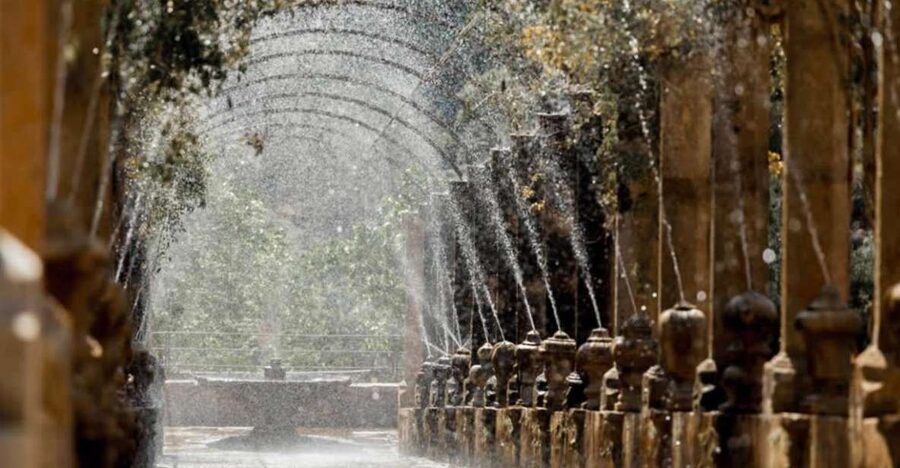
Review · SPAIN
Sóller: Jardines de Alfabia Entrance Ticket
Alfabia is one of Mallorca’s most appealing stops for a quiet hour or two: a 500-year-old Mallorcan house set among gardens shaped by Arab, English, and island traditions. The Tramuntana mountains provide the setting, but the real pleasure is closer at hand, in the water, shade, stonework, and old rooms.
I like the three-lane avenue of plane trees, which gives the arrival a grand but relaxed feel. I also like the house itself, where Roman-Andalusian roots sit beside Gothic, Renaissance, Baroque, Rococo, Roman, and English decoration. The main drawback is seasonal condition: some visitors have found the gardens less carefully maintained, with few flowers and unhealthy trees at certain times of year.
Key points to know before you go
- A 500-year-old house: See a traditional Mallorcan home with details from many periods rather than one fixed style.
- A cool garden walk: Arab-style water features, fountains, shade, hydrangeas, and plane trees make this a welcome break from hot sightseeing.
- A scenic Tramuntana setting: Alfabia lies within the Serra de Tramuntana, a UNESCO World Heritage Site.
- An easy self-guided visit: The $11 ticket covers entrance, with no guide or scheduled tour included.
- Best for a flexible stop: The ticket is valid for one day, and you can reach the site from Palma on bus line 211 or by the Sóller Train.
- Plan around the season: February can still be pleasant, but early spring offers a better chance of seeing more plants in flower.
Why Alfabia feels different from a standard garden visit
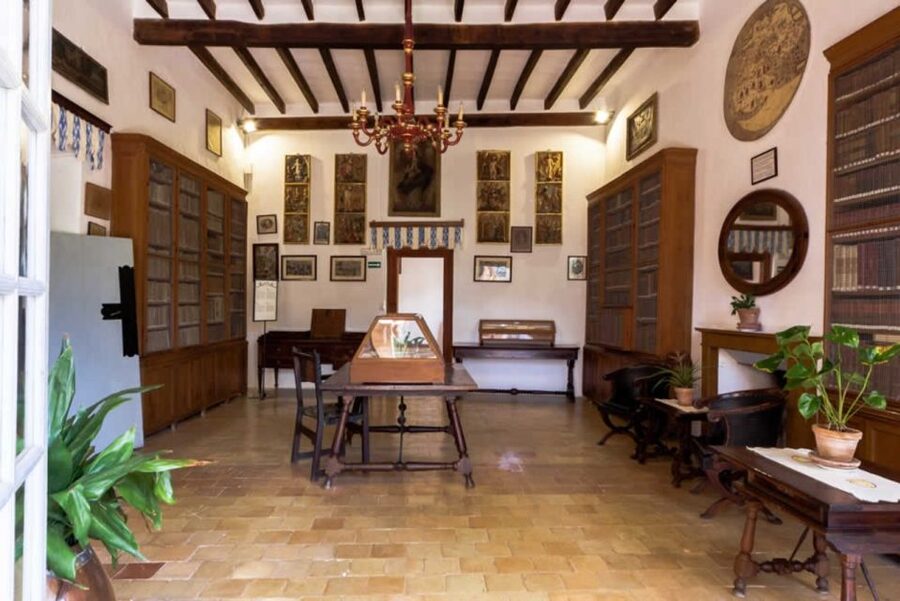
Many historic gardens are mainly about plants. Alfabia is more interesting because the garden and house explain one another.
The property brings together a traditional Mallorcan home and a formal garden with strong Arab influence. Water is central to the experience. Fountains and channels provide sound and movement, while shaded paths soften the heat. You are not simply looking at flower beds. You are seeing how a historic home used its outdoor space for beauty, cooling, and arrival.
The setting also matters. Alfabia is in the Serra de Tramuntana, the mountain range that gives northern Mallorca much of its character. You do not need a long mountain walk to enjoy it. The complex offers a gentler way to experience this UNESCO-listed area, with old architecture and garden scenery in one stop.
I would allow at least an hour for a quick visit, and longer if you want to inspect the house carefully, pause in the gardens, and take your time along the main avenue. The ticket is valid for one day, so you are not tied to a narrow timed slot.
More Garden Tickets in Spain:
- Granada: Alhambra Gardens and Generalife Ticket
★ 4.4 · 2,195 reviews - Granada: Alhambra and Generalife Garden Ticket & Guided Tour
★ 4.0 · 1,862 reviews - Blanes: Marimurtra Botanical Garden Entry Ticket
★ 4.7 · 998 reviews
The plane-tree avenue makes the arrival memorable
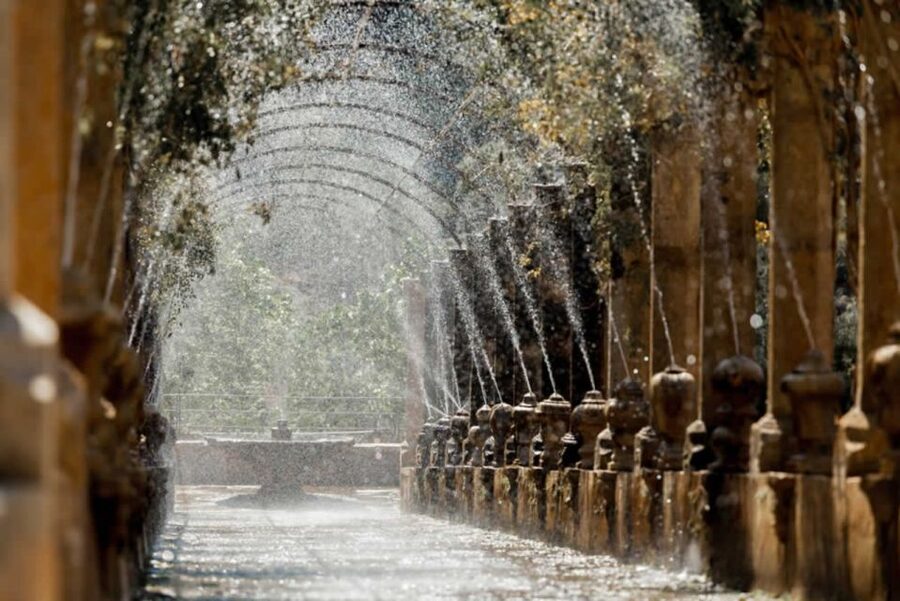
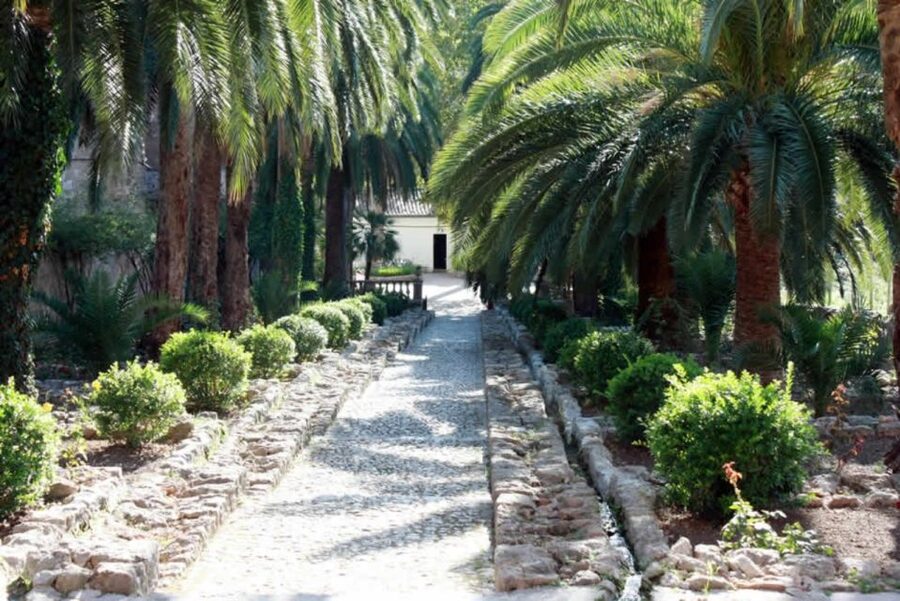
The approach begins with one of Alfabia’s strongest features, a broad avenue lined with three lanes of large plane trees. This is not a minor path leading to the entrance. It creates a sense of ceremony, framing the route toward the traditional Mallorcan patio.
The trees provide shade and visual order. On a warm day, that practical benefit may matter as much as the appearance. Mallorca’s sun can make open-air sightseeing tiring, so a cool avenue is a welcome change from exposed plazas and roads.
The avenue also prepares you for the mixture of influences inside. Its formal design has an English garden quality, while the patio and water features feel closely tied to older Mediterranean and Arab traditions. You get a clear idea of Alfabia’s character before entering the house: old elements have been retained, but the property has changed over time.
The grounds are especially appealing if you enjoy gardens with structure rather than wild scenery. You will find wide routes, fountains, hydrangeas, and mature trees. The experience is more about atmosphere and design than a long list of rare plants.
Water, shade, and the Arab garden style
The garden’s Arab influence is one of its main reasons to visit. The fountains and water features are not just decoration. They help create a cooler, calmer setting, which is particularly valuable during Mallorca’s warmer months.
Look for the way water works with the planting and paths. The garden is designed to lead you through different moods: the grand approach, the more intimate patio, and refreshing corners where the sound of water changes the pace. You can take the visit slowly instead of rushing from one display to another.
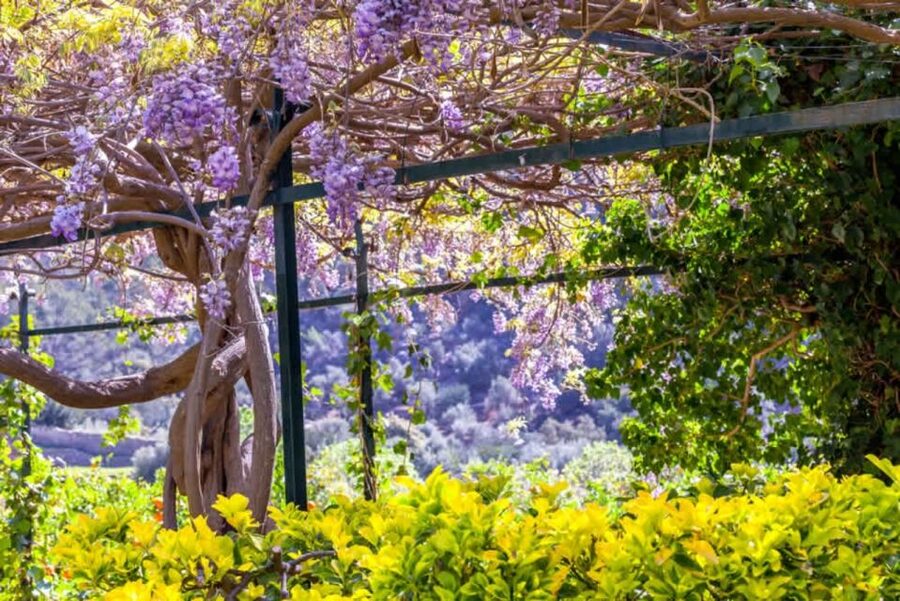
Hydrangeas add seasonal color, though the garden’s appearance will vary. A February visit can still be attractive, with the old trees and formal layout doing much of the work. If flowers are important to you, early spring is likely a more rewarding time to come than the middle of winter.
You should also keep expectations sensible. The garden has received strong overall approval, but conditions are not guaranteed to be perfect on every visit. Some areas may look tired, and there have been concerns about trees and general upkeep. That does not erase the appeal of the setting, but it means Alfabia is best judged as a historic garden with living, changing plants, not as a perfectly polished show garden.
Inside the Mallorcan house, history comes in layers
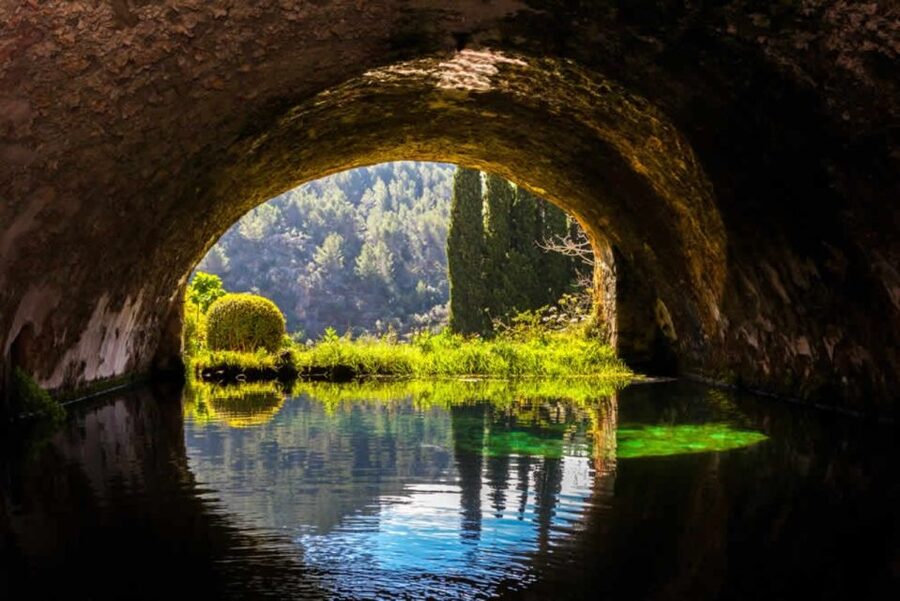
The house is the heart of the visit. It has more than 500 years of history, and its appeal comes from the way different periods remain visible rather than being reduced to one neat style.
You may see Roman-Andalusian roots alongside Arabic, Gothic, Renaissance, Baroque, Roman, Rococo, and English elements. That list sounds broad, but the result is easier to understand when you think of Alfabia as a house that changed with its owners and eras.
The rooms preserve a traditional atmosphere, with small corners and decorative details that reward close attention. This is not a modern museum with a simple route through clearly separated galleries. The house feels like a lived-in historic complex, where one period overlaps another.
That mixture is also the source of one possible weakness. If you prefer a tightly organized exhibition with a clear story in every room, the presentation may feel uneven. The property’s strength is its layered character, but that can also make the displays seem less coherent.
I would approach the house with curiosity rather than expecting a full historical explanation at every turn. Notice how the decoration changes from one space to another. Ask yourself which details seem practical, which are ornamental, and which show later changes to the building.
Same place, a different kind of green day out:
- Granada: Alhambra & Gardens Tour w/Nasrid Palaces Option
★ 4.2 · 7,022 reviews - Granada: Alhambra Guided Tour with Nasrid Palaces & Gardens
★ 4.7 · 2,190 reviews - Alhambra &Charles Palace Guided Tour with Optional Nasrid Palaces
★ 4.5 · 2,149 reviews - Granada: Flamenco Show in Albayzín – Jardines de Zoraya
★ 4.7 · 1,375 reviews
A visit that connects Mallorca with the wider Mediterranean
Alfabia gives you a useful glimpse of Mallorca’s cultural position. The island has long been shaped by Mediterranean contact, and the house reflects that mixture through its Roman-Andalusian and Arabic elements, as well as later European styles.
The property does not present history as a straight line. Instead, it shows how a building can collect new details without losing its older identity. Gothic and Renaissance touches can sit beside Baroque and Rococo decoration. English garden ideas can be added to a setting with older Arab-style water traditions.
That makes Alfabia a good choice if you enjoy places where architecture tells a story through small clues. You do not need specialist knowledge to appreciate it. The variety is visible in the contrast between the patio, the formal avenue, the water features, and the rooms.
It is also a useful alternative to spending the whole day in Palma. The visit gives you architecture, gardens, and mountain scenery without requiring a strenuous excursion. For many visitors, that balance is the main value.
How to fit Alfabia into a Mallorca day
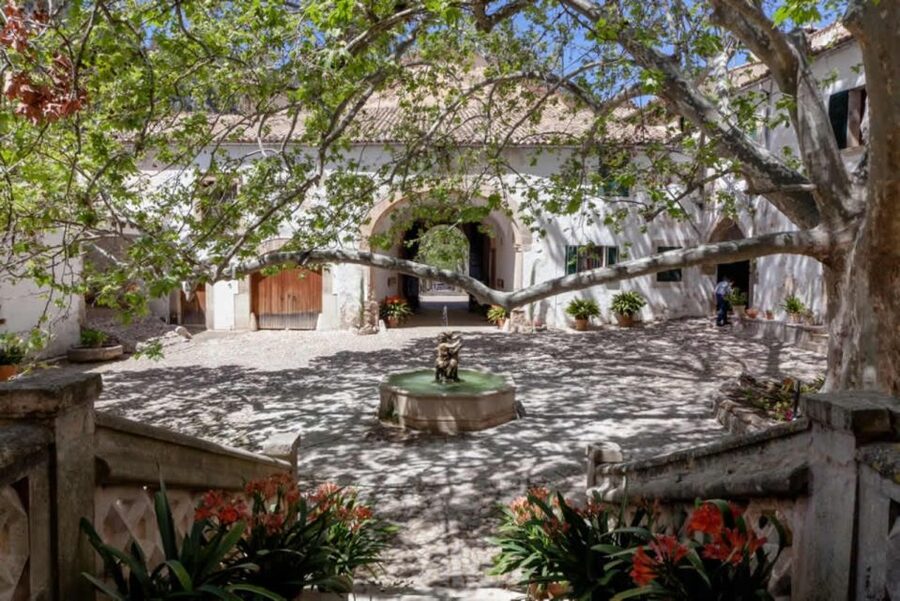
Alfabia works well as part of a wider outing in the Sóller area. You can reach the location by public transportation from Palma using bus line 211. Departure information is available from the Transport de les Illes Balears website, and you should check the current timetable before setting out.
The Sóller Train is another option, with schedules available from the railway’s website. The supplied information does not specify the exact walking connection or how long the transfer takes, so check the route carefully before you leave. Do not assume that a train arrival places you directly at the entrance.
Because the ticket remains valid for one day, you have some flexibility in planning. You can make Alfabia one stop among several, provided you leave enough time for transport and the garden visit. The last entrance is one hour before closing, so a late arrival can be risky.
There is no guided commentary included. You receive entrance to the complex, then explore at your own pace. That suits people who like to stop for photographs, sit near the fountains, or inspect decorative details without keeping up with a group.
During the visit, you will be asked to wear an identification bracelet. It is a small practical detail, but it is worth knowing before you arrive.
Is the $11 entrance fee good value?
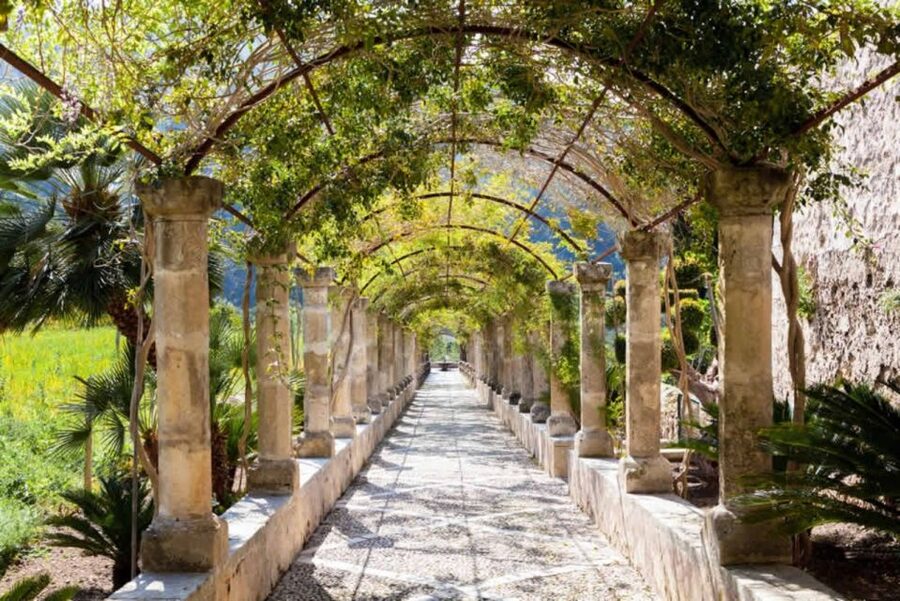
At $11 per person, Alfabia is reasonably priced for a historic house and garden, especially if you spend a relaxed hour or more on site. You are paying for two different experiences in one ticket: an old Mallorcan home and a designed garden with water features and mature trees.
The value is strongest for visitors who enjoy atmosphere, architecture, and gardens. If you want a major museum collection, a long guided history lesson, or a large number of formal displays, the admission may feel less compelling.
I would also factor in the cost and time of reaching the site. A low entrance fee does not automatically make an excursion good value if it takes a difficult connection to get there. Alfabia makes the most sense when it fits naturally into a day around Sóller or the Tramuntana area.
There may also be a small refreshment pleasure on offer: fresh orange juice made from local oranges has been specifically recommended as part of the stop. It is not included in the ticket, but it suits the setting and gives you a pleasant way to pause after walking through the grounds.
When should you visit the gardens?
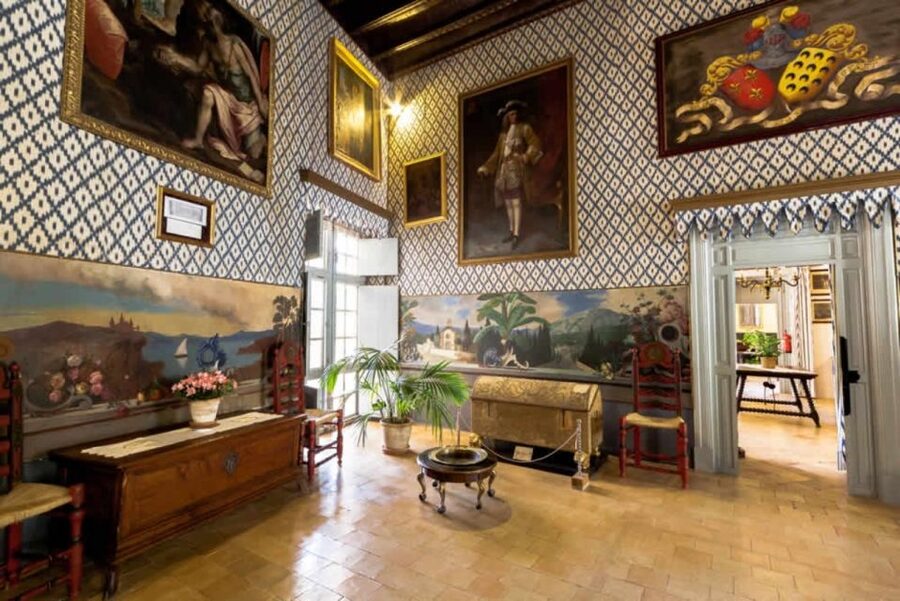
Season matters here more than it does at a purely architectural attraction.
In February, the gardens can still be attractive, mainly because the avenue, old trees, fountains, and layout remain enjoyable even when few flowers are showing. If you want stronger plant color, early spring is a better target, when more of the garden begins to bloom.
The garden’s condition can also vary. Some parts may look clean and pleasant, while other areas may show signs of wear. Reports of unhealthy trees and limited flowering suggest that visitors who expect immaculate horticultural displays should keep their expectations moderate.
I would choose a cooler part of the day in warmer weather, especially if you plan to walk slowly and take photographs. The shaded avenue and water features help, but this remains an outdoor visit. Comfortable shoes will make the paths and garden areas easier to enjoy.
Who will enjoy Alfabia most?
I recommend Alfabia to several types of visitors:
- Architecture fans who enjoy buildings shaped by many historical periods.
- Garden lovers who appreciate fountains, shade, formal avenues, and old trees.
- Families and mixed-age groups looking for a calm stop rather than a demanding walk.
- Photographers drawn to the plane-tree avenue, patio, water, and mountain setting.
- Visitors based in Palma or Sóller who want a cultural outing linked to public transport.
- People who prefer independent sightseeing instead of a fixed guided itinerary.
I would be less enthusiastic if your main goal is a large botanical collection or a perfectly maintained ornamental garden. The historic character is the main attraction, and the condition of the grounds may not satisfy someone seeking flawless presentation.
The overall rating of 4.7 from 505 reviews reflects broad satisfaction, and the strongest praise focuses on the beauty and charm of the gardens. Still, the lower experiences point to a real issue: your impression may depend on the season and on how well the grounds are being maintained during your visit.
Should you book the Alfabia entrance ticket?
Book it if you want a peaceful, visually varied stop that combines a 500-year-old Mallorcan house with Arab-style gardens in the Tramuntana mountains. The $11 price is fair, the one-day validity gives you room to plan, and the site offers more substance than a quick photo stop.
Go in with the right expectations. This is not a full-day attraction, and the garden may not be at its best in every month. Choose early spring for better flower interest, allow time for the house and avenue, and check the bus or Sóller Train schedule before leaving.
If you enjoy old buildings, shaded gardens, fountains, and the way different cultures shaped Mallorca, Alfabia is worth adding to your route. If you need a polished exhibition or a major museum, spend your time elsewhere.
FAQ
How much does the Alfabia entrance ticket cost?
The entrance ticket costs $11 per person.
How long is the ticket valid?
The ticket is valid for one day. Check availability for the current starting times.
What does the ticket include?
The ticket includes entrance fees to the Alfabia complex. It does not list a guide, food, or transport as included.
How do I reach Alfabia by public transportation?
You can reach the location from Palma using bus line 211. You can also use the Sóller Train. Check the current departure times on the relevant transport websites before traveling.
Is there a latest entry time?
Yes. The last entrance is one hour before the complex closes.
Can I cancel the booking?
Yes. You can cancel up to 24 hours in advance for a full refund. You can also reserve now and pay later, keeping your plans flexible.
Just added around Spain
- Valencia Segway Tour Through Gardens & Nature★ 5.0 · 19 reviews
- Complet Segway Tour Medieval + Gardens★ 5.0 · 25 reviews
- Private E-Bike City Tour of Valencia’s History, Gardens★ 5.0 · 3 reviews
- Exclusive Alcazar with breakfast or afternoon coffee in gardens★ 5.0 · 3 reviews
- Learn Rumbas or Sevillanas in 90 minutes – Gift Flower★ 4.0 · 2 reviews
- Learn Flamenco in 90 minutes – Gift flower★ 5.0 · 23 reviews
- Malaga Shore Excursion:Skip-the-Line Alhambra, Generalife Gardens★ 4.0 · 21 reviews
- Jardines de Alfabia Tickets★ 4.5 · 10 reviews
Spain Garden Tours, compared.

Alhambra & Gardens Tour w/Nasrid Palaces Option
Read our review →
Alhambra Guided Tour with Nasrid Palaces & Gardens
Read our review →
Alhambra &Charles Palace Guided Tour with Optional Nasrid Palaces
Read our review →
Alhambra and Generalife Garden Ticket & Guided Tour
Read our review →
Flamenco Show in Albayzín – Jardines de Zoraya
Read our review →
3-Hour Alhambra and Generalife Gardens Guided Tour
Read our review →Blanes: Marimurtra Botanical Garden Entry Ticket
Read our review →Browse the lists this tour appears in