
Review · SPAIN
Gardens & Fortress of Catholic Kings Tickets & Tour in English
The best part of this Córdoba visit is the contrast between the stern medieval fortress and its calm garden courtyards. Inside the Alcázar of the Catholic Monarchs, you’ll hear how a royal residence also served as a military base during the Reconquista, then step outdoors among pools, fountains, and clipped gardens made for slow looking.
I like the included admission and the chance to have the architecture explained instead of simply walking through empty rooms. I also like the compact one-hour format, which works well if your Córdoba day already includes the Mosque-Cathedral and Jewish Quarter. The main caution is organization: group sizes can reach 30, and some departures have involved waiting, group changes, or difficulty hearing the guide.
Key points to know before booking
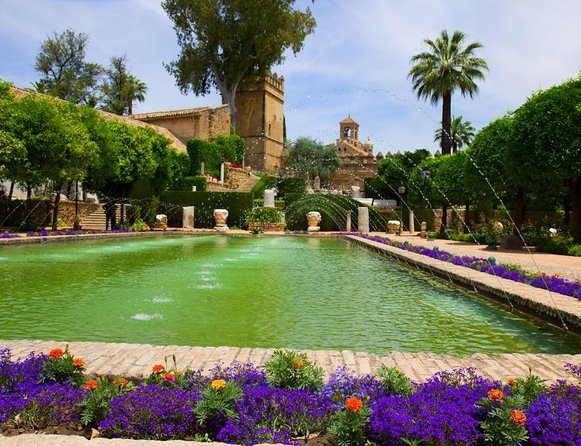
- The gardens are the visual highlight: Allow time to enjoy the pools, fountains, flowers, and long views through the garden spaces.
- The tour lasts about one hour: It offers a focused introduction rather than a slow, highly detailed visit.
- English guidance is included: A local guide explains the fortress, royal use, military role, and earlier remains.
- Groups can reach 30 people: That may affect how easily you hear and interact with the guide.
- Meeting time is 10:15 am: Start at Avenida del Alcázar, close to the monument and public transport.
- The price includes admission: At $26.49 per person, the value depends mainly on the quality of the guide and group management.
Why Córdoba’s Alcázar deserves your time
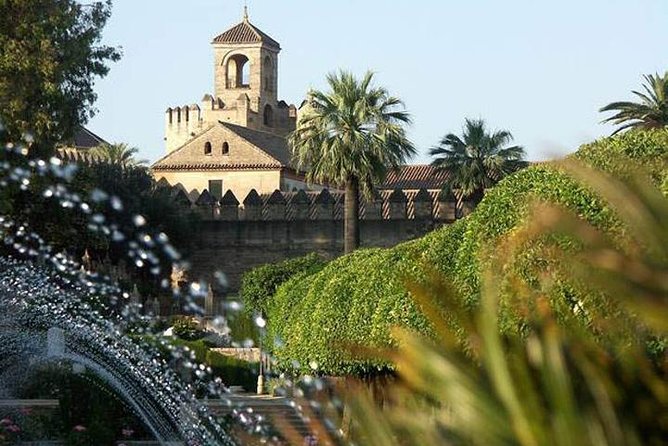
Córdoba is best known for the Mosque-Cathedral, but the Alcázar gives you a different view of the city. This is not simply a pretty palace. It is a fortified complex tied to royal power, military campaigns, and the changing Christian and Muslim character of Córdoba.
The fortress dates from the 14th century. King Alfonso XI commissioned it, and King Henry II completed it. During the Reconquista, it served as both a royal residence and a military stronghold. Those two roles explain the experience: the building feels defensive from the outside, while the gardens and interior spaces reflect court life.
I find that combination useful for understanding medieval Córdoba. The Alcázar does not rely only on decoration. Its walls and towers remind you that rulers needed protection, while the gardens show how power was also presented through order, water, symmetry, and beauty.
The building is associated with Mudejar design, a style that uses Islamic artistic ideas within a Christian setting. That makes the Alcázar especially worthwhile after seeing the Mosque-Cathedral. You can compare two places shaped by Córdoba’s overlapping religious and political traditions, rather than treating each monument as an isolated sight.
More Garden Tickets in Spain:
- Granada: Alhambra Gardens and Generalife Ticket
★ 4.4 · 2,195 reviews - Granada: Alhambra and Generalife Garden Ticket & Guided Tour
★ 4.0 · 1,862 reviews - Blanes: Marimurtra Botanical Garden Entry Ticket
★ 4.7 · 998 reviews
Meeting your guide at 10:15 am
The tour begins at Avenida del Alcázar in central Córdoba. The stated start time is 10:15 am, and the activity returns to the same meeting point. You should arrive early enough to locate the guide and group without turning the beginning into a scramble.
The meeting area is near public transportation, which helps if you are coming from another part of the city. The instructions identify the starting point clearly, but large sightseeing areas can still be confusing when several groups gather nearby. Look for the tour staff and confirm that you are joining the English-language departure.
Organization appears to be one of the less predictable parts of this experience. Some group departures have started with people being sorted into different parties, and waiting can take longer than expected. That matters because the advertised visit is only about an hour. A delay at the start takes a noticeable share of your time inside the Alcázar.
The maximum group size is 30. That is not an intimate private visit, and you may be standing some distance from the guide in courtyards or garden paths. If you have trouble hearing in a crowd, stay near the guide and ask where the group will pause before the explanation begins.
Entering the Fortress of the Catholic Monarchs
Once inside, the guide sets the historical frame. The Alcázar’s story reaches back to the 14th century, when Alfonso XI ordered the fortress built and Henry II brought the project to completion. Its walls, towers, and fortified character make more sense when you picture a royal compound that also needed to function as a military base.
The visit is likely to focus on the building’s purpose as much as its appearance. You’ll learn how the Alcázar fit into the Christian conquest of Córdoba and why a royal residence required heavy defenses. The guide may also point out traces of earlier structures and exposed ruins, details that are easy to miss if you walk through on your own.
This is where a good guide makes the difference. Paqui, Carmen, and Rafael have each been praised for warmth, clear explanations, humor, and a strong sense of pace on tours connected with Córdoba’s major monuments. You cannot count on a particular guide being assigned, but those examples show the sort of interpretation the operator can provide.
The fortress itself may not satisfy you if you expect an elaborate palace packed with rooms and decoration. Its appeal is more historical than theatrical. You are visiting a working seat of power and defense, not a grand residence designed only to impress.
Mudejar details and earlier remains
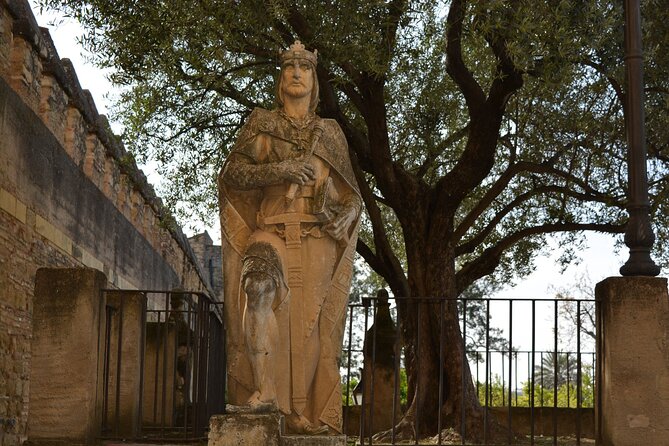
The Alcázar’s Mudejar character is one of its most useful links to Córdoba’s wider story. Mudejar art developed when Christian rulers adopted artistic methods and forms associated with Islamic Spain. In the Alcázar, that mixture helps explain how culture continued to cross political and religious boundaries.
Pay attention to the contrast between solid defensive construction and more refined decorative details. Walls and towers communicate strength. Interior features and garden design communicate control, ceremony, and comfort. A guide can connect those elements in a way that a quick independent visit may not.
The exposed remains of earlier structures add another layer. They show that the site was not created from nothing in the 14th century. Córdoba’s important buildings often sit on top of earlier phases of the city, and the Alcázar gives you a chance to see that physical continuity.
Still, keep your expectations measured. The tour is scheduled for one hour, so you will not receive an exhaustive architectural reading of every room, tower, or archaeological feature. The value lies in getting the main story, learning what to notice, and then having enough time to enjoy the setting yourself.
A few more garden visits around Spain worth a look
- Granada: Alhambra & Gardens Tour w/Nasrid Palaces Option
★ 4.2 · 7,022 reviews - Granada: Alhambra Guided Tour with Nasrid Palaces & Gardens
★ 4.7 · 2,190 reviews - Granada: 3-Hour Alhambra and Generalife Gardens Guided Tour
★ 4.7 · 1,304 reviews - Córdoba: Viana Palace Gardens and Patios Entry Ticket
★ 4.5 · 880 reviews
The gardens are the real reward
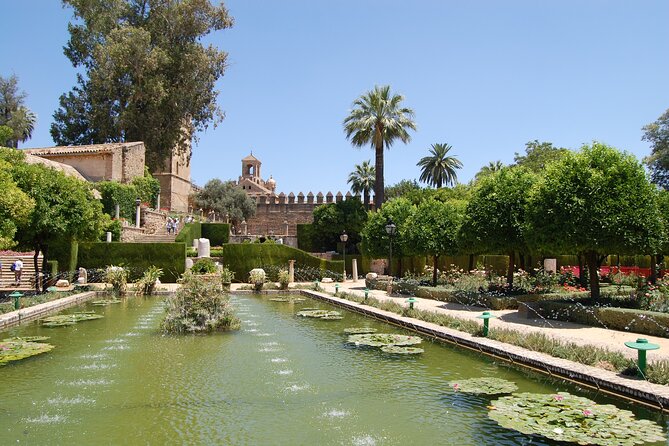
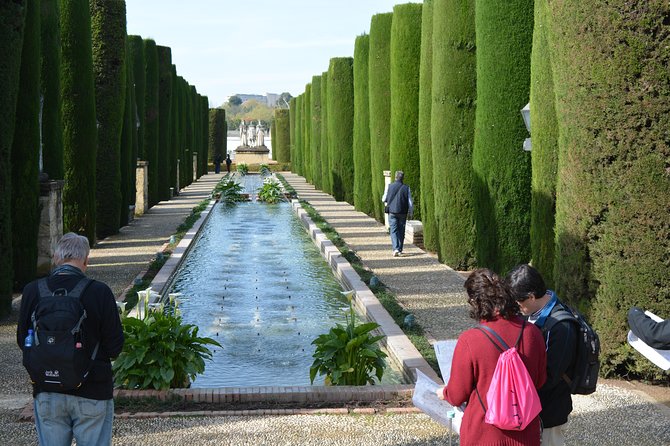
After the fortress, the gardens provide the strongest visual payoff. Pools, fountains, paths, and planted areas create a calmer mood than the heavy stone exterior. This is the part where I would slow down, look back toward the towers, and take photographs from several angles.
The gardens are especially effective because water and architecture work together. Reflections, straight paths, and repeated planting create a sense of order. From the garden, the Alcázar looks less like an isolated defensive block and more like a royal complex designed to control both movement and sightlines.
You may find that the gardens are more memorable than the fortress interiors. That is not a criticism. Many historic sites are uneven, with one section doing more of the emotional work than another. Here, the outdoor spaces offer the beauty and breathing room, while the fortress supplies the context.
Bring a little patience for photographs. The scheduled hour is short, and a guide-led visit naturally keeps you moving. If you want a relaxed garden wander, arrive prepared to make the most of any free moments rather than assuming the entire hour will be unstructured.
How much history fits into one hour?
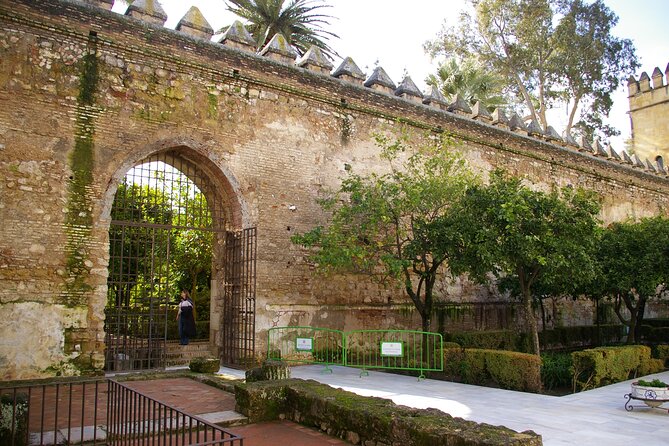
A one-hour visit is a useful compromise. You can add the Alcázar to a busy Córdoba morning without giving up half a day. If your main goal is to understand the site’s role in the Reconquista and see the gardens, the format should give you a solid introduction.
The trade-off is depth. You will not have unlimited time to study every architectural detail, read every display, or linger in each garden section. The guide needs to keep a steady pace, and the group must move together.
Some experiences connected with this provider have included longer outings covering several Córdoba sights, including the Mosque-Cathedral and Jewish Quarter. Those are different in scope from this one-hour Alcázar visit. If you are specifically booking this activity, use the stated schedule as your guide: it centers on the Alcázar and does not include food, drinks, or admission to other monuments.
That distinction matters when comparing prices. A $26.49 ticket is not paying for an all-day city tour. It pays for entry and a guided introduction to one major site. If you want several monuments in one outing, you should check the exact product before booking rather than assume the Alcázar tour includes them.
Is $26.49 a fair price?
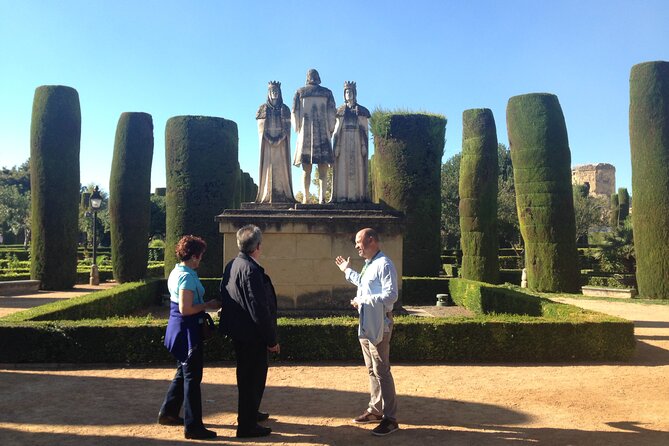
At $26.49 per person, the price is reasonable if you value a local guide and want the history explained in English. Admission is included, so you do not need to arrange a separate ticket for the Alcázar. You are also paying for the convenience of joining a set visit at a fixed morning time.
The value depends heavily on group control and sound. A strong guide can turn a short visit into a clear lesson about Córdoba’s rulers, architecture, and military past. A poorly managed group can make the same hour feel rushed, especially if people join late or gather in a way that makes explanations hard to hear.
The experience has received a rating of 3.8 from 24 reviews, which suggests a mixed but generally workable service rather than a sure thing. Several comments praise the guides’ information, warmth, humor, and pacing. Others describe absent guides, delays, swelling group sizes, or equipment that was not consistently available.
That spread is important. I would book this for structure and convenience, not because the price guarantees a small group or polished operation. If the English guide is clear and the meeting runs on time, the included ticket makes the cost sensible. If you are very sensitive to waiting or group noise, an independent visit may give you more control.
Group size, sound, and walking comfort
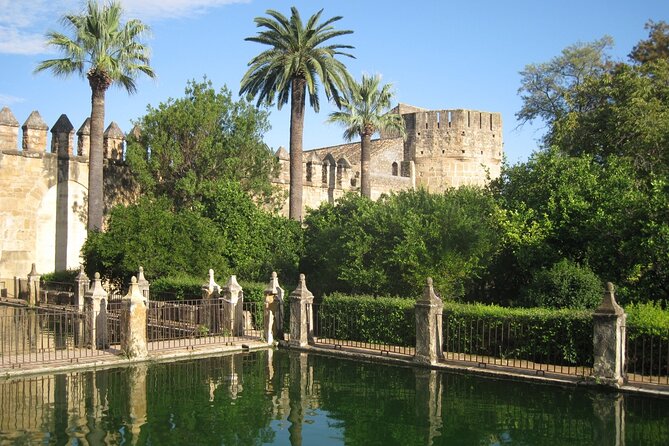
The group can include up to 30 people. You should expect standing and walking for the duration, even though the activity itself is short. Good walking shoes are a sensible choice, especially if you are combining this visit with other Córdoba sights later in the day.
The group size also affects photography. You may need to step aside briefly to take a picture without blocking the party, then catch up with the guide. That is manageable in the garden, but less convenient if the group pauses in a tight interior space.
Feedback connected with the operator has been uneven about audio equipment. Headsets have worked well on some monument visits, while other participants have found they could not hear clearly when the group grew. Do not assume that every part of this one-hour tour will use personal listening devices.
If you are short, hard of hearing, or simply want every explanation, walk near the front. That small choice can improve the experience more than any other tactic. A guide may be excellent, but a good explanation does not help if you are too far away to catch it.
Who will enjoy this Alcázar tour?
This experience suits you if you want a short, guided introduction to one of Córdoba’s major historic sites. It is a good fit for first-time visitors who prefer context over wandering alone, and for anyone with a tight schedule before or after other city sights.
It also works well for history-minded visitors who want the fortress placed within the Reconquista. You will get more from the visit if you are interested in how a building served royal, military, and ceremonial purposes.
The tour may be less suitable if your main aim is quiet photography or a slow garden visit. A group of up to 30, a fixed pace, and possible delays can limit that freedom. Independent admission may suit you better if you already know the site’s history and want to spend as long as you like with the fountains and planting.
Families can participate, as most people can join the activity. Still, the one-hour format requires the group to keep moving, and the setting is designed for looking and listening rather than hands-on entertainment.
Practical details that matter
The activity is offered in English, begins at 10:15 am, and ends back at the meeting point. Confirmation is provided when you book, and the location is near public transportation.
Food and drinks are not included. Since the visit lasts about an hour, this is not a major issue, but you should plan refreshments separately if you are building a longer morning around the Alcázar.
Free cancellation is available if you cancel at least 24 hours before the start time. Cancellations made less than 24 hours before the experience, along with late changes, are not eligible for a refund. The cut-off follows Córdoba’s local time.
Should you book it?
Book this tour if you want the Alcázar’s history explained in English, prefer a ticket and guide in one purchase, and like the idea of finishing with Córdoba’s beautiful gardens. At $26.49, it offers fair value when the guide is clear and the group stays organized.
I would skip it if you want a small, quiet group or a long, unhurried garden visit. The one-hour schedule and possible group-management problems are real considerations. Arrive early, stay close to the guide, wear comfortable shoes, and treat the gardens as the part where you should make time to pause.
FAQ
Where does the Alcázar tour start?
It starts at Avenida del Alcázar, Av. del Alcázar, Centro, 14004 Córdoba, Spain.
What time does the tour begin?
The scheduled start time is 10:15 am.
How long does the experience last?
The visit lasts approximately one hour.
Is admission to the Alcázar included?
Yes. A ticket to the Alcázar of Córdoba is included in the price.
Is the tour offered in English?
Yes. The experience is offered in English with a local guide.
What is the cancellation policy?
You can cancel for a full refund up to 24 hours before the experience starts. Cancellations or changes made less than 24 hours before the start time are not accepted for a refund.
Just added around Spain
- Valencia Segway Tour Through Gardens & Nature★ 5.0 · 19 reviews
- Complet Segway Tour Medieval + Gardens★ 5.0 · 25 reviews
- Private E-Bike City Tour of Valencia’s History, Gardens★ 5.0 · 3 reviews
- Exclusive Alcazar with breakfast or afternoon coffee in gardens★ 5.0 · 3 reviews
- Learn Rumbas or Sevillanas in 90 minutes – Gift Flower★ 4.0 · 2 reviews
- Learn Flamenco in 90 minutes – Gift flower★ 5.0 · 23 reviews
- Malaga Shore Excursion:Skip-the-Line Alhambra, Generalife Gardens★ 4.0 · 21 reviews
- Jardines de Alfabia Tickets★ 4.5 · 10 reviews
Spain Garden Tours, compared.

Alhambra & Gardens Tour w/Nasrid Palaces Option
Read our review →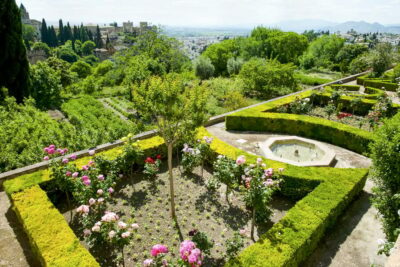
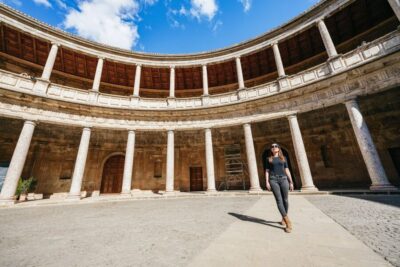
Alhambra Guided Tour with Nasrid Palaces & Gardens
Read our review →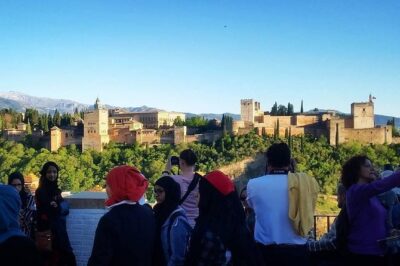
Alhambra &Charles Palace Guided Tour with Optional Nasrid Palaces
Read our review →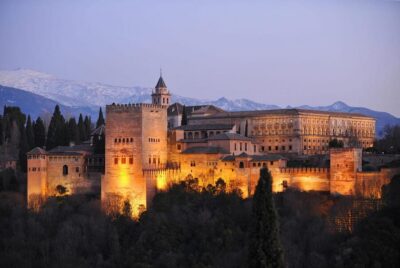
Alhambra and Generalife Garden Ticket & Guided Tour
Read our review →
Flamenco Show in Albayzín – Jardines de Zoraya
Read our review →
3-Hour Alhambra and Generalife Gardens Guided Tour
Read our review →Blanes: Marimurtra Botanical Garden Entry Ticket
Read our review →Browse the lists this tour appears in