
Review · SPAIN
MUCBO | Sóller Botanical Garden – Balearic Museum of Natural Sciences
The MUCBO combines Mallorca’s only botanical garden with its only natural science museum, giving you two different ways to understand the Balearic Islands. You can move from living island plants to fossils, geology, and present-day biodiversity in one compact visit.
I like the unusual mix of a living collection and scientific exhibits, and I like that the institution supports conservation, research, workshops, and environmental education. The main concern is upkeep: recent visits have found dry plants, fallen leaves, and overgrown areas, so the $10 admission may feel fair to a nature enthusiast but high if you expect a polished show garden.
Key points to know before you go
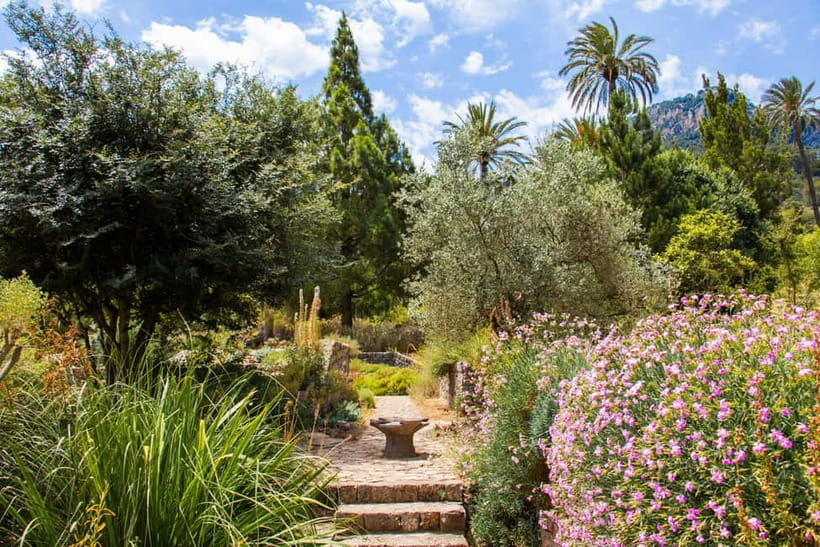
- Only botanical garden on Mallorca: The plant collection focuses on Balearic flora rather than a broad international display.
- Only natural science museum on the island: Permanent exhibits cover geology, paleontology, and current biodiversity.
- Two experiences in one admission: You get access to both the garden and the museum for $10 per person.
- Parking can be a serious issue: A June 2025 visit involved 45 minutes of searching before giving up, so public transport or arrival at opening time is the safer plan.
- Garden conditions may vary: Reports from June and September 2025 describe water stress, dead leaves, and limited plant variety.
- Useful for more than sightseeing: A herbarium, germplasm bank, workshops, lectures, and school programs support the institution’s conservation work.
What the MUCBO experience actually offers
MUCBO, short for the Sóller Botanical Garden Foundation and Balearic Museum of Natural Sciences, has worked for more than 30 years on the study and protection of Balearic nature. That background matters because this is not simply a garden arranged for pretty photographs.
You are visiting an institution with two linked purposes. The garden presents living plants, while the museum explains the natural systems and past environments that shaped the islands. The experience is best understood as a small natural history visit, not as a grand estate garden or a full-day guided excursion.
Your general admission covers both sections. No personal guide or named tour leader is included in the information provided, so plan to explore independently. Some content is presented in its original language, which may affect how much detail you can take from the displays.
The listed duration is one day, but that refers to the validity of your admission rather than a promised eight-hour program. You can use the ticket during its valid day, with the available starting times shown when you check the booking calendar.
More Botanical Garden Tours in Spain
- Blanes: Marimurtra Botanical Garden Entry Ticket
★ 4.7 · 998 reviews - Icod de los Vinos: Dragon Tree & Botanical Garden Ticket
★ 4.5 · 761 reviews - Las Palmas, Botanical Gardens and Bandama Volcano Tour
★ 4.1 · 113 reviews
Entering the Sóller Botanical Garden
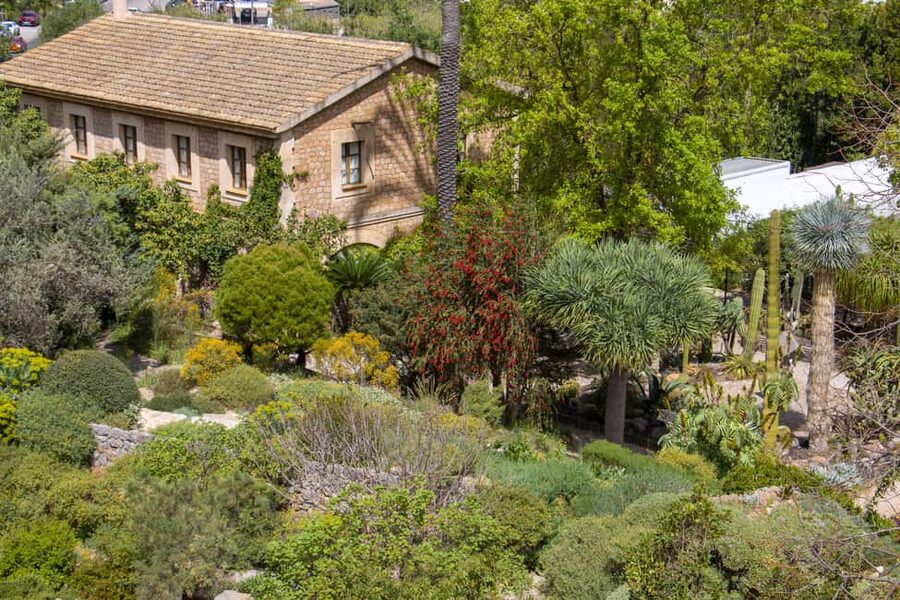
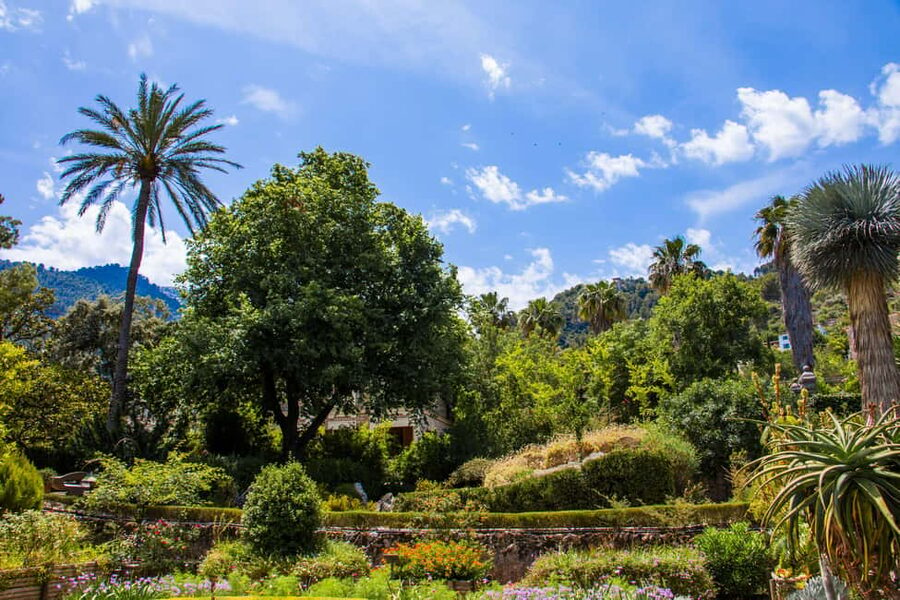
The garden is the most distinctive part of the visit because it focuses on plant life from the Balearic Islands. That gives you a more local point of view than a standard botanical garden filled mainly with plants from distant continents.
I like this focus in principle. The islands have their own plant communities, and a collection devoted to them can help you notice the difference between ordinary Mediterranean vegetation and species that are especially tied to the Balearics. You also get a better sense of why local conservation matters when plants are shown as living specimens rather than only described on a sign.
The garden includes a living plant exhibition, along with a herbarium and germplasm bank. Those behind-the-scenes scientific resources are important. A herbarium preserves dried plant specimens for study, while a germplasm bank helps protect plant material for future research and conservation. You may not see all of that work directly during a normal admission visit, but it gives the garden a purpose beyond display.
You should set your expectations carefully. Recent reports from June and September 2025 described many plants suffering from a lack of water, dead leaves on paths, untrimmed plant material, and weeds in some areas. One visit also described the garden as small, with limited plant variety. Conditions can change with weather, staffing, and season, but these are valid points to consider before paying the admission fee.
If you visit mainly to admire formal design, perfect borders, and carefully groomed paths, MUCBO may disappoint. If you care more about native plants, island ecology, and the work of maintaining a scientific collection, the garden’s purpose may matter more than its finish.
Geology and paleontology inside the museum
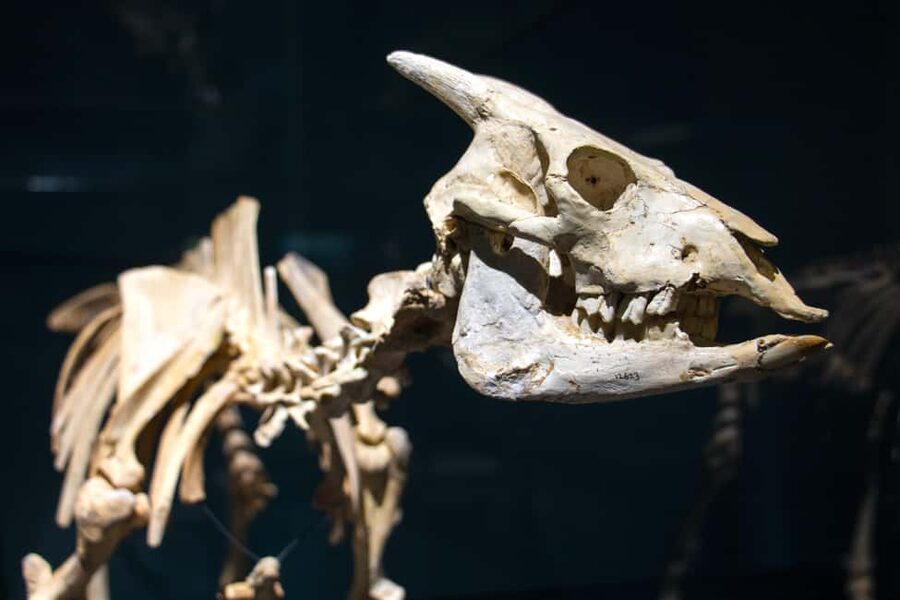
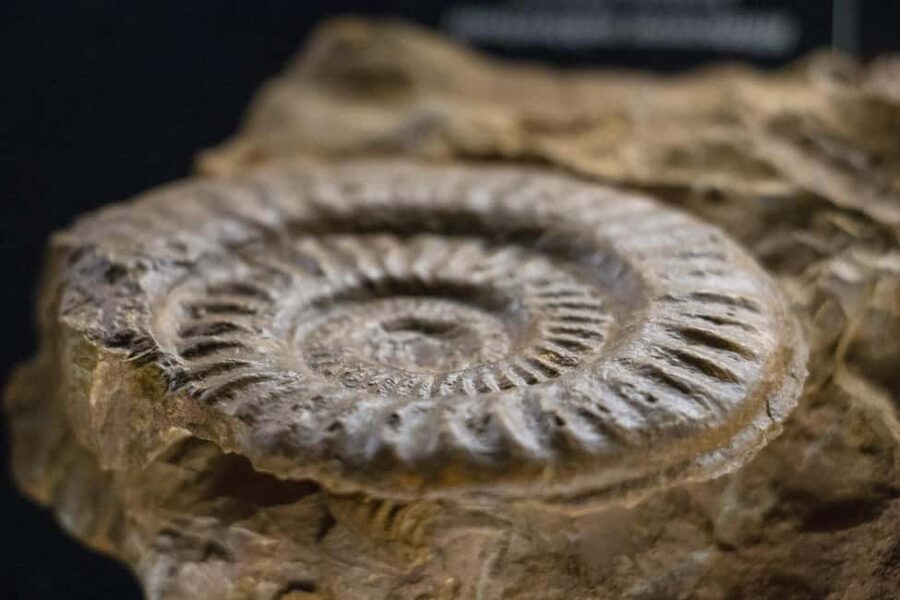
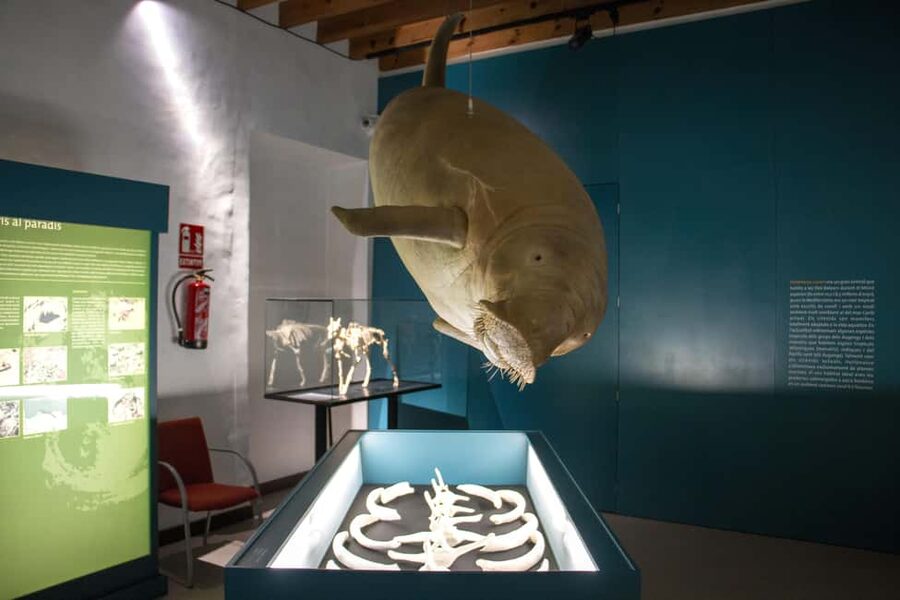
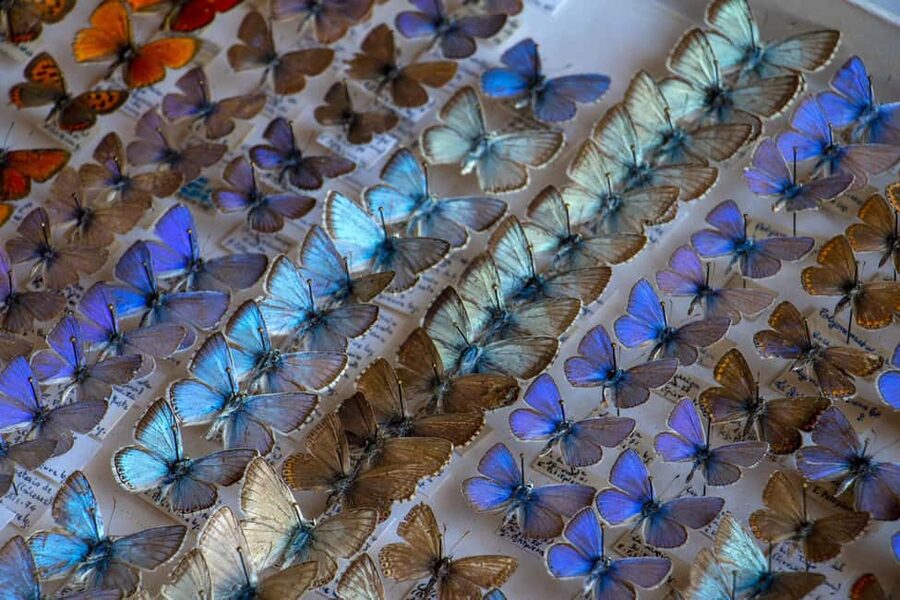
The Balearic Museum of Natural Sciences provides the indoor half of the experience. Its permanent displays cover geology, paleontology, and current biodiversity, giving you a basic account of the islands through rocks, fossils, and living species.
The geology section can help place Mallorca and the wider Balearics in physical context. Rather than seeing the islands only as a holiday setting, you can consider the materials and processes that created them. The paleontology displays add a sense of time, showing that the natural story here began long before modern plants, towns, and roads.
The biodiversity section brings the subject back to the present. It connects the museum to the living collection outside and to the institution’s conservation work. I find this pairing useful because it links what you see in a case with what you see growing in the garden.
The museum is also a sensible part of the visit during hot weather or if the outdoor section is not at its best. It provides a change of pace and can make the $10 ticket feel more worthwhile. Still, the available information does not describe the number of exhibits, the size of the galleries, or whether every display has translations. Some material is shown in its original language, so visitors who rely on English explanations should allow for that limitation.
Why the conservation work matters
MUCBO’s broader role includes research, conservation, public education, workshops, conferences, and school visits. That makes the institution valuable even when the garden itself is uneven.
The herbarium and germplasm bank are especially relevant in an island setting. Plant species on islands can face pressure from development, drought, introduced species, and changing conditions. A collection that documents plants and preserves plant material can support future study and protection.
That scientific role also explains why the garden may feel less like a leisure park. The purpose is not only to create neat beds for visitors. It is also to maintain a working collection and communicate information about Balearic nature.
This does not excuse poor maintenance. Water stress and neglected paths affect the experience and the health of the collection. But it does help you judge the site by the right standard. You are paying for access to a small scientific institution as well as a public garden, not for a perfectly polished ornamental display.
Same place, a different kind of green day out:
- Granada: Alhambra & Gardens Tour w/Nasrid Palaces Option
★ 4.2 · 7,022 reviews - Granada: Alhambra Gardens and Generalife Ticket
★ 4.4 · 2,195 reviews - Granada: Alhambra Guided Tour with Nasrid Palaces & Gardens
★ 4.7 · 2,190 reviews - Alhambra &Charles Palace Guided Tour with Optional Nasrid Palaces
★ 4.5 · 2,149 reviews
How much time should you allow?
The ticket is valid for one day, but no fixed visit length is provided. I would treat it as a flexible stop rather than automatically planning a full day around it.
The museum and garden are the two main sections, and you can decide how much time to spend in each. A visitor interested in botany, geology, fossils, or conservation may find enough material for a careful visit. Someone looking for a large garden with many separate areas could finish sooner, especially if the collection appears dry or poorly maintained.
Do not confuse the one-day validity with a guided program that fills the whole day. There is no guide name, group size, scheduled lecture, or included workshop given for this admission. Workshops and conferences are part of MUCBO’s wider work, but they should not be assumed to be part of your ticket.
Getting there and dealing with parking
Parking deserves more attention than it usually gets in a museum review. A September 2025 visit involved 45 minutes of circling before the visitor abandoned the attempt because cars kept arriving.
My practical advice is simple: avoid arriving in the middle of the day by car. Use public transport if that suits your plans, or arrive at opening time. The information provided does not specify a dedicated parking area, parking capacity, or exact public transport route, so check your route before setting out rather than relying on luck.
This matters because a $10 admission becomes poor value if you spend nearly an hour searching for a place to leave the car and then miss the part of Sóller you wanted to see. Build in extra time if you are driving, and do not assume that a short visit will be easy to fit between other appointments.
The experience is listed as wheelchair accessible. That is useful, though the information does not give detailed notes about slopes, surfaces, restrooms, or which parts of the garden are easiest to reach. If you need precise access details, contact the institution before booking.
Is $10 a fair price?
At $10 per person, MUCBO is not an expensive attraction by major museum standards. The ticket covers both the botanical garden and the science museum, which gives you two related subjects for one price.
I think the value depends heavily on your interests and on the condition of the garden on the day you visit. For a plant lover, geology fan, family interested in island nature, or student of the Balearics, the combination can make sense. The museum, living collection, herbarium, and conservation purpose give the admission substance.
For a casual visitor expecting a large, lush, carefully groomed garden, the calculation is less favorable. Reports from 2025 describe limited variety and maintenance problems, including dry plants, dead foliage, and weeds. Those issues can make the ticket feel too expensive, particularly if you spend only a short time there.
The safest way to judge the price is to think of it as admission to a small research and education center with a public garden, not simply a garden entrance. That distinction will help you decide if the visit matches your interests.
Who will enjoy MUCBO most?
I would recommend MUCBO most strongly to people who enjoy local natural history, not just attractive planting displays.
It is a good fit if you want to:
- Learn about Balearic geology, fossils, and biodiversity in one place.
- See a plant collection focused on the islands.
- Support an institution involved in conservation and environmental education.
- Add a quiet science stop to a day in Sóller.
- Give children or students a basic introduction to island ecology.
- Visit a site where the garden and museum explain each other.
I would be more cautious if your main goal is a large botanical garden, rare ornamental plants from around the world, or immaculate grounds. The collection has been described as small, and recent conditions have not always matched that expectation.
The experience also suits independent visitors better than people looking for a hosted tour. You should not expect a named guide, a group itinerary, or a detailed live presentation as part of general admission.
Simple ways to make the visit better
Start early if you need to drive. The parking problem reported in 2025 is enough reason not to gamble on a midday arrival.
Allow time for both sections instead of walking straight through the garden and leaving. The museum’s geology and paleontology displays may be the part that gives the visit more depth, especially if the plants look stressed during a dry spell.
Bring realistic expectations about presentation. Look for the scientific purpose behind the collection, and remember that the garden may have a working-institution feel rather than a resort-garden finish.
If some information is presented only in its original language, give yourself time to study the objects and displays directly. The experience does not depend only on reading every panel, but language can affect how much detail you take away.
Finally, check the available starting time and the day’s conditions before you commit. Free cancellation up to 24 hours before the visit and the reserve-now, pay-later option provide useful flexibility, especially if your Sóller plans may change.
Should you book the Sóller Botanical Garden and Museum?
Book it if you want a focused look at Balearic plants, fossils, geology, and biodiversity, and if you value conservation work as much as visual polish. The $10 ticket is reasonable when you use both the museum and garden, arrive at a sensible time, and see the visit as a scientific and educational stop.
Skip it if you are seeking a grand garden, a wide range of ornamental species, or guaranteed immaculate grounds. The recent reports of dryness, weeds, fallen leaves, and difficult parking are too specific to ignore.
My call: book with measured expectations, preferably on a day when you can arrive early and avoid driving at midday. MUCBO offers something genuinely unusual on Mallorca, but its value depends on your interest in island nature and on how well the garden is being maintained when you arrive.
FAQ
What does the $10 admission include?
The $10 general admission includes entry to both the Sóller Botanical Garden and the Balearic Museum of Natural Sciences.
How long is the ticket valid?
The admission is valid for one day. Available starting times are shown when you check the booking calendar.
Is the experience a full-day tour?
The ticket is valid for one day, but no fixed full-day itinerary is provided. You explore the botanical garden and museum at your own pace.
Is the site wheelchair accessible?
Yes, the experience is listed as wheelchair accessible. Detailed information about specific paths, surfaces, and facilities is not provided.
Can I cancel my booking?
Yes. You can cancel up to 24 hours in advance for a full refund.
Can I reserve now and pay later?
Yes. The booking option allows you to reserve your place and pay later, so you do not need to pay at the time of booking.
More Museums in Spain
- Barcelona: Nightmare Horror Museum Maze Entry Ticket
★ 4.5 · 179 reviews - Lanzarote Tour: Lagomar Museum, Cactus Garden & La Graciosa
★ 4.5 · 18 reviews - Vienna: Skip-the-Line Sisi Museum, Hofburg and Gardens Tour
★ 4.8 · 5,918 reviews - Marrakech: Majorelle Garden, YSL, and Berber Museum Entry
★ 4.6 · 5,168 reviews
Just added around Spain
- Valencia Segway Tour Through Gardens & Nature★ 5.0 · 19 reviews
- Complet Segway Tour Medieval + Gardens★ 5.0 · 25 reviews
- Private E-Bike City Tour of Valencia’s History, Gardens★ 5.0 · 3 reviews
- Exclusive Alcazar with breakfast or afternoon coffee in gardens★ 5.0 · 3 reviews
- Learn Rumbas or Sevillanas in 90 minutes – Gift Flower★ 4.0 · 2 reviews
- Learn Flamenco in 90 minutes – Gift flower★ 5.0 · 23 reviews
- Malaga Shore Excursion:Skip-the-Line Alhambra, Generalife Gardens★ 4.0 · 21 reviews
- Jardines de Alfabia Tickets★ 4.5 · 10 reviews
Spain Garden Tours, compared.

Alhambra & Gardens Tour w/Nasrid Palaces Option
Read our review →

Alhambra Guided Tour with Nasrid Palaces & Gardens
Read our review →
Alhambra &Charles Palace Guided Tour with Optional Nasrid Palaces
Read our review →
Alhambra and Generalife Garden Ticket & Guided Tour
Read our review →
Flamenco Show in Albayzín – Jardines de Zoraya
Read our review →
3-Hour Alhambra and Generalife Gardens Guided Tour
Read our review →Blanes: Marimurtra Botanical Garden Entry Ticket
Read our review →Browse the lists this tour appears in