
Review · OSAKA
Osaka: Daytime Hanami (Cherry Blossom) and Food Tour
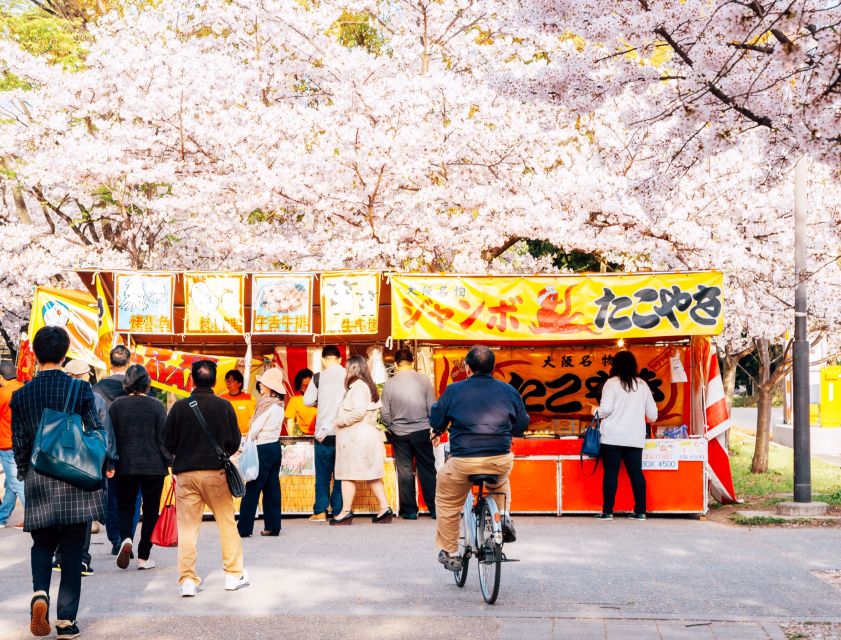
Osaka’s Karahori district gives this three-hour hanami tour its appeal. Instead of spending the whole outing in a famous park, you walk old backstreets, stop for seasonal food, and finish at a quieter place where shrines and cherry trees share the scene. I like the local scale of it, and I like that the food is part of the sightseeing rather than an afterthought. The catch is simple: cherry blossoms are weather-dependent, and one published experience had only a few sakura and ume blossoms when the trees did not cooperate.
I also like the small group size, limited to 10 people, and the chance to adjust the pace with a guide such as Miki or Sanae. Rain need not ruin the day if your guide can adapt, but you should wear good walking shoes and come ready for a seasonal experience that cannot guarantee peak bloom.
Key points to know before booking
- Karahori’s old Osaka setting: Walk through narrow lanes, traditional wooden houses, and artisan shops near Matsuyamachi.
- Food across several stops: Expect local snacks, seasonal street food, drinks, and a meal or dishes at more than one location.
- A quiet hanami finish: The tour ends at a secluded spot where you can sit, eat, and enjoy cherry trees near shrines.
- Guides shape the experience: Miki and Sanae are praised for friendly hosting, local food tips, clear English, and flexibility.
- Peak bloom is not guaranteed: The tour runs for a short seasonal window, but weather and blossom timing can change the picture.
- Simple meeting point: Start outside Masumuraningyoten Sueyoshibashiten at Matsuyamachi Station, Exit 2.
Why Karahori makes a good hanami base
Karahori is a useful change of pace from Osaka’s large sightseeing zones. The district is known for maze-like backstreets, wooden homes, small shops, and old neighborhood details that are easy to miss when you move around the city by train.
That setting matters because this is not only a cherry blossom viewing trip. You are also seeing a part of Osaka where daily life remains close to the street. The route near Matsuyamachi gives your guide room to explain food customs, local shops, and the character of old Osaka while you walk from one stop to the next.
I like this arrangement for visitors who want more than a photograph under a tree. You get a short walk through the neighborhood, something to eat, and time to pause at the final hanami spot. The result should feel less like a park visit and more like a small local outing built around the spring season.
The district is also practical for a compact tour. You do not spend much of your three hours crossing the city. That leaves more time for food, conversation, and blossom viewing.
More Cherry Blossom Tours in Japan
- Mt. Fuji, Cherry Blossom & Shiba Sakura Pvt. Day Tour
★ 5.0 · 326 reviews - Nagano: 1-Day Snow Monkey & Cherry Blossom Tour in Spring
★ 4.8 · 51 reviews - Mt. Fuji & Hakone Cherry Blossom private One Day Tour
★ 4.5 · 35 reviews
Starting outside Matsuyamachi Station
Your meeting point is directly outside the doll shop Masumuraningyoten Sueyoshibashiten, at 2-8 Matsuyamachi, Chuo Ward, Osaka. The easiest route is the Osaka Metro Nagahori Tsurumi Ryokuchi Line to Matsuyamachi Station, followed by Exit 2.
I would allow enough time to find the shop before the scheduled start. A station meeting point is convenient, but the nearby streets can look similar, and you do not want to begin a small-group tour by rushing through the neighborhood.
The tour returns to the same meeting point. That makes it easy to continue into central Osaka afterward, and you will not need to arrange a second pickup location. Hotel pickup is not included, and transportation costs are your responsibility.
Because the route includes walking on neighborhood streets and time standing at food stops, comfortable shoes are important. This tour is not suitable for wheelchair users.
Walking old Osaka’s narrow streets
The walk through Karahori is the part that gives the outing its sense of place. You move through backstreets lined with traditional wooden houses and artisan shops, with the guide pointing out details that might otherwise pass unnoticed.
Do not expect a major landmark at every turn. The pleasure comes from the smaller sights: an old facade, a compact shop, a quiet lane, or a business that has continued through several generations. Your guide can connect these details to the food stops, so the neighborhood becomes part of the meal rather than simply a route between restaurants.
The pace should suit people who like to stop and look. The tour is limited to 10 participants, which gives the guide a better chance to answer questions and keep the group together in narrow lanes. It also makes the experience more personal than a large bus-style city tour.
The walking is not described as strenuous, but three hours on your feet can still feel long if you wear poor shoes. Bring footwear that handles pavement comfortably, especially if you are visiting during damp spring weather.
Seasonal street food and local drinks
Food is central to the experience. You stop at several places for local snacks and seasonal specialties inspired by cherry blossoms. Tea, sake, beer, or other beverages are included, along with a variety of dishes at multiple food stops.
The exact menu can change, which is normal for a cherry blossom tour. Seasonal street stalls do not always offer the same items every day, and blossom-inspired food is tied to a short spring window. You should see this as part of the appeal, but not book it expecting a fixed restaurant menu.
This is also where the guide can make a difference. Miki is praised for sharing food spots used by local people and for tailoring the outing to the group. That kind of advice is useful beyond the three-hour tour because it can point you toward foods and small businesses you might not find on your own.
Some food is described in broad terms rather than by name, so the activity is better suited to curious eaters than to someone who wants a carefully listed tasting menu. If you have allergies or strict dietary needs, ask about them before booking. The supplied details do not promise a specific dietary program.
Extra food and drinks are not included, though you can buy more at your own expense. This is helpful if you find a favorite snack, but plan for that possibility when setting your budget.
Same place, a different kind of green day out:
- Osaka: teamLab Botanical Garden Entry Ticket
★ 4.5 · 1,710 reviews - Imperial Palace East Garden and Edo Castle Walking Tour in Tokyo
★ 5.0 · 510 reviews - Mt. Fuji Day Trip from Tokyo with English Speaking Driver Guide
★ 5.0 · 443 reviews - Kyoto Zen Meditation & Garden Tour at a Zen Temple with Lunch
★ 5.0 · 441 reviews
Tea, sake, and a traditional food stop
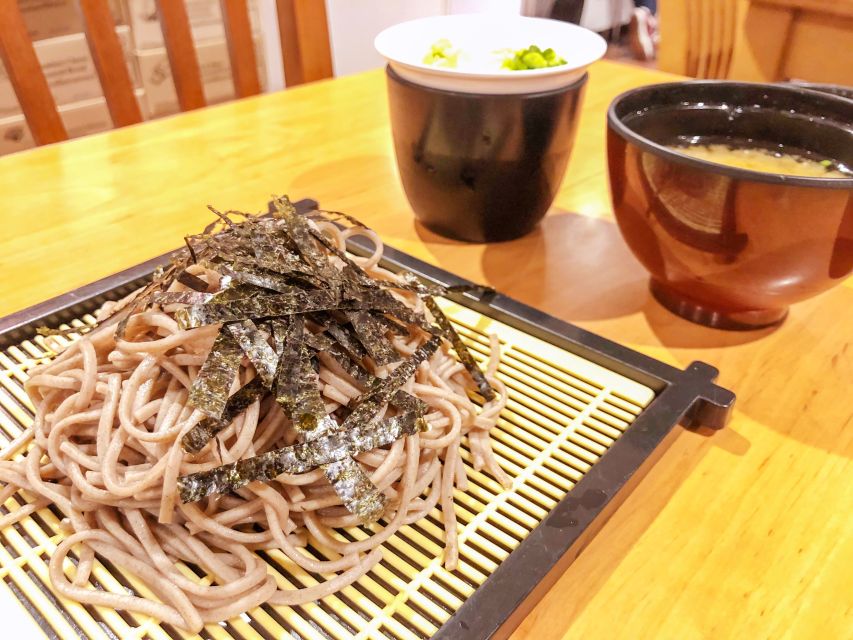
One of the strongest parts of the experience is the mix of casual stalls and more traditional food settings. A published account describes a superb meal in a traditional bar or restaurant, along with a tea ceremony that felt especially memorable.
That combination gives the tour range. Street snacks show you the easygoing side of Osaka eating, while a sit-down stop offers a calmer setting and a clearer look at local hospitality. The tea ceremony adds a cultural pause, giving you something to observe as well as something to consume.
The exact sequence may vary by date and guide, so you should not assume every tour includes an identical meal or ceremony format. Still, these elements show why the tour is priced above a basic food walk. You are paying for several food stops, beverages, a guide, and a seasonal route rather than only a list of tastings.
A visit to a seaweed shop is another detail that adds character. It may sound modest, but specialty food shops often explain local eating better than a generic market stop. With a guide present, you can learn why an ordinary pantry item matters in Japanese cooking and perhaps choose something practical to take home.
The final cherry-tree stop
The tour ends at a secluded spot where shrines and cherry trees come together. Here, you sit, snack, and enjoy the hanami custom at a slower pace.
This ending is important. Many blossom outings are built around taking a quick photograph before moving on. Here, the stated plan gives you time to stay put and appreciate the season. You are encouraged to treat hanami as a social pause, not just a search for the fullest row of trees.
You should keep your expectations realistic. The tour is scheduled around the heart of sakura season, but no operator can control wind, rain, or the annual bloom calendar. One outing had poor conditions and only a few sakura and ume blossoms. The guide still found suitable trees and adjusted the plan, but the scene did not match the ideal image of a city covered in flowers.
That is the main risk with this experience. If your priority is a guaranteed wall of peak-bloom cherry trees, a large famous park may be a safer choice, though it will likely be busier. If you care about the walk, food, and local setting as much as the blossoms, the risk is easier to accept.
How guides Miki and Sanae shape the day
The guide is more than someone who leads you from one address to the next. Miki is praised for sharing local food knowledge and for adjusting the outing when rain and poor bloom conditions affected the plan.
Sanae is also singled out for her warm company, strong English, and wide understanding of Osaka’s older neighborhoods and food traditions. Her route included a traditional meal, a tea ceremony, a seaweed shop, and a beautiful final blossom stop.
These details suggest that the quality of your day depends partly on the person leading it. That is common with a small-group food tour. A flexible guide can turn a wet afternoon into a pleasant walk, while a rigid plan would feel disappointing if the trees are late or the weather turns bad.
The small group limit of 10 helps here. You can ask questions without holding up a large crowd, and the guide can respond to food preferences or the general mood of the group. It also means availability may be limited during the short sakura season, so early planning is sensible if your dates are fixed.
Is $161 a fair price?
At $161 per person, this is not a cheap snack walk. The price makes more sense when you count what is included: three hours, an English-speaking guide, several food stops, seasonal street snacks, a range of dishes, and tea, sake, beer, or another beverage.
You are also paying for access to a planned seasonal route in an area that can be hard to read on your own. The guide saves you the work of finding suitable shops and a quiet blossom location during a very busy time of year.
Still, value depends on your priorities. If you mainly want to see cherry trees and take photographs, you can visit public viewing areas for far less. If you want food, neighborhood context, and a guided hanami pause in one outing, the price is easier to justify.
Extra drinks and food cost more, and transportation is not included. Tips are also not included. Keep those items in mind before you book, especially if you tend to linger at food stalls.
The reserve-now-and-pay-later option gives you some planning flexibility, and free cancellation is available up to 24 hours before the activity for a full refund. The short cancellation window matters during blossom season, when weather forecasts can change quickly.
Who will enjoy this tour most
I would recommend this experience to you if you like small-group walks, local food, and neighborhood details more than a checklist of major sights. It suits first-time visitors who want a gentle introduction to Osaka’s food culture, as well as repeat visitors looking for a different side of the city.
It is especially good for:
- People visiting during the short sakura season
- Couples and friends who enjoy tasting several kinds of food
- Visitors who prefer a small group to a large guided crowd
- Anyone interested in old homes, local shops, and traditional food businesses
- People who want a guide who can adjust the route for weather and bloom conditions
It may not suit you if you need wheelchair access, dislike walking, or want a guaranteed peak-bloom setting. It is also not the right choice if you prefer to choose every dish yourself or avoid uncertain seasonal menus.
Practical advice for making the most of it
Wear comfortable shoes and bring enough room in your schedule to arrive at Matsuyamachi Station before the start time. Exit 2 is the simplest station exit, and the full address can be pasted into Google Maps if you prefer walking directions.
Do not judge the experience only by the number of flowers you see. Spring weather can shift, and blossom timing is never exact. Pay attention to the food stops, the old streets, and the way the guide changes the plan when conditions are poor.
If you are hoping for a tea ceremony or a particular dish, ask about the current route when booking. The experience includes a variety of foods and drinks, but seasonal offerings and stop order can change.
The outing ends where it begins, so you can easily continue exploring Osaka afterward. You might use the afternoon for nearby shopping, another meal, or a return to a shop that caught your eye during the walk.
Should you book the Karahori hanami food tour?
Book it if you want a complete spring outing, not just a cherry blossom photograph. The combination of Karahori’s old streets, seasonal snacks, local drinks, a possible tea ceremony, and a quiet final viewing spot gives you a fuller picture of Osaka during hanami.
Skip it if peak bloom is your only goal. The flowers may be sparse, late, or weather-beaten, and the $161 price is hard to defend for blossom viewing alone.
For most food-minded visitors, the best reason to book is the balance of eating and walking. Guides such as Miki and Sanae can make the route personal, and the small group leaves room for questions and changes. Just treat the cherry trees as a seasonal bonus rather than a promise.
FAQ
Where does the Osaka hanami food tour begin?
It begins outside the doll shop Masumuraningyoten Sueyoshibashiten at 2-8 Matsuyamachi, Chuo Ward, Osaka. The nearest station is Matsuyamachi Station on the Osaka Metro Nagahori Tsurumi Ryokuchi Line. Use Exit 2.
How long does the tour last?
The tour lasts three hours. Available starting times depend on the date you select.
What food and drinks are included?
The experience includes local snacks from seasonal street food stalls, dishes at multiple food stops, and tea, sake, beer, or other beverages. Additional food and drinks can be purchased at your own expense.
Does the tour guarantee peak cherry blossoms?
No. The activity is planned for the main sakura season, but bloom timing and weather can vary. The final blossom stop may have fewer flowers than expected.
Is the tour suitable for wheelchair users?
No. The tour is not suitable for wheelchair users. Comfortable shoes are recommended because the experience includes walking.
What is the cancellation policy?
You can cancel up to 24 hours in advance for a full refund. The tour also offers a reserve-now-and-pay-later option.
More Food in Japan
- Osaka Spring Daytime (Cherry Blossom) Food Tour
★ 5.0 · 2 reviews - Balinese Vegan Cooking Class with Fresh Harvesting & Garden Tour
★ 5.0 · 86 reviews - Sorrento: Walking Tour in Lemon Garden w/ Food Tasting
★ 4.8 · 72 reviews - Bangkok Street Food and Night Lights by Tuk Tuk
★ 4.6 · 49 reviews
More Food & Drink in Japan
- Tsukiji Food Strolling and Hama Rikyu Garden Walking Tour
★ 5.0 · 7 reviews - Tokyo Spring Daytime (Cherry Blossom) Food Tour
★ 5.0 · 6 reviews - Cherry blossom & Japanese Sake Tasting in Shinjuku
★ 5.0 · 4 reviews - Kyoto Spring Evening (Cherry Blossom) Food Tour
★ 3.0 · 4 reviews
Just added around Japan
- Tsumami Zaiku Japanese Fabric Flower Class★ 5.0 · 3 reviews
- Tokyo: Serene Sakura & Sake: An Exclusive Brewery Pairing Lunch★ 5.0 · 2 reviews
- Tsukiji Food Strolling and Hama Rikyu Garden Walking Tour★ 5.0 · 7 reviews
- Private tour – Scenic Fuji Escape: Hakone, Peace Park & More★ 5.0 · 4 reviews
- Tokyo Cherry Blossom Half Day Walking Tour with a Local Guide★ 3.5 · 4 reviews
- TOKYO: Tailored Gardens tour with Pro Gardener by E-bike -BASIC★ 5.0 · 2 reviews
- Cherry Blossom Highlights, Asakusa, Ueno, Imperial Palace Garden★ 4.5 · 4 reviews
- Japan’s Customs of Ikebana Art, Tea Ceremony & Kimono Welcome★ 5.0 · 2 reviews
Osaka Garden Tours, compared.
Private Car Full Day Tour of Osaka Temples, Gardens and Kofun Tombs
Read our review →
Private Car Day Trip to the Kobe Mountains, Gardens and Hot Springs from Osaka
Read our review →
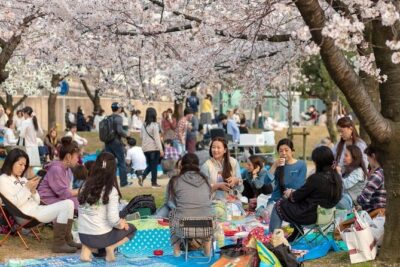
Osaka Private Cherry Blossom Tour with a Local – Picnic Included
Read our review →
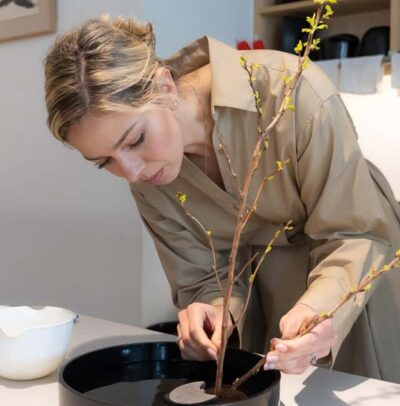
Traditional Japanese Ikebana Flower Art Experience
Read our review →
Cherry Blossom Buddha and Mt.Yoshino with Strawberry Picking Tour
Read our review →
Browse the lists this tour appears in