
Review · TOKYO
Tsumami Zaiku Japanese Fabric Flower Class
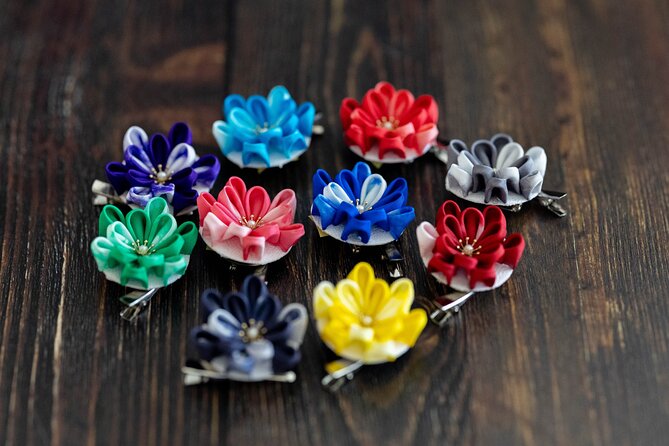
The special part of this tsumami zaiku class is that you make the colored material yourself. You are not simply handed prepared fabric. You choose a color, try speckled and dip-dyeing methods, then turn your silk into a flower-shaped brooch based on a traditional Japanese hair ornament.
I like the small maximum of four participants and the calm, patient pace. I also like that the workshop combines silk dyeing, fabric pinching, gluing, and washi paper work in about two hours. The main drawback is the price: at $105.68 per person, it costs more than a simple craft class, and the short session gives you an introduction rather than full mastery.
Key points to know before booking
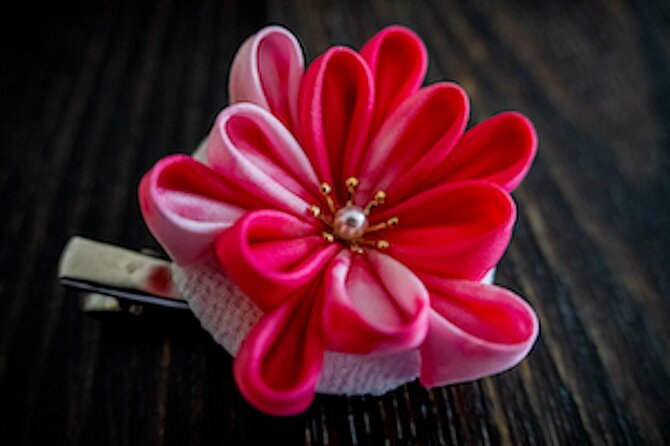
- You dye your own silk first: Choose one color and use both speckled dyeing and dip-dyeing techniques.
- The finished piece is a flower brooch: The design comes from tsumami zaiku, a craft once used for kanzashi hair ornaments.
- The class takes about two hours: It offers a real hands-on process without taking up a full afternoon.
- The group is limited to four people: You should have direct access to the professional instructor.
- A washi paper activity is included: You also fold and dye Japanese paper during the workshop.
- The meeting point is central Nihonbashi: The class begins at somenova at 1:00 pm and finishes there.
Making a flower from cloth in Nihonbashi
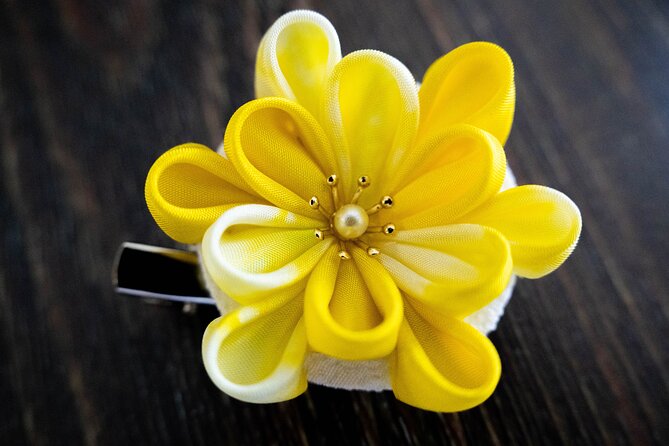
Tsumami zaiku is built from a simple idea: small squares of fabric are folded, pinched, and joined to form petals. The technique dates to the Edo period and was traditionally used to make kanzashi, the decorative hair ornaments worn with Japanese hairstyles.
That background matters because the finished brooch is more than a generic souvenir. Its shape comes from a recognized Japanese craft, and you follow a process connected to the work of traditional makers. You still complete the project in a short class, so this is an introduction rather than a professional apprenticeship.
The workshop takes place at somenova, a dyeing experience space in Nihonbashi. The location is near public transportation, which makes it practical to fit into a Tokyo sightseeing day. You meet at 1:00 pm, and the activity ends back at the same place.
I like this setup for visitors who want a break from museums and temples but still want something tied to Japanese culture. The class gives you an object to take home, but the process is the real point. You see how color and careful handwork change plain cloth into a decorative flower.
A few more garden visits around Tokyo worth a look
- Japanese flower arranging (Ikebana) Experience/Workshop in Tokyo
★ 5.0 · 52 reviews - Japanese Fan Painting Workshop ~ in a Tokyo Flower Shop
★ 5.0 · 9 reviews - Tokyo: Ikebana Workshop at Ginza
★ 5.0 · 2 reviews
Choosing a color and dyeing the silk
The first stage is dyeing. You choose one color, then try two methods: speckled dyeing and dip-dyeing.
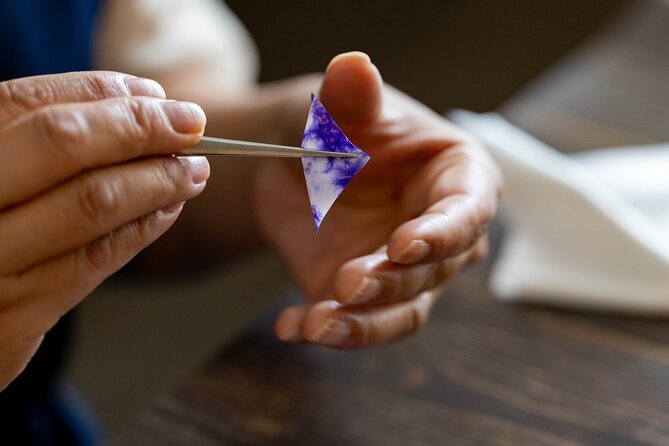
Speckled dyeing gives the fabric a marked, irregular look. Dip-dyeing creates a different effect by placing the cloth into the color. Since you perform both methods yourself, you can see how the same basic material changes depending on how the dye is applied.
The dyes come from a dye store with more than 100 years of history. That detail adds weight to the class, but the useful part for you is practical: you are working with materials linked to a long-running Japanese dye tradition rather than using an entirely generic craft kit.
Do not expect a large textile project. The workshop focuses on small pieces of silk that will become flower petals. This makes the work manageable, especially if you have never tried fabric dyeing. It also means the class can cover several steps in two hours without turning into a rushed full-day course.
The choice of one color keeps the activity focused. You will not be designing a large palette, but you do get to make a personal decision before the instructor shows you how to handle the fabric. The final look will depend partly on your dyeing technique, so two people working with the same color may still produce different results.
Pinching silk into a tsumami zaiku flower
After dyeing, you separate the silk into small pieces. This is where the class shifts from color work to construction.
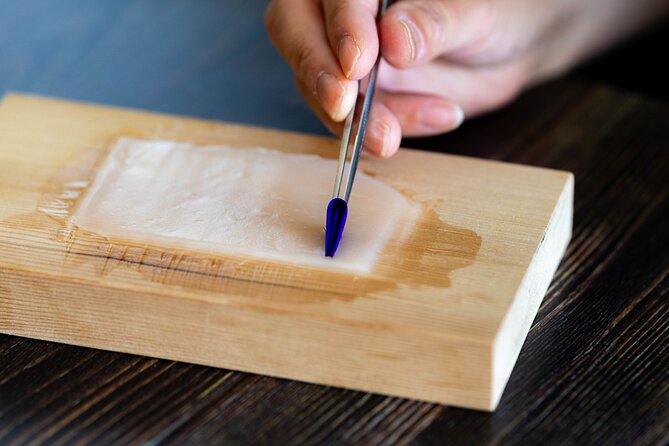
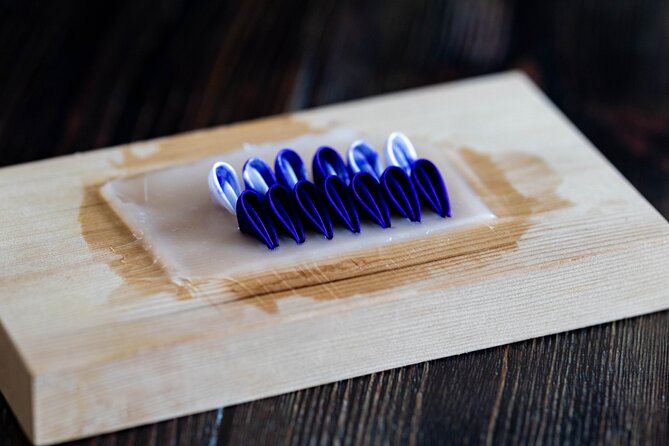
You pinch and fold each piece, then glue the sections together to form petals. The technique requires care more than strength. Small changes in the fold can affect the shape of the finished flower, which is why professional guidance is useful here.
The class is designed so that beginners can take part. You do not need to arrive with sewing or craft skills, and the activity does not require you to spend hours learning a large set of patterns. Instead, you learn the basic hand movements and use them to make one finished decorative piece.
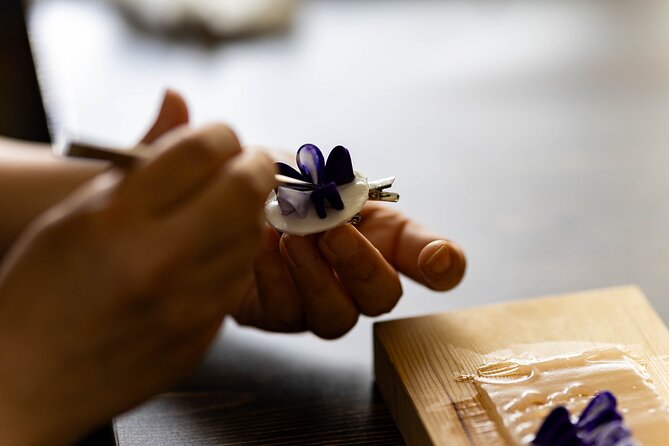
The result is a flower-shaped brooch. Tsumami zaiku was originally associated with kanzashi, so the brooch adapts an old hair ornament tradition into something easier to wear or display today. It is a practical choice if you want a souvenir that is small, light, and made by your own hands.
I especially like this stage because it lets you see the link between process and design. The flower does not appear all at once. It takes shape through repeated small actions: fold, pinch, glue, and arrange. That steady rhythm is part of the appeal.
A short washi paper activity adds variety
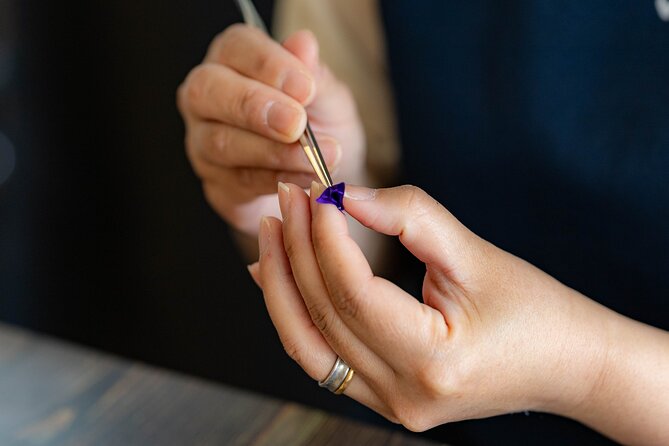
The workshop also includes folding and dyeing Japanese washi paper. This gives you a second material to work with and breaks up the silk portion of the class.
Washi is Japanese paper made for many traditional uses, and here you get to handle it as a craft material rather than only seeing it in finished objects. The activity is not described as a separate long project, so you should think of it as an additional creative exercise within the main workshop.
That variety is helpful. If you are less interested in repeating the fabric-folding steps, the paper portion gives you a change of pace. It also makes the class suitable for couples, friends, or family members with different levels of interest in textile work.
At the same time, you should keep your expectations in check. The class is only about two hours, and the central project remains the silk flower brooch. The washi activity adds texture and context, but it does not turn the experience into two full workshops.
Same place, a different kind of green day out:
- Imperial Palace East Garden and Edo Castle Walking Tour in Tokyo
★ 5.0 · 510 reviews - Mt. Fuji Day Trip from Tokyo with English Speaking Driver Guide
★ 5.0 · 443 reviews - Tokyo: Imperial Palace East Gardens Walking Tour
★ 4.8 · 353 reviews - Mt. Fuji, Cherry Blossom & Shiba Sakura Pvt. Day Tour
★ 5.0 · 326 reviews
Why the four-person limit matters
The maximum group size is four participants. That is one of the strongest practical features of this activity.
Small craft classes work best when you can see the instructor’s hands and ask for help during the delicate parts. Tsumami zaiku uses small pieces of cloth, and a minor folding mistake can change a petal’s shape. A four-person limit should make it easier to receive direct guidance than in a large tourist class.
The available information does not give the instructor’s name, so you cannot choose a particular teacher in advance. It does state that professional instruction is provided. The class is built around learning the same general process used by craftspeople, but in a shorter, beginner-friendly format.
A previous participant praised the gracious hosts, patient instruction, and relaxed pace. The useful lesson for you is that the class aims to teach without rushing. The same feedback also noted that the skills could be applied to future creative projects, which is a good sign if you want more than a one-time souvenir.
Still, patience does not mean the class will teach every tsumami zaiku technique. You will learn a workable introduction and complete a flower brooch. If you want advanced patterns, complex kanzashi construction, or a long technical course, this is not the right format.
Is $105.68 a fair price?
At $105.68 per person, this is not a bargain activity. You are paying for a small class, professional instruction, specialty materials, access to dyeing techniques, and a finished handmade object.
The price makes more sense if you value the guided process. A cheap craft session may give you prepared pieces and ask you to assemble them. Here, you dye the silk yourself and take part in the early stages that shape the final appearance. You also try two dyeing methods and work with washi paper.
The small group adds value, too. With only four places, the fee supports a more personal class instead of a factory-style activity. That matters most during the pinching and gluing stage, when individual help can make the difference between frustration and a flower you are happy to take home.
I would consider the cost reasonable for a visitor who wants a focused cultural activity and a personal souvenir. I would hesitate if you mainly want a low-cost way to pass an hour or if you have little interest in making things with your hands.
The booking pattern also gives you a practical clue. This activity is booked about 56 days ahead on average, so you should not assume you can leave it until the last moment, especially if your Tokyo dates are fixed. Confirmation arrives within 48 hours of booking, subject to availability.
Timing, meeting point, and what the afternoon feels like
The start time is 1:00 pm, and the class lasts about two hours. That timing leaves room for a morning visit elsewhere in Tokyo and an evening meal afterward.
You meet at somenova, listed at 14-7 Nihonbashikobunacho, 5F, Chuo City, Tokyo 103-0024. The activity returns to the same meeting point, so you do not need to arrange a separate end location.
Because the class involves dye, fabric, glue, and paper, plan to give yourself enough time to arrive without a last-minute rush. The available details do not specify clothing rules, drying time, or the exact layout of the space, so you should follow any instructions given after booking.
A mobile ticket is included, which is handy for a phone-based Tokyo itinerary. Service animals are allowed, and the activity is near public transportation. Most people can participate, but the work uses small fabric pieces and careful hand movements, so consider whether that style of activity suits you.
Who will enjoy this class most?
I would recommend this workshop to you if you want a Japanese craft experience with a clear finished result. It suits people who like to make things, couples looking for a shared activity, and families or friends who prefer a quiet indoor class to a busy sightseeing stop.
It is also a good choice if you collect handmade objects but want something more personal than a shop purchase. Your brooch reflects the color you select and the way you handle the dye and fabric.
The class should appeal to anyone curious about the connection between traditional clothing, ornament, and craft. Learning that tsumami zaiku was used for kanzashi gives the finished flower a stronger cultural setting.
I would be less likely to recommend it if you dislike careful handwork, need a fast drop-in activity, or expect a broad tour of Nihonbashi. This is not a neighborhood walk, a museum visit, or a general lesson about every Japanese textile tradition. It is a focused workshop centered on one flower brooch.
Children and adults may both take part because most participants can join, but the available details do not give a minimum age. If you are booking for a child, confirm suitability before paying.
How to decide if the workshop fits your Tokyo plans
Look at the activity as a two-hour creative appointment, not a sightseeing tour. The value comes from doing the work yourself, receiving guidance in a very small group, and carrying away a piece tied to a Japanese decorative tradition.
I like the balance of technique and accessibility. You get genuine steps, including dyeing and fabric pinching, but the project stays short enough for a normal city itinerary. The washi paper portion adds another material without pulling attention away from the main flower.
The biggest question is price. At $105.68, you should book because you want this particular craft, not simply because you need an indoor activity. The limited group, specialist materials, and hands-on process help justify the fee, but they will not matter if you would rather spend your afternoon sightseeing.
Cancellation is free up to 24 hours before the 1:00 pm start time. A cancellation made less than 24 hours in advance is not refunded, and changes are not accepted inside that period. Since availability can matter and the activity is often booked well ahead, check your Tokyo schedule before confirming.
Should you book the Tsumami Zaiku class?
Book it if you want a small, personal introduction to Japanese craft and like the idea of creating your own souvenir from dyed silk. The strongest reasons are the four-person limit, the chance to perform both dyeing methods, and the patient pace reported by a participant who loved the finished pieces.
Skip it if the price feels high for a two-hour activity or if you want advanced instruction. For the right person, this is a thoughtful alternative to buying a ready-made souvenir: you leave with a flower brooch, a basic understanding of tsumami zaiku, and a better sense of how much care goes into small traditional objects.
FAQ
How long does the Tsumami Zaiku class last?
The workshop lasts approximately two hours.
What time does the class begin?
The activity starts at 1:00 pm.
Where does the workshop meet?
You meet at somenova, the dyeing experience space, at 14-7 Nihonbashikobunacho, 5F, Chuo City, Tokyo 103-0024.
Where does the activity finish?
The workshop ends back at the meeting point.
What will I make during the class?
You will make a flower-shaped brooch from small pieces of silk that you dye, pinch, and glue.
Do I get to choose the dye color?
Yes. You choose one color for the dyeing portion of the activity.
Which dyeing methods are included?
You try speckled dyeing and dip-dyeing.
Is washi paper included?
Yes. You can also fold and dye Japanese washi paper during the workshop.
How many people can join?
The activity has a maximum of four participants.
Can I cancel for a full refund?
Yes, if you cancel at least 24 hours before the experience start time. Cancellations made less than 24 hours before the start are not refunded.
Just added around Tokyo
- Tokyo: Serene Sakura & Sake: An Exclusive Brewery Pairing Lunch★ 5.0 · 2 reviews
- Tsukiji Food Strolling and Hama Rikyu Garden Walking Tour★ 5.0 · 7 reviews
- Private tour – Scenic Fuji Escape: Hakone, Peace Park & More★ 5.0 · 4 reviews
- Tokyo Cherry Blossom Half Day Walking Tour with a Local Guide★ 3.5 · 4 reviews
- TOKYO: Tailored Gardens tour with Pro Gardener by E-bike -BASIC★ 5.0 · 2 reviews
- Cherry Blossom Highlights, Asakusa, Ueno, Imperial Palace Garden★ 4.5 · 4 reviews
- Japan’s Customs of Ikebana Art, Tea Ceremony & Kimono Welcome★ 5.0 · 2 reviews
- Tokyo: Kimono Experience inside Shinjuku Gyoen National Garden★ 5.0 · 3 reviews
Tokyo Garden Tours, compared.

Imperial Palace East Garden and Edo Castle Walking Tour in Tokyo
Read our review →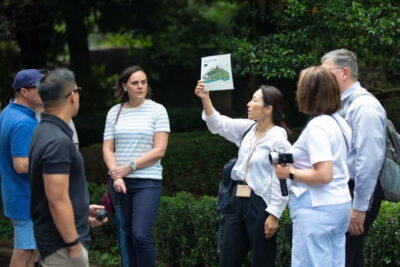

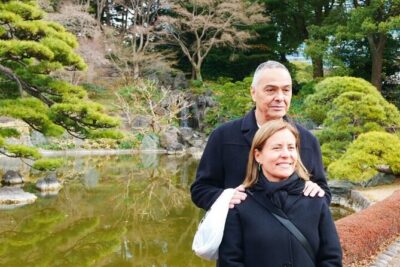
Edo Castle & East Garden of the Imperial Palace Tour
Read our review →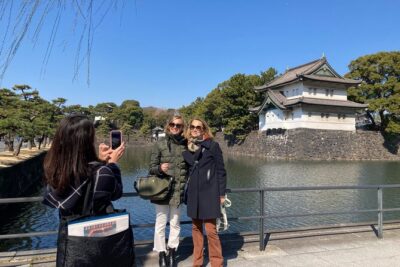
Tokyo Private Tour! Edo Castle & Imperial Palace East Gardens
Read our review →
Mount Fuji & Lake Kawaguchiko Private Tour: Beyond the Ordinary
Read our review →
Rainbow Bridge Day Cruise Show and Only Soft Drinks
Read our review →
Tsukiji Market and Hama-rikyu Gardens Guided Tour
Read our review →Browse the lists this tour appears in