
Review · TOKYO
Japan’s Customs of Ikebana Art, Tea Ceremony & Kimono Welcome
A flower arrangement, a bowl of matcha, and a quiet Japanese home make this a gentle change of pace from Tokyo’s busy streets. You watch a professional ikebana artist first, then create your own arrangement with guidance. After that, you prepare matcha and enjoy Japanese sweets with it.
I especially like the two-part format: you get both hands-on flower arranging and a tea ceremony in one visit. I also like the choice of tatami seating or regular chairs, which matters if sitting on the floor is hard for you. The main drawback is the price, $173.34 per person for about 1 hour 45 minutes, and the non-refundable booking policy leaves little room for a change of plans.
Key points
- Seasonal ikebana practice: Watch a professional demonstrate the art, then make your own flower arrangement.
- Matcha prepared by you: Learn the basic process of preparing tea before enjoying it with Japanese sweets.
- Traditional home setting: Meet inside a Japanese house with a charming garden, rather than in a large public venue.
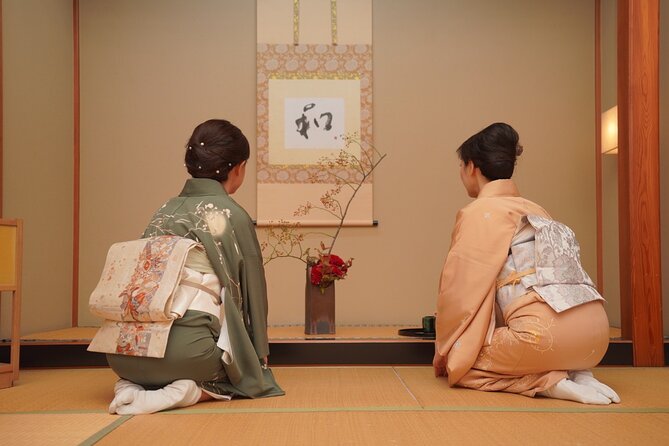
- Kimono welcome: Your instructor greets you in a kimono, adding a clear sense of occasion.
- Private booking: Only your own group takes part, so the lesson can feel more personal and focused.
- Flexible seating: Choose authentic tatami mats or regular chairs during the session.
A Quiet Japanese Welcome Near Toritsu-daigaku Station
You meet at Toritsu-daigaku Station, at 1-chōme-5-1 Nakane in Meguro City. The activity returns to this same meeting point, which keeps the plan simple. You do not need to figure out a separate end location after the tea and flower lesson.
The setting is a traditional Japanese home with a garden. That gives the activity a more personal feel than a short demonstration in a hotel or tourist center. You enter a place shaped for everyday Japanese customs, then meet an instructor wearing a kimono.
The welcome is part of the experience, not just a practical check-in. A kimono signals that this is a formal cultural lesson, while the home setting keeps the mood calm and approachable. You should still allow enough time to reach the station meeting point, since the activity begins there and does not provide a separate pickup.
This is a private activity for your group alone. That is useful if you want to ask questions, need repeated instructions, or prefer not to perform a new skill in front of strangers. It also makes the $173.34 cost easier to assess if you are traveling with several people and can share the private setting, though the stated price is per person.
Other gardens people visit around Tokyo:
- Imperial Palace East Garden and Edo Castle Walking Tour in Tokyo
★ 5.0 · 510 reviews - Mt. Fuji Day Trip from Tokyo with English Speaking Driver Guide
★ 5.0 · 443 reviews - Tokyo: Imperial Palace East Gardens Walking Tour
★ 4.8 · 353 reviews
Watching Ikebana Before Making Your Own
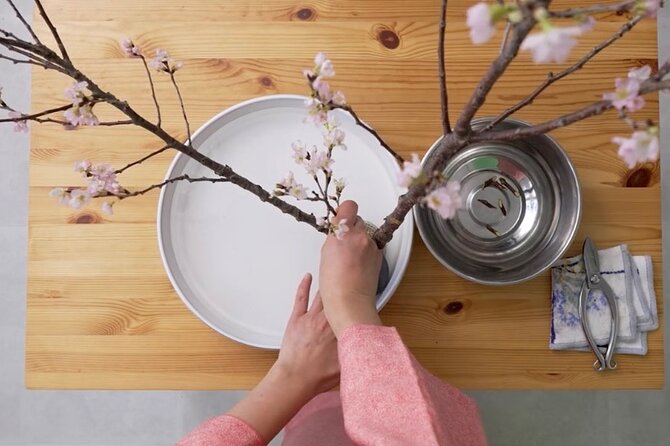
The ikebana portion begins with a professional demonstration. This is an important step for beginners. Ikebana is not simply a matter of placing flowers in a vase until the arrangement looks full. The lesson gives you a chance to watch how the artist handles the flowers and creates a balanced design before you try it yourself.
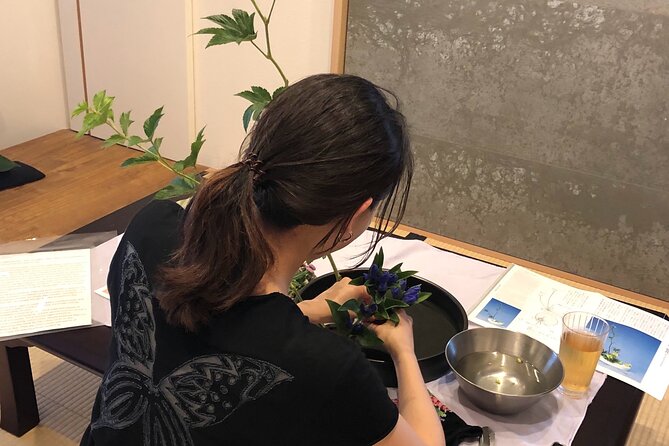
You then make your own arrangement with seasonal flowers. The seasonal element gives the activity a strong connection to the time of year. Instead of treating flowers as decoration alone, you get to work with what is available in the season and see how a Japanese arrangement uses shape, space, and placement.
The available comments point to clear instruction and an easy start for first-timers. That matters because flower arranging can feel intimidating when you do not know where to begin. You may arrive nervous, but the format gives you a model to follow before you pick up the flowers yourself.
I like that your finished arrangement becomes part of the closing moment. You can relax with your matcha while looking at something you made during the session. It gives the lesson a physical result, rather than leaving you with only photographs.
The supplied details do not state exactly what happens to the arrangement afterward, or whether you can take it with you. If you want to carry it back to your hotel or home, ask the instructor about packing and transport before you book. The listed information also says ikebana and tea equipment are not included, so confirm what tools and materials are provided during the lesson and what, if anything, requires an additional payment.
Preparing Matcha With Japanese Sweets
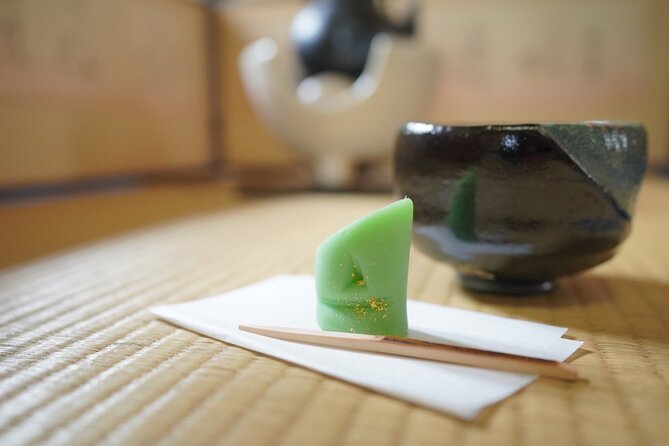
The second part introduces you to matcha preparation. You do not simply receive a cup of tea. You learn how to prepare it, then drink the matcha with Japanese sweets.
That hands-on step gives the tea ceremony more meaning. You see the care involved in preparing a simple bowl of tea, and the sweets provide a traditional partner for matcha’s strong taste. If you have only ordered matcha in a café, this offers a different way to understand the drink.
The tea portion is also a good counterpoint to ikebana. Flower arranging asks you to work with form and placement. Tea preparation asks you to slow down and follow a set process. Together, the two activities create a lesson in Japanese customs that uses both the hands and the senses.
The included refreshments are Japanese matcha tea and Japanese sweets. No other snacks or meal are listed, so do not treat this as lunch or a full food activity. At about 1 hour 45 minutes, it fits well into a morning or afternoon plan rather than taking over your day.
The available comments describe the teacher as kind and good at explaining the steps. One first-time participant found the lesson easy to follow after feeling nervous at the start. That makes this a reasonable choice if you have no experience with tea preparation, though you should still expect to take part rather than sit back and watch the whole time.
Tatami Mats, Chairs, and the Pace of the Lesson
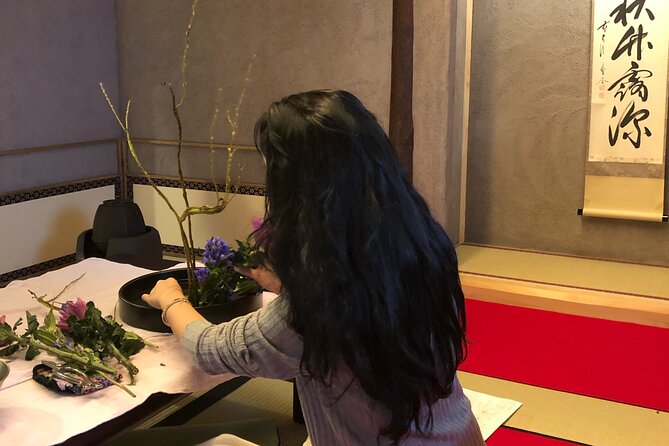
You can sit on authentic tatami mats or use regular chairs. This small choice is one of the most practical features of the activity. Traditional floor seating adds to the setting, but it is not comfortable for everyone, especially during a lesson that combines flower arranging and tea preparation.
If you want the full visual feel of a Japanese home, tatami is the natural choice. If your knees, hips, or back make floor sitting difficult, chairs let you focus on the lesson instead of shifting around. The information does not describe other accessibility features, so contact the provider if you have specific mobility needs beyond the seating choice.
The session lasts approximately 1 hour 45 minutes. That is long enough to cover a demonstration, your own flower arrangement, tea preparation, and time to enjoy the finished work. It is also short enough to fit around major Tokyo sightseeing plans.
Because the activity is private, the pace may feel less rushed than a large group class. The instructor can spend time showing you how to approach the flowers and tea. Still, the precise length of each section is not stated, so the experience may give more time to ikebana or tea depending on the group and the instructor’s teaching style.
Same place, a different kind of green day out:
- Mt. Fuji, Cherry Blossom & Shiba Sakura Pvt. Day Tour
★ 5.0 · 326 reviews - Tokyo: Edo Castle & East Garden of the Imperial Palace Tour
★ 4.7 · 112 reviews - Tokyo Private Tour! Edo Castle & Imperial Palace East Gardens
★ 5.0 · 105 reviews - Mount Fuji & Lake Kawaguchiko Private Tour: Beyond the Ordinary
★ 5.0 · 78 reviews
What the $173.34 Price Means
At $173.34 per person, this is not a bargain activity in the usual Tokyo sightseeing sense. You are paying for a private cultural lesson in a traditional house, an instructor-led demonstration, your own ikebana practice, matcha preparation, Japanese sweets, and the setting itself.
The value depends on what you want from your Tokyo schedule. If you want a quick photo opportunity in a kimono, this costs more than you need to spend. If you want structured instruction in two traditional arts and prefer a private appointment, the price has a clearer purpose.
I would compare it with the cost of booking separate ikebana and tea experiences. Here, both are placed in one visit, with no need to travel between venues. That saves time and gives the session a natural flow from flowers to tea.
The price should still be read carefully because ikebana and tea equipment are listed as not included. The activity description says you will create an arrangement and prepare tea, but the supplied information does not spell out whether equipment is supplied for use, charged separately, or simply excluded from take-home ownership. Ask before booking if the distinction matters to your budget.
Japanese sweets and matcha are included, but no larger meal is provided. Plan to eat before or after if you need something substantial.
Who Will Enjoy This Private Lesson
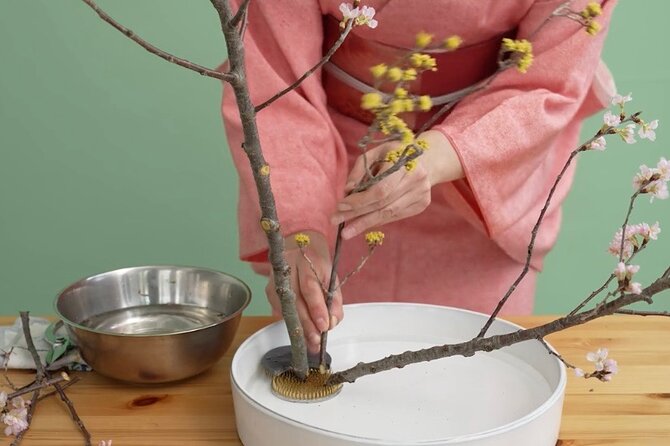
This activity suits you if you want a quieter cultural experience and prefer to learn by doing. It is especially useful for beginners because the instructor demonstrates the flower arrangement before you attempt it, and the tea portion includes guidance rather than only a formal presentation.
It also works well for couples, families, or a small group of friends who want a private activity. You can share the setting without joining an unknown group, and the flexible seating helps different members of your party stay comfortable.
You should consider another option if you want a long, highly formal tea ceremony with many traditional stages. The supplied details describe a tea ceremony and matcha preparation, but not an extended ceremonial program. You should also look elsewhere if you want to buy or take home an ikebana arrangement, since that is not stated.
The activity may appeal to repeat visitors who have already seen Tokyo’s major sights. A visit to a traditional home, seasonal flowers, and a handmade bowl of tea can give your day a slower rhythm.
Practical Details Before You Book
The experience operates Monday through Sunday from 8:30 AM to 8:00 PM during the listed operating period, January 16, 2025 through November 26, 2026. Your chosen start time will determine how easily you fit it around meals, shopping, and other appointments.
You receive confirmation at booking, and the ticket is mobile, so you can keep the reservation on your phone. The meeting point is near public transportation at Toritsu-daigaku Station, making rail travel the sensible way to arrive.
The activity ends back at the meeting point. That is handy if you plan to continue exploring Meguro afterward, but it also means you should not book a tight connection from a different part of Tokyo immediately after the lesson. Allow a little breathing room for the walk from the house back to the station.
The cancellation rule is strict. This booking is non-refundable and cannot be changed for any reason. If you cancel or request an amendment, you do not receive your payment back. Book only when your Tokyo schedule is firm.
Kimonos, ikebana equipment, and tea equipment are listed as not included. The instructor welcomes you in a kimono, but the information does not say that you wear one. If dressing in a kimono is important to you, confirm exactly what is offered before reserving.
Is This Tokyo Experience Worth Booking?
Book this activity if you want a private, beginner-friendly introduction to two Japanese arts in one calm setting. The strongest reasons are the seasonal ikebana practice, the chance to prepare your own matcha, the kind teaching style described in the available comments, and the choice between tatami mats and chairs.
The price is high for a short activity, and the strict cancellation policy calls for care. You should also confirm the equipment details, especially if you expect materials to be included or want to take your flower arrangement home.
For the right visitor, this is a thoughtful break from Tokyo’s faster attractions. You leave with a better sense of how flowers and tea can turn ordinary actions into formal, mindful customs. If that sounds more appealing than another crowded photo stop, Hiromi’s IKEBANA is a strong choice.
FAQ
Where does the activity begin?
It begins at Toritsu-daigaku Station, at 1-chōme-5-1 Nakane, Meguro City, Tokyo 152-0031, Japan.
Where does the activity end?
The experience ends back at the meeting point.
How long does the activity last?
The session lasts approximately 1 hour 45 minutes.
Is this a private activity?
Yes. Only your group takes part.
Can I sit on a chair instead of the floor?
Yes. You may sit on authentic tatami mats or use regular chairs.
What food and drink are included?
Japanese matcha tea and Japanese sweets are included.
Just added around Tokyo
- Tsumami Zaiku Japanese Fabric Flower Class★ 5.0 · 3 reviews
- Tokyo: Serene Sakura & Sake: An Exclusive Brewery Pairing Lunch★ 5.0 · 2 reviews
- Tsukiji Food Strolling and Hama Rikyu Garden Walking Tour★ 5.0 · 7 reviews
- Private tour – Scenic Fuji Escape: Hakone, Peace Park & More★ 5.0 · 4 reviews
- Tokyo Cherry Blossom Half Day Walking Tour with a Local Guide★ 3.5 · 4 reviews
- TOKYO: Tailored Gardens tour with Pro Gardener by E-bike -BASIC★ 5.0 · 2 reviews
- Cherry Blossom Highlights, Asakusa, Ueno, Imperial Palace Garden★ 4.5 · 4 reviews
- Tokyo: Kimono Experience inside Shinjuku Gyoen National Garden★ 5.0 · 3 reviews
Tokyo Garden Tours, compared.
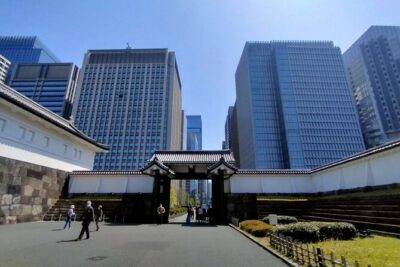
Imperial Palace East Garden and Edo Castle Walking Tour in Tokyo
Read our review →
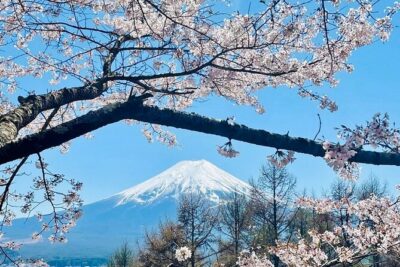
Edo Castle & East Garden of the Imperial Palace Tour
Read our review →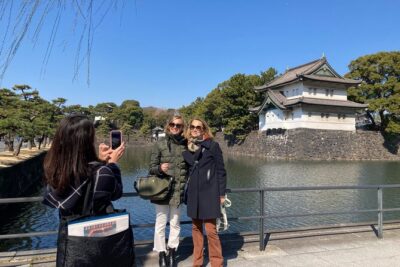
Tokyo Private Tour! Edo Castle & Imperial Palace East Gardens
Read our review →
Mount Fuji & Lake Kawaguchiko Private Tour: Beyond the Ordinary
Read our review →
Rainbow Bridge Day Cruise Show and Only Soft Drinks
Read our review →
Tsukiji Market and Hama-rikyu Gardens Guided Tour
Read our review →Browse the lists this tour appears in