
Review · TOKYO
Tokyo: Imperial Palace East Gardens Walking Tour
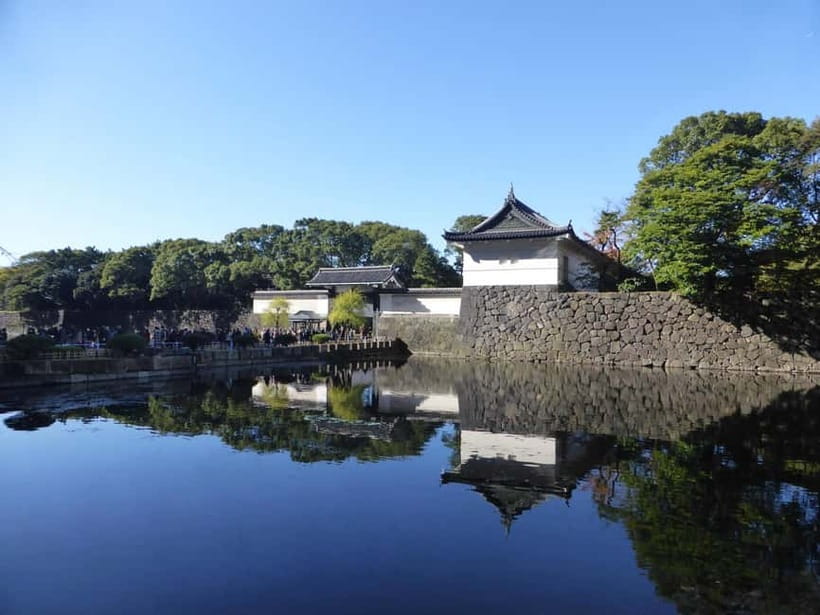
Tokyo’s Imperial Palace East Gardens give you two very different views of Tokyo in one pleasant walk. One moment you are beside carefully arranged ponds, bridges, bonsai, and stone lanterns. The next, you are standing on the broad foundations of Edo Castle, where the Tokugawa shoguns once ruled Japan. The contrast between calm gardens and military remains is the real reason to book this tour.
I like two things here. First, the English-speaking guides, including Mei, Kei, Wakana, Tatsie, and Midori, make the ruins easier to understand with maps, old images, and stories about samurai, shoguns, emperors, and modern Japan. Second, the $19 price is fair for 150 minutes of guided sightseeing in central Tokyo. The main consideration is simple: this tour does not enter the Imperial Palace itself, and much of Edo Castle survives only as foundations, walls, gates, and other traces.
Key points to know before you book
- Edo Castle’s Honmaru area: Walk across the former main compound and see the foundations and defensive remains that reveal the castle’s size and design.
- Ninomaru Garden: Enjoy one of the East Gardens’ most refined sections, with ponds, bridges, clipped trees, stone lanterns, and traditional Japanese styling.
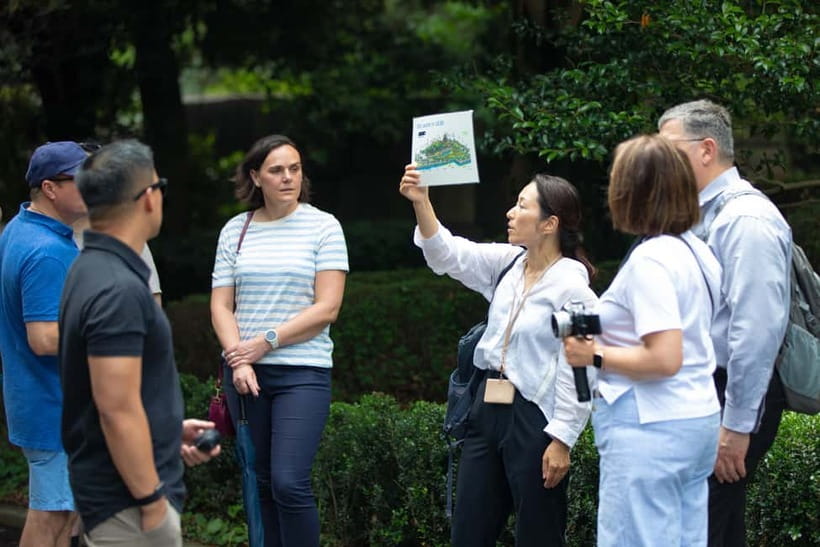
- A guide adds the missing story: Guides such as Mei have used laminated maps and historical images to explain features that are no longer standing.
- Seasonal timing matters: Cherry blossoms brighten spring, while late November and fall bring strong foliage color.
- Central meeting point: Meet near Starbucks Coffee at Kokyo Gaien Wadakura Fountain Park, then return to the same area.
- Easy pace with practical help: The tour is wheelchair accessible, and guides have been praised for answering questions, taking photographs, and offering Tokyo suggestions after the walk.
Why the East Gardens tell Tokyo’s story so well
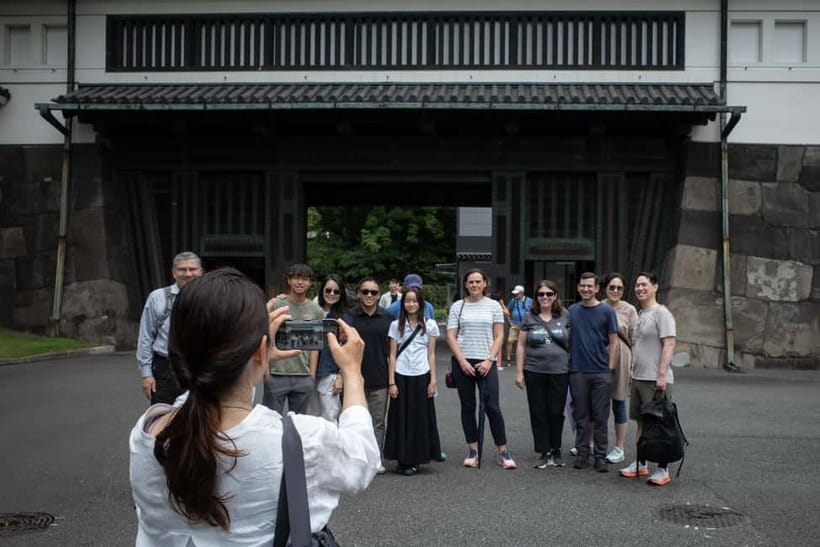
The East Gardens are not just a pretty patch of green beside office towers. They occupy part of the former Edo Castle grounds, once the center of power for the Tokugawa shoguns during the Edo period. That gives the walk a useful structure: you are not simply looking at plants and old stones, you are seeing how political power, military planning, and Japanese garden design shared the same space.
I find this especially helpful if you are new to Japanese history. A guide can point out how the castle was arranged, explain the roles of shoguns and emperors, and connect the surviving ruins with the modern Imperial Palace. Without that context, a large stone base may look like just another wall. With it, the site begins to make sense.
The setting also gives you a break from central Tokyo’s hard edges. The gardens contain open lawns, clipped trees, ponds, graceful bridges, and quiet corners. You get a gentle walk, but the subject is not lightweight. This is a place where beauty and defense were built side by side.
More Garden Walks in Tokyo:
- Imperial Palace East Garden and Edo Castle Walking Tour in Tokyo
★ 5.0 · 510 reviews - Licensed Guide Tokyo Meguro Cherry Blossom Walking Tour
★ 4.5 · 13 reviews - Tsukiji Food Strolling and Hama Rikyu Garden Walking Tour
★ 5.0 · 7 reviews
Meeting at Wadakura Fountain Park

The tour begins near the Starbucks Coffee at Kokyo Gaien Wadakura Fountain Park. Your guide waits nearby at the listed coordinates, 35.68299330000001, 139.7611971, and the group then walks into the East Gardens.
Allow a little time to find the meeting area. A Starbucks is a useful landmark, but the guide waits nearby rather than necessarily inside the café. The tour returns to the same area, which makes planning the rest of your day easier.
This location works well for a central Tokyo sightseeing day. The East Gardens can fit before or after other Imperial Palace area stops, though you should remember that the tour itself lasts 2.5 hours. That is long enough for a proper explanation of the site, not just a quick stroll and a few photographs.
The Honmaru area and the shape of Edo Castle
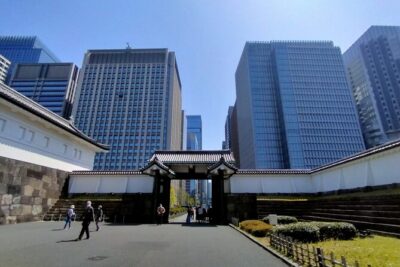
The most important historical stop is the former Honmaru area. This was once the main compound of Edo Castle, the heart of the shogun’s seat. Today, you will not see the castle buildings as they once appeared. Instead, you encounter foundations, gates, defensive structures, and the open spaces that help show how the compound was organized.
That absence is part of the lesson, but it can also be the tour’s biggest limitation. If you expect a fully preserved Japanese castle with wooden interiors and dramatic towers, this is not that experience. The surviving stonework requires imagination.
A good guide bridges that gap. Mei, one of the guides praised repeatedly for her clear explanations, has used printed and laminated maps and pictures to show how the castle looked and how its sections connected. That kind of visual aid matters here. It gives you something concrete to compare with the remains beneath your feet.
You will also hear about military architecture and defensive strategy. Stone walls, gates, guard houses, and watch towers were not placed at random. They helped control movement and protect the castle. The walk gives you a chance to notice these details without turning the visit into a dry military lecture.
I especially like this part for people who enjoy history but do not want a museum-only experience. You are outdoors, moving through the actual grounds, while the guide explains what happened there. The information has a physical anchor.
Ninomaru Garden’s quieter pleasures
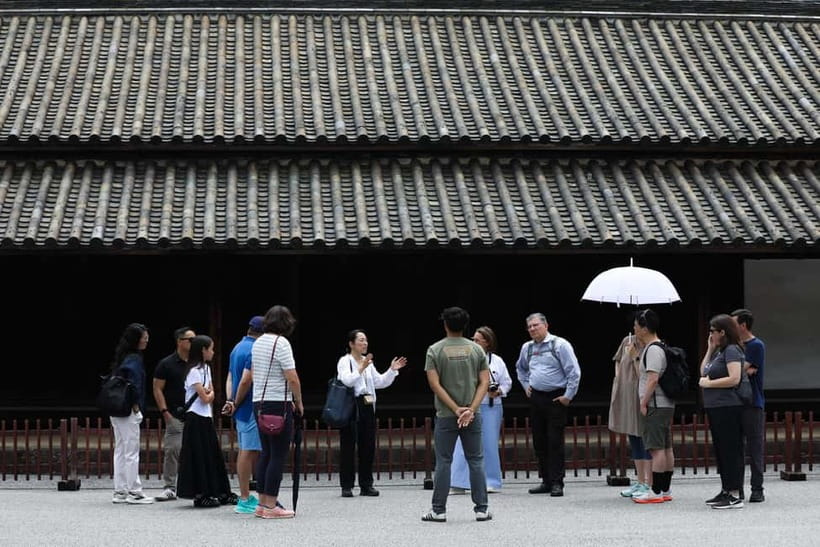
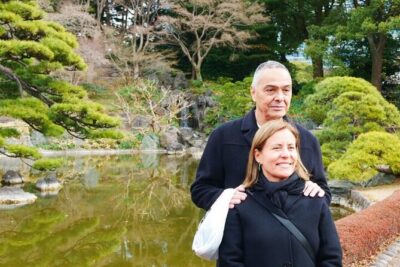
After the castle remains, Ninomaru Garden offers a change of mood. This section is known for its traditional Japanese design, with carefully arranged trees and shrubs, stone lanterns, ponds, and bridges. The composition is deliberate, but it does not feel stiff. The water and greenery create places where you can pause and look rather than constantly move on.
The guide helps you understand why the garden feels balanced. You may notice the placement of stones, the shape of clipped trees, or the way a bridge frames the water. These details are easy to miss when you explore alone, especially if you are trying to photograph everything.
The garden is also where the tour feels most restful. The former castle grounds could have been explained only through battles and political change, but Ninomaru shows another side of the site. Power was displayed through order, beauty, ceremony, and control of space as well as through walls and guards.
Some guides add small details that make the setting more memorable. One guide pointed out a distinctive breed of koi developed by a member of the royal family. Details like this give you something specific to look for and help connect the garden with the Imperial household.
A few more garden visits around Tokyo worth a look
- Tokyo: Edo Castle & East Garden of the Imperial Palace Tour
★ 4.7 · 112 reviews - Tokyo Private Tour! Edo Castle & Imperial Palace East Gardens
★ 5.0 · 105 reviews - Tokyo: Tsukiji Market and Hama-rikyu Gardens Guided Tour
★ 4.8 · 73 reviews - Tokyo: Pvt. Tour – Edo Castle & Imperial Palace East Gardens
★ 4.8 · 63 reviews
Seasonal beauty without losing the history
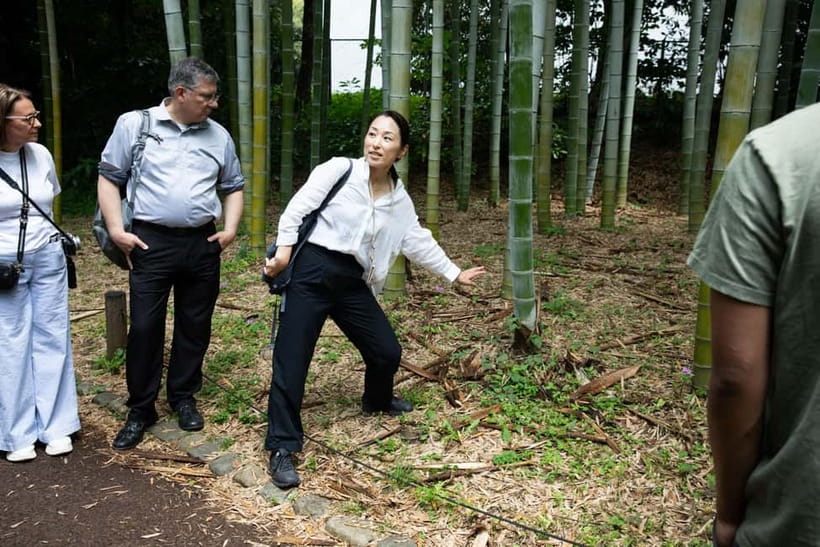
Spring brings cherry blossoms, and fall brings colorful foliage. These are the obvious high points for photographs, but the changing seasons also affect the feel of the walk. During blossom season, the gardens may feel more visually dramatic. In late November, the autumn color can be especially attractive.
The timing is not everything, though. The castle foundations, gates, and stone walls remain the reason to come at any time of year. In winter, the reduced foliage may even make the garden layout and defensive remains easier to see. The reviews also include successful tours in rainy weather, with guides keeping the group engaged despite less favorable conditions.
Bring sensible footwear and clothing for a 150-minute outdoor walk. The provided details do not specify the exact amount of uphill walking or the surface at every point, so you should be ready for a real garden and castle-ground walk rather than a seated indoor visit. The activity is listed as wheelchair accessible, which is useful for many visitors, but it is still sensible to confirm current access needs when booking.
The guide can make or break the experience
The strongest feature of this tour is the guide. The subject includes several layers: Edo Castle, the shoguns, samurai culture, emperors, garden design, Japanese customs, and the modern Imperial Palace. A flat recitation of dates would make the walk tiring. The best guides turn those layers into a conversation.
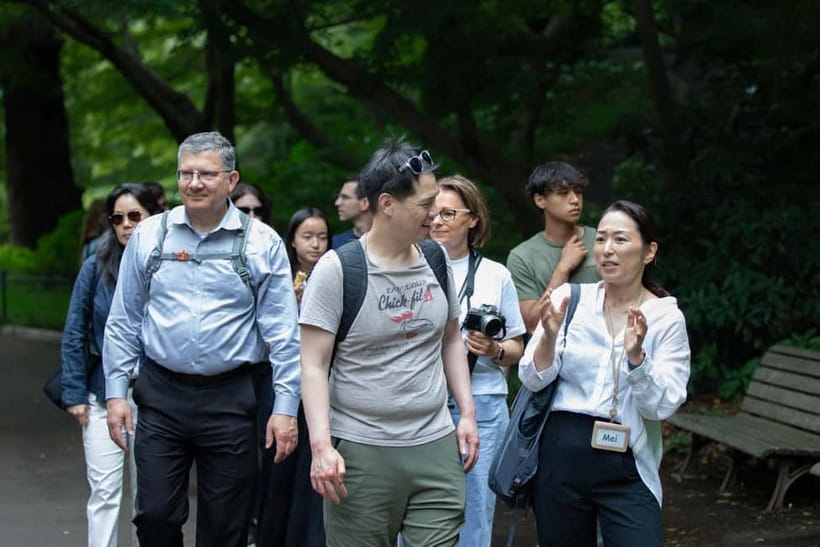
Mei is praised for being friendly, funny, patient, and thorough. She has answered questions, offered to take photographs, and given suggestions for other places to eat and visit. Kei is described as warm, well prepared, and willing to handle all sorts of questions. Wakana is noted for clear English, practical help, and a good sense of pace.
Other named guides include Miko, Laura, Midori, Fuku, Tatsie, Mieko, Loc, Miyu, Miracle, and Wakan. The guide you receive depends on the date and assignment, so you should not book expecting one particular person unless the operator confirms it. Still, the repeated pattern is useful: the tour depends heavily on a guide who can explain what is no longer visible.
The humor also matters. Several guides have mixed historical explanation with light comments about Japanese customs, the Imperial family, and modern life. That keeps the walk human. You get facts, but you are less likely to feel trapped in a lecture.
What the 150 minutes feels like
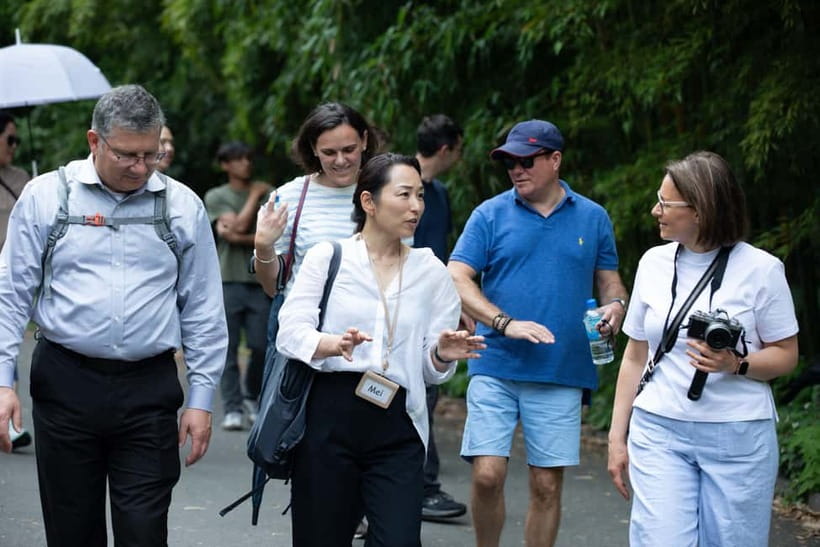
The advertised duration is 150 minutes, and the route returns to the starting area. Expect the time to be divided between walking, stops for explanation, photographs, and looking around the gardens.
The pace appears suited to people who want to absorb the setting instead of rushing from one point to the next. Guides have been praised for allowing time to appreciate the gardens and, in some cases, giving participants personal time to walk around or take photographs near the end.
That pace is a good fit for families and mixed-age groups. It also helps if you are asking questions or need a moment to rest. On the other hand, visitors who prefer to wander alone may find the guided structure more restrictive than a self-guided visit.
The tour is in English. If your group includes different interests, the subject offers enough range to keep things moving: military design for history fans, garden details for photographers, and stories of Japanese culture for first-time visitors.
Is $19 good value?
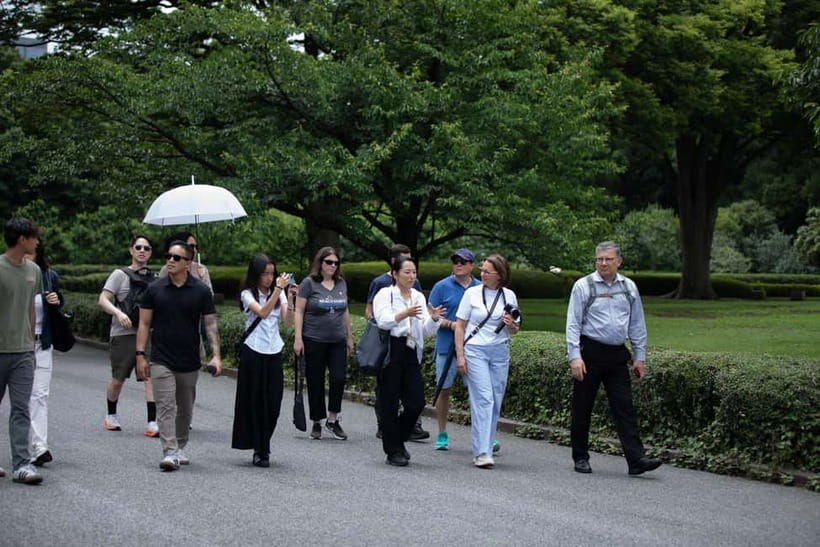
At $19 per person, this is one of the more affordable guided ways to understand the Imperial Palace area. You are paying for a full 2.5-hour walk and an English-speaking guide, not for a luxury vehicle, private access, or palace interiors.
The value is strongest if you want context. You can walk around the East Gardens without a guide, but you may not understand why a foundation matters, how the castle was arranged, or what the different remains once did. The guide turns scattered traces into a connected visit.
The price is less compelling if you only want photographs or a short peaceful walk. In that case, a self-guided visit may suit you better, assuming you arrange access according to current conditions. Also note the important wording: entry to the Imperial Palace is not included, and the tour does not go inside the palace.
Flexible booking adds a practical benefit. You can reserve now and pay later, and cancellation is allowed up to 24 hours in advance for a full refund. Check the current starting times before committing, since the duration and availability may vary by date.
Who should book this walk?
I would choose this tour for a first visit to Tokyo if you want a clear introduction to the city’s older political center. It is also a good match for anyone interested in shoguns, samurai, emperors, military construction, or Japanese gardens.
Families can benefit from the stories and visual aids, especially if children need more than silent ruins to stay interested. Couples and solo visitors may appreciate the easy social structure and the chance to ask questions. Photographers should aim for spring blossoms or fall foliage, while history fans can enjoy the castle remains in any season.
I would think twice if you need a fully preserved castle interior, a private tour, or a visit inside the Imperial Palace. This is an outdoor walk through the East Gardens and former Edo Castle grounds. Its reward comes from the combination of place, explanation, and seasonal beauty.
Should you book the Imperial Palace East Gardens tour?
Book it if you want the East Gardens to make sense rather than simply look attractive. The $19 price is reasonable, the route is manageable, and the guide adds the maps, stories, and historical links that the remaining ruins cannot provide on their own.
The best reason to go is the contrast: Ninomaru’s calm ponds and clipped trees on one side, Edo Castle’s foundations and defensive walls on the other. Just set your expectations correctly. You are visiting former castle grounds and gardens, not entering the Imperial Palace or touring a complete surviving castle.
FAQ
Where does the tour meet?
The guide waits near Starbucks Coffee at Kokyo Gaien Wadakura Fountain Park. The listed coordinates are 35.68299330000001, 139.7611971.
How long does the tour last?
The walking tour lasts 150 minutes, or 2.5 hours.
Where does the tour finish?
The tour returns to Starbucks Coffee at Kokyo Gaien Wadakura Fountain Park.
Is the Imperial Palace included inside the tour?
No. The tour does not go inside the Imperial Palace.
Is entry to the Imperial Palace included?
No. Entry to the Imperial Palace is not included.
What language is the tour conducted in?
The tour is conducted in English with a live English-speaking guide.
Is the tour wheelchair accessible?
Yes. The activity is listed as wheelchair accessible.
What can I see in the East Gardens?
You can see the former Honmaru area, Edo Castle foundations, gates, defensive structures, stone walls, guard houses, watch towers, Ninomaru Garden, ponds, bridges, bonsai, and seasonal plant displays.
How much does the tour cost?
The listed price is $19 per person.
Just added around Tokyo
- Tsumami Zaiku Japanese Fabric Flower Class★ 5.0 · 3 reviews
- Tokyo: Serene Sakura & Sake: An Exclusive Brewery Pairing Lunch★ 5.0 · 2 reviews
- Tsukiji Food Strolling and Hama Rikyu Garden Walking Tour★ 5.0 · 7 reviews
- Private tour – Scenic Fuji Escape: Hakone, Peace Park & More★ 5.0 · 4 reviews
- Tokyo Cherry Blossom Half Day Walking Tour with a Local Guide★ 3.5 · 4 reviews
- TOKYO: Tailored Gardens tour with Pro Gardener by E-bike -BASIC★ 5.0 · 2 reviews
- Cherry Blossom Highlights, Asakusa, Ueno, Imperial Palace Garden★ 4.5 · 4 reviews
- Japan’s Customs of Ikebana Art, Tea Ceremony & Kimono Welcome★ 5.0 · 2 reviews
Tokyo Garden Tours, compared.
Imperial Palace East Garden and Edo Castle Walking Tour in Tokyo
Read our review →
Edo Castle & East Garden of the Imperial Palace Tour
Read our review →
Tokyo Private Tour! Edo Castle & Imperial Palace East Gardens
Read our review →
Mount Fuji & Lake Kawaguchiko Private Tour: Beyond the Ordinary
Read our review →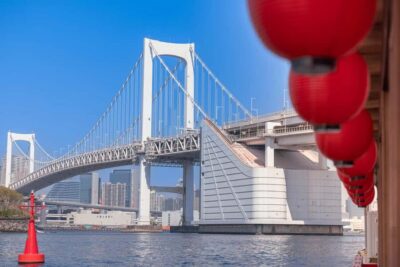
Rainbow Bridge Day Cruise Show and Only Soft Drinks
Read our review →
Tsukiji Market and Hama-rikyu Gardens Guided Tour
Read our review →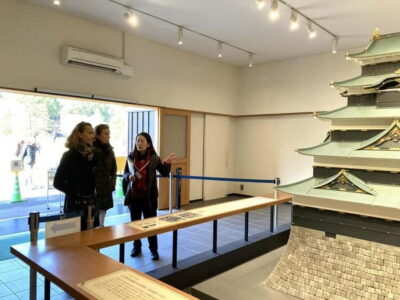
Pvt. Tour – Edo Castle & Imperial Palace East Gardens
Read our review →Browse the lists this tour appears in