
Review · TOKYO
Tokyo: Edo Castle & East Garden of the Imperial Palace Tour
Tokyo’s Imperial Palace East Gardens give you a rare look at the grounds of Edo Castle, where shoguns once ruled Japan. The tour pairs quiet paths, stone walls, ponds, and old castle remains with stories that help you picture the vanished castle complex.
I like the slow two-hour pace, which leaves room for questions, photos, and short rests. I also like the guide-led explanations, especially when guides such as Hitoshi, Naoko, Shigeru, and Masahito use pictures and stories to explain what is no longer visible.
The main drawback is simple: you do not enter the Imperial Palace itself. You walk through the East Gardens on former castle grounds, and the garden is closed on Mondays and Fridays, so check your date before booking.
Key points to know before you go
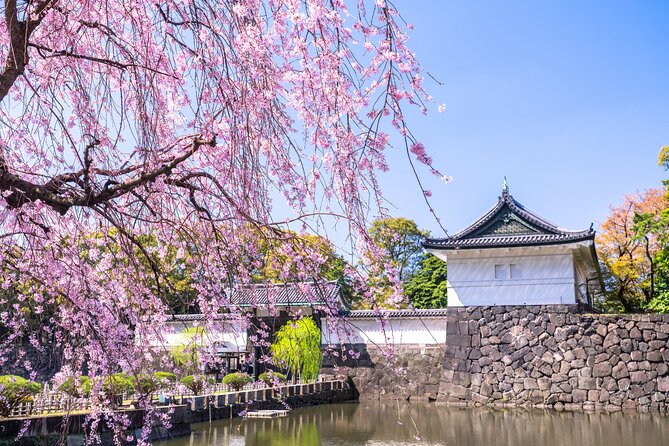
- Edo Castle survives mainly in traces: See stone walls, former building sites, entrances, and other remains rather than a complete castle.
- The meeting point is Wadakura Fountain Park: Find the guide by the fountain and look for a sign marked Gotcha.
- The English commentary is the real value: Guides explain shoguns, daimios, imperial life, Japanese culture, plants, and garden design.
- The famous koi are part of the appeal: Keep an eye out for the unusual breed highlighted on the walk.
- The pace suits many ages: Guides have slowed down for seniors, wheelchair users, and families with children.
- Leave weapon-like purchases behind: Knives and similar items must not be carried into the palace grounds, so use a coin locker first.
What this East Garden tour actually covers
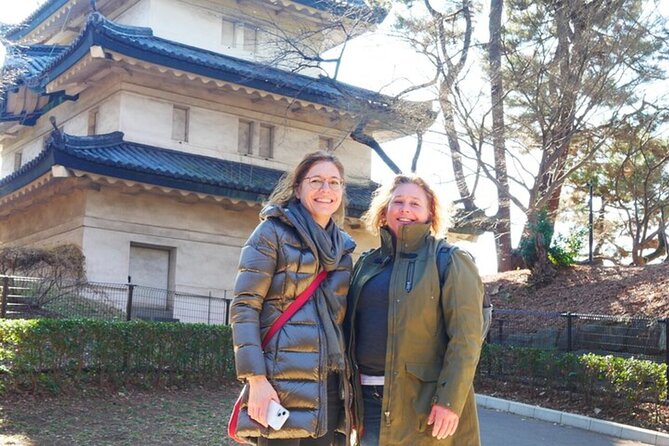
This is a walking tour of the Imperial Palace East Gardens, not a palace interior visit. The gardens occupy part of the former Edo Castle site, linking present-day Tokyo with the period when shoguns governed Japan.
That distinction matters. You will not see private imperial rooms, ceremonial halls, or the Inner Palace. Instead, you will walk through an open public garden where history survives in foundations, walls, gates, planted areas, ponds, and the shape of the old grounds.
For many people, that is enough to make the visit worthwhile. A guide helps turn bare stones and broad lawns into a picture of military power, court life, and city planning. Without that context, parts of the site can look like a pleasant park with a few old walls.
The experience costs $42 per person and lasts two hours. I see it as a focused introduction rather than a full-day historical outing. You are paying for a live English explanation and a carefully paced route, not for admission to a large museum or access to the private palace.
A few more garden visits around Tokyo worth a look
- Imperial Palace East Garden and Edo Castle Walking Tour in Tokyo
★ 5.0 · 510 reviews - Tokyo: Imperial Palace East Gardens Walking Tour
★ 4.8 · 353 reviews - Tokyo Private Tour! Edo Castle & Imperial Palace East Gardens
★ 5.0 · 105 reviews
Meeting at Wadakura Fountain Park
The tour begins at Wadakura Fountain Park, in front of the fountain. Your guide holds a sign marked Gotcha, which makes the meeting point easier to identify in a busy central Tokyo setting.
Give yourself enough time to find the park without rushing. The supplied directions are clear, but large Tokyo stations and palace-area streets can take longer to navigate than expected. Arriving early also gives you a moment to locate the fountain and settle in before the walk begins.
Once the group is together, the guide leads you toward the East Gardens. The opening portion is useful because it sets the period in place before you begin looking at individual features. Guides have used short explanations of Japanese history, visual aids, and simple comparisons to help people who are new to the shogun era.
That introduction can be especially helpful if names such as shogun, daimio, emperor, and imperial family are unfamiliar. You do not need a background in Japanese history to follow the tour.
Walking through the former Edo Castle grounds
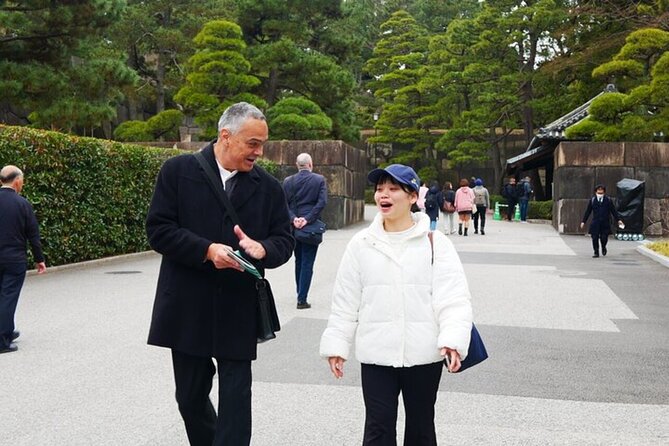
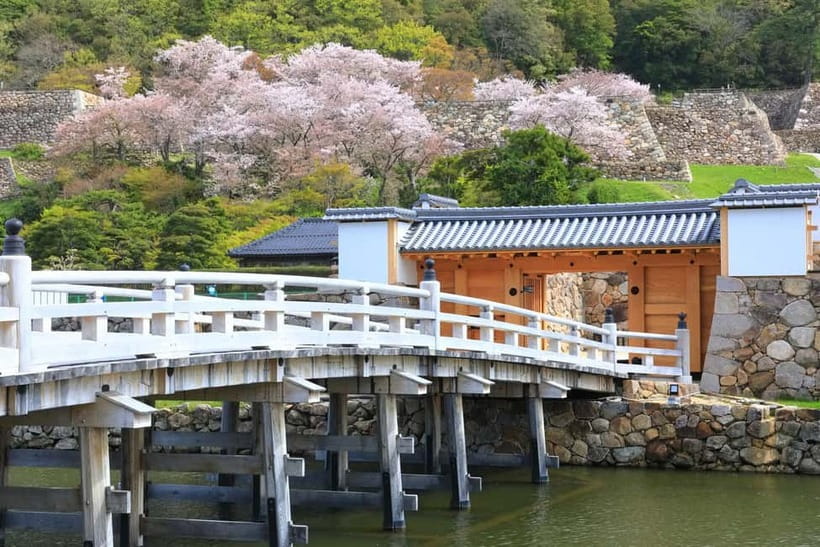
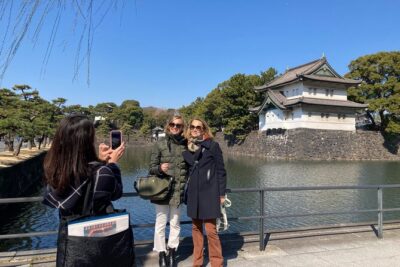
The central pleasure of the visit is seeing how a public garden occupies the former main grounds of Edo Castle. The castle itself is not intact, so the guide’s role is important. You will look at what remains and learn how those pieces fit into the larger site.
Expect a mix of garden paths and historical points. The walk includes castle walls, traces of former structures, entrances, and open areas that once served a very different purpose. Some parts may feel understated at first. A stone foundation does not announce its story, so the explanation gives it weight.
The best guides make this easy to picture. Hitoshi was praised for explaining both the site and the wider story of shoguns and Japanese society. Naoko has used photographs and visual material during her tours, which can help you understand how earlier buildings and spaces looked.
You may also hear about daimios, ninjas, castle defenses, and the way authority worked during the Edo period. These details add texture without turning the walk into a classroom lecture. Guides such as Mikio have been able to answer many questions while adjusting the pace to suit the people in front of them.
The route is not presented as a race from one marker to the next. You should have time to stop, listen, take photographs, and look around. That slower style suits the setting. The gardens are a pleasant place to pause, and the tour works best when you allow yourself to notice small details instead of waiting only for a major monument.
The gardens, ponds, plants, and famous koi
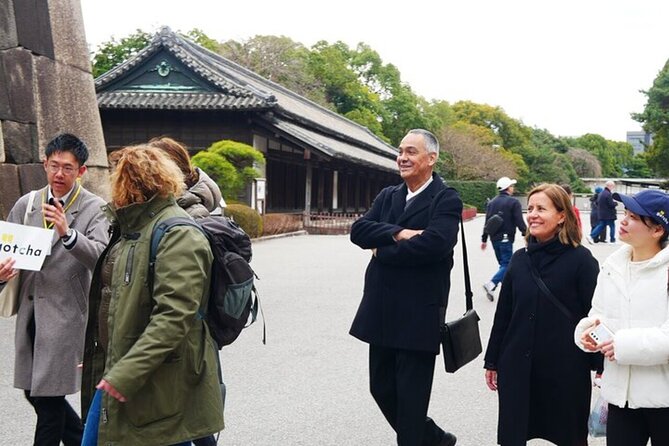
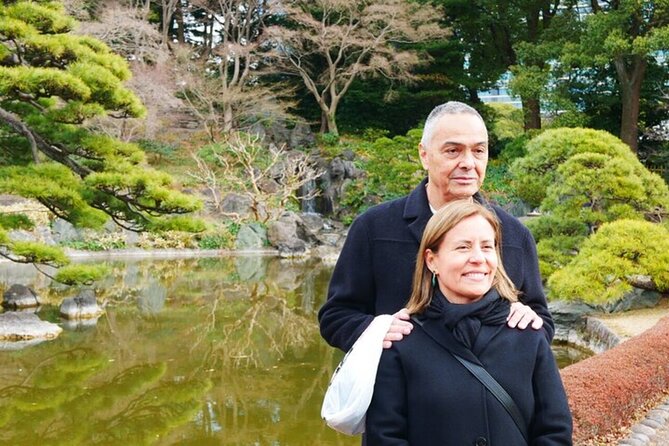
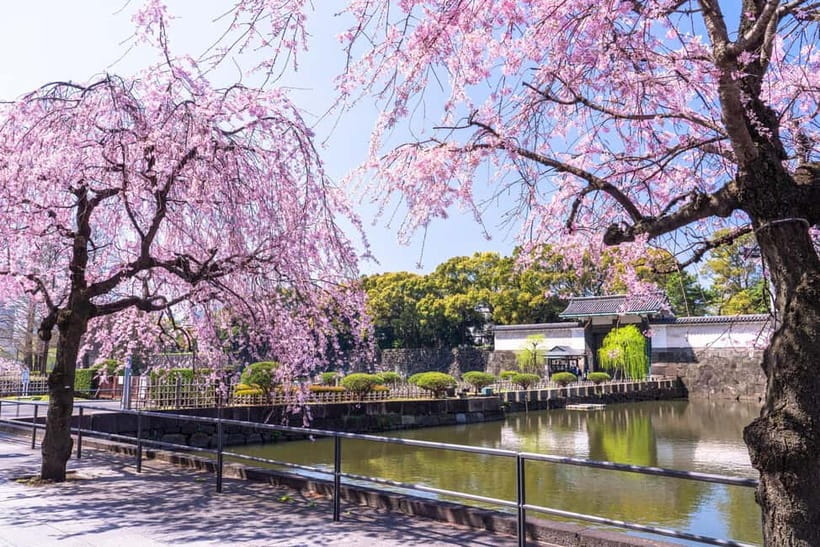
The East Gardens are more than a history site. Their appeal comes from the combination of old castle grounds and carefully maintained greenery. You will pass planted areas, open views, water, and garden features that soften the military character of the former castle.
The garden portion gives the tour a welcome change of pace. After hearing about walls and rulers, you can watch the water, study the planting, and enjoy the calm of the grounds. Guides explain the meaning of certain trees and plants, along with points of Japanese garden design that you could easily pass without noticing.
Do not skip the koi. The tour specifically highlights a distinctive, almost magical breed of koi fish. The description is enthusiastic, but the practical advice is simple: pay attention around the water and ask your guide where to look. This may be a small part of the walk, yet it gives children and nature lovers something immediate to enjoy.
The gardens are also a good setting for photographs. Guides have helped people take pictures at attractive spots, and some have pointed out nearby seasonal features. In spring, one guide made an extra stop to show cherry blossoms in an adjacent park. That kind of help is useful, though you should treat it as guide-dependent rather than a guaranteed part of the route.
Same place, a different kind of green day out:
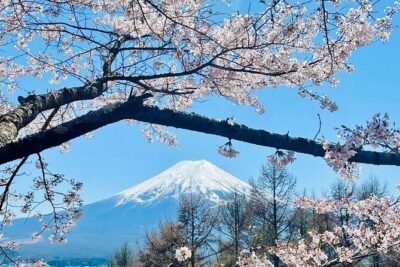
- Mt. Fuji Day Trip from Tokyo with English Speaking Driver Guide
★ 5.0 · 443 reviews - Mt. Fuji, Cherry Blossom & Shiba Sakura Pvt. Day Tour
★ 5.0 · 326 reviews - Mount Fuji & Lake Kawaguchiko Private Tour: Beyond the Ordinary
★ 5.0 · 78 reviews - Tokyo: Rainbow Bridge Day Cruise Show and Only Soft Drinks
★ 4.5 · 75 reviews
Stories that make the stones meaningful
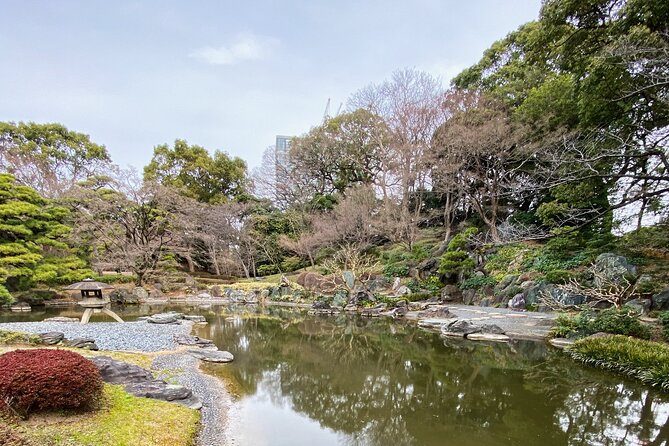
The tour’s strongest feature is the live storytelling. A good guide does not merely identify a wall or point toward a pond. The guide explains why the place mattered, who used it, and how the castle grounds relate to Japanese government and society.
Masahito has been praised for being patient, well prepared, and good-humored while explaining the palace grounds and Japanese culture. Shigeru has offered a broad introduction to Japanese history before walking through the gardens, then added smaller cultural details along the way.
That structure works well for first-time visitors. You receive the larger picture first, then learn how individual sites fit into it. You can also ask questions as they arise, which is more useful than trying to absorb every detail from a sign.
The guides vary in style, as you would expect with a live tour. Hitoshi has been especially appreciated for clear English, patience, and attention to different walking speeds. Naoko has been described as friendly and effective with older groups. Ayako has adapted her explanations to the interests of the group, while Mikio has taken extra time when a slower visit suited the people with him.
Families can benefit, too. One guide made the history accessible to a nine-year-old by combining stories with clear explanations. Children may not remember every shogun, but they are likely to respond to castle defenses, old rulers, gardens, and koi.
Pace, comfort, and practical limits
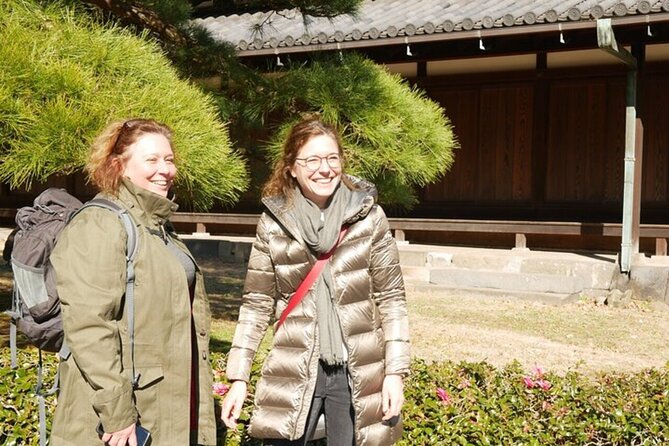
Two hours is a good length for this site. It is long enough to cover the main areas without turning the visit into an exhausting half-day walk. It also keeps the tour manageable if you have other plans in central Tokyo.
The pace is described as gentle, and guides have accommodated senior parents, groups of older people, and a visitor using a wheelchair. That does not mean every path or entrance should be assumed to suit every mobility need, but the guiding style appears attentive. If you have specific accessibility concerns, ask before booking rather than relying on a general promise.
Rain need not ruin the experience, but it can make the open grounds less comfortable. One tour continued successfully through heavy rain, with the guide keeping the group engaged. Still, bring suitable clothing and shoes if the forecast is poor. There is not much point in pretending a wet garden walk feels the same as a dry one.
The tour is conducted in English. The clarity of the guide matters more here than formal presentation because the site depends on explanation. Several guides have been singled out for easy-to-understand English and patient answers.
What you do not see
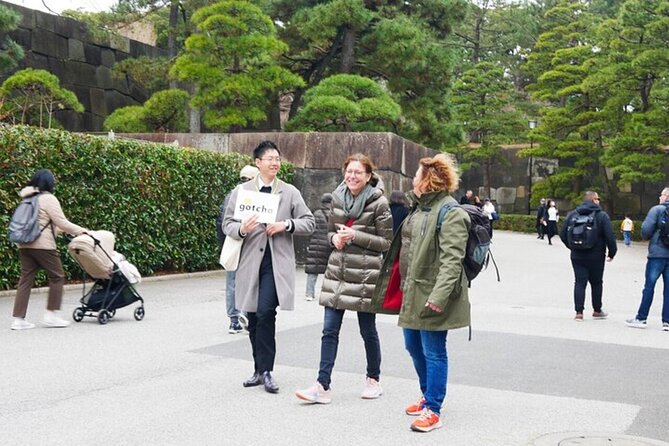
The wording can cause confusion if you expect an Imperial Palace interior tour. The East Gardens are on the former Edo Castle grounds, but the tour does not go inside the Inner Palace, and the private palace areas are not open to the public.
You also should not expect a reconstructed castle with furnished rooms. Much of the original castle is gone. The experience is about reading the site through surviving walls, foundations, garden spaces, and the guide’s account of what once stood there.
That limitation is not a flaw, but it affects the right audience. If you want a grand indoor palace with ornate rooms, this will feel too modest. If you enjoy historical sites where the setting and explanation work together, the visit makes more sense.
The East Gardens are closed on Mondays and Fridays. Plan around those closures, especially if your Tokyo schedule is short. At the entrance, visitors may be subject to a baggage inspection.
There is also a very specific packing rule. If you buy Japanese knives or other objects that could be used as weapons at Tsukiji, Asakusa, or elsewhere, leave them in a coin locker or similar storage before meeting the guide. Do not carry them into the palace grounds and hope the issue will sort itself out.
Is $42 a fair price?
The garden itself is free to enter, so the $42 charge is for the guided experience rather than admission. That makes the value question straightforward: if you are happy to read signs and explore alone, you can save the money and visit independently.
I think the fee can make sense for visitors who want a historical framework. The site has many layers, but not all of them are obvious from the path. A strong guide can explain the castle layout, connect the grounds to shogun rule, identify garden details, answer questions, take photos, and sometimes help you find your next destination afterward.
The price is less compelling if you are comparing it with a full-day trip to Nikko or Mount Fuji. One person made exactly that comparison, and it is fair. Those outings cover more hours and usually more distance. This tour should be judged as a compact central Tokyo activity, not as an all-day excursion.
At two hours, it also fits neatly into a day of sightseeing. You can pair it with other central Tokyo plans without giving up an entire day. That convenience is part of the value.
Who should book it?
I would recommend this tour to first-time visitors who want an understandable introduction to Edo Castle and Japanese history. It is also a good fit for families, older people, and anyone who prefers a steady walk with regular explanations instead of a hurried group route.
You will get the most from it if you are curious about how Tokyo developed from shogun capital to modern city. Garden lovers may also enjoy the mix of planted spaces, water, stonework, and old castle grounds.
I would be more cautious if your top priority is entering the Imperial Palace or seeing intact castle buildings. You will not get that here. Independent visitors who already know the site may also decide that the free gardens are enough.
Guide quality is a major part of the experience. The consistently warm response to guides including Hitoshi, Naoko, Shigeru, Masahito, Mikio, and Ayako suggests that the company has several strong English-speaking guides, but you may not be able to choose a particular person when booking.
Final verdict: a worthwhile history walk in central Tokyo
Book this tour if you want the East Gardens to mean more than a pleasant green break from the city. The old walls, castle traces, koi, and garden paths are attractive on their own, but the stories give them purpose.
Skip it if you need palace interiors, a complete castle, or a full-day adventure. For everyone else, $42 buys a calm, well-paced introduction to one of Tokyo’s most important historical sites, with the added benefit of a guide who can adjust the walk to your questions, age, and pace.
FAQ
Where does the tour meet?
Meet your English-speaking guide in front of the fountain at Wadakura Fountain Park. The guide will be holding a sign that says Gotcha.
How long does the tour last?
The guided walk lasts two hours and returns to Wadakura Fountain Park.
Does the tour enter the Imperial Palace?
No. The tour visits the East Gardens on the former grounds of Edo Castle. It does not enter the Inner Palace, which is not open to the public.
Which days are the East Gardens closed?
The East Gardens are closed on Mondays and Fridays. Check availability for a starting time on another day.
What language is the tour conducted in?
The tour is conducted in English with a live guide.
Can I bring a Japanese knife into the palace grounds?
No. Visitors are subject to a baggage inspection, and knives or other objects that could be used as weapons should be left in a coin locker or similar storage before the meeting.
Just added around Tokyo
- Tsumami Zaiku Japanese Fabric Flower Class★ 5.0 · 3 reviews
- Tsukiji Food Strolling and Hama Rikyu Garden Walking Tour★ 5.0 · 7 reviews
- Tokyo: Serene Sakura & Sake: An Exclusive Brewery Pairing Lunch★ 5.0 · 2 reviews
- Private tour – Scenic Fuji Escape: Hakone, Peace Park & More★ 5.0 · 4 reviews
- Tokyo Cherry Blossom Half Day Walking Tour with a Local Guide★ 3.5 · 4 reviews
- TOKYO: Tailored Gardens tour with Pro Gardener by E-bike -BASIC★ 5.0 · 2 reviews
- Cherry Blossom Highlights, Asakusa, Ueno, Imperial Palace Garden★ 4.5 · 4 reviews
- Japan’s Customs of Ikebana Art, Tea Ceremony & Kimono Welcome★ 5.0 · 2 reviews
Tokyo Garden Tours, compared.
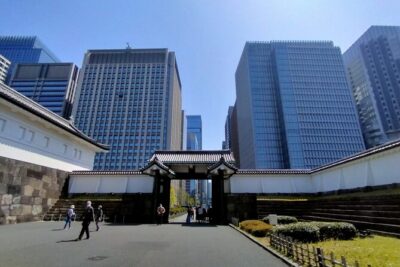
Imperial Palace East Garden and Edo Castle Walking Tour in Tokyo
Read our review →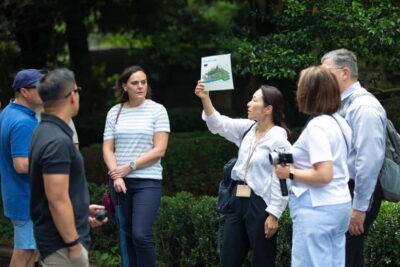
Tokyo Private Tour! Edo Castle & Imperial Palace East Gardens
Read our review →
Mount Fuji & Lake Kawaguchiko Private Tour: Beyond the Ordinary
Read our review →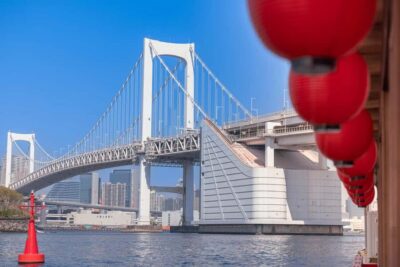
Rainbow Bridge Day Cruise Show and Only Soft Drinks
Read our review →
Tsukiji Market and Hama-rikyu Gardens Guided Tour
Read our review →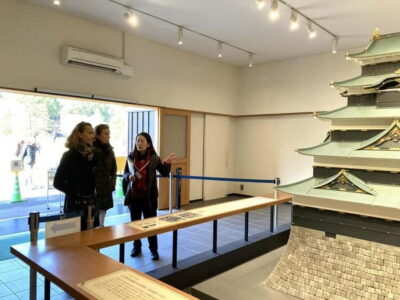
Pvt. Tour – Edo Castle & Imperial Palace East Gardens
Read our review →Browse the lists this tour appears in