
Review · TOKYO
Tokyo: Hama-rikyu Gardens tour with Japanese Tea & Sweets
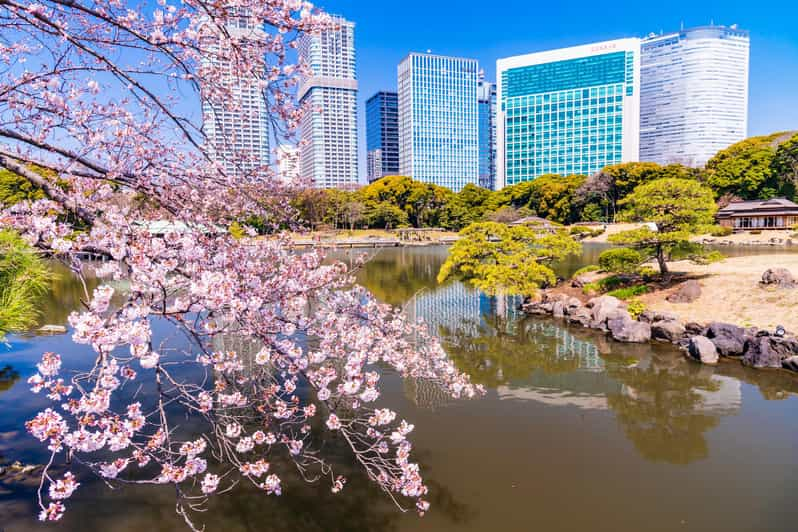
Hama-rikyu Gardens gives you a quiet look at old Tokyo in the middle of the modern city. You’ll walk through an Edo-period garden, learn why its gardens were shaped as they are, and finish with matcha and Japanese sweets while looking out at the grounds.
I like the small group, limited to four people, and the clear mix of walking and tea. I also like that the guide explains garden design instead of simply pointing out pretty trees. The main consideration is time: 90 minutes is enough for a focused introduction, but not enough to explore every corner at a slow pace.
Key points to know
- See two distinct garden styles: The Karesansui dry garden and Kaiyushiki circular garden give the walk real variety.
- A small group keeps the tour personal: With no more than four participants, you can ask questions without shouting across a crowd.
- Matcha and sweets are included: The tea room visit is part of the price, not an extra stop you arrange yourself.
- Guides bring different strengths: Ayaku, Hiro, and Mr. Ito have each led highly praised visits, with history and garden design at the center.
- Plan for an easy walking pace: Comfortable shoes matter, and seasonal plants make timing worth considering.
- The price reflects the personal format: At $85 per person, you are paying for a private-feeling guide, a small group, and the tea experience.
Why Hama-rikyu Gardens makes a good Tokyo stop
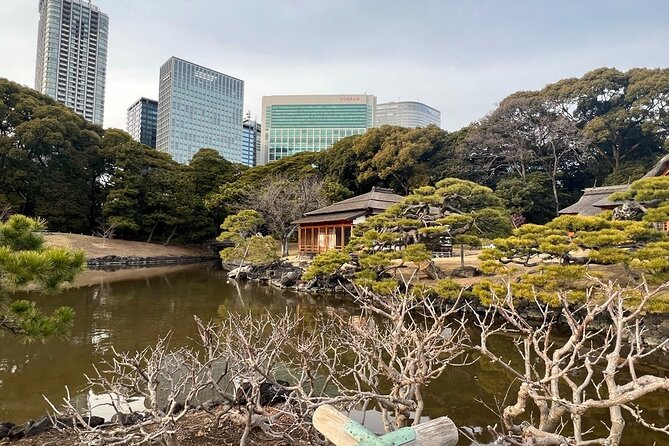
Tokyo can feel like a city of towers, train lines, bright signs, and tight schedules. Hama-rikyu Gardens offers a sharp change of pace without requiring a long trip outside the city. Its paths, ponds, trees, and tea room give you a close look at Japanese garden culture in a compact visit.
The garden began in the Edo period, a time when Tokyo was known as Edo. That background matters because this is not simply a public green space designed for a pleasant afternoon. Its layout reflects older ideas about controlled views, movement, water, borrowed scenery, and carefully placed plants.
You will not be left to guess what you are seeing. The guide explains the garden’s origins, its design, and the purpose of its main features. That extra context is useful because many Japanese gardens can look simple at first glance. A pond, a stone arrangement, or a clipped tree may seem decorative until someone explains how it fits the whole design.
I especially like the balance here. You get a cultural explanation, but you are not asked to sit through a long lecture. The walking portion lasts about 30 minutes, followed by roughly an hour for the tea experience.
A few more garden visits around Tokyo worth a look
- Tokyo: Hama-rikyu Gardens tour with Japanese Tea & Sweets
★ 5.0 · 3 reviews - Princeville Botanical Gardens Tour and Chocolate Tasting Ticket
★ 5.0 · 774 reviews - Grenada Spice Gardens, Rum & Chocolate Tour (Full/Half Day)
★ 4.5 · 94 reviews
Starting at Otemon Bridge
The usual starting point is Otemon Bridge, one of the listed meeting locations for the tour. You should check your booking details carefully because the exact meeting point can vary by option.
Starting at the bridge makes practical sense. It gives you a clear entry into Hama-rikyu Gardens and places the guide with you from the beginning. This is a small detail, but it helps in Tokyo, where a meeting point can be easy to miss if you rely only on a broad place name.
Once together, you begin the guided walk. The pace is intended for sightseeing rather than exercise, but you will still spend the visit on your feet. Wear comfortable walking shoes, especially if you plan to continue around Tokyo afterward.
The small-group limit is one of the best features. Four people is small enough for the guide to adjust explanations and answer questions. It also makes the tour feel more like a personal introduction than a large group procession.
The 30-minute walk through Edo-era design
The first part of the tour focuses on the garden itself. Your guide explains the background of Hama-rikyu Gardens and points out the main features of its design.
One highlight is the Karesansui, or dry landscape garden. This style uses stones, gravel, and carefully arranged elements rather than relying on flowing water. The point is not simply to admire individual rocks. The arrangement encourages you to think about space, balance, and suggestion.
The other named feature is the Kaiyushiki garden, a circular walking garden. This type of garden reveals itself as you move. Instead of seeing the whole design at once, you encounter different views along the path. The changing angles are part of the experience.
That contrast makes the walk more interesting. The dry garden asks you to pause and look closely, while the circular garden asks you to keep moving and notice how the view changes. A guide can make these differences easier to see, particularly if Japanese garden design is new to you.
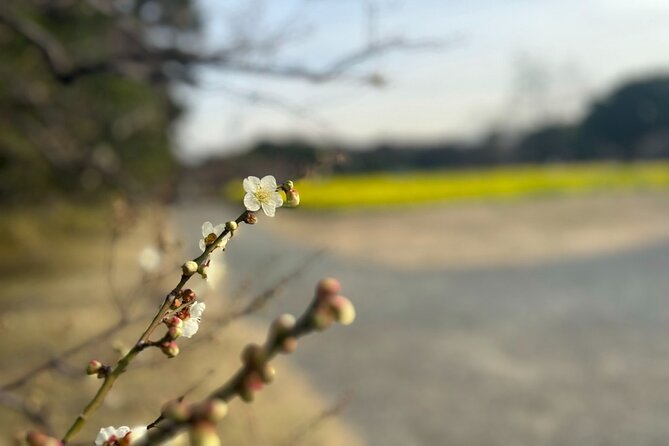
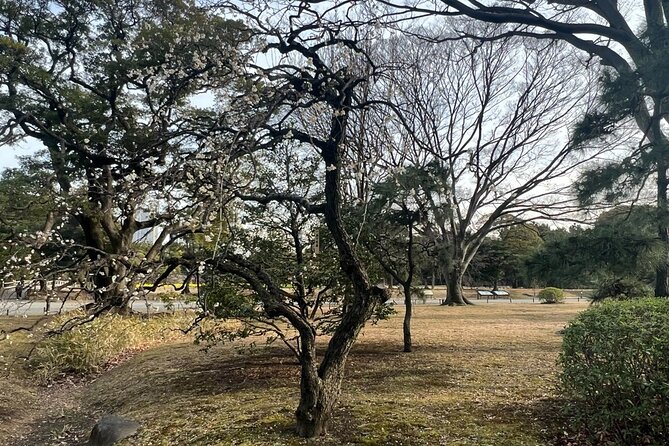
The guide also discusses plants and trees, whose appearance changes with the seasons. Spring brings the possibility of flowers, while other times of year offer different colors and textures. One participant specifically hoped to return in spring to see the garden in bloom, which is a useful reminder that timing can shape the visit.
You should not expect the walk to cover every path in the garden. Thirty minutes is a short introduction. It works well if you want an overview before tea, but it will feel brief if your main goal is extended photography or quiet solo wandering.
What the guides add to the visit
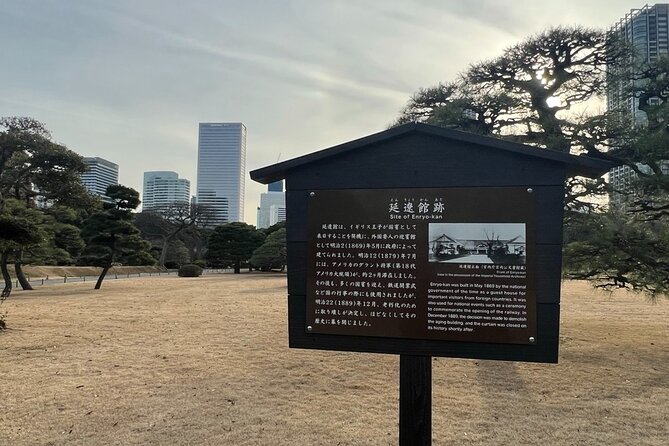
The quality of this experience depends partly on the person leading it. The guides praised in the available feedback include Ayaku, Hiro, and Mr. Ito. Each is described as friendly and well informed, with a clear interest in explaining Japanese history and the garden.
Ayaku is noted for explaining the sights with energy and warmth. Hiro led visitors to several interesting spots and connected the garden to broader Japanese history. Mr. Ito received praise for making the historical side fun and easy to follow.
You may not have one of these specific guides, since assignments can vary. Still, the tour is built around live English guidance, not a recorded route or a printed outline. That matters if you want to ask why the garden is arranged in a certain way or need a point explained in simpler terms.
I would recommend asking questions during the walk. The group size makes that practical, and the best value comes from the explanations. If you already know Japanese garden design well, the visit may feel more like a pleasant refresher than a detailed specialist tour.
Same place, a different kind of green day out:
- Imperial Palace East Garden and Edo Castle Walking Tour in Tokyo
★ 5.0 · 510 reviews - Mt. Fuji Day Trip from Tokyo with English Speaking Driver Guide
★ 5.0 · 443 reviews - Tokyo: Imperial Palace East Gardens Walking Tour
★ 4.8 · 353 reviews - Mt. Fuji, Cherry Blossom & Shiba Sakura Pvt. Day Tour
★ 5.0 · 326 reviews
Matcha, wagashi, and an hour in the tea room
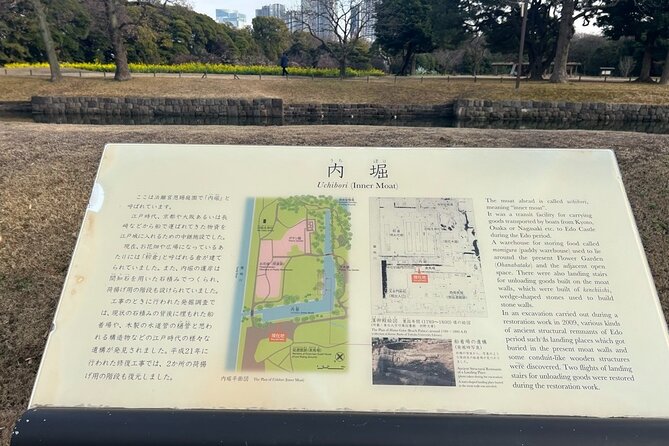
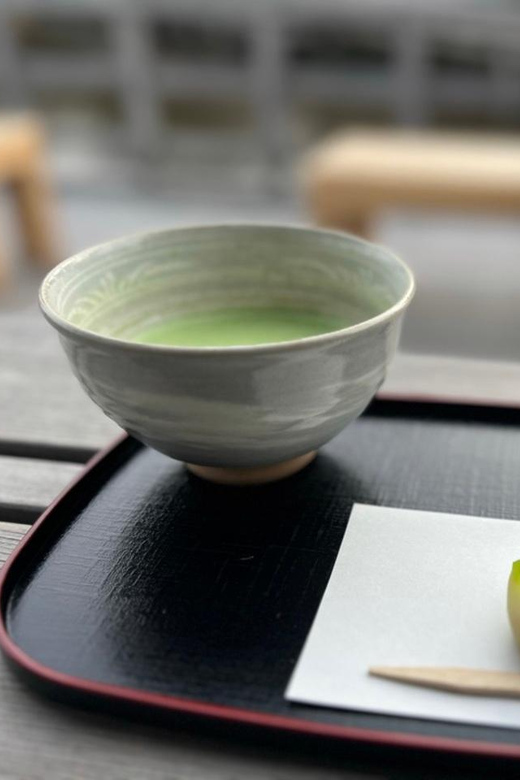
After the garden walk, you go to the tea ceremony room inside the garden. The tea portion lasts about one hour, giving you more time to slow down and enjoy the setting.
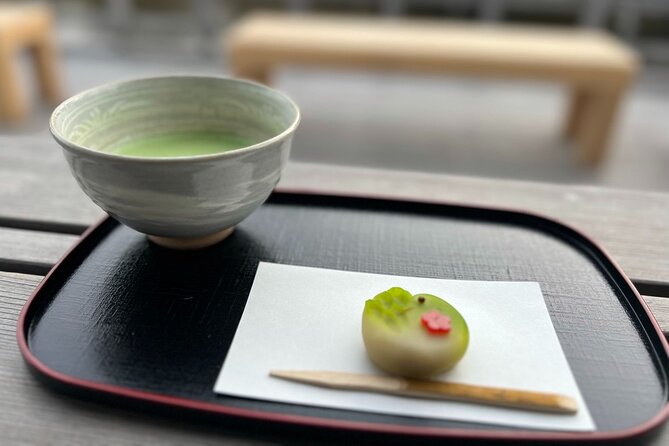
Matcha green tea and Japanese sweets are included in the tour fee. The sweets are described as wagashi, the traditional Japanese confections often served with tea. Their sweetness helps balance matcha’s strong, grassy taste.
This is not just a quick cup handed to you on the way out. The tea room gives the tour a calm second half, after the walking and explanations. You can admire the garden scenery, take pictures where appropriate, and pay attention to the contrast between the tea and the surrounding grounds.
The tea experience is especially useful for first-time visitors to Japan. You do not need to arrange a separate tea ceremony or know the proper customs in advance. The guide and setting provide a simple introduction without asking you to commit to a longer formal program.
At the same time, you should keep your expectations measured. The information provided describes matcha, sweets, and a tea ceremony room, but it does not promise a full ceremonial lesson or an extended demonstration of every tea custom. Think of it as a guided cultural tea experience in a historic garden.
The tea is a strong part of the value for people who enjoy food and local traditions. If you dislike matcha or Japanese sweets, the second half may hold less appeal, though the garden setting remains the main attraction.
Is $85 a fair price?
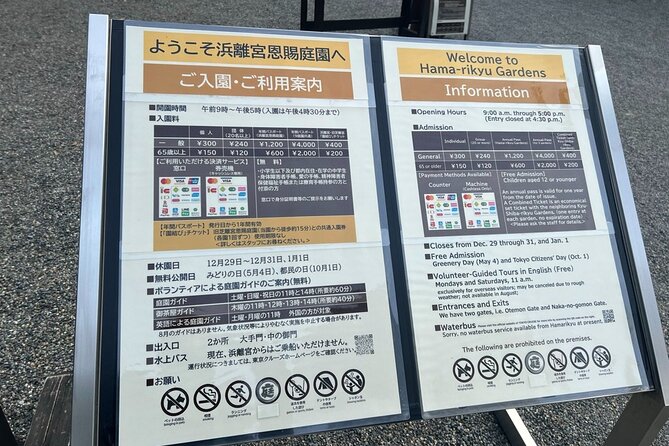
At $85 per person, this is not the cheapest way to enter a Tokyo garden. The value comes from the combination of a live English-speaking guide, a group capped at four, and matcha with Japanese sweets in the garden tea room.
You are paying for interpretation as much as admission. Without a guide, you could still enjoy the paths, plants, and views, but you might miss the meaning behind the Karesansui and Kaiyushiki designs. The tour gives you a framework for looking, which can make the garden more rewarding during this visit and others later in Japan.
The small group also matters. A group of four allows a more direct exchange with the guide than a large sightseeing tour. If you value questions, personal attention, and a quieter pace, the price is easier to justify.
The value is less convincing if you only want to stroll for an hour and take photos. You may prefer to visit independently and spend longer inside the garden. This tour makes the most sense when you want cultural explanation plus tea, not just entry to a pretty place.
Timing, meeting points, and the end of the tour
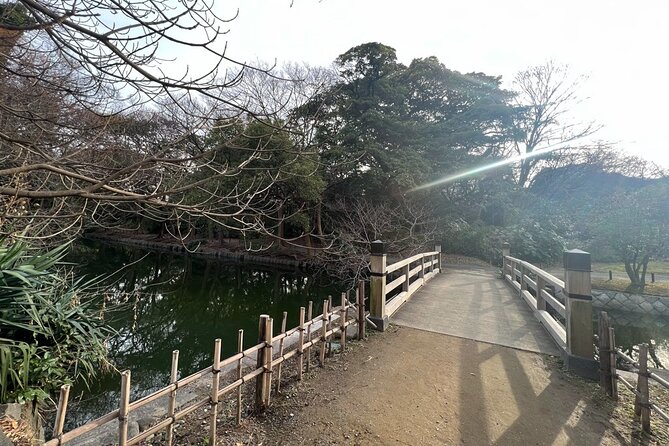
The full activity lasts 90 minutes. The listed plan is about 30 minutes of guided sightseeing followed by one hour in the tea room.
The starting point is Otemon Bridge, though the meeting location can vary depending on the option you choose. The listed drop-off point is Shiodome Station. That makes the experience easy to connect with the rest of a Tokyo day, but you should still use your booking confirmation for the exact arrangements.
Because the visit is short, arrive ready to begin. The tour is not designed around a long independent search for the best garden views. If you are late, you could lose a meaningful portion of the walking explanation or tea time.
Free cancellation is available up to 24 hours before the activity for a full refund. You can also reserve now and pay later, which helps if you are still arranging a busy Tokyo schedule. Starting times depend on availability.
There is no transportation included as part of the experience. The tour begins at the garden meeting point and ends at Shiodome Station, so plan your route to the start and your next stop separately.
Who will enjoy this tour most?
I would recommend this experience to several kinds of visitors:
- First-time visitors to Japan: You get a friendly introduction to garden design, matcha, and wagashi in one compact visit.
- Culture-focused sightseers: The guide explains why the garden looks as it does, rather than offering only surface-level sightseeing.
- Couples and small groups: The four-person limit keeps the experience personal.
- Photographers who like seasonal scenery: Plants and trees change through the year, and the garden offers varied views.
- People with a tight Tokyo schedule: Ninety minutes is long enough for a meaningful stop without taking over the day.
- Matcha fans: The tea and sweets are included, and the tea room adds a calm finish.
I would think twice if you want a long, unhurried walk or a formal tea ceremony lesson. The garden portion is short, and the available details do not promise an advanced tea instruction session.
Practical advice before you book
Wear comfortable shoes. You will walk through the garden before sitting for tea, and the experience works best when you are not distracted by sore feet.
Think about the season. The garden’s plants and trees change in appearance, and spring may be especially appealing if flowers are your priority. No season is presented as the single correct choice, so choose based on the rest of your Tokyo plans.
Keep your camera ready during the garden portion, but give yourself time to listen. The point of the tour is not only to collect pictures. The guide’s explanation of the dry garden and circular garden helps you understand what you are photographing.
If you are unsure about matcha, this is a manageable way to try it. The included sweets offer a traditional pairing, and the tea room provides a setting that makes the drink part of a larger cultural experience.
Should you book Hama-rikyu Gardens with tea?
Book this tour if you want a short, personal introduction to Japanese garden culture with matcha and sweets built in. The small group, English-speaking guide, and focused 90-minute format are the main reasons to choose it.
I would especially pick it for a first visit to Tokyo, a couple’s itinerary, or a day when you want something calmer than the city’s major shopping and sightseeing districts. The guides praised for this experience, including Ayaku, Hiro, and Mr. Ito, add a human touch to the history and design.
Skip it if your priority is independent exploration or a full formal tea ceremony. At $85, the tour needs to provide more than garden access to feel worthwhile. For the right visitor, it does: you get the garden’s story, a small group, and a traditional tea stop in one neatly timed experience.
FAQ
How long does the Hama-rikyu Gardens tour last?
The activity lasts 90 minutes. The plan includes about 30 minutes of guided garden sightseeing and one hour in the tea ceremony room.
What is included in the tour price?
A tour guide, matcha green tea, and Japanese sweets are included. The listed price is $85 per person.
Is the tour conducted in English?
Yes. The activity has a live English-speaking guide.
How large is the group?
The tour is limited to four participants, making it a small-group experience.
Where does the tour start and finish?
The listed starting location is Otemon Bridge, though the meeting point may vary by booking option. The listed drop-off point is Shiodome Station.
Can I cancel for a full refund?
Yes. You can cancel up to 24 hours in advance for a full refund. The activity also offers a reserve-now, pay-later option.
Just added around Tokyo
- Tsumami Zaiku Japanese Fabric Flower Class★ 5.0 · 3 reviews
- Tokyo: Serene Sakura & Sake: An Exclusive Brewery Pairing Lunch★ 5.0 · 2 reviews
- Tsukiji Food Strolling and Hama Rikyu Garden Walking Tour★ 5.0 · 7 reviews
- Private tour – Scenic Fuji Escape: Hakone, Peace Park & More★ 5.0 · 4 reviews
- Tokyo Cherry Blossom Half Day Walking Tour with a Local Guide★ 3.5 · 4 reviews
- TOKYO: Tailored Gardens tour with Pro Gardener by E-bike -BASIC★ 5.0 · 2 reviews
- Cherry Blossom Highlights, Asakusa, Ueno, Imperial Palace Garden★ 4.5 · 4 reviews
- Japan’s Customs of Ikebana Art, Tea Ceremony & Kimono Welcome★ 5.0 · 2 reviews
Tokyo Garden Tours, compared.
Imperial Palace East Garden and Edo Castle Walking Tour in Tokyo
Read our review →

Edo Castle & East Garden of the Imperial Palace Tour
Read our review →
Tokyo Private Tour! Edo Castle & Imperial Palace East Gardens
Read our review →
Mount Fuji & Lake Kawaguchiko Private Tour: Beyond the Ordinary
Read our review →
Rainbow Bridge Day Cruise Show and Only Soft Drinks
Read our review →
Tsukiji Market and Hama-rikyu Gardens Guided Tour
Read our review →Browse the lists this tour appears in