

Review · TOKYO
Tokyo: Tsukiji Market and Hama-rikyu Gardens Guided Tour
Tokyo’s best food experiences are often found on foot, and this tour puts you right in the middle of it. You’ll begin at Tsukiji Hongwanji Temple, browse the narrow lanes of Tsukiji Outer Market, then trade market noise for the calm paths of Hama-rikyu Gardens. I especially like the mix of Japanese food culture and Edo-era history, plus the easy contrast between old Tokyo and the modern skyline.
I also like that the garden admission is included and that you have time to buy small portions from market stalls rather than commit to a full meal. The main drawback is that food is not included, and the walk can be tiring. The accessibility information is also inconsistent, so anyone with mobility concerns should confirm conditions before booking.
Key points
- Sample several classic Japanese foods: Try grilled scallops, tamagoyaki, sushi, wagyu skewers, and matcha sweets at your own cost.
- See three very different Tokyo settings: Visit a distinctive temple, a working food market, and a quiet Edo-period garden.
- Learn what makes Tsukiji special: The market handles about 480 types of seafood and 270 types of produce.
- Finish among flowers and skyscrapers: Hama-rikyu offers seasonal color with central Tokyo rising behind it.
- Allow about two and a half hours: The route includes roughly 15 minutes at the temple, 45 minutes at the market, a 15-minute walk, and about an hour in the garden.
Why this short Tokyo walk works so well
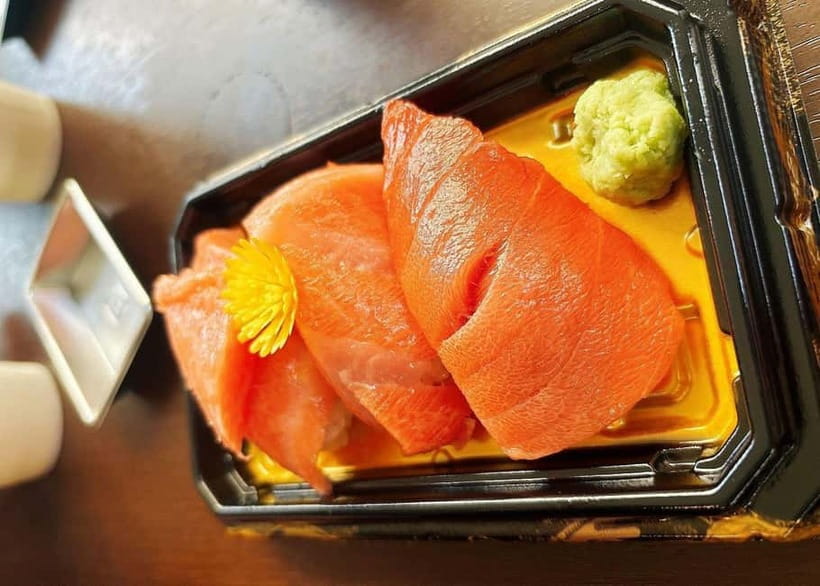
This is a compact introduction to Tokyo’s food, faith, history, and public gardens. You are not spending half a day crossing the city. Instead, the route links three places close enough to visit on foot, with a guide providing context as you go.
I like the order. Tsukiji comes first, when you are ready for strong flavors, close-packed stalls, and plenty of visual activity. Hama-rikyu comes later, when a quiet pond and open garden paths give you room to slow down. The change in mood is the point.
The experience lasts between 150 minutes and three hours, depending on the starting time and the pace of the group. The listed stops add up to roughly two hours and 15 minutes, before extra time for browsing, food purchases, questions, and walking. Plan on wearing shoes you would happily use for a longer city walk.
The meeting point is in front of Starbucks Coffee near Tsukiji Station. That is useful for a first-time visitor, since the location is easy to identify, but arrive with enough time to find the correct branch and your guide. The tour ends at Hama-rikyu Gardens rather than returning you to the starting point. That makes the route practical if you plan to continue sightseeing in the area, but less convenient if you need to retrieve luggage or return to your hotel immediately.
More Market Visits in Tokyo:
- Versailles Bike Tour with Market, Gardens & Guided Palace Tour
★ 5.0 · 1,121 reviews - Bangkok: Night Bike Tour with Temples & Flower Market Visit
★ 4.8 · 751 reviews - Thai Cooking Class with Market & Garden Tour
★ 4.9 · 249 reviews
Starting quietly at Tsukiji Hongwanji Temple
The first stop is Tsukiji Hongwanji, a Buddhist temple with unusual architecture and a peaceful interior atmosphere. You spend about 15 minutes here with the guide, which is enough for an introduction and a quiet look around rather than a long temple visit.
This short stop gives the tour a useful sense of place. Tsukiji is now famous for food, but the neighborhood is not only a collection of stalls and snack counters. Beginning at the temple reminds you that Tokyo’s districts often contain religious, commercial, and residential life side by side.
I would treat this as a scene-setting visit, not the main event. If you want extended time for prayer, architecture study, or photography, 15 minutes may feel brief. Still, the temple provides a calm start before the market’s tighter lanes and stronger smells.
Be respectful while inside. Keep your voice low, follow the guide’s instructions, and remember that this is an active religious site, not simply a photo stop.
Reading Tsukiji Market through its food
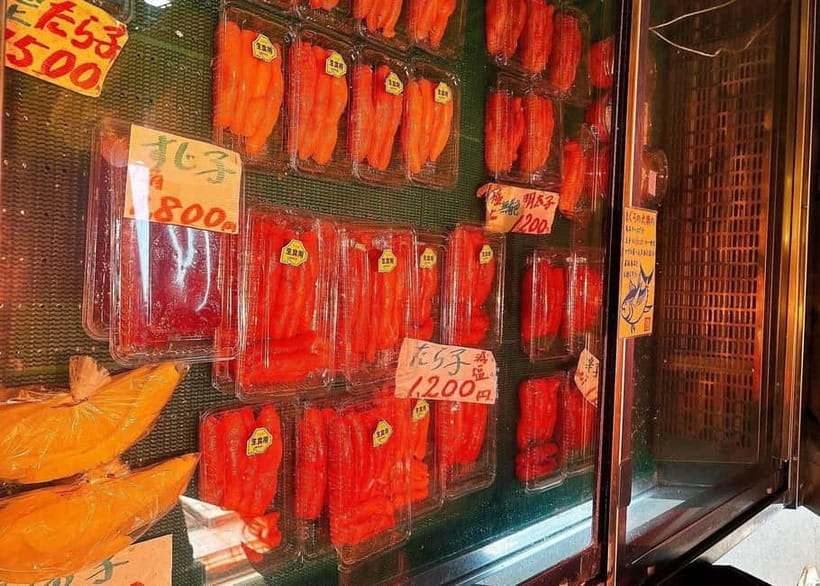
The market section lasts about 45 minutes, combining a guided walk with free time for shopping and snacks. That split matters. You get an explanation of the market and its history, but you also have space to choose what interests you instead of following a fixed tasting menu.
Tsukiji has an 83-year history as one of Tokyo’s central wholesale markets and handles around 480 kinds of seafood and 270 kinds of produce. Those figures help explain why the market can feel bigger than its compact lanes suggest. You are seeing a broad food supply network, not just a row of souvenir shops.
The outer market is the part most visitors experience today. Expect narrow alleys, busy counters, cooking smells, colorful displays, and vendors selling ingredients and ready-to-eat food. Your guide can help explain what you are seeing and how the market fits into Japanese food traditions.
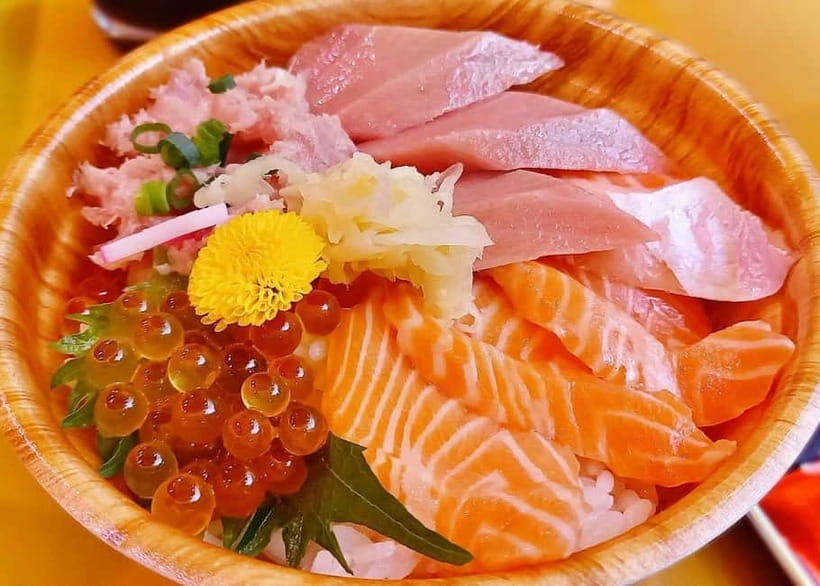
Food purchases are extra, so bring some yen and think of the tasting as flexible grazing. Possible choices include:
- Grilled scallops
- Tamagoyaki, a softly sweet Japanese omelette
- Sushi
- Wagyu skewers
- Matcha sweets
You do not need to buy everything. I would choose one savory item and one sweet item, then keep a little appetite for later. A market visit is more enjoyable when you sample selectively rather than rush from stall to stall trying to turn the walk into a full meal.
Tamagoyaki is a particularly good choice if you want something simple and distinctly Japanese. Sushi makes sense if you want seafood at the source, while a grilled scallop or wagyu skewer is easier to eat while walking. Matcha sweets give you a small preview of the tea flavor that appears again later in the garden.
The guide’s role is most useful here. Market etiquette can be less obvious than the food itself. You may need to keep moving in narrow areas, avoid blocking a stall, and follow any instructions about where to eat. Ask before taking close-up photographs of vendors or products, and keep your belongings secure in crowded lanes.
The 45-minute allocation is enough for an overview and a few purchases, but it is not a leisurely market morning. If you want to compare many stalls, shop for packaged ingredients, or sit down for a substantial meal, you will need to return on your own. This tour gives you an introduction and a helpful first orientation.
The 15-minute walk to a different Tokyo
After the market, the group walks for about 15 minutes to Hama-rikyu Gardens. Transportation is not included because this is a walking tour, so the route itself is part of the experience.
This transition helps you notice how quickly Tokyo changes. One moment you are among food stalls and compact streets. Soon you are approaching a large historic garden surrounded by the city. The walk is not presented as a separate sightseeing stop, but it connects the two main parts of the outing.
Keep water with you, especially in warm weather. The tour information specifically recommends comfortable shoes, water, and a camera. That is practical advice, not filler. You will walk on city streets as well as garden paths, and the total time on your feet can approach three hours if the group moves slowly.
A few more garden visits around Tokyo worth a look
- Historic Temple・traditional Japanese garden& Eating around at a shopping strip
★ 5.0 · 4 reviews - National Mall Tour with 10+ Stops, Boat Cruise, Entry Tickets
★ 4.5 · 1,212 reviews - Seoul: Mt.Seorak, Nami Island & Korean Garden, No Shopping
★ 4.8 · 614 reviews - National Mall Tour with 10 Stops & U.S. Capitol or Museum Entry
★ 4.5 · 331 reviews
Hama-rikyu Gardens and its Edo-period calm
Hama-rikyu Gardens was created during the Edo period more than 370 years ago. The garden visit lasts about an hour, with time for a guided explanation and independent wandering.
This is where the tour changes pace. After Tsukiji’s tight lanes, Hama-rikyu gives you ponds, open views, seasonal flowers, and carefully arranged plantings. Depending on when you visit, different flowers may be in bloom, so the exact colors and displays will change through the year.
The garden’s most appealing feature is its setting. You can enjoy a traditional Japanese garden while seeing Tokyo’s modern skyline beyond it. That contrast is not a minor detail. It shows how old spaces remain part of the city rather than being isolated from it.
I would use the hour in two ways. First, stay with the guide long enough to understand the garden’s design and history. Then take some free time for photographs and a slower walk. The garden is more rewarding when you stop looking at it as a checklist and pay attention to the contrast between planted space, water, paths, and towers.
The garden admission is included in the $31 price, which improves the value of the tour. You are paying not only for entry, but also for a guide who links the garden to the rest of the route. If you visited Tsukiji on your own, Hama-rikyu would still be easy to reach, but you would miss the connection between the market district and this former Edo-era retreat.
Optional matcha and wagashi in the garden
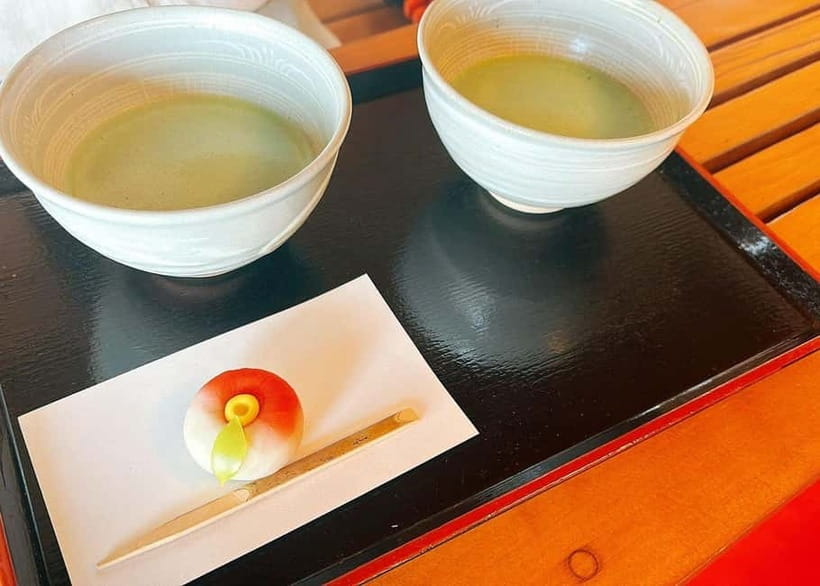
You can add a matcha and wagashi tasting at Hama-rikyu for about 1,000 yen, paid on-site. This is optional, so you can skip it if you have already eaten, are watching your budget, or simply want more time to walk.
Matcha is traditionally prepared powdered green tea, while wagashi are Japanese sweets commonly served with tea. The pairing works well after the market because it shifts your attention from street food to Japanese tea etiquette.
I would choose this add-on if you want a cultural explanation rather than just another snack. It gives the garden visit a more deliberate pause. At the same time, do not assume it is included in the tour price. Bring extra yen if you want the option.
The information provided does not specify how long the tasting takes, so ask the guide about timing on the day. If flowers and photography are your main reasons for visiting Hama-rikyu, you may prefer to use the hour for the garden itself.
Is $31 a fair price?
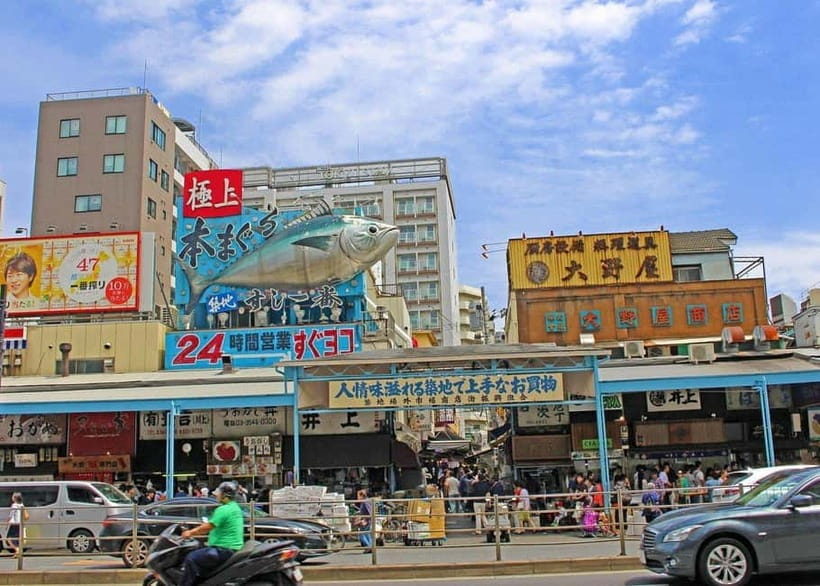
At $31 per person, this is a reasonable price for a guided walking tour that includes admission to Hama-rikyu Gardens. The value is strongest if you want orientation, historical explanation, and help understanding what to eat at Tsukiji.
The price does not include meals or market food. That is both a limitation and a benefit. You are not paying for a fixed tasting menu filled with items you may not want. Instead, you control the budget and choose whether to buy a small snack, several foods, or nothing.
Your final cost will depend on what you eat and whether you add matcha and wagashi for about 1,000 yen. If you already plan to visit Tsukiji and Hama-rikyu independently, the tour may be less appealing. You can reach both areas without a guide. But if you want a smooth first visit and help making sense of the market, $31 is fair.
The tour also has a practical advantage for short Tokyo stays. In one outing, you cover a temple, food district, and major garden without arranging separate visits. You finish at Hama-rikyu, so you can continue from there instead of doubling back.
Who should book this experience?
I would recommend this tour to first-time Tokyo visitors who want a manageable introduction to several sides of the city. It suits people who enjoy tasting small portions, asking questions, and walking at a steady pace.
It is also a good choice if you are unsure how to approach Tsukiji. The market can be exciting but confusing, especially when you do not know which foods are easy to eat on foot or how to behave around busy stalls. A guide gives you a starting point.
Families with older children may like the variety, since the route changes mood often. Food-focused visitors will appreciate the market time, while history-minded visitors get the temple and Edo-period garden context.
I would be more cautious if you want a long market breakfast, extensive shopping, or a slow garden photography session. The schedule offers an introduction, not an all-morning stay at either location.
The tour information says it is not suitable for pregnant women, people with mobility impairments, or wheelchair users. It also separately describes the experience as wheelchair accessible, which is contradictory. Because the route involves substantial walking and narrow market lanes, contact the provider before booking if accessibility matters to you. Do not rely on the accessibility label alone.
Guided languages include Chinese, English, French, Korean, and Spanish. Smoking is not allowed. Cancellation is free up to 24 hours before the start, and the reserve-now, pay-later option can help if your Tokyo plans are still shifting.
Should you book the Tsukiji and Hama-rikyu walk?
Book it if you want a compact, guided introduction to Tokyo food and history, with the freedom to choose your own market snacks. The temple, market, and garden make a good trio, and the skyline views from Hama-rikyu give the final hour a clear sense of place.
Skip it if you prefer to spend several hours eating at Tsukiji, or if you already know the district and do not need a guide. Also confirm the mobility details before paying, since the supplied accessibility information does not agree with itself.
For most first-time visitors who enjoy walking and small food purchases, the $31 price is sensible. Bring comfortable shoes, water, yen for snacks, and enough time to enjoy the garden rather than racing through it.
FAQ
Where does the tour start?
The meeting point is in front of Starbucks Coffee near Tsukiji Station.
Where does the tour finish?
The tour finishes at Hama-rikyu Gardens.
How long does the experience last?
The stated duration is between 150 minutes and three hours. The planned stops include about 15 minutes at Tsukiji Hongwanji, 45 minutes at Tsukiji Outer Market, a 15-minute walk, and one hour at Hama-rikyu Gardens.
Is transportation included?
No. This is a walking tour, and transportation to and from the attractions is not included.
Is food included in the price?
No. Food purchased from market stalls is optional and costs extra.
How much does the matcha and wagashi tasting cost?
The optional tasting costs about 1,000 yen and is paid on-site.
Is admission to Hama-rikyu Gardens included?
Yes. The garden admission fee is included.
Which languages are available?
The tour is offered with live guides in Chinese, English, French, Korean, and Spanish.
What should I bring?
Bring comfortable shoes, water, and a camera. Smoking is not allowed.
Just added around Tokyo
- Tsumami Zaiku Japanese Fabric Flower Class★ 5.0 · 3 reviews
- Tokyo: Serene Sakura & Sake: An Exclusive Brewery Pairing Lunch★ 5.0 · 2 reviews
- Tsukiji Food Strolling and Hama Rikyu Garden Walking Tour★ 5.0 · 7 reviews
- Private tour – Scenic Fuji Escape: Hakone, Peace Park & More★ 5.0 · 4 reviews
- Tokyo Cherry Blossom Half Day Walking Tour with a Local Guide★ 3.5 · 4 reviews
- TOKYO: Tailored Gardens tour with Pro Gardener by E-bike -BASIC★ 5.0 · 2 reviews
- Cherry Blossom Highlights, Asakusa, Ueno, Imperial Palace Garden★ 4.5 · 4 reviews
- Japan’s Customs of Ikebana Art, Tea Ceremony & Kimono Welcome★ 5.0 · 2 reviews
Tokyo Garden Tours, compared.
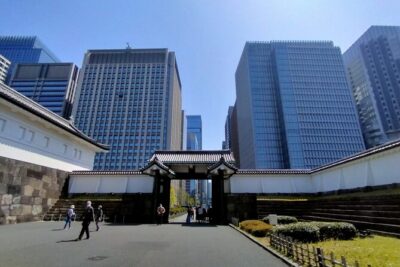
Imperial Palace East Garden and Edo Castle Walking Tour in Tokyo
Read our review →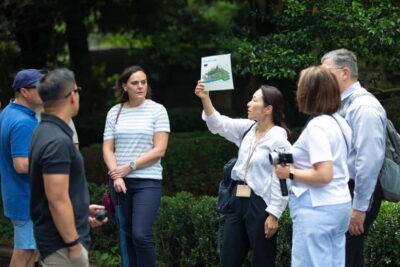
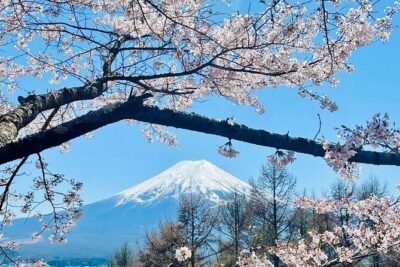
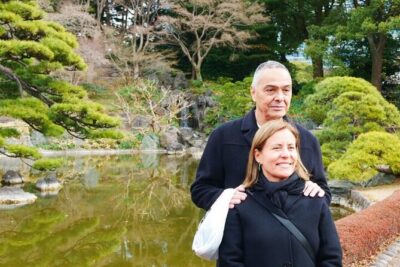
Edo Castle & East Garden of the Imperial Palace Tour
Read our review →
Tokyo Private Tour! Edo Castle & Imperial Palace East Gardens
Read our review →
Mount Fuji & Lake Kawaguchiko Private Tour: Beyond the Ordinary
Read our review →
Rainbow Bridge Day Cruise Show and Only Soft Drinks
Read our review →
Pvt. Tour – Edo Castle & Imperial Palace East Gardens
Read our review →Browse the lists this tour appears in