
Review · TOKYO
Tokyo Summer: Mt Fuji 5th Station& Kawaguchiko Lavender Trip
Mt Fuji is the star here, but the summer lavender at Oishi Park may be the day’s sweetest surprise. You’ll also get the classic Fuji photographs: the mountain above Lawson’s blue sign, the view from the 5th Station, and the framed streets near Hikawa Clock Shop.
I like the easy alternative to juggling trains and buses, and I like that you get time at each stop instead of only snapping a photo from the vehicle. The catch is that English guidance is limited, the road back can be slow, and clear Fuji views are never guaranteed.
Key points to know
- Mt Fuji’s 5th Station reaches 2,300 meters, giving you volcanic scenery and views toward the Fuji Five Lakes when conditions are clear.
- Oishi Park is the summer centerpiece, with lavender usually at its best in July and crimson kochia in autumn.
- You visit Japan’s famous Lawson viewpoint, where the convenience store, power lines, and Fuji create a familiar postcard scene.
- Oshino Hakkai offers more than a photo stop, with eight spring-fed ponds and local snacks in an Edo-style setting.
- Small-group transport saves transfers, but the stated vehicle limit varies between nine and 12 people, so check the final booking details.
- Hotel pickup is limited, and solo visitors need to meet at Tokyo Station’s Marunouchi North Exit.
A full Fuji day without the train changes
At $61 per person, this is priced as a practical day trip rather than a polished sightseeing cruise. You pay for transport, tolls, fuel, and admission to Mt Fuji’s 5th Station. That matters because the Fuji area is spread out, and reaching these particular photo stops by public transport takes planning and several connections.
The trip usually begins between 7:30 and 8:30 AM. You may be picked up at a hotel in Shinjuku, Chiyoda, Chuo, or Taito if at least two people are using the service. Other districts need approval, so do not assume every Tokyo hotel qualifies.
If you do not have confirmed pickup, meet at Tokyo Station’s Marunouchi North Exit. The exact gathering point is sent by WhatsApp. Your driver contacts you the night before through WhatsApp or LINE, so install the app before the trip and watch for the message.
The bus leaves on time. This is not the kind of outing where arriving a few minutes late usually works out. A wrong exit at Tokyo Station can cause real trouble, so give yourself plenty of time to find the Marunouchi North Exit.
More Lavender Field Tours in Tokyo:
- Nice: Gorges of Verdon and Fields of Lavender Tour
★ 4.5 · 2,707 reviews - Aix-en-Provence: Lavender Fields Visit
★ 4.1 · 421 reviews - Nice: Gorges of Verdon and Fields of Lavender Tour
★ 4.0 · 342 reviews
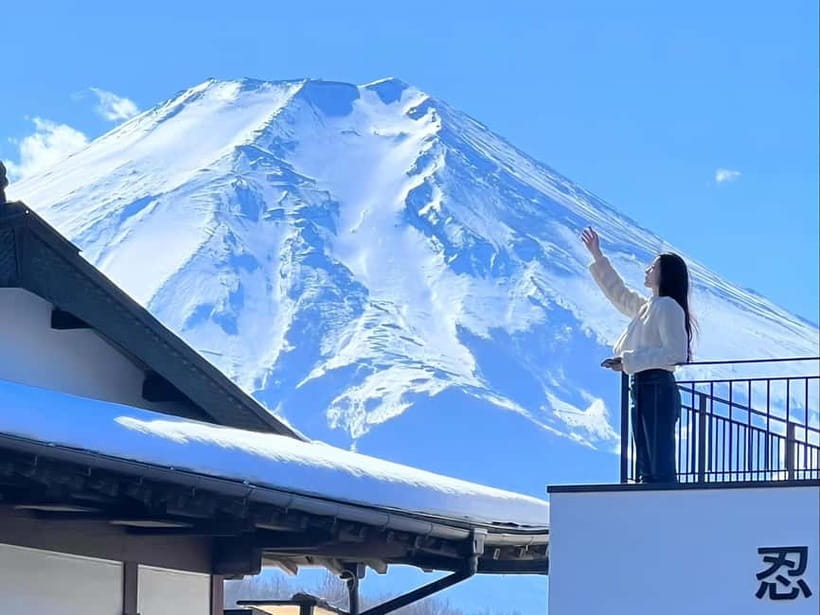
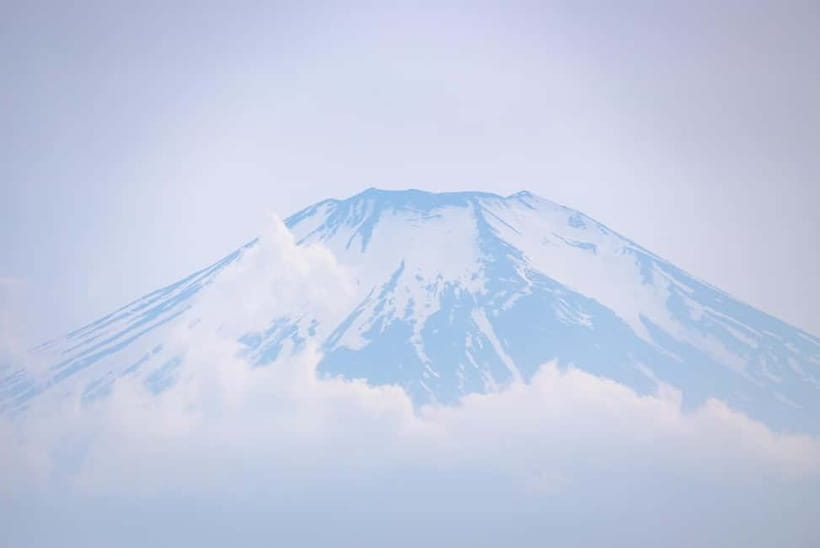
Mt Fuji’s 5th Station at 2,300 meters
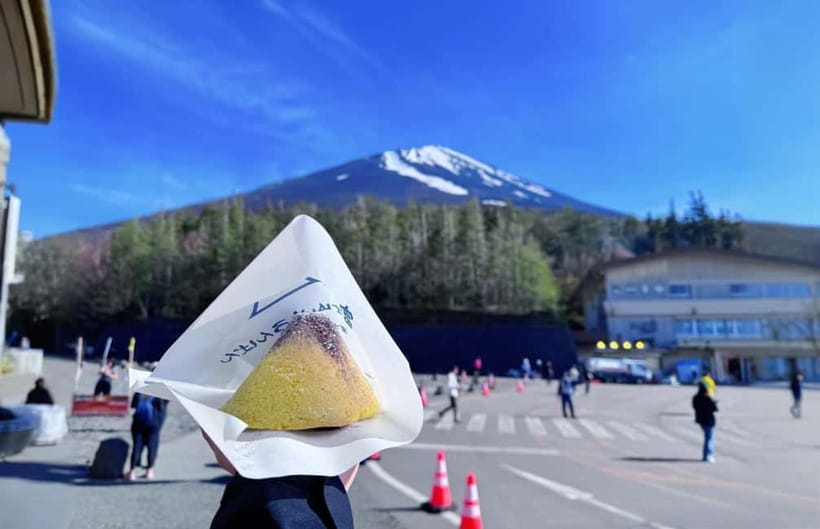
The first major stop is Mt Fuji’s 5th Station, about 2,300 meters above sea level. It is not the summit, and this trip is not a climb. Instead, you reach the high road point by vehicle and spend about 50 minutes looking across Fuji’s upper slopes and the surrounding area.
The appeal is the change in scenery. Around Tokyo, Fuji can feel distant and almost unreal. At the 5th Station, you are on the mountain’s volcanic slopes, with lava-scarred ground and broad views toward the Fuji Five Lakes when the air is clear.
June and July can offer good visibility, but clouds can cover the mountain at any time. The tour runs in rain or shine, with no weather refund. That is important. You are paying for access to the region and the planned route, not a guaranteed Fuji photograph.
The 5th Station is also at high altitude, so take the short stop at an easy pace. You do not need hiking gear for the included visit, but a light layer can be useful because conditions may feel different from Tokyo.
If the 5th Station is closed, the route changes to Lake Yamanaka. That gives you a lakeside Fuji setting, but it is not the same experience. If standing on the mountain matters most to you, check the road status and weather expectations before booking.
Oshino Hakkai and its eight clear ponds
The next stop lasts about 70 minutes and includes time for lunch, but the food itself is not included in the price. Budget for snacks or a casual meal at the site, and remember that food and drinks are not allowed inside the vehicle.
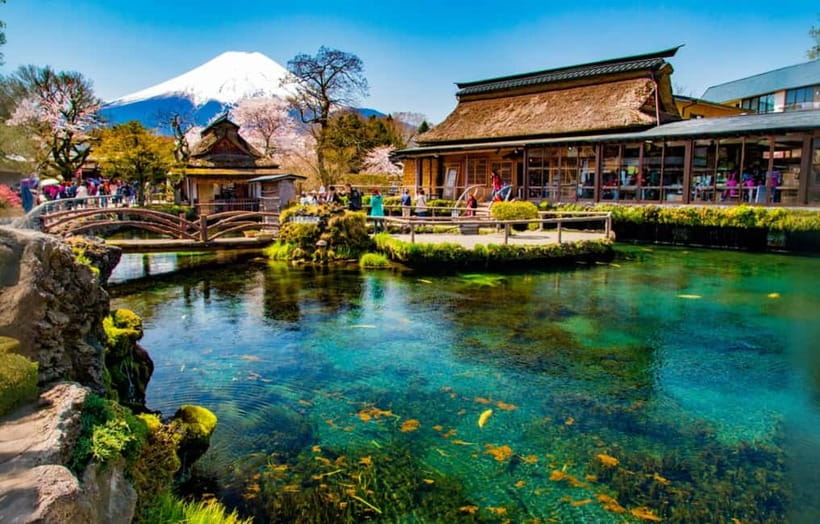
Oshino Hakkai is known for eight spring-fed ponds filtered through Fuji’s underground lava layers. The water is clear enough to reflect trees and sky, and the setting has an older village feel, with wooden buildings and local food stalls.
This is a useful contrast to the big Fuji viewpoints. Instead of only looking outward at the mountain, you get small details close at hand: pond water, old-style structures, and street food. Try the local mochi grilled over lava rock if it is available when you visit.
Seventy minutes is enough to see the ponds and buy food, but it is not a slow village visit. Keep an eye on the meeting time. The stop can feel rushed if you want a full meal, photographs, and careful exploration all at once.
The famous Lawson photo in Lake Kawaguchi
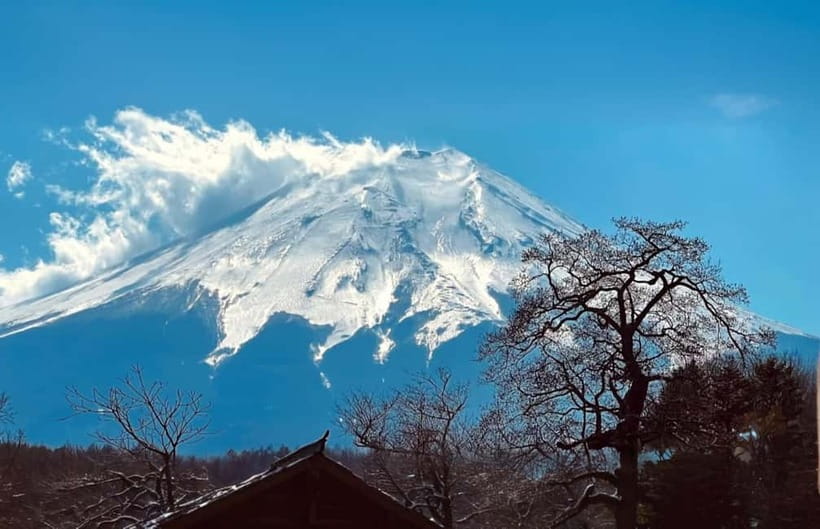
The Lake Kawaguchi Lawson stop lasts about 20 minutes. This is one of the trip’s most instantly recognizable photo locations, with Mt Fuji rising behind a Lawson convenience store.
The scene is popular because of its strange mix of ordinary Japan and grand nature. The blue-and-white storefront, power lines, road markings, and Fuji all appear in one frame. Your driver can point out angles that include the signage and mountain together.
Do not expect a quiet photographic session. Twenty minutes is a short stop, and this is a well-known location. Use your time wisely: take the obvious postcard image first, then try a few wider and lower angles if the view is open.
This stop is also a good reminder that the day focuses on specific Fuji viewpoints rather than a single grand park or long walk. You get several different compositions, but each visit is carefully timed.
Same place, a different kind of green day out:
- Imperial Palace East Garden and Edo Castle Walking Tour in Tokyo
★ 5.0 · 510 reviews - Mt. Fuji Day Trip from Tokyo with English Speaking Driver Guide
★ 5.0 · 443 reviews - Tokyo: Imperial Palace East Gardens Walking Tour
★ 4.8 · 353 reviews - Mt. Fuji, Cherry Blossom & Shiba Sakura Pvt. Day Tour
★ 5.0 · 326 reviews
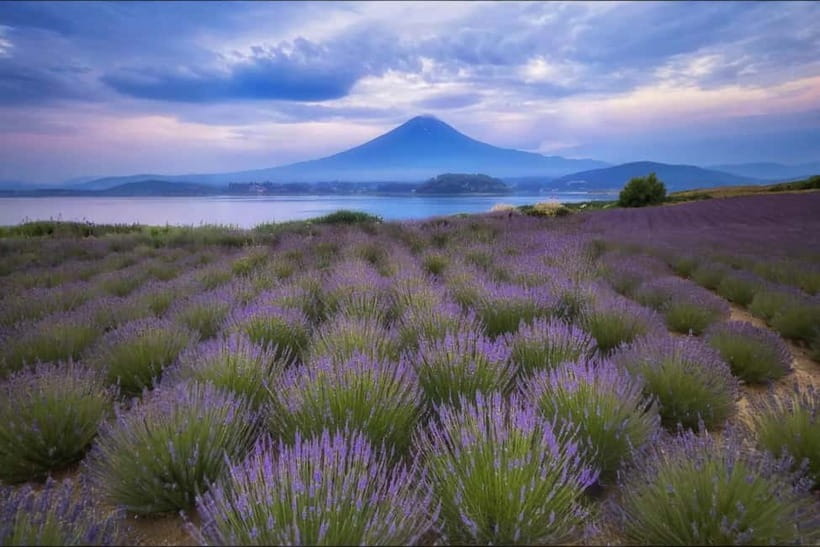
Lavender at Oishi Park in July
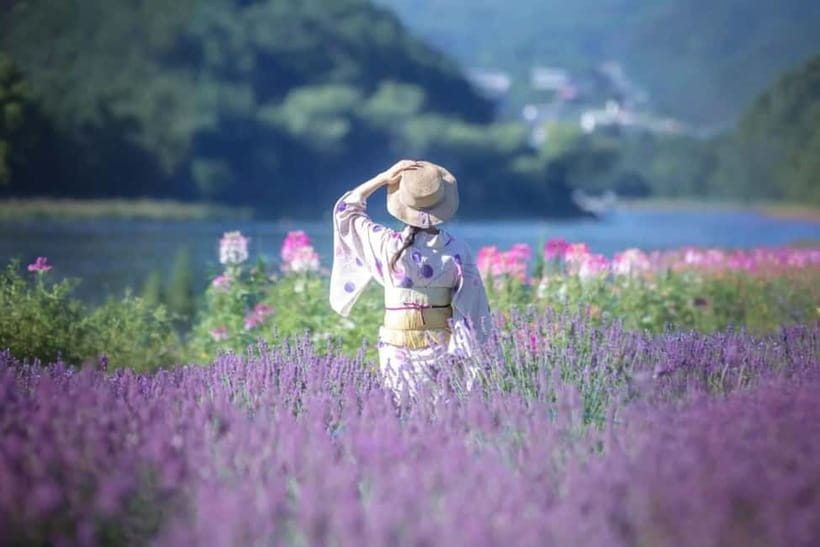
Oishi Park is the warm-weather highlight. The stop lasts about 50 minutes, with lavender fields arranged against the Fuji area. The main bloom is generally associated with July, though the tour operates during a wider June to August period.
The color and scent give this visit a different feel from the 5th Station and Oshino Hakkai. Look for a low camera angle so the flowers fill the foreground and Fuji rises beyond them. The mountain may be hidden by clouds, but the lavender still gives you something worthwhile to photograph.
Timing matters here. The trip is designed around the summer bloom, but flowers do not follow a strict calendar. Late June, July, and August can look different from one another. If lavender is your main reason for booking, July is the safest choice based on the information provided.
The park also changes with the seasons. Autumn visits may feature crimson kochia instead of summer lavender. That is a useful detail for anyone considering this as more than a one-season outing.
Fifty minutes gives you enough time to walk, take photographs, and enjoy the color without turning the stop into a long park visit. I would keep your camera ready and avoid spending the entire stop in one crowded viewpoint.
Hikawa Clock Shop and the final Fuji frame
The Hikawa Clock Shop area is scheduled for about 20 minutes. You walk through Edo-style streets with wooden shop fronts toward a view of Fuji at the end of the road.
This stop has a more carefully framed, town-based look than Oishi Park. Timber buildings and the road create a strong leading line toward the mountain. In clear conditions, it can look like a carefully composed Japanese print.
The timing is brief, so this is mainly a photo walk rather than a shopping visit. The information suggests morning mist and sunset colors can add atmosphere, but this day trip leaves Tokyo in the morning and returns around 6 PM. You should not count on being there at sunset.
Traffic can change the schedule, especially during peak periods. The tour may arrive back in Tokyo 1.5 to 2 hours earlier than the stated return time if roads cooperate, but you should not book a tight evening reservation around that estimate.
What the driver can and cannot provide
The service includes a Chinese or Japanese-speaking driver, with English listed among the available languages. In practical terms, basic English assistance is available for meeting times, directions, and simple questions, but full commentary is not promised.
That distinction affects the experience. You will get transport to the stops and help keeping to the schedule, but you should not expect a long explanation of Fuji’s geology, local customs, or the history of each site.
The driver’s main value is logistical. You avoid figuring out the correct buses, paying highway tolls, and coordinating separate connections between widely spaced stops. If you want detailed interpretation, bring your own guidebook or prepare a little before departure.
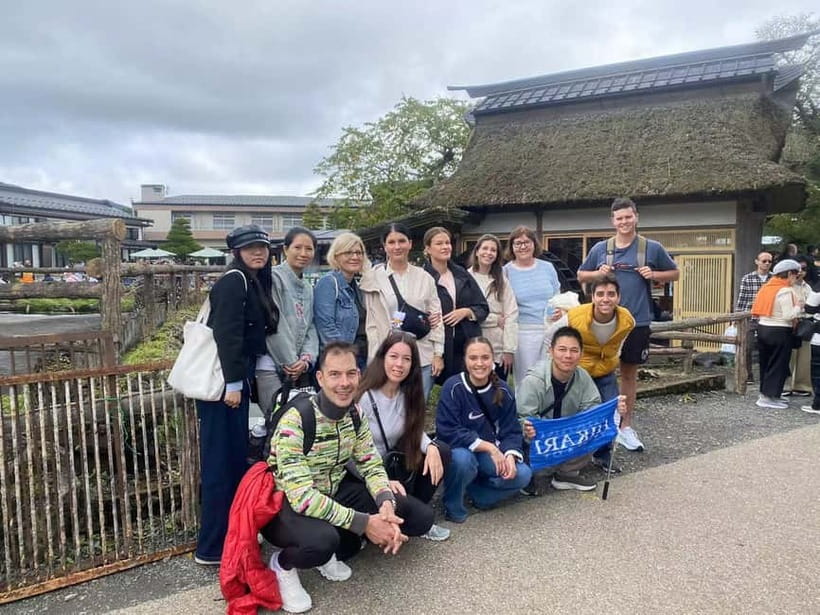
The group is described as small, with one limit of 12 people and another reference to a nine-person maximum. Ask for the confirmed vehicle size when booking. Either way, this is intended to be more personal and less crowded than a large coach tour, but it is not a private car.
What $61 really gets you
The price is strong if you value convenience. Transport to five separate Fuji-area stops, highway costs, fuel, and 5th Station admission are included. Reaching the same places independently can be done, but it takes more research and leaves you responsible for each connection.
The value is less obvious if you mainly want one long visit at Lake Kawaguchi. This route gives you a series of short stops, so you trade depth for variety. You see the mountain from several angles, but you do not spend the whole day at one lakefront location.
Bring money for lunch, drinks, and snacks. The information is inconsistent about lunch wording, since Oshino Hakkai includes lunch time but meals are specifically listed as not included. Plan on paying for your own food.
Luggage space is tight. Small backpacks and bags up to about 24 inches are the stated limit, but a large suitcase is a poor fit. This works best as a day trip from your Tokyo hotel, not as a transfer between cities.
Who should book this Fuji day trip
I would recommend it to you if you want the famous Fuji photo spots in one organized day and do not want to manage several rail and bus changes. It is also a good fit for photographers who want different settings: volcanic slopes, ponds, a convenience store, flowers, and a traditional-looking street.
It suits solo visitors too, but solo pickup is not available. You must meet at Tokyo Station. Hotel pickup needs at least two people, and hotels outside the four named central districts require approval.
Families should note that children under three can join free without occupying a seat. The experience is not suitable for people over 75, according to the supplied conditions.
I would hesitate if you need fluent English guiding, dislike fixed schedules, or want guaranteed mountain views. The route runs in poor weather, and traffic can alter both the order and length of stops.
Book up to 24 hours before departure for a full refund if your plans change. Still, the more important preparation is practical: install WhatsApp or LINE, confirm your meeting point, bring a small bag, and arrive early.
My booking verdict
Book this trip if your priority is efficient access to Fuji’s most photographed locations, especially during July lavender season. The route is varied, the $61 price covers useful transport costs, and the alternative to handling multiple connections is its strongest feature.
Skip it if you want a deeply guided cultural tour or a relaxed day at one place. With basic English support, short stop times, uncertain weather, and possible traffic delays, this is best viewed as a well-organized photo and sightseeing circuit, not a full lecture on Mt Fuji.
FAQ
Where does the tour begin?
The main meeting point is Tokyo Station’s Marunouchi North Exit, at 1-chōme-9-1 Marunouchi, Chiyoda City, Tokyo. The guide sends a photo of the exact gathering location through WhatsApp.
Is hotel pickup available?
Pickup is offered in Shinjuku, Chiyoda, Chuo, and Taito for at least two people. Hotels in other districts require approval, so confirm before relying on pickup.
What time does the tour leave Tokyo?
Departure is scheduled between 7:30 and 8:30 AM. The vehicle leaves on time, and late arrivals or arriving at the wrong place may not qualify for a refund.
What time does the tour return?
The stated return is around 6 PM. The tour may arrive 1.5 to 2 hours earlier if traffic allows, but peak-season traffic can also change the schedule.
Is lunch included?
No. You have about 70 minutes at Oshino Hakkai to find food, but meals and drinks are not included in the price.
What happens if Mt Fuji’s 5th Station is closed?
The route changes to Lake Yamanaka if the 5th Station is closed.
Is English guidance provided?
The driver can handle basic conversations about meeting times and directions. Full English commentary is not provided.
Can I bring a large suitcase?
Luggage space is limited. Small backpacks and bags up to about 24 inches are allowed, but large luggage should be avoided.
Can solo visitors book the tour?
Yes. Solo visitors need to meet at Tokyo Station because hotel pickup requires at least two people.
Just added around Tokyo
- Tsumami Zaiku Japanese Fabric Flower Class★ 5.0 · 3 reviews
- Tokyo: Serene Sakura & Sake: An Exclusive Brewery Pairing Lunch★ 5.0 · 2 reviews
- Tsukiji Food Strolling and Hama Rikyu Garden Walking Tour★ 5.0 · 7 reviews
- Private tour – Scenic Fuji Escape: Hakone, Peace Park & More★ 5.0 · 4 reviews
- Tokyo Cherry Blossom Half Day Walking Tour with a Local Guide★ 3.5 · 4 reviews
- TOKYO: Tailored Gardens tour with Pro Gardener by E-bike -BASIC★ 5.0 · 2 reviews
- Cherry Blossom Highlights, Asakusa, Ueno, Imperial Palace Garden★ 4.5 · 4 reviews
- Japan’s Customs of Ikebana Art, Tea Ceremony & Kimono Welcome★ 5.0 · 2 reviews
Tokyo Garden Tours, compared.
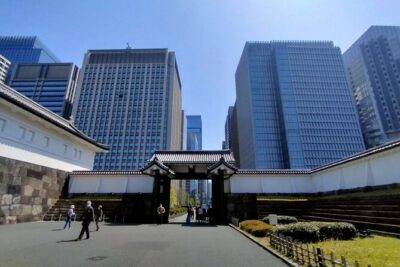
Imperial Palace East Garden and Edo Castle Walking Tour in Tokyo
Read our review →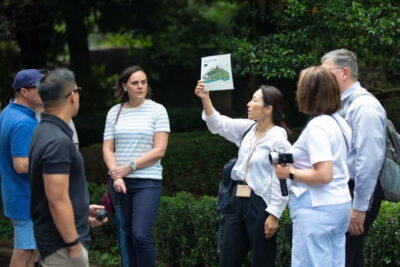
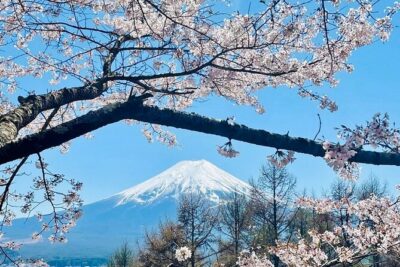
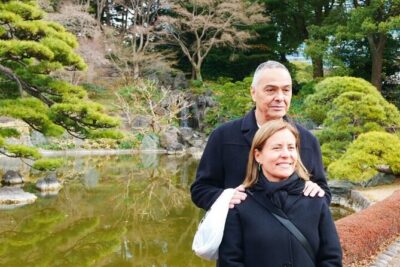
Edo Castle & East Garden of the Imperial Palace Tour
Read our review →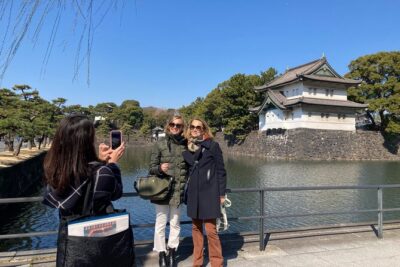
Tokyo Private Tour! Edo Castle & Imperial Palace East Gardens
Read our review →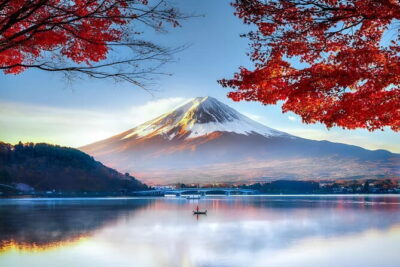
Mount Fuji & Lake Kawaguchiko Private Tour: Beyond the Ordinary
Read our review →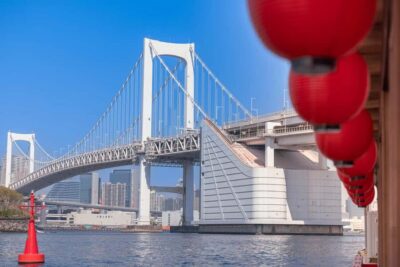
Rainbow Bridge Day Cruise Show and Only Soft Drinks
Read our review →
Tsukiji Market and Hama-rikyu Gardens Guided Tour
Read our review →Browse the lists this tour appears in