
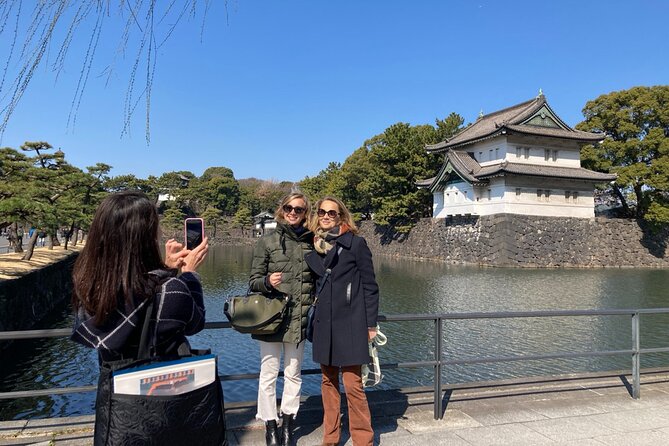
Review · TOKYO
Tokyo Private Tour! Edo Castle & Imperial Palace East Gardens
Tokyo’s Imperial Palace East Gardens give you a rare mix of quiet paths, formal Japanese gardens, old stone walls, and the remains of Edo Castle right in central Tokyo. A private guide helps turn those scattered sights into a clear story about shoguns, emperors, and the city’s past.
I like the personal pace and the chance to ask questions, especially with guides such as Naoko, Mikio, Shigeru, and Yoshiko. I also like that the tour includes the practical sights you might otherwise miss, from Ote-mon Gate to Ninomaru Garden and the castle ruins.
The main thing to understand is that this is not a tour inside the Imperial Palace. You visit the free East Gardens, and the $65.41 price pays for the guide rather than admission. English ability can vary by guide, so that is worth considering when you book.
Key points to know before booking
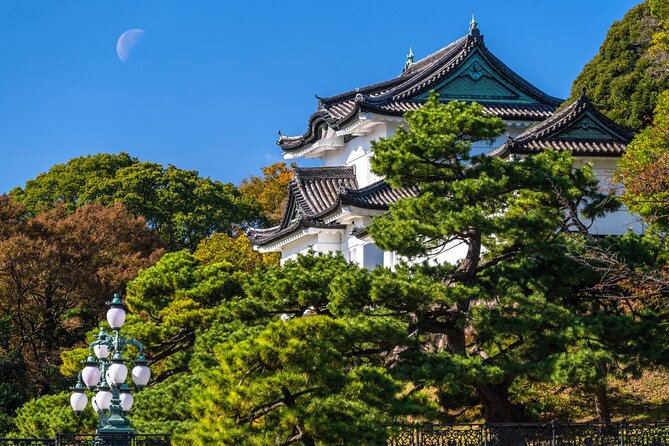
- Edo Castle ruins put Tokyo’s past under your feet: You’ll see remnants of the castle that once ruled the city during the Edo period.
- The East Gardens are free to enter: Your fee covers a private guide, not an entrance ticket.
- The meeting point is Wadakura Fountain National Park: The tour begins and ends at 3-1 Kōkyogaien in Chiyoda City.
- You get about two hours of walking and explanation: The pace can be adjusted for your group, including faster walkers.
- Heat can affect the experience: Guides have provided umbrellas and neck coolers during hot weather, but you should still prepare for sun.
- The palace interior is not included: The tour stays in the East Gardens and surrounding historic grounds.
What this Imperial Palace tour actually includes
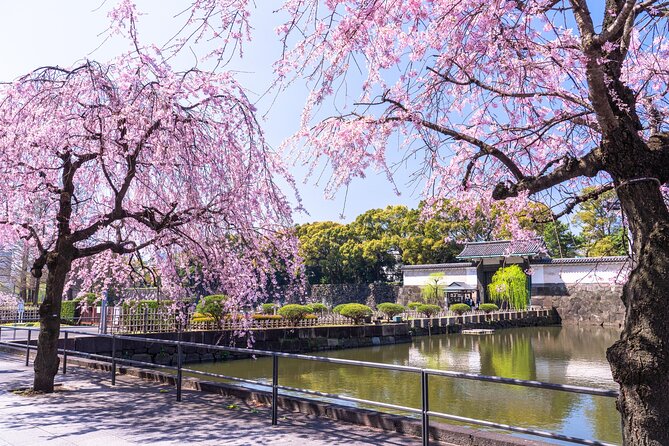
This experience is best understood as a guided walk through one section of the Imperial Palace complex, not a palace-room visit. You spend roughly two hours outdoors in the East Gardens, with your guide handling the route and explaining what you are seeing.
That distinction matters. The East Gardens are open to the public and admission is free. You are paying for interpretation, navigation, and the ability to ask questions in a private setting. If you are happy to read signs and explore on your own, you can visit without paying for a tour. If you want the castle remains and gardens to make sense, the guide adds real value.
The private format is especially useful for families and small groups. You do not need to match the pace of a large tour, and your guide can spend more time on the subjects that interest you. Past guides have discussed Japanese history, plant life, modern Japanese society, and the current role of the Imperial Family.
The experience has a 4.9 rating from 105 reviews, with 98 percent recommending it. That is a strong record, though it should not hide the practical limitation that guide quality, especially spoken English, may vary.
More Private Garden Tours in Tokyo:
- Mount Fuji & Lake Kawaguchiko Private Tour: Beyond the Ordinary
★ 5.0 · 78 reviews - Mt. Fuji & Hakone Cherry Blossom private One Day Tour
★ 4.5 · 35 reviews - Tokyo Japanese Garden Lover’s Private Tour with Government-Licensed Guide
★ 5.0 · 27 reviews
Starting at Wadakura Fountain National Park
You meet at Wadakura Fountain National Park, at 3-1 Kōkyogaien in Chiyoda City. This location places you near the Imperial Palace grounds and gives the guide a clear starting point for the walk.
The meeting point is also convenient for public transportation, though the supplied details do not identify a particular station or train line. Give yourself enough time to find the fountain area. Tokyo’s central districts are easy to reach, but large public spaces can still take a few minutes to cross.
Your guide should meet you there and lead the group into the palace grounds. The tour returns to the same meeting point at the end, which is helpful if you have lunch, a museum visit, or another reservation afterward.
Before entering, expect a baggage inspection. Do not bring recently purchased Japanese knives or other items that could be treated as weapons. If you have shopping planned at Tsukiji, Asakusa, or elsewhere, leave those items in a coin locker before the tour.
Ote-mon Gate and the first look at Edo Castle
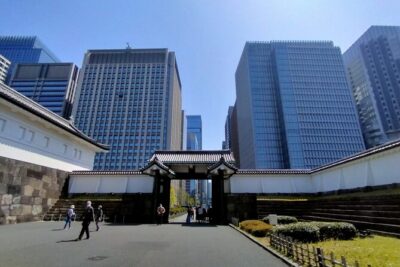
Ote-mon Gate is one of the important historical points on the route. It gives you a sense of how the castle complex was organized and controlled, rather than presenting the gardens as a simple public park.
This is where a guide can help most. Without context, you may see a gate, stonework, and open paths without understanding their role. With explanation, you can begin to picture the former castle town and the power structure that shaped Tokyo during the Edo period.
The tour also covers old bridges, historic structures, and heritage features around the grounds. These details reward a slower pace. You are not rushing from one famous building to another, since the pleasure comes from noticing how defensive walls, garden design, and open space fit together.
Photography is easy to include along the route. You’ll have chances to photograph the gardens, stone walls, bridges, and broad palace grounds. Ask your guide to pause if you want more time for pictures. The private setting makes that request simpler than it would be on a large group outing.
Edo Castle ruins and the story beneath the gardens
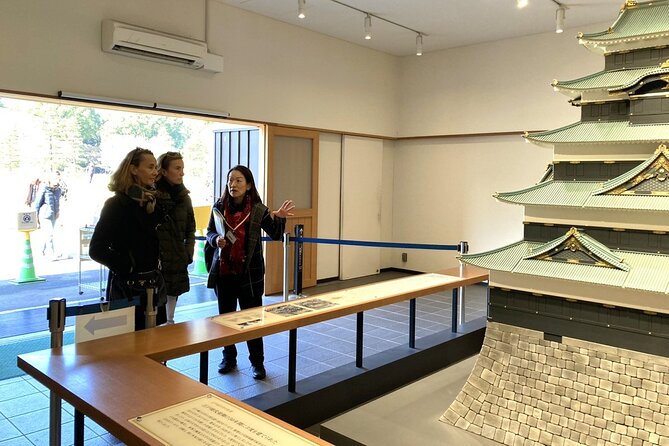
The Edo Castle ruins are the tour’s strongest historical feature. The castle itself is not presented as a complete building, so do not arrive expecting grand palace rooms or a preserved fortress interior.
Instead, the remains help you understand the scale and importance of the former stronghold. Your guide can explain what the castle would have looked like during the Edo period and how the site relates to the rise of Tokyo.
One guide, Shigeru, has been praised for detailed explanations of the garden, the plants, and the castle’s history. Another, Akiyoshi, has discussed Japanese life in general and the changing role of the Imperial Family. Those subjects make the walk more useful than a simple list of dates.
I would especially recommend this tour if you are visiting Tokyo early in your trip. The historical background can give later sights more meaning. Temples, old neighborhoods, modern institutions, and the Imperial Palace all make more sense once you have some idea of how Japan moved from shogunal rule into the modern imperial era.
A few more garden visits around Tokyo worth a look
- Imperial Palace East Garden and Edo Castle Walking Tour in Tokyo
★ 5.0 · 510 reviews - Tokyo: Imperial Palace East Gardens Walking Tour
★ 4.8 · 353 reviews - Tokyo: Edo Castle & East Garden of the Imperial Palace Tour
★ 4.7 · 112 reviews - Tokyo: Tsukiji Market and Hama-rikyu Gardens Guided Tour
★ 4.8 · 73 reviews
Ninomaru Garden and the quieter side of Tokyo
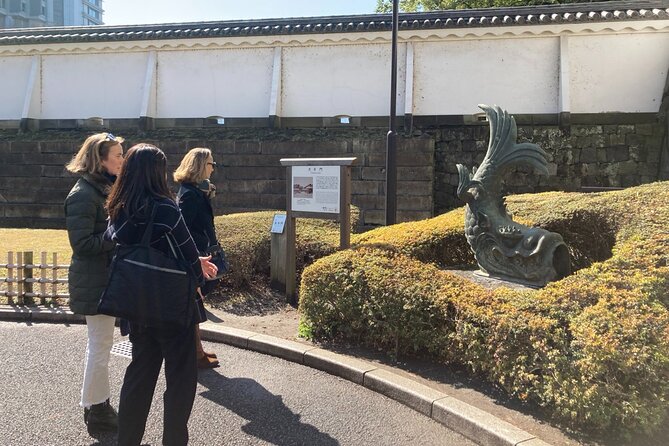
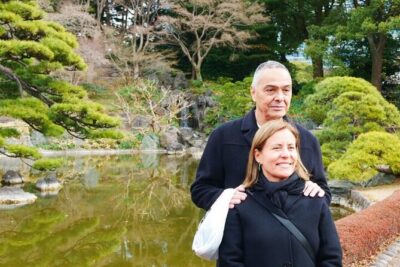
Ninomaru Garden provides a change of mood. After the walls and castle remains, you enter a more peaceful setting with Japanese garden design, natural scenery, and seasonal plants.
The garden is a welcome break from Tokyo’s traffic and dense streets. It is not an isolated rural retreat, but inside the palace grounds you get a calm pocket where the city feels far away. The contrast is part of the appeal.
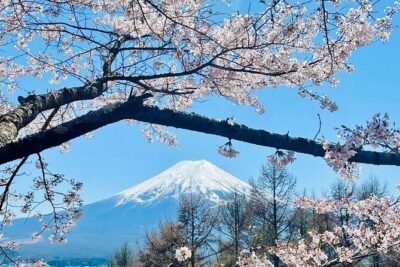
Plant life can become a major part of the tour, depending on your guide. Shigeru has been praised for explaining the plants in detail, and the gardens change with the seasons. Cherry blossoms are especially beautiful in March and April, according to the tour information. Other times of year offer their own flowers and foliage, though exact conditions vary.
Ninomaru Garden is also a good place to slow down. One family described taking a break in the garden during hot weather, and guides have adjusted the pace for different groups. If you are traveling with children, older relatives, or anyone unused to Tokyo’s summer heat, tell the guide early that you need water and rest stops.
How much history and culture will you hear?
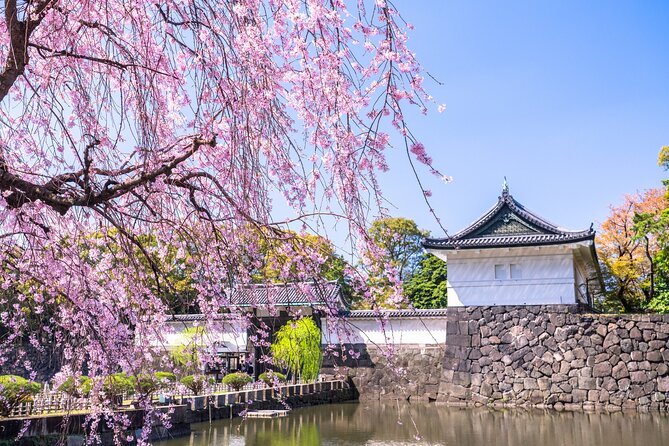
The strongest part of this tour is its storytelling. The guides are not limited to the physical site. They may connect the castle grounds with Japanese traditions, everyday life, the imperial family, and the shift into modern culture.
Naoko has been described as lively and clear, while Mikio has been praised for answering questions about both history and Japanese life. Ishida has received high marks for explaining Japanese history in detail. Yoshiko has helped make the walk enjoyable even in strong sun, and Taka has been praised for bringing the palace grounds to life through personal perspective.
These names are useful when you compare guide availability, but you may not be able to choose a specific person. The booking information identifies the experience as private, yet it does not promise one particular guide.
There is one important caution. At least one guest found the guide’s English very difficult to understand and ended the tour early. Most of the available feedback praises the guides’ English and patience, but communication is not perfectly consistent. If clear English is essential for your trip, confirm the language expectations before booking and ask questions at the start.
Two hours is enough, but not expansive
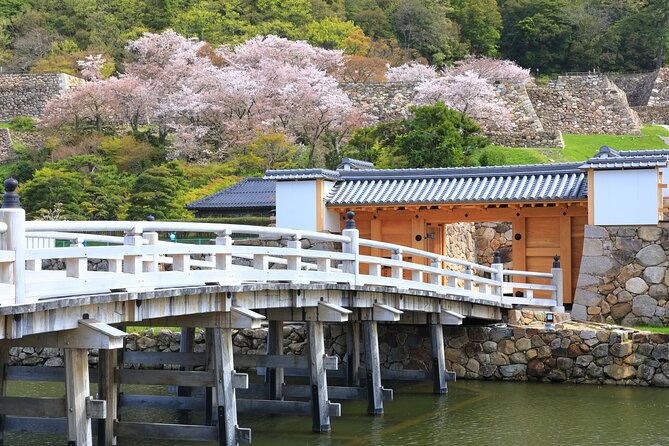
The tour lasts about two hours. That is enough time for an organized walk through the main East Gardens sights, including Ote-mon Gate, the Edo Castle ruins, Ninomaru Garden, bridges, historic structures, and areas of natural beauty.
It is not enough time for every corner of the palace complex. You should also avoid thinking of it as a full-day history program. The guide needs to balance walking, explanations, photographs, and pauses.
The short length works well in a packed Tokyo itinerary. You can schedule it in the morning and still have most of the day available. It also makes the tour easier to combine with nearby sightseeing in central Tokyo.
The walking pace appears flexible. One fast-walking group appreciated that the guide kept up while still providing the information they wanted. If you prefer a relaxed pace, say so. If you want to cover ground quickly, mention that too.
Weather, footwear, and baggage tips
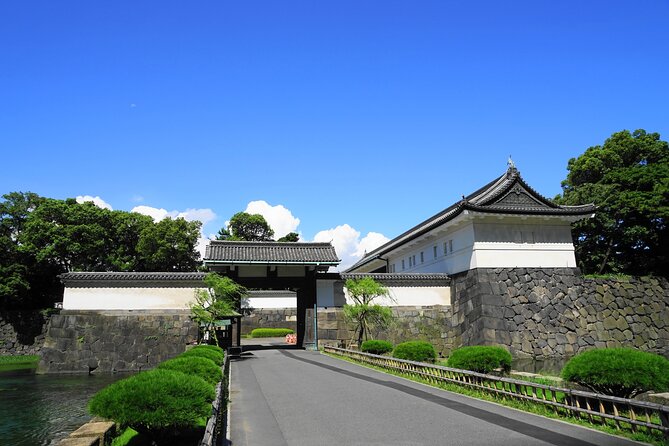
This is an outdoor walking tour, and Tokyo’s weather can shape your experience. Heat was a concern for some groups, including one visit in 35-degree Celsius conditions. Guides have supplied umbrellas and neck coolers in hot weather, which is a thoughtful touch, but you should still bring water and wear light clothing.
Comfortable shoes matter more than stylish ones. The route includes gardens, gates, ruins, and open grounds, so you should expect to walk for much of the two hours. The information does not specify the exact surface or distance, so anyone with mobility concerns should ask the operator for current route details.
Plan your baggage carefully. All visitors face a security inspection, and knives or similar purchases should be stored before the tour. This is an easy detail to miss if you visit Tsukiji or Asakusa earlier in the day.
The tour ends where it begins, and no admission charge is included because the East Gardens themselves are free. There is no access to the Inner Palace. That point should be clear before you pay.
Is $65.41 a fair price?
At $65.41 per person, the cost is reasonable if you value private guidance and historical explanation. It is not a bargain if you only want to stroll through the garden, since the public entrance is free and information is available on site.
The value improves for families, couples, and small groups who want their own pace. You can ask about the Imperial Family, castle design, plants, Japanese customs, or modern culture without waiting for a large group to move on.
It is also good value for first-time visitors who do not want to research the palace grounds in advance. The guide handles the route and fills in the background. You save planning time and are less likely to walk past the key features without understanding them.
For repeat visitors or confident independent walkers, the price may be harder to justify. You can explore the gardens yourself, and the tour does not provide entry to any restricted palace area. The decision comes down to how much you want conversation and interpretation.
Free cancellation is available when you cancel at least 24 hours before the start time. Changes or cancellations inside that window are not refunded, and the activity may be canceled if the minimum number of participants is not reached.
Who should book this walk?
I would choose this tour for a first visit to Tokyo, a family that wants a manageable history lesson, or anyone who enjoys asking questions while seeing a major landmark.
It suits you especially well if:
- You want the Edo period explained in plain language.
- You prefer a private guide to a large group.
- You enjoy gardens as much as buildings.
- You want a short activity that leaves most of the day free.
- You are comfortable walking outdoors in changing weather.
- You want help connecting the palace grounds with Japanese society and imperial history.
I would skip it if your main goal is entering the Imperial Palace or seeing lavish interior rooms. You should also consider exploring independently if you already know the site well or prefer not to pay for a free public garden.
Should you book the Imperial Palace East Gardens tour?
Book it if you want the East Gardens to feel like a historical site rather than simply a pleasant green space. The combination of Edo Castle ruins, Ote-mon Gate, Ninomaru Garden, and personal explanation gives you a useful two-hour introduction to Tokyo’s past.
Just book with clear expectations. You are visiting the East Gardens, not the Inner Palace. The entrance is free, the walk is outdoors, and English ability may differ by guide. If those points work for you, $65.41 buys a focused private lesson in one of Tokyo’s most important public spaces.
FAQ
How long does the Imperial Palace East Gardens tour last?
The tour lasts approximately two hours.
Where does the tour begin?
It begins at Wadakura Fountain National Park, 3-1 Kōkyogaien, Chiyoda City, Tokyo 100-0002, Japan.
Where does the tour end?
The activity ends back at the meeting point.
Is admission to the Imperial Palace included?
No. The tour does not go inside the Imperial Palace, and admission to the Inner Palace is not included.
Are the East Gardens free to enter?
Yes. The East Gardens do not require an admission ticket, so the tour price pays for the private guide rather than entry.
Is this a private tour?
Yes. Only your group participates in the activity.
What sights are included?
The walk includes the Imperial Palace East Gardens, Edo Castle ruins, Ninomaru Garden, Ote-mon Gate, old bridges, historic structures, and surrounding natural areas.
Will my baggage be inspected?
Yes. Visitors are subject to a baggage inspection when entering the Imperial Palace grounds.
Can I cancel for a full refund?
Yes, if you cancel at least 24 hours before the experience start time. Cancellations or changes made less than 24 hours in advance are not refunded.
Just added around Tokyo
- Tsumami Zaiku Japanese Fabric Flower Class★ 5.0 · 3 reviews
- Tokyo: Serene Sakura & Sake: An Exclusive Brewery Pairing Lunch★ 5.0 · 2 reviews
- Tsukiji Food Strolling and Hama Rikyu Garden Walking Tour★ 5.0 · 7 reviews
- Private tour – Scenic Fuji Escape: Hakone, Peace Park & More★ 5.0 · 4 reviews
- Tokyo Cherry Blossom Half Day Walking Tour with a Local Guide★ 3.5 · 4 reviews
- TOKYO: Tailored Gardens tour with Pro Gardener by E-bike -BASIC★ 5.0 · 2 reviews
- Cherry Blossom Highlights, Asakusa, Ueno, Imperial Palace Garden★ 4.5 · 4 reviews
- Japan’s Customs of Ikebana Art, Tea Ceremony & Kimono Welcome★ 5.0 · 2 reviews
Tokyo Garden Tours, compared.
Imperial Palace East Garden and Edo Castle Walking Tour in Tokyo
Read our review →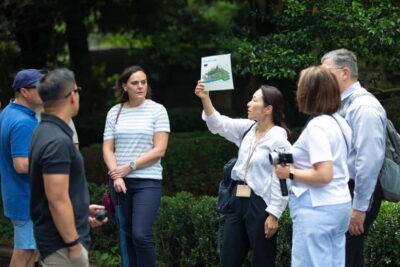
Edo Castle & East Garden of the Imperial Palace Tour
Read our review →
Mount Fuji & Lake Kawaguchiko Private Tour: Beyond the Ordinary
Read our review →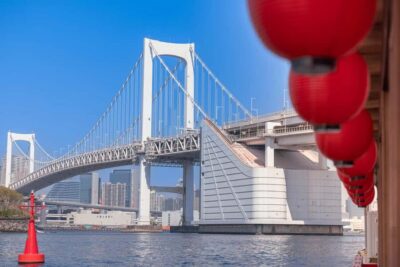
Rainbow Bridge Day Cruise Show and Only Soft Drinks
Read our review →
Tsukiji Market and Hama-rikyu Gardens Guided Tour
Read our review →
Pvt. Tour – Edo Castle & Imperial Palace East Gardens
Read our review →Browse the lists this tour appears in