
Review · TOKYO
IKEBANA experience
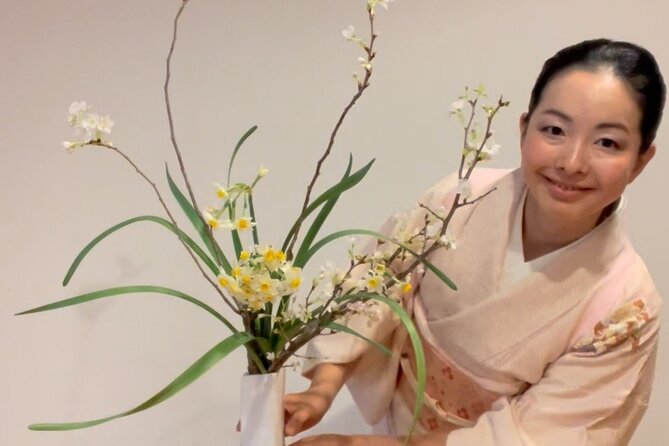
The most appealing part of this 90-minute ikebana class is its setting: you enter a private Japanese home in Meguro and learn in a traditional room rather than a large commercial studio. Hiromi teaches in clear English, demonstrates each step, then gives you room to make your own arrangement.
I especially like the gentle pace and the chance to finish with matcha and wagashi, Japanese sweets, if time allows. The class also works well for families and mixed-age groups. The main point to consider is the price, $115.31 per person, which is a fair splurge for a private cultural lesson but more than a short group workshop.
Key points
- Private lesson with Hiromi: Only your group takes part, allowing the class to follow your interests and pace.
- Traditional Tokyo setting: The lesson takes place in a Japanese home with a tatami room and garden.
- Hands-on flower arrangement: Hiromi demonstrates how to cut and place the flowers, then guides you through your own creation.
- English instruction: You can ask questions about ikebana, Tokyo, Japanese culture, or the tea ceremony.
- Matcha and wagashi afterward: If the lesson finishes with enough time, tea and Japanese sweets are served in the tatami room.
- Good for families: Past bookings have included children, three generations, couples, and solo participants.
A quiet art lesson in a Tokyo home
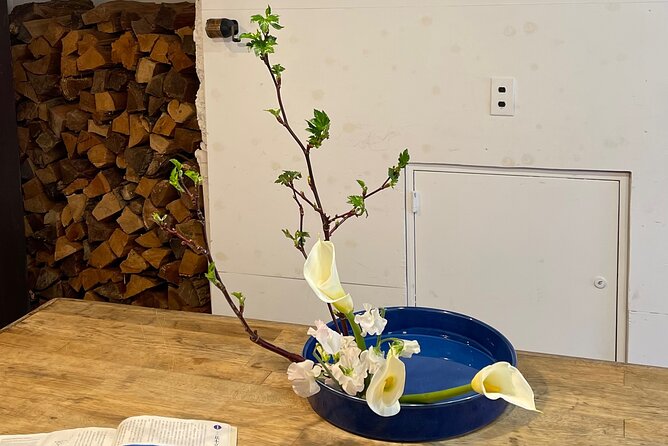
Ikebana is not simply the Japanese version of filling a vase with flowers. The art pays close attention to line, space, balance, and the relationship between flowers, branches, and water. You use fewer flowers than you might expect, which makes each cut and angle matter.
That focus makes this a welcome change from Tokyo’s crowded sights. For about an hour and a half, you are not rushing between stations or checking a map. You sit down, watch a careful demonstration, and work with your hands.
The class is hosted by Hiromi, who teaches in English and has experience guiding beginners through their first arrangement. She first makes a sample while referring to a textbook, then lets you create your own piece. Afterward, she offers comments and may adjust the arrangement with you before you photograph it.
I like this teaching pattern because it gives you a clear starting point without forcing you to copy every detail. You see the structure first, then get space to make choices of your own.
Other gardens people visit around Tokyo:
- Imperial Palace East Garden and Edo Castle Walking Tour in Tokyo
★ 5.0 · 510 reviews - Mt. Fuji Day Trip from Tokyo with English Speaking Driver Guide
★ 5.0 · 443 reviews - Tokyo: Imperial Palace East Gardens Walking Tour
★ 4.8 · 353 reviews
Meeting Hiromi near Toritsu-daigaku Station
The meeting point is at Toritsu-daigaku Station, at 1-chome-5-1 Nakane in Meguro City. The activity ends back at the same meeting point, so you do not need to arrange a second pickup location.
The location matters. This is not a class in a hotel ballroom or a tourist district designed for quick visits. The setting gives you a look at a residential side of Tokyo, with Japanese homes and quieter streets around the station.
Allow enough time to reach the station without hurrying. The experience is usually booked about 28 days ahead, so you will want to reserve it early if your schedule has little flexibility. You receive confirmation at booking, and the mobile ticket makes it easy to keep the details on your phone.
One small practical note: the supplied information says the activity is near public transportation, but it does not give a full walking route from the station. Check the meeting instructions before leaving, and keep your phone available when you arrive.
Seeing a Japanese room before the flowers
The home setting is a major part of the experience. You may see Japanese-style rooms, a tatami room, and a garden before or during the lesson. That context gives the flowers a proper setting, rather than treating ikebana as an isolated craft project.
The room itself helps you understand why space is so important in Japanese flower arranging. A simple branch or open gap between stems can carry as much weight as a bright blossom. You may also get a glimpse of everyday Japanese home design, which is something a standard sightseeing stop rarely provides.
The surroundings are also useful for families. One booking included three generations, with a three-year-old making a freestyle arrangement. That does not mean every young child will sit quietly for the full lesson, but it does show that the class can be adapted for different ages.
If your group includes small children, it is sensible to tell Hiromi in advance. The class is private, so your group has more flexibility than it would in a fixed group session.
Watching the demonstration and making your own arrangement
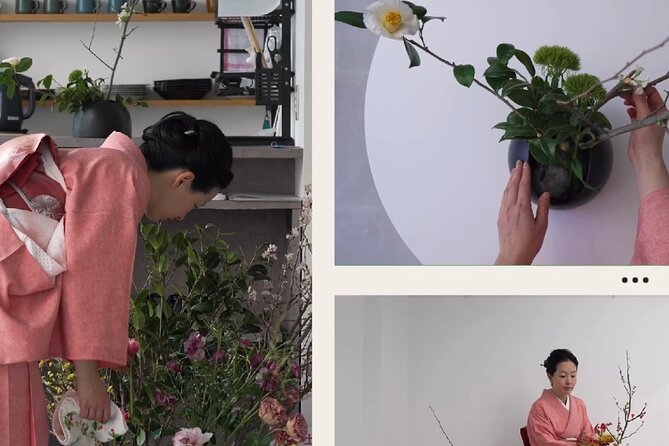
The lesson begins with instruction on the foundations of ikebana. Hiromi explains the basic ideas and demonstrates how to handle the flowers, including how to cut them properly.
You then make your own arrangement. This is the point where the class becomes personal. You are not just watching an expert work, and you are not handed a finished item to take home. You make the decisions yourself, with Hiromi offering help when you need it.
The arrangement may look simple at first, but the technique asks you to think carefully. You might use only a small number of flowers, because ikebana gives importance to line and empty space as well as color. A branch that seems too long may become the key shape once it is trimmed and placed at the right angle.
Hiromi’s teaching style appears especially suited to first-timers. She demonstrates clearly, remains patient, and leaves room for personal creativity. That balance is important. A rigid lesson can make a beginner nervous, while too little direction can leave you unsure what to do.
At the end, Hiromi comments on or revises your arrangement. You can take a photograph, giving you a record of your work and a reference if you want to continue at home.
Same place, a different kind of green day out:
- Mt. Fuji, Cherry Blossom & Shiba Sakura Pvt. Day Tour
★ 5.0 · 326 reviews - Tokyo: Edo Castle & East Garden of the Imperial Palace Tour
★ 4.7 · 112 reviews - Tokyo Private Tour! Edo Castle & Imperial Palace East Gardens
★ 5.0 · 105 reviews - Mount Fuji & Lake Kawaguchiko Private Tour: Beyond the Ordinary
★ 5.0 · 78 reviews
Why beginners should feel comfortable
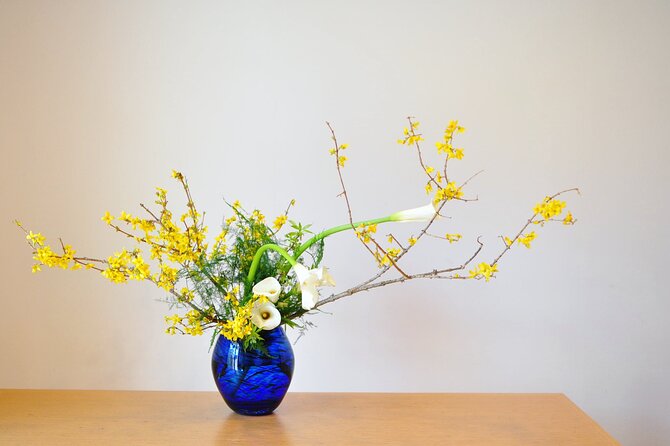
You do not need previous ikebana experience. The class is built around basic instruction, and the teacher guides you through the process from the first cut.
English is another strong practical point. Hiromi teaches in English and can answer questions about the art, Japanese culture, Tokyo, and the tea ceremony. Clear language matters here because the class depends on small details, such as how a stem is trimmed or why one angle works better than another.
You can also ask to learn from the basics or use the textbook to explore a particular style. The activity description allows some choice in what you want to learn, so it is worth explaining your interests at the start.
You might want a formal introduction to ikebana, a relaxed creative activity, or a chance to learn about Japanese aesthetics. Those are different goals, and a private lesson gives Hiromi a chance to adjust the emphasis.
Matcha, wagashi, and the tea ceremony option
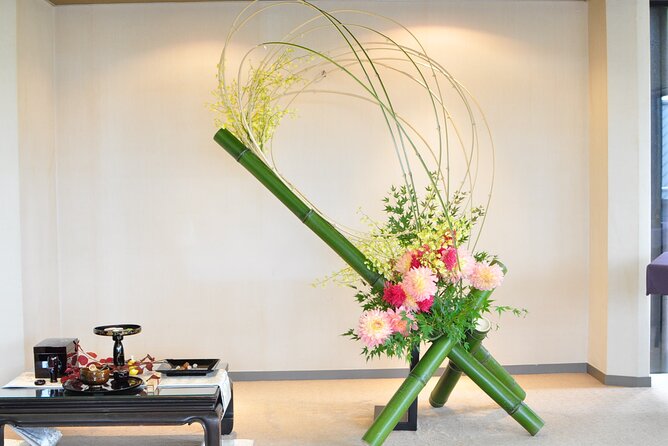
If time remains after the flower lesson, Hiromi prepares matcha and Japanese sweets. The sweets are called wagashi, and the combination provides a calm finish after the hands-on work.
This part is not presented as a guaranteed separate tea ceremony. The information says matcha and sweets are offered if there is time, and basic tea ceremony instruction may be available if you are interested. Keep that distinction in mind when booking. The main activity is ikebana, with tea culture as a possible addition.
The tea is served in the Japanese-style room, which makes the ending feel connected to the rest of the lesson. You can sit with your arrangement, enjoy the sweet, and ask more questions instead of rushing straight back into Tokyo’s busy streets.
If the tea ceremony interests you, mention it early. That gives Hiromi a chance to include the basics if the timing allows.
What the $115.31 price buys you
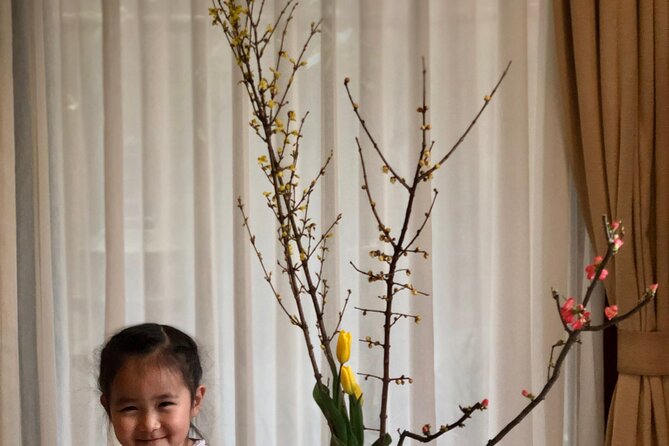
At $115.31 per person, this is not a budget activity. The value comes from the private format, the English teaching, the use of a real Japanese home, and the hands-on arrangement you create yourself.
A large group class may cost less, but it may also give you less individual attention. Here, Hiromi can comment directly on your work and adapt the explanation to your level. That matters most if you are new to ikebana or want to ask many questions.
The price is easier to justify for a couple, family, or small private group that wants one shared activity. It also suits a solo visitor who prefers a personal lesson rather than a public workshop.
I would not choose this experience if you only want a quick souvenir-making session. You are paying for instruction, conversation, and the setting as much as for the flowers. The class is best value for someone who wants to understand the ideas behind the arrangement and leave with a new skill.
The activity is about 1 hour 30 minutes, which is long enough to learn the basic process without taking half a day from your Tokyo plans. You can pair it with other stops in Meguro, but the exact time needed for the meeting and return should be considered when planning the rest of your day.
A private format with useful flexibility
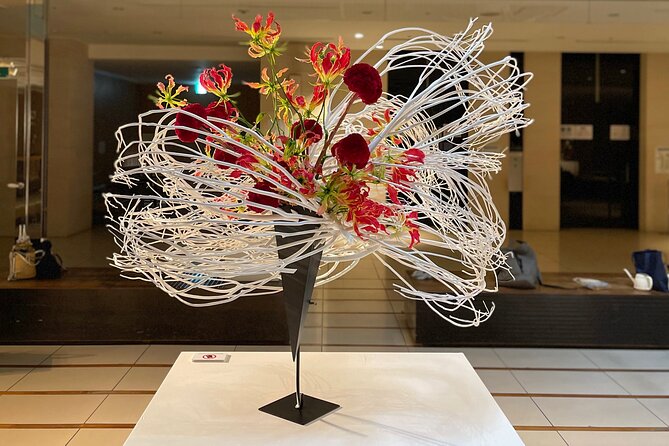
Only your group participates, so the experience feels more like a private lesson than a scheduled attraction. That is helpful if one person in your group wants extra explanation or another prefers to work more freely.
It also makes the activity suitable for different combinations of people. Couples can create arrangements together, parents can join children, and three generations can share the same lesson. Past bookings have included a mother, daughter, and young child, as well as partners and solo participants.
The private format does not guarantee that every request can be accommodated. The activity still follows a set lesson, and the matcha portion depends on available time. But you have more opportunity to ask questions and adjust the pace than you would in a large class.
There is also a useful follow-up option. Supplies may be available to purchase so you can continue making arrangements at home. Hiromi also teaches online classes, which could help if the lesson leaves you wanting more practice.
Weather and cancellation details
The activity offers free cancellation if you cancel at least 24 hours before the start time. Changes or cancellations made less than 24 hours before the experience are not accepted for a refund.
The provider also says the class requires good weather. If poor weather causes a cancellation, you are offered another date or a full refund. If the minimum number of participants is not met, you are offered a different date or experience, or a full refund.
These rules are worth noting even though the lesson takes place indoors. The exact reason for the weather requirement is not explained, so keep some flexibility in your Tokyo schedule, especially during unsettled weather.
Who should book this ikebana class
I would recommend this class to you if you want a quieter cultural activity with real personal contact. It is particularly well suited to:
- First-time ikebana students
- Couples looking for a shared creative activity
- Families with children or several generations
- Solo visitors who enjoy learning directly from a teacher
- Anyone interested in Japanese rooms, tea, flowers, and everyday culture
- People who want to continue the craft at home
You may want to skip it if you dislike hands-on activities, want a large formal demonstration, or need a fully guaranteed tea ceremony. The matcha and wagashi are welcome additions, but the central lesson is flower arranging.
I also would not book it as a last-minute filler if your schedule is tight. The class is often reserved around four weeks ahead, and the private format means availability may be limited.
Should you book Hiromi’s ikebana experience?
Yes, if you want to slow down and learn something rather than simply collect another Tokyo photo. Hiromi’s English instruction, patient demonstrations, and private home setting give the lesson a personal feel, while the tatami room, garden, matcha, and wagashi add useful cultural context.
The $115.31 cost is a splurge, but it is easier to defend when shared by a couple or family and when you value one-on-one guidance. Book it early, arrive at Toritsu-daigaku Station prepared, and tell Hiromi what you hope to learn.
You should leave with more than a flower arrangement. You will have a better sense of how Japanese design uses space, line, and restraint, plus a peaceful memory from a residential corner of Tokyo.
FAQ
Where does the ikebana class meet?
The meeting point is near Toritsu-daigaku Station at 1-chome-5-1 Nakane, Meguro City, Tokyo 152-0031, Japan. The activity ends back at the meeting point.
How long does the experience last?
The class lasts approximately 1 hour and 30 minutes.
Is the lesson taught in English?
Yes. Hiromi teaches the lesson in English and can answer questions about ikebana, Tokyo, Japan, and the tea ceremony.
Is this a private activity?
Yes. Only your group participates in the activity.
Are matcha and Japanese sweets included?
If there is enough time after the lesson, Hiromi serves matcha and Japanese sweets. Basic tea ceremony instruction may also be available if you are interested.
What is the cancellation policy?
You can receive a full refund by canceling at least 24 hours before the start time. Cancellations or changes made less than 24 hours before the start time are not accepted for a refund. If poor weather or an insufficient number of participants causes cancellation, you are offered another date or experience, or a full refund.
Just added around Tokyo
- Tsumami Zaiku Japanese Fabric Flower Class★ 5.0 · 3 reviews
- Tokyo: Serene Sakura & Sake: An Exclusive Brewery Pairing Lunch★ 5.0 · 2 reviews
- Tsukiji Food Strolling and Hama Rikyu Garden Walking Tour★ 5.0 · 7 reviews
- Private tour – Scenic Fuji Escape: Hakone, Peace Park & More★ 5.0 · 4 reviews
- Tokyo Cherry Blossom Half Day Walking Tour with a Local Guide★ 3.5 · 4 reviews
- TOKYO: Tailored Gardens tour with Pro Gardener by E-bike -BASIC★ 5.0 · 2 reviews
- Cherry Blossom Highlights, Asakusa, Ueno, Imperial Palace Garden★ 4.5 · 4 reviews
- Japan’s Customs of Ikebana Art, Tea Ceremony & Kimono Welcome★ 5.0 · 2 reviews
Tokyo Garden Tours, compared.
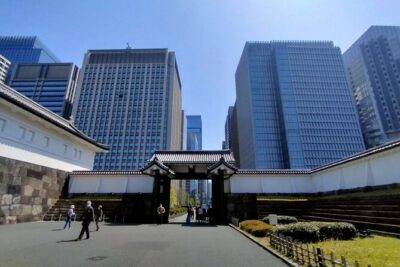
Imperial Palace East Garden and Edo Castle Walking Tour in Tokyo
Read our review →
Edo Castle & East Garden of the Imperial Palace Tour
Read our review →
Tokyo Private Tour! Edo Castle & Imperial Palace East Gardens
Read our review →
Mount Fuji & Lake Kawaguchiko Private Tour: Beyond the Ordinary
Read our review →
Rainbow Bridge Day Cruise Show and Only Soft Drinks
Read our review →
Tsukiji Market and Hama-rikyu Gardens Guided Tour
Read our review →Browse the lists this tour appears in