
Review · KAGOSHIMA
Discover the Wonders of Sakurajima Half Day Tour in Kagoshima
Sakurajima is not a distant mountain viewed from a safe photo stop. It is an active volcano that shapes daily life in Kagoshima, and this tour gets you close by ferry, island bus, and foot. You will see the volcano from Yunohira Lookout, learn how eruptions have changed the island, and make a small piece of art from its ash.
I like the easy mix of sights: the long natural foot bath gives you a quiet break, while the ash-painting session adds a hands-on souvenir that feels tied to the place. Guides including Yuki, Naomi, Kuni, and Yukiko have earned especially strong praise for clear English, patience, and help with crowded buses. The main drawback is that this is not a private vehicle tour. You will walk, use public buses, and may find the bus crowded. Rain or fog can also hide the volcano.
Key points to know before you book
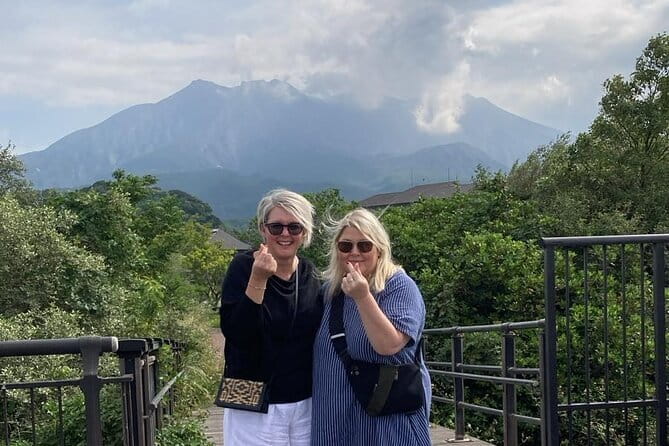
- A real active-volcano outing: Learn how Sakurajima erupts and how local residents prepare for ash and evacuation.
- The ferry is part of the experience: The crossing from Kagoshima adds a short sea trip across the bay rather than a routine transfer.
- Ash art is included: You create a picture with colorful volcanic ash, and the activity takes at least about 20 minutes.
- The public bus keeps costs down: You reach the island sights without paying for a private vehicle, but standing-room conditions are possible.
- Yunohira Lookout reaches 373 meters: This is the highest point on Sakurajima open to the public.
- Bring a towel: The 100-meter foot bath is supplied by a natural hot spring, but towels are not provided.
Why Sakurajima makes a strong half-day outing
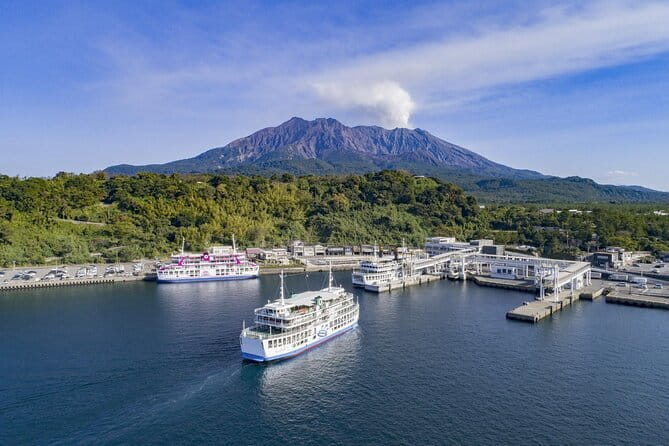
Sakurajima is the symbol of Kagoshima. Its volcanic presence is easy to see from the city, but crossing the water gives you a better sense of its scale and power. On this four-and-a-half-hour outing, you do not simply stop for a photograph. You learn about eruptions, visit a shrine, rest your feet in warm spring water, and handle ash from the volcano.
I especially like the way the tour combines serious information with simple pleasures. The Visitor Center explains eruption records and disaster planning. Later, the foot bath gives you time to sit and look across the island. At the pottery studio, the volcano becomes a material you can touch and use.
The tour has a 4.8 rating from 34 reviews, with 97 percent recommending it. That is a strong record, but you should read the format carefully. This is a shared tour for up to 30 people, not a chauffeur-driven private excursion. You will follow the guide through ferry and public transport connections, with some walking between stops.
More Garden Day Trips in Japan
- Mt. Fuji Day Trip from Tokyo with English Speaking Driver Guide
★ 5.0 · 443 reviews - Mt. Fuji, Cherry Blossom & Shiba Sakura Pvt. Day Tour
★ 5.0 · 326 reviews - Kanazawa: Samurai, Matcha, Gardens and Geisha Full-Day Tour
★ 4.9 · 75 reviews
Meeting at Kagoshima Ferry Terminal
The tour begins at the Sakurajima Ferry Kagoshima Terminal in Honkoshinmachi. You need to arrive at least 10 minutes before the stated start time. The operator does not provide a refund for a missed meeting, so allow extra time if you are coming from a cruise ship or another part of town.
This is an important point for cruise passengers. The ferry terminal is not the same place as every cruise arrival point, and one person specifically advised checking which port you are using. A taxi from the cruise terminal may be useful, depending on your ship and arrival arrangements.
Once the group meets, the guide leads you onto the Sakurajima Ferry. The ride takes about 20 minutes and the ticket is included. This crossing is more than transport. You get open views across Kagoshima Bay and a gradual change from city waterfront to volcanic island.
The return ferry is also included. Since the tour ends where it began, the arrangement is simple for anyone with an afternoon plan in Kagoshima. Cruise passengers should still leave a sensible buffer, since public transport, weather, and group movement can affect the schedule.
Tsukuyomi Shrine and the older Sakurajima
Your first island stop is Tsukuyomi Shrine, located close to Sakurajima Port. The shrine has a history of about 1,300 years, and its setting among trees gives you a calm start after the ferry ride.
You spend around 30 minutes here. That is enough time to walk the grounds, take in the atmosphere, and hear about the shrine’s place in local culture. It is not a long temple visit with a large complex of buildings. Think of it as a short, peaceful pause that adds cultural context to a day otherwise focused on geology.
The shrine also helps show that Sakurajima is not just a volcano attraction. People have worshipped here for centuries while living beside an active mountain. That contrast is one of the most interesting parts of the outing: old religious traditions continue in a place where the ground itself can change.
Sakurajima Visitor Center explains the risks
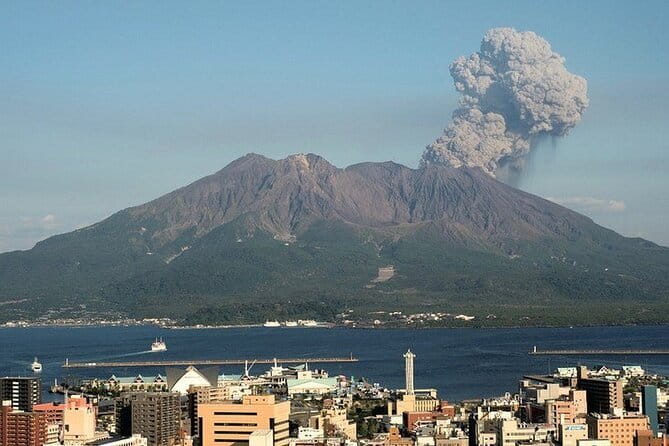
The Sakurajima Visitor Center is the best place to get your bearings. The displays cover past eruptions, the volcano’s formation, vegetation, tourism, and disaster prevention. You will spend about 45 minutes here, so the guide has time to explain what you are seeing rather than rushing you through a few panels.
This stop matters because Sakurajima’s beauty can make it easy to forget that it is active. The exhibits put the mountain’s behavior into context, including the records of earlier eruptions and the systems used to protect people. Information about living with ash and possible evacuation adds a human side to the geology.
The guide makes a real difference here. Yuki, Naomi, Yukiko, and Kuni are praised for answering questions and explaining the volcano in clear English. One guide used prepared materials to make the subject easier to follow. English ability can vary by guide, though, and one group found communication difficult with a guide named Yoshihiro. If detailed English explanation is essential for you, it is worth keeping that possible variation in mind.
Same place, a different kind of green day out:
- Osaka: teamLab Botanical Garden Entry Ticket
★ 4.5 · 1,710 reviews - Imperial Palace East Garden and Edo Castle Walking Tour in Tokyo
★ 5.0 · 510 reviews - Kyoto Zen Meditation & Garden Tour at a Zen Temple with Lunch
★ 5.0 · 441 reviews - Kyoto Arashiyama Bamboo forest & Garden Half-Day Walking Tour
★ 5.0 · 413 reviews
A 100-meter foot bath by the bay
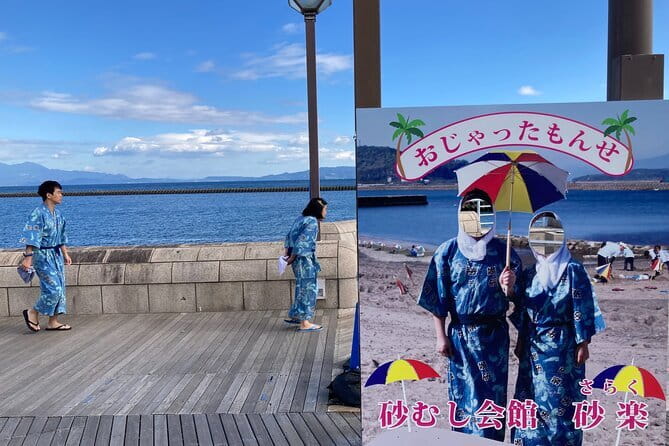
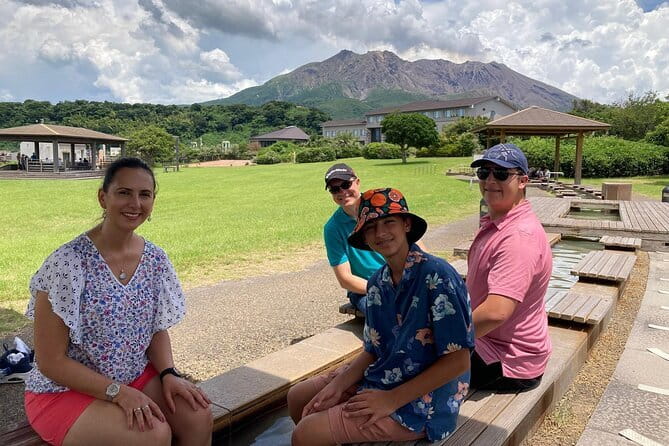
At Sakurajima Nagisa Foot Bath Park, you can soak your feet in a natural hot spring fed from about 1,000 meters underground. The foot bath stretches for 100 meters, making it one of the longest in Japan. The water has a terracotta color because it contains iron.
This is one of the tour’s best-paced stops. You have about 30 minutes to sit, relax, and give your legs a break. After walking around the shrine and Visitor Center, the warm water feels useful rather than decorative. You can also take in the setting while your feet recover.
Bring your own towel. The tour specifically advises this, and it is the kind of small preparation that prevents discomfort later. You do not need to treat the stop as a full bathing experience. It is a public foot bath, so comfortable clothes that allow you to roll up your trousers are practical.
The foot bath also gives the guide a chance to explain the connection between volcanic activity and hot springs. You are not just looking at a volcano from afar. You are feeling one of the ways heat from underground affects the island.
Making art from Sakurajima ash

The visit to Ougaku Togei is the most personal part of the tour. Sakurajima-yaki pottery uses natural volcanic ash, and here you make a picture with colorful ash from Sakurajima. The activity takes at least 20 minutes, but the schedule allows about 1 hour and 15 minutes for the stop.
You do not need to be an artist. The activity offers different options, so you can make something simple or spend more time on the design. The finished piece becomes a small reminder of the island, and several people also bought pottery made by the local artists.
This stop has a warm, human quality. At the studio, you meet the people who make the pottery and ash artwork, rather than only viewing finished objects in a shop. The mother-and-daughter team has been singled out for the quality of its work. The activity fee is included, which improves the value of the tour, especially if you would otherwise pay separately for a craft session.
The tour calls this a free admission stop, but the volcanic ash art experience is included in the package. You should budget extra only if you want to purchase pottery or other souvenirs. Lunch is not included, so plan to eat before or after the tour.
Yunohira Lookout at 373 meters
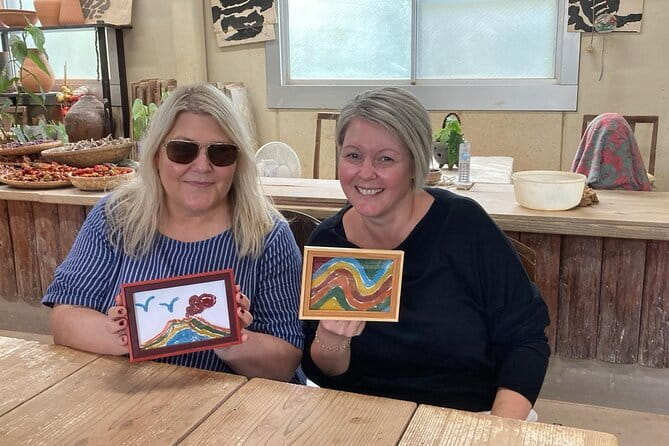
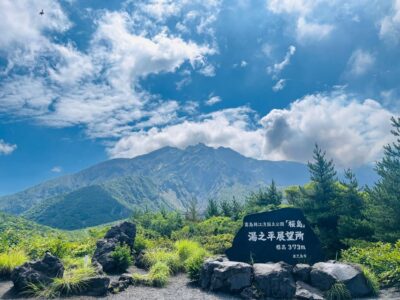
Yunohira Lookout is the highest point on Sakurajima accessible to the public. It sits at the fourth station on the North Peak, 373 meters above sea level. You have about 50 minutes here, enough time for the view and a proper explanation from the guide.
On a clear day, you can look across the volcano and Kagoshima Bay. This is the visual payoff of the tour, but weather controls how much you see. Several outings took place in rain or fog, and the cloud cover blocked much of the mountain. The guide can still explain the site, but you should not book this expecting a guaranteed summit view.
Good weather can produce a dramatic visit. One group happened to see the volcano erupt while near the observation point. That is not something anyone can promise, but it shows why Sakurajima feels different from a dormant mountain viewpoint.
The lookout is not a climb to the top of the volcano. It is the highest public access point, reached as part of the island bus route. You should still expect some walking during the overall tour and wear shoes suited to moving between transport, shrines, museums, and the craft studio.
Getting around by island bus
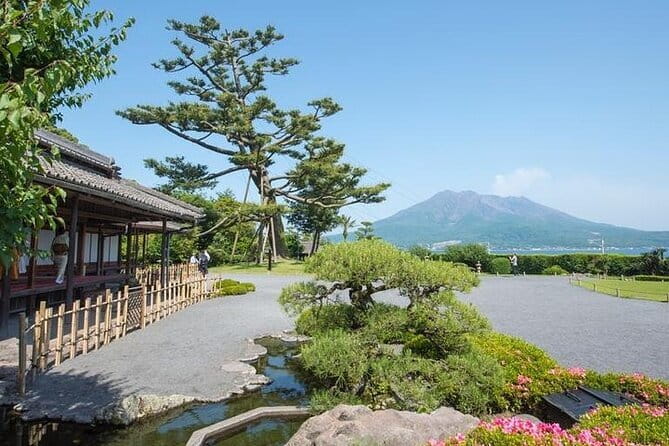
The tour uses the Sakurajima Island View Bus and other public transport rather than a private coach. This keeps you close to ordinary island life and lets the guide handle the route, tickets, and transfers. It also means the experience feels more local than a sealed vehicle tour.
There is a trade-off. The island buses can be crowded, and one person found the public bus too packed. Your guide may need to help the group board together, especially at busy times. Yuki was specifically praised for making sure everyone got onto the bus.
The shared group can reach up to 30 people, though some departures may be much smaller. One group had only four people, which made the outing feel quite personal. You should not count on that size, however. If you want a private tour, the booking instructions say to select one person for the private option, so check the exact product choice before paying.
What the $95.54 price really covers
At $95.54 per person, the price is higher than doing the basic ferry and bus route independently. The ferry itself can be inexpensive, and one person noted a public fare of about 230 yen. You can also buy a sightseeing bus ticket and visit several key points without a guide.
The value here is not the transport alone. Your fee includes the ferry to Sakurajima, the return crossing, and the volcanic ash art experience. More importantly, the guide connects the stops. You get help finding the right ferry and bus, English explanations at the Visitor Center and lookout, and assistance during the craft activity.
For a first visit, I think the price is fair if you want a stress-free half day and do not want to work out the island route yourself. It is less compelling if you are comfortable using Japanese public transport, have plenty of time, and mainly want the lookout. Independent visitors can cover some of the same ground for less.
The tour is also cheaper than a similar cruise-line shore excursion according to one booking experience. That comparison matters for cruise passengers, who often pay more for a large coach group. Here, you may get a smaller group and a local guide, though the maximum is still 30.
Who will enjoy this tour most
I would choose this tour if you want a broad introduction to Sakurajima in one morning or afternoon. It suits first-time visitors, cruise passengers with limited time, families with older children, and anyone who likes a mix of nature, local culture, transport, and hands-on activities.
The ash painting works well for families and couples because it gives everyone something to do. Teenagers also have a clear activity rather than spending the whole morning looking at displays. The foot bath adds an easy rest stop, and the schedule includes places to sit.
You should think twice if you dislike public buses, need a completely private vehicle, or want a strenuous volcano hike. This is a sightseeing tour, not a trek. You will walk, but the focus is on accessible stops and short visits.
Weather is another consideration. Rain has not prevented everyone from enjoying the tour, since the Visitor Center, foot bath, and art activity remain worthwhile. Still, fog can hide the volcano, and the best view at Yunohira Lookout depends on clear conditions.
The cancellation terms allow a full refund if you cancel at least 24 hours before the start time. Changes or cancellations inside that window are not refunded. If poor weather cancels the experience, you are offered another date or a full refund. The same applies if the minimum of two participants is not reached.
Should you book the Sakurajima half-day tour?
Book it if you want the volcano explained in plain English, need help with the ferry and island buses, and like the idea of making a souvenir from volcanic ash. The strongest parts are the local transport, the foot bath, and the way the ash art turns a geological subject into something personal.
Skip it if you prefer to travel independently and do not mind arranging the ferry, bus ticket, and stops yourself. Also skip it if a crowded public bus would spoil the day or if you need a guaranteed clear view.
For most first-time visitors with four and a half hours to spare, this is a well-balanced introduction to Sakurajima. Check the meeting point carefully, carry a towel, wear comfortable shoes, and keep your weather expectations realistic. If you get a guide such as Yuki, Naomi, Yukiko, or Kuni, you can expect the explanations and personal help that make the shared transport worthwhile.
FAQ
How long does the Sakurajima tour last?
The tour lasts approximately four hours and 30 minutes, including the ferry crossings, island visits, ash art activity, and return to the Kagoshima ferry terminal.
Where does the tour start and finish?
It starts at the Sakurajima Ferry Kagoshima Terminal in Honkoshinmachi, Kagoshima. It ends back at the same meeting point.
Is the ferry ticket included?
Yes. The package includes the ferry ticket to Sakurajima, and the itinerary includes a ferry ride at the beginning and end of the tour.
Is lunch included?
No. Lunch is not included in the tour price.
Do I need to bring a towel?
Yes. You are encouraged to bring your own towel for the Sakurajima Nagisa Foot Bath Park.
How many people can join the tour?
The tour requires at least two participants and can have a maximum of 30 people. A private tour option is also available, and the instructions say to select one person when booking it.
What happens if the weather is bad?
The experience requires good weather. If the operator cancels because of poor weather, you can choose another date or receive a full refund.
Just added around Japan
- Tsumami Zaiku Japanese Fabric Flower Class★ 5.0 · 3 reviews
- Tokyo: Serene Sakura & Sake: An Exclusive Brewery Pairing Lunch★ 5.0 · 2 reviews
- Tsukiji Food Strolling and Hama Rikyu Garden Walking Tour★ 5.0 · 7 reviews
- Private tour – Scenic Fuji Escape: Hakone, Peace Park & More★ 5.0 · 4 reviews
- Tokyo Cherry Blossom Half Day Walking Tour with a Local Guide★ 3.5 · 4 reviews
- TOKYO: Tailored Gardens tour with Pro Gardener by E-bike -BASIC★ 5.0 · 2 reviews
- Cherry Blossom Highlights, Asakusa, Ueno, Imperial Palace Garden★ 4.5 · 4 reviews
- Japan’s Customs of Ikebana Art, Tea Ceremony & Kimono Welcome★ 5.0 · 2 reviews
Kagoshima Garden Tours, compared.
Sakurajima Century Lava Climb Journey with E-bike
Read our review →Sakurajima Century Lava Climb Journey with E-bike
Read our review →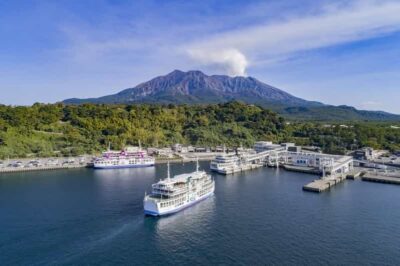
Discover the Wonder of Sakurajima Half Day Tour in Kagoshima
Read our review →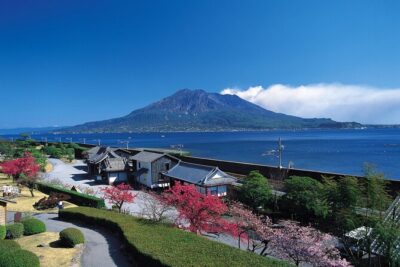
Kagoshima Highlights Private Tour, Sakurajima Volcano and more
Read our review →
Experience about the blessings of the earth in Sakurajima.
Read our review →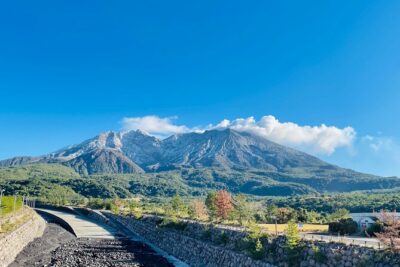
Kagoshima Gardens & Shrines — Local Bus Guided Tour (Small-Group)
Read our review →Browse the lists this tour appears in