
Review · KAGOSHIMA
Sakurajima Century Lava Climb Journey with E-bike
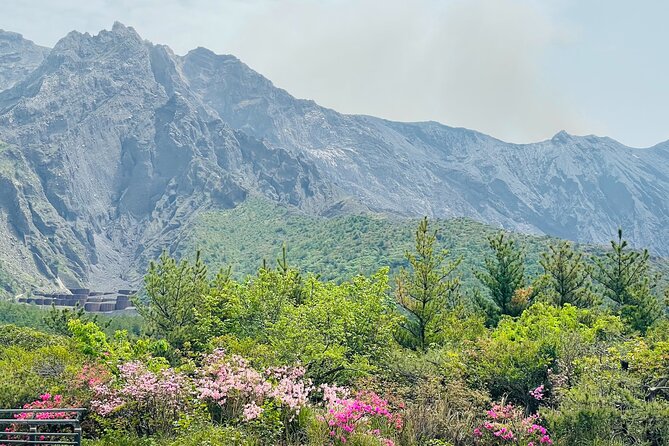
Sakurajima is not just a mountain viewed from Kagoshima. It is an active volcanic island shaped by eruptions, ash, lava, farming, and daily life. This three-hour ride brings you close to that story, with a climb to Yunohira Observatory, the highest point on Sakurajima open to visitors.
I like the small groups, limited to six, and the way guide Rento builds in regular stops for photos, geology, and rest. I also like the personal scale: local snacks and a drink are included, and the route reaches quiet agricultural areas that a bus tour can easily miss.
The main caution is the uphill cycling. Electric assist helps a lot, but this is still a workout, especially in warm weather. You need to be able to ride a bicycle, and wet black sand on the path can be slippery, so careful riding matters.
What makes this Sakurajima ride worth your time
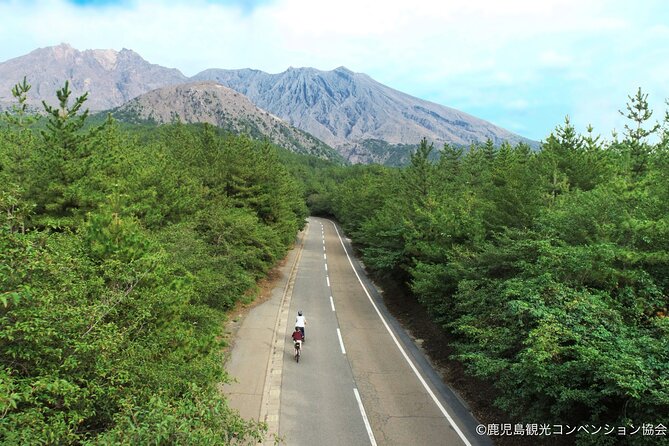
- Taisho lava and eruption history: See traces of the major 20th-century eruption while learning how it changed the island.
- A real uphill e-bike ride: The motor takes the edge off the climb, but you still pedal and should expect some effort.
- Yunohira Observatory views: Spend time at Sakurajima’s highest visitor viewpoint, with wide views across Kagoshima and the surrounding area.
- A small, flexible group: With no more than six participants, the guide can adjust the pace and add rest stops.
- Quiet roads and local agriculture: The route includes scenic stretches, orchards, and farming areas away from the main sightseeing stops.
- Simple practical extras: A bicycle, helmet, snack, drink, and English or Japanese guiding are included.
Starting beside the Sakurajima Visitor Center
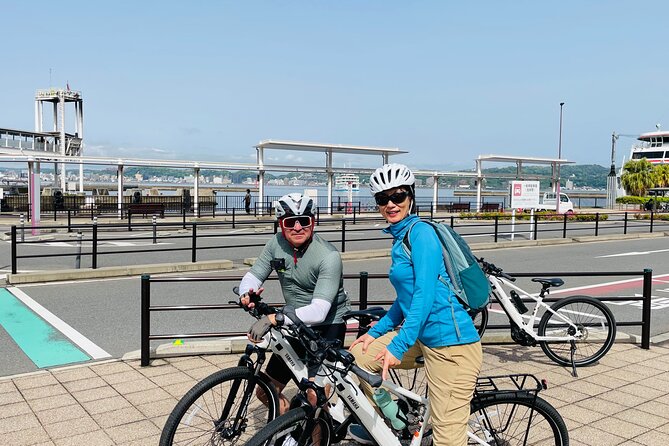
The meeting point is about an eight-minute walk from the Sakurajima Ferry Terminal, making this a practical outing if you have just crossed from Kagoshima. You meet at the Sakurajima Visitor Center, where the tour begins with a roughly 20-minute safety briefing.
That briefing matters. You will learn how to handle the e-bike, what to expect on the route, and how to ride safely around volcanic terrain. If you have never used an e-bike, do not worry too much. One participant who had never ridden one before found that a short practice period was enough to get comfortable, but you should still allow yourself time to learn the controls.
The bikes have electric assistance for the uphill sections. This does not turn the ride into a motorized sightseeing trip. You still need to steer, brake, balance, and pedal, and the climb can feel demanding in heat. The motor is best understood as a helpful push, not a complete substitute for fitness.
You receive a helmet, and the group sets off after the guide checks that everyone is ready. The tour is conducted in English or Japanese, and the small group size gives you a good chance to ask questions as you go.
More Garden Bike Tours in Japan:
- Sakurajima Century Lava Climb Journey with E-bike
★ 5.0 · 54 reviews - Tokyo Cherry Blossoms blooming spots E-bike Tour, 3hrs
★ 5.0 · 27 reviews - Sakurajima One Day Round Journey with E-bike
★ 5.0 · 8 reviews
Riding into Sakurajima’s volcanic past
The first ride is short, about ten minutes according to the planned schedule, but the important part is what follows. Rento introduces Sakurajima’s volcanic story and explains how the island has been shaped by eruptions.
The focus is not simply on looking at a volcano from a distance. You learn about the impact of the major Taisho eruption and see physical traces of the lava it produced. That makes the ride more meaningful. Instead of treating the black rock as scenery, you begin to read it as evidence of a dramatic event that altered the island.
Several stops are built into the route. Some last around ten minutes and combine sightseeing with short talks. This rhythm works well because volcanic features can look similar if you rush past them, while stopping lets you connect the visible ground with the story behind it.
The route also gives you a better feel for Sakurajima as a lived-in place. The experience includes quiet roads, local agricultural areas, and orchards. One useful contrast comes on the way down, when the guide can point out farming and orchard areas that are easy to miss from a bus.
The uphill section and how the e-bike feels
The main physical challenge is the climb toward Yunohira Observatory. Several people found the uphill section tough but worthwhile, even with electric assistance. That is a fair description of the ride.
Your experience will depend on the weather, your cycling habits, and how much support you use from the motor. The guide makes regular stops, both for sightseeing and to help you manage the climb. In hot weather, these pauses become especially valuable. One solo participant had the pace and number of breaks adjusted around personal comfort, which is one benefit of the small group format.
You should not book this expecting a completely effortless ride. The activity is suitable for people who can ride a bicycle, but it is not suitable for anyone unable to cycle or anyone under 145 centimeters tall. Comfortable shoes are essential.
There is also a specific surface hazard to keep in mind. Wet black sand can spread onto the path and cause a bicycle to skid. An experienced cyclist was injured in a fall after encountering this condition, suffering bruising and swelling. That does not make the ride unsafe by definition, but it does mean you should slow down, watch the surface, and listen closely to the guide’s instructions, particularly after rain.
Stops with views, photos, and local flavor
The itinerary includes a viewpoint stop before reaching Yunohira. It is used for a break, photos, and views along the route. These shorter stops keep the climb from feeling like one long push and give you time to look around rather than stare only at the road.
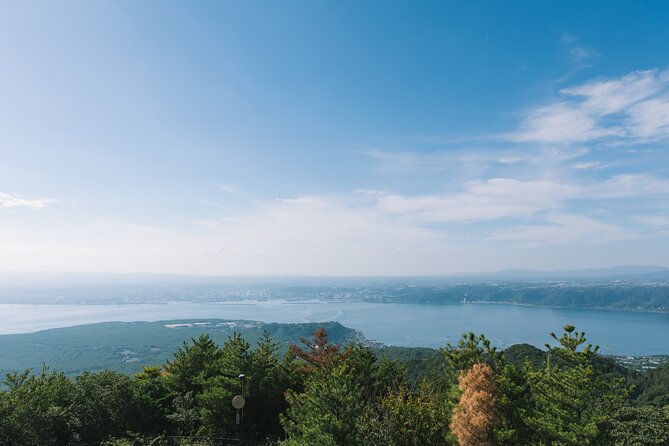
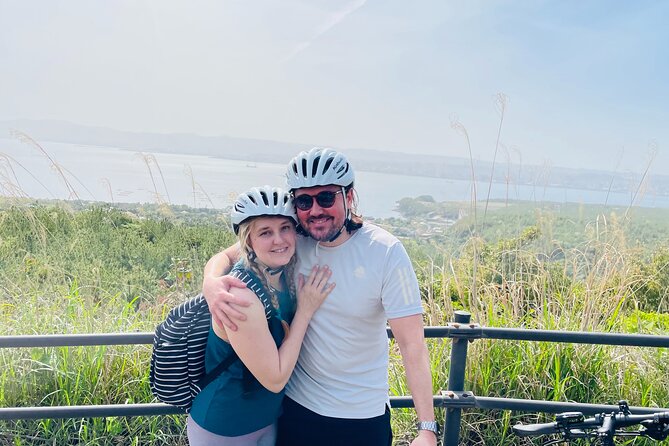
At Yunohira Observation Deck, you have about 30 minutes for a guided visit, photos, free time, and a little shopping. This is the main scenic reward of the ride. From the highest point in Sakurajima accessible on this tour, you can take in Kagoshima and the surrounding area from above.
The viewpoint is also where the volcano explanation comes together. The guide connects the broad view with the island’s eruption history, including the marks left by Taisho lava. You receive a Kagoshima snack and drink here, a small but welcome touch after the climb.
The stop is long enough to enjoy the view without feeling rushed, though it is not an extended sightseeing session. If you want a leisurely meal, this tour does not provide that. The included snack is a refreshment, not a full lunch.
Rento also takes photos during the experience when conditions allow. That can be useful if you are riding alone and want more than quick phone snapshots taken at the viewpoint.
More E-Bike Garden Rides in Japan:
- Sakurajima Off Limits Trail Journey with E-bike
★ 5.0 · 5 reviews - TOKYO: Tailored Gardens tour with Pro Gardener by E-bike -BASIC
★ 5.0 · 2 reviews - Porto Riverbank Tour on an e-bike: Atlantic Coast, Gardens
★ 4.7 · 11 reviews - Porto Riverbank E-Bike Tour – Atlantic Coast, Gardens
★ 5.0 · 6 reviews
Quiet roads and the return ride
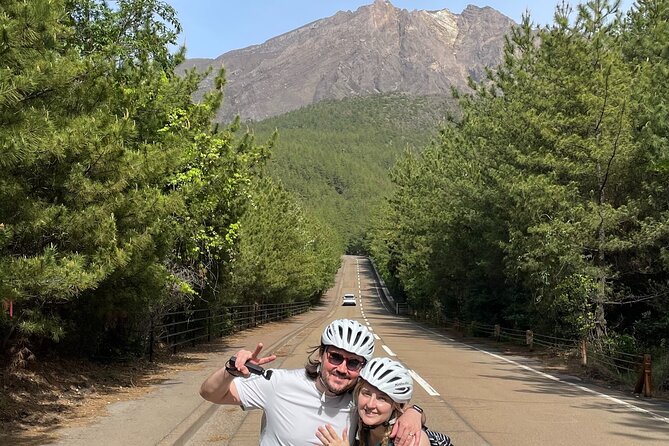
After Yunohira, the return is generally easier because you are riding downhill. The route includes two shorter secret stops, each with time for a break and sightseeing. The exact appeal of these stops can vary with the guide, weather, and conditions, but they are part of what makes this feel less like a simple ride straight to a lookout and back.
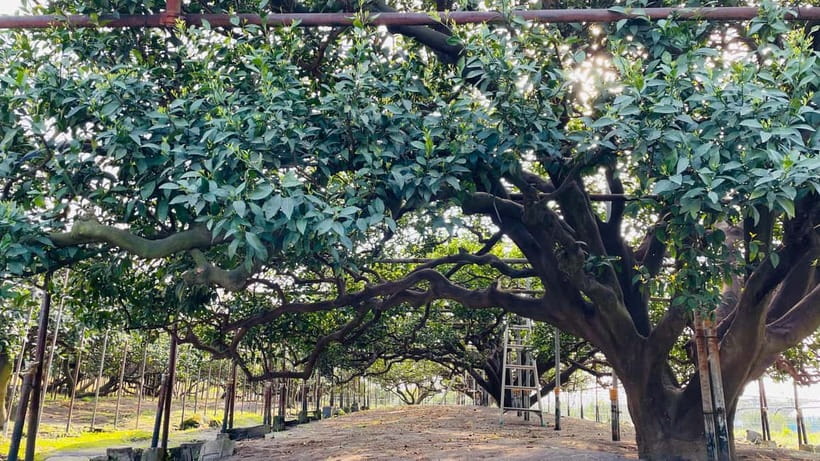
The return also brings another side of Sakurajima into view. You may stop near agricultural sites and orchards while the guide explains how people use the island. This local detail gives the tour a wider purpose. You are not only seeing volcanic remains; you are seeing how people live and work on ground shaped by volcanic activity.
The ride finishes back at the Sakurajima Visitor Center. Because the starting point is close to the ferry terminal, you can continue your day around the island or return across the water to Kagoshima.
How much value do you get for $102?
At $102 per person, this is not the cheapest way to see Sakurajima. The value depends on what you want from your visit.
If all you need is a quick lookout and a few photos, a bus ride or independent visit may cost less and require less effort. The e-bike tour earns its price through the guide’s interpretation, the bicycle rental, helmet, small group, snack, drink, and access to a more active route through the island.
You are also paying for a three-hour experience rather than a short transfer to a viewpoint. The guide explains volcanic history along the way, stops at quieter places, and can adjust the pace for the group. That personal attention is especially useful if you are new to e-bikes or want to ask questions about eruptions, lava, and local life.
For solo participants, the value can be stronger. The group limit is six, and the guide can offer more flexibility when fewer people book. One person on a particularly quiet departure was able to set a comfortable cycling speed and take extra time for questions.
I would call the price fair for an active, guide-led experience, but only if you want to cycle. You should not pay for this tour expecting a passive sightseeing ride.
Weather, volcanic ash, and what to pack
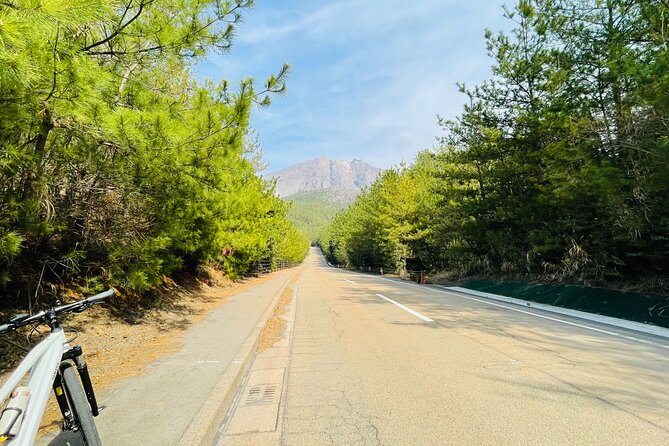
Weather affects this activity in a direct way. The tour provider makes a bad-weather decision by the day before and cancels with a refund if conditions are unsuitable. That policy helps, but you should still be ready for changing conditions on the island.
Bring:
- Comfortable, closed shoes
- Water
- Weather-appropriate clothing
- A passport or other identification
- Travel insurance
- A small backpack
- Sunglasses
- Slip-resistant gloves if conditions are cold or wet
- A wind and rain layer for sudden changes
The sunglasses are not only for bright light. They can also help protect your eyes if ash is falling. A small backpack is useful for valuables, and bags can be attached to the bicycles for transport.
Do not bring alcohol or drugs. You should also avoid bulky luggage, since this is a cycling activity rather than a sightseeing transfer.
Sakurajima’s volcanic setting means conditions can affect comfort even when the sky looks fine. Wind, rain, glare, ash, and wet sand all matter. The right clothing and a cautious pace will make a noticeable difference.
Who should book this ride?
I would recommend it to you if you want an active way to understand Sakurajima and enjoy learning as you go. It suits people who can ride a bicycle, appreciate scenic stops, and do not mind a moderate uphill effort.
It is also a good choice for first-time e-bike riders. The safety briefing and electric assistance make the bike approachable, and Rento’s patient style has been especially helpful for beginners. Still, first-timers should be honest about their balance and cycling ability.
The tour works well for solo visitors, couples, and small groups. A maximum of six people keeps the experience personal. Families should check the 145-centimeter minimum height carefully, since younger children may not qualify.
I would choose something else if you dislike cycling, have difficulty with hills, want a fully passive tour, or are looking for a long stop with a substantial meal. The ride includes breaks, but it remains a three-hour outdoor activity.
Should you book the Sakurajima Century Lava Climb?
Book it if you want more than a photograph of Sakurajima. The ride connects the Taisho lava, eruption history, Yunohira views, quiet roads, and local agriculture in one compact outing. The guide makes the difference, especially when Rento adjusts the pace, explains the geology in plain terms, and takes time for questions and photos.
Go prepared for a climb, changing weather, and the possibility of slippery volcanic sand. If you can handle those conditions, this is a practical and memorable way to see Sakurajima from the seat of an e-bike rather than through a bus window.
FAQ
How long is the Sakurajima e-bike tour?
The experience lasts three hours, including the safety briefing, guided ride, sightseeing stops, time at Yunohira Observation Deck, and the return to the Sakurajima Visitor Center.
Where does the tour begin?
It begins at the Sakurajima Visitor Center, about an eight-minute walk from the Sakurajima Ferry Terminal.
Is the tour available in English?
Yes. The tour is available with a live guide in English or Japanese.
How many people can join the tour?
The group is limited to six participants.
Is the e-bike rental included?
Yes. The price includes a guided e-bike tour, e-bike rental, and helmet.
What should I bring?
Bring a passport or identification, comfortable shoes, water, travel insurance, and clothing suited to the weather. A small backpack, sunglasses, slip-resistant gloves, and a rain and wind layer are also recommended depending on conditions.
What happens if the weather is bad?
The weather decision is made by the day before the activity. If the tour is canceled because of bad weather, you will receive a refund. Free cancellation is also available up to 24 hours in advance.
Just added around Japan
- Tsumami Zaiku Japanese Fabric Flower Class★ 5.0 · 3 reviews
- Tokyo: Serene Sakura & Sake: An Exclusive Brewery Pairing Lunch★ 5.0 · 2 reviews
- Tsukiji Food Strolling and Hama Rikyu Garden Walking Tour★ 5.0 · 7 reviews
- Private tour – Scenic Fuji Escape: Hakone, Peace Park & More★ 5.0 · 4 reviews
- Tokyo Cherry Blossom Half Day Walking Tour with a Local Guide★ 3.5 · 4 reviews
- TOKYO: Tailored Gardens tour with Pro Gardener by E-bike -BASIC★ 5.0 · 2 reviews
- Cherry Blossom Highlights, Asakusa, Ueno, Imperial Palace Garden★ 4.5 · 4 reviews
- Japan’s Customs of Ikebana Art, Tea Ceremony & Kimono Welcome★ 5.0 · 2 reviews
Kagoshima Garden Tours, compared.
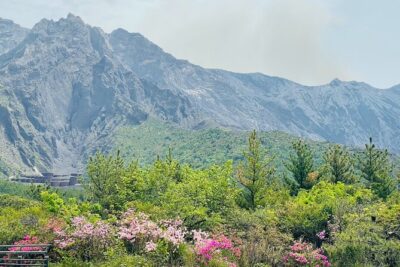
Sakurajima Century Lava Climb Journey with E-bike
Read our review →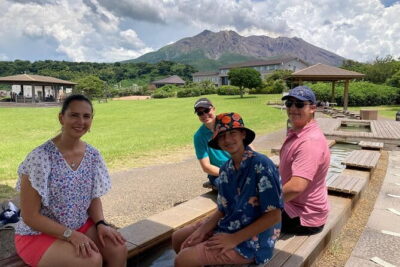
Discover the Wonders of Sakurajima Half Day Tour in Kagoshima
Read our review →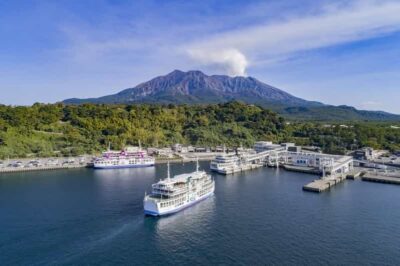
Discover the Wonder of Sakurajima Half Day Tour in Kagoshima
Read our review →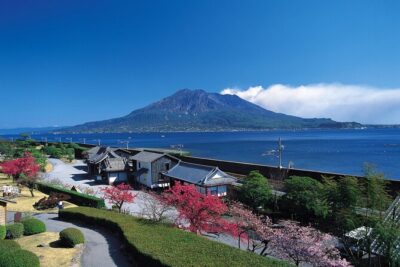
Kagoshima Highlights Private Tour, Sakurajima Volcano and more
Read our review →
Experience about the blessings of the earth in Sakurajima.
Read our review →
Kagoshima Gardens & Shrines — Local Bus Guided Tour (Small-Group)
Read our review →Browse the lists this tour appears in