
Review · TOKYO
Evening Hanami (Cherry Blossom) Experience with a Local
Tokyo’s cherry blossom season is at its best after sunset, when lanterns and fairy lights line the Meguro River and Nakameguro takes on a softer, more local feel. This three-hour walk combines the canal promenade with neighborhood food, hanami customs, and dinner at an izakaya.
I like the small maximum group of 10 and the useful mix of sightseeing and eating. You get a local guide to handle the route, plus snacks, one drink, and a seasonal dinner instead of having to search for an open restaurant during one of Tokyo’s busiest weeks.
The main caution is timing. Blossoms may not be fully open, and the tour’s quality depends heavily on the guide and restaurant arrangements. A past account described too much time standing in an alley and little freedom to choose food, so this is not the best pick if you prefer complete independence.
Key points about this Nakameguro evening walk
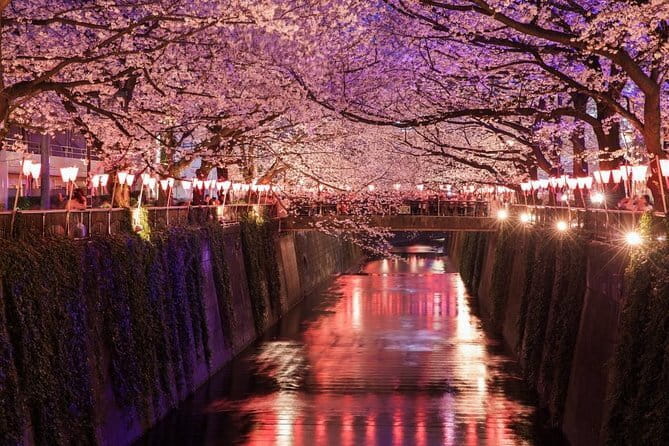
- Lantern-lit Meguro River: Walk along one of Tokyo’s most popular cherry blossom corridors after dark.
- Dinner at an izakaya: Sit down for seasonal dishes in a Japanese drinking-and-dining pub.
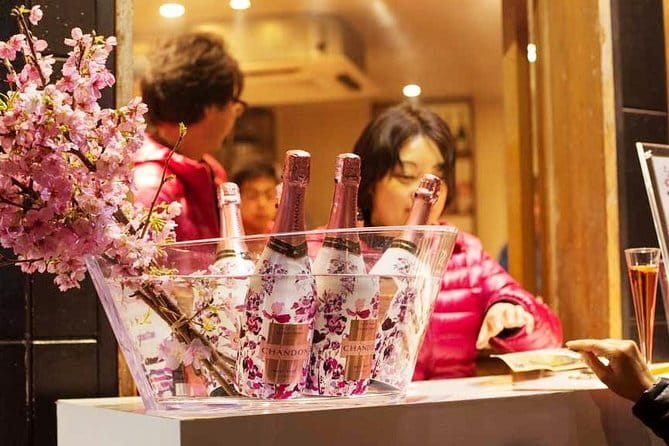
- Local food along the way: Sample snacks, sweets, and one included drink during the route.
- Hanami culture explained: Learn customs, local history, and even how to toast in Japanese.
- Small group format: The tour accepts no more than 10 people, which should make conversation and questions easier.
- Weather and blossom risk: Poor weather can cancel the outing, and early or late dates may not show trees in full bloom.
Why an evening in Nakameguro works so well
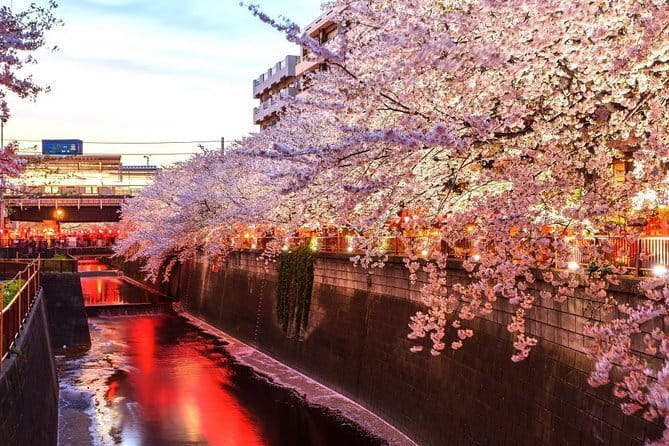
Nakameguro is a smart place for a food-focused Tokyo evening. The district follows the Meguro River, with restaurants, shops, and pedestrian routes gathered around the canal. During cherry blossom season, the river becomes a major hanami destination, and the evening lighting changes the mood from daytime sightseeing to a slower night walk.
You meet at 4:30 pm near Nakameguro Station, in front of Segafredo at the station area. That start time gives you daylight for the first part of the outing, then lets you see the lights appear as the afternoon fades.
That transition matters. In daylight, you can study the trees and canal. After dark, the lanterns and fairy lights give the promenade its special character. You also avoid trying to plan dinner at the last minute, when popular restaurants may be full.
The tour ends in the Nakameguro area rather than returning you to your hotel. That is useful if you want to keep eating, shopping, or using the nearby train station afterward. You will need to arrange your own transportation to and from the meeting point, and transport costs are not included.
More Cherry Blossom Tours in Japan
- Mt. Fuji, Cherry Blossom & Shiba Sakura Pvt. Day Tour
★ 5.0 · 326 reviews - Mt. Fuji & Hakone Cherry Blossom private One Day Tour
★ 4.5 · 35 reviews - Tokyo Cherry Blossoms blooming spots E-bike Tour, 3hrs
★ 5.0 · 27 reviews
Starting at Nakameguro Station
The first stop is Nakameguro Ekimae Machikado Park, just a short meeting point from the station. The listed meeting address is in Kamimeguro, Meguro City, and the practical instruction is to meet in front of Segafredo at Nakameguro Station.
Tokyo station areas can have several exits and crowded sidewalks, especially during blossom season. I would arrive early, keep the mobile ticket ready, and confirm the exact meeting instructions before leaving your hotel. The tour begins at 4:30 pm, so a late arrival could be hard to recover from in a small group.
This first stop is not a major sightseeing visit. It is mainly where the group gathers and gets oriented. That is still useful because your guide can explain the route, set expectations for dinner, and introduce the local setting before you reach the most crowded part of the river.
The tour is family-friendly, but children must be accompanied by an adult. Children age 10 and above require a copy of passport information, according to the booking conditions. The minimum drinking age is 21, so families should clarify how the included drink is handled for anyone under that age.
Walking the Meguro River promenade
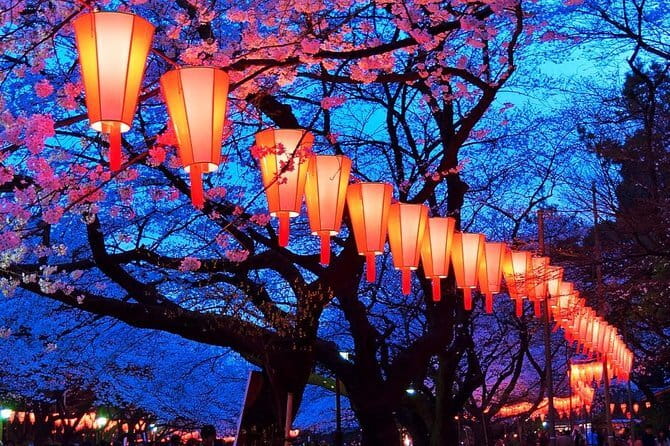
The central part of the experience is a walk along the Meguro River Cherry Blossoms Promenade. This is where the tour delivers its main visual appeal: trees over the canal, evening lights, restaurant fronts, and the energy of a neighborhood that is especially popular during hanami season.
Your guide is meant to do more than point out trees. The walk includes explanations of the district’s history, Japanese hanami customs, and local manners. One particularly useful detail from a past outing was a lesson in how to toast in Japanese. Small cultural points like this can make dinner and conversation feel less awkward later.
The guide also helps you navigate. That matters here because the river area can become crowded, and a first-time visitor may not know which side streets lead to food or shopping. You are not simply following a fixed sightseeing route. The plan includes time to look around shops and restaurants in the Nakameguro area.
Still, you should keep your expectations realistic. Cherry blossoms are not guaranteed to be at their peak on your date. One successful tour took place when the trees were not fully in bloom, but the guide adjusted the walk and found a few flowering trees for photos.
That flexibility is valuable, though it cannot replace peak bloom. If seeing a full canopy of flowers is your main reason for booking, check the forecast and blossom reports before committing to a nonrefundable date. The operator may change stops because of weather, restaurant schedules, public holidays, or other practical problems.
Snacks, sweets, and the included drink
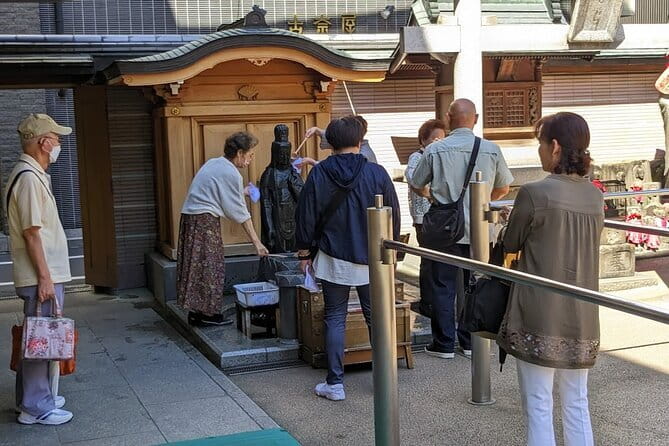
Food is spread through the walk rather than saved entirely for the restaurant. You get local snacks and sweets, along with one included drink. This gives you a taste of the area without requiring you to order unfamiliar items on your own.
The exact snacks are not fixed in the information provided, and that is worth noting. You should expect local treats rather than a detailed tasting menu. Additional food and drinks can be purchased at your own expense, but they are not part of the stated price.
This arrangement suits someone who wants an introduction to Japanese food rather than a formal food tour. You can try small items, ask questions, and then sit down for a proper meal. It is less suitable if you want to choose every dish or avoid all surprises.
The tour is described as friendly to pescetarian and gluten-free diets. I would still contact the operator before the start date with specific restrictions, since restaurant substitutions and cross-contact details are not explained. Food preferences should be discussed before you arrive, not at the table.
More Cherry Blossom Tours in Tokyo
- Cherry Blossom Private Tour
★ 4.5 · 18 reviews - Licensed Guide Tokyo Meguro Cherry Blossom Walking Tour
★ 4.5 · 13 reviews - Tokyo: Mt. Fuji & Hakone Cherry Blossoms Private Day Tour
★ 3.5 · 9 reviews - Tokyo Cherry Blossom Express Tour with Boat Ride
★ 4.3 · 7 reviews
Dinner at a seasonal izakaya
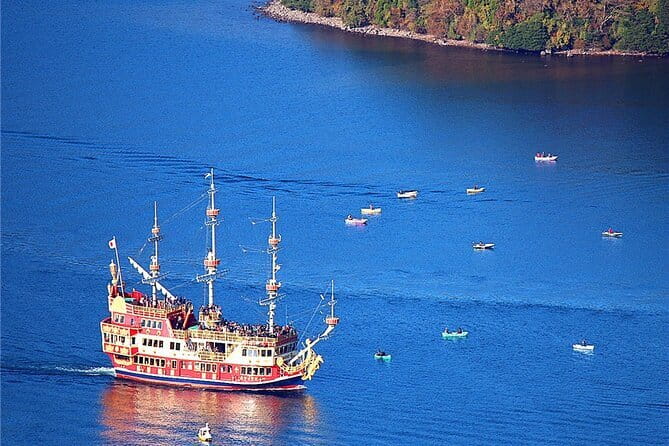
The evening meal takes place at an izakaya, a Japanese restaurant built around shared dishes, drinks, and a relaxed social setting. Dinner includes local dishes and seasonal items, which is a good match for cherry blossom season and the tour’s neighborhood focus.
An izakaya meal can be one of the most useful introductions to Japanese dining. Instead of ordering one large main course, you may encounter several smaller dishes designed for sharing. The guide can help explain what you are eating and how people typically order, toast, and dine together.
There is one important limitation: you cannot assume that you will choose every dish yourself. A past account specifically objected to having limited control over the food, so book this with the understanding that the menu may be arranged in advance.
That is not automatically a flaw. A set meal keeps the evening moving and makes the price easier to understand. It also avoids the common problem of a first-time diner staring at a Japanese menu with no idea what to order. But if you have strong preferences, allergies, or a firm budget for drinks, ask questions before booking.
Additional drinks are not included. Since the tour runs in the evening and includes an izakaya, costs can rise if you keep ordering after the included drink. Bring a payment method for extras and treat the $224 price as covering the stated food and drink, not an open bar.
What the $224 price really covers
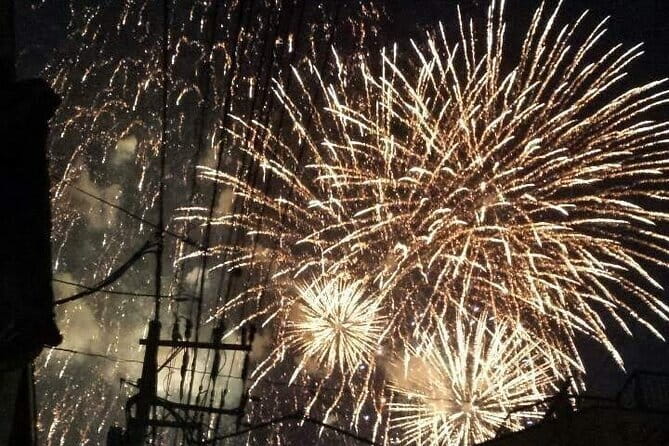
At $224 per person, this is an expensive three-hour outing. The cost is not simply paying for a river walk. It covers a local English-speaking guide, snacks and sweets, one drink, dinner, cultural explanations, and help with restaurant access during a crowded seasonal period.
The value depends on how much help you want. If you are comfortable navigating Tokyo, choosing your own food, and waiting for a restaurant table, you can probably see the Meguro River for less on your own. The river promenade itself does not require an admission ticket.
I see the price as easier to justify for a first visit, a short Tokyo stay, or an evening when you want the planning handled. A small group, included dinner, and a guide who can explain local customs add convenience. You are paying for structure and interpretation as much as for the food.
The value is weaker for independent eaters and repeat visitors who already know Nakameguro. One past account described the tour as poor value, with too much time spent standing in an alley and little choice over food. That criticism should not be ignored, especially because the overall public score is 3.6 from 10 ratings.
On the other hand, the strongest praise focuses on the guide. A guide named Ray was able to keep one outing worthwhile even when the blossoms were not in full bloom. He explained customs, shared local context, taught the Japanese toast, and adjusted the route to find flowering trees for photos.
That contrast tells you what to watch for. The route and meal matter, but the guide can determine whether the evening feels like a useful local introduction or an overpriced group walk.
Group size, pace, and practical comfort
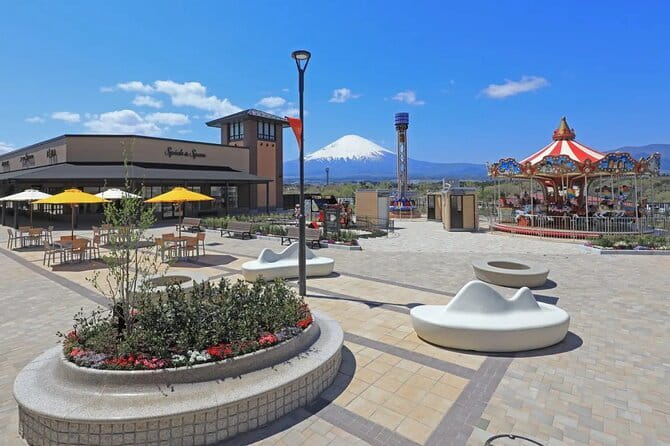
The maximum group size is 10 people. That is small enough for a guide to answer questions and keep the group together without the feel of a large coach tour. It also means the outing may feel more personal when the guide is engaged and the restaurant is well organized.
You should expect to walk for much of the three hours. The supplied information does not give an exact distance or accessibility rating, but most people can participate. Wear comfortable shoes and plan for outdoor conditions, crowds, and changing weather.
The outing begins in late afternoon and continues into the evening. Bring a light layer if the spring air cools after sunset. The operator requires good weather and may cancel in poor conditions, offering a different date or a full refund.
The route and restaurant can change because of schedules, holidays, weather, or other problems. That flexibility is normal for a seasonal food walk, but it means you should not book this expecting one guaranteed restaurant or a fixed list of exact dishes.
Solo visitors are asked to email the operator. That is worth doing before purchase rather than assuming a solo booking will be accepted automatically. The tour is near public transportation, but hotel pickup and drop-off are not included unless you select that option.
Who should book this evening hanami experience
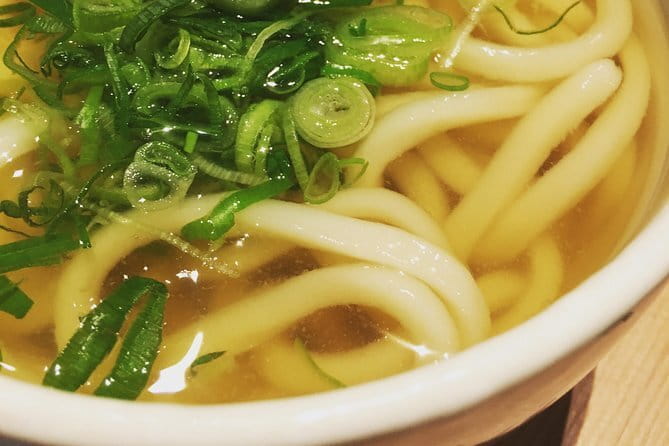
I would recommend it most strongly to visitors who want a guided first look at Nakameguro and prefer to combine sightseeing with dinner. It also suits people who enjoy trying local food but would rather have someone explain the dishes, customs, and ordering style.
Families can use it, provided an adult accompanies each child and the passport requirement for children age 10 and older is handled. Pescetarian and gluten-free diners may also find the format workable, with advance communication.
It is less suited to you if peak blossoms are nonnegotiable. Tokyo’s bloom dates vary, and the tour cannot control nature. It is also a poor match if you dislike group dining, want full control of the menu, or would rather spend the evening moving at your own pace.
If you book, choose your date carefully, arrive early at Nakameguro Station, and contact the operator about food needs and solo participation. Go in expecting a guided neighborhood evening, not a private cherry blossom photo session.
Should you book this Tokyo evening walk?
Book it if you value local explanation, included dinner, and easy navigation more than bargain pricing. The lantern-lit river, hanami customs, snacks, and izakaya meal make a well-shaped evening, and a good guide can add real value, as Ray did when the flowers were not at their best.
Skip it if you can organize the river walk and dinner yourself, or if you want complete control over what you eat. The $224 cost is high for three hours, and the mixed 3.6 rating shows that the experience can vary.
Free cancellation is available up to 24 hours before the 4:30 pm start time. After that point, changes and refunds are generally not accepted, except when the operator cancels for poor weather or because the minimum group size is not reached. That policy makes an early decision less risky, but you should still check the blossom forecast before booking.
FAQ
Where does the tour meet?
The meeting point is in front of Segafredo near Nakameguro Station. The listed address is in Kamimeguro, Meguro City, Tokyo.
What time does the tour start?
The tour starts at 4:30 pm and lasts about three hours.
Where does the tour end?
The tour ends in the Nakameguro area of Meguro City. Hotel drop-off is not included unless you select a pickup and drop-off option.
Is dinner included?
Yes. Dinner at an izakaya, local snacks and sweets, and one drink are included. Extra drinks or food cost more.
Are cherry blossoms guaranteed to be in bloom?
No. Bloom timing can vary, and one outing took place when the trees were not fully open. The guide may adjust the route and visit other flowering trees when possible.
Is the tour suitable for children?
Yes, it is described as family-friendly. Children must be accompanied by an adult, and a copy of passport information is required for children age 10 and above.
Can the tour be canceled for bad weather?
Yes. If poor weather prevents the outing, you may be offered another date or a full refund. Free cancellation is also available if you cancel at least 24 hours before the start time.
More Evening Experiences in Tokyo
- Orchid Trendy Cruises 2Days/1 Night 5 Star Cruises
★ 5.0 · 853 reviews - Singapore Starry Night Cruise, Garden Rhapsody & Spectra Show
★ 4.5 · 782 reviews - Bangkok: Night Bike Tour with Temples & Flower Market Visit
★ 4.8 · 751 reviews - Singapore Starry Night: Cruise, Garden Rhapsody & Spectra
★ 4.5 · 615 reviews
Just added around Tokyo
- Tsumami Zaiku Japanese Fabric Flower Class★ 5.0 · 3 reviews
- Tokyo: Serene Sakura & Sake: An Exclusive Brewery Pairing Lunch★ 5.0 · 2 reviews
- Tsukiji Food Strolling and Hama Rikyu Garden Walking Tour★ 5.0 · 7 reviews
- Private tour – Scenic Fuji Escape: Hakone, Peace Park & More★ 5.0 · 4 reviews
- Tokyo Cherry Blossom Half Day Walking Tour with a Local Guide★ 3.5 · 4 reviews
- TOKYO: Tailored Gardens tour with Pro Gardener by E-bike -BASIC★ 5.0 · 2 reviews
- Cherry Blossom Highlights, Asakusa, Ueno, Imperial Palace Garden★ 4.5 · 4 reviews
- Japan’s Customs of Ikebana Art, Tea Ceremony & Kimono Welcome★ 5.0 · 2 reviews
Tokyo Garden Tours, compared.
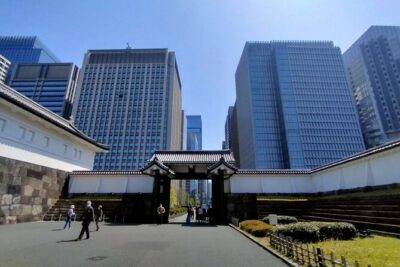
Imperial Palace East Garden and Edo Castle Walking Tour in Tokyo
Read our review →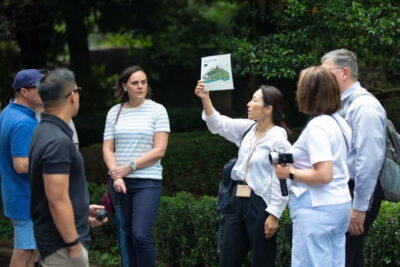
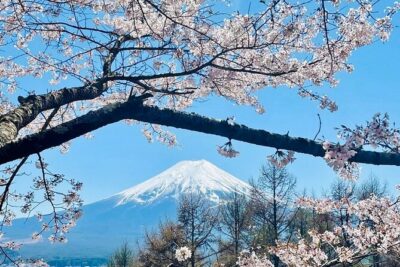
Edo Castle & East Garden of the Imperial Palace Tour
Read our review →
Tokyo Private Tour! Edo Castle & Imperial Palace East Gardens
Read our review →
Mount Fuji & Lake Kawaguchiko Private Tour: Beyond the Ordinary
Read our review →
Rainbow Bridge Day Cruise Show and Only Soft Drinks
Read our review →
Tsukiji Market and Hama-rikyu Gardens Guided Tour
Read our review →Browse the lists this tour appears in